Amalek Attacked When Israel Went Three Days Without Torah
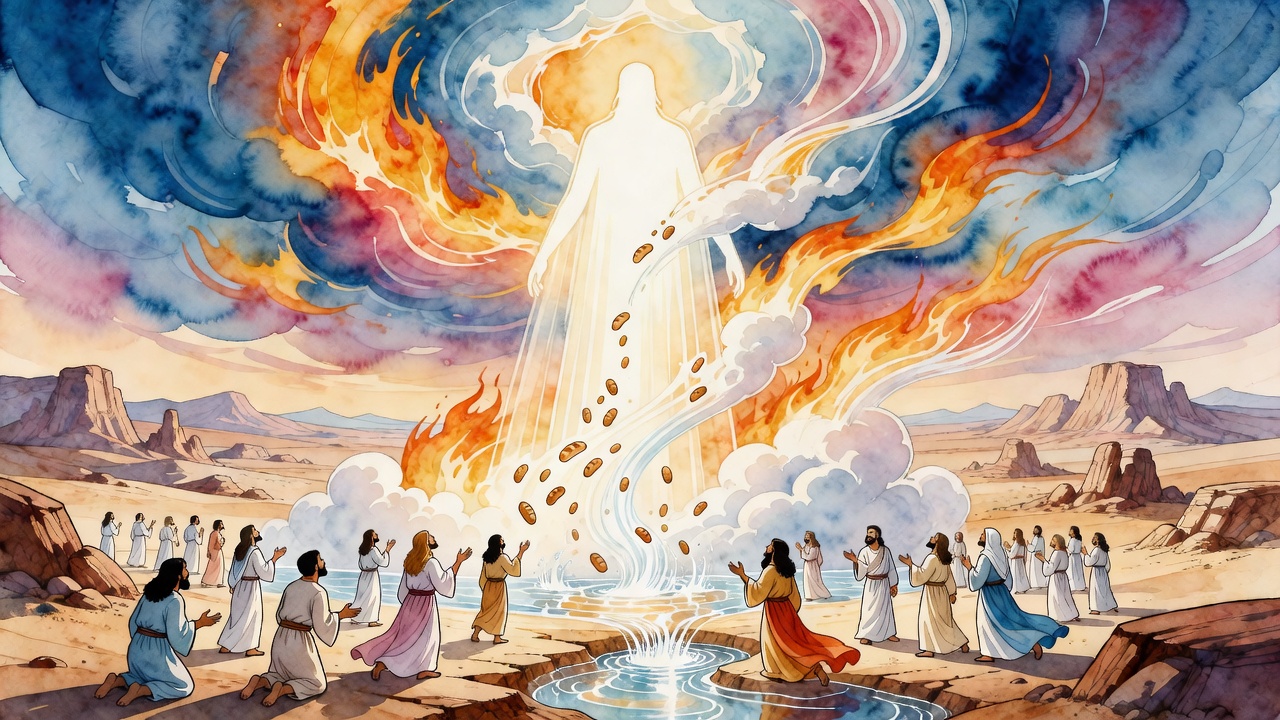
They walked three days with manna still in the baskets and no teaching in their mouths. Amalek found the tired walkers at the rear.
Table of Contents
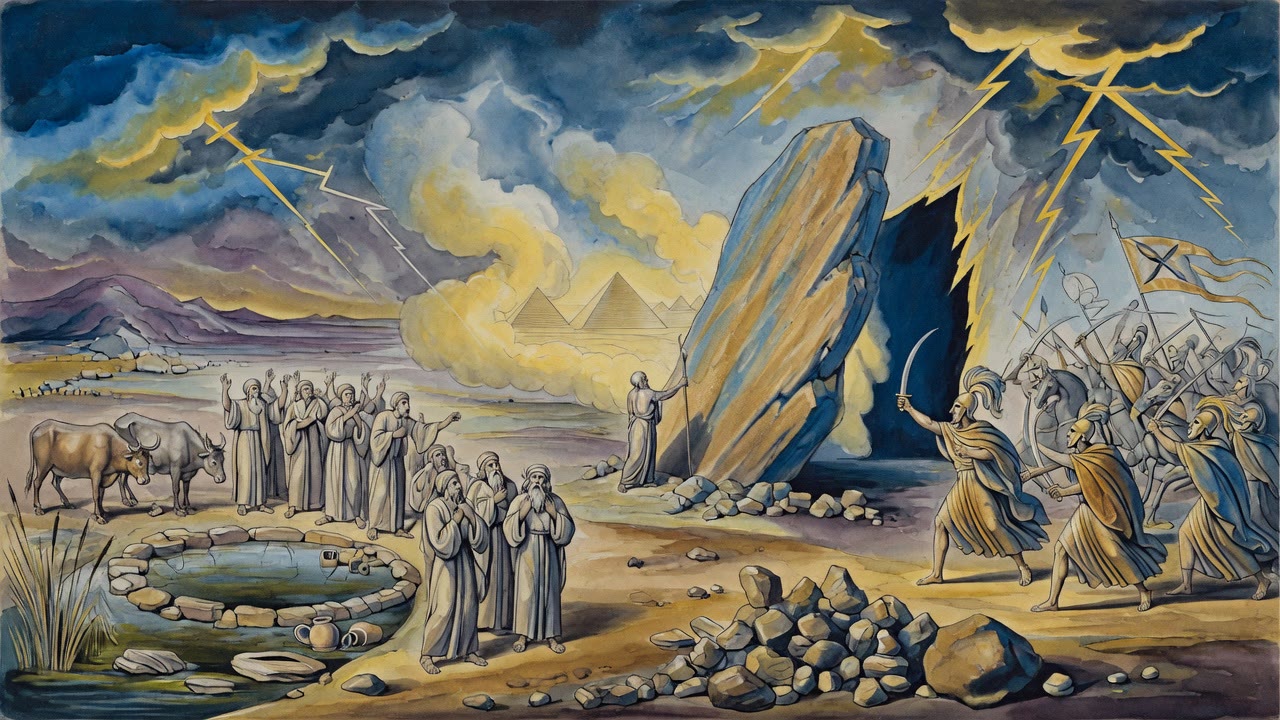
The last skin of water slapped dry against a donkey's flank. Israel had left the wilderness of Sin with baskets still holding the morning's manna, each portion an omer, a tenth of an ephah, measured so no hand could hoard tomorrow's fear. Three days later the water was gone, and something else was gone with it that no skin could hold.
 Click for full size
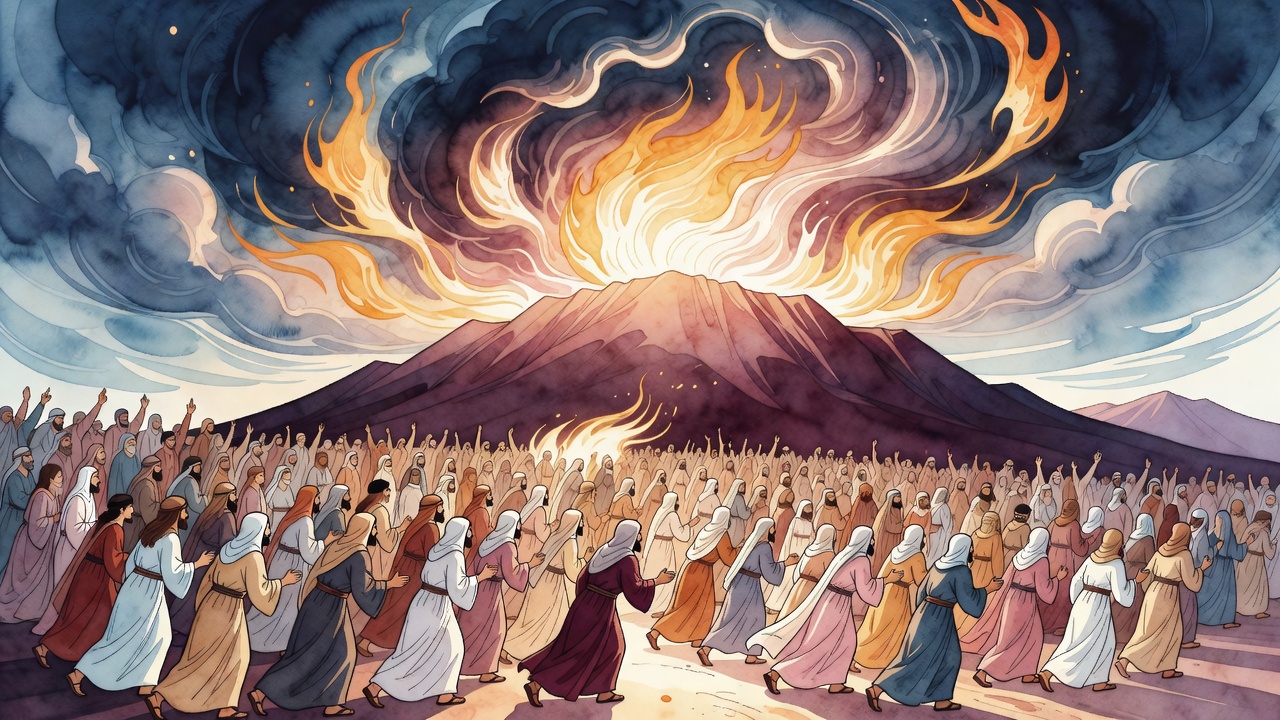
Mouths that had been full of flakes began to shape complaint. At the rear of the column an old man slowed. A mother shifted a child to her other hip. Dust rose. The cloud still led. The rear ranks already straggled.
The Bowls Were Full
An omer is not romance. It is math. Heaven fed them with exactness. Each morning the ground offered only what a person needed for that day. Trust was built into the size of a bowl.
Then they moved. The cloud lifted. Feet that had learned to wait for bread now learned to complain about bitterness at Marah and dryness on the road. Children still licked manna from their fingers. Elders still told stories of the sea splitting. Between those two comforts a gap opened, quiet at first, then wide enough for a rider.
The body can be full while the mouth goes three days empty of study. That emptiness is a thirst the skin does not show. They had not "found" words of Torah, which are compared to water. "Ho! all who thirst, go to the waters," the prophet would cry (Isaiah 55:1). Thirst is longing for teaching. Water is the teaching itself. A people that walks three days without those words begins to argue with its own guide.
Three Days Without a Word
The column stretched. Miracle and forgetfulness walked in the same formation. Someone at the front still pointed at the cloud. Someone at the back asked why the wells had failed, and then why the prophet had failed, and then why they had ever left the pots of Egypt.
They had cloud and manna and a prophet who could strike rock. Protection was still not automatic. Closeness to teaching was itself a wall. When the wall softened, a nation that looked strong from outside became a target at the rear, where the tired walked.
On the second night a boy asked for a story from Sinai and got a shrug. On the third morning no one opened a word before the baskets. They ate. They walked. They did not study. The manna tasted like itself and like nothing, coarse to one mouth and fine to another, and fewer people asked what the loaf meant.
Whoever takes what belongs to Israel without justice never really tastes bread. In the wilderness the danger was the other way. They had the bread and were losing the meaning inside it.
Amalek Hit the Rear
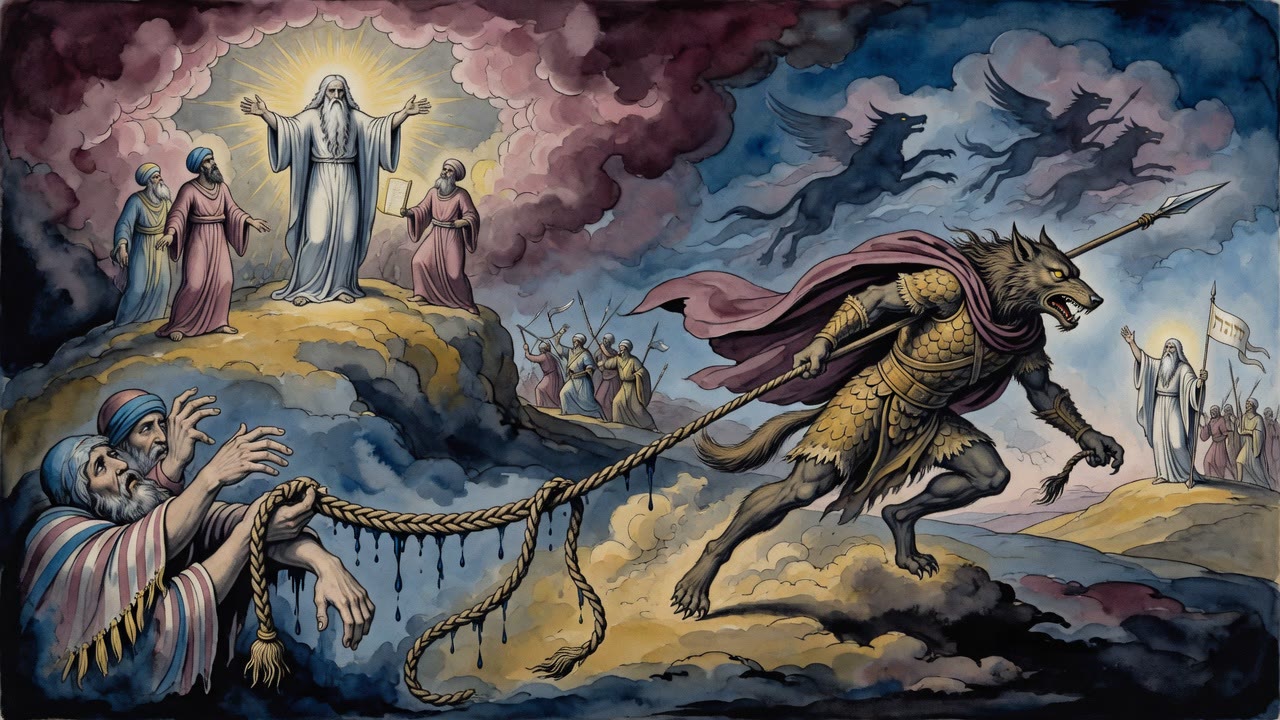
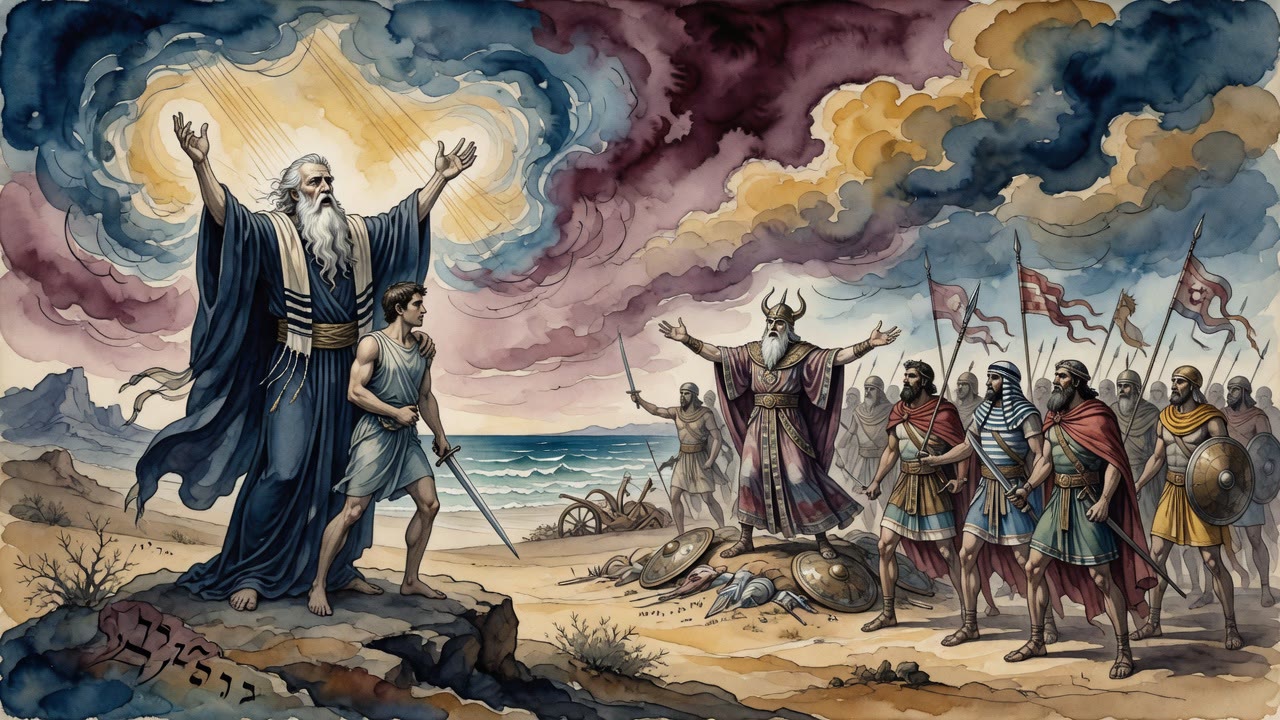
At Rephidim the enemy appeared. Amalek's riders did not aim for Moses first. They aimed for the soft edge where memory of miracles had thinned into complaint. An old man at the back went down. A mother ran and lost a sandal. Dust became a fight.
The enemy comes on account of sin and a loosened grip. When Israel let the words of Torah slip, an attacker found the thinned hedge. The battle did not begin when the first spear showed. It began in the days without water that were also days without learning.
Moses climbed. Aaron and Hur held his arms. Joshua fought below. Whenever Moses' hands dropped, Amalek pressed. Whenever the arms stayed up, Israel pushed back. The quieter claim underneath is that the arms in the air were the last, visible repair of a thirst that had started days before the first spear.
By evening the rear was no longer a herd of stragglers. It was a line that had paid in blood for three empty days.
Monday, Thursday, Sabbath
Because the gap of three days had bred rebellion, the prophets and the elders fixed a rhythm. Torah would be read publicly on Sabbath, Monday, and Thursday. Rest Sunday after the Sabbath reading. Read Monday. Rest Tuesday and Wednesday. Read Thursday. Rest Friday into Sabbath again.
No stretch of three full days without the public voice of the scroll. The wilderness crisis became a synagogue clock. What began as panic at dry wells became a pattern still kept when the wells are full and the danger is quieter.
A reader opened the scroll on a Monday and the camp heard words it had not heard since the last Sabbath. The sound itself was a wall going back up. Children who had shrugged on the road now stood for a lection. The omer had taught portion. The reading days taught continuity.
After the battle, when hands finally lowered, someone asked what the omer had to do with spears. The answer was already in the dust. Measured bread had not been enough. Unmeasured silence had been the opening.
Hold the Water
Amalek does not need a people who have never seen miracles. He needs a people between miracles who stop hearing. The measured manna was still falling when the grip loosened. The cloud was still a guide when the rear ranks straggled into reach.
Hold the water. Hold the reading. Hold the meaning of the bread. The battlefield at Rephidim is what happens when those three slip at once.
A people that stops measuring its days by teaching will be measured by someone else's blade. The public reading days were not a pious extra. They were a wall rebuilt out of calendar stones, set where three empty days had nearly undone a nation.
Moses' arms came down. The scroll stayed in the week. At the rear, the dust settled on a sandal no one had had time to pick up, and on a rhythm that would not again allow three mute days in a row.
← All myths