At Refidim Their Hands Went Slack and Amalek Came
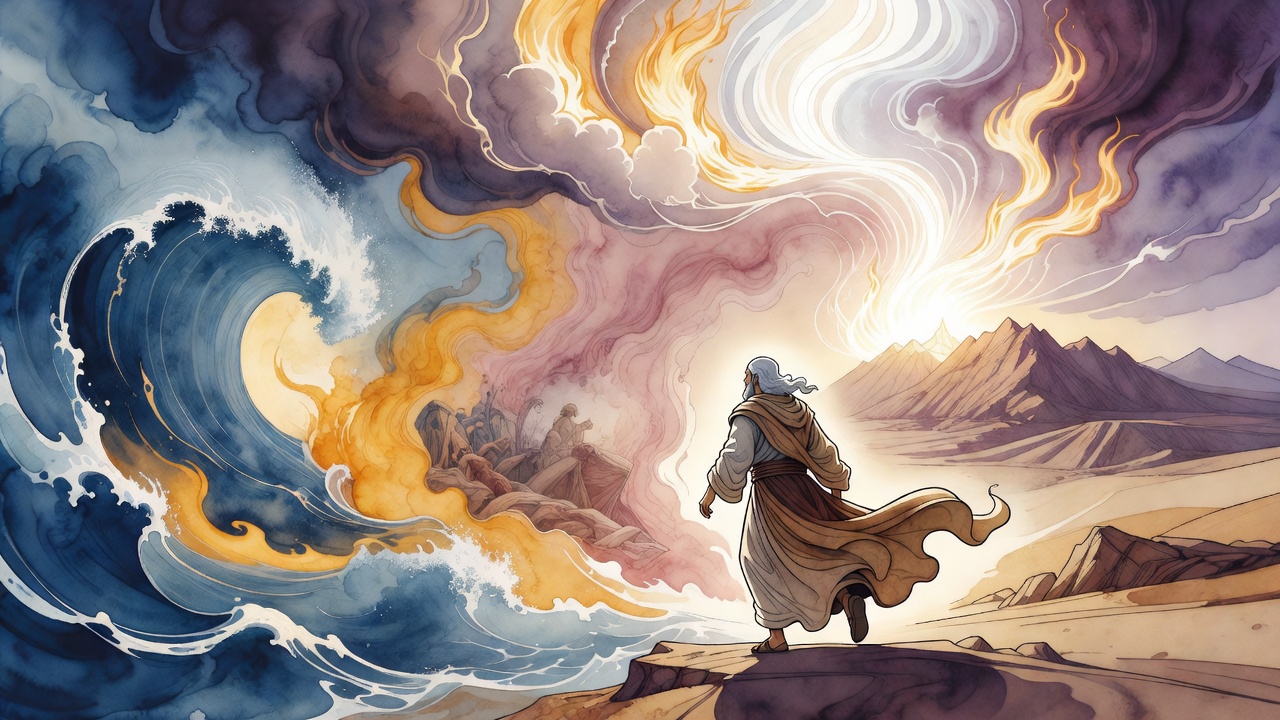
There was no water at Refidim, and the people quarreled until Moses told God they were close to stoning him. Then Amalek came at them out of the hills.
Table of Contents
 Click for full size
No Water at Refidim
They came up out of the wilderness of Sin by stages and pitched camp at Refidim, and there was nothing to drink.
Not a spring, not a cistern, not a wet patch under a rock. Livestock first, then children. The camp turned on Moses in a body.
"Give us water to drink."
"Why are you quarreling with me?" he said. "Why are you testing the Lord?"
That answer bought nothing. The thirst got worse through the day and the grumbling got harder and by evening they were saying it out loud in front of him. "Why did you bring us up out of Egypt? To kill us and our children and our animals with thirst?"
Ready to Stone Him
Moses got away from them and cried out.
"What am I supposed to do with this people? A little more and they will stone me."
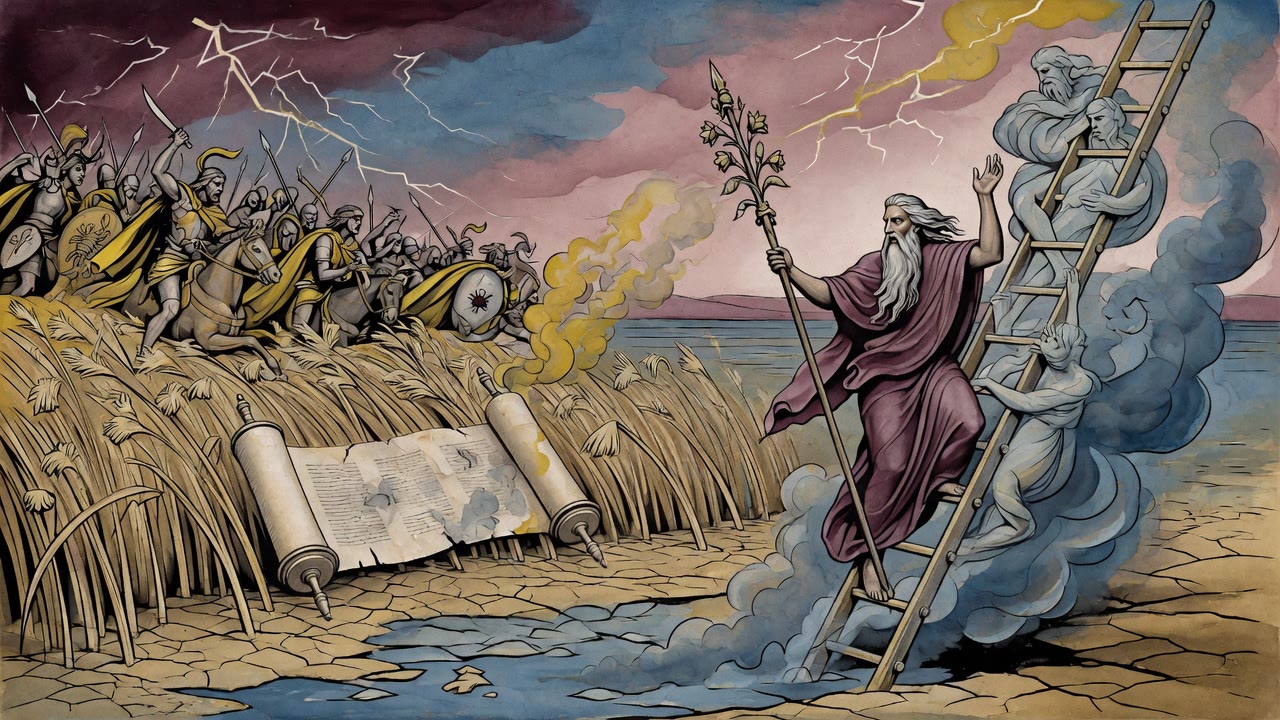
"Go on ahead of them," God told him. "Take some of the elders with you. Take the staff you struck the Nile with and carry it in your hand. I will be standing there in front of you on the rock at Horeb. Strike the rock and water will come out and the people will drink."
He did it where the elders could see him do it. The staff came down on stone, and water ran out of it, and a camp that had been ready to kill him drank.
He named the place twice over, for the testing and for the quarrel, because they had argued with him and tested God by asking a question out loud that nobody in that generation should have had to ask. Is the Lord here with us or not?
Amalek Came
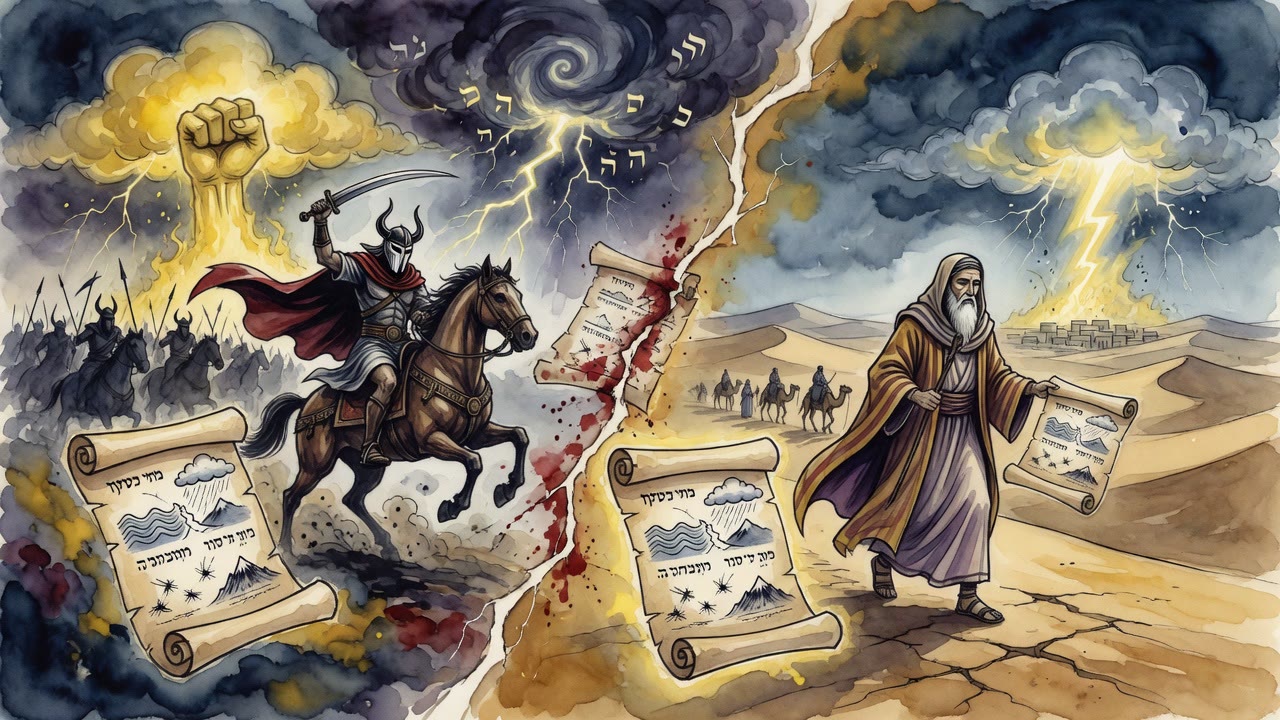
Then Amalek came and fought Israel at Refidim.
No warning, no herald, no dispute over wells or pasture. Raiders out of the hill country onto a column of people who had been in the desert six weeks and had spent the last day of it fighting over water.
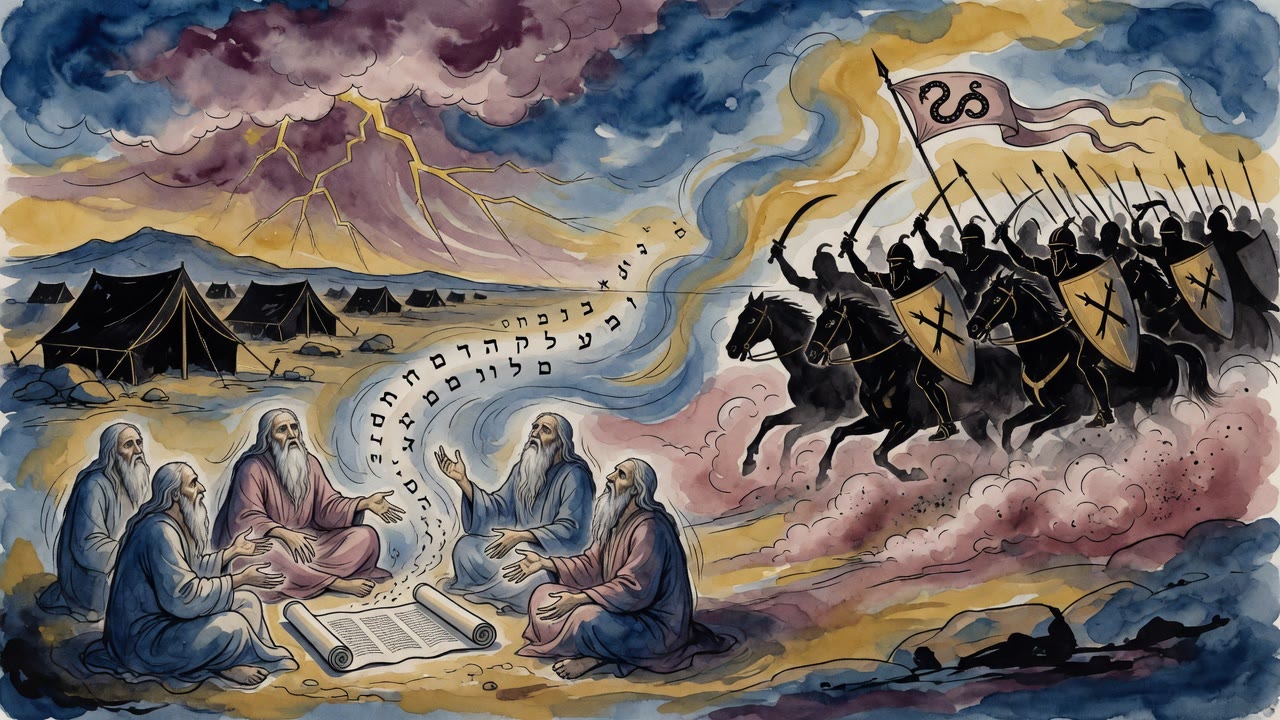
They came at the tail of the column first, where the tired ones walked. The women carrying children, the old men, the ones whose feet had gone bad in the sand and who could not hold the pace. Amalek cut those down and was back in the rocks before the fighting men at the front had turned around.
Moses sent for Joshua. "Pick us out some men and go out and fight Amalek tomorrow. I will stand on top of the hill with the staff of God in my hand."
Joshua picked his men that night by lamplight and nobody in the camp slept much.
The Hands on the Hill
In the morning Joshua went down into the valley with the men he had chosen, and Moses climbed the hill with Aaron and Hur.
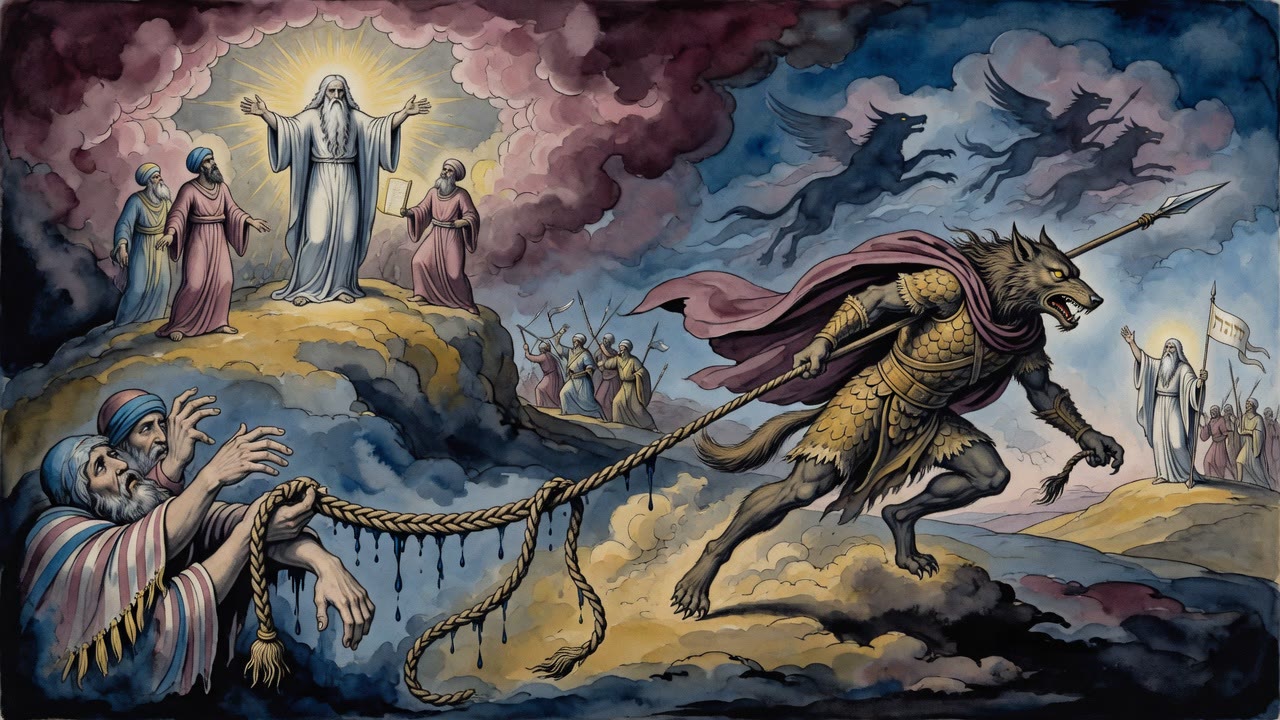
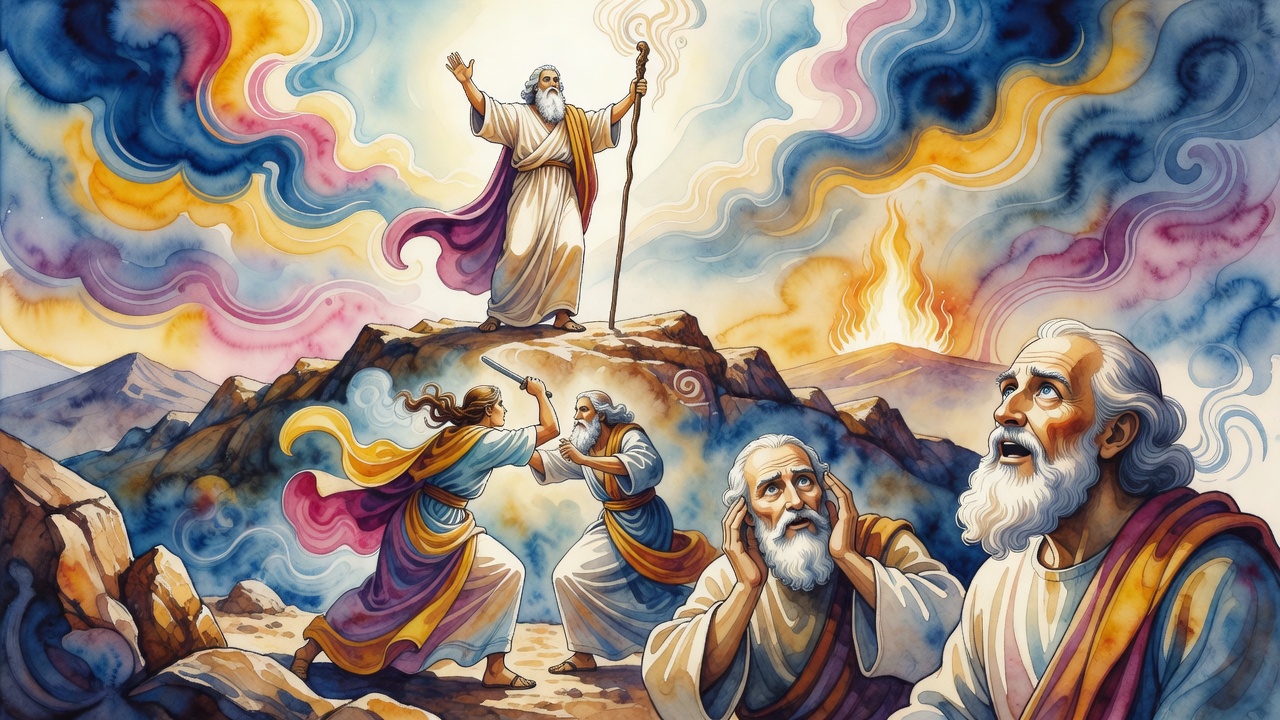
When Moses held his hand up, Israel got the better of it. When he let his hand come down, Amalek got the better of it. The line of the fighting below moved with an old man's arm.
So he held it up. And the arm got heavy, the way an arm does, and then both arms went slack from the shoulder and started to sink no matter what he wanted.
Aaron and Hur put a stone under him and sat him down on it. Then one of them took his right hand and the other took his left and they held his arms up for him, one on each side.
Until the Sun Went Down
His hands stayed steady until the sun went down.
Down in the valley Joshua worked through the day with the edge of the sword and broke Amalek and his people, and the raiding stopped, and the column had its road back. The men who came off that field had been fighting since the light came up, and none of them had known that the whole thing was hanging on two other men holding an old man steady on a rock above their heads.
"Write this in a book so it is kept," God told Moses, "and say it in Joshua's hearing. I will wipe out the memory of Amalek from under heaven."
Moses stacked an altar on the hill and named it for a banner, because a hand had been lifted against the throne, and there would be war with that house from generation to generation.
Three men came down off the hill in the dark. Two of them were still working the ache out of their own arms.
← All myths