Bar Kamsa Left the Feast and Jerusalem Burned
The host saw his enemy at the table and ordered him out. Bar Kamsa offered to pay for the whole feast. The rabbis sat and watched.
Table of Contents
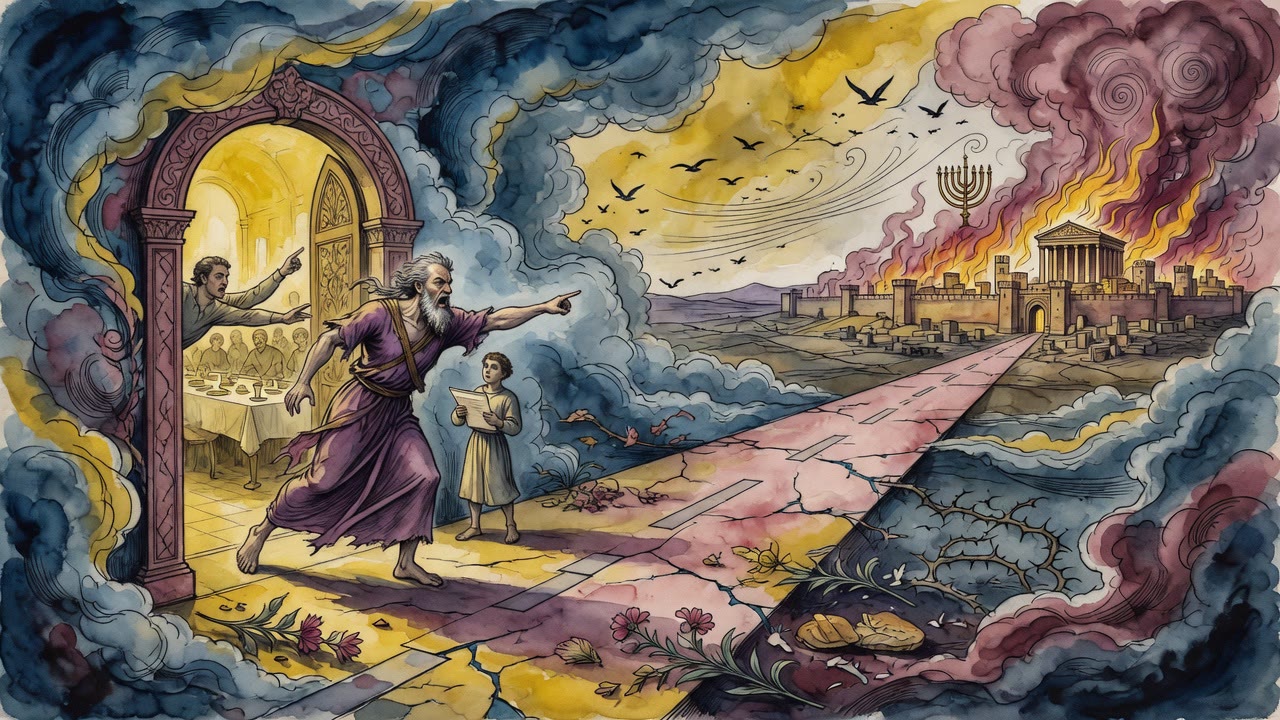
A rich man in Jerusalem planned a feast and told his servant to invite his friend Kamsa. The servant invited Bar Kamsa, the host's enemy, instead. When the host saw the wrong man at the table, his face went hard. He ordered him out.
 Click for full size
Bar Kamsa stood among the couches and felt the room turn. The rabbis were already seated. Plates were already down. A public shove toward the door would follow him through the city for years. He opened his mouth to buy his way back into the chair.
He Offered to Pay for All of It
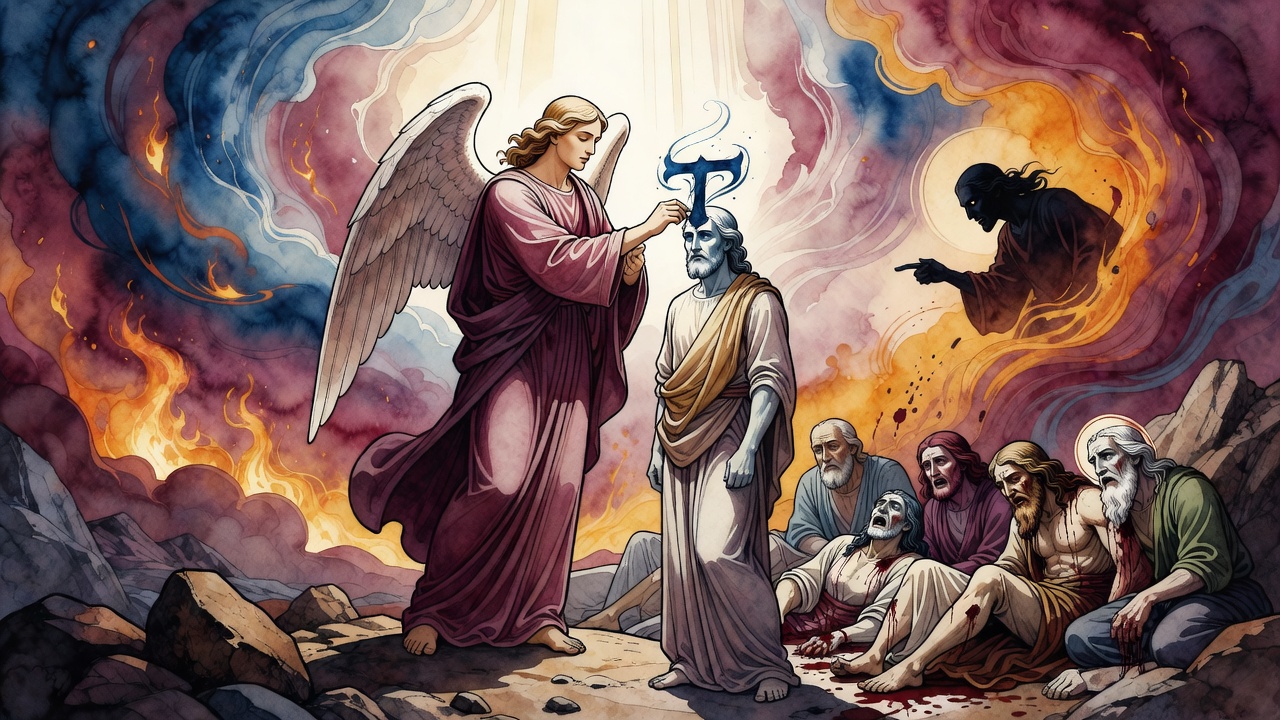
"I will pay for my own portion," Bar Kamsa said. The host refused. "Half the feast," Bar Kamsa said. The host refused. "The whole banquet," Bar Kamsa said. Anything to avoid being thrown into the street while the sages sat and watched.
The host refused every offer. Pride would not hear a payment. Bar Kamsa looked at the rabbis. Not one rose. Not one put a hand on the host's sleeve. He left burning. He told himself that the sages who had not intervened had approved the humiliation.
From that insult he built a road to Rome.
The Wound Went to Caesar
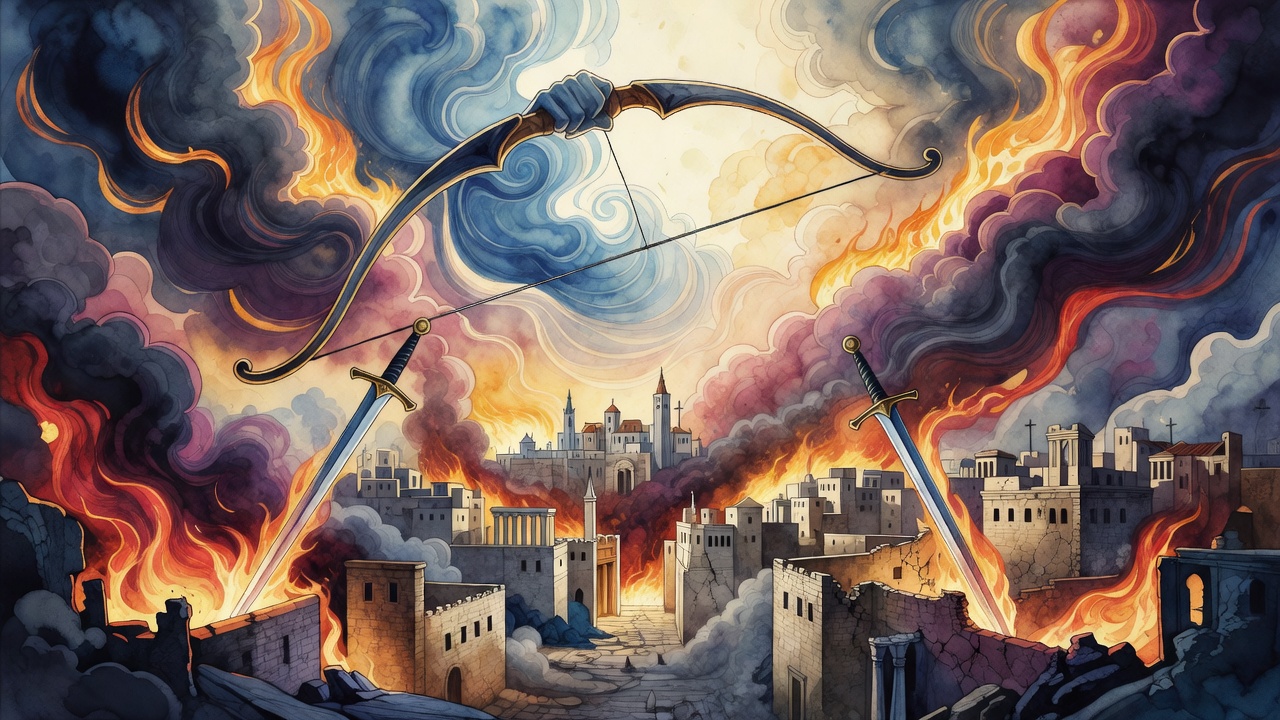
He told the emperor the Jews were rebellious. He arranged a test with a blemished sacrifice, a small cut in an animal that should have gone up whole, and set in motion the war that would burn the Temple and break the city. A single misdelivered invitation became a hinge of history.
Bar Kamsa's insult was real. The host's cruelty was real. The sages' silence was real. Rome's fire was also real. A private shame, left unhealed, hired an empire. The empire did not need a grand speech to enter the gates. It needed one man with a fresh wound and enough cleverness to aim that wound at the Temple's politics.
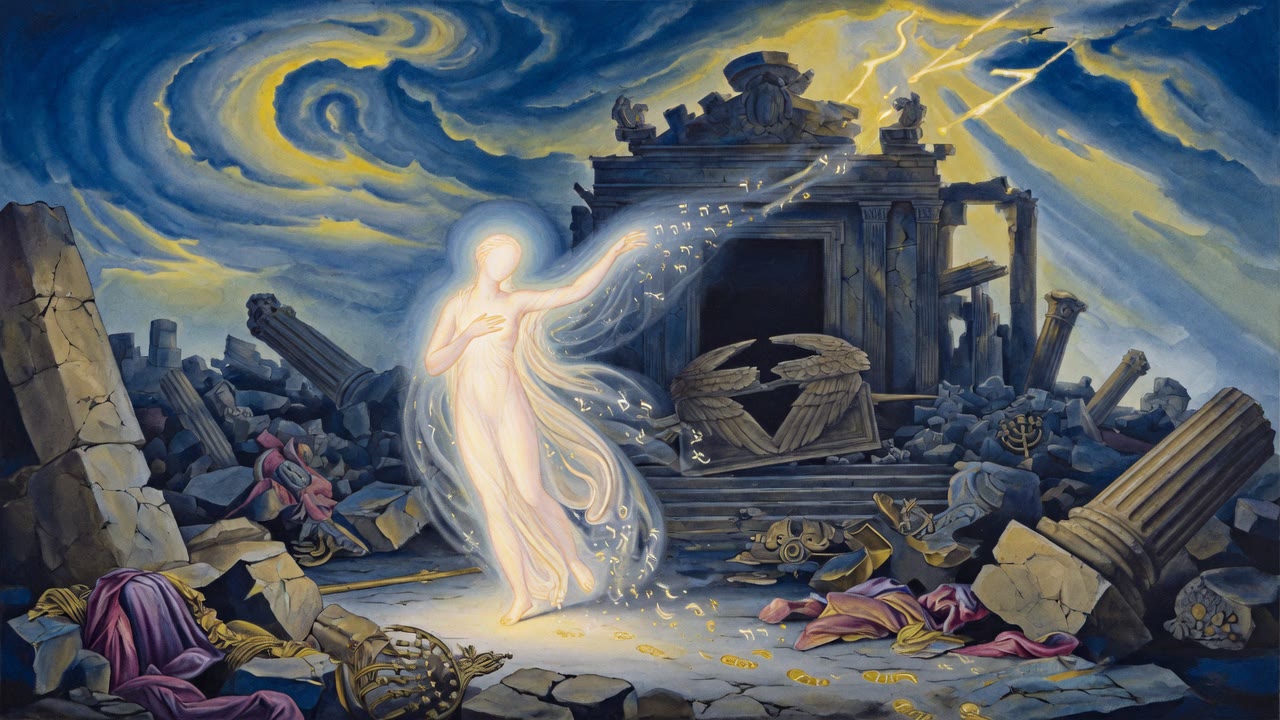
The feast's closed door taught the large ruin how to begin: with pride that will not hear a payment, and with silence from those who might have stood up.
No Road Between Judea and the Galilee
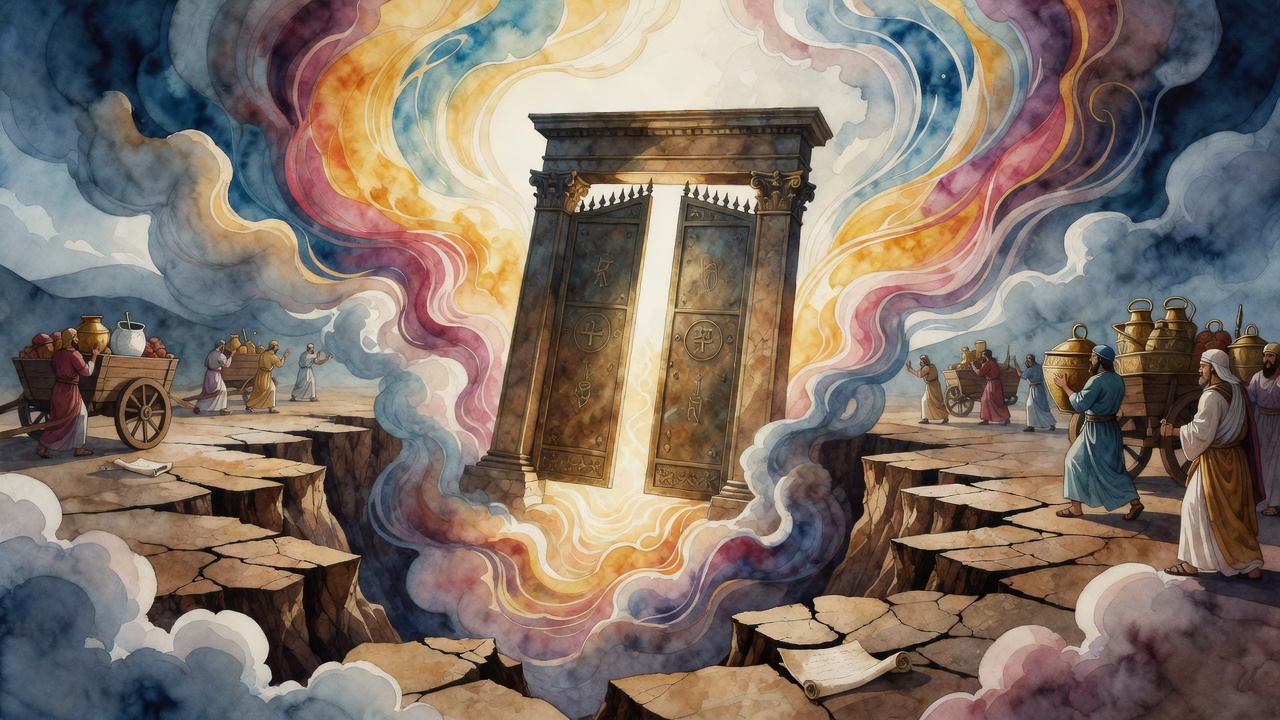
After the smoke, a survivor tried to walk from Judea to the Galilee and found the way fenced. A strip of Cuthite land cut the two Jewish countries from each other, and the people on that strip would not let Jews pass. Taxes hung on the ankles, land tax and state tax and poll tax, heavy as iron. Some named the enclosure of the Arabs. Some named the fortress of the Persians. The roads that used to carry cousins now carried refusals.
First a man was fenced out of a banquet. Then a people was fenced into ruin. Fetters of tax and a hostile strip cut brother from brother until travel itself became a trial. "He fenced me in that I will not emerge; He made my fetters heavy" (Lamentations 3:7). The verse had a body now. It had swollen feet and a closed gate.
Jerusalem was pursued, covered with wrath, made filth among the peoples. The small expulsion and the large enclosure rhymed. A host who would not swallow an enemy for one night had helped teach an empire how to swallow a city.
A Cloud Sat on the Prayer
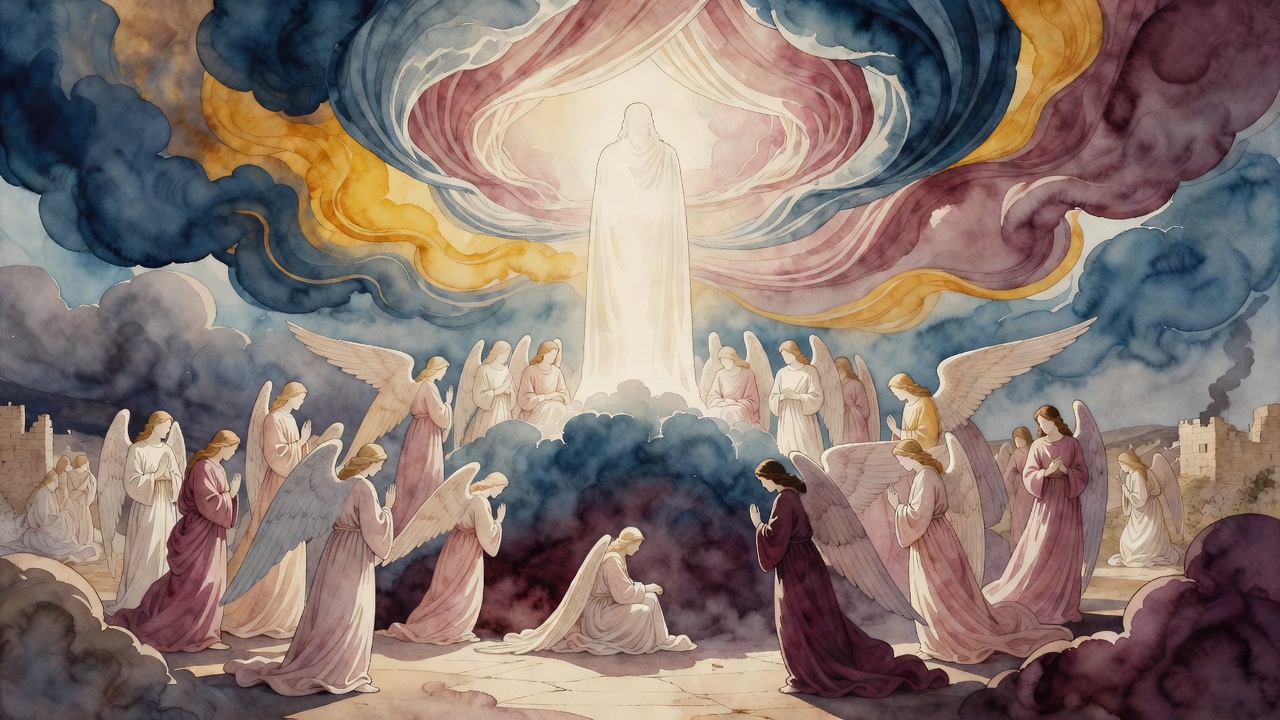
"You have covered Yourself with a cloud so that no prayer can pass" (Lamentations 3:44). In the days after Bar Kamsa's revenge matured, Jerusalem learned what a locked sky feels like. Feasts still happened in memory. Fasts filled the present. The people who had watched one man pushed from a table now cried for a table of mercy and found cloud between the cry and the answer.
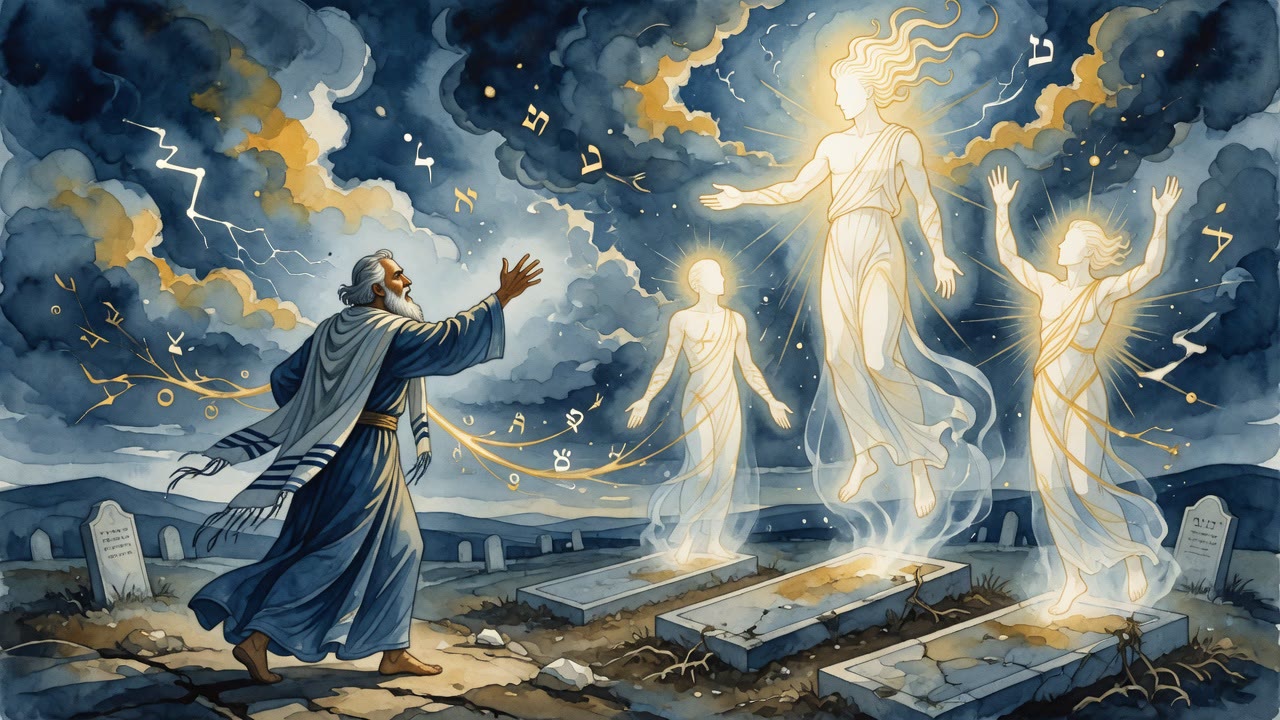
Years later, under another Roman, Rabbi Akiva stood in judgment before Turnus Rufus. Yehoshua HaGarsi stood beside him in prayer. A cloud descended and surrounded them. Akiva said it appeared the cloud had come only so the prayer of his master would not be heard. The verse had a room now, and a court, and a man waiting to die under a sky that would not open.
Prayer is like a ritual bath, open at times and locked at times. Repentance is like the sea, always open. In that hour the bath felt locked. The sea was still there. The cloud sat anyway.
Ash on the Tablecloth
"Pay them retribution, Lord, according to their handiwork" (Lamentations 3:64). Jeremiah asked. Asaf asked sevenfold into the enemy's bosom. The ledger of insult runs long, and heaven's memory is longer than any banquet's guest list. Bar Kamsa's wound and Rome's fire both went onto that ledger. Neither cancelled the other.
Years after the smoke, the story is still told so that later hosts will feel the cost of a public expulsion. Pay the man's share. Swallow the presence of an enemy for one night. Let the rabbis rise from their seats and stop the scene. Anything is cheaper than the road Bar Kamsa walked to Caesar.
A servant misheard a name. A rich man loved his pride more than the city. The sages who stayed seated taught a lesson they never meant to teach: silence at a table can be louder than a shout in Rome. Every later banquet sits under that ash. The empty chair by the door still waits to see whether a host would rather be right about a guest list or keep the walls standing one more night.
← All myths