David Cried for Judgment and Found His Strength
King David asked God to plead his cause against oppressors while admitting his own faults. Strength came when judgment, not flattery, answered him.
Table of Contents
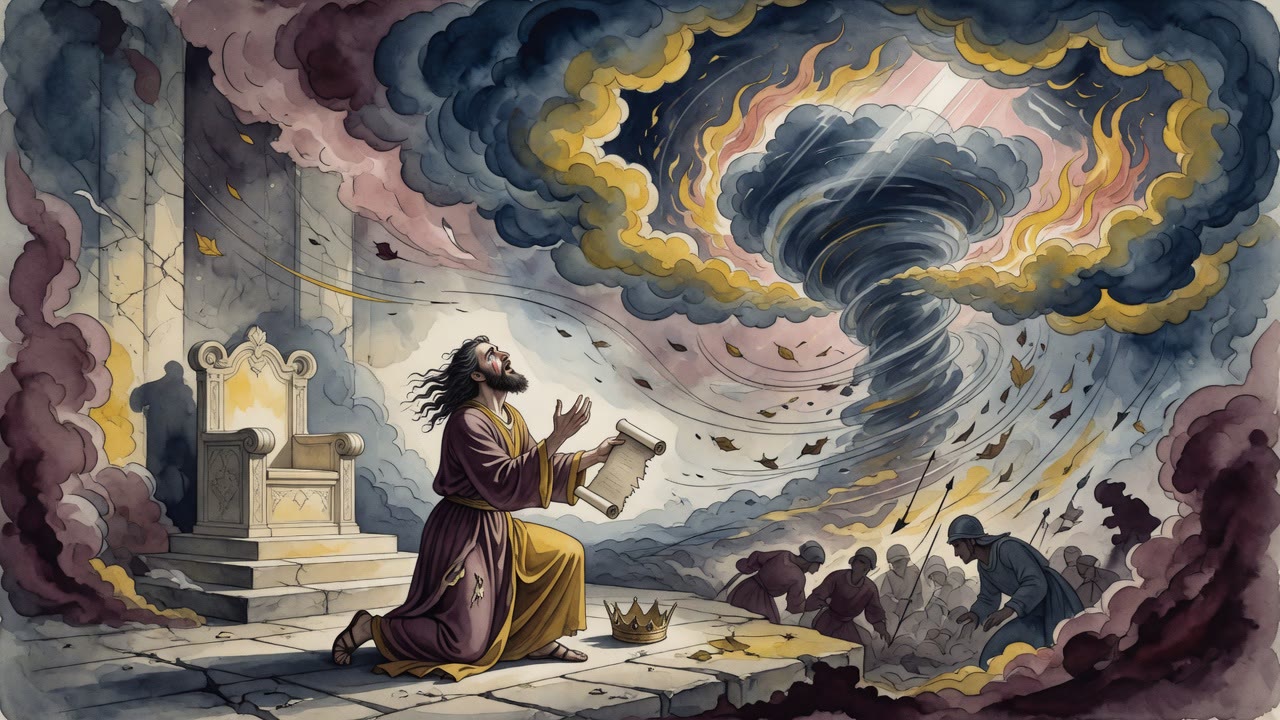
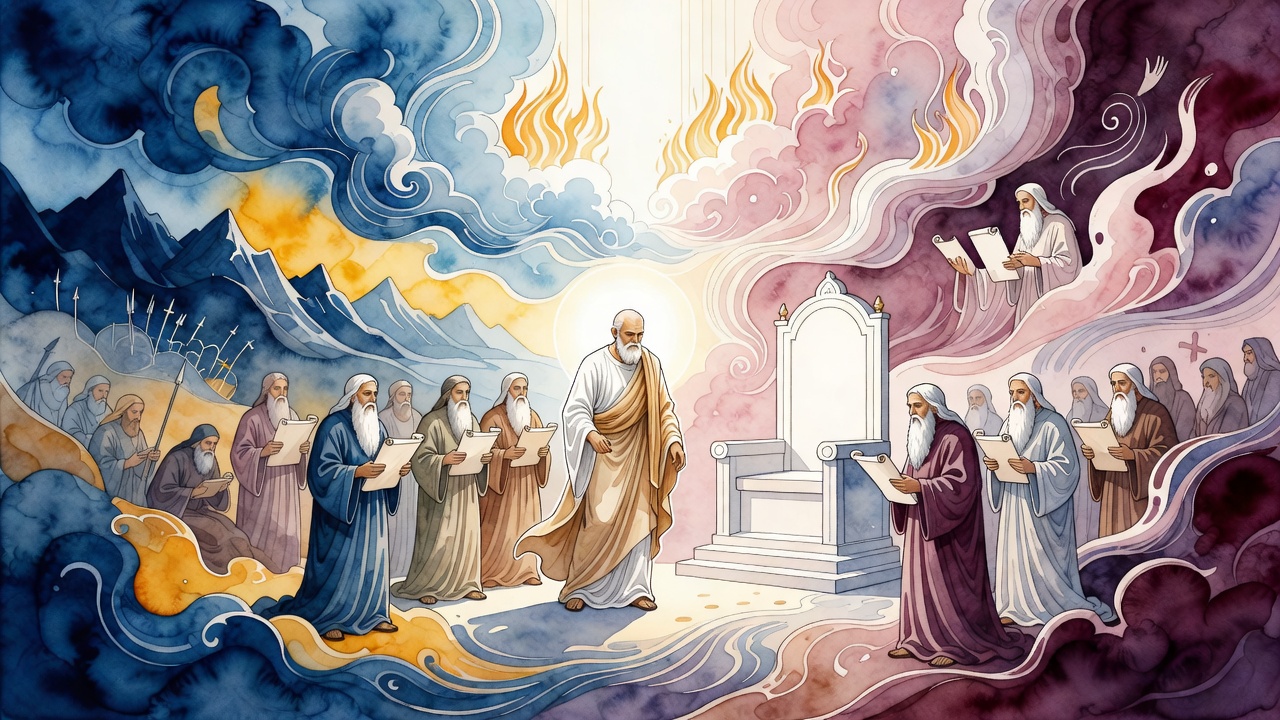
David did not ask for a soft morning. He asked for a verdict. In the dark before the court of heaven he named his own stains and still begged the One who lifts him from transgressions to command judgment against his oppressors. The plea braided guilt and demand into one breath (Psalm 35:1).
 Click for full size
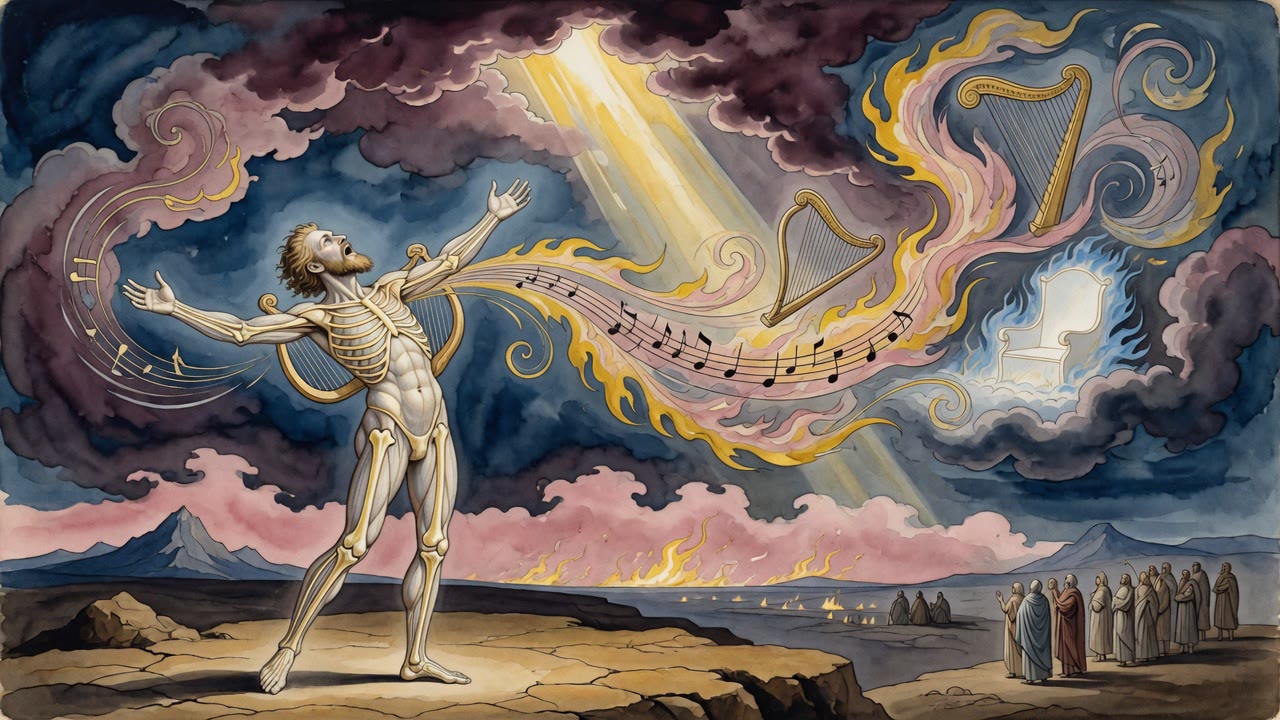
"Plead my cause, O Lord, with those who strive with me." He remembered the promise that the Lord would be an enemy to his enemies (Exodus 23:22). He remembered that the Lord had sought from David's enemies (I Samuel 20:16). Strength, for him, was not the absence of accusation. Strength was a God who still judges.
Surrounded and Still Standing
The midrash hears an assembly of nations closing around him. "At the time their wicked assembly surrounds you, your position will be secured in the heavens." Earth can ring with hostile voices while the upper court keeps a seat reserved. David sang from that split geography: boots on the ground, name held above.
Rabbi Elazar, quoting Rabbi Yehuda bar Elai, cut another wound into the people. Three commands met Israel at the entry to the land; they fulfilled only two. They delayed the Temple through dilatoriness, a slow heart where zeal was ordered. Haggai's rebuke about souls among those who ascend becomes a warning about Avner and Amasa, men of study who still could not outrun communal delay.
Then the midrash turns the knife toward Ahab's generation. They worshiped idols, yet because they moved as one and without delay they went out and none fell. Unity without righteousness can win a battle. Righteousness without zeal can lose a sanctuary. David, who knew both delay and war, sang for a judgment that would not flatter either failure.
Ancient of Days and the Extended Hand
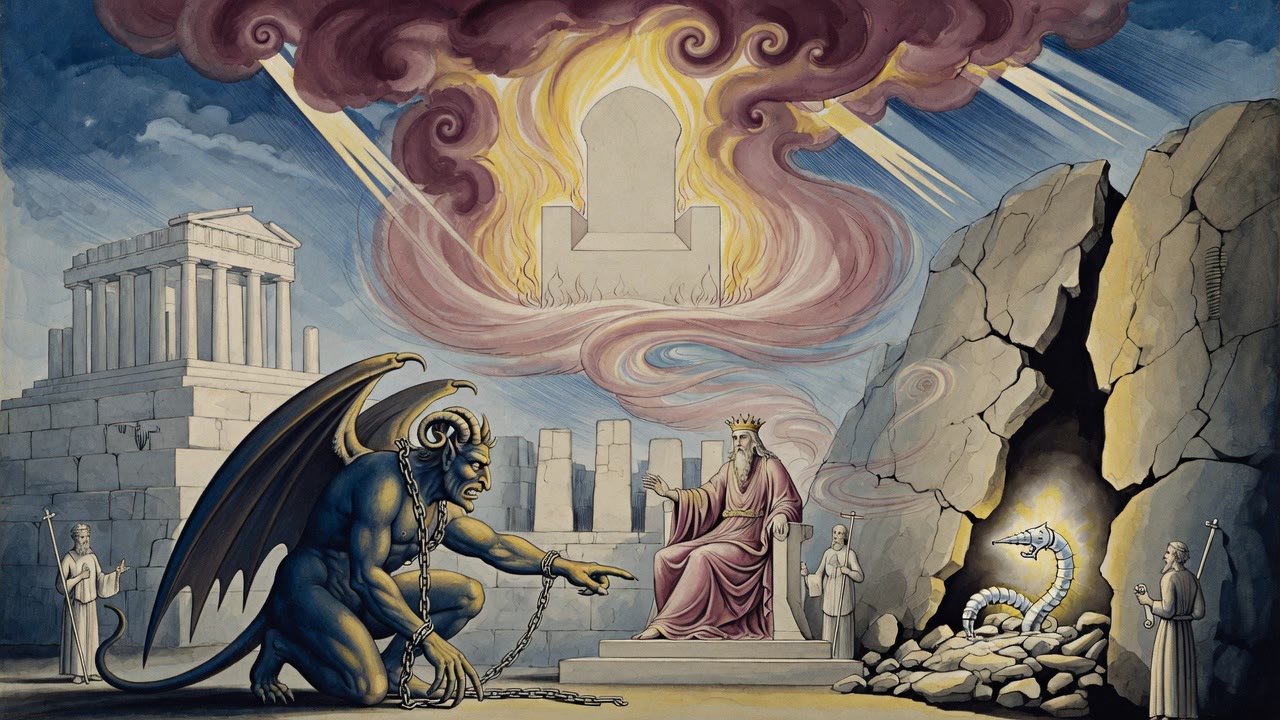
Another psalm stretches the tension until it nearly tears. Daniel sees the Ancient of Days seated on a throne, distance made of fire and years (Daniel 7:9). Jeremiah hears, "I will bring him near and he shall approach me" (Jeremiah 30:21). How can the remote Judge also pull a soul across the barrier?
The angels bring souls up to the edge. The Holy One extends a hand and draws them closer. Closeness is real. So is the other verse in the same midrashic breath: "Your hand shall find all your enemies," read by Rabbi Levi as a hand that finds in order to punish. "You shall set them ablaze like a fiery furnace." There is Gehinnom (the place of punishment after death) in the future to come. Embrace and furnace share one divine hand.
David lived inside that double grip. He wanted nearness. He needed enemies judged. He refused a God who only comforts and a God who only burns. The strength he found was the strength of a court that still convenes.
Abraham Seated, Shekhinah Standing
When praise rises, the midrash sets another scene. Abraham sits. The Shekhinah (שכינה), the Divine Presence, stands. Abraham moves to rise in respect. God tells him to remain seated. "It is a good sign for your children that they will sit while I stand," as it is said, "God stands in the congregation of the mighty" (Psalm 82:1).
Whenever Israel praises, God places His Presence upon them. "You are holy, enthroned upon the praises of Israel" (Psalm 22:4). Praise is not flattery aimed upward. It is a throne built under the Holy One by human mouths. David, the sweet singer, knew the craft from the inside: songs that make a seat for God in a world full of enemies.
Evil speech, the same tradition warns, makes the Presence depart. Dilatoriness and slander empty the room where judgment and mercy were meant to meet. David's strength depended on a Presence still willing to stand in the congregation.
The Hand That Draws and Strikes
He did not resolve the paradox with a slogan. He kept singing until both images stayed true. The Ancient of Days sits. The hand still draws near. The furnace still waits for enemies. The praises of Israel still build a throne. A king who has blood on his own story can still ask for a clean verdict against those who hunt him, if he begins by admitting the lift he needs from his own transgressions.
Morning found him with a lyre and a file of unfinished wars. The nations could still surround. Heaven's seat, he believed, had not been sold. That was the strength judgment gave him: not safety guaranteed, but a God who still takes a side after looking hard at both sides of the man who asks.
When the lyre finally rested on his knee, David did not claim he had solved heaven's temperature. He claimed only that a judged man can still ask for judgment, and that praise can still build a throne while enemies count spears. Strength was the refusal to let either the furnace or the open hand be deleted from the story of God.
← All myths