13 myths
Each story names the sources it was written from.
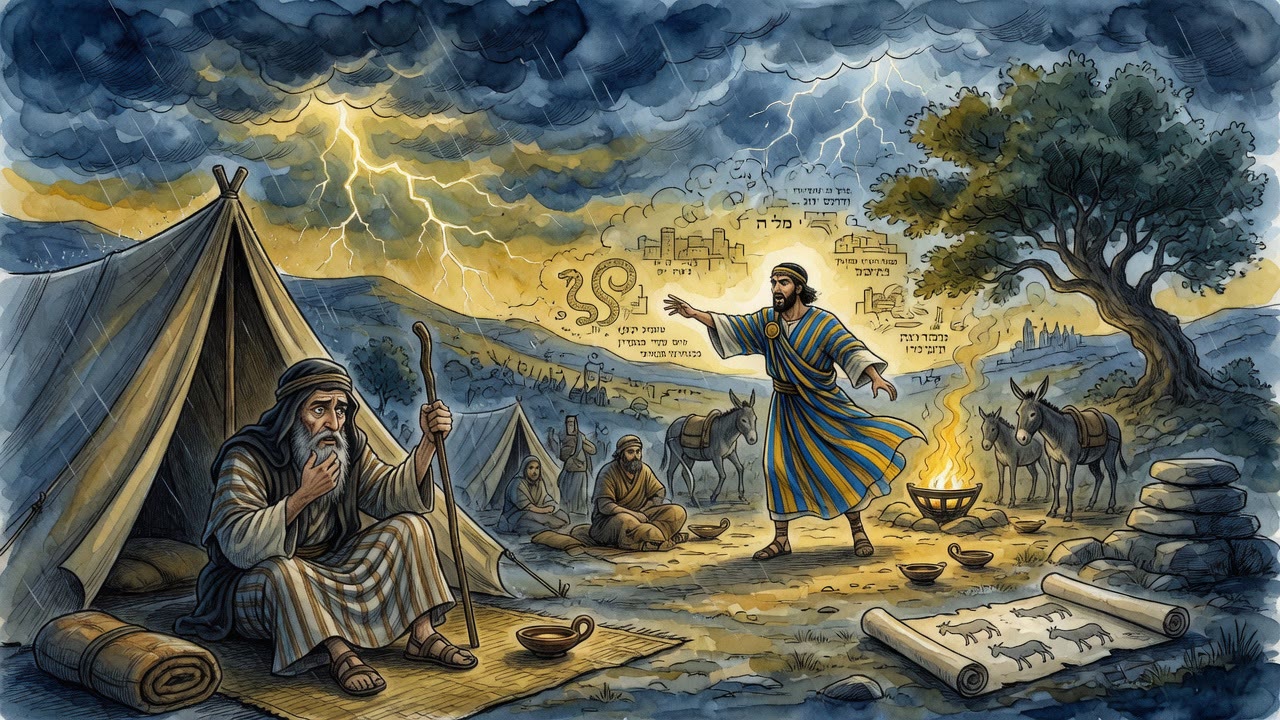
Seven Amorite kings march on Jacob's tents after Shechem burns, and only Judah's words about Noah stand between the family and the swords.
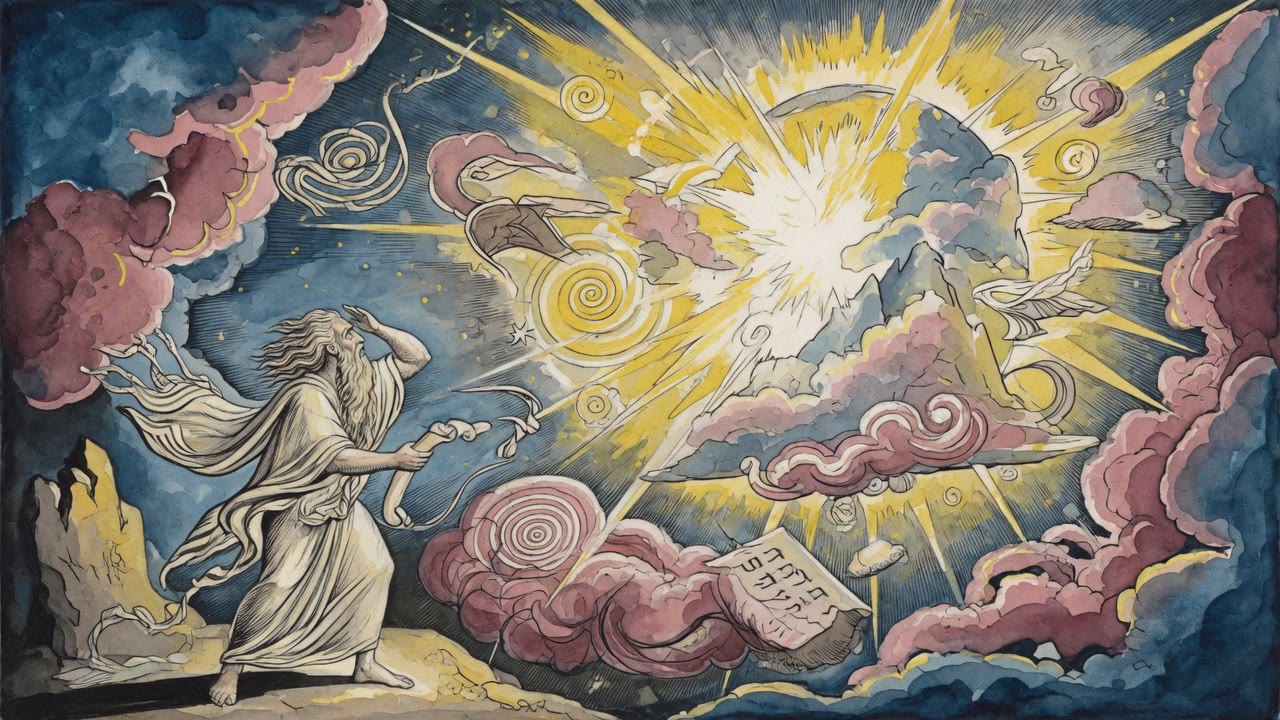
Isaiah stood in the smoke of the throne room. Overhead the sky was still being stretched, a curtain a hand had not yet let go.
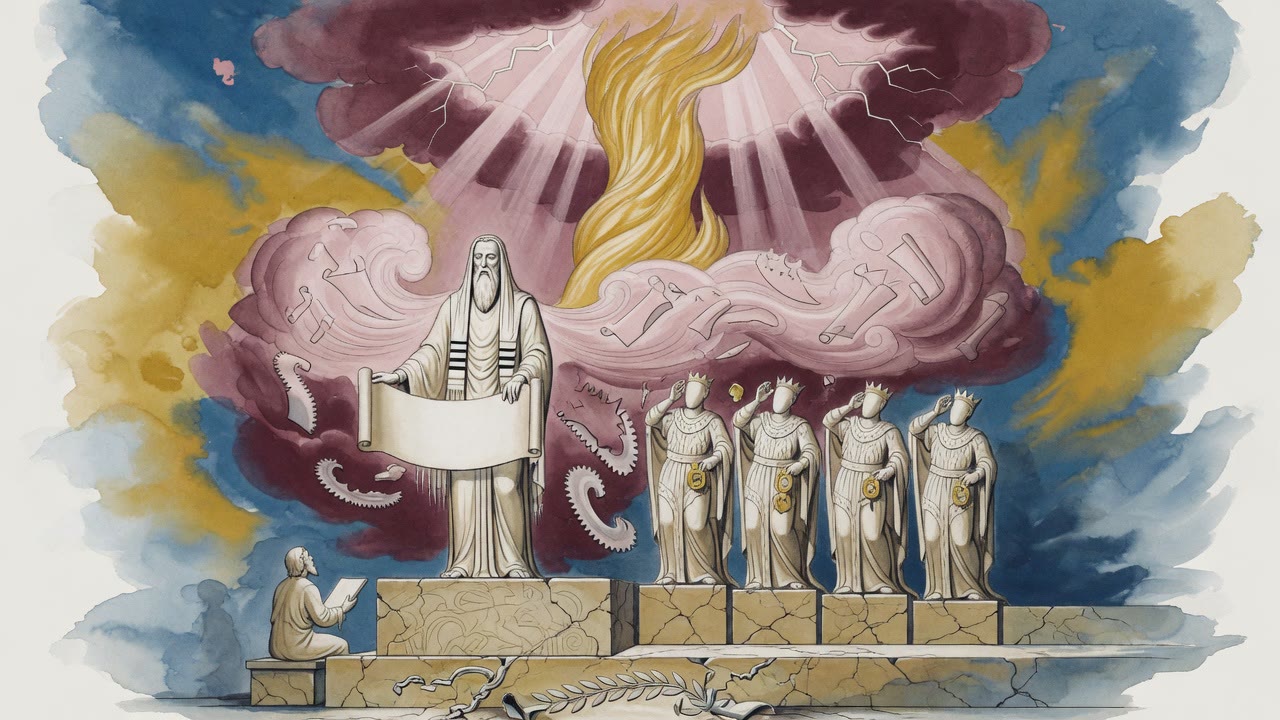
King Ahaz pulled a cloak over his face and took the long way around the court. He would rather go unseen than meet Isaiah's mouth.
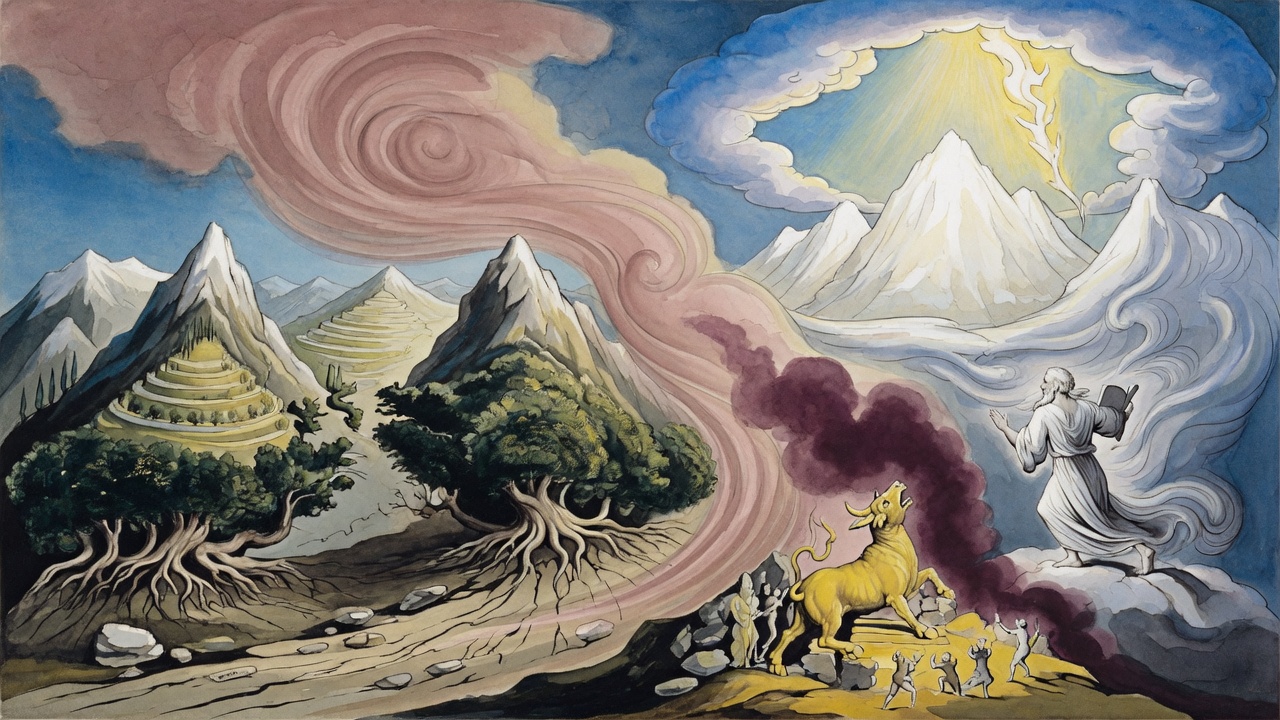
A man gathering firewood in the forest was dead. He burned in Gehinnom (afterlife of judgment) because of a shared sin, and only his son's voice in the.
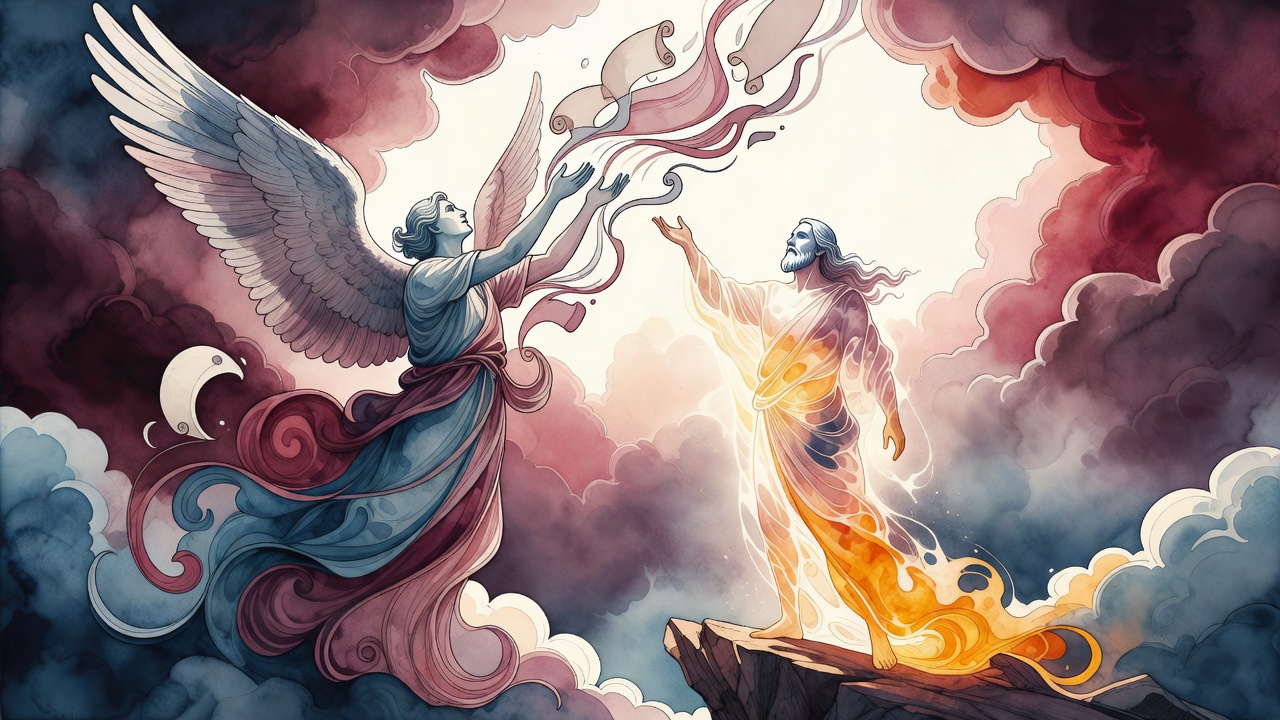
Solomon warned that a bird of heaven carries the voice. The midrash says that bird is an angel, and Saul's curse reached heaven as soon as he said it.
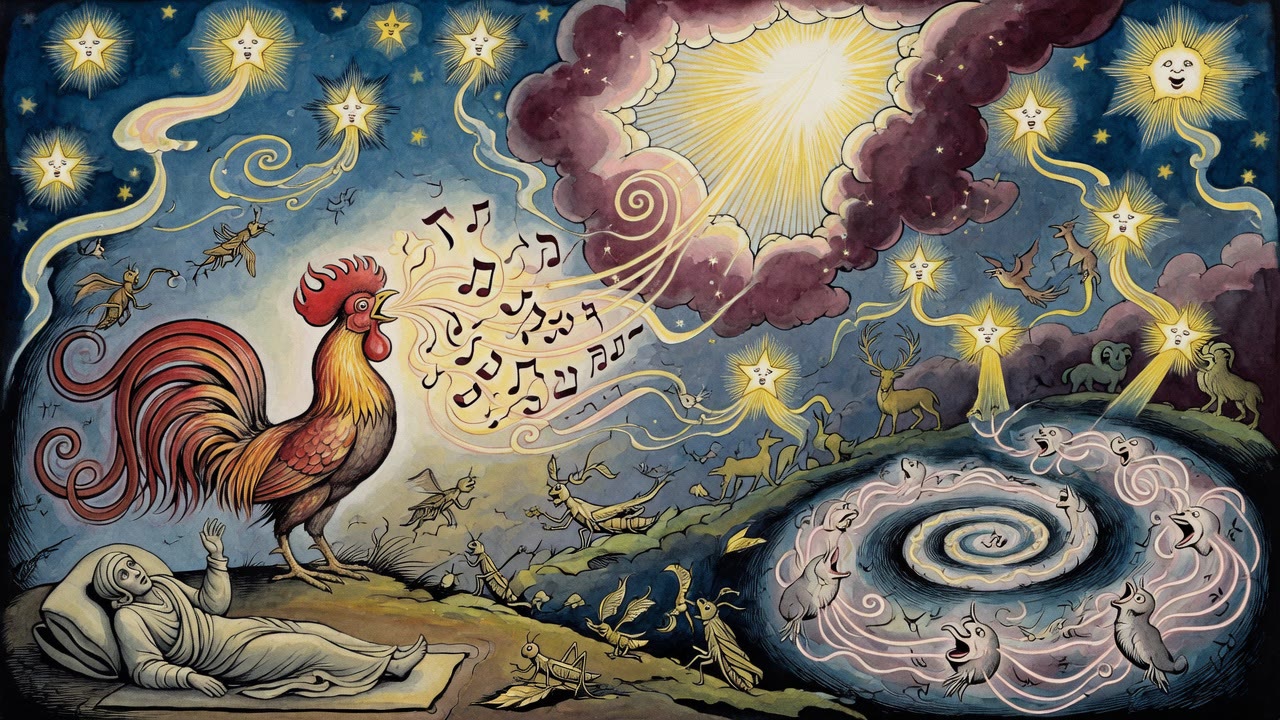
A sleeper wakes at midnight to a rooster crowing seven verses and learns the earth, the sea, the fox, and the frog each carry a praise of their own.
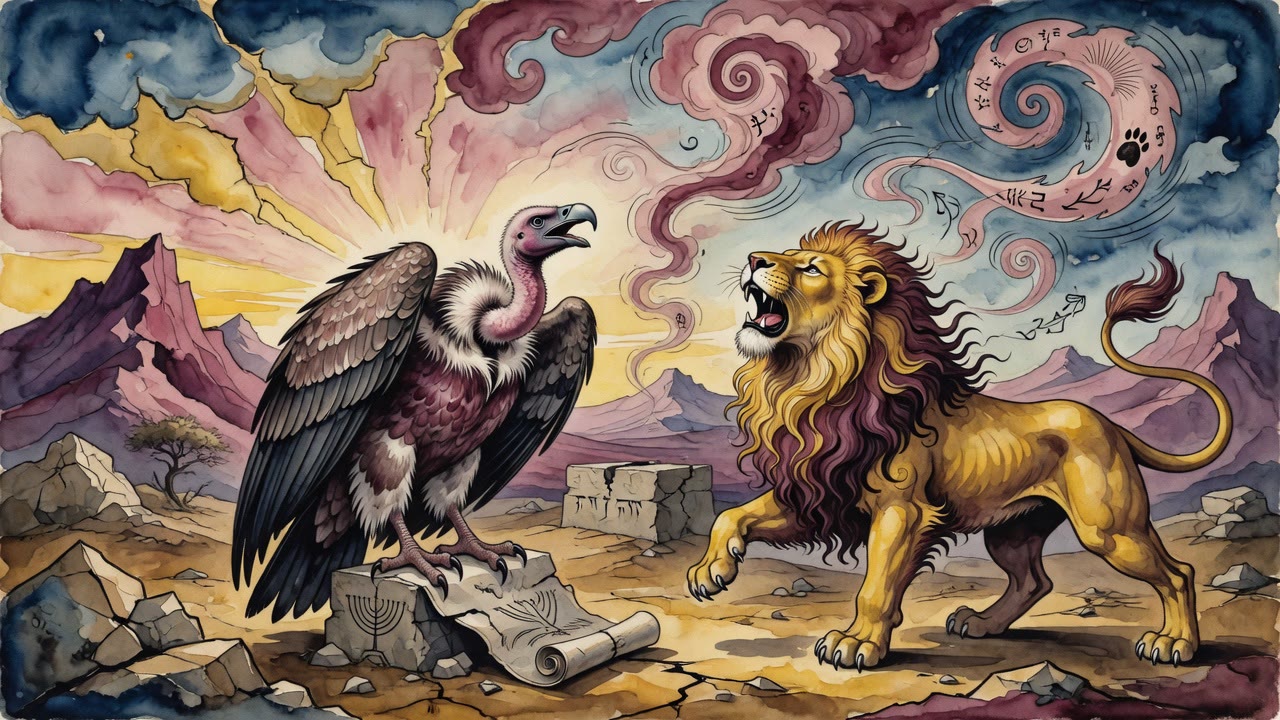
Creatures recite verses of strength and justice. A grounded vulture will one day announce redemption with a line from Zechariah.
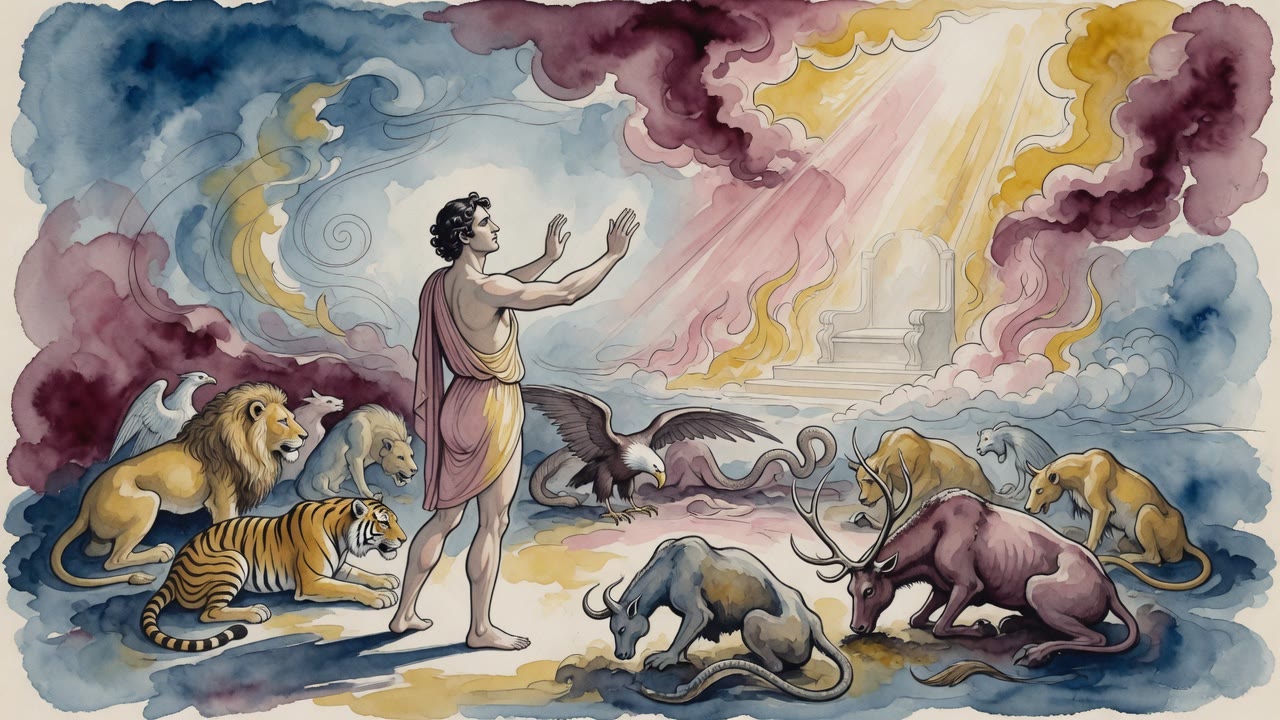
Every creature in the garden drew into a ring around the first man and went down on its knees. He had been alive for less than a day.
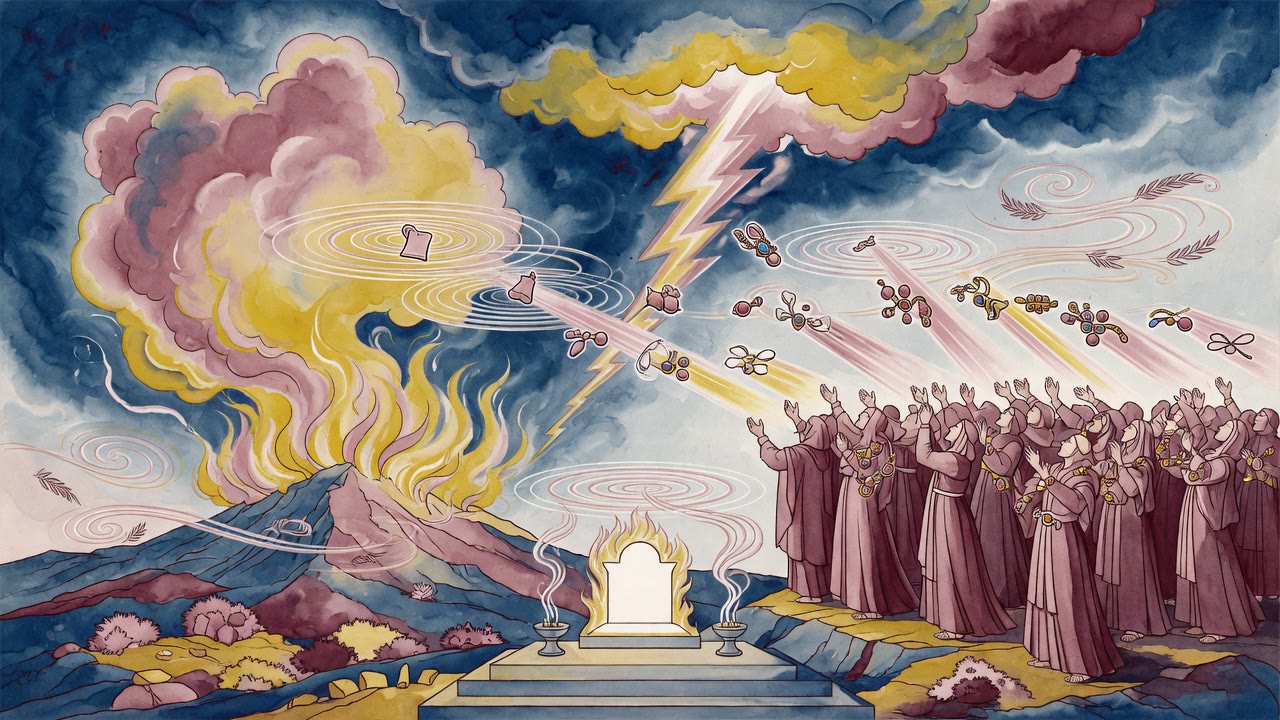
A king tells his wife to put on every jewel she owns so he will want her. Here the stones are commandments, and the camp still tasted honey in the air.
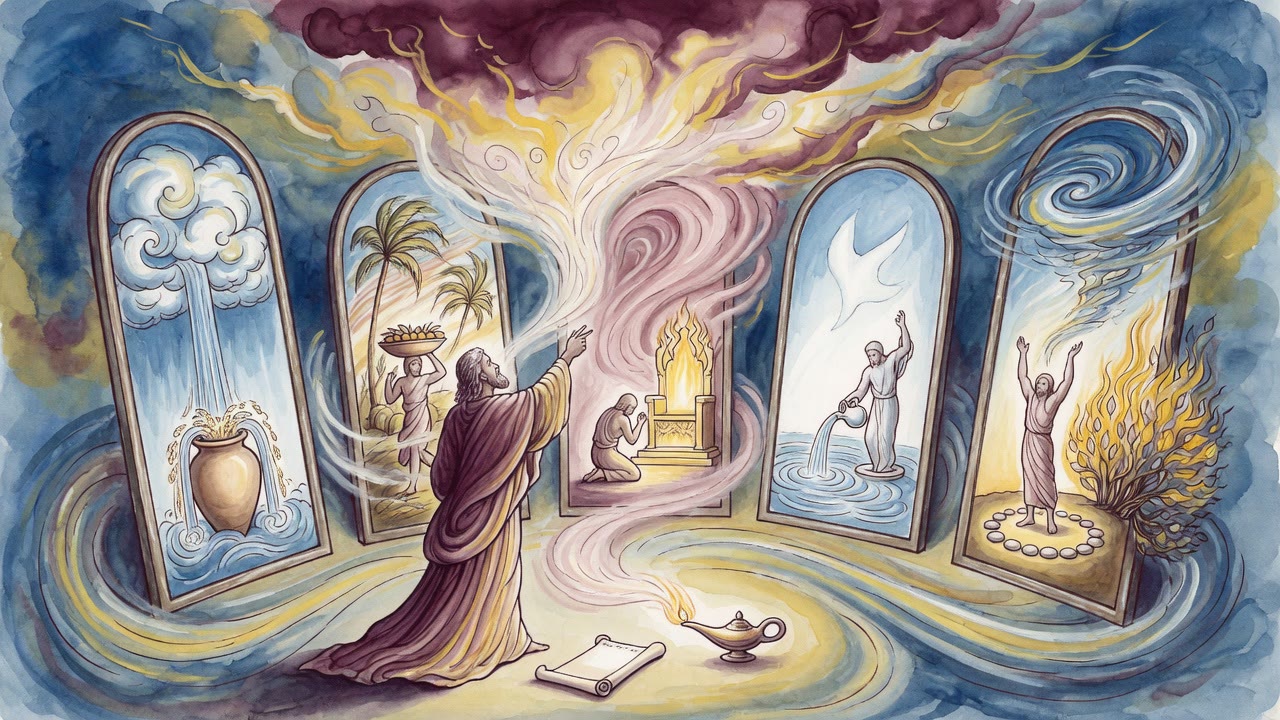
A soul fills its body the way light fills a room. David kept giving his own soul orders until it stopped pretending it had somewhere better to be.
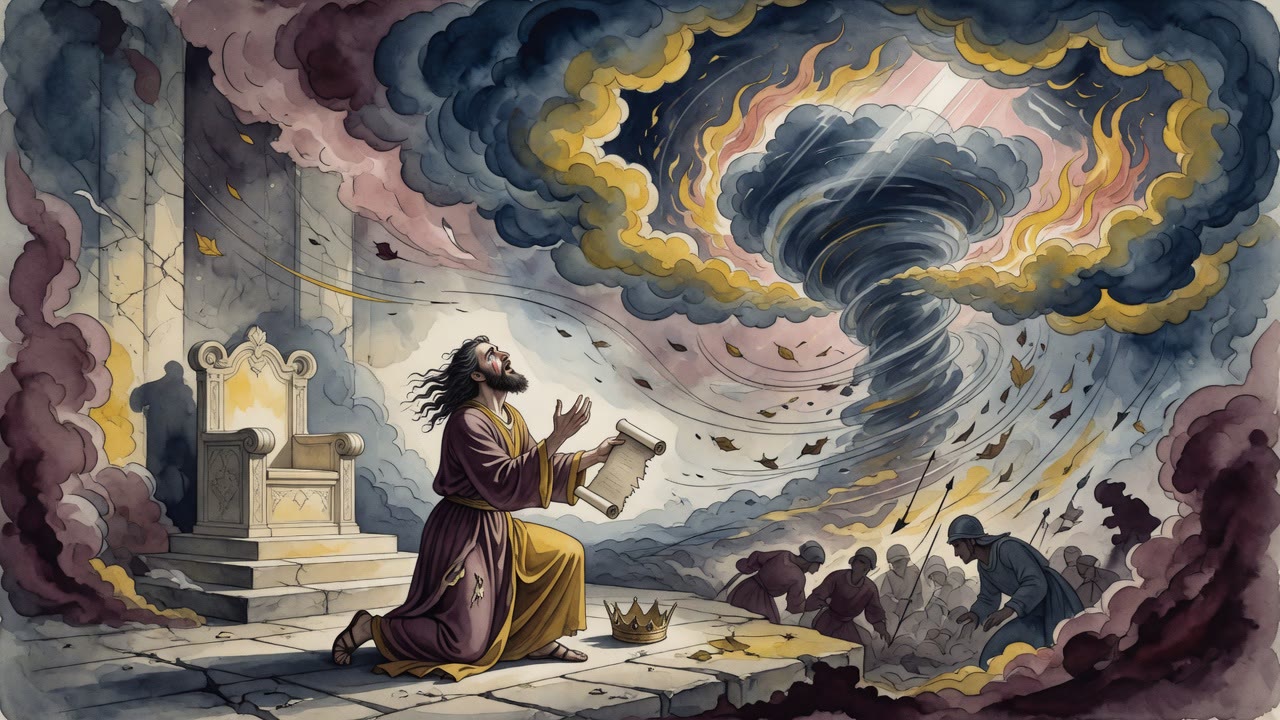
From the ends of the earth David turned his whole body into praise, while Israel waited for a light no borrowed lamp could keep lit.
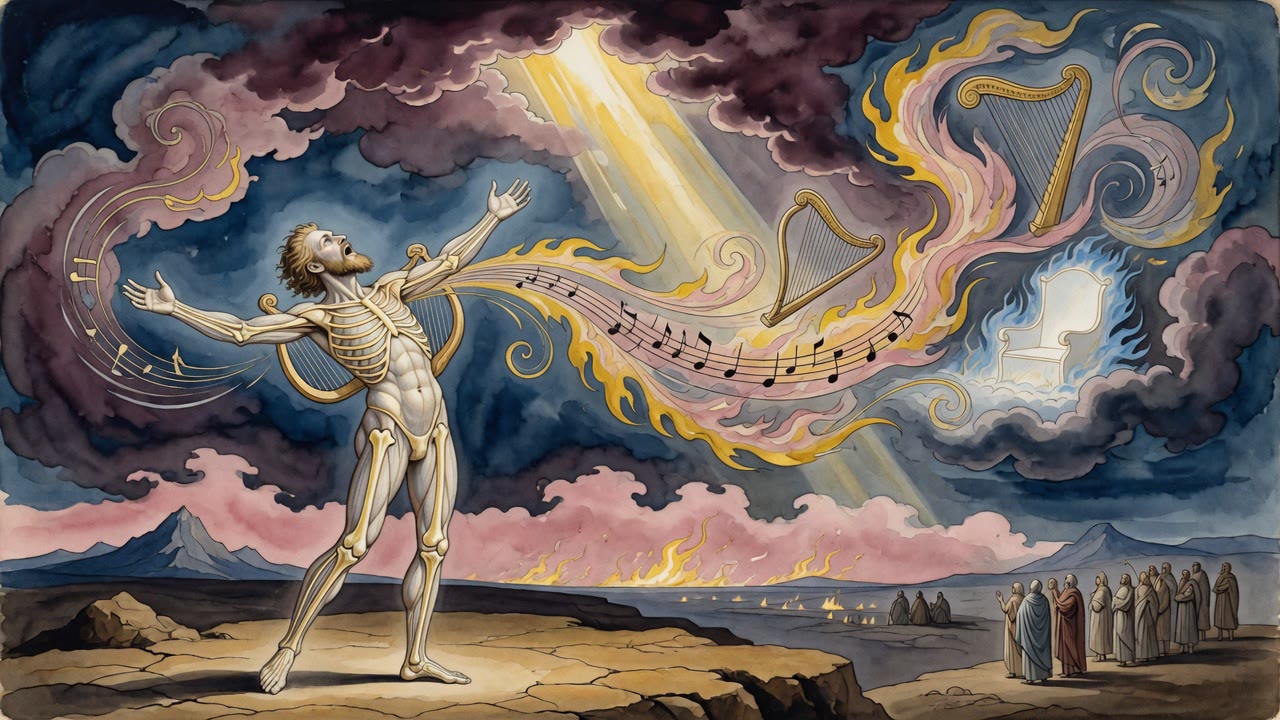
King David asked God to plead his cause against oppressors while admitting his own faults. Strength came when judgment, not flattery, answered him.
Nebuchadnezzar ate grass in the field until his mind returned. Then he praised God as just, and David's throat tightened over the ruins.
