Rabbi Yochanan Ben Zakkai Taught a Dead Man's Son the Barekhu
A man gathering firewood in the forest was dead. He burned in Gehinnom (afterlife of judgment) because of a shared sin, and only his son's voice in the.
Table of Contents
 Click for full size
The Man Who Would Not Answer
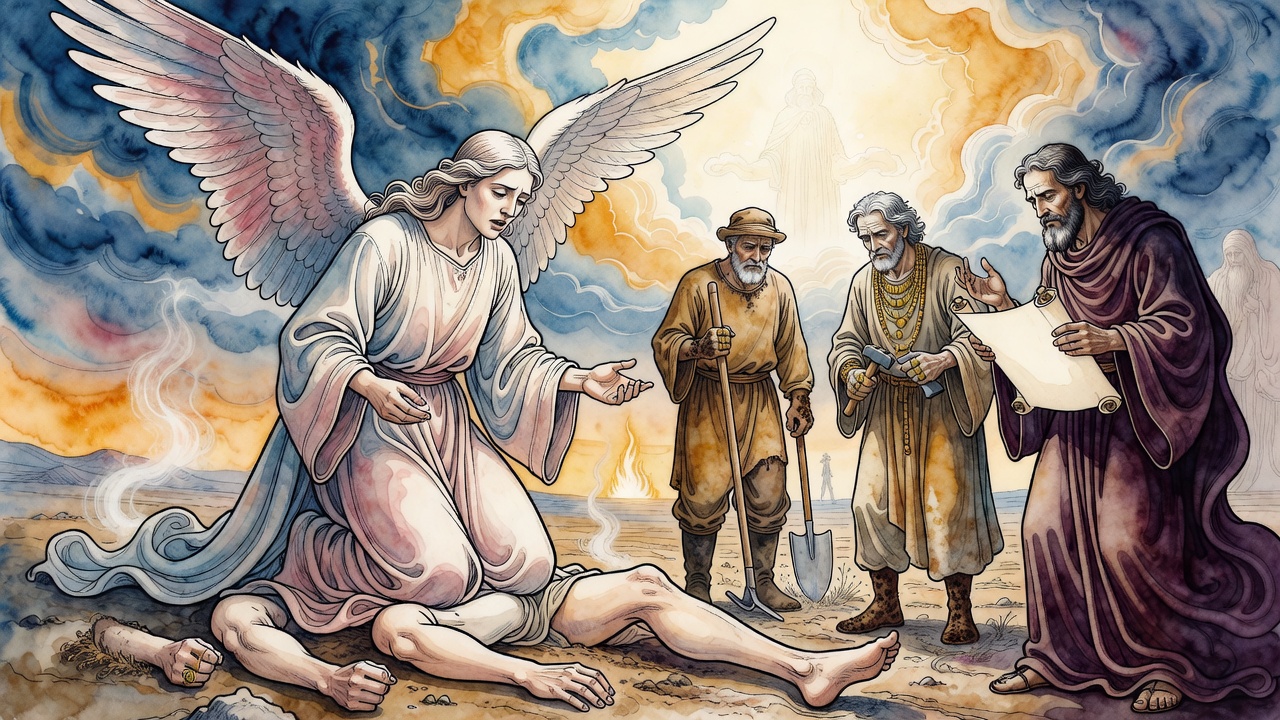
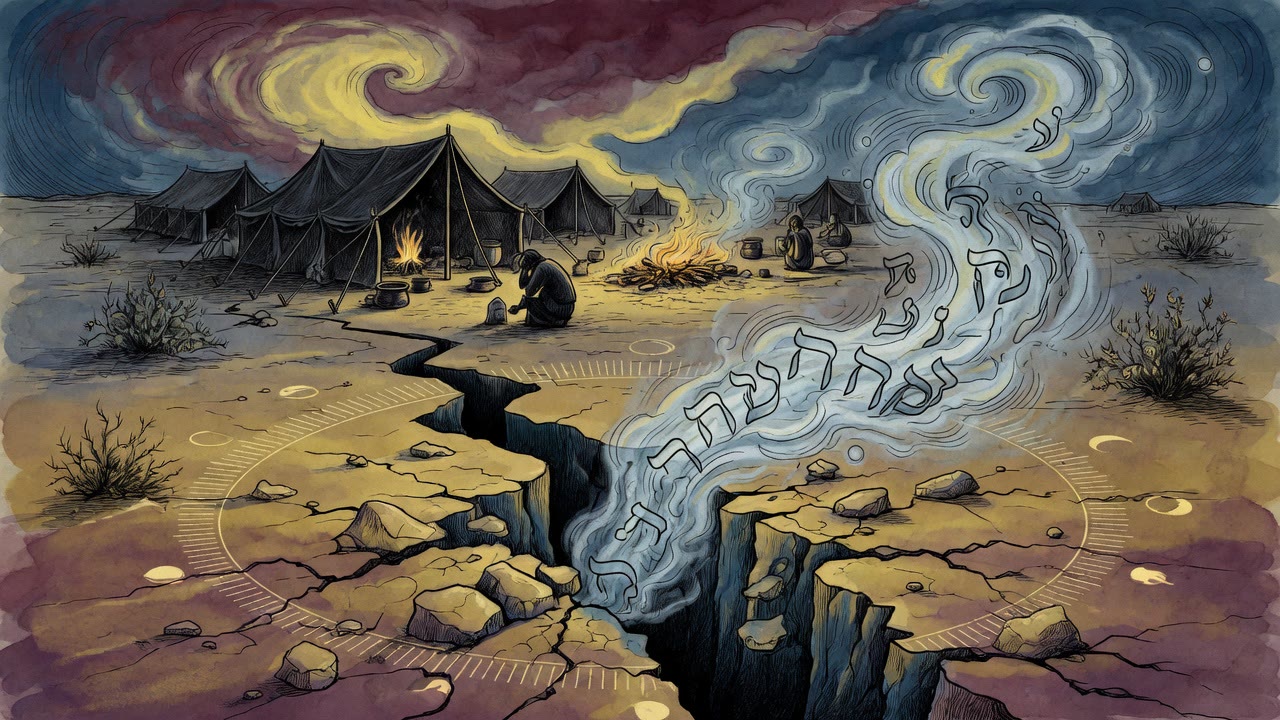
Rabbi Yochanan ben Zakkai was walking when he called out to a man gathering wood in the forest. No answer. He called a second time. Still nothing. When the man finally came close, he explained why he had not replied: he was not alive.
The rabbi did not flinch. He asked what the wood was for. The man told him. In life, he and another man had committed a sin together in his shop. The sin was mutual and the punishment was mutual. After death, they burned each other. He gathered wood for his former associate. His associate, somewhere else in Gehinnom, gathered wood for him. They had made each other's transgression possible in life. They maintained each other's punishment in death.
Yochanan asked how long this would continue. The dead man had one hope left. When he died, his wife had been pregnant. He knew, somehow, through whatever information reached the dead, that she had borne a son. If that son could be taught to stand in the synagogue and say Barekhu, the communal call that blesses God, the sentence would end.
The Son's Voice
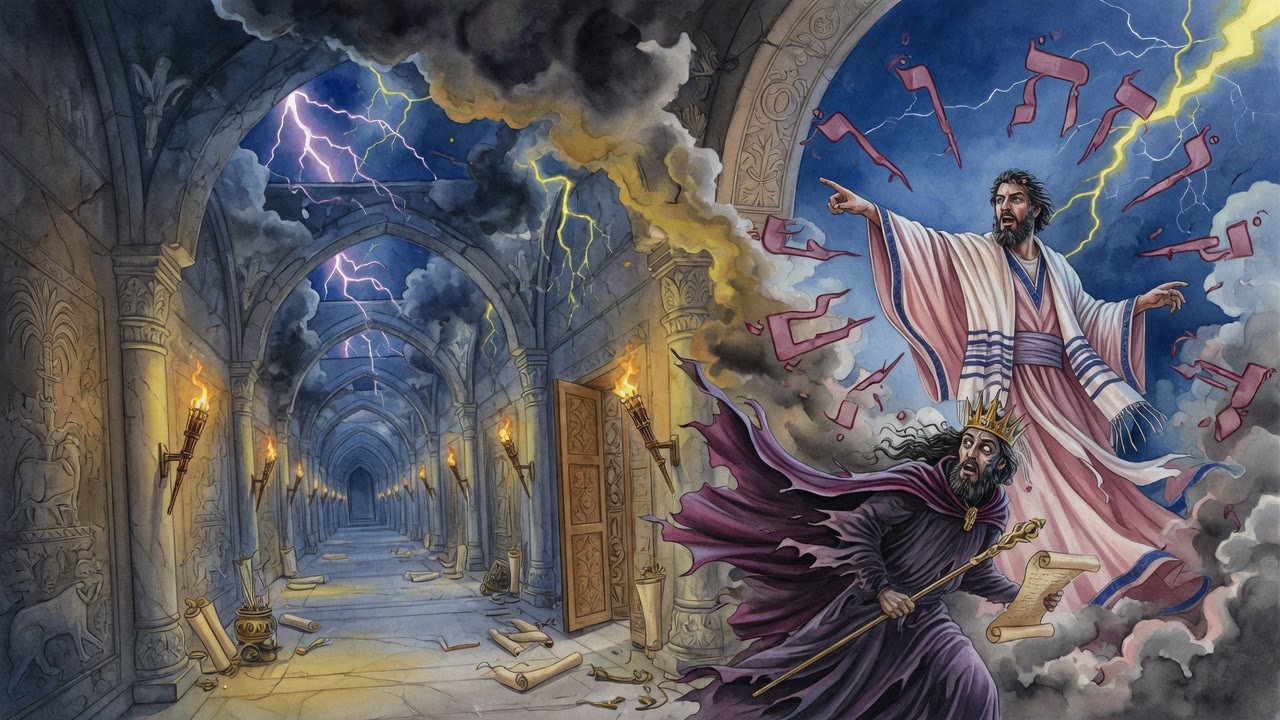
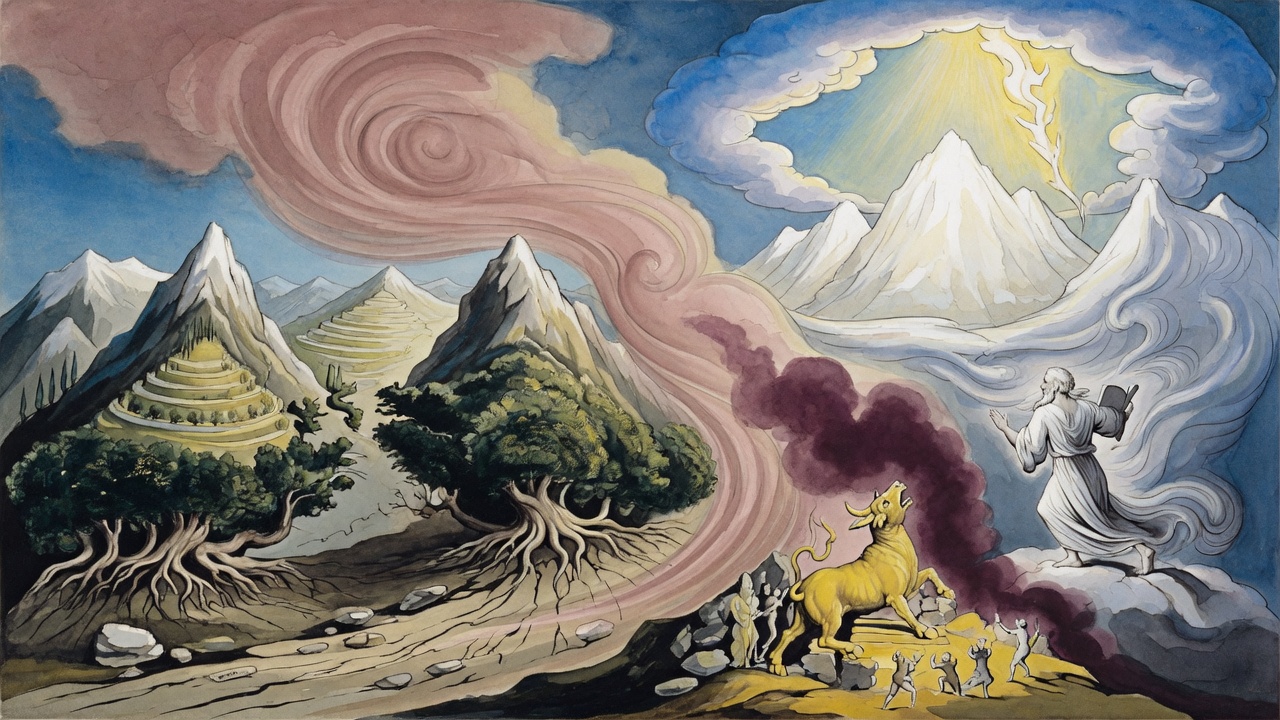
The rabbi found the child. The boy did not know the blessing, had not been taught, had not yet stood before a congregation and called the community to prayer. Yochanan taught him. The boy learned. He stood in the synagogue and said Barekhu.
The rescue came through a child's voice, not through intercession, miracle, or reversal of judgment. The son's public act of blessing, the words that called the community into prayer, released his father from the fire. The tradition is precise about this: it was specifically the Barekhu, the communal summons, not private prayer but the act of standing before a congregation and drawing them toward blessing. The father's fire required his son's public voice to extinguish it.
More Praise From Gehinnom Than From Eden
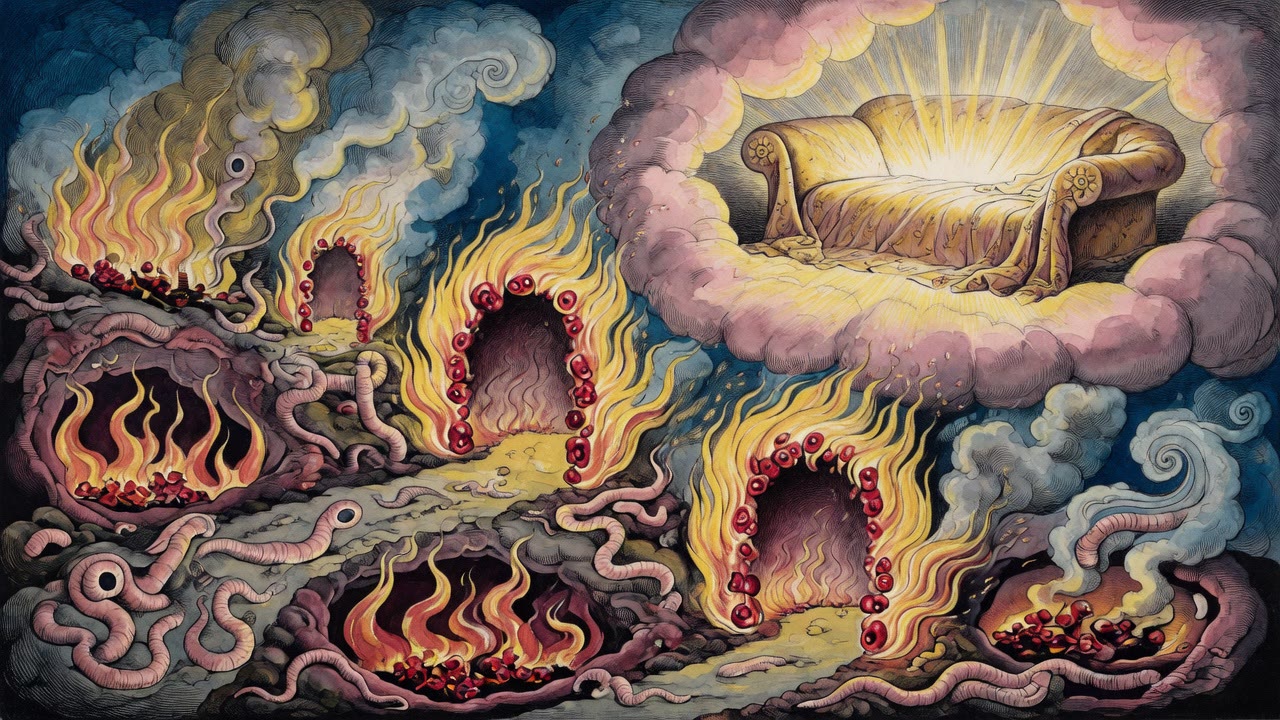
Rabbi Yochanan read a verse from Psalms and pressed on its first image. Those passing through the valley of weeping make it a well. That valley, he taught, was Gehinnom (the realm of judgment after death). The tears that souls weep there fall and accumulate, becoming a well of water even in the fire. Then he said something that surprised his listeners.
The praises of God that ascend from Gehinnom are greater than the praises that ascend from Eden. In Eden, the souls who had arrived there perfectly were praising from completion. In Gehinnom, the souls who were burning toward completion were praising from the depths of what they had broken, from inside the fire that was purifying them. The volume of that praise, Yochanan taught, exceeded what came from the comfortable place. The further down the praise originates, the further it travels.
Seven Chambers and Their Populations
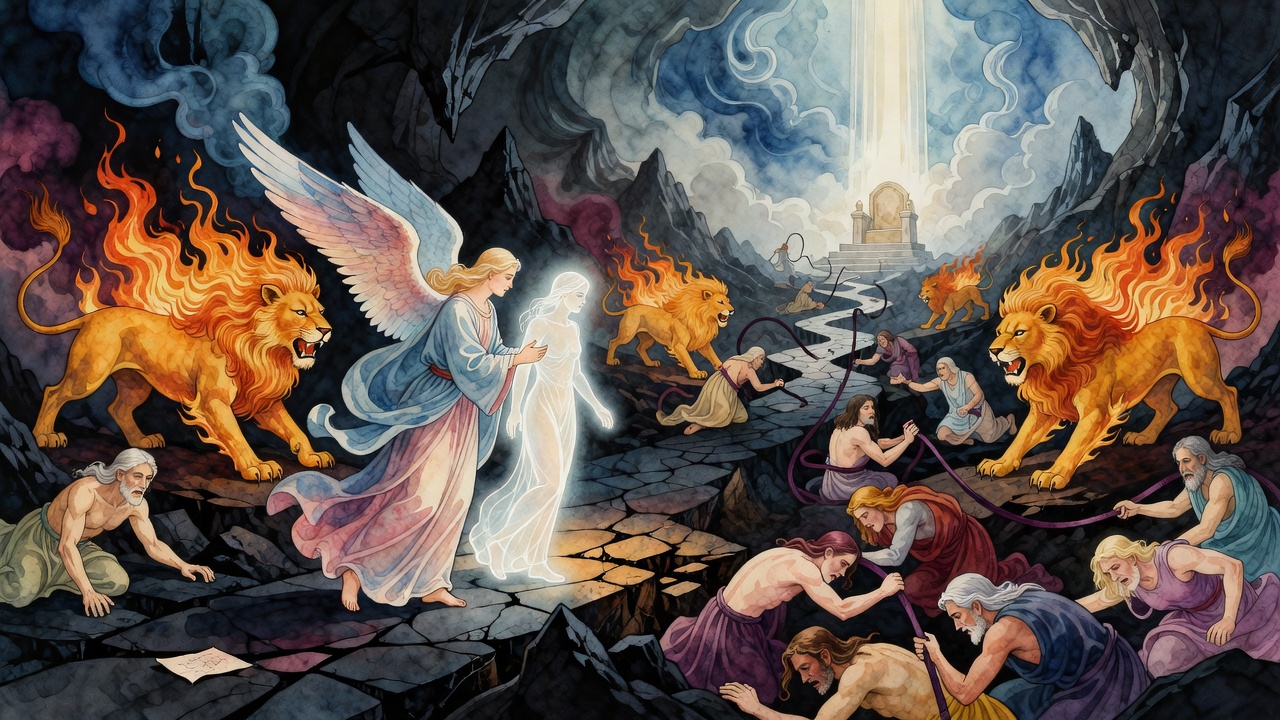
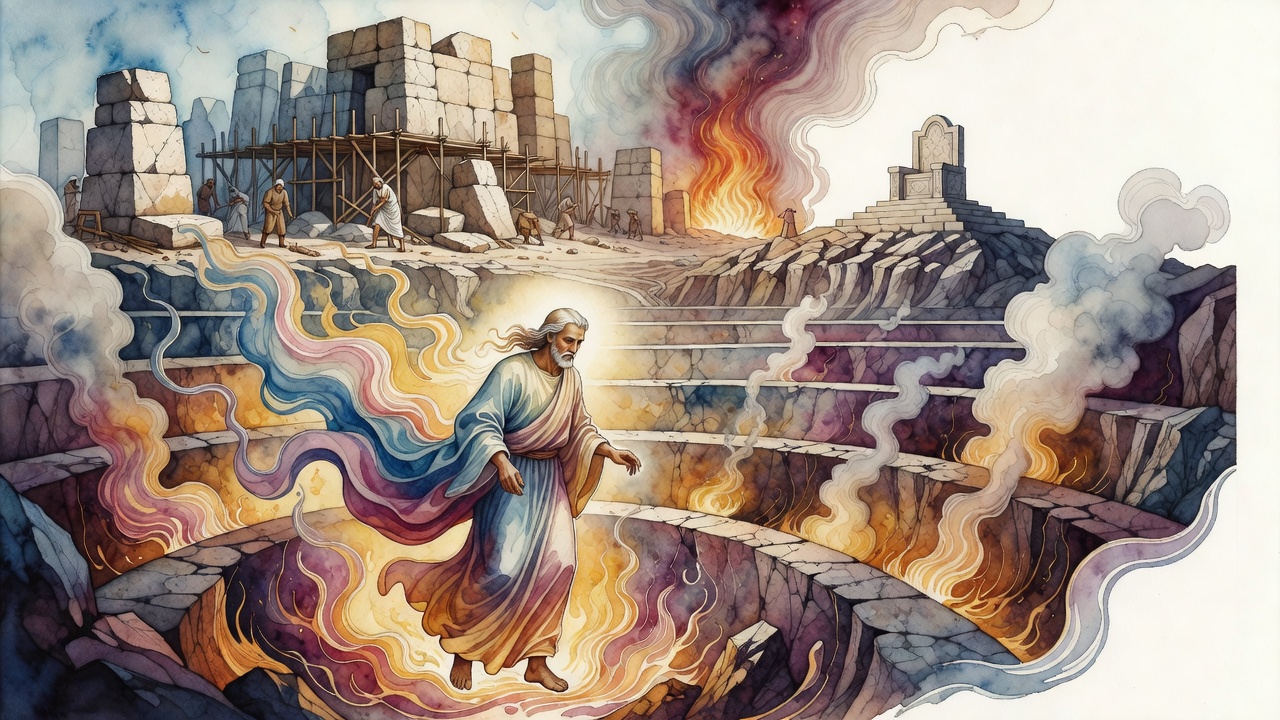
Rabbi Joshua ben Levi wanted to see Gehinnom for himself. "It is not fitting for the righteous to see it," the Messiah said. "There are no righteous people in Gehinnom." But Joshua pressed, and eventually the angel Qipod escorted him to the gates.
What he found was a structure of seven chambers, each worse than the last. In the first were the people who could have prevented sin in their communities and did not, men with authority who closed their eyes. Each successive chamber held worse transgressions and darker populations. Joshua walked through all seven and came back with a map of the afterlife that the Chronicles of Jerahmeel preserved: Gehinnom is not one place but a system, and its architecture reflects the exact shape of what the people inside it failed to do or chose to do in life.
← All myths