Dust Built a Palace When No Rainbow Came
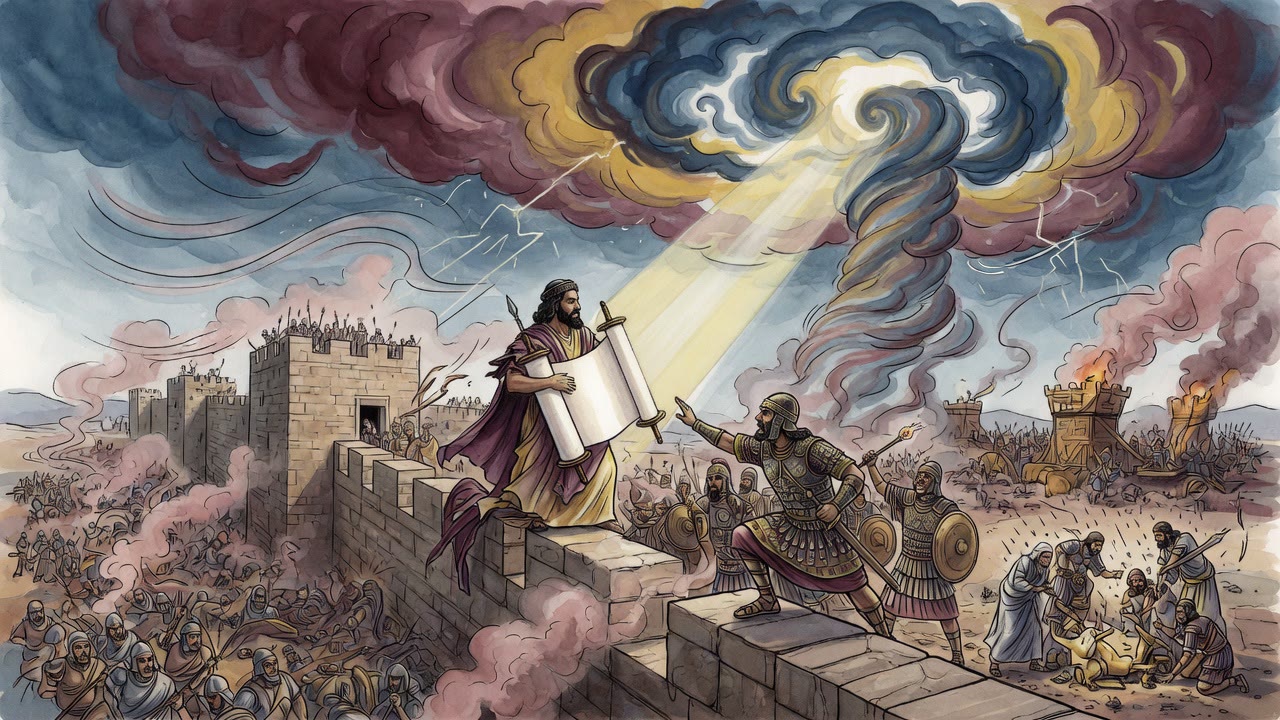
A heretic laughed at bones becoming dust. Ami told of a king who ordered a palace from empty air, then from mud.
Table of Contents
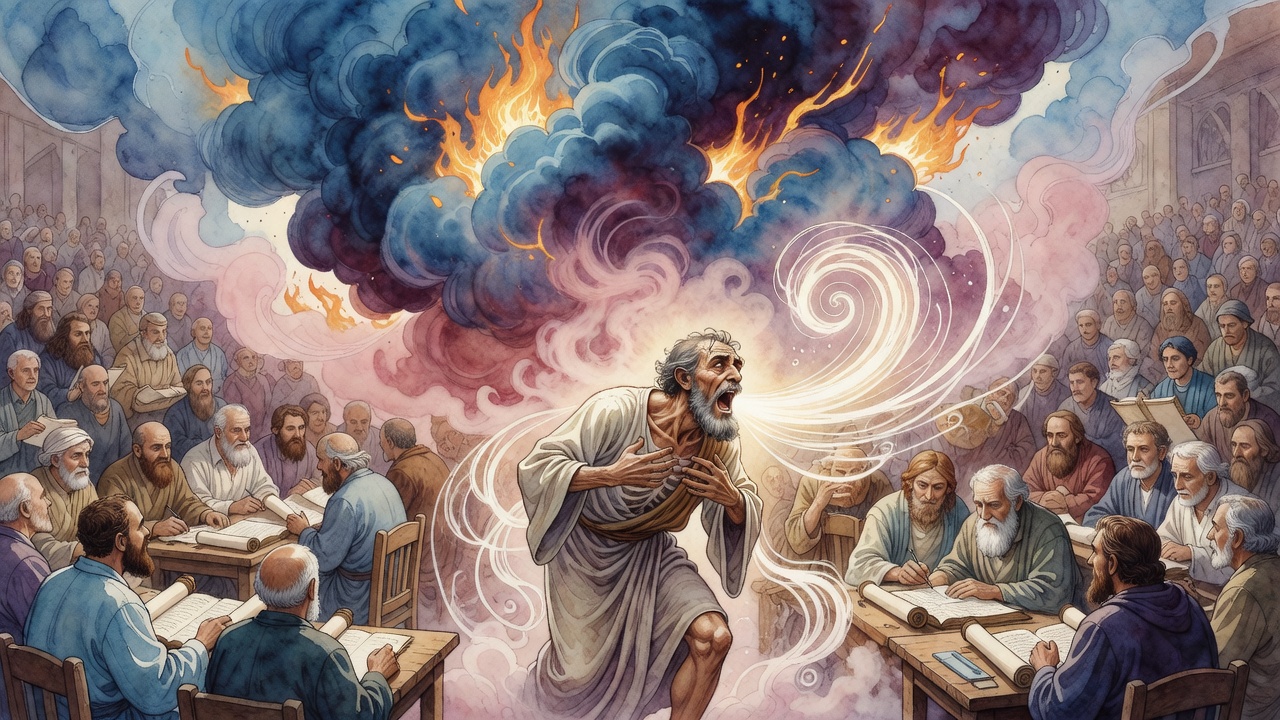
A Min leaned across the bench and asked Rabbi Ami how a body that had become dust could ever stand up again. The grave was closed. Dust does not climb. Ami did not reach for a verse first. He reached for a king.
 Click for full size
A Palace Where There Was Nothing
The king ordered his servants to build a palace where there was neither dust nor water. They built it. In time it collapsed. Build again, he said, where there is both dust and water. They called that job impossible.
He rebuked them. If you could build where there was neither, why not here, where the materials exist?
Ami set the parable down on the bench between them. A field mouse begins half earth and half flesh and ends entirely flesh. After rain, snails cover mountain stones that had been bare. How much easier to bring back what has already been once.
The Min wanted a world where disappearance is final. Ami gave him mud and a second order the servants could not refuse without admitting they had already done the harder thing.
Gaboha Offered His Hump
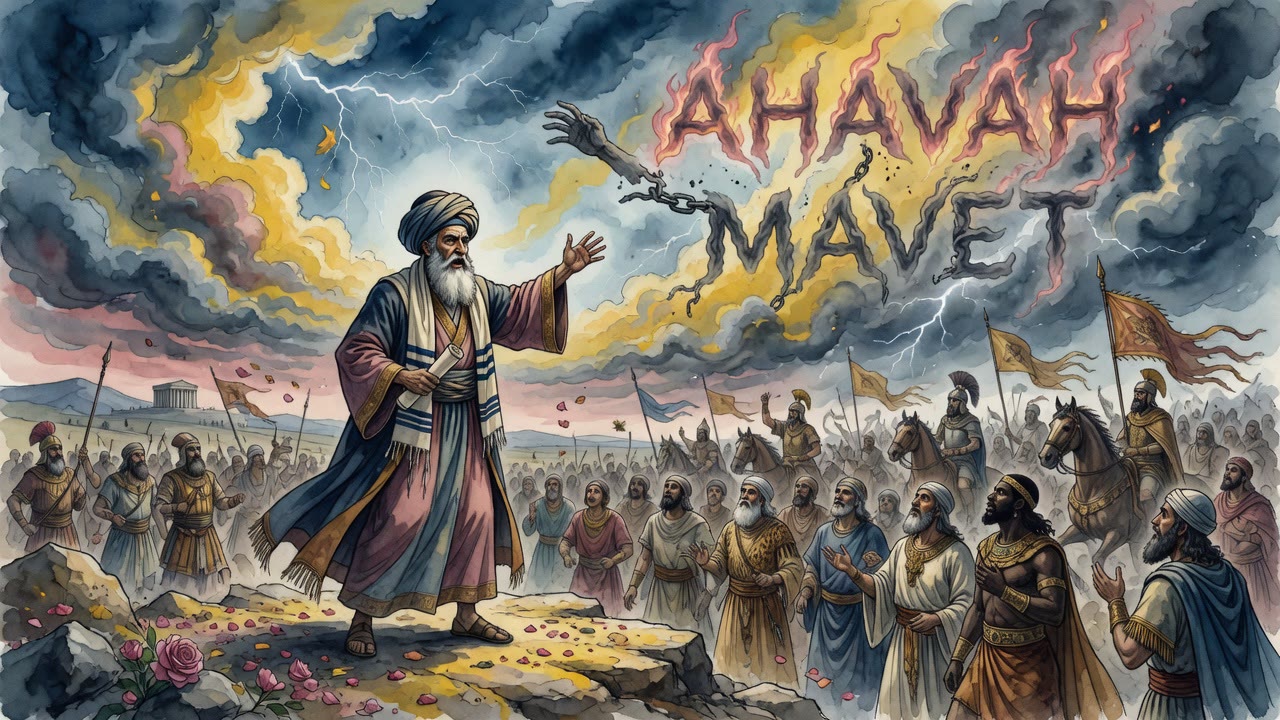
Another Min mocked Gaboha ben Pesisa. "Woe to you living who say the dead rise. You will die. How can the disappeared return?"
Gaboha turned the taunt. "Woe to you who deny it. Those who never were are born. Still you refuse those who already were a first time."
The Min flushed. "You call me a sinner. I will beat you until I get your hump off your back."
Gaboha did not stand. "Come and do so," he said, "and I will call you a skillful physician."
The argument had become a body. If the Min could take a hump off a living back, let him try. Raising the dead was the easier miracle next to making a man from nothing. Gaboha sat with his hump and waited.
The Sky Stayed Empty of a Bow
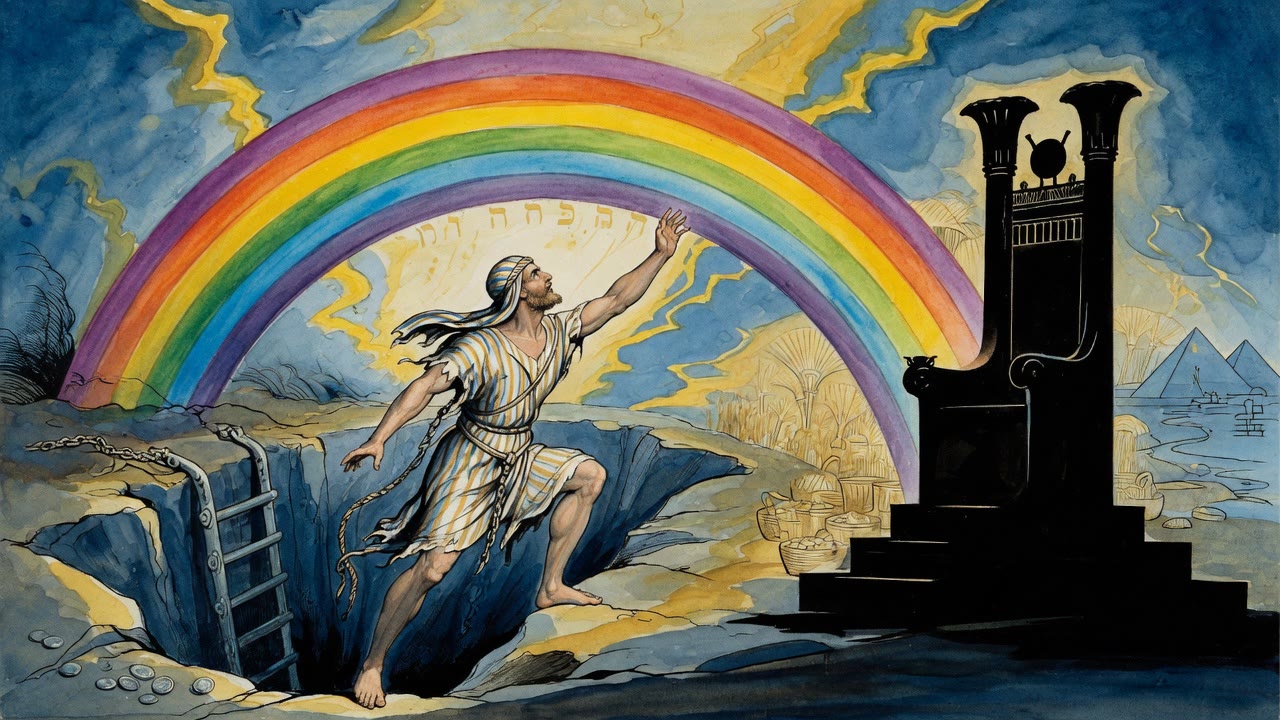
Of Rabbi Shimon bar Yochai the tradition says his merits held tribulation off the world. A sign of that shelter was the absence of the rainbow. The bow in the cloud, given to Noah, reminds a generation that it deserves punishment and is spared by covenant. When the bow appears, judgment looms and no single righteous one is shielding the age.
In Shimon's days the sky did not need that warning. His life was the shelter.
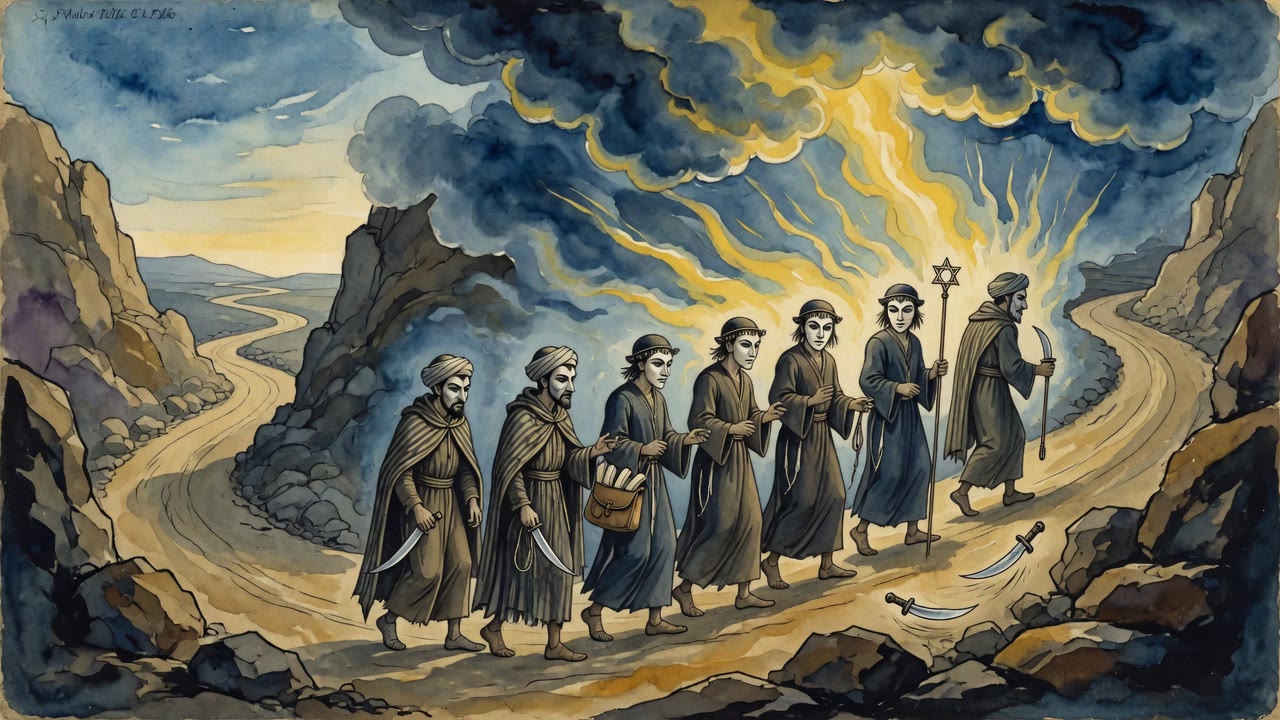
Elijah and Rabbi Joshua ben Levi came to him. Shimon would not look upon Joshua. A rainbow had been seen in Joshua's lifetime, proof he had not averted calamity as Shimon could. The refusal was harsh and exact. Stature was measured by whether the world required a public sign of near judgment.
Shimon also knew his own power. He once commanded a valley to fill with gold, and the valley obeyed. Gold was easy. Holding the sky empty of a warning bow was the harder work, and he would not pretend Joshua had done it.
Wisdom Had No Mine
When Hiyya bar Rav Ada died, the community asked Rabbi Johanan for the eulogy. Johanan deferred to Rabbi Shimon ben Lakish, who rose with Song of Songs on his lips. "My beloved has gone down to his garden." The Holy One knows the man's deeds and has taken him. Simple. A life of Torah folded into a garden image.
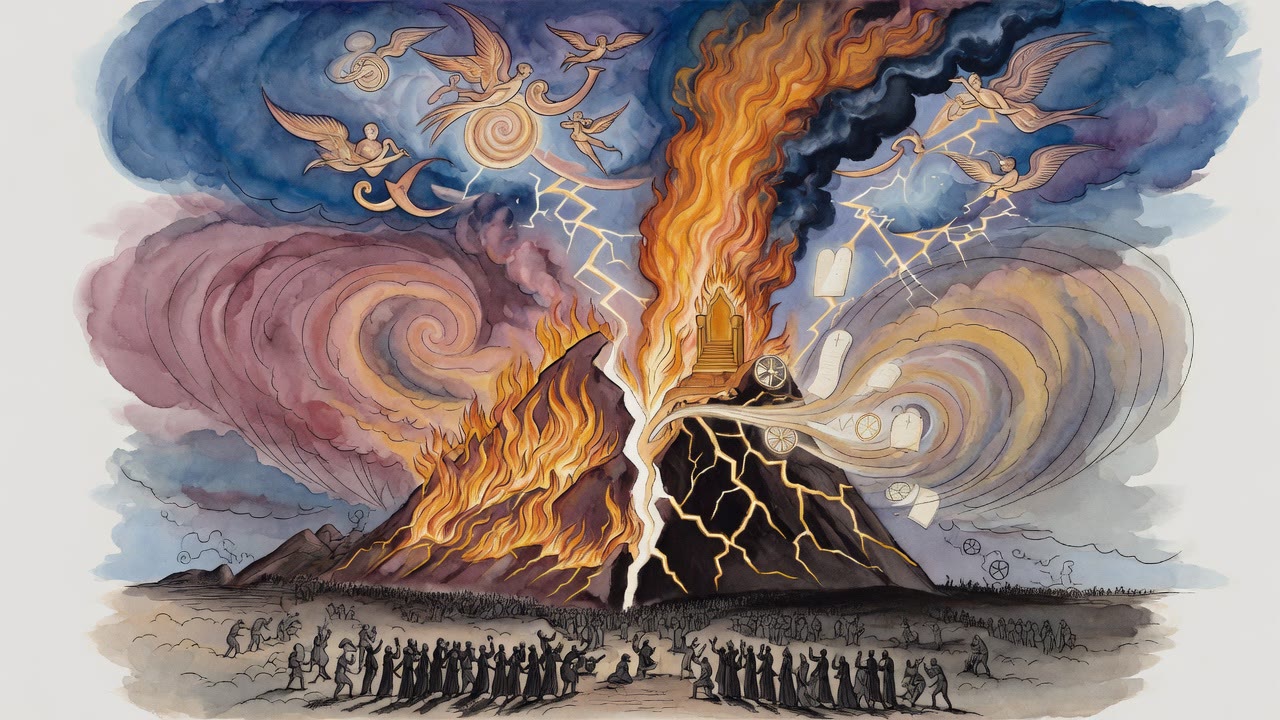
When Rabbi Simon bar Zevid died, Rabbi Eila turned to Job. Wisdom, where shall it be found? Man does not know its price. It is hidden from the eyes of all living. The depths say, it is not in me. If a Torah scholar dies, who brings his replacement?
Silver has a mine. Gold has a place of refining. Iron comes from dust. Wisdom like his does not have a quarry. Rabbi Levi remembered Jacob's sons trembling over money returned in their sacks, and asked what trembling is fit when a teacher like Simon is gone.
Ami's king can order a palace from mud. Shimon can hold a sky. Neither of those powers staffs an empty bench. The heretic wanted a closed grave. The mourners wanted permission to say some losses do not restock. Dust will answer the heretic. The empty seat will not fill from a mine.
The Depths Said It Is Not in Me
Gaboha kept his hump. The Min did not prove himself a physician. Shimon closed his eyes against Joshua and left the rainbow off the cloud. When Simon bar Zevid's bench stayed empty, Eila did not pretend silver could be dug in his shape.
The palace can be built again. The teacher cannot be mined. Job's depths had already said the only honest sentence left in the room.
It is not in me.
← All myths