Egypt Kept Joseph's Bones as Dark Hostages
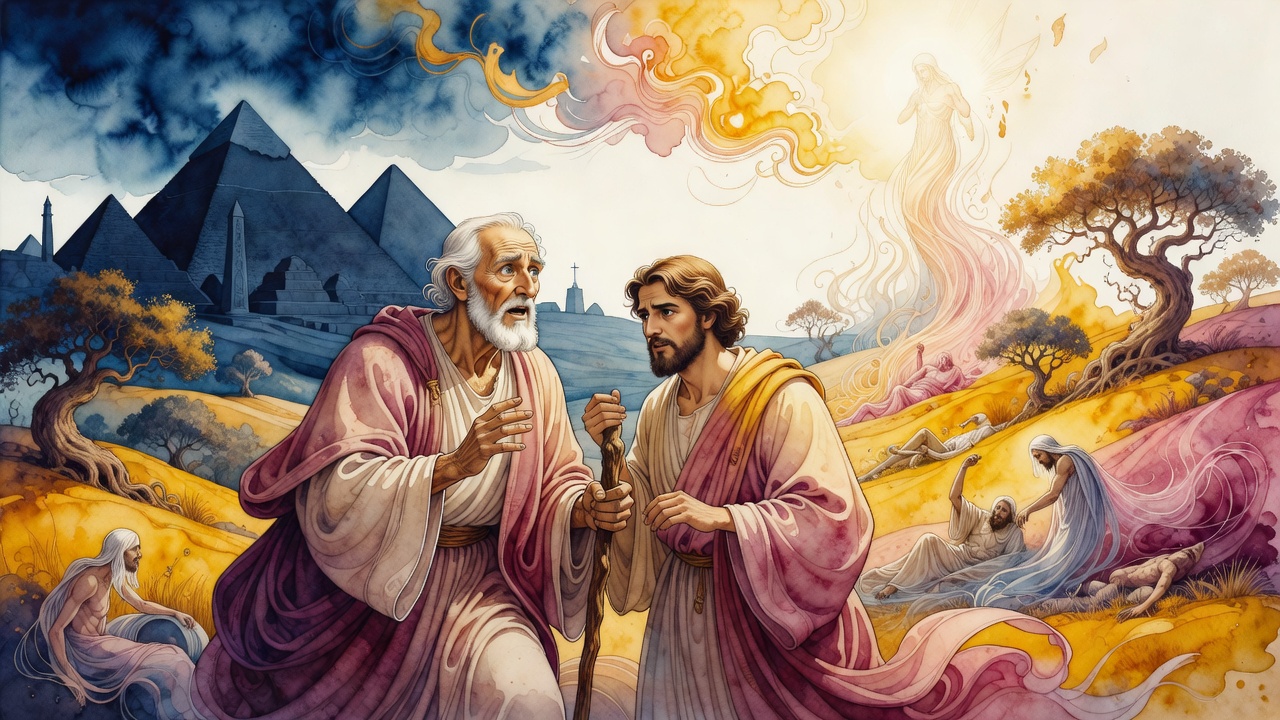
Every other patriarch left Egypt in a coffin bound for Hebron. Joseph's bones stayed behind under guard in the royal treasure rooms, stored with the gold.
Table of Contents
 Click for full size
One Hundred Twenty Years
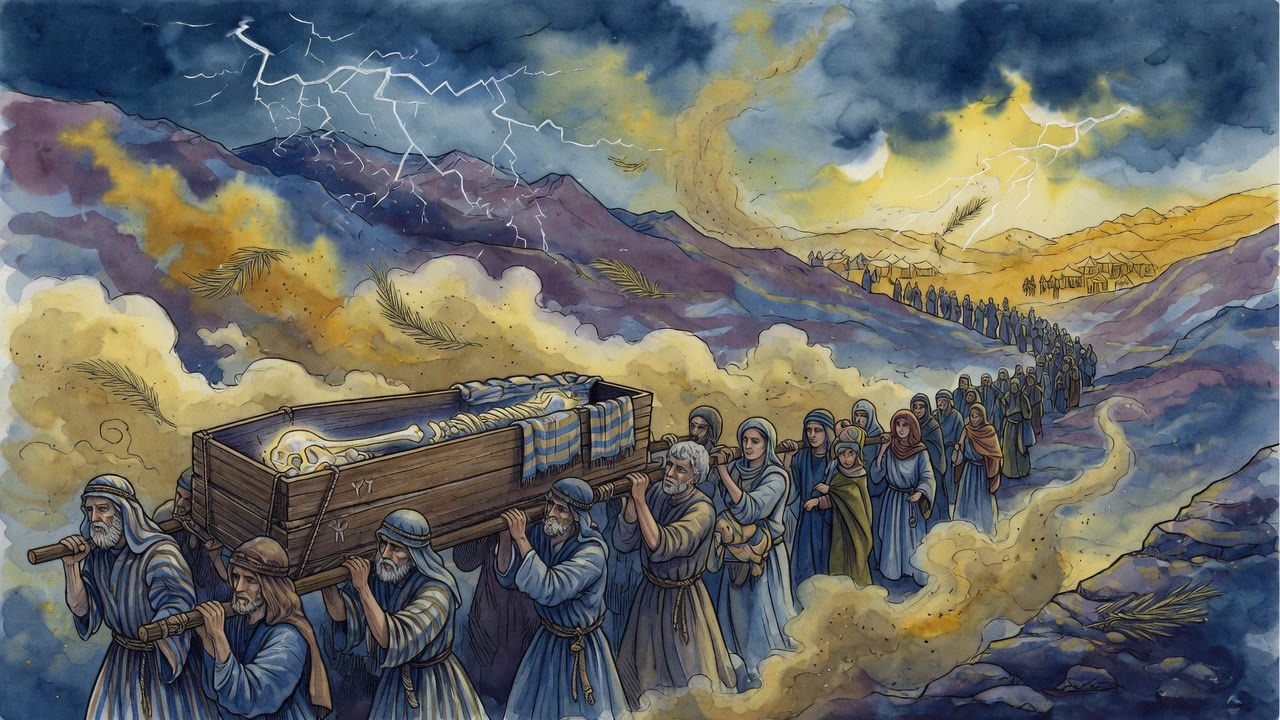
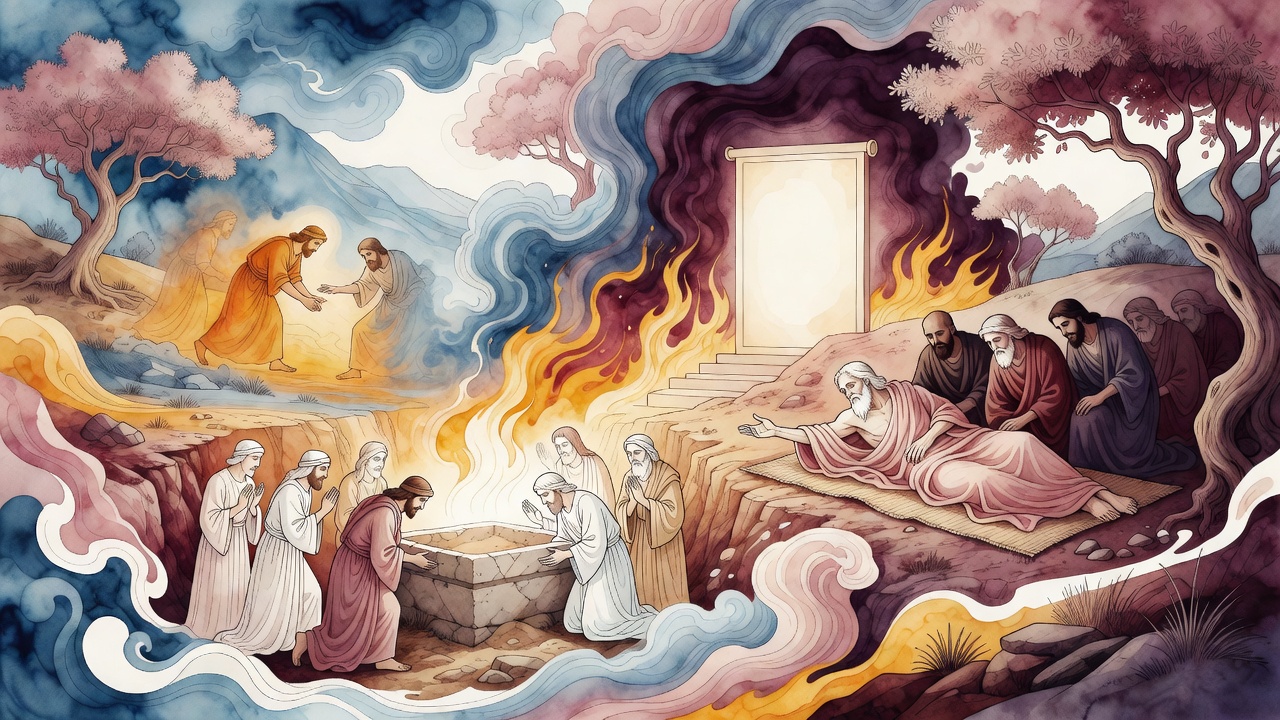
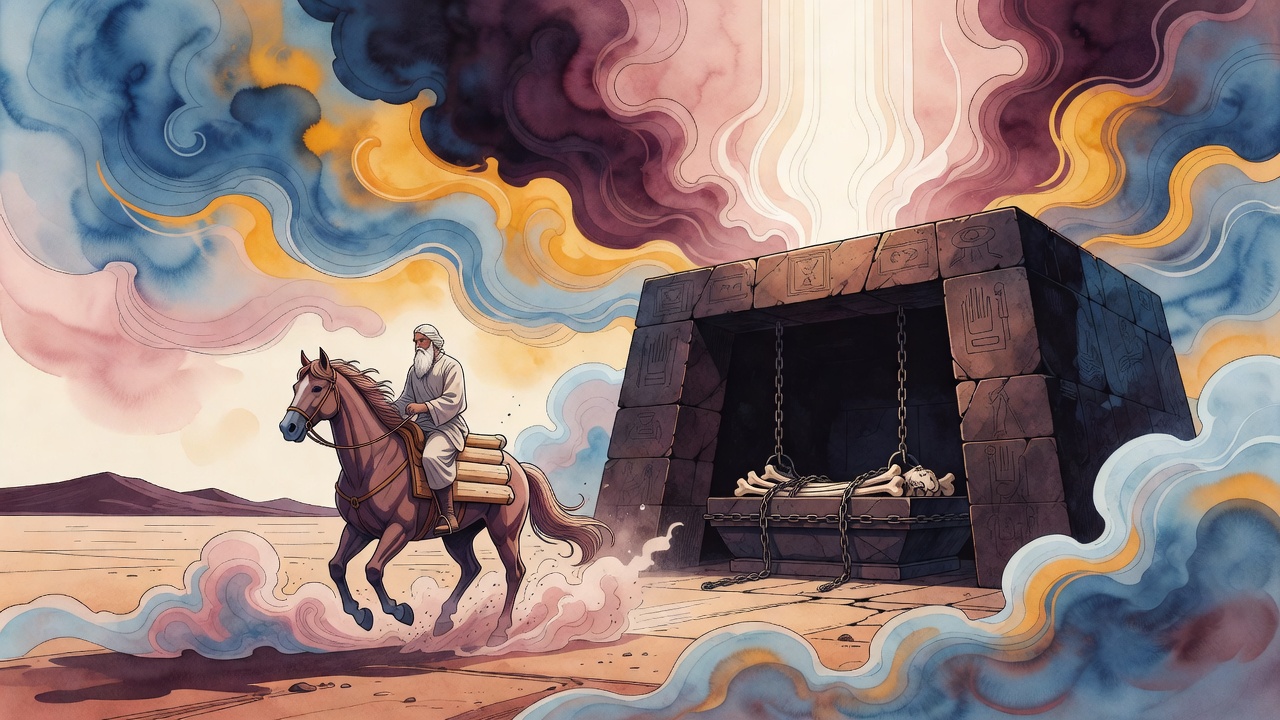
Simon spoke his last words to his children and died at one hundred and twenty. The after-story began before the mourning week was planned. His sons built a coffin of wood that would not decay, wood called imperishable, and aimed it toward Hebron, the burial ground of the fathers where the cave already held more names than comfort.
War ran between Egypt and Canaan. The coffin had to cross battle lines in secret. Love of the dead learned the craft of smugglers. Patrols, rumors, and the risk of a body becoming a trophy all sat on the same road as filial duty. Simon's rest depended on men willing to carry him through someone else's war.
Every Tribe but One
All the tribes, the legends say, carried their patriarchs from Egypt to Hebron in that same hard season. One by one the sons of Jacob had died in Egypt in the chronicle's slow drum: Reuben, Dan, Issachar, Asher, Gad, each laid in a coffin for children to keep until the land of the fathers could take them. Kings rose and fell in Edom while the brothers aged out of the world, and the Book of Jasher marks the years with the blunt rhythm of death notices stacked like ledger lines.
Zebulon, near his own end, gathered his house and warned of future division, of machloket that would wound Israel, and still promised he would arise again among those who held the Torah. Death talk in that generation mixed fear of discord with hope of return. They planned coffins and they planned fidelity in the same breath.
The roads north filled with quiet processions that could not afford to look like processions.
The Exception Named Joseph
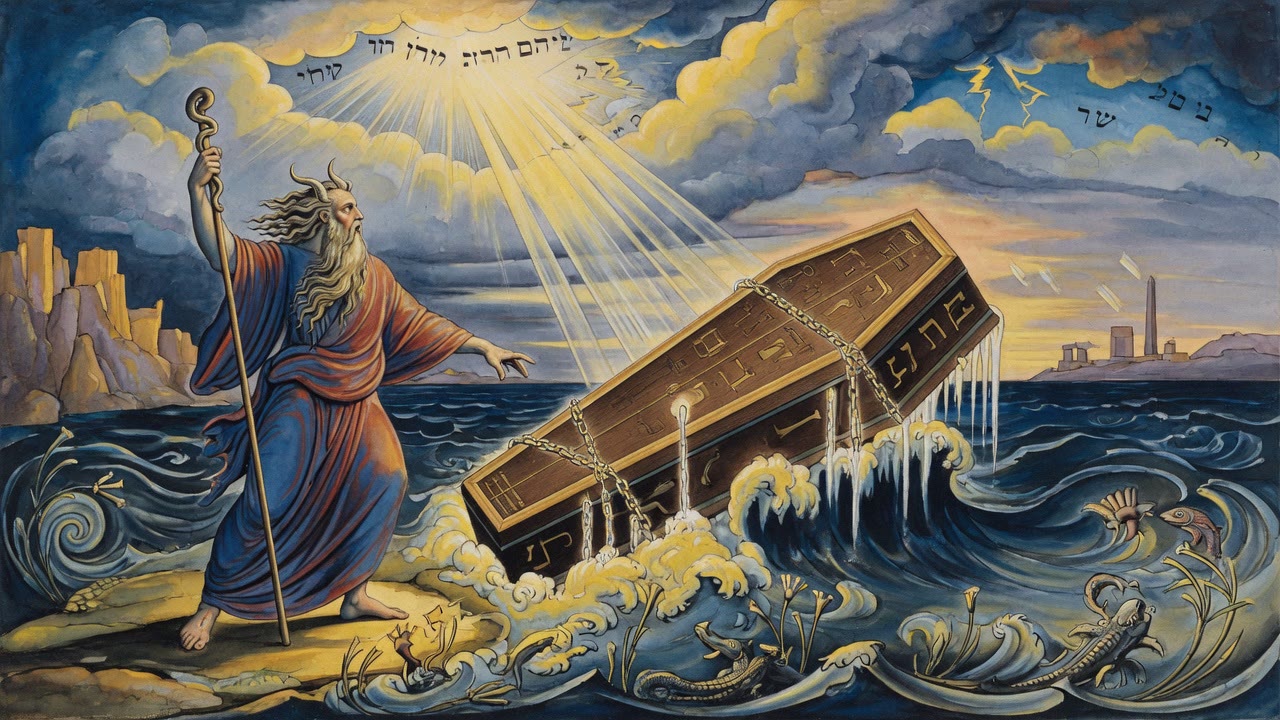
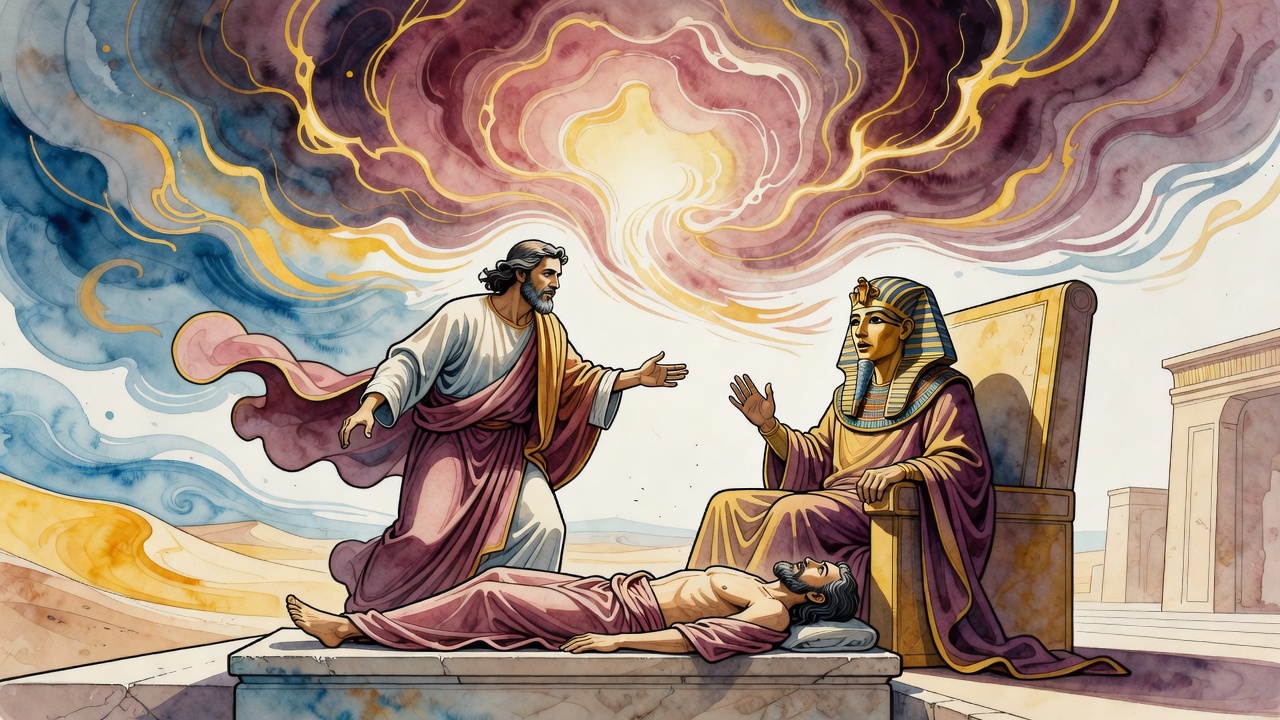
Joseph's bones did not ride with the others. Egypt locked them in royal treasure chambers among things counted as wealth. Magicians had given a prophecy: if Joseph's bones ever left Egypt, a darkness would fall so deep that people could not recognize one another even with a lamp held close to a face.
Fear made a relic into a hostage. The man who had saved Egypt in famine became, in death, a charm against night. His coffin sat among treasures not as honor alone but as a national security object, a skeleton that held back imagined doom. Guards watched bones as if they watched a border. A lamp in that chamber would not help if the prophecy ever came true, so the empire chose never to test the road out.
Gold and grain had once made Joseph Egypt's master of survival. Now Egypt made his remains a ward against a darkness of its own telling.
Secret Roads to Hebron
While Simon's sons risked the war roads with imperishable wood, Joseph stayed. The contrast is almost theatrical. Eleven lines of burial logistics under fire. One line of state panic under lock. Hebron waited for most of Jacob's sons with an open cave. Egypt waited on Joseph with guards, spells, and a story about darkness so thick that neighbor could not know neighbor.
A nation that had forgotten Joseph's kindness still remembered a magician's warning. Memory chose the fear that served power. The brothers who once sold him now, in their descendants, could not buy him free of that vault.
What a Hostage Bone Means
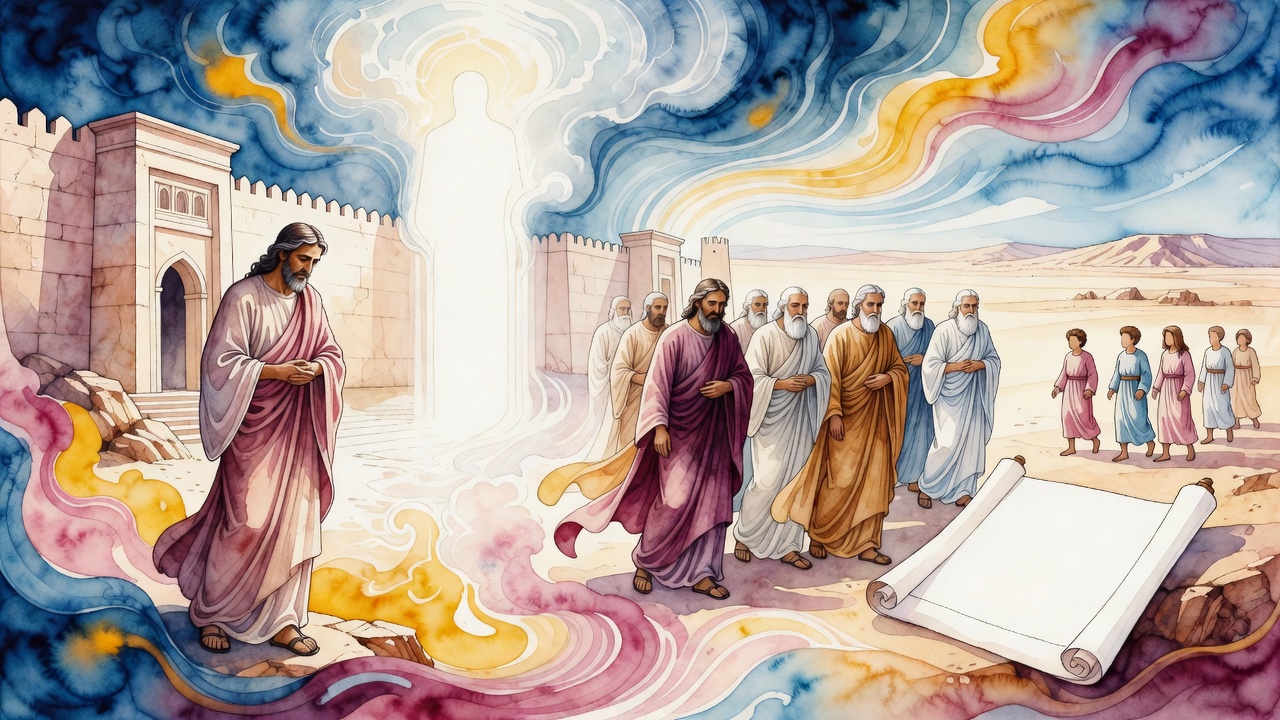
Years later Israel would need those bones for a different road, the road of Exodus oath and a promise Joseph had extracted long before. For now the story holds the earlier cruelty: brothers can be carried home in secret wood, but the savior of Egypt can be held as a ward against darkness Egypt itself invented and then believed.
Simon rides toward the cave of the fathers. Joseph remains under lock among treasures. Between them lies the question of who owns a dead man's rest when the living are afraid of the dark, and whether a prophecy told by magicians can outrank a family's right to bury its own.
Imperishable wood moves. State fear stays. The bones that fed Egypt wait for a night when Israel will take them out under a different kind of darkness, the darkness of leaving, not the darkness of a curse.
Imperishable wood is a small technology of love. It says the body will outlast the war long enough to reach Hebron. Egypt's treasure chamber is a larger technology of fear. It says the body of Joseph must never leave, or the land will go blind to its own faces. One family carries. One empire hoards. Both claim to protect the future.
Zebulon's warning of division and Joseph's locked bones sit in the same generation of endings. Brothers die. Kingdoms in Edom change hands. Coffins move by night. The one coffin that does not move becomes the loudest silence in Egypt, a hostage that will wait for Moses' generation to redeem what magicians tried to freeze in place.
← All myths