5 min read

Elazar Sent Zippori Leaders to the Fugitives

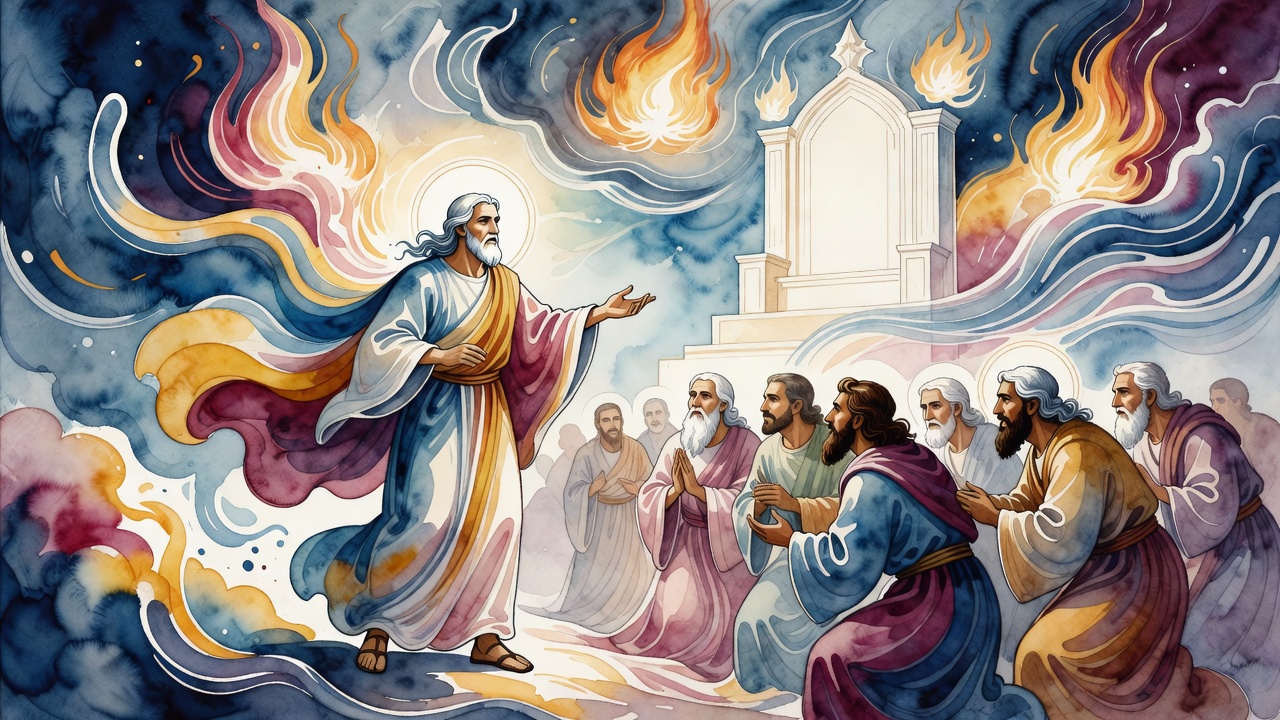
When Roman edicts hit Zippori on Shabbat, Rabbi Elazar feared to say flee aloud, so he told the leaders to ask Jacob, Moses, and David.

Curated by Arthur · Told by Maggid ·
Table of Contents
  1. Edicts on a Holy Day
  2. Three Who Ran and Lived
  3. Sabbath Given Before Sinai
  4. Leaders Who Had to Choose
  5. Rest That Knows When to Break
Elazar Sent Zippori Leaders to the Fugitives Click for full size

Edicts on a Holy Day

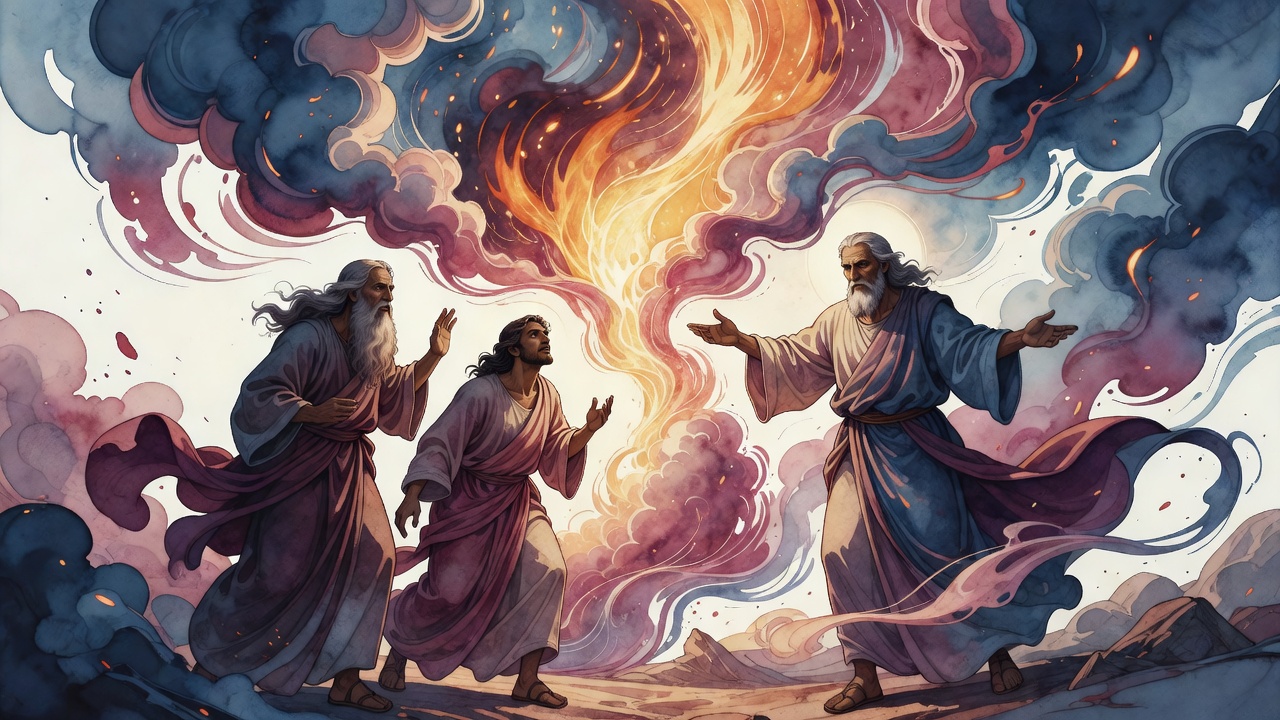
Evil decrees from the empire reached the prominent men of Tzippori on Shabbat. They went to Rabbi Elazar ben Parta with sweat under their cloaks and a question that could hang them. Rabbi, edicts have come. Shall we flee?

He was afraid to say the word flee out loud. Walls have ears. Informers have cousins. A direct answer could be a death sentence for the answerer. So he turned their faces toward older fugitives.

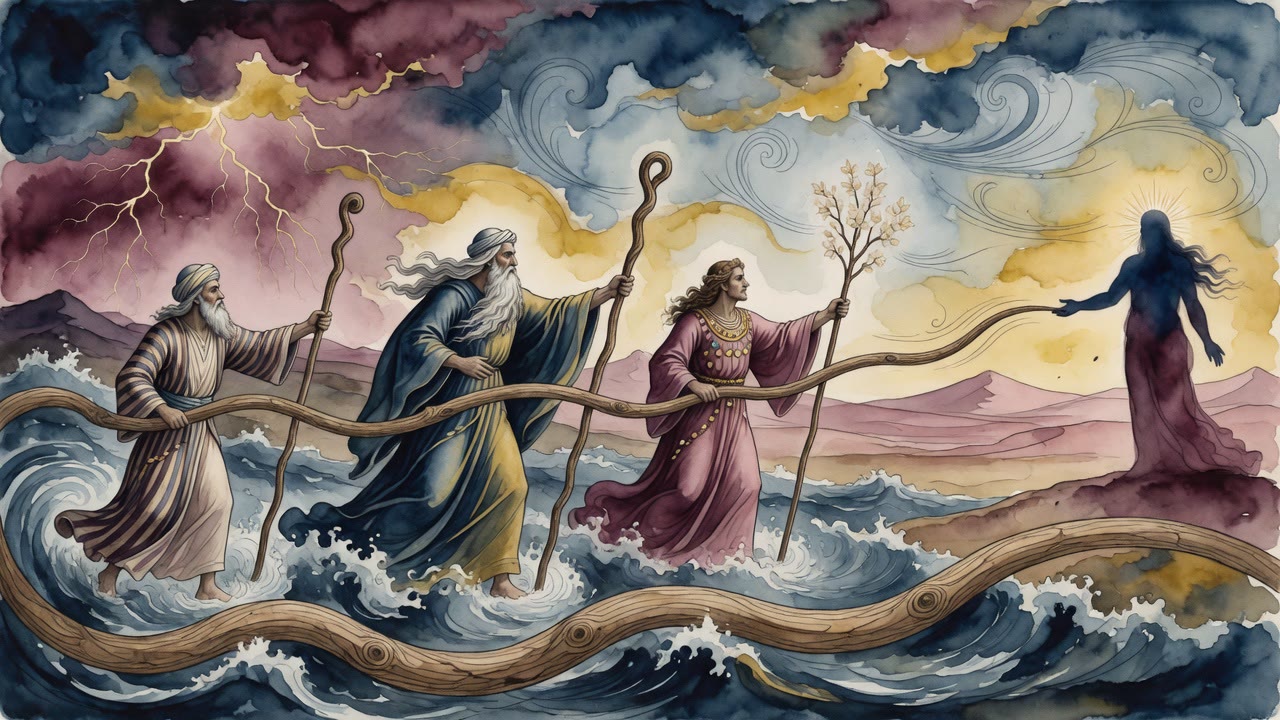
Are you asking me? Go and ask Jacob, Moses, and David. The sentence hung in the room like a rope thrown to drowning men who still had to climb it themselves. No scribe wrote flee. No signature could be shown to a Roman court. Only three names, already safe in scrolls the empire could not easily indict.

Three Who Ran and Lived

What is written of Jacob? Jacob fled (Hosea 12:13). What of Moses? Moses fled from Pharaoh (Exodus 2:15). What of David? David fled and escaped when Saul hunted him. The midrash even hears David fleeing on Shabbat itself when life was the stake.

Halakha already taught the spine of the answer. One pursued by gentiles or robbers may desecrate Shabbat to save a life. Pikuach nefesh, the guarding of a soul, outweighs the day's rest when blood is the price of stillness.

Elazar did not invent permission. The rabbis had already taught that one pursued by gentiles or robbers may break Shabbat to save a life. He made the leaders retrieve that permission from the patriarch, the lawgiver, and the king, so that the ruling would sound like inheritance rather than one man's nerve under interrogation. If arrested, they could say they had consulted Scripture's fugitives, not a rebel cell.

Sabbath Given Before Sinai

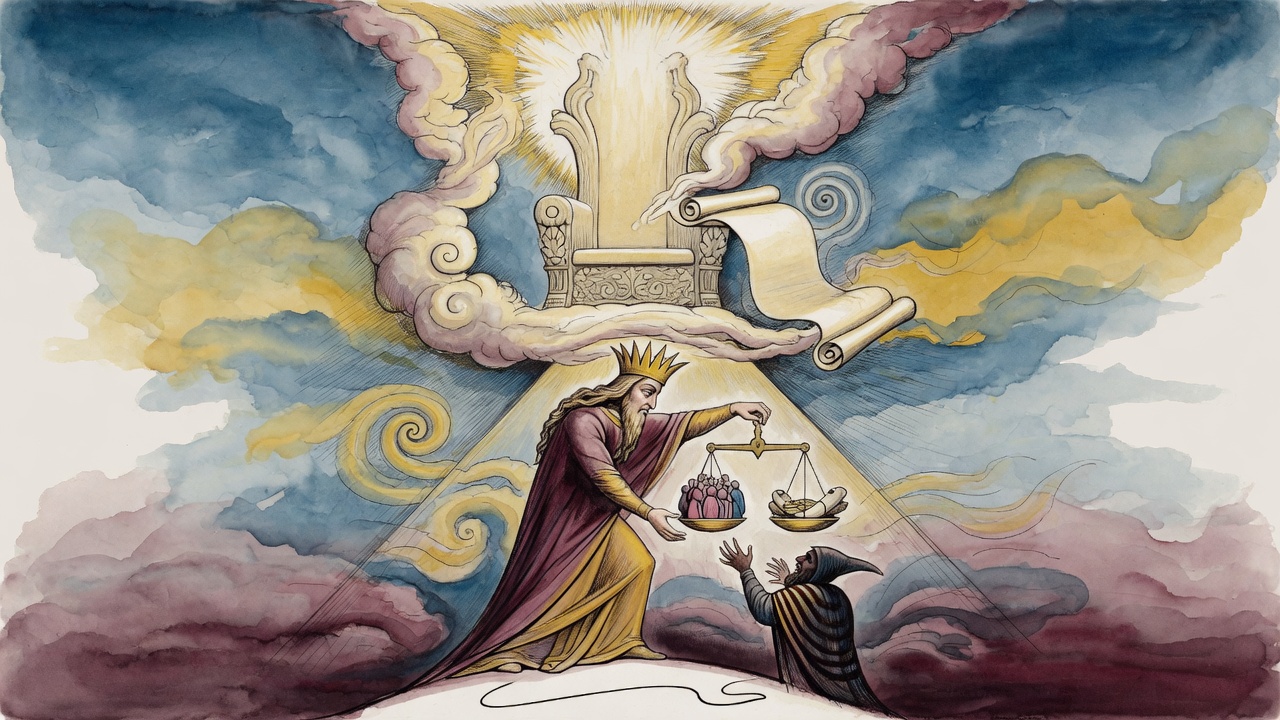
Flight on a holy day still hurts the mouth that orders it. The same tradition insists that Shabbat is not a light gift. A parable compares God to a man with precious utensils who will not leave them to anyone but his son. The day of blessing and holiness was not given as an inheritance except to Israel.

When Israel left Egypt, before the Torah was fully given, God already made known His holy Sabbath (Nehemiah 9:14). They kept two Sabbaths while still on the road toward Sinai. Rest was a family jewel before the full contract was signed.

That is why Elazar's generation trembled. They were not casual about the day. They were trapped between jewel and sword. Only life could tip the scale.

Leaders Who Had to Choose

The men of Tzippori left the sage's doorway with three names and no written permit. Some packed in the twilight between Sabbaths. Some waited for three stars and then ran. Some stayed and paid. The midrash does not list the body count. It keeps the method: when speech is dangerous, point to the fugitives Scripture already crowned.

David's feet on a Sabbath road become a legal precedent in narrative form. Moses' flight from the palace becomes permission for a shopkeeper in the Galilee. Jacob's escape from Esau becomes a map for anyone who hears hoofbeats under imperial seals.

A mother in Tzippori tying a bundle while the day was still holy did not feel like a philosopher. She felt like a thief of time. The tradition stands beside her and says, You are walking the path of kings and prophets.

Rest That Knows When to Break

Shabbat remains the inheritance. Breaking it for life does not empty the jewel. It proves the jewel was always meant for living people, not for graves filled on schedule.

Elazar's caution also teaches. Courage is not always a loud ruling. Sometimes courage is an allusion that keeps a teacher alive to teach tomorrow, while the community takes the hint and moves.

Night roads out of Tzippori carried men who could still taste the kiddush wine and the fear together. A child on a father's back asked why they walked on the day of stopping. The father, who was not a sage, answered with the only midrash he needed: David ran. Moses ran. Jacob ran. We are not better than they are, and we are not required to die to prove we love the day.

Behind them the day of rest continued for those who could keep it without blood. Ahead of them, three older fugitives set the pace. Shabbat remained a jewel. Jewels are for the living hand. Elazar's coded counsel kept both truths in one breath: honor the inheritance, and when empire hunts, take the road the upright already walked.


← All myths

From the tradition

Sources

2 sources

The texts behind this telling. Some cards carry a translation of the source; others are our own retelling of it, and each card says which. Every card links out to the original.

Bamidbar Rabbah 23:1Bamidbar Rabbah

Retold in our words. Read the original at the link below.The Sefaria Midrash Rabbah, 2022 · CC-BY

As we'll see, it's a feeling that resonates profoundly within Jewish tradition.

Our journey begins with the Book of Numbers, Bamidbar (במדבר), specifically (Numbers 33:1): "These are the journeys of the children of Israel, who departed from the land of Egypt according to their hosts, at the hand of Moses and Aaron.” Simple enough. But within those words lies a deeper question, a question of survival, a question of when – and how – to flee.

The Bamidbar Rabbah, a collection of rabbinic teachings and interpretations on the Book of Numbers, explores this very question. It asks: what if you're being pursued, not by pharaoh's armies, but by gentiles or robbers? Are you allowed to break Shabbat, the holy day of rest, to save your life?

The answer, according to our Rabbis, is a resounding yes. Life takes precedence. Saving a life, pikuach nefesh (פיקוח נפש), trumps nearly every other commandment. The Bamidbar Rabbah illustrates this with the story of David, who, as the Etz Yosef notes, fled from Saul, who sought to kill him. He fled and escaped, even, according to some sources, on Shabbat itself.

But here's where the story takes an interesting turn. There's an incident involving Rabbi Elazar ben Parta and some prominent leaders from Tzippori. These leaders were faced with evil edicts from the empire, arriving even on Shabbat! They asked Rabbi Elazar if they should flee. Now, Rabbi Elazar was in a tricky spot. He couldn't directly tell them to flee on Shabbat, so he cleverly alluded to the examples of Jacob, Moses, and David, all figures who fled to save themselves. "Go and ask Jacob, Moses, and David," he suggests. "What is written regarding Jacob? ‘Jacob fled’ (Hosea 12:13); and likewise regarding Moses: ‘Moses fled’ (Exodus 2:15); and likewise regarding David: ‘David fled and escaped’ (I (Samuel 19:1)8)." Brilliant. He even quotes (Isaiah 26:20): “Go, my people, enter your chambers [and close your door behind you; hide for a brief moment, until fury passes].”

So, what’s the message here? It's not just about fleeing when danger arises. It's about understanding the context. The Bamidbar Rabbah then adds a crucial layer, a divine perspective. The Holy One, blessed be He, says to them: ‘All the prominent leaders of the world feared and fled from their enemies. All those forty years that you spent in the wilderness, I did not allow you to flee, but rather, I would topple your enemies before you by virtue of My accompanying you." For forty years, the Israelites didn't have to flee. God protected them, even in the face of serpents, fiery serpents, and scorpions, as (Deuteronomy 8:15) reminds us. God was their shield, their protector.

Therefore, the Holy One, blessed be He, said to Moses: ‘Write the journeys that Israel traveled in the wilderness, so that they will know what miracles I performed on their behalf.’ And this, the Midrash Rabbah tells us, is the significance behind the phrase "These are the journeys." It's a reminder of God's constant presence, of the miracles that sustained them.

So, what do we take away from all of this? It’s a complex interplay of self-preservation and trust in the divine. There are times when fleeing is necessary, even divinely sanctioned. And then there are times when we are called to trust in something larger than ourselves, to remember the miracles that have brought us this far.

Knowing when to run and when to stand firm. Knowing when to rely on our own strength and when to surrender to a higher power. Perhaps the journey itself, both physical and spiritual, is the most important lesson of all.

Full source
Pirkei DeRabbi Eliezer 18:5Pirkei DeRabbi Eliezer

Retold in our words. Read the original at the link below.Pirke de Rabbi Eliezer, trans. Rabbi Gerald Friedlander, London (1916) · CC-BY

It’s a legacy.

Pirkei DeRabbi Eliezer, a fascinating early medieval text, offers a beautiful parable to explain why. Who would they entrust them to? Only their most beloved, their own child. That’s how God felt about the Sabbath.

In Pirkei DeRabbi Eliezer, 18, the Holy One, blessed be He, had something incredibly precious: the day of blessing and holiness, the Shabbat (the Sabbath). And God, in God's infinite wisdom, didn't want to give it to just anyone. God chose Israel.

Here's the really interesting part. How do we know this is true?

Pirkei DeRabbi Eliezer urges us to "Come and see!" Consider the Exodus from Egypt. Even before the Torah was given at Sinai, before the full covenant was established, God gave the Shabbat to Israel. Even before they were fully committed to following all the mitzvot (commandments), God entrusted them with this sacred day. As it says in (Nehemiah 9:14), "And Thou madest known unto them Thy holy Sabbath."

The text emphasizes that Israel kept two Sabbaths before receiving the Torah, evidence of their immediate commitment to this gift. Only after this demonstration of devotion did God then give them the Torah, with its commandments, statutes, and teachings, through Moses.

So, the Sabbath wasn't just another commandment thrown into the mix. It was the first gift, a sign of divine favor and a prelude to the entire Torah. It was the foundation upon which the rest of the covenant was built.

Maybe it means that the Sabbath is more than just a day of rest. It’s evidence of the trust that God placed in us, and a call to live up to that trust each and every week.

Full source