Mordecai Senses the Portent at the Harem Gate
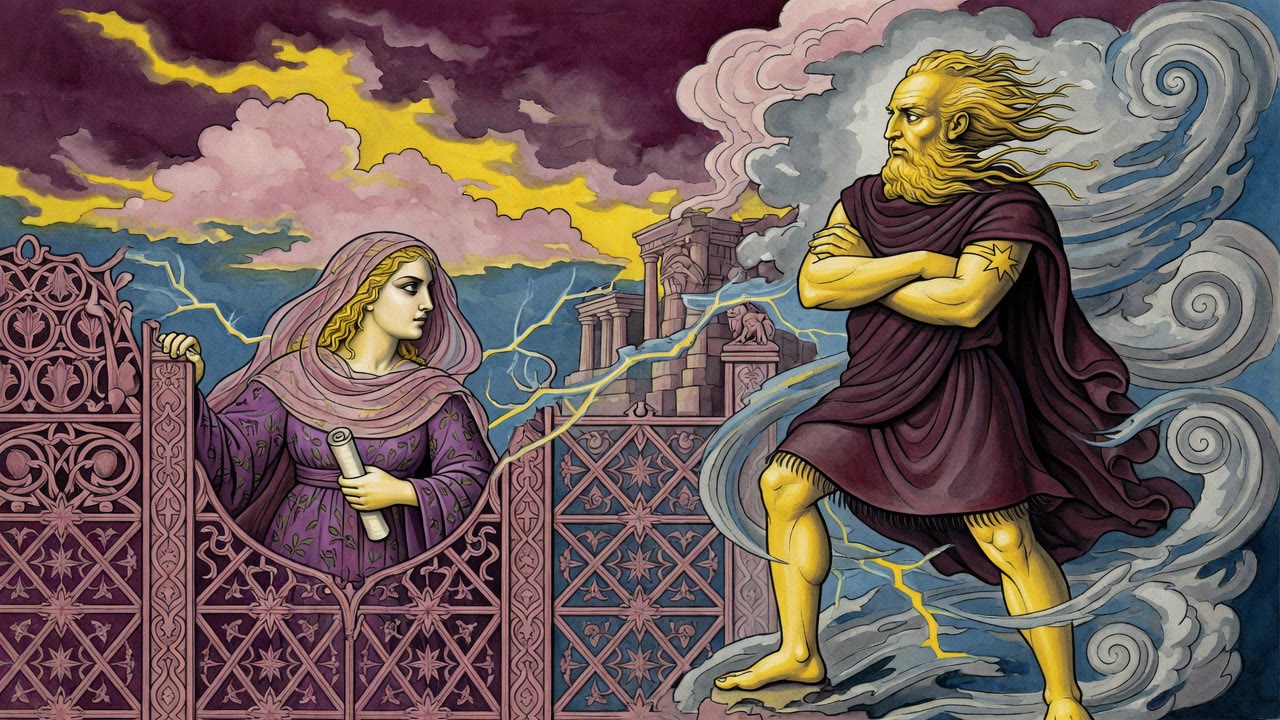
Four men received portents. Jacob and Moses missed theirs. David and Mordecai felt theirs. Mordecai paces the harem courtyard, waiting for the blow.
Table of Contents
 Click for full size
The Criers Read the Decree in Shushan
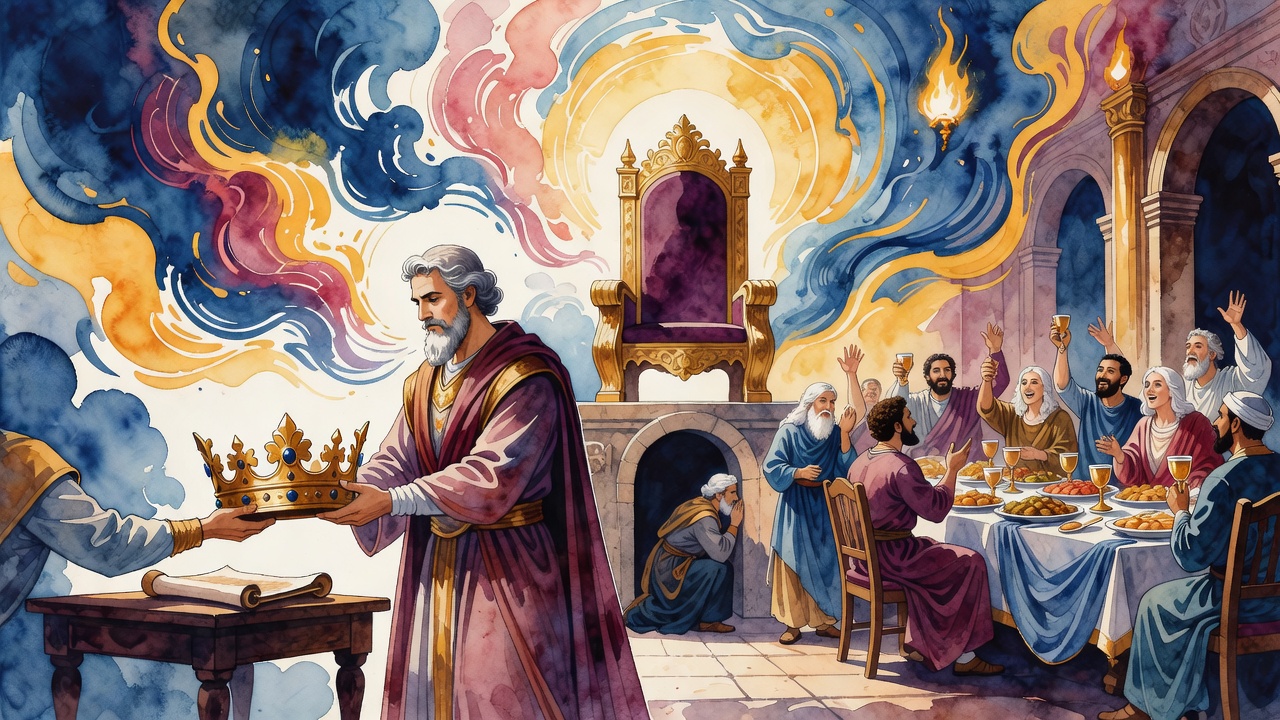
The decree went out in the plainest language the empire owned. The young woman who pleases the king will reign in place of Vashti. Officers rode into the provinces to collect them, and the girls of Shushan were taken up into the house of the women for twelve months of oil of myrrh and spices before any of them would be looked at once.
Esther went with them.
Shushan had a Jewish man in it, and his name was Mordecai. Whenever Israel has been in a corner the record does this: it names the trouble, and then in the next breath, before anyone has had time to ask, it names the person. Israel stood dismayed in front of the Philistine, and the next line is David, son of an Efrati out of Bethlehem. Vashti's place stood empty, and the next line is Mordecai.
Is It Possible
He started walking the length of the courtyard in front of the house of the women, every day, with no errand there that anyone could have named for him.
What he had was a question and it was a bad one. Is it possible that this righteous one is going to marry an uncircumcised man? He carried it up the wall and back down again, and it would not hold, because the question made her into a private disaster, one girl swallowed by a palace, one household's grief, and the ledger of the exile is not kept in units that small.
Rather, he said. He said it out loud, on the third or fourth pass, and the sentence came back out of him the other way round. A great thing is coming on Israel, and she is the one they are going to be rescued by.
Then he kept walking, since a sentence like that is not a comfort. It is an assignment, and he could not see one line of it past the wall in front of his face.
The Mouths That Stayed Shut
He came by the habit honestly. Exiled from Jerusalem with the deportation that went out with Yekhonya king of Judah, carried off by Nebuchadnezzar, and for four generations his people had spoken that name the way a man speaks the name of someone who can still hear him, because Nebuchadnezzar was alive and reigning and no subject can afford a curse. In Jeremiah the name comes up constantly and nothing is ever added to it.
It was only now, in Persia, generations on, with the destroyer under the ground, that the words came loose. Nebuchadnezzar, may his bones be crushed. Nobody reading the name aloud could have added that while the man sat on a throne in Babylon, and what changed in between was not anyone's opinion of him. It was his funeral.
So Mordecai walked under a living king with his mouth shut, which was the family trade.
Two Men Who Missed Theirs
Signs get handed to more people than notice them.
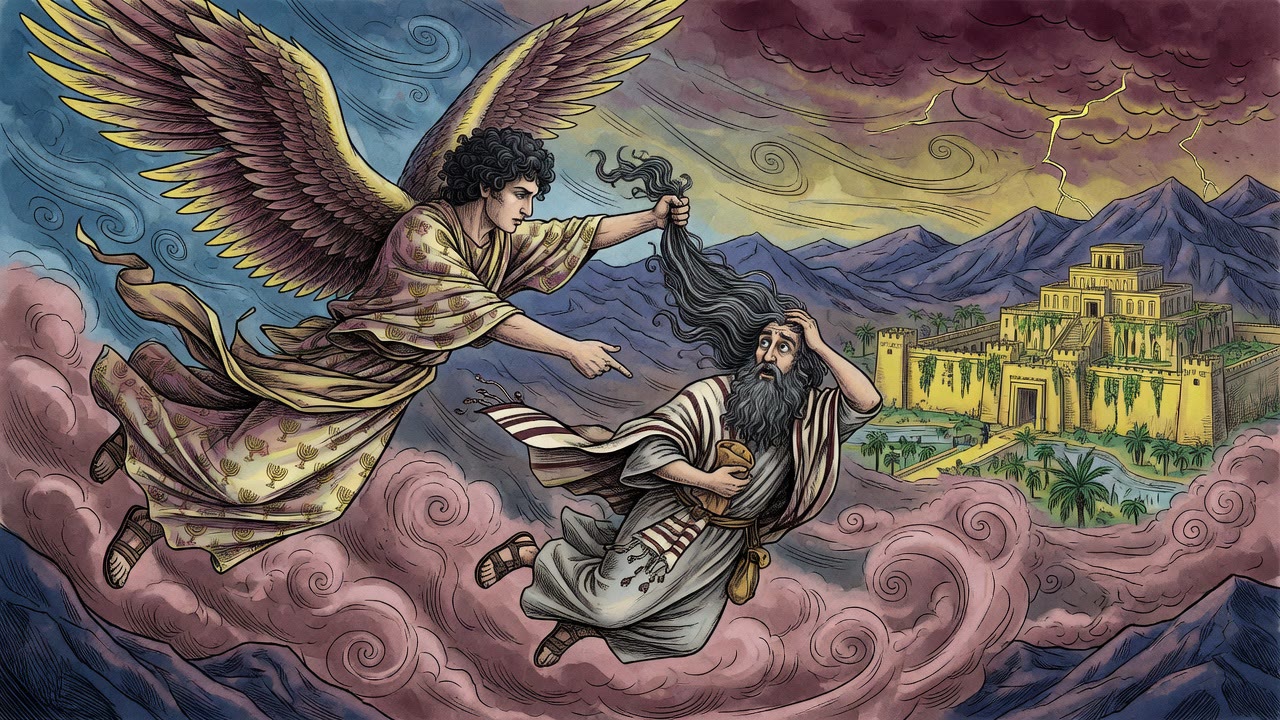
Jacob was told in so many words, I will protect you wherever you go, and then stood at the ford with Esau coming toward him and was frightened, because he had spent twenty years under Laban's roof and could not be sure the promise still covered a man who had lived there that long. Moses was told to set it in the ears of Joshua, which is about as clear a notice as anyone is given that Joshua and not Moses would bring Israel over the river, and he pleaded anyway to be allowed to cross and see the good land.
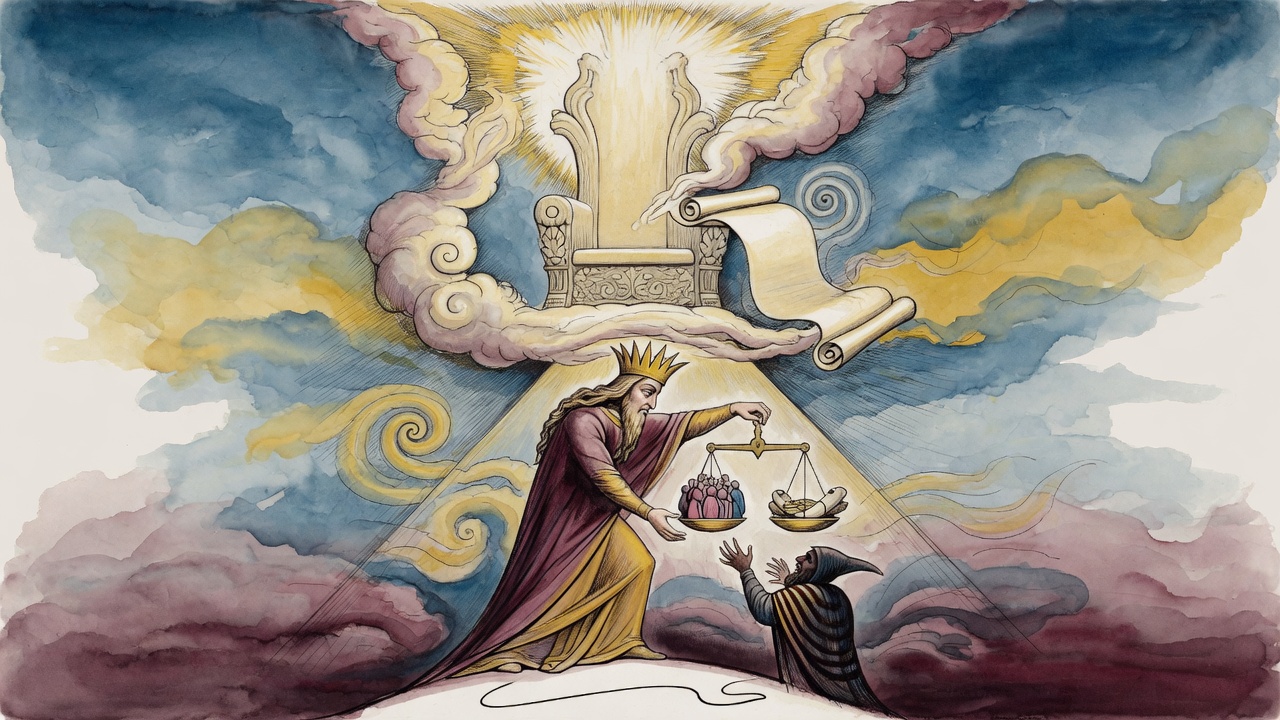
David caught his. He was standing in front of Saul making the case that a shepherd could fight a Philistine, and he heard his own words come out: your servant has killed both the lion and the bear. Then he stopped on them. Am I so much that I could kill those animals? Rather, something is coming on Israel, and they are going to be rescued by me.
Mordecai's sentence had the same shape and made the same turn, in a courtyard in Shushan, with dust on his sandals.
He Kept Walking
Twelve months is a long watch. The guards on the gate of the house of the women learned his face and stopped asking what he wanted, so he came in the morning and went at dusk, and the wall never told him anything at all.
Esther was taken in to the king and the crown went on her head, and none of it stopped the walking, since the thing he was waiting for had not happened yet and he still could not have put a name to it.
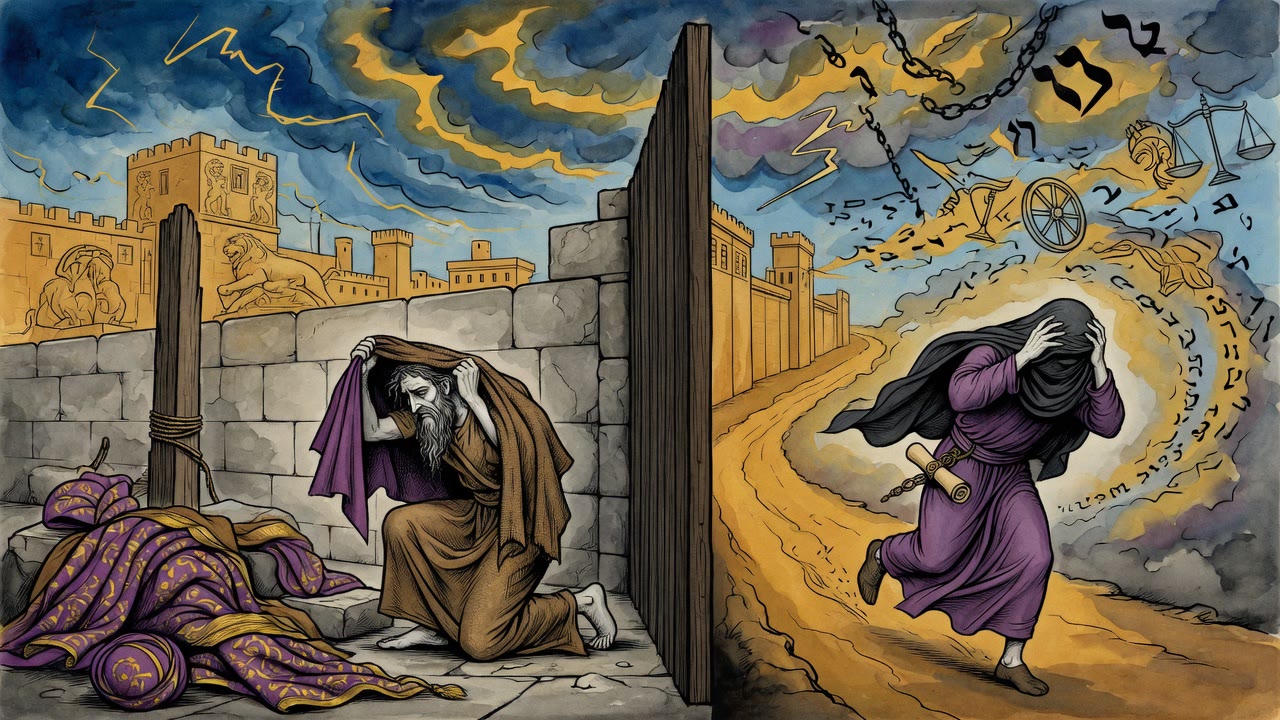
When it came, nobody had to explain it to him. He tore his clothes in the street, put on sackcloth and ashes, went out into the middle of the city crying with a loud and bitter cry, and stopped in front of the king's gate, which he had been walking past for a year.
← All myths