Jacob Ended His Blessing Where Moses Would Begin His Own
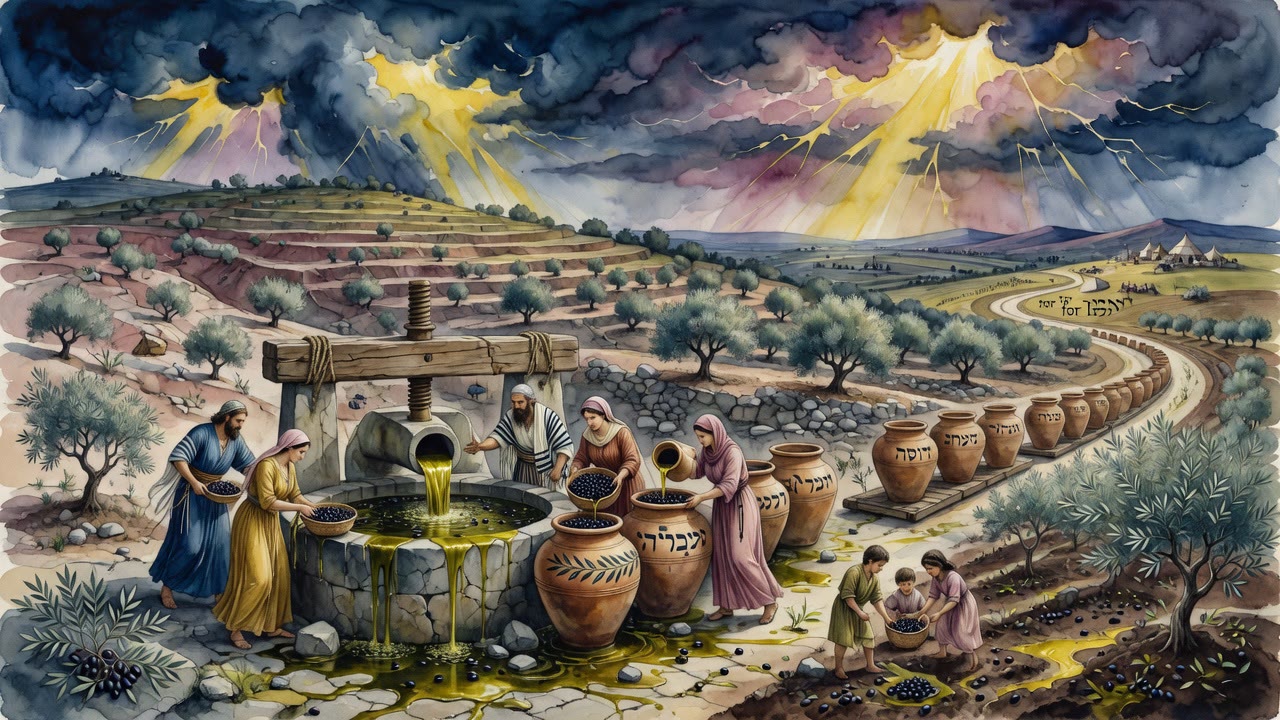
Judah got the lion's strength, Dan the serpent's bite. Judah's soil grows barley and Benjamin's grows wheat, and each tribe eats from the other's field.
Table of Contents
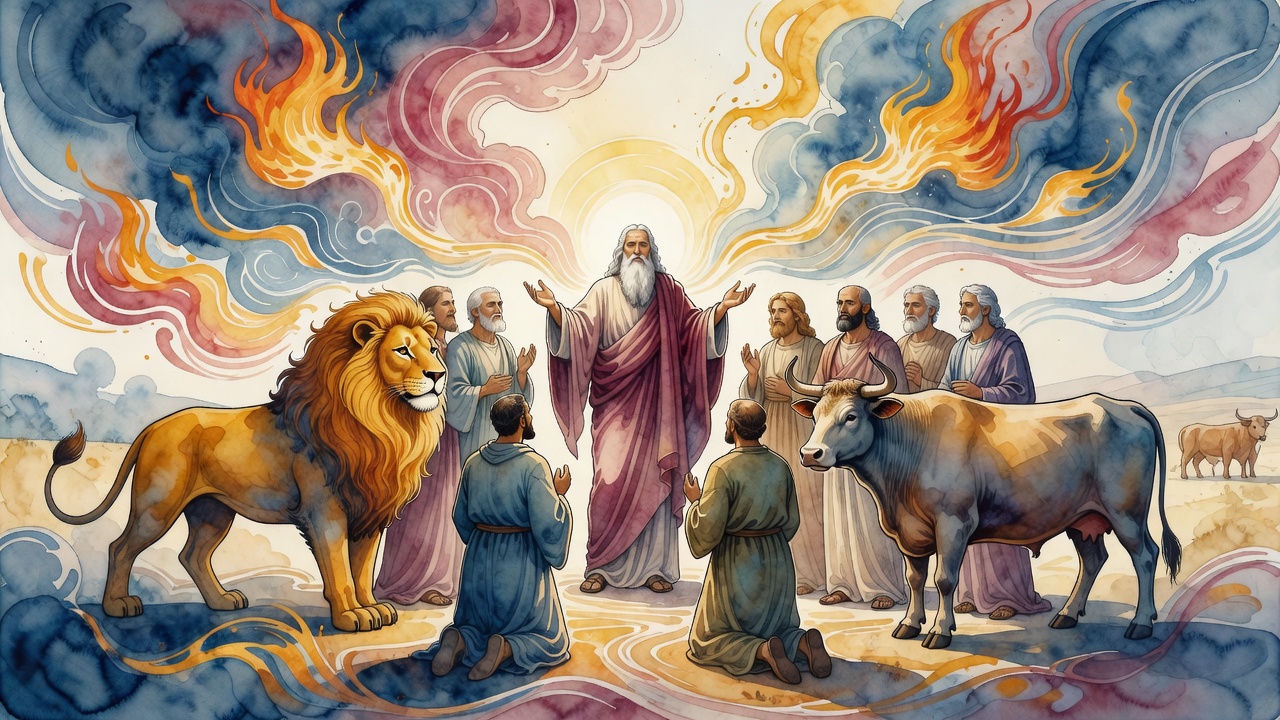
Why does the verse say Jacob blessed "them," not "him"? Because each son received his own portion. To Judah the might of a lion, to Joseph the might of an ox, to Naphtali the swiftness of a deer, to Dan the serpent's bite.
 Click for full size
Every One According to His Blessing
Lest one brother seem to outshine another, the verse gathers them as one: "every one according to his blessing" (Genesis 49:28). So too the Land. Judah's soil yields barley, Benjamin's yields wheat, yet each tribe eats from the other's field. The brothers are bound together even when their gifts differ.
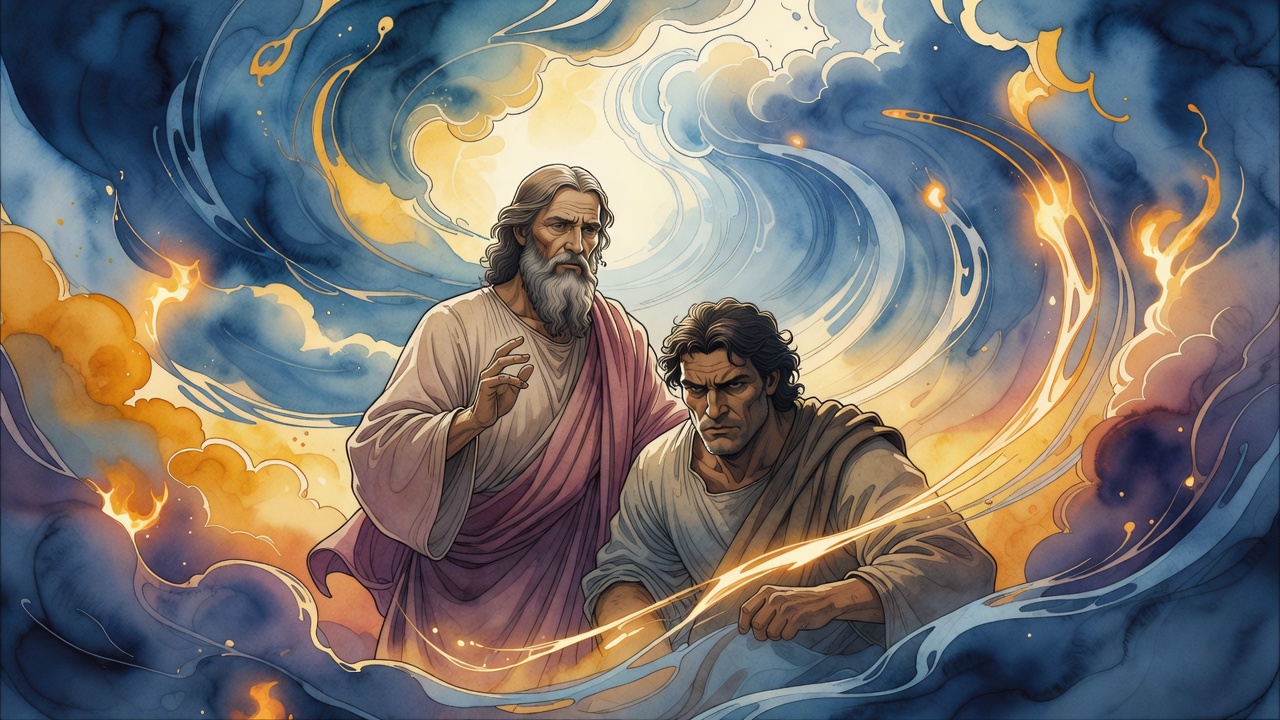
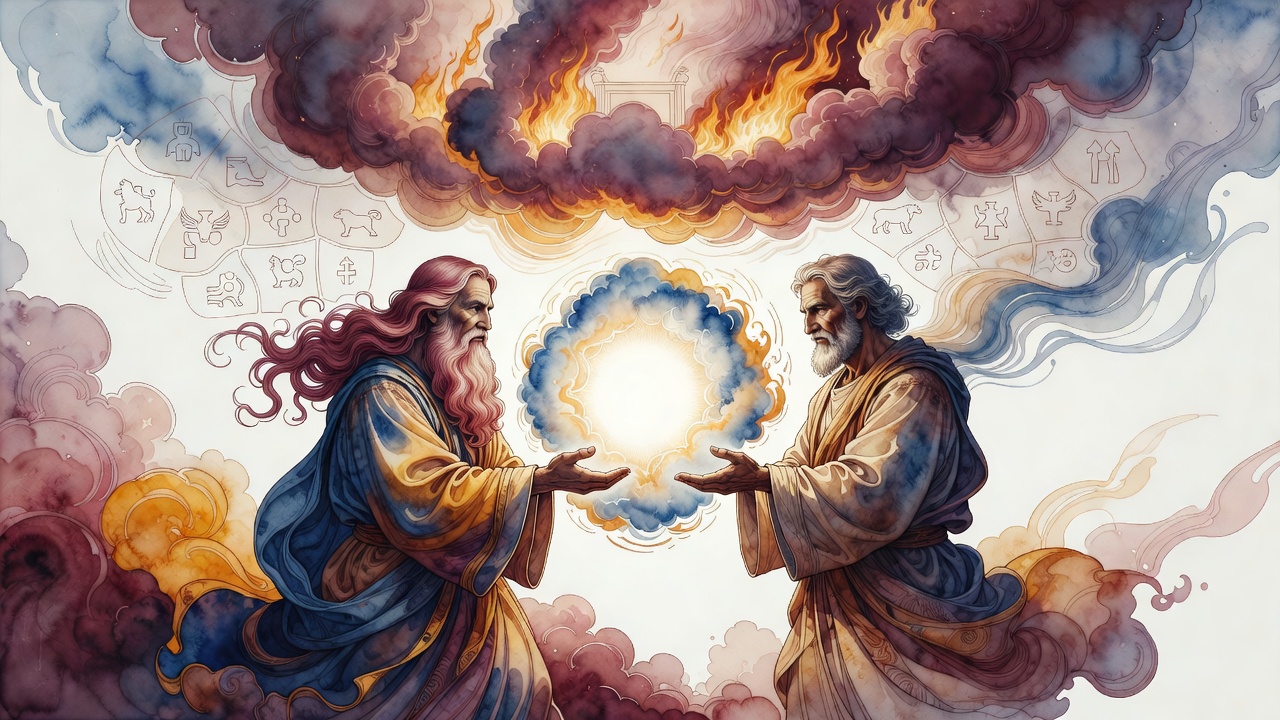
Then comes the deeper word in "and this." Jacob hints: a man like me is destined to bless you, and where I leave off, he will begin. That man is Moses. "From the elders I gain understanding," Moses says. Watch the chain. Isaac sealed his blessing with a calling, and Jacob began with a calling: "Jacob called his sons." Jacob sealed with "this," and Moses began with "and this is the blessing." Each leader takes up the word where the one before him laid it down.
When do these blessings ripen for Israel? Only from the hour they receive the Torah, "and this is the Torah." Moses sealed with "blessed art thou, O Israel," and David opened his Psalms with "blessed is the man." The blessing never ends. It is handed forward, elder to elder, mouth to mouth.
Heaven Sets the Seal
How do we know Heaven approved what Jacob did on his own initiative? Every blessing our father Jacob laid upon the tribes, Moses later pronounced again over those same tribes before his own death. The two great fathers of Israel spoke as one.
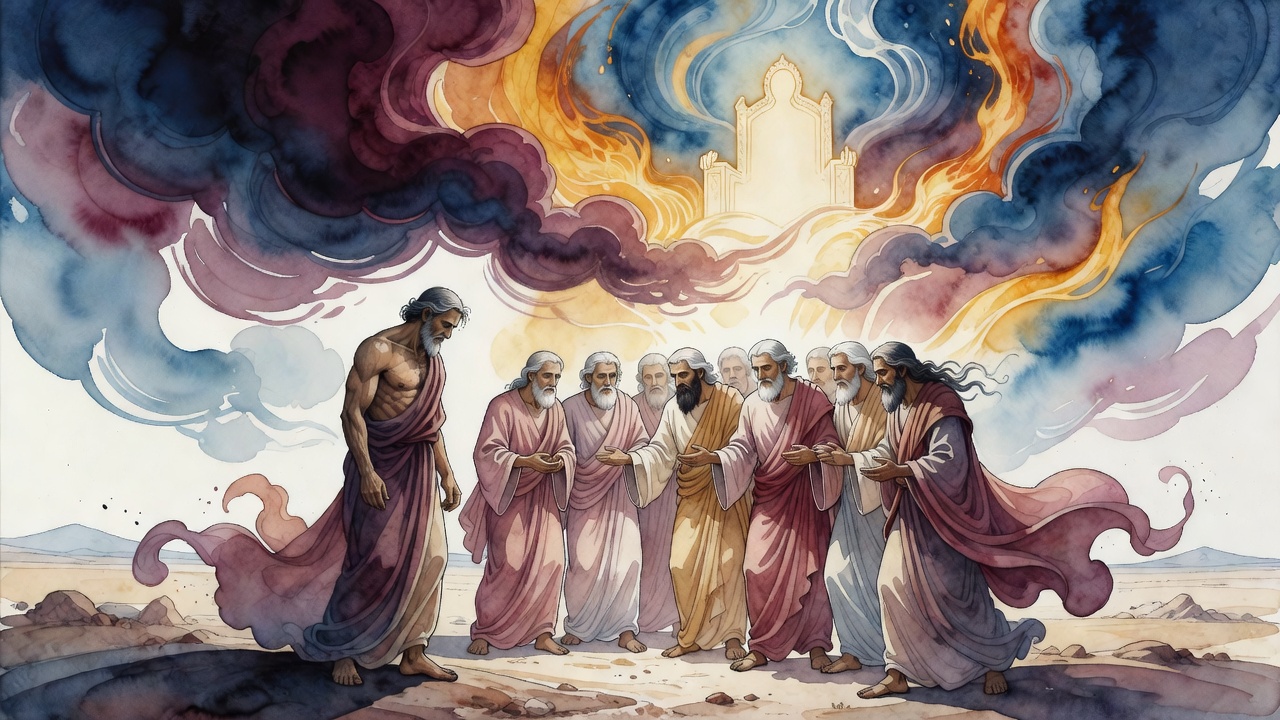
What Jacob declared on his deathbed in Egypt, Moses confirmed on the plains of Moab generations later. The Holy One, blessed be He, set His seal upon each portion, ratifying word by word what Jacob had spoken. The dying patriarch did not bless by his own power alone. The Master of the world stood with him, agreeing to every gift he distributed.
Therefore Scripture says, "Then Jacob called his sons." Jacob took the initiative, and God Most High answered the call, confirming the blessings for generations to come. The prokopai, the advancements and bestowals of greatness, were not private fatherly wishes. They were a draft heaven would sign again in Moses' mouth.
Days That Drew Near
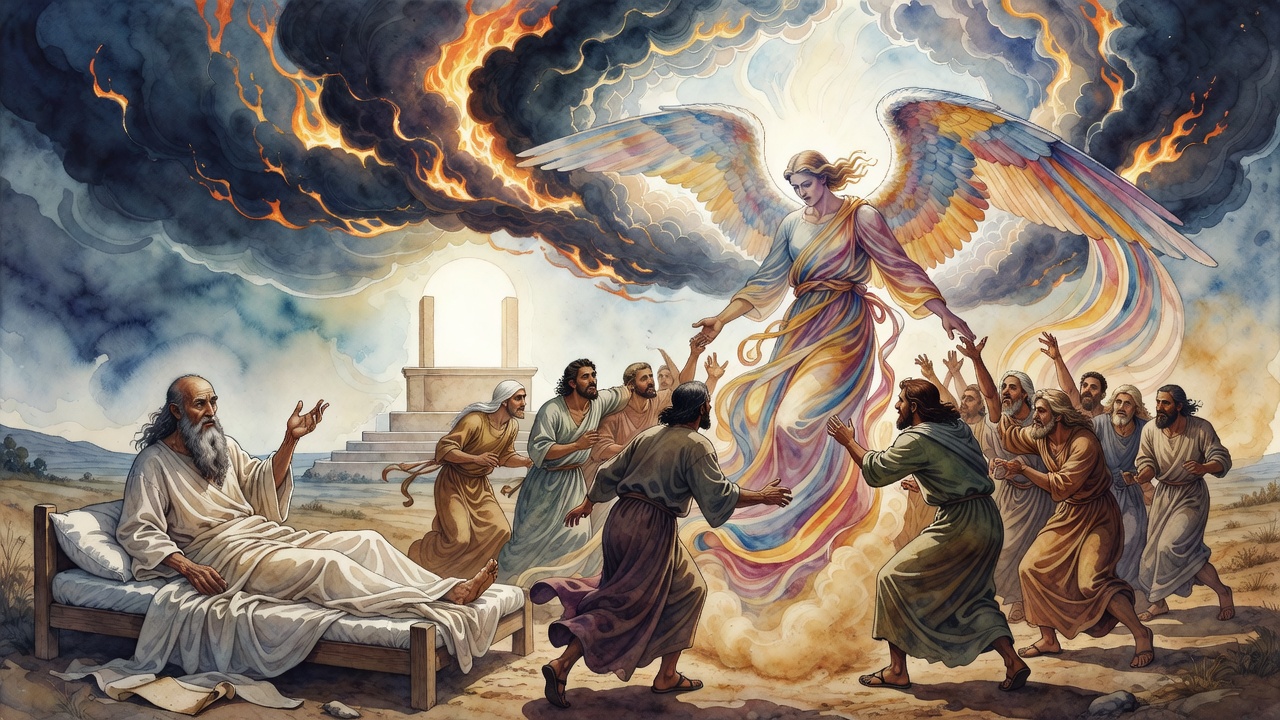
Wherever Scripture says a man's days "drew near" to death, it whispers that he fell short of the years his fathers reached. Consider David. "And the days of David drew near to die." His forebears Boaz, Obed, and Jesse together lived more than four hundred years, yet David himself reached only seventy. He did not attain the days of his fathers, and so the word marks his end.
So too with Moses. His father Amram lived a hundred and thirty-seven years, but Moses only a hundred and twenty. Therefore the Holy One said, "Behold, your days draw near to die." And so with Jacob. Abraham lived a hundred and seventy-five years, Isaac a hundred and eighty, but Jacob only a hundred and forty-seven. He did not reach the span of those who came before him. The Torah does not simply say he died. It says the days of Israel drew near to die, one phrase carrying the weight of all his unreached years.
Short Life, Long Chain
Jacob dies younger than Abraham and Isaac, yet he hands a word that Moses and David will still be speaking. The life is short of the fathers. The blessing is longer than the life. "This" becomes "and this." "Blessed art thou" becomes "blessed is the man." The seal of heaven on the tribal portions outlasts the hundred and forty-seven years that felt too few.
On the plains of Moab, Moses will stand where Jacob left off and prove the deathbed was not a private room. In the Psalter, David will open with the same blessedness Moses closed with. Between them the tribes still eat from one another's fields, lion beside ox, deer beside serpent, barley beside wheat.
A man whose days drew near still started a chain that would not draw near to ending. That is the midrash's quiet defiance of the shortened span. Count the years and Jacob loses. Count the mouths that take up his "this" and he has not finished speaking.
Picture the deathbed not as a soft fade but as a transfer of files. Lion to Judah. Ox to Joseph. Deer to Naphtali. Serpent to Dan. Then the meta-file: and this. A pointer to a future mouth. Jacob is not only dividing land-virtues. He is installing a protocol for how blessing will travel when he is dust.
Moses on the plains of Moab does not invent a second Israel. He reads Jacob's draft aloud under heaven's notarization. The tribes hear their old names in a new century and learn that a father's last words can outlive the father's shortened years. David, still later, opens the Psalter as if the chain were still warm. Blessed. Blessed. The word keeps walking.
← All myths