5 min read

Jacob Blessed Every Son So None Stood Above

Jacob called his sons, gave Judah a lion and Joseph an ox, then blessed them together so no tribe owned the ending. Moses later took up the same word.

Curated by Arthur · Told by Maggid ·
Table of Contents
  1. Twelve Like the Hours and the Stones
  2. Lion, Ox, Hind, and Serpent
  3. Where Isaac Stopped, Jacob Started
  4. The Leader Who May Not Say Amen

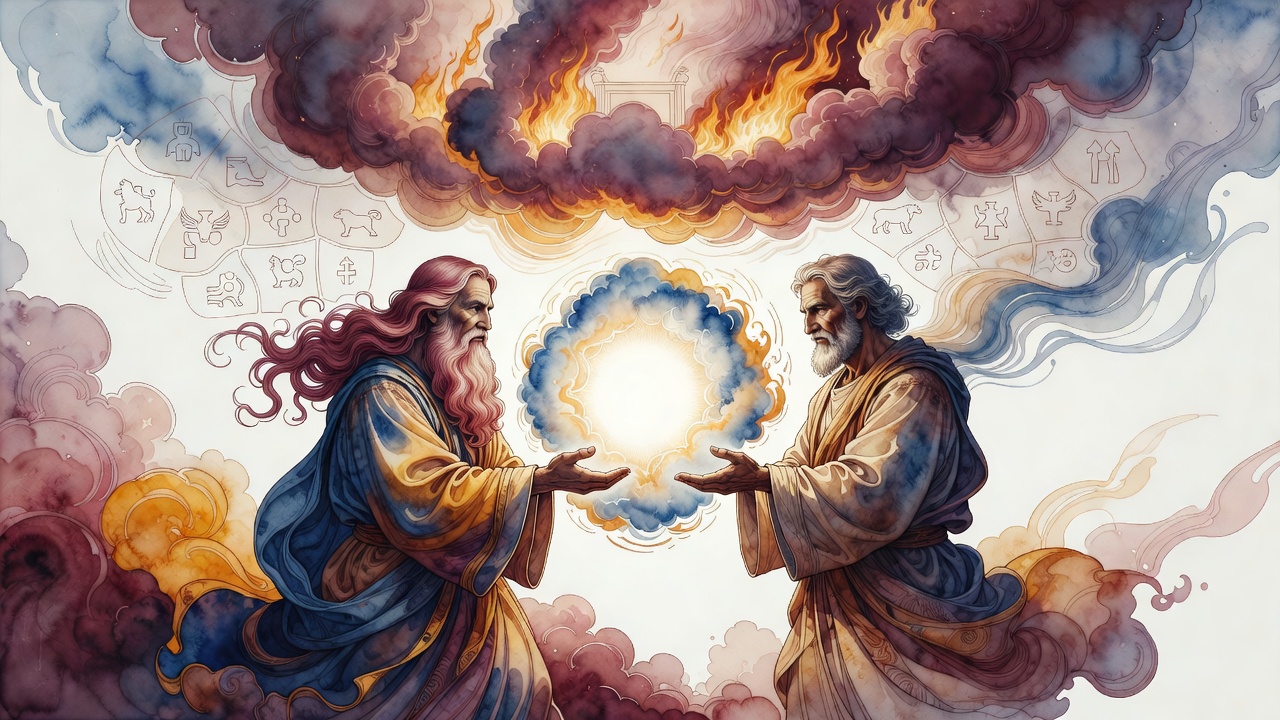
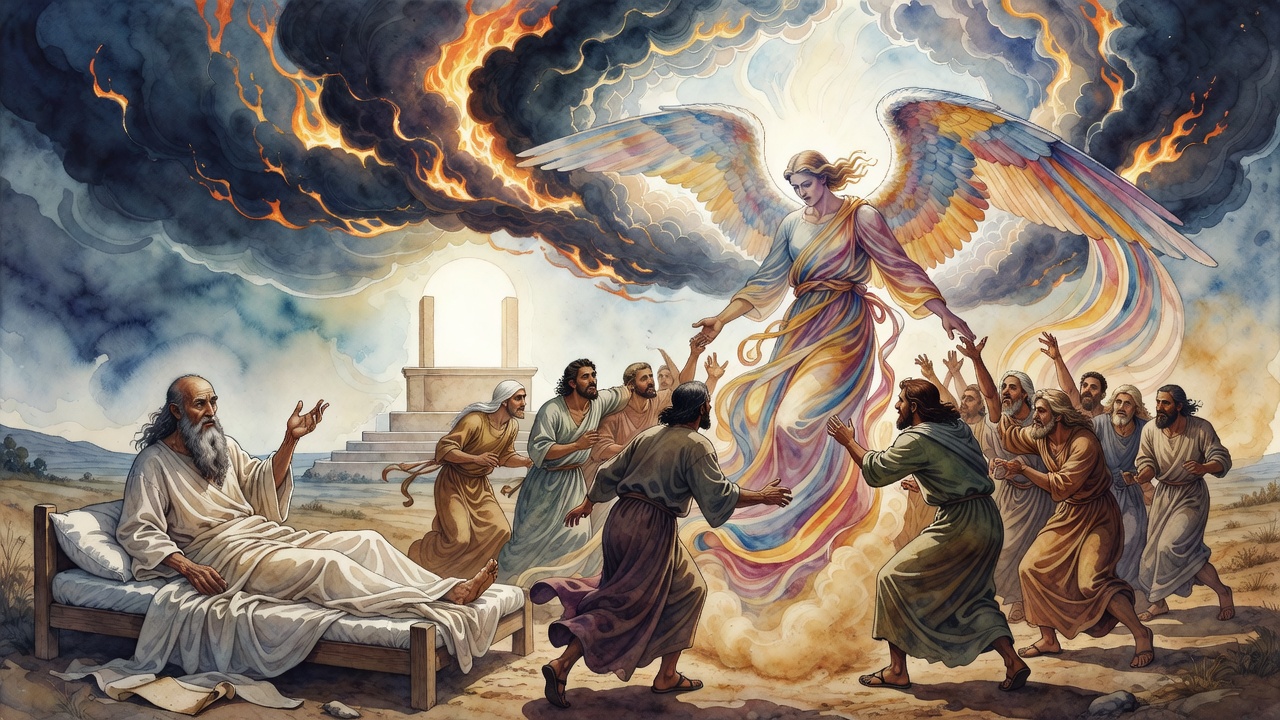
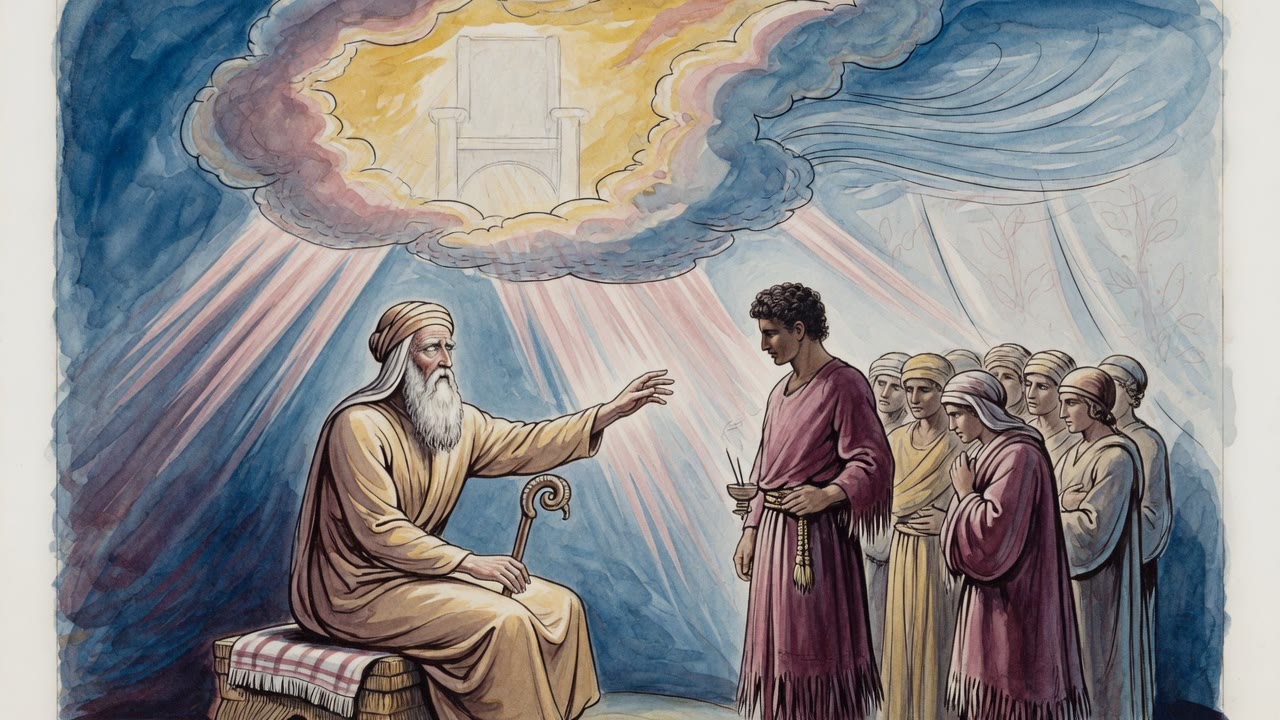
Jacob called unto his sons (Genesis 49:1). The bed was not only a deathbed. It was a court where twelve futures stood waiting for sentences that would outlive the speaker. Outside, Egypt still thought it owned their labor. Inside, a father prepared to hand them a map made of animals, soil, and warning.
Jacob Blessed Every Son So None Stood Above Click for full size

He had blessed and been blessed before. Now the work changed hands. Priests and righteous ones would carry blessing forward, the sages say, and the word koh that once marked a lad going yonder would mark the way priests bless Israel. The chain was already being forged while Jacob still breathed.

Twelve Like the Hours and the Stones

All these are the twelve tribes of Israel. Twelve hours in the day, twelve in the night, twelve signs, twelve months, twelve stones of the ephod. The midrash stacks the world in twelves until the tribes feel less like a family quarrel and more like a clock the cosmos agreed to keep.

Rabbi Yohanan objected that Ephraim and Manasseh make fourteen if Levi is counted. The answer is a careful gate. When Levi is numbered among them, Joseph's sons are not counted as two open seats in the same way. When Levi is not, Ephraim and Manasseh hold the structure so the total never tips. Not fewer, not more.

Rebecca, long before, had already seen twelve flash through the oracle over her womb. Two nations, two peoples, one stronger, the elder serving the younger, twins, first and second. Even "why is this" can be read as twelve in the letter-count. The mother who asked why she lived through that violence was carrying a full council without knowing its names yet.

Lion, Ox, Hind, and Serpent

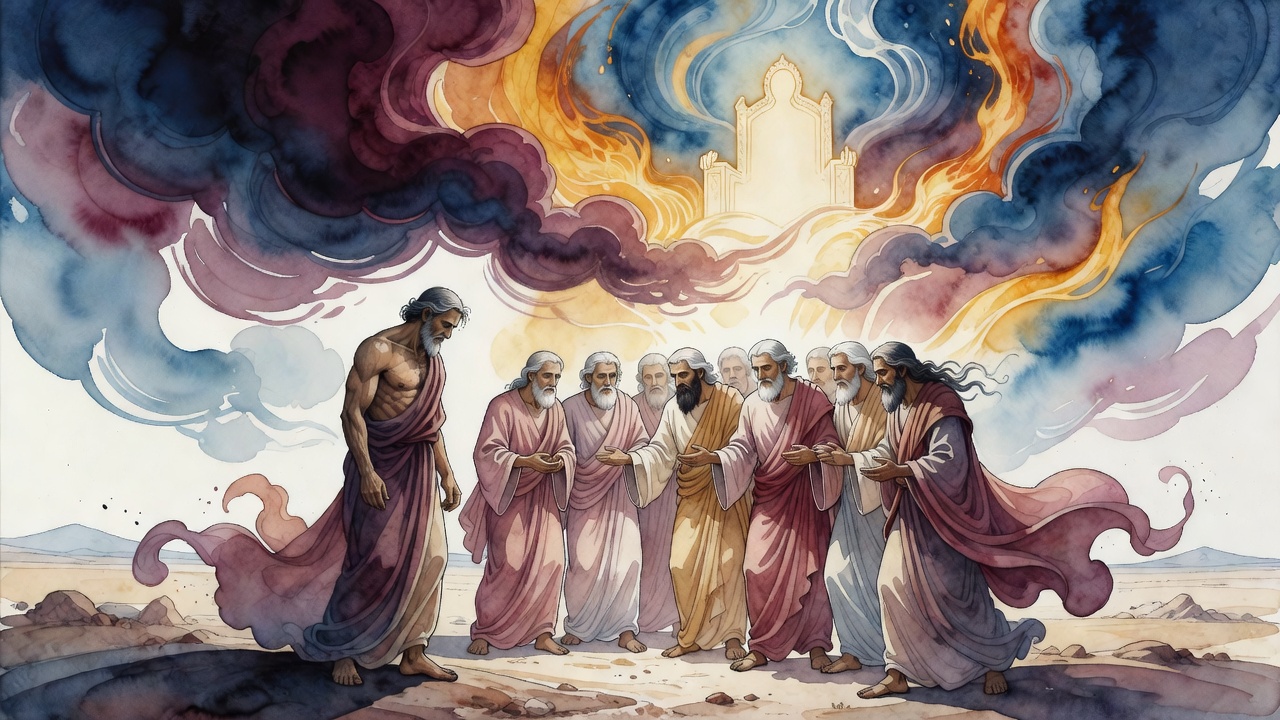
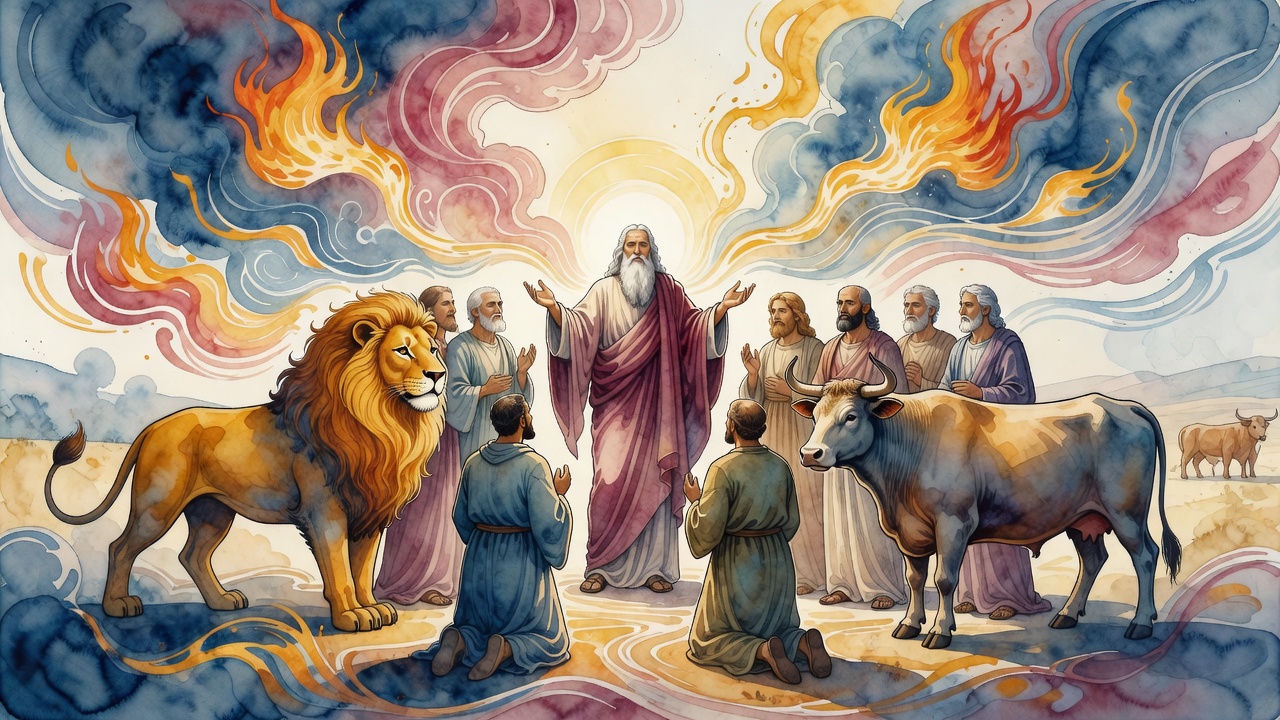
Scripture does not say he blessed him. It says he blessed them. He gave Judah the might of a lion, Joseph the power of an ox, Naphtali the swiftness of a hind, Dan the sting of a serpent. Anyone listening might have ranked them like fighters in a yard. Jacob blocked the ranking with a final joint blessing.

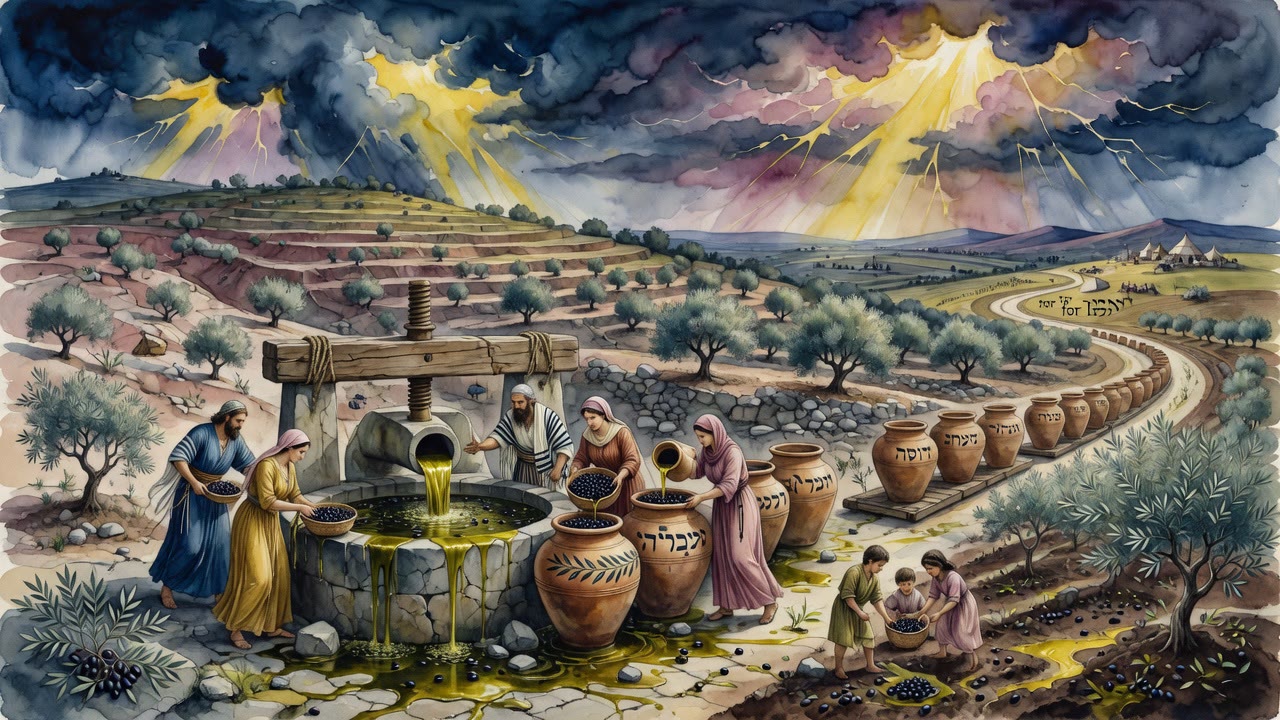
Every one according to his blessing he blessed them. Different gifts, one closing gesture. He divided land that would yield barley to Judah and wheat to Benjamin, then coupled them so they would share each other's crops. A lion without bread is only a hungry metaphor. An ox without a partner field is only labor.

The sons stood under images that could have become insults or thrones. Jacob made them interdependent. The blessing that named difference ended by forcing traffic between difference. That is harder than a single favorite son story, and the midrash wants that hardness felt.

Where Isaac Stopped, Jacob Started

When Isaac blessed Jacob, he spoke of God Almighty and concluded with a calling. Jacob began where his father ended, calling his sons, and concluded with "this is what their father spoke to them." The word this became a baton.

Moses later began where Jacob left off. "And this is the blessing" opens his farewell, and he ends with "Happy art thou, O Israel." David begins where Moses concludes, "Happy is the man." The midrash hears Psalm 119 in that chain. Understanding is learned from elders by picking up the exact word they set down.

A dying man who chooses his last conjunction carefully can shape centuries of speech. Jacob did not only describe tribes. He loaded a word Moses would need on another mountain of farewell.

The Leader Who May Not Say Amen

The same midrashic gate that opens Jacob's call also guards the dignity of the one who leads prayer. He may not answer Amen after the priests, lest he become confused or seem lesser. Ten men enter a synagogue, and the one who recites before the Shema (Hear O Israel) is called a lily among thorns. Blessing has moved from God's direct hand on Noah and Abraham into human mouths trained for the work.

Jacob's room and the later synagogue share a pressure. Someone must speak words that hold a people together without stealing the honor of other speakers. Priests bless. Leaders keep time. Fathers distribute animals and fields without crowning a single appetite.

When Jacob finished, the twelve were still twelve, the land still ahead, Egypt still outside the door. The sentences on the bed had already begun their long walk toward Moses' mouth and David's first happiness. A family can leave a deathbed more ordered than it arrived, if the last speaker refuses to let any son own the ending alone.

Judah would carry a lion into later wars. Joseph would carry an ox's strength through famine administration. Dan's serpent and Naphtali's hind would find their own roads. None of them left the room with permission to erase the others. The shared "them" at the end of the blessing was the real inheritance under the animal names.


← All myths
From the tradition

Sources

3 sources

The texts behind this telling. Some cards carry a translation of the source; others are our own retelling of it, and each card says which. Every card links out to the original.

Midrash Tanchuma, Vayechi 7Midrash Tanchuma

Retold in our words. Read the original at the link below.Townsend 1989 translation of Midrash Tanhuma, S. Buber Recension · CC-BY

And Jacob called unto his sons (Gen. 49:1). May it please our master to teach us whether the one who leads the congregation in prayer may respond “Amen” after the priests. Thus did our sages teach us: The person who leads the congregation in prayer is not permitted to respond “Amen” after the priests. The fact that the person who leads the congregation in prayer may not respond “Amen” after the priest proves how precious he is to the Holy One, blessed be He. R. Hanan said: When ten men enter a synagogue, the one who recites the prayers preceding the Shema is called a lily among the thorns (Song 2:2).

The Holy One, blessed be He, declared: Previously I blessed My creatures, as it is said: And God blessed Noah (Gen. 9:1), and the Lord blessed Abraham in all things (ibid. 24:1); and God blessed Isaac, his son (ibid. 25:11), And God appeared unto Jacob again when he came from Padan-aram and blessed him (ibid. 35:9). Henceforth, however, the priests and the righteous ones shall bless you.

From whom did the priests receive the privilege of pronouncing the blessing over Israel? R. Eleazer the son of Azariah said: They received this privilege from Jacob, concerning whom it is written: And the lad will go yonder(koh) (Gen. 22:5). The word koh is also contained in the words spoken by Moses to the priests, as it is said: Thus (koh) shall ye bless (Num. 6:22). The rabbis maintained: They obtained this right at the time of the giving of the Torah, since it is said there: Thus (koh) shalt thou say to the house of Jacob (Exod. 19:3).

Full source
Midrash Tanchuma, Vayechi 15Midrash Tanchuma

Translation of the source text.Midrash Tanchuma -- Torat Emet · Public Domain

"All these are the twelve tribes of Israel" (Genesis 49:28). But elsewhere it is written: "He shall beget twelve princes" (Genesis 17:20). And these tribes correspond to the order of the world: twelve hours in the day and twelve hours in the night. And likewise the constellations and the months, and the twelve stones of the ephod. Therefore, "All these are the twelve tribes of Israel."

Rabbi Yochanan said: But are there twelve tribes? Has it not already been said, "Ephraim and Manasseh shall be mine, like Reuben and Simeon" (Genesis 48:5), making fourteen? Rather, when Levi is counted with them, they are not counted with him; and when Levi is not counted with them, Ephraim and Manasseh are counted as one tribe. From where do we know this? For so it is written: "For the sons of Joseph: for Ephraim, Elishama; for Manasseh, Gamliel" (Numbers 1:10). Thus, "All these are the twelve tribes of Israel," neither fewer nor more.

And Rebecca too saw them as twelve, as it is written: "And the LORD said to her: Two nations (goyim) are in your womb" (Genesis 25:23), behold two. "And two peoples (le'umim)," behold four. "And one people shall be stronger than the other people (u-le'om mi-le'om)," behold six. "And the elder shall serve the younger (ve-rav yaavod tza'ir)," behold eight. "And behold, there were twins (tomim) in her womb," behold ten. "And the first came out, and after that came out his brother," behold twelve.

And there are those who derive it from here: "Why is this (lamah zeh)" (Genesis 25:22) equals twelve in gematria [the word "zeh" has the numerical value of twelve]. When the children struggled within her womb, she said: If I am so distressed over twelve, of whom the Holy One, blessed be He, said to me that twelve are destined to come forth from me, then "If so, why is this that I am?" (Genesis 25:22).

Full source
Midrash Tanchuma, Vayechi 16Midrash Tanchuma

Retold in our words. Read the original at the link below.Townsend 1989 translation of Midrash Tanhuma, S. Buber Recension · CC-BY

This is it that their father spoke unto them and blessed them (Gen. 49:28). Scripture does not say “he blessed him” but rather he blessed them. Why is this so? Because he attributed to Judah the might of a lion, to Joseph the power of a ox, to Naphtali the swiftness of a hind, and to Dan the sting of a serpent. You might argue that one was superior to the other, and so he spoke to all of them at one time, at the conclusion of his blessing, as is said: Every one according to his blessing he blessed them (ibid.).

Because he divided the land among them, giving to Judah the soil that would yield barley and to Benjamin the land that would produce wheat, he coupled them in his blessing so that they would share each other’s crops. Hence Scripture states: And this is it that their father spoke to them. “Unto them” is not written here but rather to them (lahem), thus indicating that their father told them: In the future a prophet will bless you in a like manner. Where I leave off blessing you, he will begin. And so Moses did, as it is said: And this is the blessing, wherewith Moses the man of God blessed the children of Israel (Deut. 33:1). Moses told them: I shall reveal to you now when you will attain these blessings. At the time you accept the law, as is said: And this is the law (ibid. 14:44).

Thus with the very words with which Jacob concluded his blessing, Moses began to bless them. Moses said: I learn understanding from my elders (Ps. 119:100). When Isaac blessed Jacob, he said to him: And God Almighty bless thee (Gen. 28:3). How did he conclude his blessing? With the word call, as it is said: And Isaac called Jacob and blessed him (ibid., v. 1). And Jacob began where his father had ended, as it is said: And Jacob called his sons (Gen. 49:1), and concluded: And this is what their father spoke to them. When Moses blessed the tribes, he began where Jacob had left off, as is said: And this is the blessing, and he concluded with: Happy, art thou, O Israel (Deut. 33:29). Later, David began where Moses concluded, saying: Happy is the man (Ps. 1:1). Hence Scripture states: I learn understanding from my elders (Ps. 119:100).

Full source