Reuven Lived Because His Brothers Stood Together
Jacob had left Reuven a hard word and no blessing. Years later the tribes were offered anything they wanted, and they asked for their brother instead.
Table of Contents
 Click for full size
The Firstborn Waiting for His Name
Reuven was the eldest and had been the eldest for a long time, which by then only meant he had been failing longer than anyone else.
His father had settled the matter on a deathbed in Egypt. Jacob had gone down the line of his sons speaking futures over them, and when he reached the firstborn he called him unstable as water and told him he would not have the excellence. The word had followed the tribe ever since. Reuven's men camped on the south side and carried it.
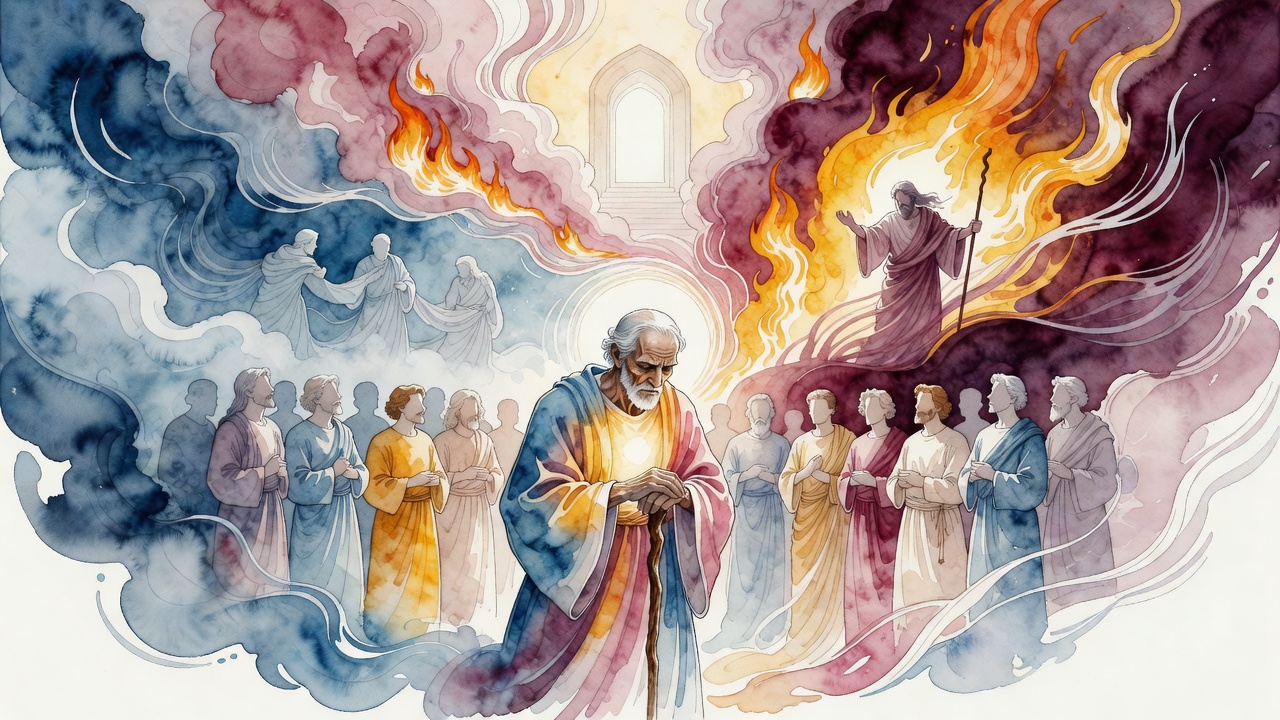
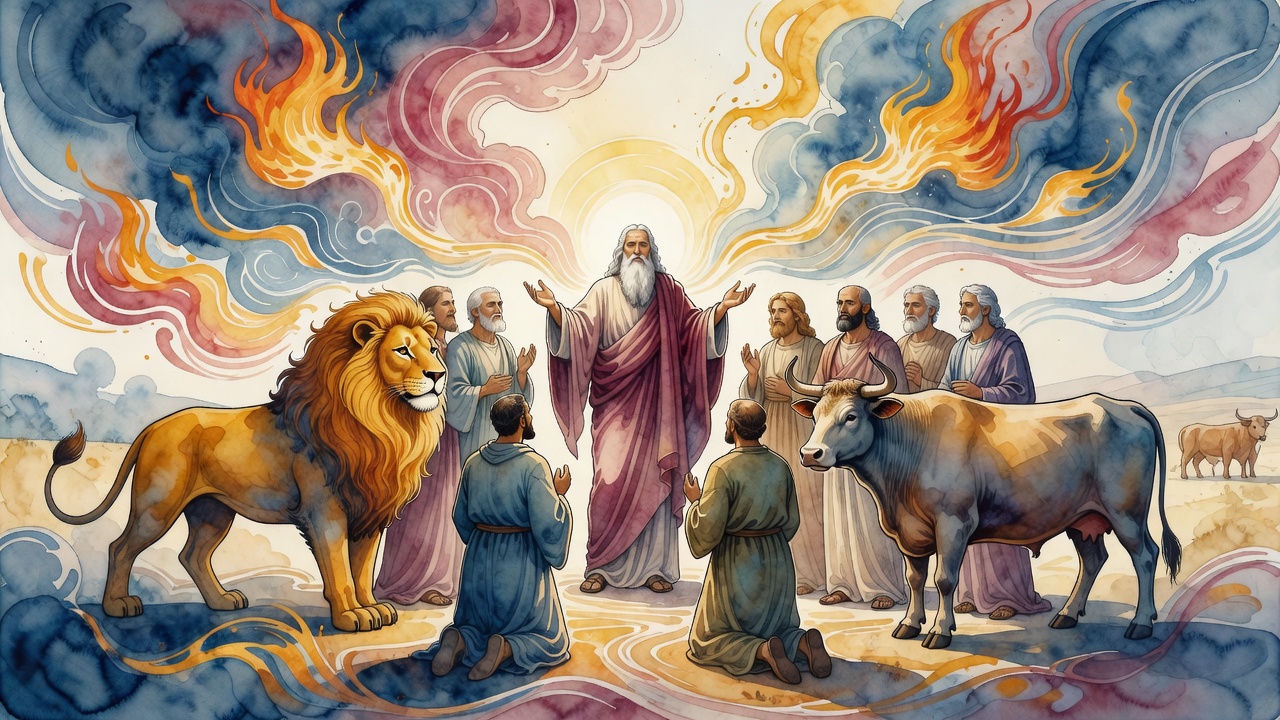
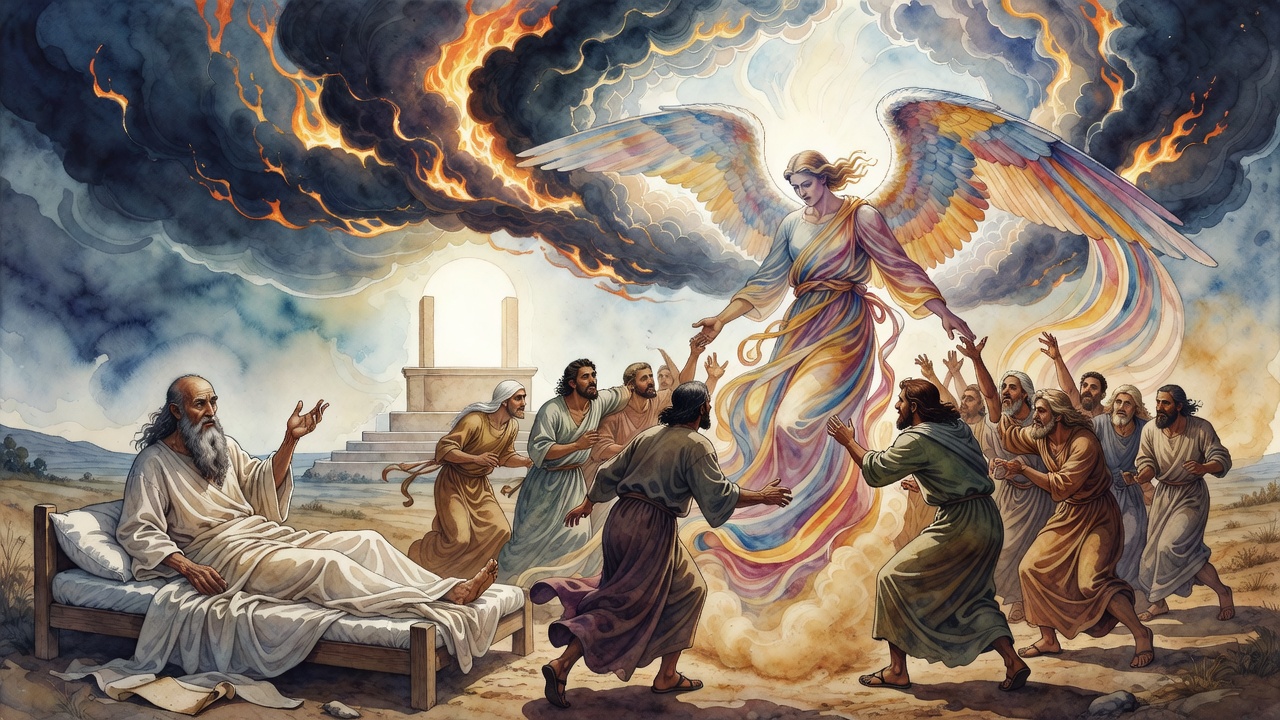
Now the camp stood on the plains of Moab and Moses had hours left. He was going to bless the tribes one by one before he climbed the mountain, and Reuven's ranks were near the front, close enough to see the old man's mouth, waiting to find out whether the eldest was going to be named at all.
The King Asked His Sons What They Wanted
There was a king who used to visit his sons.
When he rose to leave, they came out with him to the edge of the road, the sons and the whole household, walking him off the way you walk off someone who may not come again. At the parting he turned around and asked them.
My sons, is there anything you need? Anything on your minds?
They could have asked for anything. Land. Rank. A larger portion than the brother standing next to them. A father in a generous mood at a doorway is the one hour in a lifetime when a son gets to name his price.
Father, they said, we need nothing and we want nothing from you, except that you forgive our big brother.
They Spent It on the One Who Failed
That is what the tribes did with theirs.
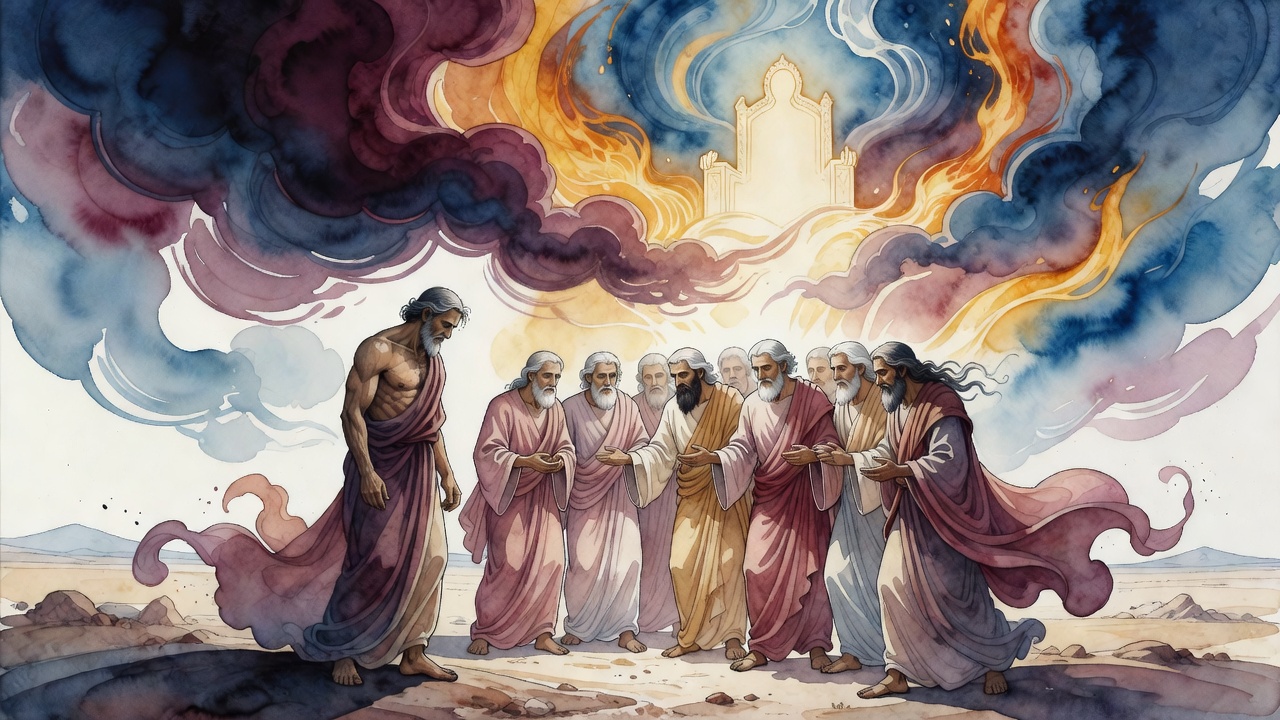
None of these brothers came to the door clean. Some had sold a brother into Egypt and eaten lunch beside the empty pit. Some carried Shechem on their hands. They arrived as guilty men with one request between them, and they laid it down on behalf of the one who had gone into Bilhah's tent and cost himself everything.
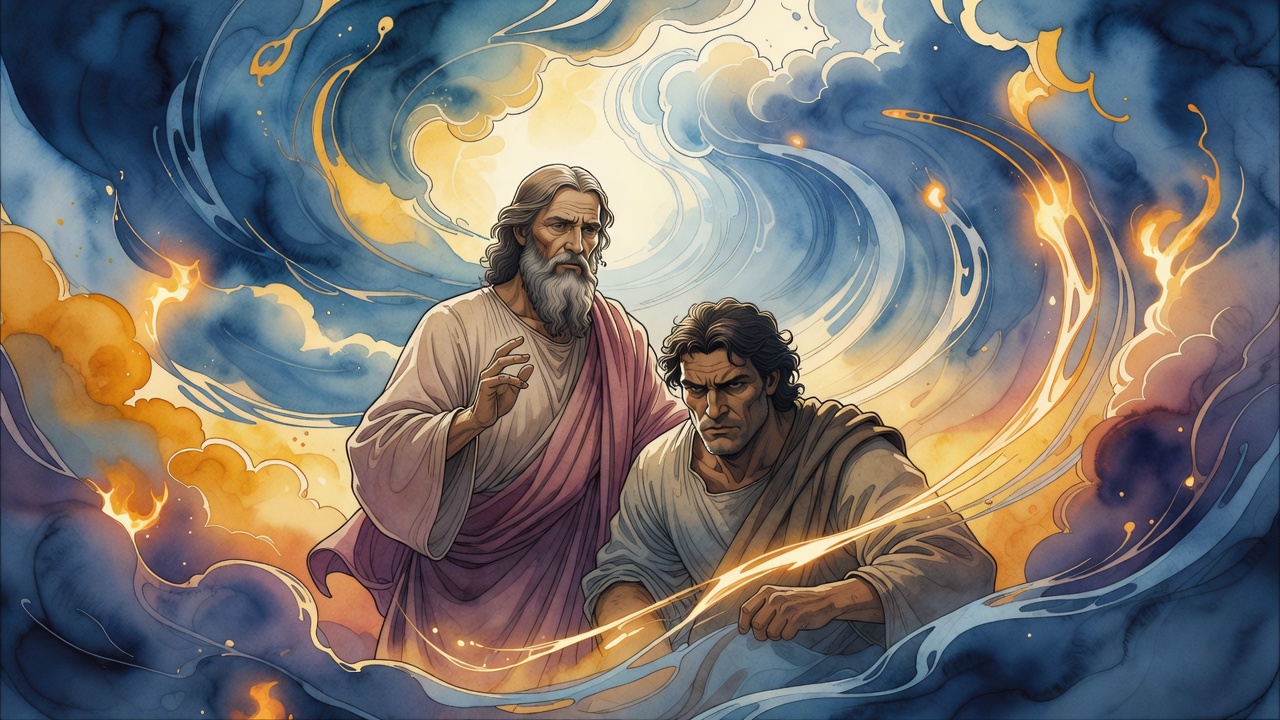
Without that request the pardon does not come. Reuven was not forgiven on his own account, and he did not argue his own case. He stood in his ranks while eleven tribes spent their only ask on him, and the pardon came down through them.
That is why the word together sits in the verse right in front of him. Together, the tribes of Israel. Then: Reuven shall live.
Moses Began Where Jacob Stopped
Moses did not unsay a dead man's word.
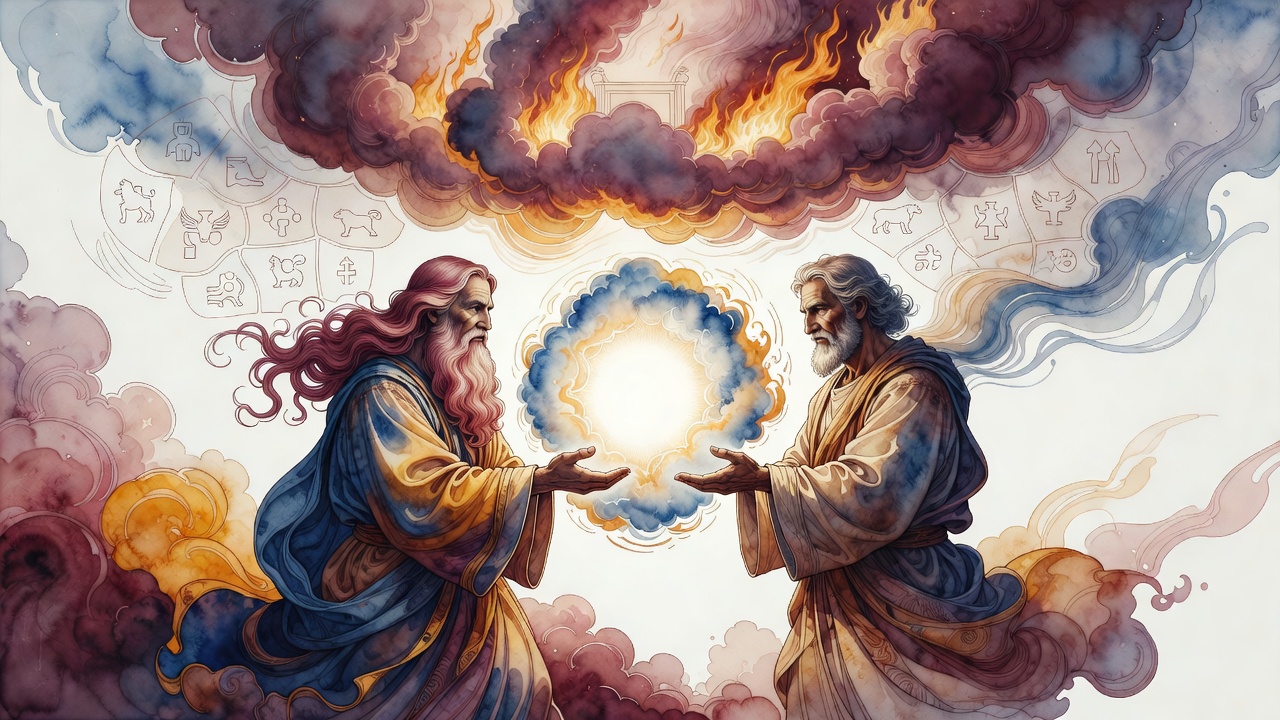
Jacob had blessed his twelve and stopped. Moses picked the blessing up at exactly the point where Jacob had put it down, and kept going, laying a second word on top of the first without erasing anything underneath it.
Reuven's door had been the narrowest one Jacob left. Unstable as water. You shall not excel. Moses came to that same door with the tribes' petition still hanging in the air and pushed it open by the width of one verb.
He had watched this family for forty years of complaint in the wilderness. He knew which tribes quarreled and which camped clean and what the eldest had done. He did not act surprised when he got to Reuven. He acted like a man finishing something.
He Would Not Wait Until Afterward
The blessing came before his death, which is to say close to his death, in the last stretch when his voice still carried across a camp and the people could still stand in ranks to take it.
Praise costs nothing once the mouth that owes it has stopped. Moses spent the breath while it was still worth something, while Reuven's elders could bow and hear it and go back to their tents changed.
Reuven shall live, he said, and he shall not die.
Two clauses for a tribe that got the shortest blessing of the twelve. Death had to be named out loud so that life could cancel it in front of witnesses, and the men in those ranks understood exactly how close the dark had come, because they had lived inside their father's sentence since Egypt.
Then Moses moved down the line to Judah, and the ranks of Reuven folded back into the camp, alive, on the last afternoon of the man who said so.
← All myths