Elijah Sits Watch at Every Covenant Knife
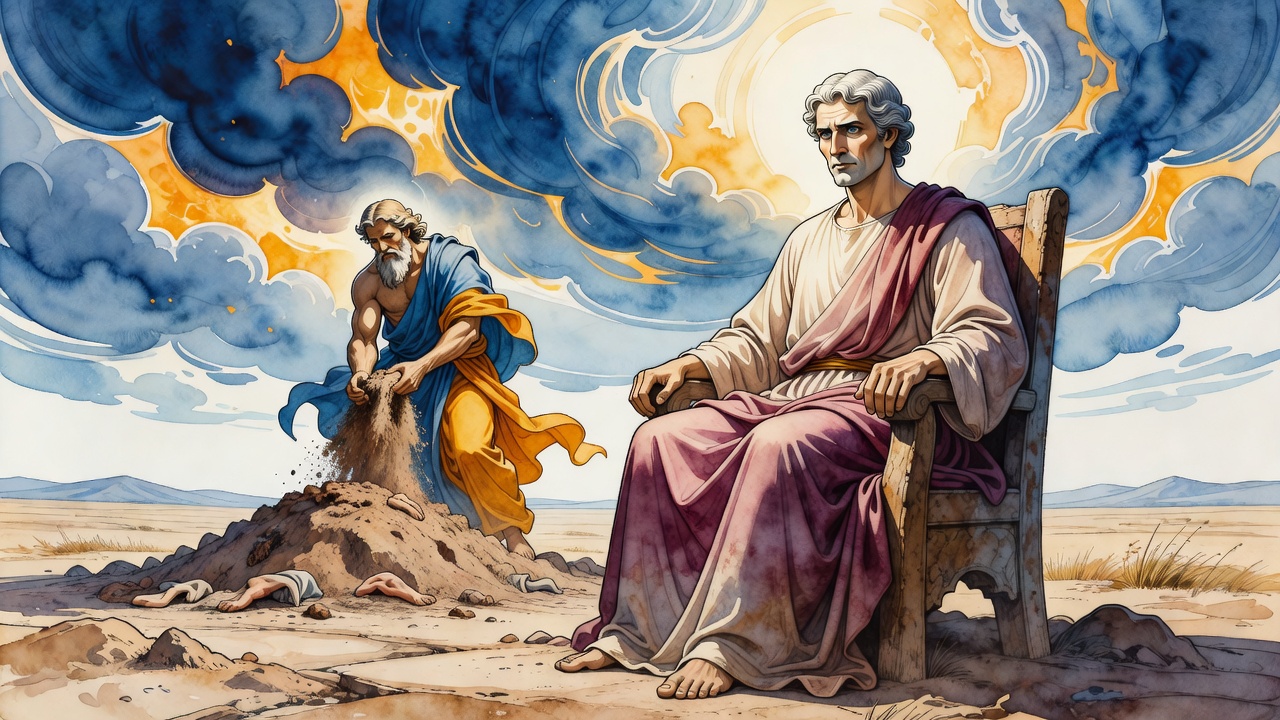
Joshua heaps a hill of foreskins in the dust. Centuries later Elijah is bound to attend every brit, zealous still, seated in a chair of honor.
Table of Contents
 Click for full size
The Second Cut at the Edge of the Land
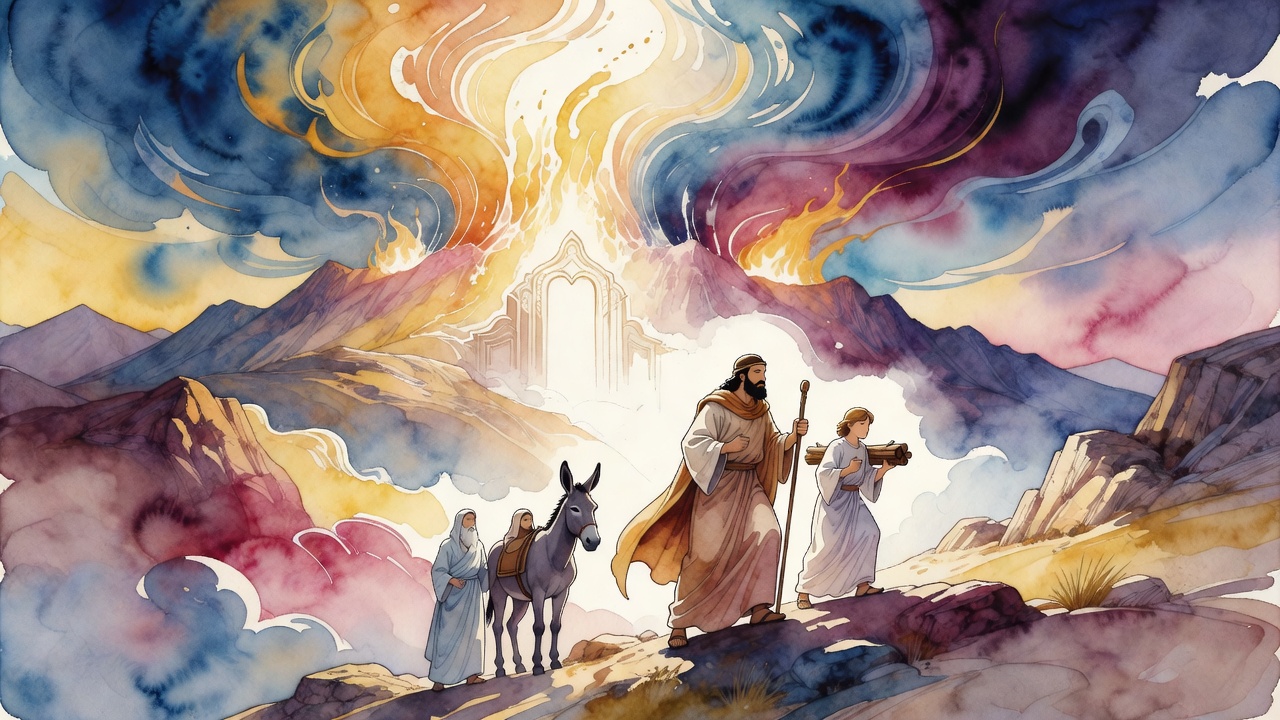
Joshua heard a strange command: circumcise the people of Israel again, a second time. The men had already been cut in Egypt. What was left to do under desert sun?
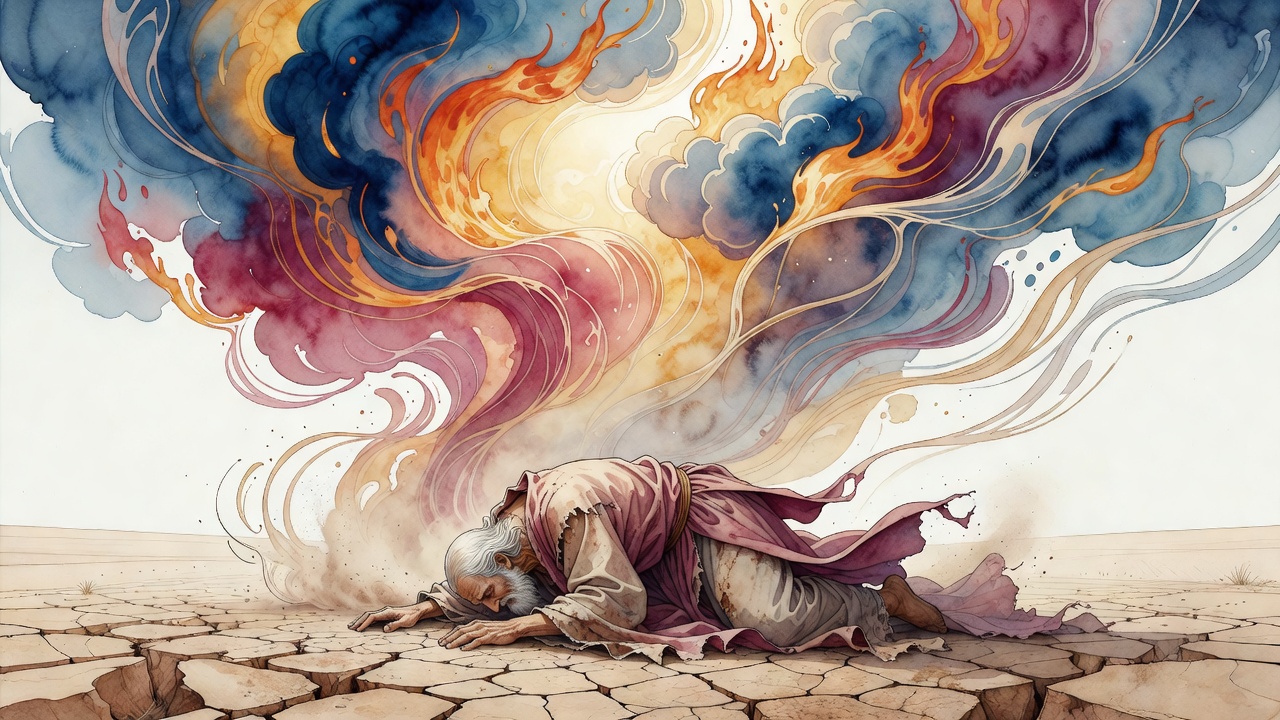
The sages answer with peri'ah, the full uncovering, a step not yet given to Abraham. A cut without uncovering, Rabbi Yishmael teaches, is as good as no circumcision at all. That is why these men counted as uncircumcised even though some of their fathers had heard God's voice at Sinai. The wilderness had weakened them. For forty years the north wind never blew, whether as rebuke or to keep the clouds of glory from scattering. So Joshua circumcised them at a place that became a hill of foreskins. Blood and skin went into desert dust.
When Balaam looked out and saw the wilderness full of that buried merit, he despaired. Who can stand against a people whose covenant is counted like the dust of Jacob?
The Prophet Who Would Not Soften
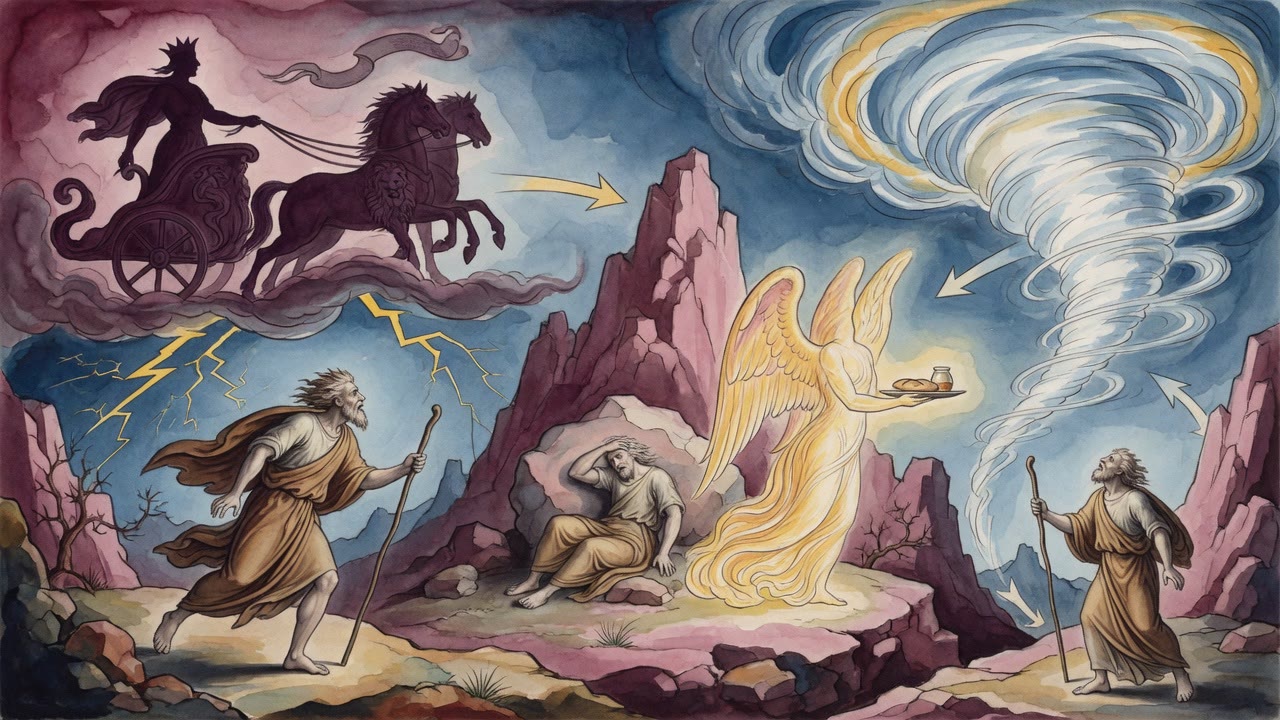
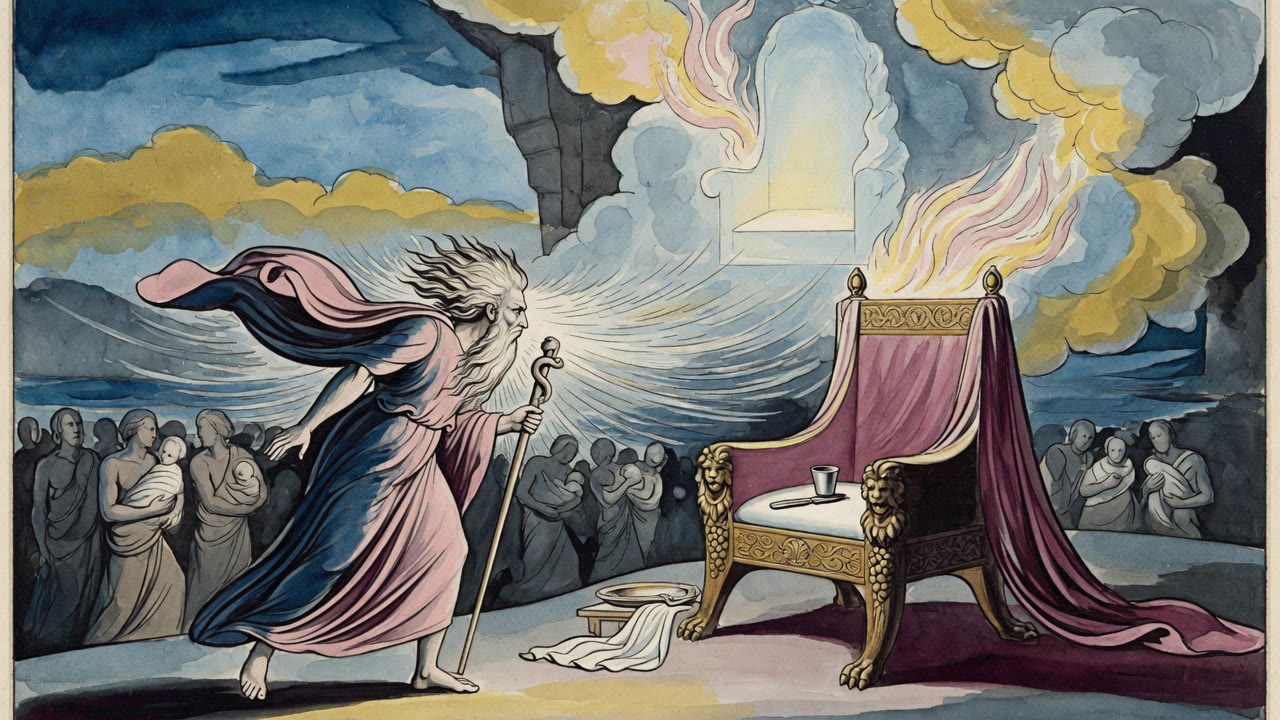
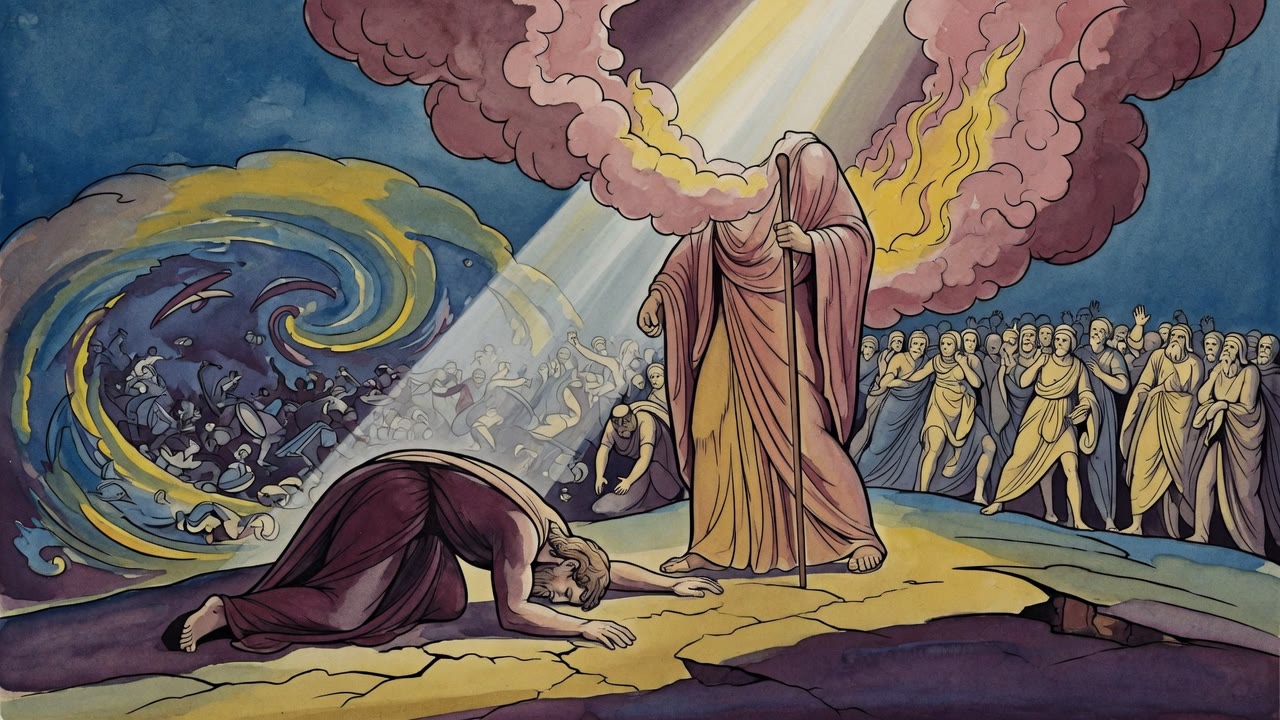
The story leaps forward. When the kingdom of Ephraim abandoned circumcision, Elijah grew fierce and swore off rain. Jezebel hunted him. God met him at Horeb and pressed the pattern of his life into a sentence: you are always zealous. So God bound Elijah to the covenant he defended. No circumcision would happen without him present. That is why a chair of honor is set for Elijah at every brit. The angel of the covenant takes a seat among the living while a child cries and a blade moves.
Zeal that once closed the sky now watches a doorway of blood and blessing. The same heat, a different room.
Ephraim Still Called Darling
Even when the northern kingdom fails the covenant, the midrash will not let God speak of Israel as a discarded tool. "Speak to the children of Israel," and the sages hear the prophet's toddler image: is Ephraim a precious son to Me, a child of delight? A child of two or three or four or five, still small enough to be carried. God speaks of Israel the way a parent cannot stop speaking of a cherished child. Even while speaking with him, He cannot restrain Himself toward him.
A king fusses over one favorite robe, telling the servant to fold it, beat the dust out, watch it carefully. The servant asks why this garment alone. Because this is the one I press against my own skin. Moses asks why the commands keep centering on Israel among seventy nations. The answer is the same. Because these I hold close to My body. When Scripture turns to offering, it says "of you" with warmth. When it turns to affliction and disease, it carefully drops that phrase, refusing to glue harshness directly to the people God loves.
Chair, Knife, Name
At a modern brit the room still holds that old pressure. Parents stand with a name ready. A mohel works with trained hands. And a chair waits for a guest no one sees. Elijah does not arrive to scold the infant. He arrives because heaven once chained his zeal to the sign he would not let die. The hill of foreskins in Joshua's day and the empty chair in a living room are the same covenant told in two registers: public dust and private furniture.
The child of delight and the abandoned rite live in tension. Love does not cancel the demand. The demand does not cancel the love. Elijah sits between them like a witness who remembers both rain withheld and a people still called precious.
What the Dust Still Counts
Balaam saw merit in buried foreskins and lost his confidence. Later generations see an empty chair and gain a reminder. The body of Israel is marked in every generation that keeps the rite, and marked in absence when it does not. God still speaks as if carrying a small child on the hip. Elijah still shows up as if the knife might be forgotten without him.
Between Joshua's hill and the prophet's chair, the covenant refuses to become a metaphor only. It wants blood, names, dust, and a seat at the table of the living.
The north wind that never blew in the wilderness left a generation incomplete. Joshua's knife finishes what Egypt began and Sinai could not complete for the uncut. Blood soaks into sand that Balaam will later read as a library of merit. Centuries on, when Ephraim drops the rite, Elijah's anger is not a private mood. It is weather policy. Rain stops. Queens hunt. Horeb speaks. The binding that follows turns a fierce prophet into a permanent guest at the happiest and sharpest family ritual Israel knows.
Parents who set the chair may not recite the whole midrash. They still make room. The darling-child God and the zealous prophet share the room without canceling each other. One holds Israel close like a favorite garment. The other watches the cut that says the garment still has a people inside it. The infant cries. The chair waits. The dust of Joshua's hill is very far and somehow still under the table legs.
← All myths