Ephraim Marched Early and Fell Outside Gath
Ganon told Ephraim that God had sent him out of Egypt. They packed gold and swords and no bread. At Gath the shepherds would not sell sheep.
Table of Contents
 Click for full size
Ganon Spoke and Ephraim Packed
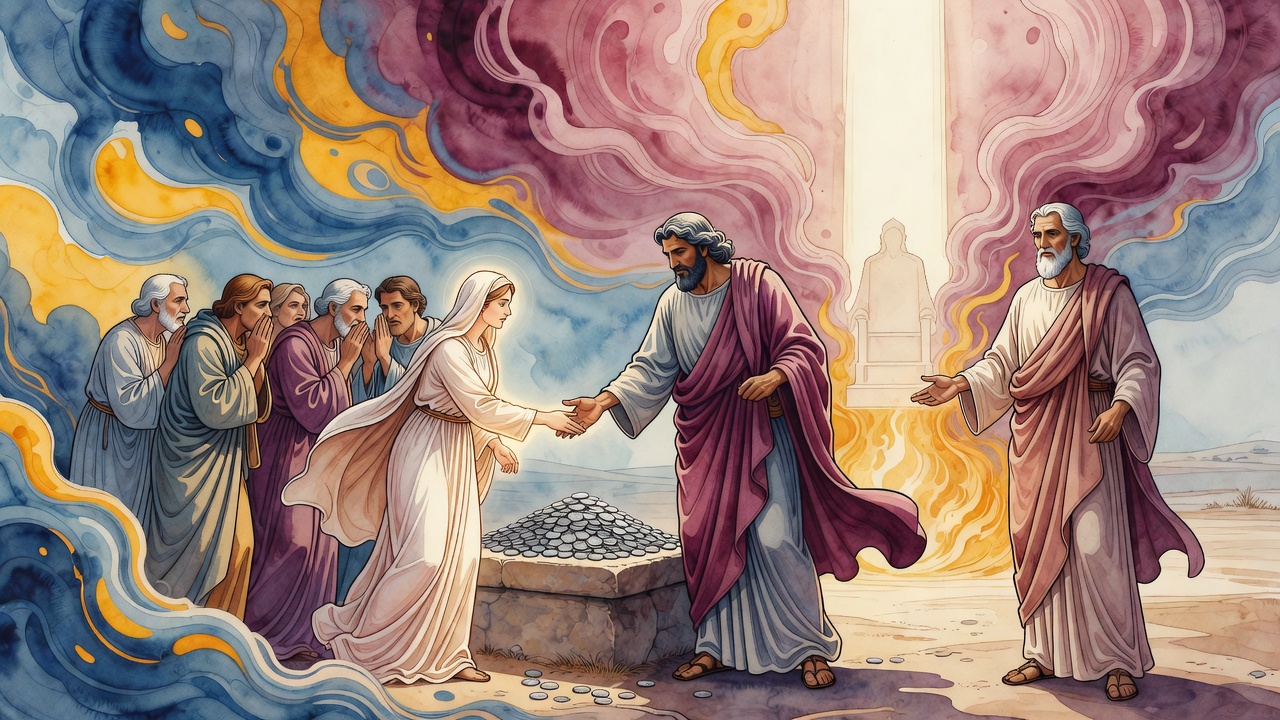
For one hundred and eighty years Israel had lived in Egypt in peace. Then Ganon, a descendant of Joseph from Ephraim, stood up and said, "The Lord hath appeared unto me, and He bade me lead you forth out of Egypt."
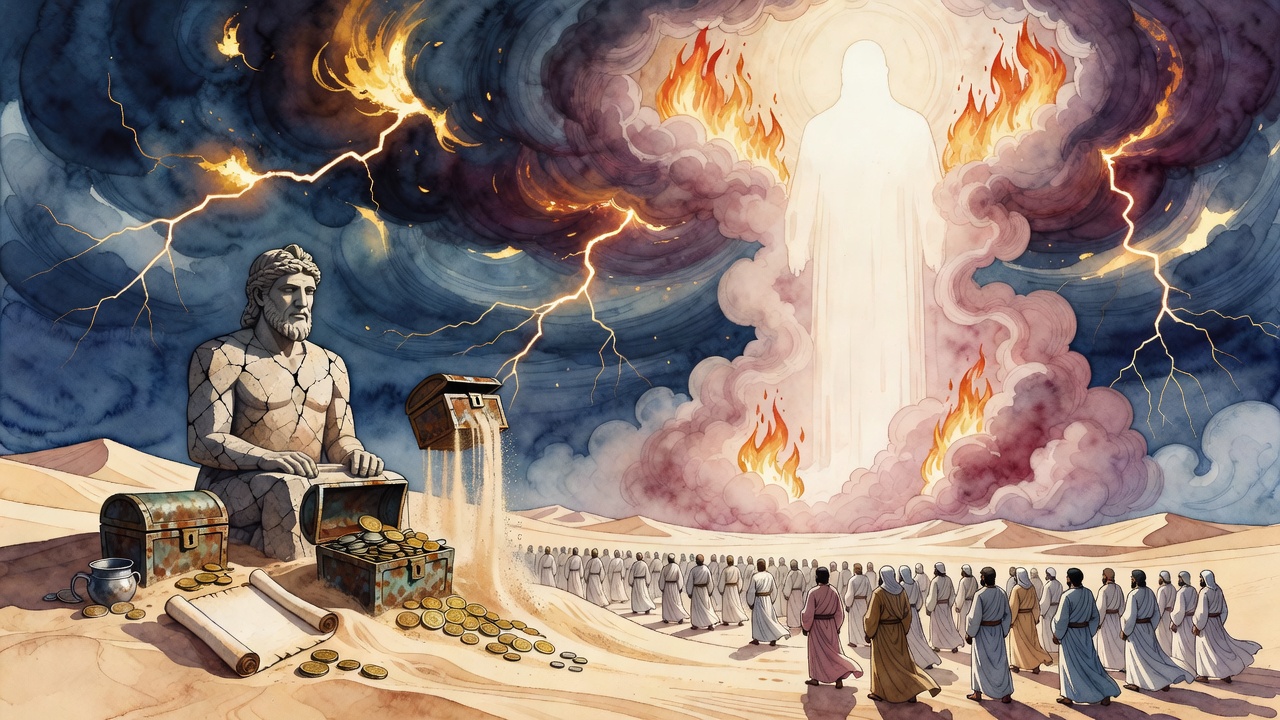
Only the Ephraimites heeded him. Proud of royal lineage as Joseph's direct line, confident in war, they left with weapons, gold, and silver. They took no provisions. They meant to buy food on the road, or seize it if sellers refused. No cloud went before them. No staff struck rock for them. Only the certainty of men who thought destiny owed them a border crossing on demand.
One hundred eighty quiet years had taught ease. Ganon's claim taught impatience. Joseph's bloodline taught rank. The three together made a column bright with metal and empty of grain.
Shepherds Who Would Not Sell
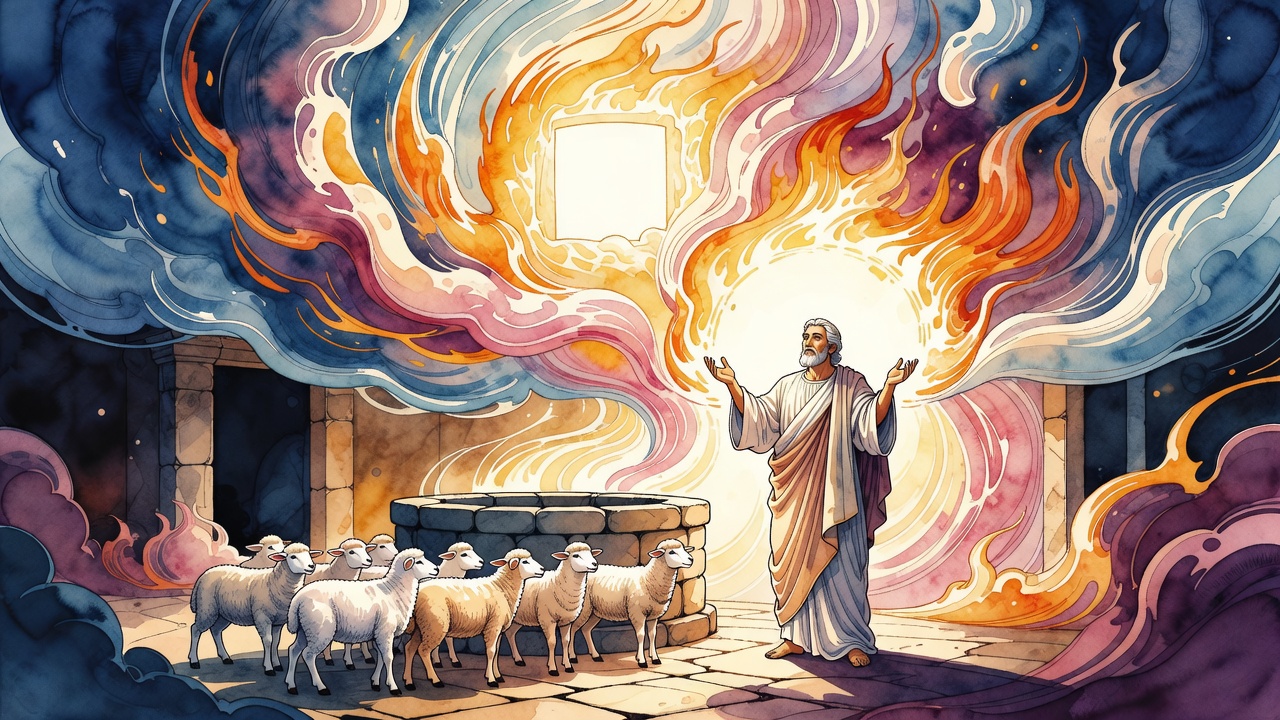
After a day's march they neared Gath, where city shepherds gathered flocks. The Ephraimites asked to buy sheep to slaughter against hunger. The shepherds refused.
"Are the sheep ours," they said, "or does the cattle belong to us, that we could part with them for money?"
Kindness failed. Force followed. Outcries brought the people of Gath. A fight lasted a whole day. Gath alone could not hold. Other Philistine cities answered the call. By the next morning forty thousand stood ready.
Three days of fasting had already thinned the premature army. Gold still sat in their bags. Coin cannot buy a sheep from a man who will not sell, and force cannot replace a table God has not yet set.
Forty Thousand Outside Gath
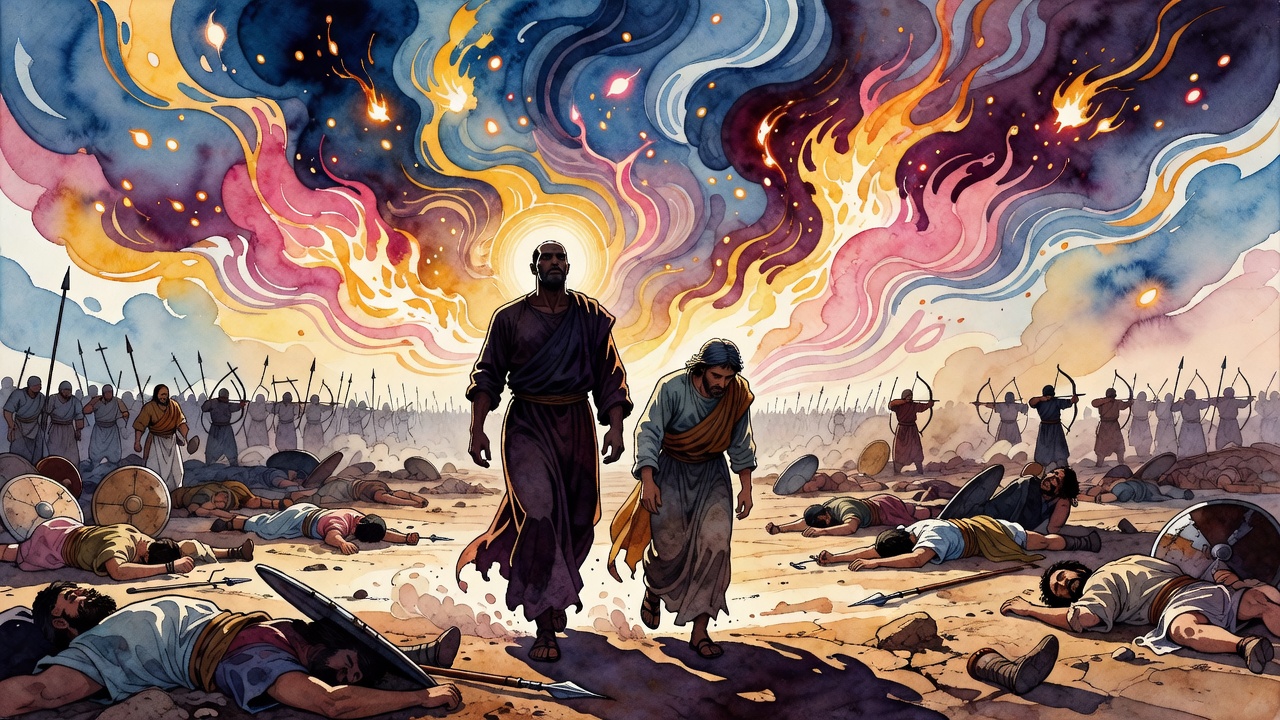
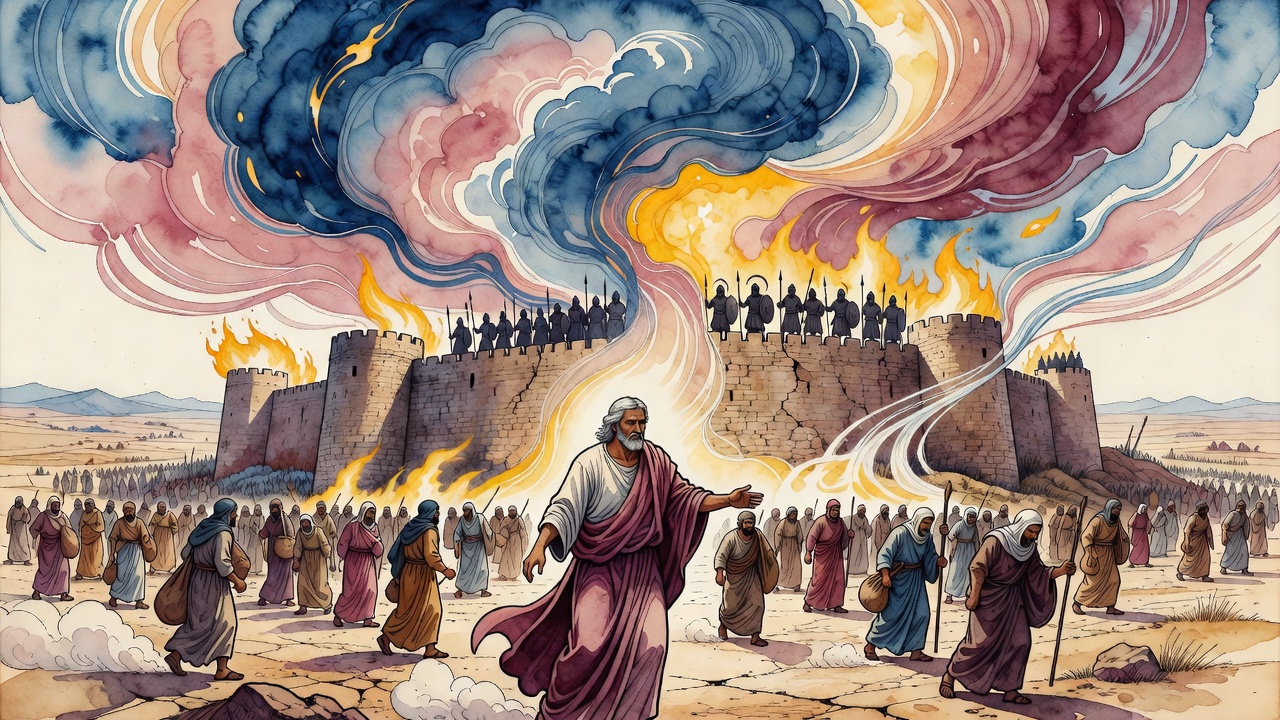
The Philistine host came down on them root and branch. Men who had packed for a short, bright raid met a wall of spears with empty stomachs. Swords flashed and then slowed. A man fell with silver still in his pouch. Another ran and was cut down in the grass outside the walls.
Ten men escaped with bare life. They did not carry the gold home. They carried the news. They returned to Egypt to tell Ephraim what had overtaken his posterity. He mourned many days. The tribe that had trusted lineage and swords learned that hunger and a closed market can finish what pride begins.
The fields outside Gath kept the rest. No pillar marked them. Shepherds went back to their flocks. The premature column was a stain on the ground and a story the survivors could not stop telling.
The Long Road Moses Took
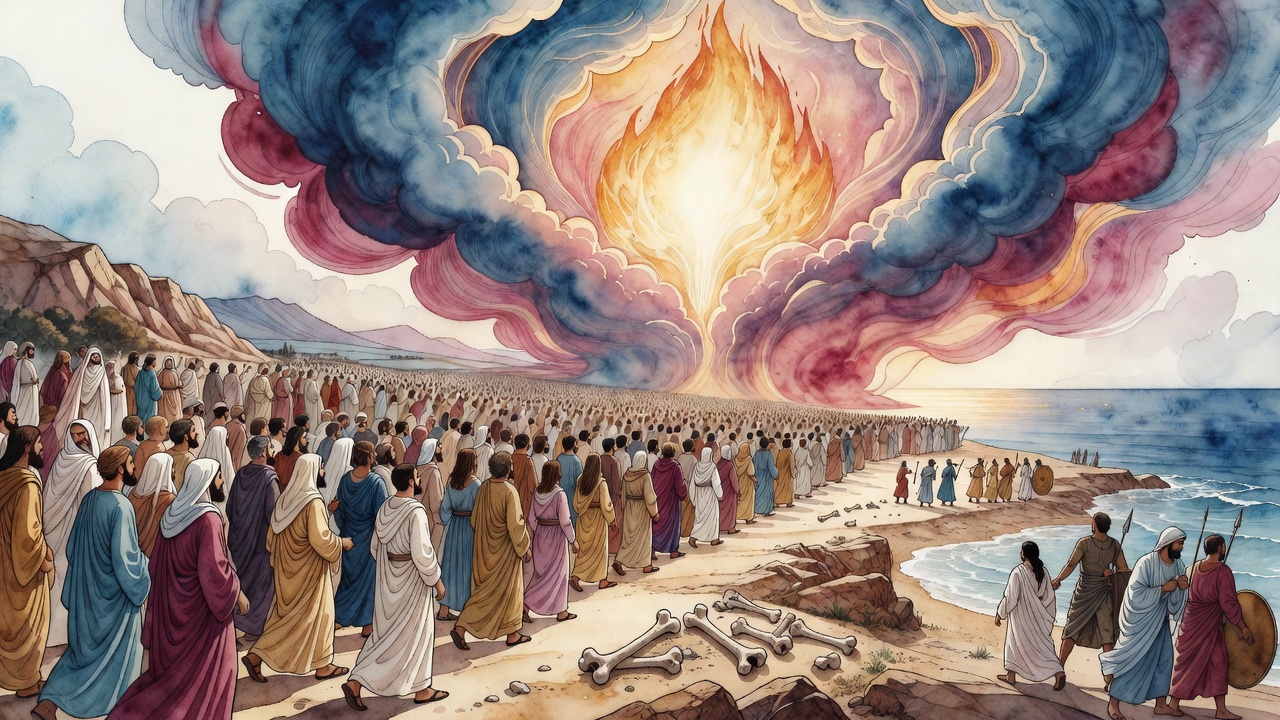
Generations later, when Moses led the full nation out, the route bent away from Philistine land. Abraham had sworn peace with the Philistines for a set term, and the term had not expired. Heaven would not march Israel through a land still under that oath.
Fear also shaped the map. The sight of those fields might wake a bitter memory and drive the people back to Egypt at once. Desert thirst is hard. The memory of forty thousand Philistines over a starving vanguard is harder. God chose the longer pain that did not reopen a finished massacre in the eyes of the marchers.
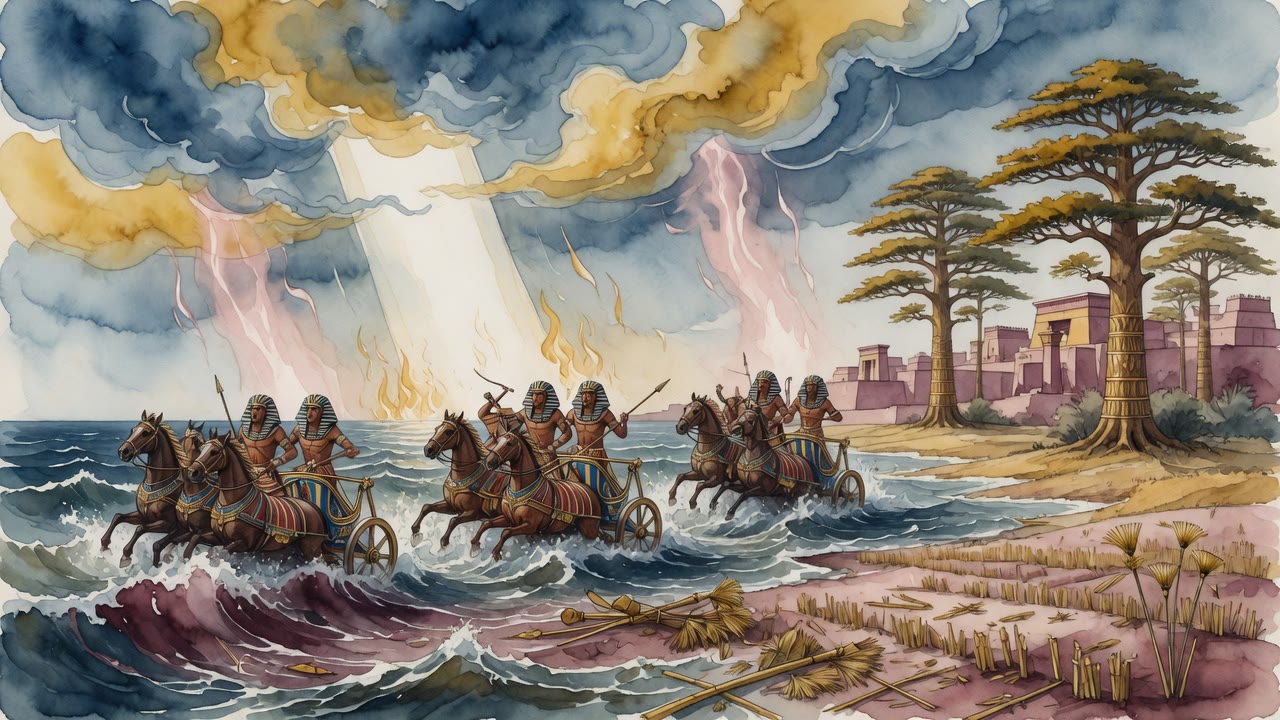
The true exit would face sea and pursuit and bitter water, but not the particular ghost of cousins who had charged early and died for a private vision. Leadership under Moses included the mercy of a road that avoided a trauma still raw in tribal memory.
Ganon's private vision had not included the manna schedule or the staff of Moses or the night of watching. It included only the hunger of men who believed Joseph's blood could replace God's clock. Weapons and silver make a bright column on the first day. On the third day, without bread, the same column is only a target. Israel as a whole would learn hunger under a pillar of cloud, with portions measured by heaven. Ephraim's vanguard learned hunger under closed Philistine gates, with portions measured by spears.
← All myths