Parshat Shemot5 min read

Ganoon Marched Proud Ephraim Into an Early Grave

Ganoon claimed private revelation and led Ephraim out of Egypt too soon. Two hundred thousand fell. Bows turned back in battle.

Curated by Arthur · Told by Maggid ·
Table of Contents
  1. Peace That Softened the Bows
  2. Ganoon Names a Departure Day
  3. Egypt Closes the Trap
  4. Joseph's Patience Against Ganoon's Rush
  5. The Hour That Still Belonged to God
Ganoon Marched Proud Ephraim Into an Early Grave Click for full size

Peace That Softened the Bows

In Egypt the children of Israel lived for a stretch "securely and peacefully at ease." Grain still remembered Joseph, who had stockpiled ears under ash and earth so mildew would not eat the future. Store cities had once saved the land. Memory of that rescue made some clans proud of royal blood.

Ephraim's line carried Joseph's name like a banner. Warriors counted themselves mighty. Calm years taught them to trust their own timing more than any long promise of departure.

Egypt watched and waited. Peace is a thin skin over old bricks. Taskmasters still owned the calendar. Freedom without a Sender is only a rumor with weapons.

Ganoon Names a Departure Day

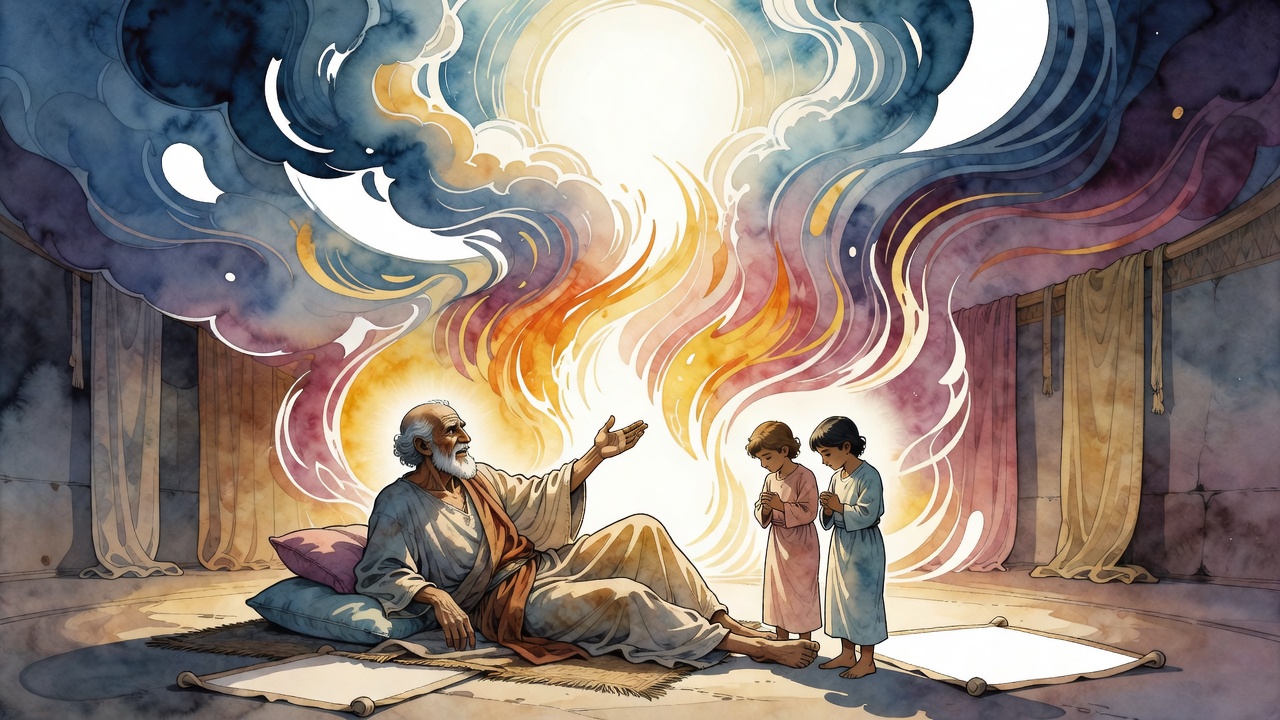
Ganoon, a descendant of Ephraim, rose with a claim. God had revealed Himself, he said, and wanted the people out of Egypt now. Not later. Not under a future redeemer with signs. Now.

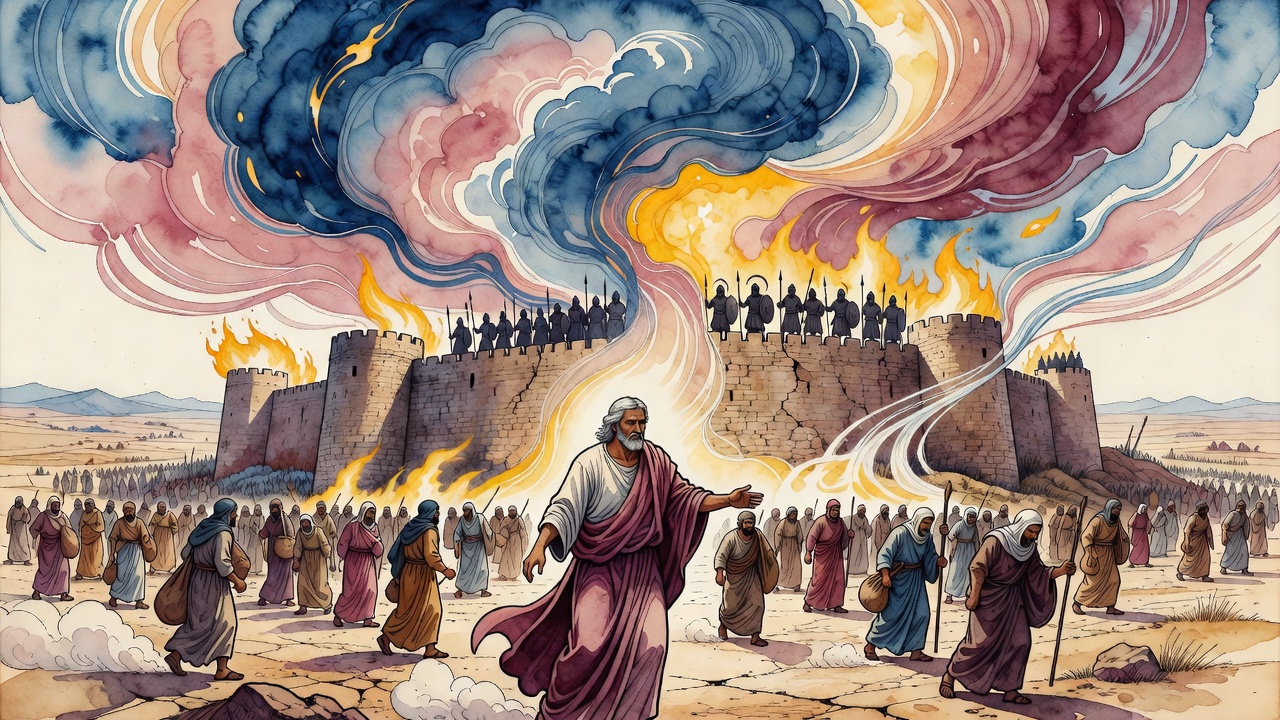
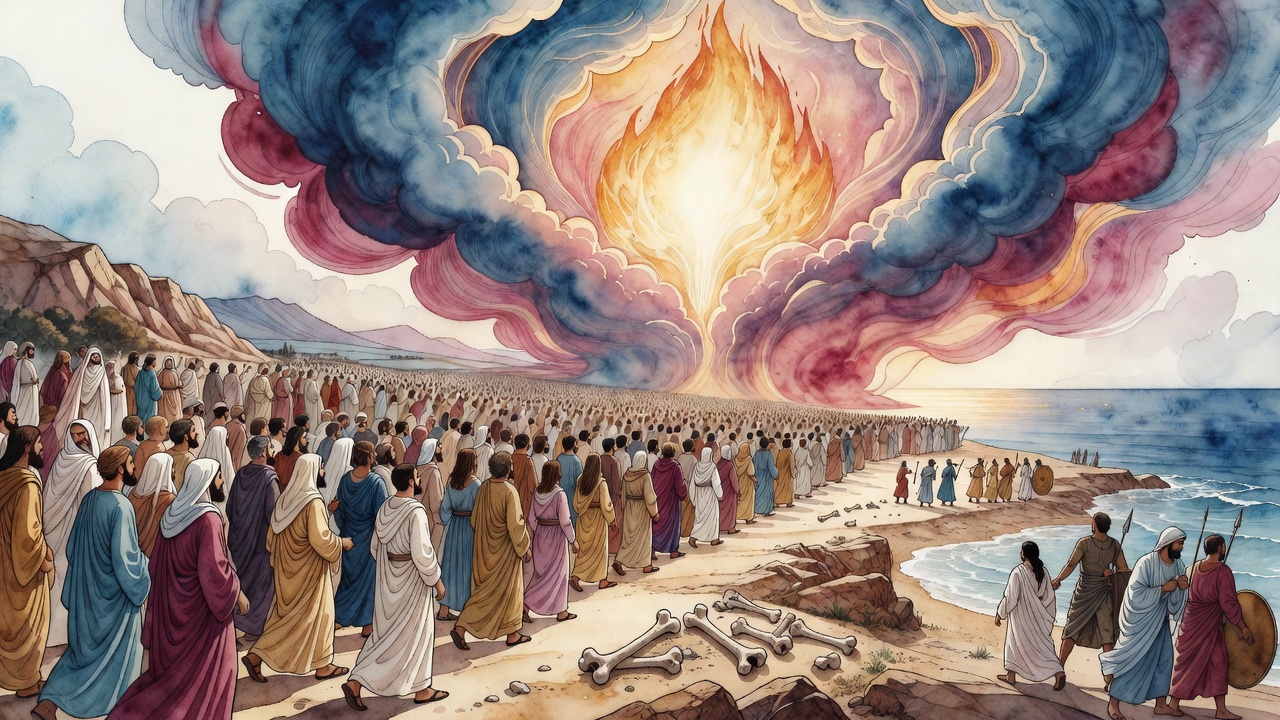
Pride of heart answered him. Families packed in haste. Children of Ephraim took bows and left without blood on the doorposts, without a staff that would split a sea. They marched as if harvest logic and bloodline were enough.

No pillar of cloud led. No night of judgment marked the houses of Egypt. The road was only sand and certainty. Women hushed infants. Men checked bowstrings and called the early march courage.

Egypt Closes the Trap

Egyptians pursued. The unscheduled exit looked like rebellion and theft of labor. Battle met the Ephraimites before freedom had a name for them.

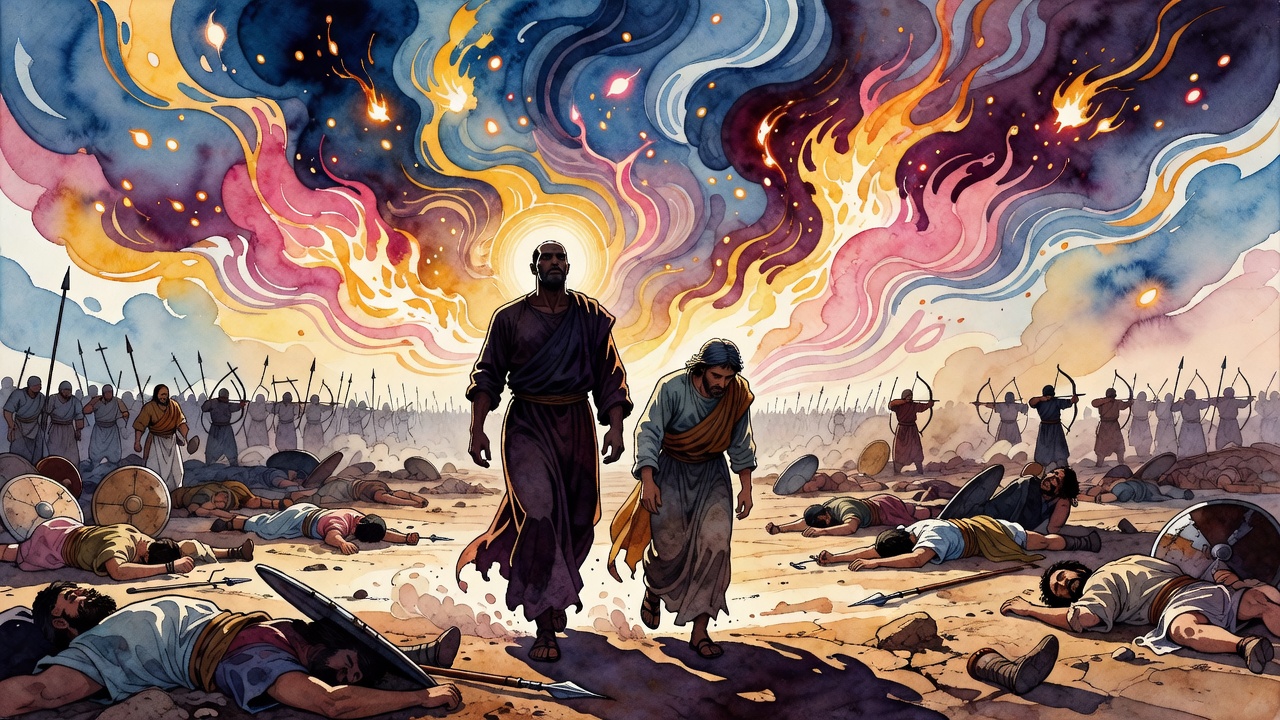
Two hundred thousand mighty men fell. The number sits like a stone in the mouth of the tale. Psalm language later cut them with irony. "The children of Ephraim, being armed and carrying bows, turned back in the day of battle."

Bows that looked like strength in the camp looked like wood in the field. Pride does not parry a trained host. Revelation claimed without the Sender's hour becomes a private drum leading men into other men's spears.

Dust rose and fell on bodies that had left too early. Survivors ran. The verse about turning back was written in blood before it was written in a book.

Joseph's Patience Against Ganoon's Rush

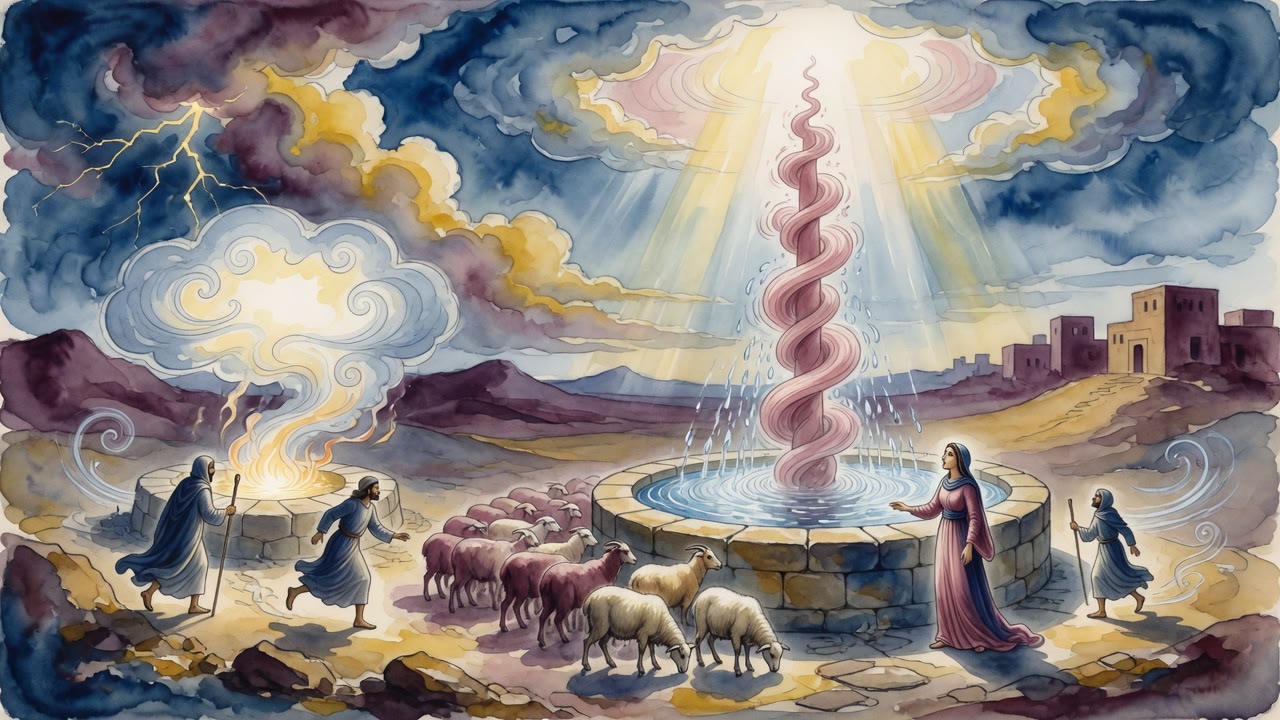
Joseph had waited through pit, house, and prison before he ruled grain. He stored abundance in the centers of districts and kept seed in the ear. He scattered ash and earth from the fields of origin over the stores. Egyptians who hoarded without that care opened storehouses to rot when famine came.

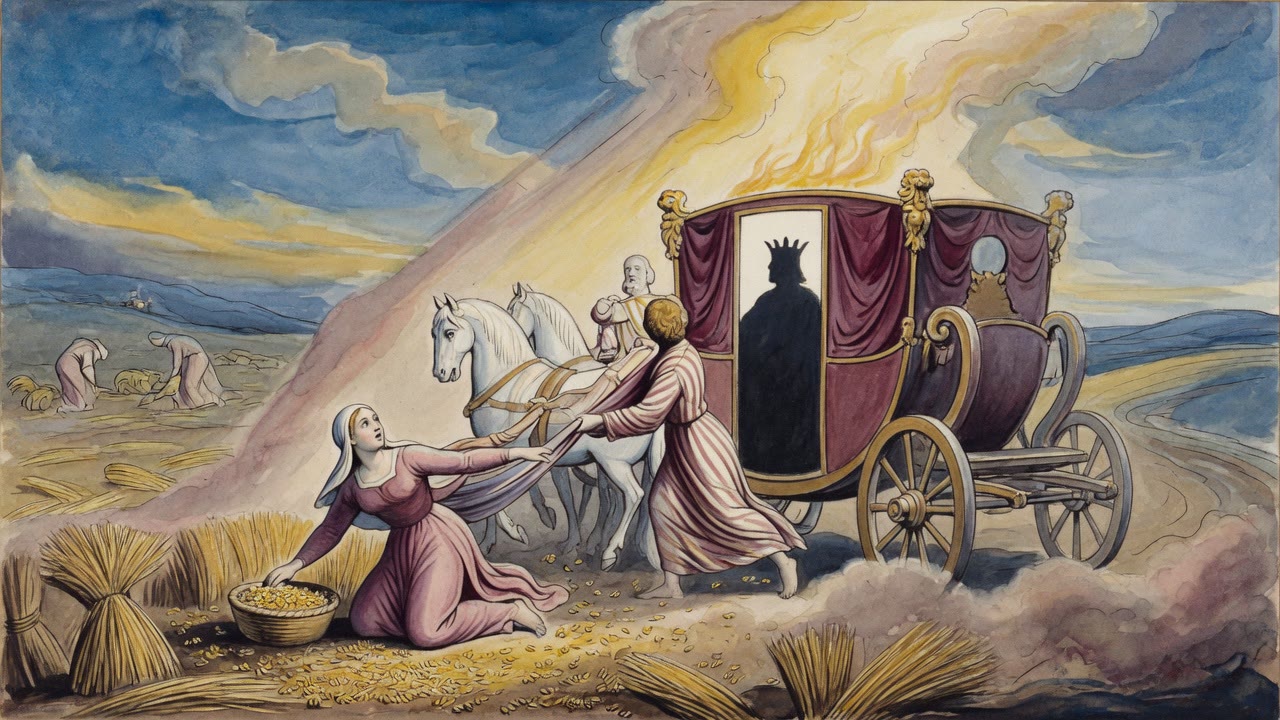
Bread vanished from tables so fast that people rose hungry from meals already begun. Private stores failed. Joseph's public stores held. Timing and method were as much salvation as bulk.

The contrast is brutal. Joseph's long obedience fed nations. Ganoon's short fire fed vultures. Both men carried Joseph's house in their blood. Only one waited for the dream's full calendar.

The Hour That Still Belonged to God

God would still lead Israel out, on terms that included plagues, blood, and a sea road. That hour was not Ganoon's to announce. The dead of Ephraim became a warning stitched into psalm and midrash. Armed is not the same as sent.

Survivors crawled back into bondage with quieter mouths. Egypt tightened. The calm that had made early exit thinkable hardened into the oppression a later generation would cry under.

Somewhere in store-city dust, the method of Joseph still made more sense than the shout of Ganoon. Preserve. Wait. Feed. Leave when the true Redeemer moves, not when a clansman feels royal.

Night came over the battlefield with no song of freedom. Bows lay unstrung beside men who had named themselves ready. Ready is a word that needs an Author. Without that Author, ready is only noise before a fall.

Children asked why uncles did not return. Mothers had no map that made the answer gentle. The promise of departure remained true and distant, like grain sealed against mildew while false grain rots in private pits.

Years later, when a shepherd prince would speak for God in Pharaoh's court, someone might remember Ephraim's early march and flinch. Better a late sea than an early grave. Better a staff raised on command than a bow raised on pride.

Ganoon's name sticks to the disaster the way ash stuck to Joseph's stored ears, a marker of what preserves and what does not. A claim of revelation without patience is a fire that eats its own house.

Egyptians told the story as proof that Hebrews could be broken. Hebrews told it as proof that clocks belong to heaven. Between those tellings, the dead still needed burial, and the living still needed a better hour.

The taskmasters counted the missing and found a number that made their spears hungry. Orders moved faster than grief. Sand took footprints and then took blood and then took silence.

A boy from Ephraim's tents clutched a bow too tall for his shoulder and waited for an uncle who had promised to return before dark. Dark came without the uncle. The bow became firewood the next week because no one had strength left to string it for pride.


← All myths

From the tradition

Sources

2 sources

The texts behind this telling. Some cards carry a translation of the source; others are our own retelling of it, and each card says which. Every card links out to the original.

Pirkei DeRabbi Eliezer 48:4Pirkei DeRabbi Eliezer

Retold in our words. Read the original at the link below.Pirke de Rabbi Eliezer, trans. Rabbi Gerald Friedlander, London (1916) · CC-BY

Our story comes from Pirkei DeRabbi Eliezer, a fascinating text that weaves together biblical narrative, aggadic embellishments, and moral lessons.

The Israelites are in Egypt. Not a great situation. But Rabbi Eliezer tells us that, for a while, things were…stable. They were living "securely and peacefully at ease." Can you imagine? After all the hardships, a moment of relative calm.

Then, along comes Ganoon, a descendant of Ephraim. Now, Ephraim was one of Joseph's sons, remember? This Ganoon bursts onto the scene claiming that God has revealed Himself and wants to lead them out of Egypt right now.

This is where things get interesting. The children of Ephraim – feeling their royal blood and believing in their strength as mighty warriors – get a little… overconfident. The Pirkei DeRabbi Eliezer says they were "in the pride of their heart." They were ready to go now.

So, what do they do? They grab their families, pack their (presumably hastily-prepared) bags, and just…leave. They march right out of Egypt.

Big mistake. Huge.

The Egyptians, understandably, aren't too thrilled about this unscheduled departure. They pursue the departing Ephraimites, and…well, let’s just say the "mighty men" weren't so mighty after all.

The text is pretty brutal. It says the Egyptians "slew of them 200,000, all of them mighty men." Two hundred thousand! Ouch.

Then, to really drive the point home, Pirkei DeRabbi Eliezer quotes (Psalm 78:9): "The children of Ephraim, being armed and carrying bows, turned back in the day of battle."

A verse dripping with irony, wouldn’t you say? All that confidence, all that bravado, and in the end, they turned tail and ran.

What does it all mean? What are we supposed to take away from this rather grim tale?

Perhaps it's a cautionary reminder about the dangers of impatience, of jumping the gun, and of letting pride cloud our judgment. Maybe it's a lesson about trusting in God's timing, rather than our own. After all, God did eventually lead the Israelites out of Egypt, but it was on His terms, not theirs.

How often do we, like the children of Ephraim, think we know better than the Divine plan? How often do we rush ahead, convinced of our own strength, only to stumble and fall?

This story, though seemingly simple, is a powerful reminder that sometimes, the greatest strength lies not in our own might, but in our patience and faith. And perhaps, a little bit of humility wouldn't hurt either.

Full source
Legends of the Jews 1:184Legends of the Jews

Retold in our words. Read the original at the link below.The Legends of the Jews by Louis Ginzberg (1909) · Public Domain

That’s kind of what happened in Egypt, according to the legends surrounding Joseph, the dreamer who rose to power.

Remember Joseph? Sold into slavery by his brothers, he ended up interpreting Pharaoh's dreams, foretelling seven years of incredible abundance followed by seven years of devastating famine. A classic rags-to-riches story, seasoned with divine insight.

The Bible tells us (Genesis 41) that Joseph advised Pharaoh to stockpile grain during the good years. But the Legends of the Jews, that magnificent collection of rabbinic stories compiled by Louis Ginzberg, paints a much more vivid picture of just how Joseph accomplished this feat.

In these legends, the harvests were beyond belief! One single ear of grain yielded two whole heaps! To prepare for the lean years, Joseph didn't just stash the grain away. He was meticulous. He stored the grain in cities strategically located in the center of each district. He even scattered ashes and earth from the very fields where the grain had grown over it. And get this: he preserved the grain in the ear. All these measures, we're told, were specifically designed to prevent rot and mildew. A kind of ancient, divinely-inspired food preservation system.

But here's where the story gets even more interesting. The Egyptians, seeing this unbelievable bounty, decided to get in on the action. They figured, "Hey, we can save some too!" So they squirreled away their own reserves, anticipating the coming famine.

But their efforts were… less successful.

When the famine hit, they rushed to their storehouses, eager to access their saved grain. And what did they find? Rot. Mold. Uselessness. According to the legends, their grain had become completely unfit for consumption. Disaster!

The famine struck so suddenly and severely, the stories say, that people ran out of bread literally as they were sitting at their tables! They didn’t even have a crust of bran bread to tide them over. Oy vey!

Why the difference? Was it just luck? Or was there something more to Joseph’s success?

Perhaps it was Joseph's connection to the divine, his ability to truly understand God's plan. Or maybe it was his humility, his understanding that the bounty wasn't his to hoard but to steward responsibly. Whatever the reason, the contrast between Joseph's success and the Egyptians' failure serves as a powerful reminder. It's not enough to simply accumulate resources. We must also have the wisdom and foresight to use them wisely, to share them generously, and to preserve them with care. Otherwise, our abundance may rot before our very eyes.

And in times like these, that's a lesson worth remembering.

Full source