5 min read

From Gleaning Fields to the King's Carriage

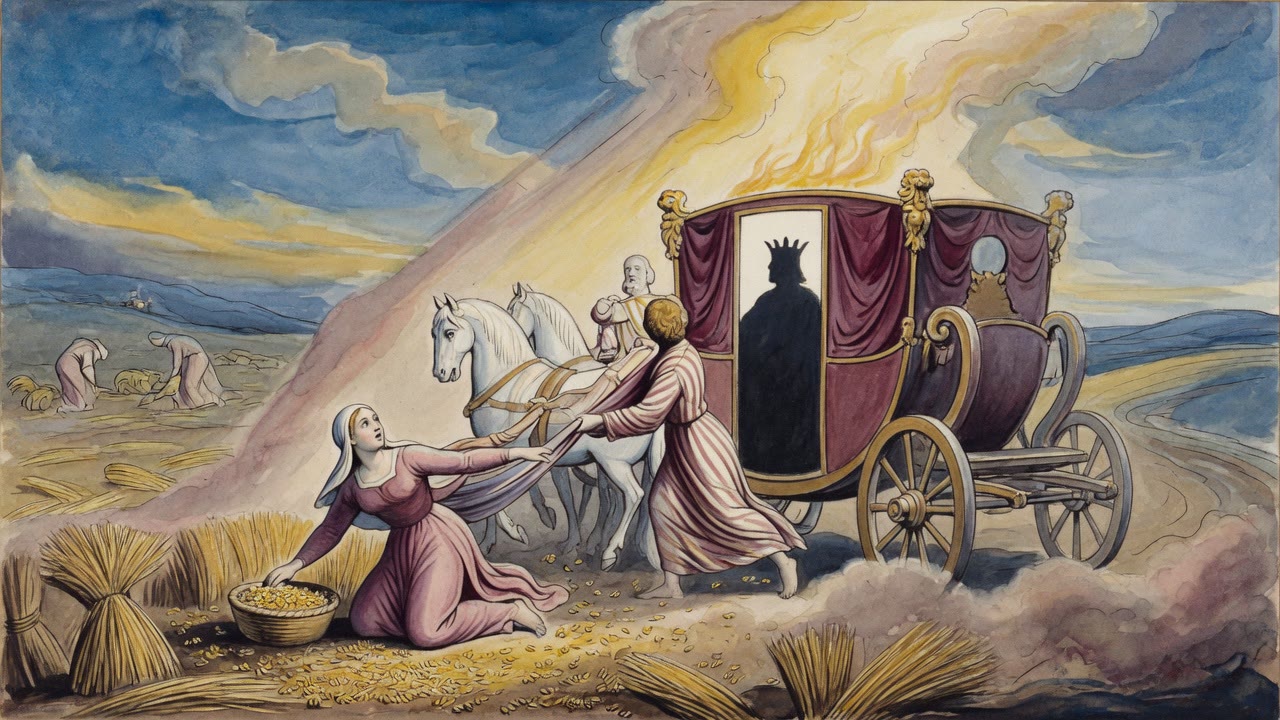
A princess gleaning leftovers is lifted into the royal carriage. Israel and Joseph know that same astonished rise from dust to throne.

Curated by Arthur · Told by Maggid ·
Table of Contents
  1. Yesterday's Gleaner
  2. Mortar, Then the World
  3. Joseph's Jump
  4. Women Who Would Not Give Rings
  5. The Soul That Places
From Gleaning Fields to the King's Carriage Click for full size

Yesterday's Gleaner

The king's daughter bent in a field, gathering leftover grain with hands that once knew perfume. Stubble cut her palms. Other gleaners stared without kindness. Royalty in dust is a joke until it is a wound.

Then the king recognized her. He sent for her. Suddenly she sat beside him in the royal carriage, cloth and horses and a height that made the field look small. Her old companions shouted up in disbelief. "Yesterday you were gleaning. Today you ride with the king!"

She answered with the same astonishment turned inward. "Just as you are astonished about me, so I am astonished about myself. I did not know; my soul placed me" (Song of Songs 6:12).

Rabbi Ḥiyya told that parable for a reason larger than one princess. The midrash needed a body that could feel sudden elevation without pretending it had been planned in her bones.

Mortar, Then the World

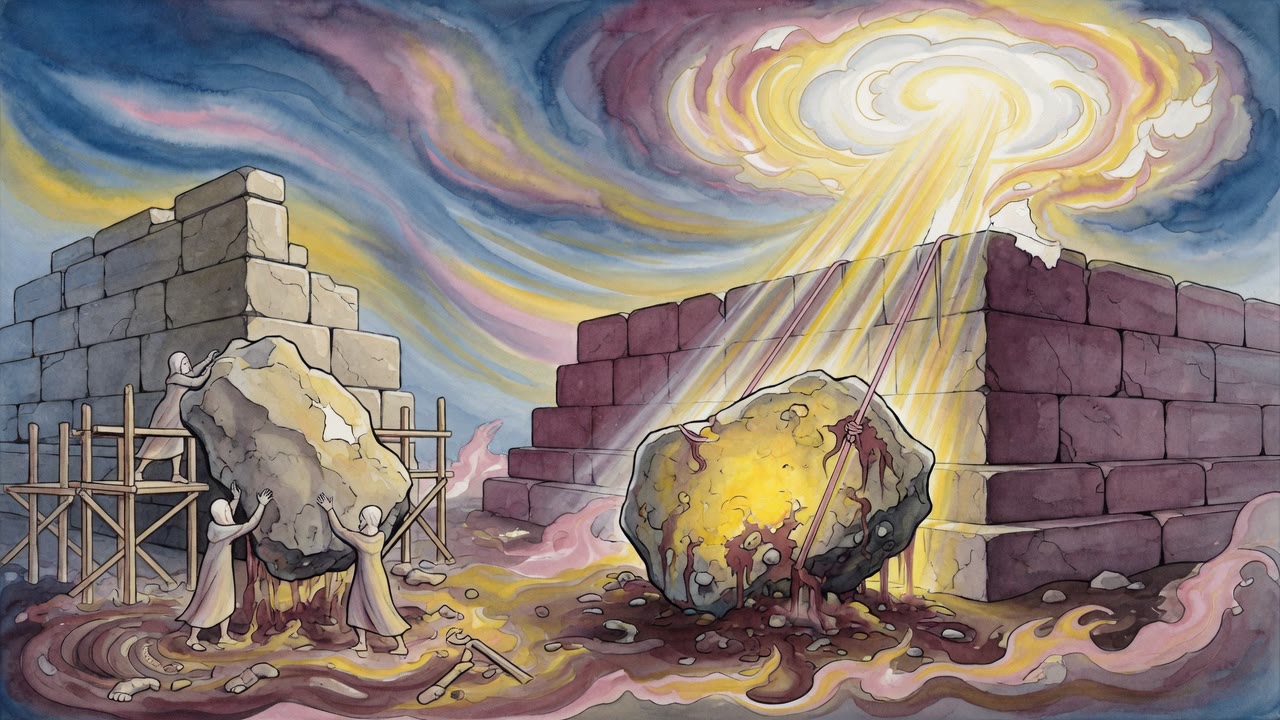
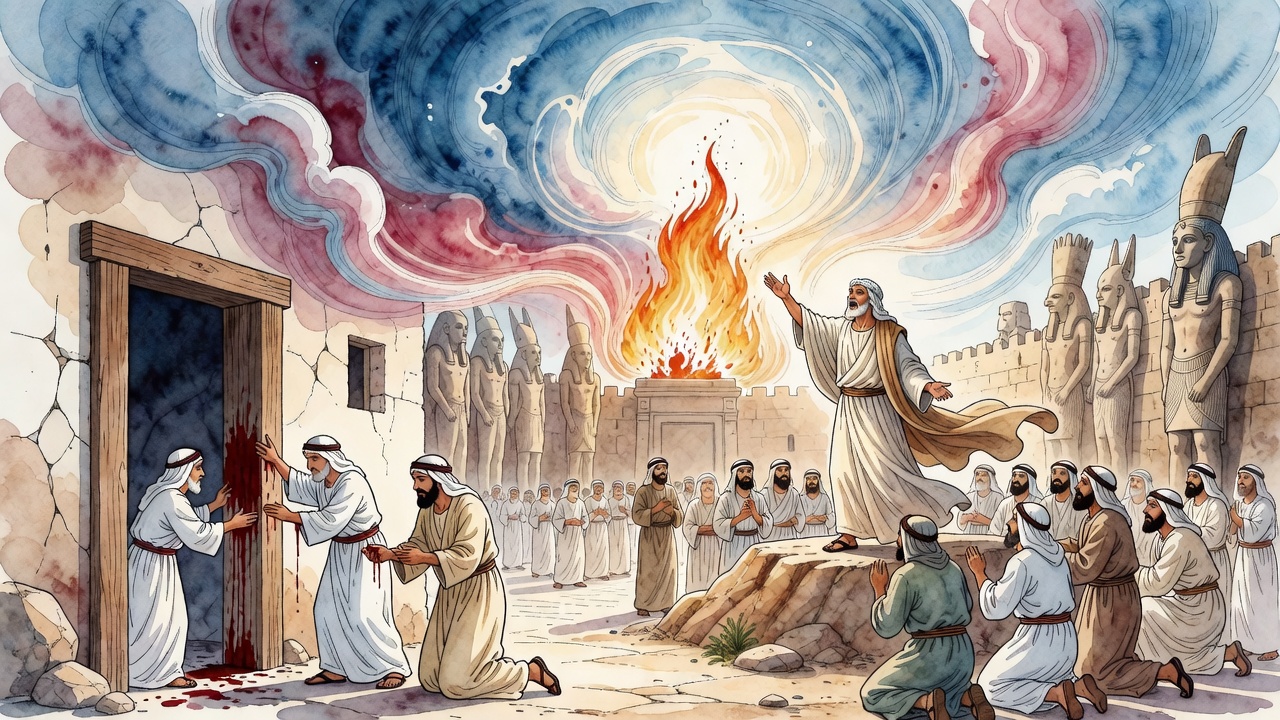
Israel in Egypt worked mortar and bricks until the back learned a curve that prayer could not always straighten. The nations later stared when that same people stood free and high. "Yesterday you were slaves. Now you are elevated over the world?"

Israel's answer copied the princess. "We did not know. My soul placed me." Redemption arrived faster than identity could catch up. The body still remembered the whip while the mouth sang at the sea.

That lag is holy in this telling. Astonishment is not ingratitude. It is honesty about how far a night can travel before dawn finishes explaining itself.

Joseph's Jump

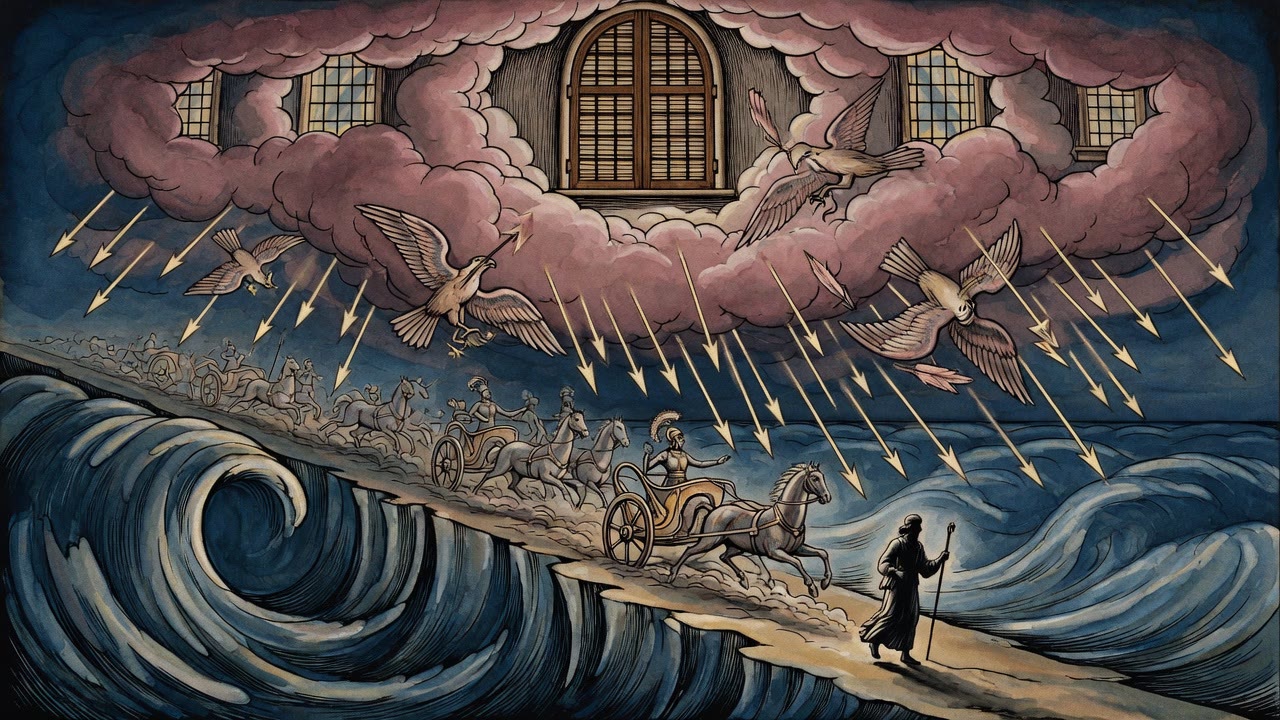
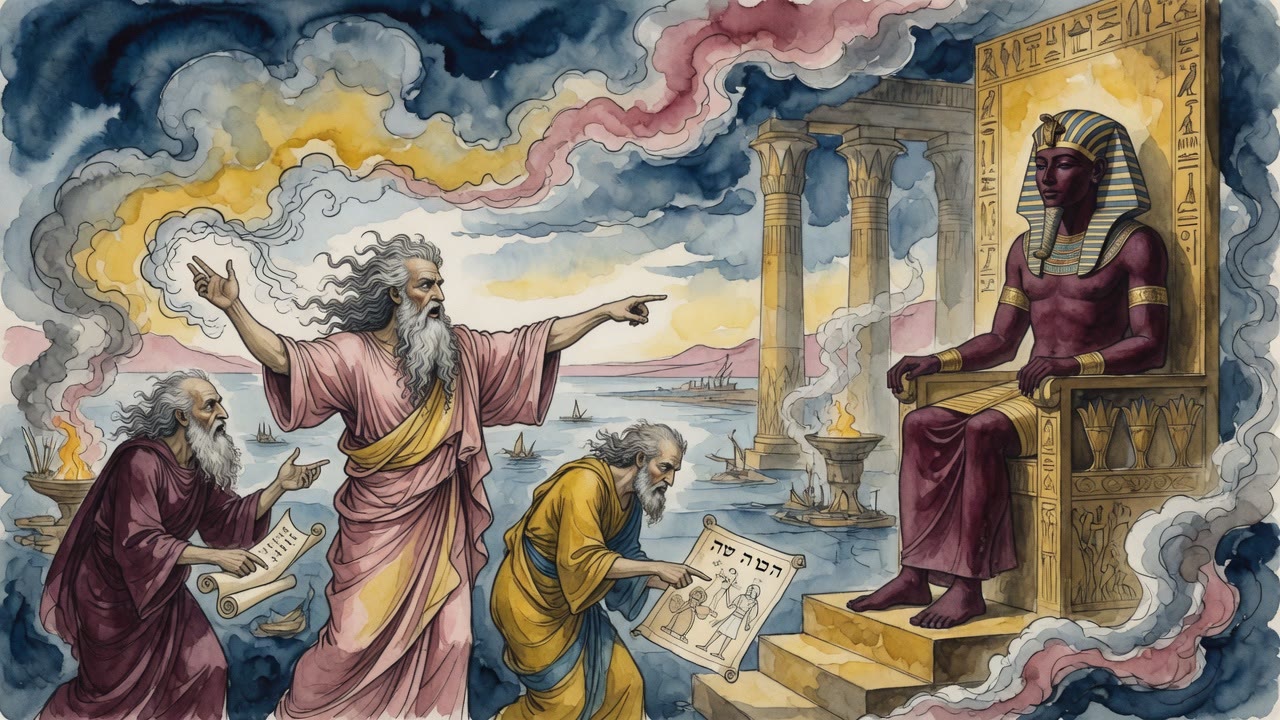
Joseph knew the same physics of height. Pit. Slave market. Prison. Then a ring on his hand and a chariot second only to Pharaoh's. The psalm the midrash hears beside him is the soul placed on chariots of a noble people, a line that fits a man who woke up royal after dreaming in chains.

His brothers would bow in a grain line without knowing the Egyptian lord was the boy they sold. Elevation can wear a mask. The princess in the carriage still had field-dust in the creases of her skin. Joseph still had the memory of a coat torn and a voice begging from a pit.

Shir HaShirim midrash stacks these rises until the pattern is hard to miss: heaven lifts, and the lifted one is the last to finish being surprised.

Women Who Would Not Give Rings

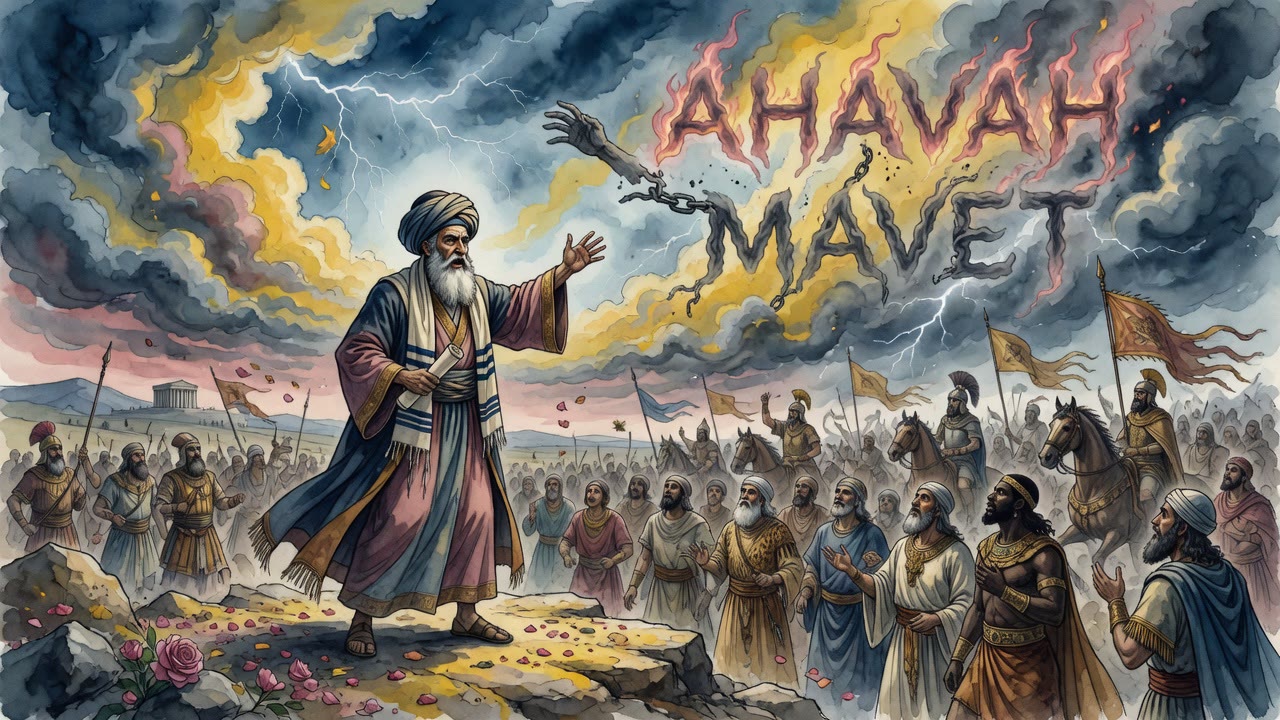
Another Song midrash praises the women of the wilderness generation when the men broke toward a calf of gold. The women refused their rings for the idol. If God could shatter Egypt's powers, they argued, why fear a soft statue poured from jewelry? The midrash calls them upright, tiran, a strength of spine in a camp losing its mind.

"Fair, my love, like Tirtza" becomes, in one reading, the fairness of acceptance through offerings, and in another, the fairness of those women who would not fund a false god with the gold on their fingers (Song of Songs 6:4). Lovely like Jerusalem becomes the loveliness of consecration, flocks set apart, a city that knows what it is for.

Elevation without that spine is only costume. The princess can ride and still forget the field. The women of the wilderness kept the field's honesty even when a calf demanded jewelry as ticket to a cheaper hope.

The Soul That Places

"I did not know; my soul placed me." The line will not explain the mechanism. It only names the feeling of being moved by a force that includes the self and exceeds it. Joseph in the second chariot. Israel on the far shore. A daughter of a king who had been treated as a gleaner.

The midrash wants that feeling kept raw. Polished theology can come later. First the body must admit it does not fully understand its own rise, and must not let astonishment turn into the arrogance of people who always believed they would ride.

Yesterday's dust is part of today's carriage. Forget the dust, and the ride becomes only another claim shouted by chaff. Remember it, and the soul's placement stays a gift that still surprises the one who received it.

Astonishment protects the lifted from becoming tyrants of their own story. The princess who still cannot believe the carriage is less dangerous than the princess who always expected it. Joseph ruling Egypt with the pit still in his nerves is safer for brothers than Joseph who forgot the pit.

Israel singing on the shore with brick-dust still in the lungs is the midrash's preferred nation: elevated, grateful, slightly disoriented, not yet rehearsed in empire's swagger. The women who kept their rings from the calf guard that honesty when men reach for a faster, shinier belonging.

"My soul placed me" remains the line that will not let success rewrite the morning as inevitable. Placement is gift. Gleaning is memory. The carriage is real only if both stay in the body at once.


← All myths
From the tradition

Sources

2 sources

The texts behind this telling. Some cards carry a translation of the source; others are our own retelling of it, and each card says which. Every card links out to the original.

Shir HaShirim Rabbah 6:12Shir HaShirim Rabbah

Retold in our words. Read the original at the link below.The Sefaria Midrash Rabbah, 2022 · CC-BY

Like one day you're just going about your business, and the next you're... somewhere else entirely? The ancient rabbis grappled with this feeling, this almost bewildered sense of elevation, and they found a powerful expression of it in the Shir HaShirim Rabbah, the commentary on the Song of Songs.

Specifically, they focused on the verse, "I did not know; my soul placed me upon chariots of my noble people" (Song of Songs 6:12). What does it mean to not know how you got where you are?

Rabbi Ḥiyya offers a beautiful parable. Then, the king recognizes her! He sends for her, and suddenly, she's seated beside him in his royal carriage. Her old friends are astonished. "Yesterday, you were gleaning in the fields, and today you're riding with the king?!" The princess, just as surprised, exclaims, "Just as you are astonished about me, so I am astonished about myself. I did not know; my soul placed me."

This image, of unexpected elevation, resonated deeply. The rabbis saw it reflected in the story of Israel itself. Remember their time in Egypt? Enslaved, building with mortar and bricks, despised by the Egyptians. Then, liberation! Freedom! Suddenly, they are elevated above all nations. As we find in Shir HaShirim Rabbah, the nations of the world were astonished. "Yesterday you were working with mortar and bricks, and now you have become free men, elevated over the entire world?" And Israel responds, echoing the princess, "Just as you are astonished about us, so are we astonished about ourselves. We did not know; my soul placed me."

The rabbis don't stop there. They see this theme of sudden, unexpected elevation echoed throughout Jewish history.

Think about Joseph. As it says in (Psalms 105:18), "they tortured his legs with chains; his body was placed in irons." One day he's a prisoner, the next, as we see in (Genesis 42:6), "Joseph is the ruler over the land." He too could have exclaimed, "I did not know; my soul placed me!"

And what about David? Hiding, fleeing from Saul for his life, and then, suddenly, he's king! The same sentiment applies.

Then there's Mordechai. Remember in (Esther 4:1), "he donned sackcloth and ashes" in mourning. But then, in (Esther 8:15), "Mordechai emerged from before the king in royal garments of sky-blue and white…" A truly astonishing transformation! He too embodies this verse.

Even in times of exile and suffering, the congregation of Israel can declare to the nations, as it says in (Micah 7:8), "Do not rejoice over me, my enemy, for though I fell, I will rise." As we also see in (Micah 7:8), "Though I sit in the darkness, the Lord is a light to me." Even in darkness, there's the potential for sudden, unexpected light. "I did not know; my soul placed me."

The Shir HaShirim Rabbah even tells a story about a tailor from Tzippori named Yusta. Yusta, the tailor, somehow finds favor with the king, who offers him anything he desires. Yusta asks to be made governor of his hometown. The king grants his wish.

When Yusta returns to Tzippori, now a governor, people can barely believe it. "Is that really him?" they wonder. They devise a test: Does he still look longingly at his old tailoring stall? He does. Recognizing him, Yusta says, "You are astonished about me, but I am astonished about myself more than you are!" He too didn't see it coming. "I did not know; my soul placed me…"

The passage concludes with a beautiful play on words. The phrase "my noble people" – ami – is connected to "the noble One accompanied me" – imi – referring to God, the One who lives eternally. The Divine is with us, guiding us, even when we don't understand the path we're on.

So, what does all this mean for us? Perhaps it's a reminder to stay open to the unexpected. To recognize the moments when life takes us by surprise and elevates us beyond our own expectations. And to remember, even in those moments, that we are accompanied by something greater than ourselves. To acknowledge the wonder, the astonishment, and the humility that comes with realizing, "I did not know; my soul placed me."

Full source
Shir HaShirim Rabbah 4:1Shir HaShirim Rabbah

Retold in our words. Read the original at the link below.The Sefaria Midrash Rabbah, 2022 · CC-BY

Shir HaShirim Rabbah turns to Joseph and His Brothers of Jerusalem.

Rabbi Yehuda bar Simon, for example, connects the phrase "fair, my love, like Tirtza" to offerings. Yes, offerings! He suggests that “Tirtza” alludes to the act of bringing sacrifices, because through offerings, we achieve acceptance, mitratzim in Hebrew. He cleverly links this to (Leviticus 1:4), which speaks of an offering being "accepted [venirtza] for him, to atone for him." It's a beautiful play on words, suggesting that the beloved, like the offerings, is a source of atonement and reconciliation.

What about "lovely like Jerusalem?" Rabbi Yehuda bar Simon sees this as a reference to the consecrations that took place in Jerusalem. He draws a parallel to (Ezekiel 36:38): "Like the consecrated flock, like the flock of Jerusalem." Jerusalem, then, represents a place of sacred dedication and holiness.

Wait, there's more! The Midrash offers another interpretation, this time focusing on the women of the generation of the wilderness. "You are fair, my love, like Tirtza," can also be understood as praise for these women. According to this reading, the women of that generation were righteous and strong. How so? When the men succumbed to the temptation of the Golden Calf, these women refused to give up their rings to contribute to the idol. They argued, with remarkable faith, that if God could destroy the powerful idols of Egypt, then surely they shouldn't fear a flimsy golden calf! The Midrash calls these women tiran, a word that evokes their uprightness and strength of character. In a moment of collective crisis, these women stood firm in their faith, refusing to compromise their principles. It speaks volumes about their inner strength and unwavering devotion.

Now, the Midrash takes a somewhat unexpected turn when it revisits “Lovely like Jerusalem." This time, it suggests that if someone were looking for molds to create idols of Peor (a Moabite deity), they could find them even in Jerusalem! This is based on (Isaiah 10:10), which mentions idols from Jerusalem and Samaria.

Wait...what? Isn't Jerusalem supposed to be the holy city? Why would idols be associated with it? The commentators explain that the Midrash isn't condemning Jerusalem, but rather highlighting how pervasive idolatry had become, even in the holiest of places. The fact that Israel distanced themselves from these idols, which had become ubiquitous even in Jerusalem and Samaria, is what makes them lovely in God's eyes (Matnot Kehuna).

The verse "You are fair, my love, like Tirtza, lovely like Jerusalem, formidable like banners" is far more than just a pretty compliment. It's a multi-layered expression of beauty, acceptance, dedication, and strength. It speaks to the power of sacrifice, the holiness of Jerusalem, and the unwavering faith of the women in the wilderness. Pretty powerful stuff for a single verse, don't you think?

Full source