5 min read

The Gemstone Prince Was Born Missing One Last Stone

A king missed one gem by a breath of time, and his radiant son was born almost perfect, teaching repair and humility.

Curated by Arthur · Told by Maggid ·
Table of Contents
  1. A Body of Light That Could Not Live Like Flesh
  2. Sit Lower Than Your Rank
  3. God Built the World Before Saying His Name
  4. What the Missing Stone Demands

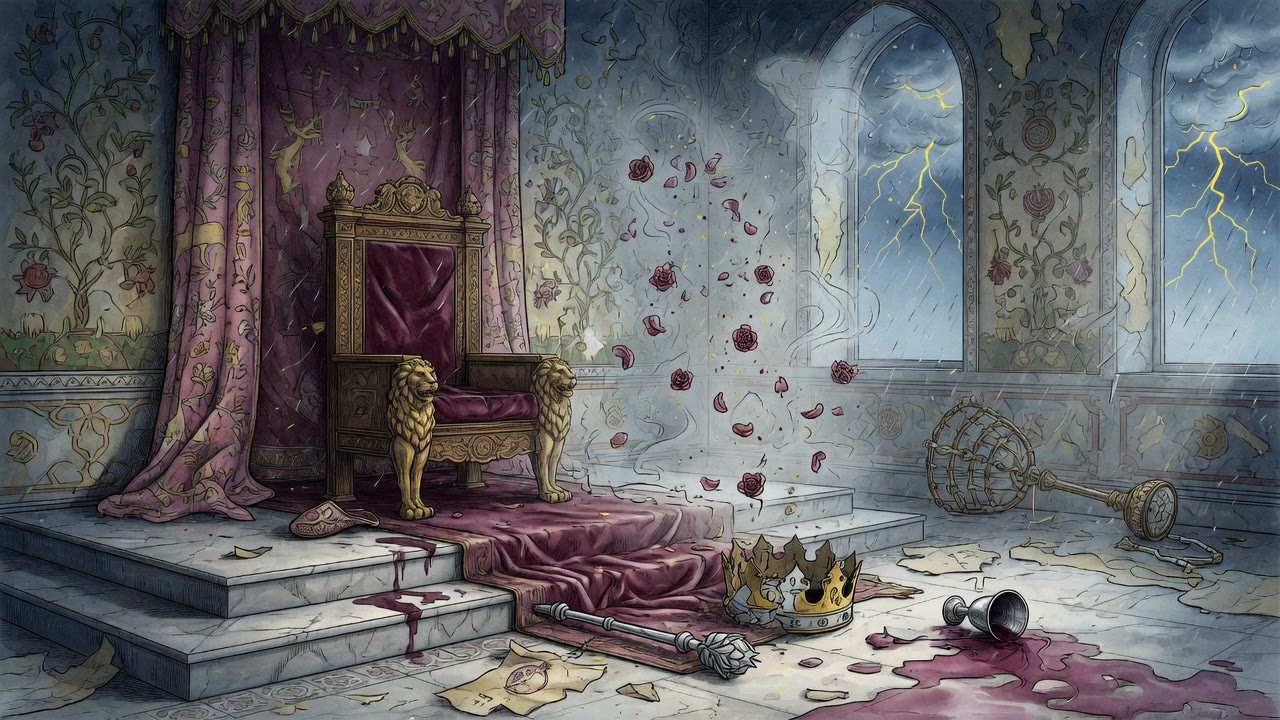
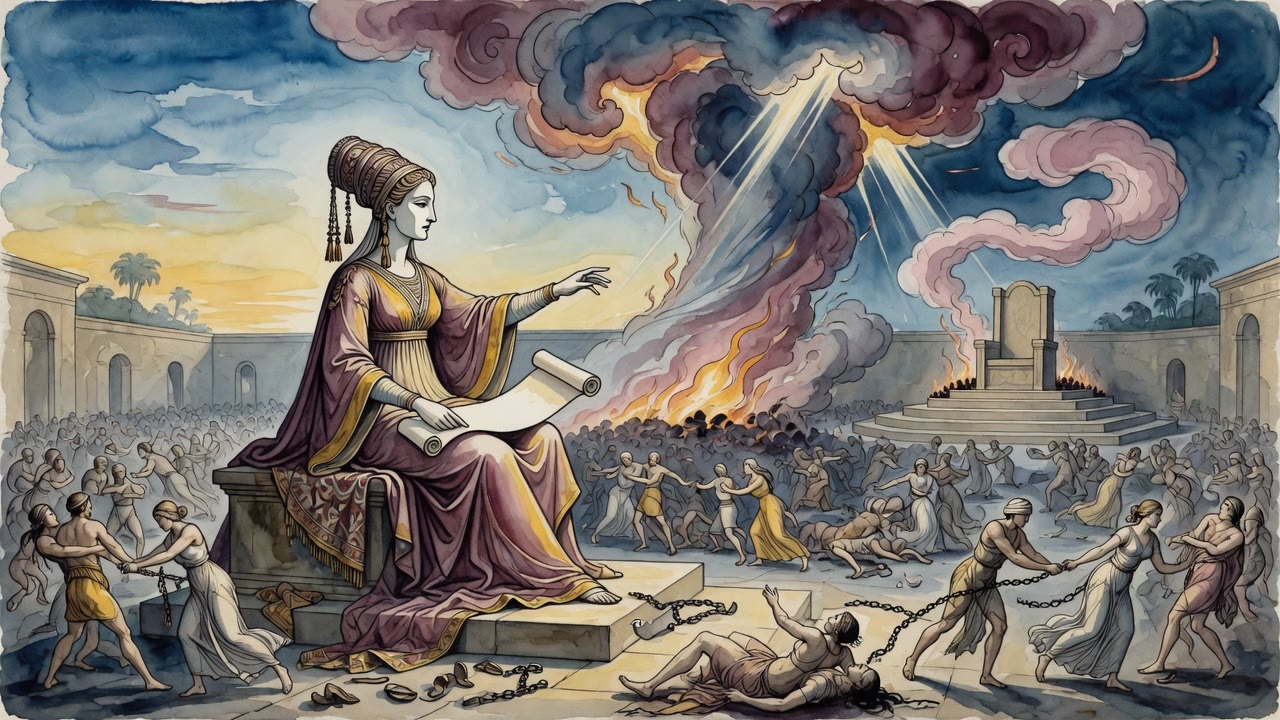
The king had no heir and turned his fear into a decree against the Jews. Pray that I have a child, or suffer. They searched until they found a hidden tzaddik who claimed to know nothing at all. The king summoned him anyway. "The Jews are in my hands. Pray." The righteous man promised a child that year. A daughter was born, brilliant by four, so beautiful that foreign kings traveled only to look at her. The king rejoiced, then wanted more. He wanted a son.

The Gemstone Prince Was Born Missing One Last Stone Click for full size

The first holy man had died. A second hidden tzaddik set a hard condition. Gather every precious gem in the kingdom into one room by a fixed date. If every stone arrives on time, the prince will be perfect. If you are even slightly late, there will be a flaw. Messengers rode. Vaults emptied. The deadline was cruelly tight. Nearly every diamond, ruby, sapphire, and emerald reached the room. Nearly. The king missed the date by a small margin.

A Body of Light That Could Not Live Like Flesh

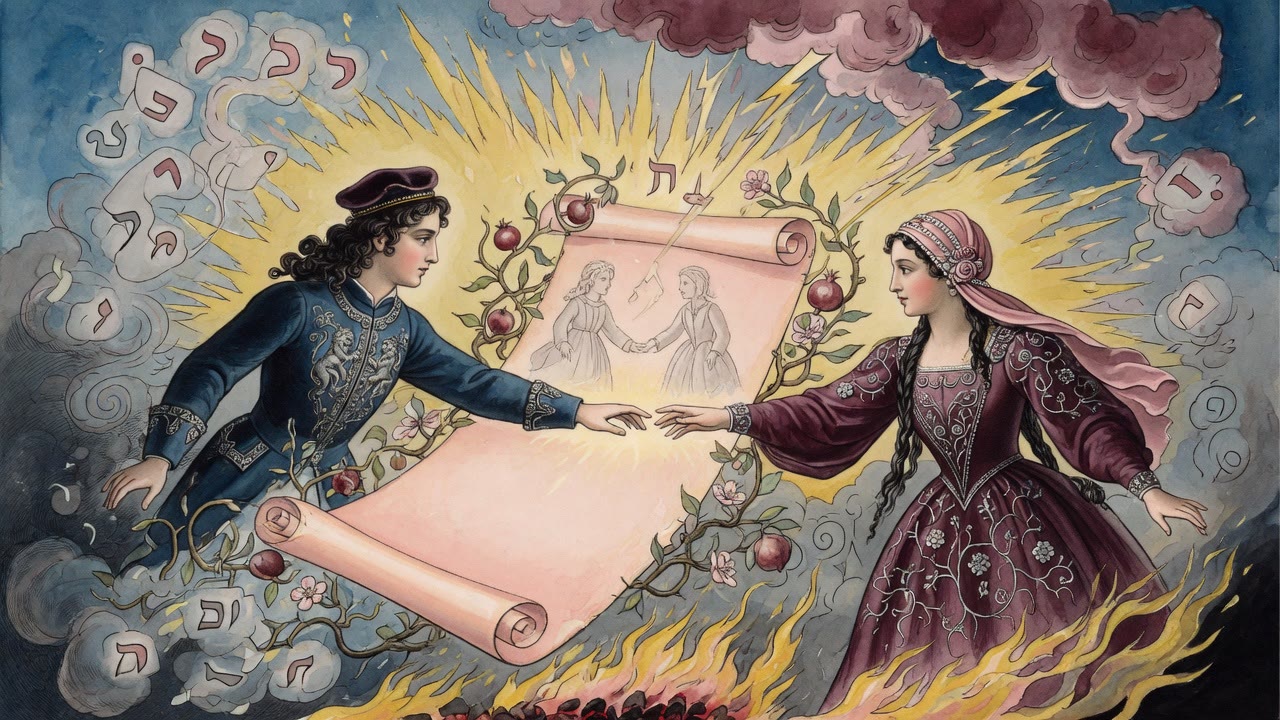
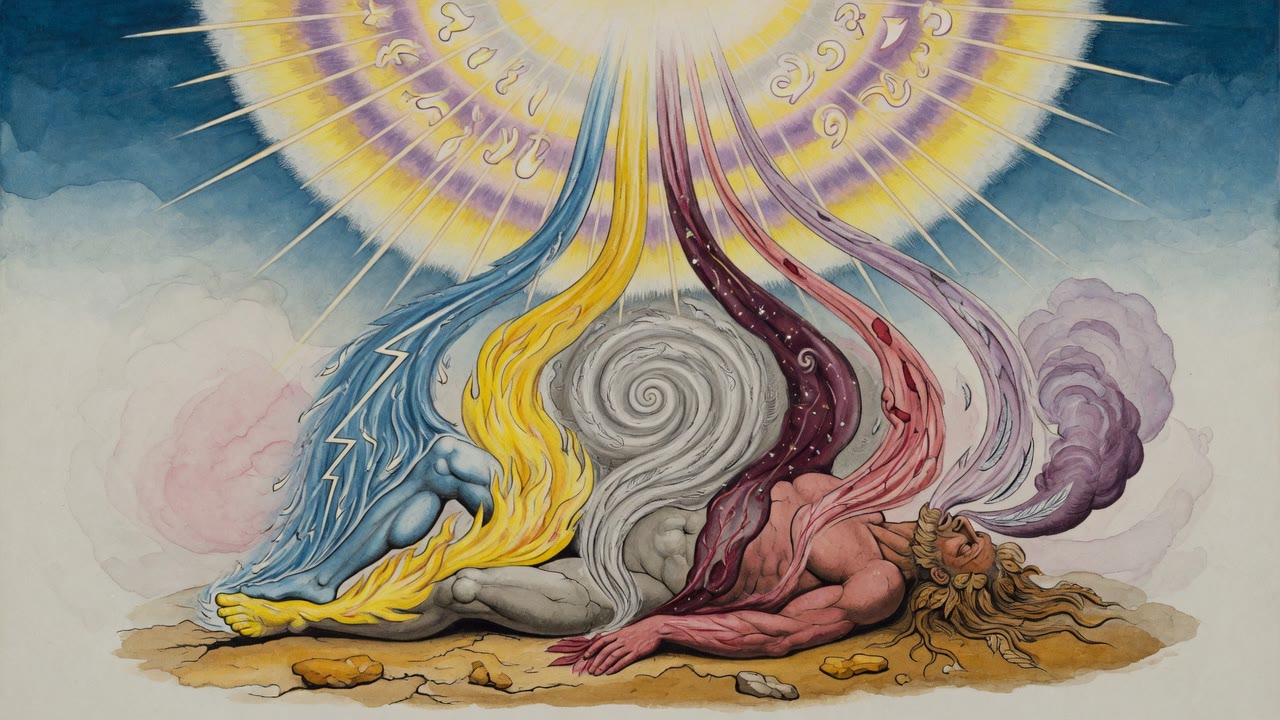
The son was born extraordinary. His body was made entirely of precious gems. He radiated. Scholars came from everywhere to study with a boy whose mind was as sharp as his skin was luminous. The queen died in childbirth. The gemstone prince and his brilliant sister grew together. Something was wrong that no court physician could name as ordinary illness. Formed of jewels rather than flesh, he could not function in the physical world the way a child of clay can. He was almost complete, almost whole, almost ready for this world, and the gap between almost and fully was the whole wound.

Rabbi Nachman of Breslov tells the tale so that imperfection is not always a moral failure. The king tried with all his strength. He simply ran out of time. The last gem is always missing. The prince is always radiant and always flawed. Tikkun, repair, is the work of finding what did not arrive and completing what the deadline left undone.

Sit Lower Than Your Rank

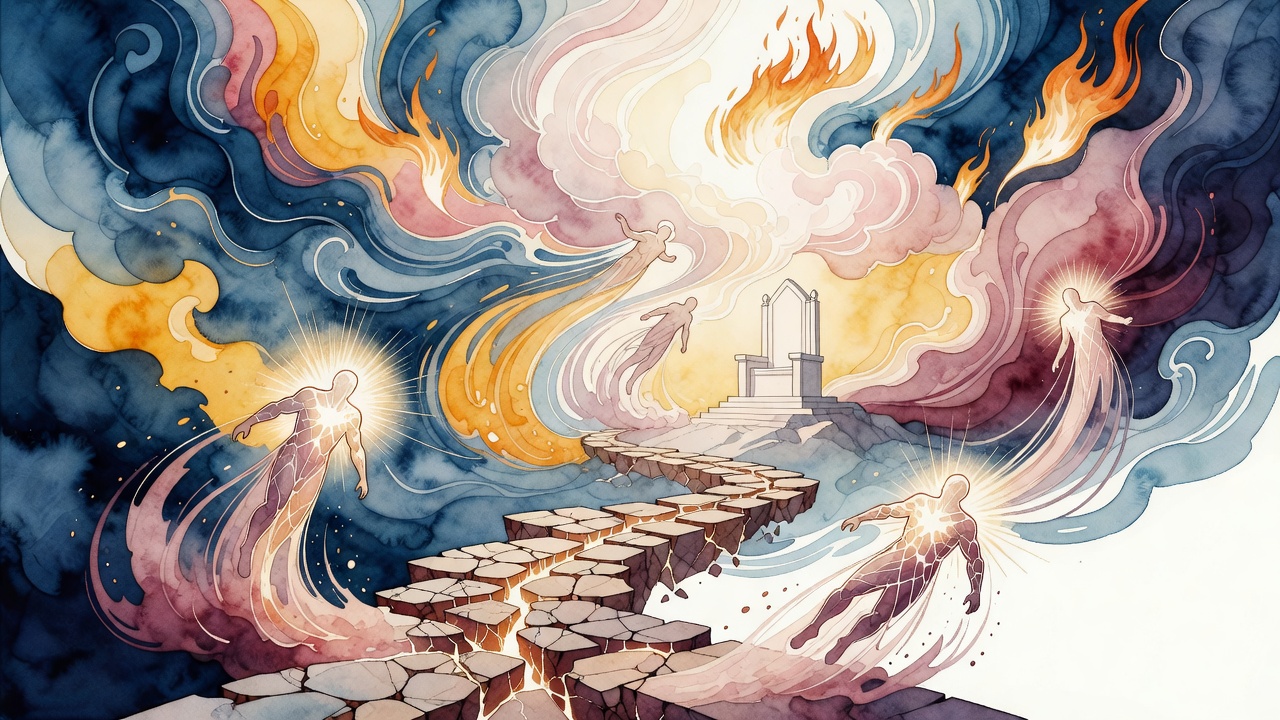
Vayikra Rabbah, speaking in the name of older teachers, offers a different posture for the same human almost. Better that they say to you, come up here, than that you be told to step down before a prince. Rabbi Akiva, in the name of Shimon ben Azzai, advised leaving two or three seats between yourself and the place you think you deserve. Wait. Let them call you forward. Hillel's paradox seals it: my lowering is my elevation; my elevation is my lowering.

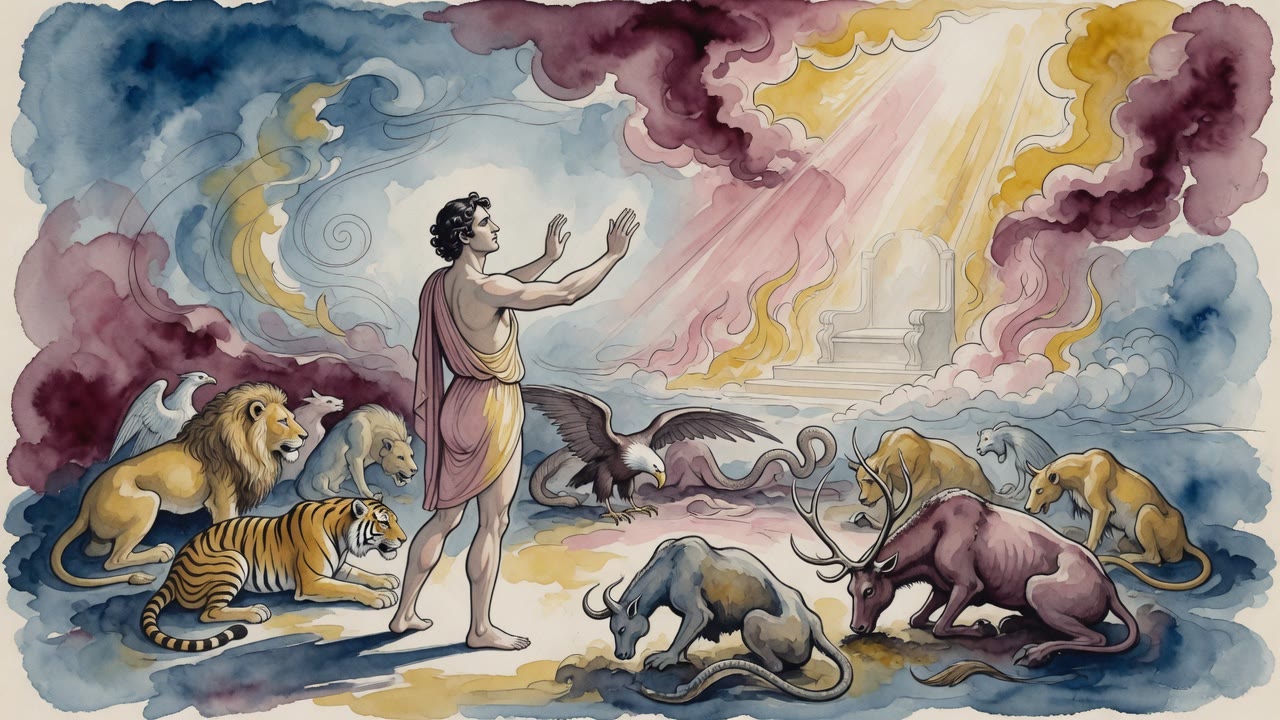
Moses hid his face at the bush. God still said lekha, go, a form the midrash hears as "for you," as if the mission fit only that reluctant body. At the sea, at Sinai, at the Tent, Moses held back and was called by name. The one who does not rush the throne is the one the voice can find. The gem prince's tragedy is a missed gathering of stones. The human remedy for pride is a deliberate missed seat, a chosen lower place, so that invitation, not seizure, becomes the path upward.

God Built the World Before Saying His Name

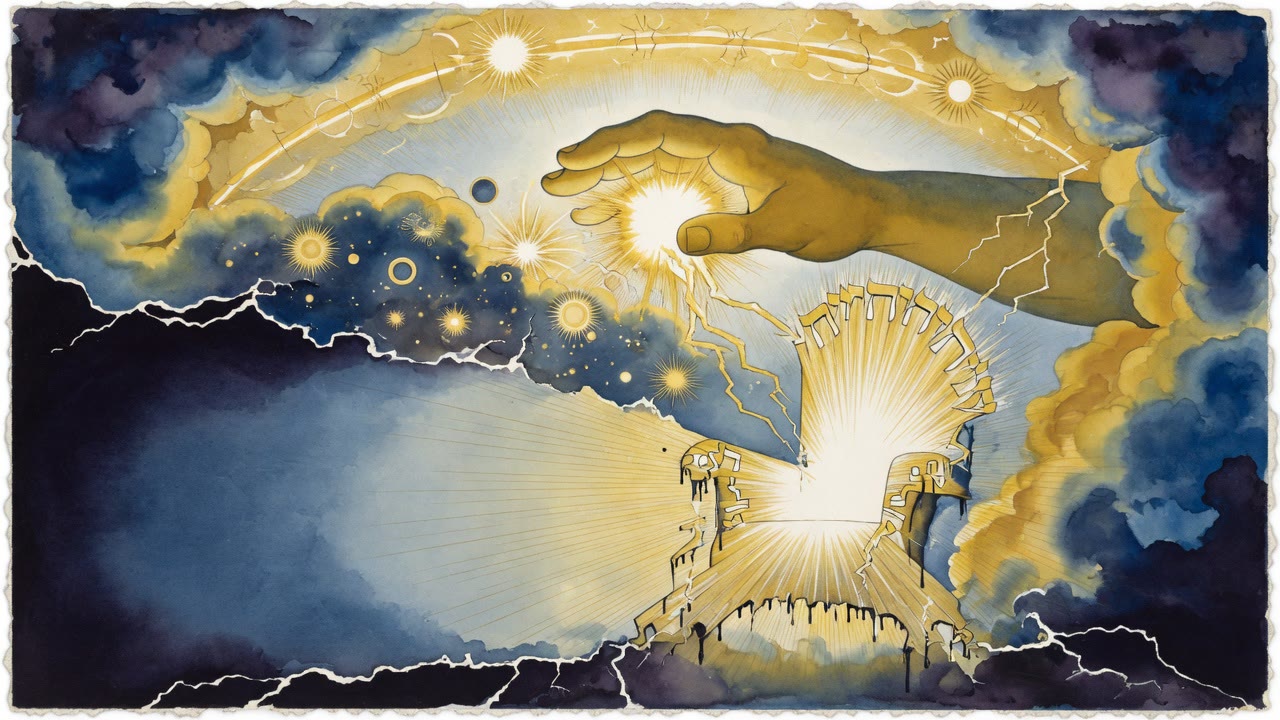
Shimon ben Azzai found royal manners reversed in the first words of Genesis. A human ruler announces his name first, then piles titles after it. The Holy One begins with the act: "In the beginning created," and only afterward comes the name God. Creation and care precede self-announcement. Do the work first. Serve the world first. Let your name come last.

The king in Nachman's story wanted an heir announced in gems and glory. Heaven answered with a child whose very body was proclamation, and still the proclamation was incomplete because the work of gathering was not finished in time. Name without completed labor is a crystal that cannot walk. Labor without humility is a man who sits too high and is asked to descend in public.

What the Missing Stone Demands

Every life arrives slightly late to its own perfection. The missing gem may be a kindness not given, a seat not yielded, a Name not waited for. Repair is not despair over the flaw. Repair is the search for the last stone while you still have daylight. Sit lower. Create before you brand the work with your title. Host the world before you demand an heir of pure light.

The prince of gems remains a picture of a soul too pure for its vessel, and of a kingdom that almost made the deadline. You and I are the messengers still on the road with one more jewel in the saddlebag. Ride.


← All myths

From the tradition

Sources

3 sources

The texts behind this telling. Some cards carry a translation of the source; others are our own retelling of it, and each card says which. Every card links out to the original.

Sippurei Maasiyot, Tale 5Sippurei Maasiyot (Rabbi Nachman)

Retold in our words. Read the original at the link below.Sefaria-hosted English translation · CC-BY-SA

A king without children decreed that the Jews must pray for him to have an heir, or face consequences. The Jews searched until they found a hidden tzaddik (צדיק), a righteous man so deeply concealed that he claimed to know nothing at all. The king summoned him anyway. "The Jews are in my hands," the king said. "I can do what I will with them. Pray that I have children."

The tzaddik guaranteed the king a child that very year. A daughter was born, breathtakingly beautiful, fluent in every language and wisdom by the age of four. Kings from distant countries traveled just to see her. The king rejoiced. But he wanted more.

He wanted a son. The first tzaddik had died, so they found another hidden holy man. This second tzaddik set a condition: the king must bring every precious gem in the kingdom, every diamond, ruby, sapphire, and emerald, to a single room by a specific date. If every gem was gathered before the deadline, the prince would be born perfect. If the king was even slightly late, there would be a flaw.

The king obeyed, dispatching messengers across the kingdom to collect every precious stone. But the deadline was impossibly tight. He gathered nearly all of them. But missed the date by a small margin. The son was born, and he was extraordinary. His body was made entirely of precious gems. He radiated light. He was beautiful beyond description. But something was wrong. The prince, formed of jewels rather than flesh, could not function normally in the physical world.

The queen died in childbirth. The king's daughter and the gemstone prince grew up together. Scholars came from everywhere to study with the boy, who was brilliant beyond measure. But his body, crystalline, luminous, otherworldly, was not a body built for this world.

In Rabbi Nachman's mystical framework, the prince of gems represents a soul too pure for its vessel. His body is not flesh but concentrated light, trapped in a form that cannot contain it properly. The missed deadline. So close to perfection, but not quite, is the condition of all human existence. We arrive in this world almost complete, almost whole, almost redeemed. The gap between "almost" and "fully" is the entire spiritual problem.

And the cause of the flaw was not a failure of will or a moral lapse. The king tried with all his might. He simply ran out of time. Rabbi Nachman is teaching something profound about imperfection: it is not always punishment. Sometimes the universe itself cannot deliver perfection on schedule. The last gem is always missing. The prince is always radiant but always flawed. And the work of tikkun (תיקון), repair, is the work of finding what was missing and completing what was left undone.

Full source
Vayikra Rabbah 1:5Vayikra Rabbah

Retold in our words. Read the original at the link below.The Sefaria Midrash Rabbah, 2022 · CC-BY

It turns out, our tradition has some pretty profound things to say about it.

Vayikra Rabbah, a collection of Midrashic (rabbinic interpretive commentary) interpretations on the Book of Leviticus (Vayikra in Hebrew), dives right into this very human experience.

Rabbi Akiva, in the name of Rabbi Shimon ben Azai, takes it a step further. He suggests keeping two or three seats between you and where you think you should be. Wait. Be patient. Let them ask you to come forward. Because, as he puts it, it's preferable that they say, "Ascend, ascend," rather than "Descend, descend." Ouch. Nobody wants that.

Hillel, of "on one foot" fame, chimes in with a paradox: "My lowering is my elevation; my elevation is my lowering." So, where does this seemingly upside-down wisdom come from? The source, according to the Midrash, is (Psalm 113:5-6): "Who sits on High, who looks down to see." It's a reminder that true greatness often involves humility.

But what does this look like in practice? The Midrash brings Moses into the picture. And who better to illustrate humility than the man who spoke to God face-to-face?

We're told that when God first revealed Himself to Moses in the burning bush, Moses hid his face. He was overwhelmed, perhaps even afraid. And God’s response? "Lekha, go, and I will send you to Pharaoh…" (Exodus 3:10).

Now, Rabbi Elazar points out something fascinating here. The word "go" is usually lekh in Hebrew. But here, it's lekha, which can also mean "for you." The Midrash interprets this to mean that Moses was uniquely suited, perhaps even the only one, who could fulfill this mission. "If you do not redeem them," God implies, "no one else will."

We see this pattern repeated throughout Moses's life. At the Red Sea, he held back. God said, "You, raise your staff…and split it" (Exodus 14:16). Again, that emphasis on "you." At Sinai, he stood to the side. God called, "Ascend to God, you" (Exodus 24:1). And at the Tent of Meeting, Moses hesitated, and God essentially said, "What are you waiting for? The hour awaits only you."

The ultimate proof? “He called to Moses.” From all of them, the divine speech called only to Moses.

The Zohar, the foundational text of Kabbalah, often speaks of the importance of bittul, self-nullification. It's not about being a doormat, but rather about recognizing that we are part of something larger than ourselves. True leadership, true greatness, comes from a place of humility, from recognizing that sometimes, the most powerful thing we can do is to step back and listen for the call.

So, the next time you find yourself wondering if you're in the right seat, remember Moses, remember Hillel's paradox, and remember that sometimes, lowering ourselves is the surest path to elevation. What do you think?

Full source
Yalkut Shimoni on Torah 2:7Yalkut Shimoni on Torah

Translation of the source text.Torat Emet (Yalkut Shimoni) · CC-BY-NC

Shimon ben Azzai says: "and Your humility makes me great" (Psalms 18:36). A mortal of flesh and blood mentions his own name first and afterward his titles of honor, "so-and-so Augustus," "so-and-so the Patrician." But the Holy One, blessed be He, is not so. Rather, He first created the needs of His world, and only afterward mentioned His name, as it is said, "In the beginning created" [bereshit bara], and only afterward "God" [Elohim].

Full source