Destruction Was Built Into Creation Itself
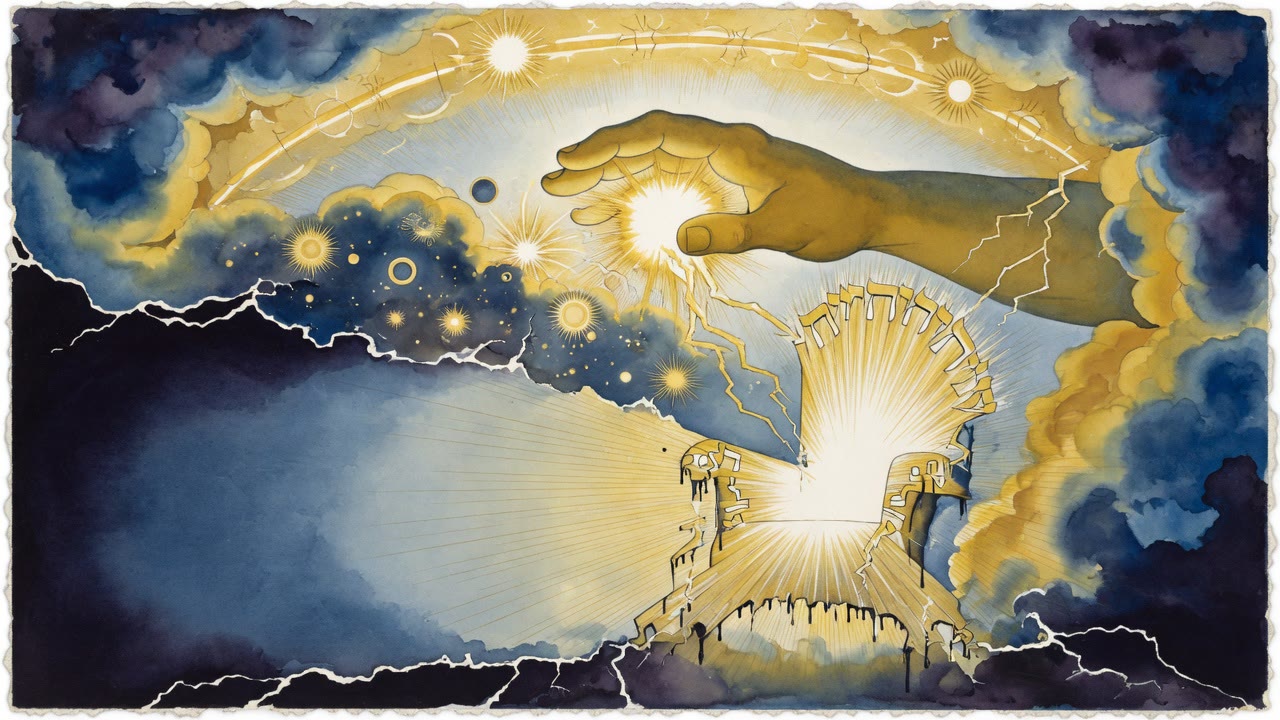
Bela sat on a throne of light until the light tore him. In a lower field a farmer put seed into a crack that had been only ruin.
Table of Contents
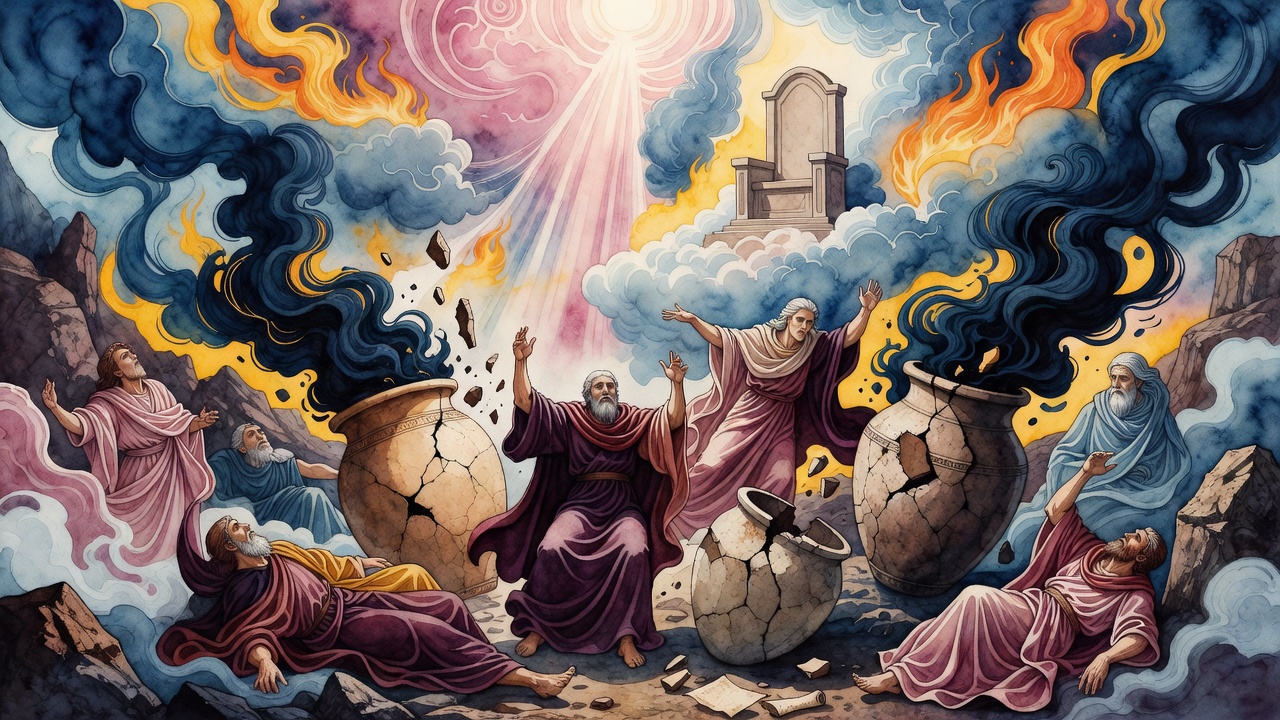
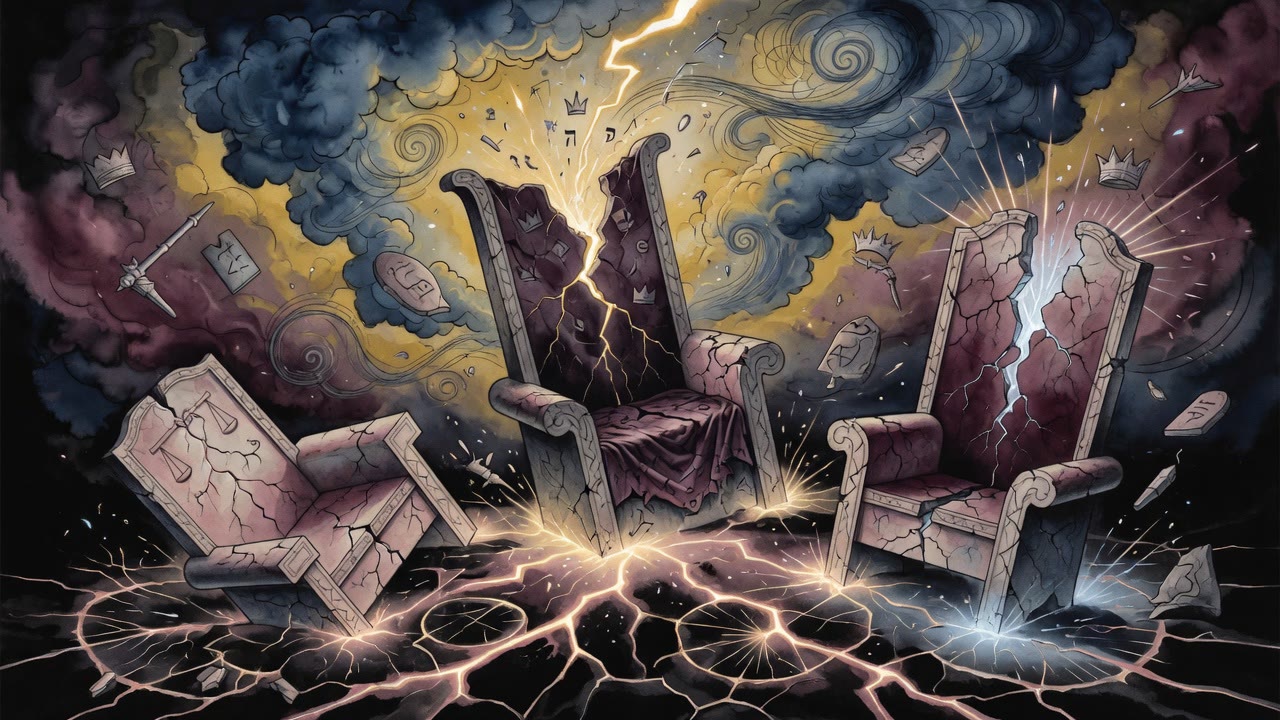
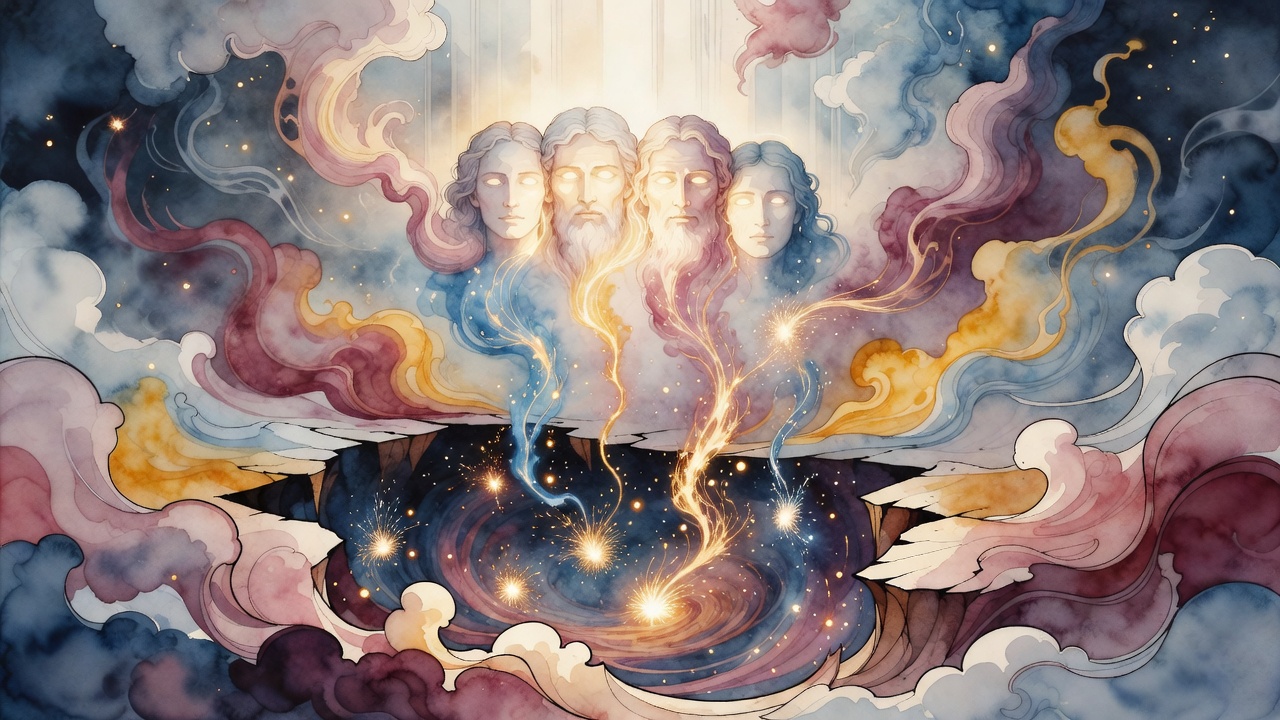
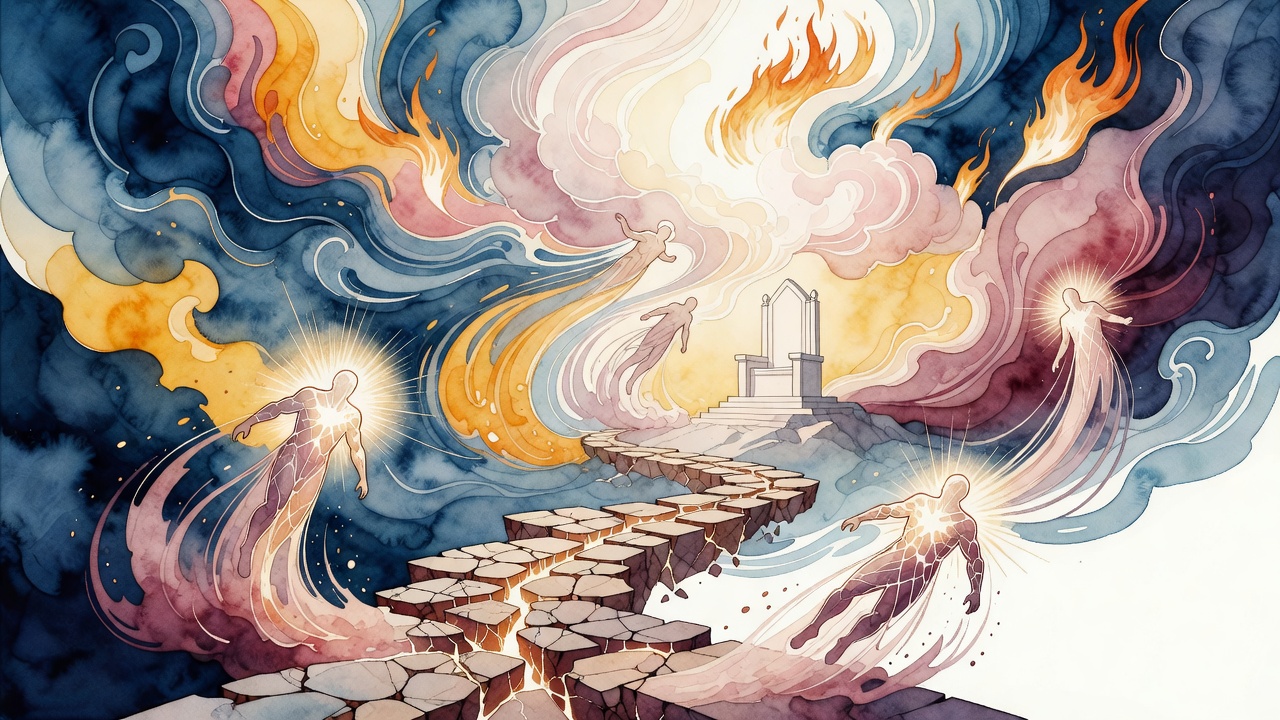
Bela son of Beor sat. The throne under him was light, and the light was too much. It tore. He died, and the seat did not keep his name. Jobab son of Zerah of Bozrah sat next. The same tearing. He died. King after king, before there was any king in Israel, took a chair that could not hold what it received.
 Click for full size
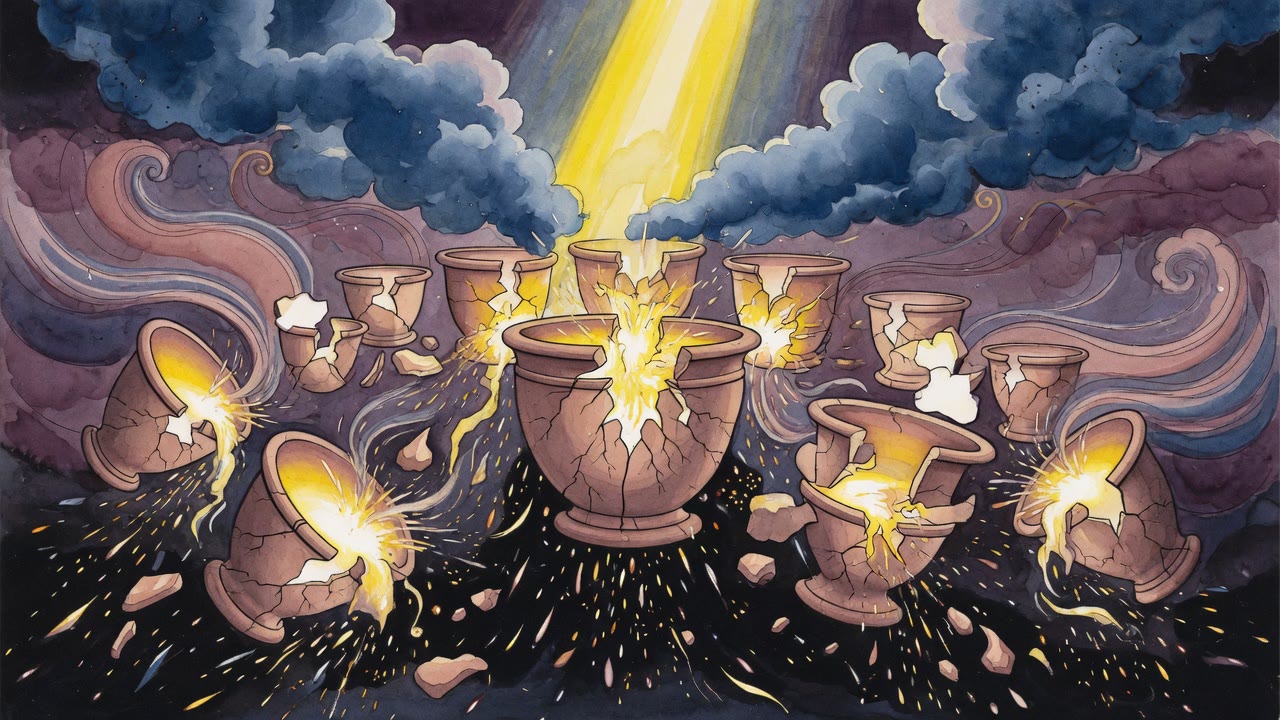
If there had been no damage in them, there would have been no destruction in the world. Their falling was not vandalism after the work was finished. It was the measure of how things fall apart.
The Kings Who Could Not Endure
In Padua a man named Moshe Chaim Luzzatto bent over a page and wrote that sentence as law, not as comfort. He did not gloat. He stated it the way a builder states that a beam will split if you load it past its grain. The early kings had already failed in light. Their failure had become the map of every later collapse.
A world that cannot break cannot be repaired. A world that cannot be repaired cannot host creatures who mend. He sanded the nib, dipped, and kept writing. Above, the kings had already sat and died. Below, a potter would one day watch a kiln fail and feel the same law in clay.
God was not two gods fighting. One government wanted endurance without making endurance automatic and cheap. The kings were the first test. They could not last. That was the point of seating them.
Damage Came First
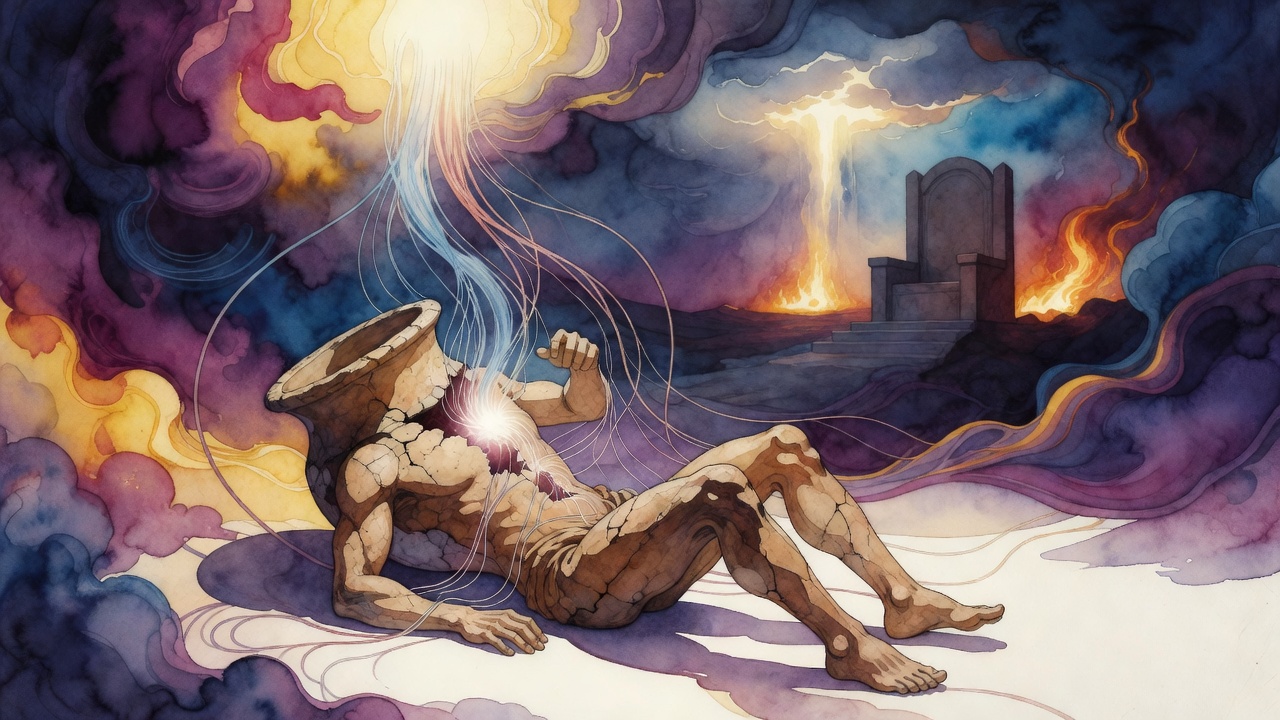
Damage preceded repair. The break came first. The mending is still in progress. Two beginnings, creation and destruction, move on the same beam. One raises form. The other tests whether form can stand. Sometimes one increases. Sometimes the other. They sit in one balance, and the cycle was measured on purpose so that human hands would have work left to do.
If the first repair had been finished, there would have been no further need for any kind of service. The damage was allowed to the degree that would leave a root for the cycle to continue. Luzzatto wrote that too, and then he set the quill down and pressed his palm to the page as if the ink might still run.
Waiting for home is the human name for living between those beginnings. A family packing for another move in exile lived it without charts. They folded cloth, counted children, and carried a hope that repair is real even when the road is longer than the map promised. Their footsteps were small tikkun (תיקון), a repair, whether they used the word or not.
A Farmer Puts Seed in the Crack
At the edge of a ruined field a farmer knelt. The soil remembered harvest and blight. He did not need the vocabulary of kings and thrones of light. He needed the same stubbornness the upper rooms practice. Raise form again. Brace it better. Refuse to treat the last collapse as the last word.
He dug. He put a seed into a crack that once would have been only a ruin. He packed dirt with the heel of his hand. He stood and looked at a sky that owed him nothing. Home remained ahead, not behind. The break had already happened. The mending still walked.
In a lower city a cracked wall held for one more winter because someone braced it with timber and prayer. The brace was small. The law it obeyed was not. Creation overpowers destruction one joint, one season, one refusal of ruin at a time.
Creation Must Overpower
It is not enough to create. Creation must overpower destruction so thoroughly that ruin finds no permanent throne. Luzzatto wrote the second hard sentence beside the first. When destruction held sway, it completely destroyed what existed. So a repair had to be instituted that would be the very opposite. The power of creation must hold complete sway so that destruction will no longer have any existence at all.
So far this has not come about. Everything needed for creatures to exist did come forth. What gives them endurance forever did not. On the contrary, the power of destruction still holds sway so as not to allow this perfection to exist. That gap is where human work fits, without arrogance and without despair.
A builder who only stacks stones without bracing them against wind has not finished building. God allows the contest. God also loads the scales toward life. The loading is not always visible in a single year. It is visible in the fact that repair is still possible at all, that a seed still answers a crack, that destruction has not been granted a clean victory in the original design.
The Mending Still Walks
The fallen kings are not only a tragedy. They are the measure of destruction itself, which means repairers can read the wound. Each crack teaches where light was too much for the seat, where isolation made a point too sharp, where judgment ran without kindness. Tikkun is not nostalgia for a past that never hosted free creatures. Tikkun is the long overpowering of a destruction that was invited so that love could be more than default.
In the upper calculation, endurance was never free. It had to be won against a destruction that knew the blueprints of every weak joint. That is why repair feels like work rather than a wish to go backward. A wish wants an uncracked past. Work wants a future strong enough to hold light without lying about the cracks.
The seed in the farmer's crack did not know it was answering a cosmic law. The law knew the seed. Bela's throne was already dust. Jobab's name was already a line in a list of the dead. The farmer watered once and went home. That was enough for one more season of overpowering.
← All myths