God Bound Hosea to a Harlot to Teach Him Not to Abandon Israel
When Hosea tells God to swap faithless Israel for a better people, God weds him to a harlot and lets him love her children until the words turn back on him.
Table of Contents
 Click for full size
The Prophet Who Would Trade Away a Nation
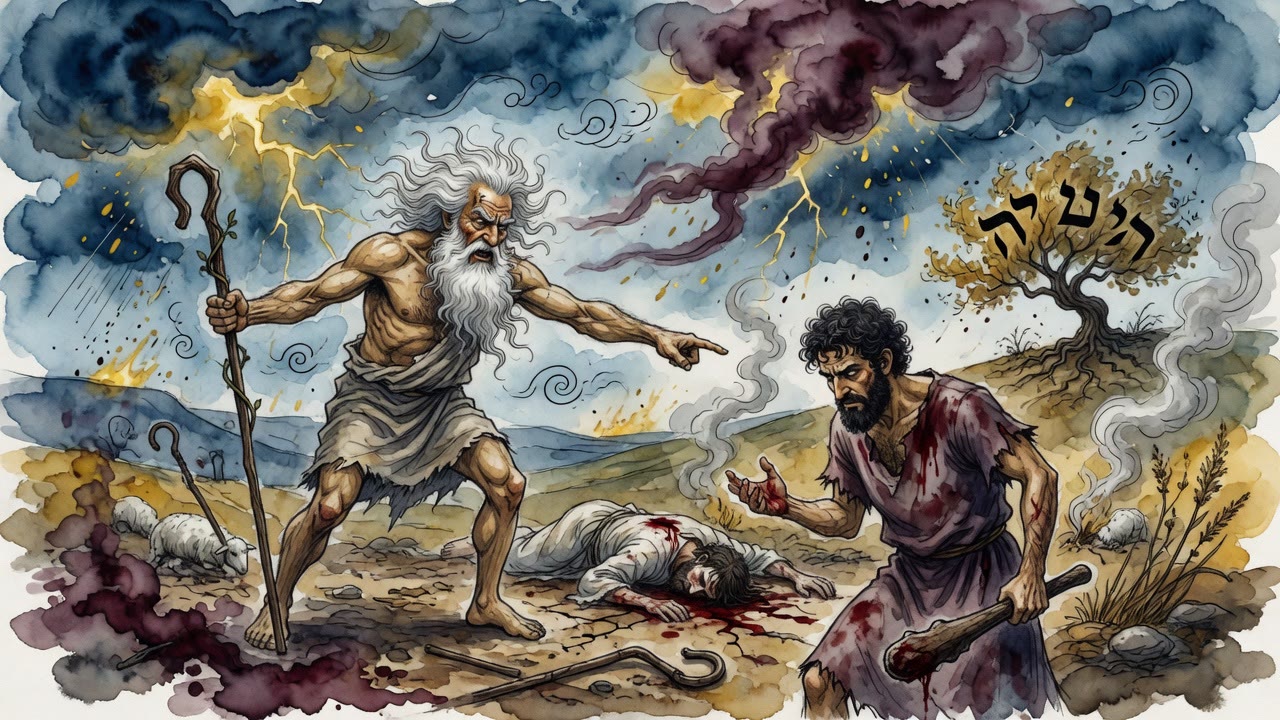
God came to Hosea son of Beeri with a grievance, the way a father comes to a friend about a child gone wrong. Israel had sinned. The high places smoked with strange offerings. The courts sold their verdicts. Justice went to whoever paid, and the people had forgotten who carried them out of Egypt. God laid the whole account before the prophet and waited.
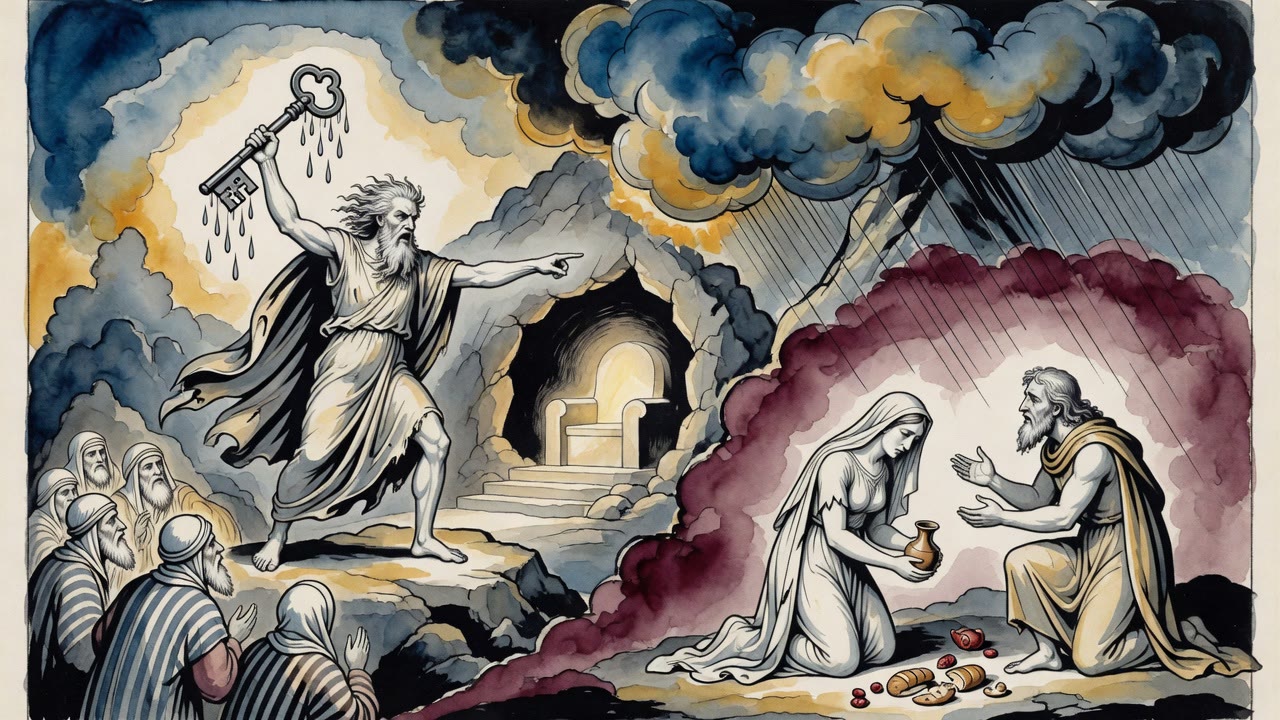
Hosea should have pleaded for them. That is the work of a prophet, to stand between the anger and the people and take the blow himself. Instead he answered flat. "O Lord of the world. The whole earth is Yours. Israel has failed You. Choose another people for Yourself from among the nations, and be done with these."
His father Beeri had been a prophet too, a prince in Israel, and of all Beeri's prophecy only two verses survived, folded away inside the book of another. Hosea carried that inheritance and still he spoke as if a nation were a coat a man could set down when it wore thin. God heard him out. Then God decided the prophet would learn what it costs to be bound to someone who breaks your heart, not from a sermon but inside his own house.
A Wife From the Ragged Doorways
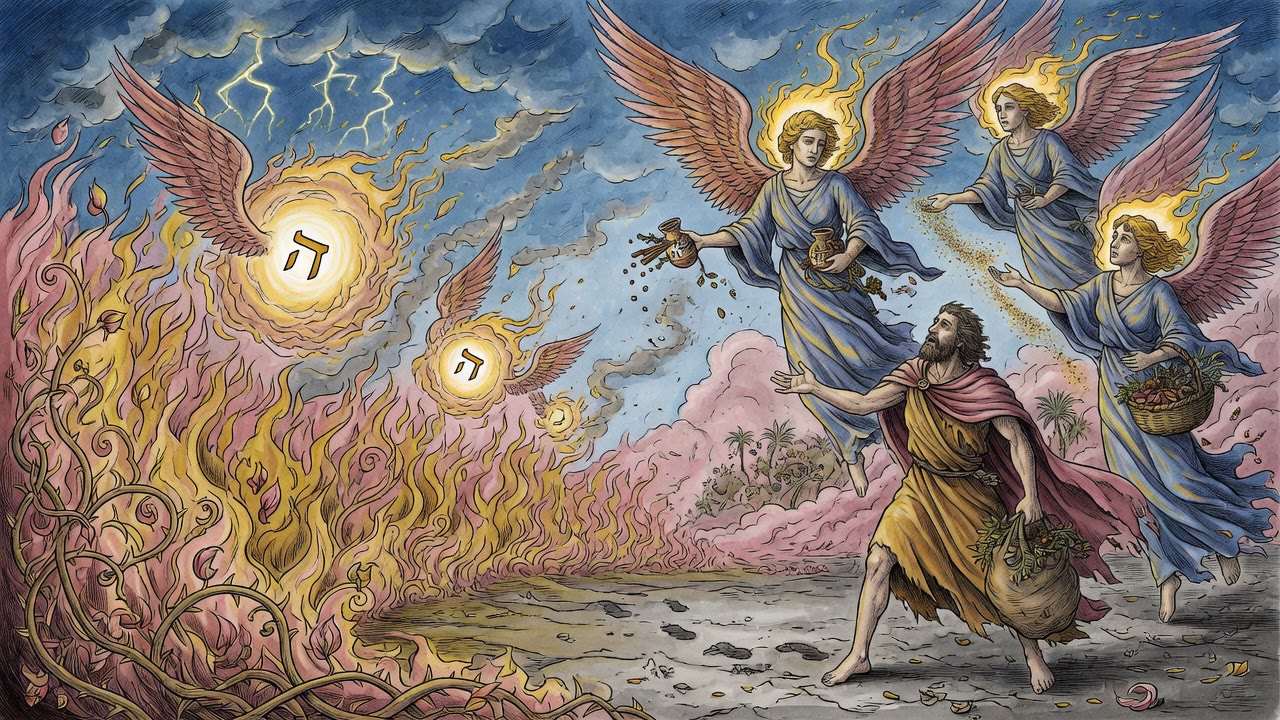
"Go," God said. "Take a harlot for a wife, and let her bear you children."
Not a righteous woman of a good house. A woman whose past hung on her like smoke, whose faithfulness Hosea would never once be sure of. He took her. The story keeps her name and her history in shadow, but her body did not stay in shadow long. She conceived and bore him a child, and then another, and then another. The house filled with the noise of them, the small hungers, the crying in the night, the hands that reached up for him whenever he came through the door.
And Hosea, who had told God to discard a whole people, found himself hauling water for a household he could not have chosen and could not stop loving.
The Children He Could Not Cast Off
When the children had come, God spoke to him again. "Why do you not do as your teacher Moses did? Once the word came to him, Moses set aside the comforts of a wife and a home and gave himself wholly to the task. Send this woman away. Put her out of your house."
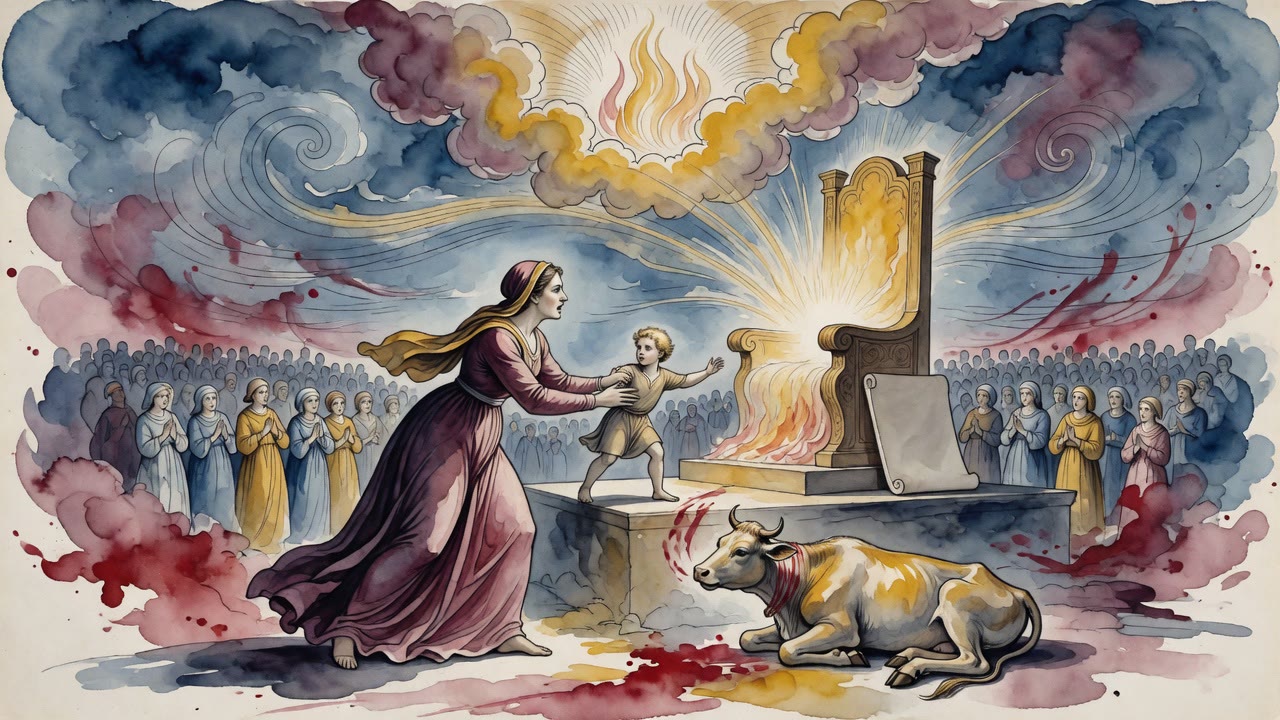
Hosea did not move to obey. For the first time he was slow, he was reluctant, he bargained. "I cannot send her away," he said. "I cannot write her a bill of divorce and turn her into the street. She has borne me children. Whatever she is, the children are mine."
He stood in the doorway of his own house with that answer, a man who doubted his wife and would not leave her, ashamed of the mother and unable to give up the sons. He did not yet hear the trap closing around him.
The Word That Turned Back on Him
Then God said the thing the whole marriage had been built to say.
"You have a wife of doubtful faith, and children you cannot even be certain are yours, and still you will not part from them. How then do you expect Me to part from Israel? They are My children, the children of My tested ones, of Abraham and Isaac and Jacob. You told Me to trade them for another people. Now look at your own doorway and tell Me again to do it."
Hosea understood. He had passed sentence on a nation in a single breath, and God had answered by making him love the very kind of ragged, unfaithful, unchosen household he had ordered God to throw away. He fell and begged forgiveness, sick with the weight of the words now that he knew what they carried.
God did not simply pardon him. "You would do better to ask mercy for Israel," God said, "because on your account I have sealed three decrees against them." The careless sentence had not floated off into the air. It had become judgment hanging over the people, and only the mouth that spoke it could call it back.
The Prayer and the Camel That Would Not Leave the Holy Ground
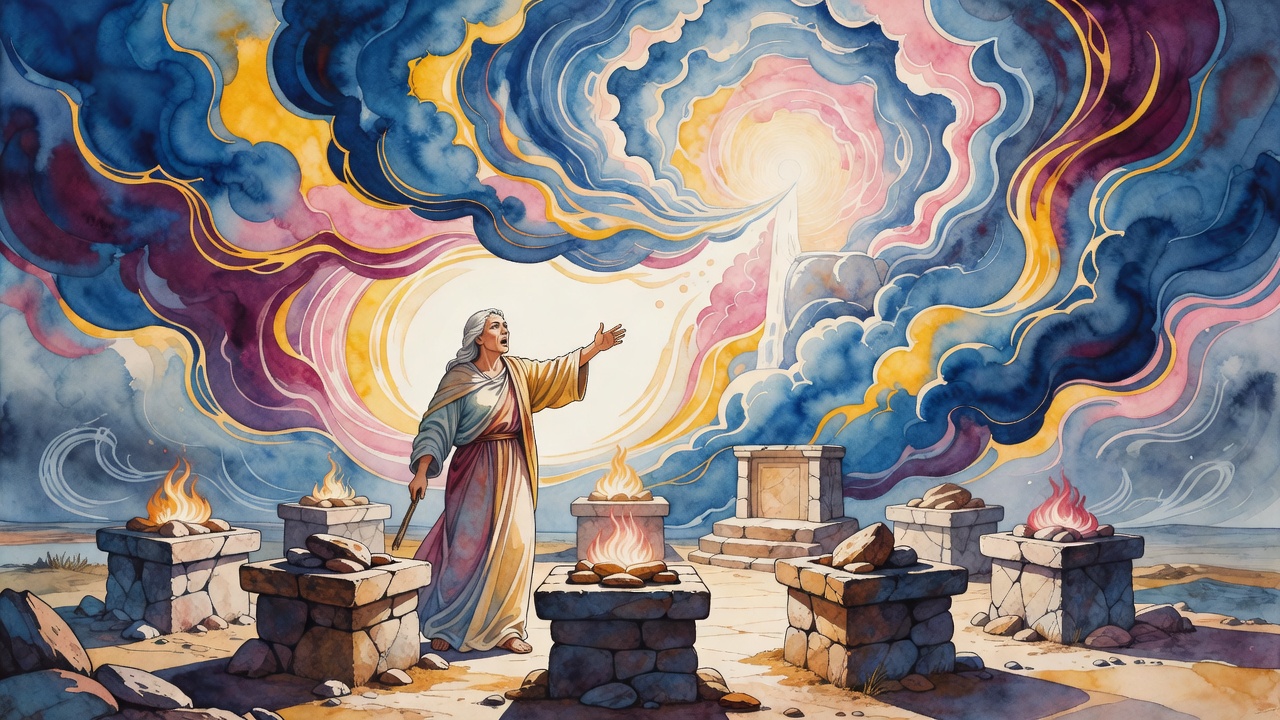
So Hosea prayed. The prophet who had asked God to abandon Israel now stood and pleaded for Israel, and his prayer turned the three decrees aside. The love God had planted in him through a harlot's children spilled back over the whole nation he had once been ready to lose.
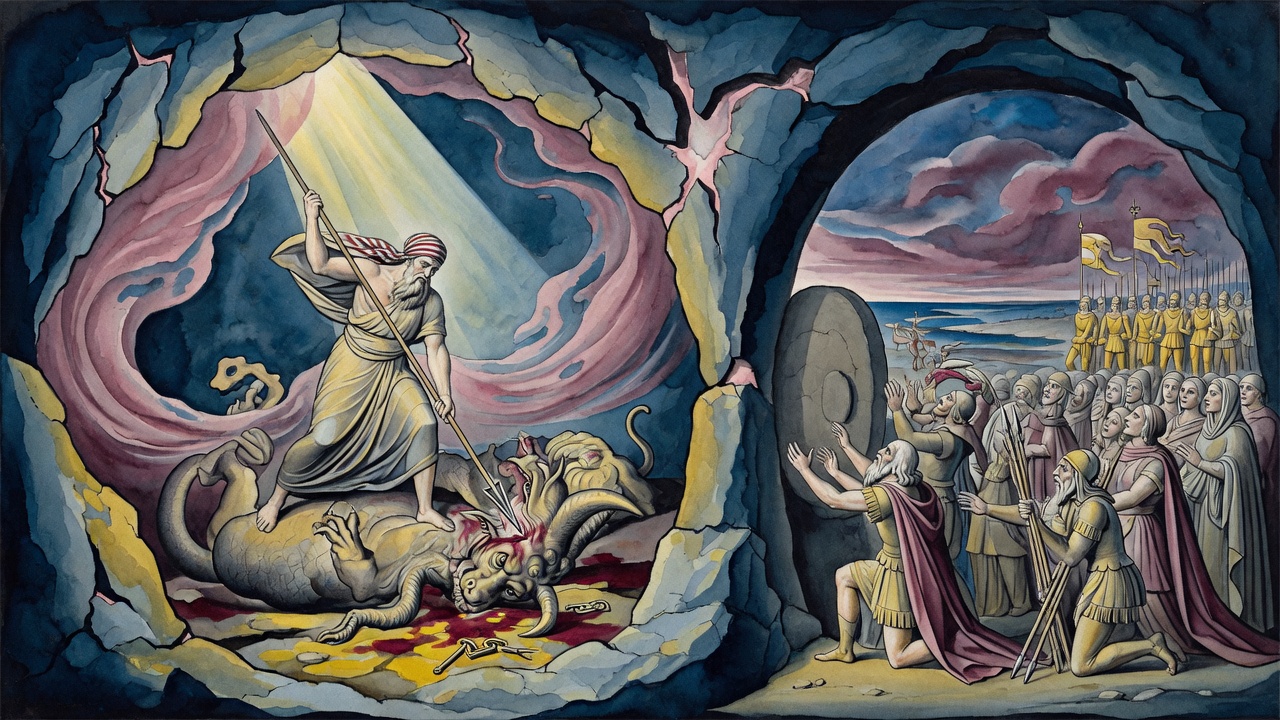
He lived out his years and died far from home, in Babylon, in the age when Tiglath-pileser was dragging Israel into exile. The road back to the holy land was long and murderous, and Hosea knew his body would never survive the passage alive. So he gave one last instruction. Lay him across a camel and let the camel go, untied and unled, free to wander wherever it chose, and bury him wherever it stopped.
The camel walked. It crossed the deadly miles without stumbling and climbed at last into the hills of Galilee, into Safed, and there it turned into the Jewish burying ground and stood still and would not take another step. A great crowd gathered and lowered the prophet into holy soil. Even in death, the man who once told God to let a people go could not himself be let go from the land.
← All myths