5 min read

Hands That Clap in Prayer Break the Judgments

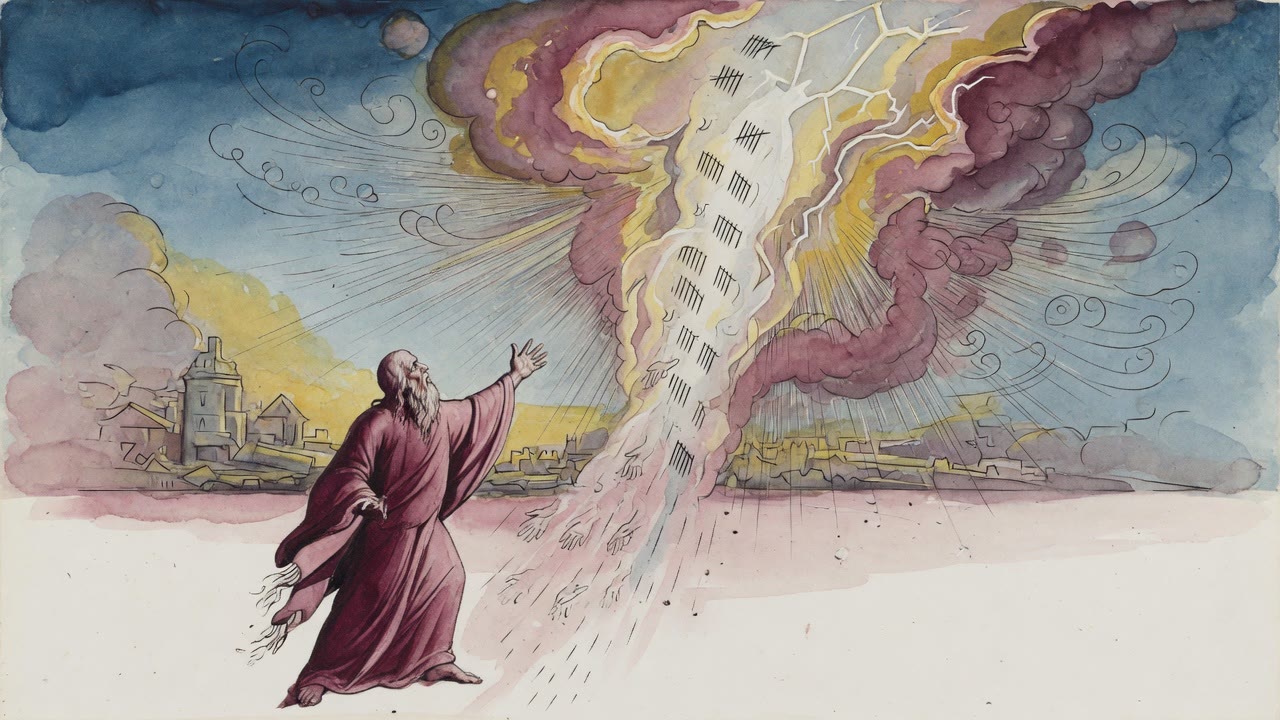
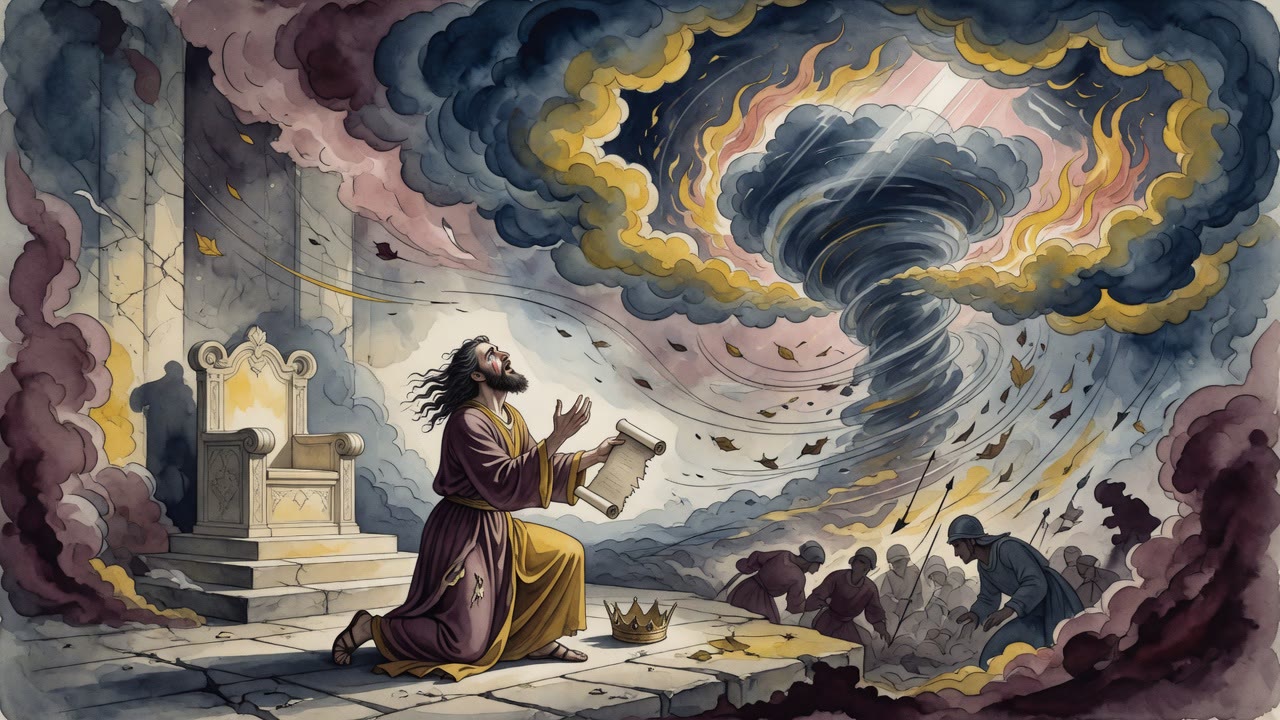
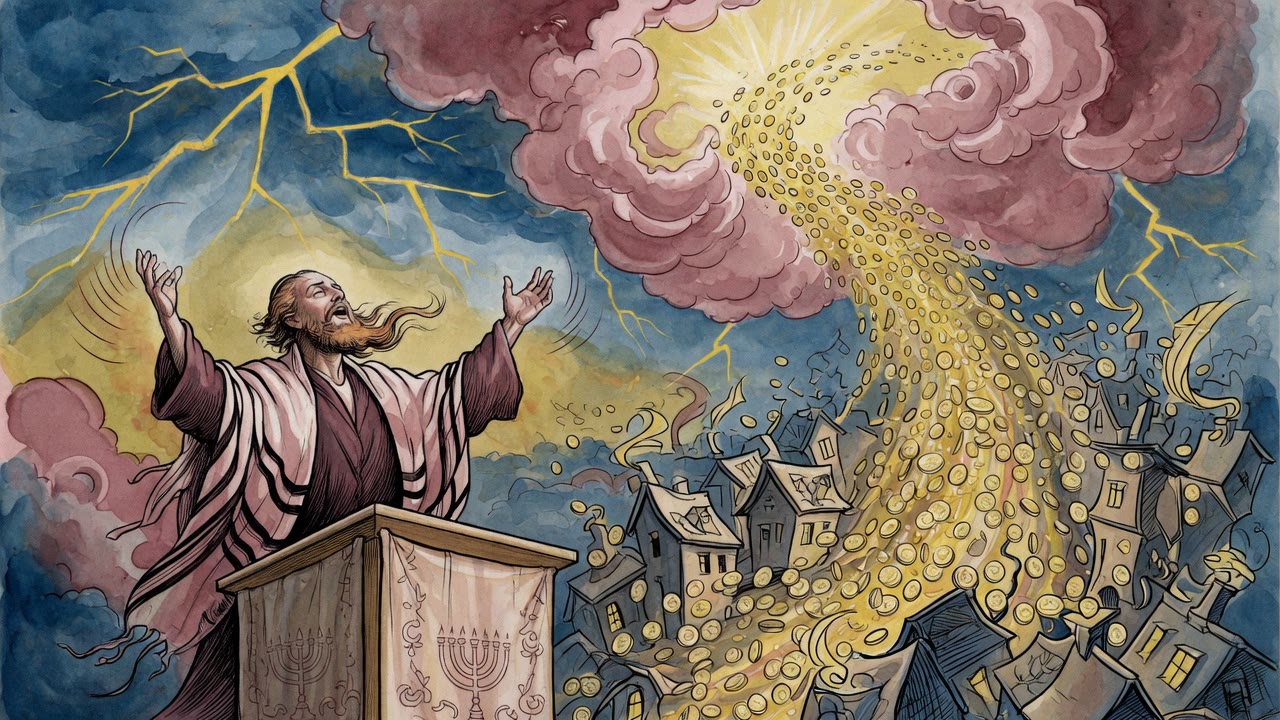
He struck palm against palm in the middle of the standing prayer until the room shook. Each clap was meant to open a lane the way the sea once opened.

Curated by Arthur · Told by Maggid ·
Table of Contents
  1. Twelve Gates, Twelve Lanes
  2. Clapping as a Breach in the Wall
  3. Morning Love and the Twice-Daily Witness
  4. When the Room Quiets

His palms met with a crack that made the nearest man flinch. Again. Again. The standing prayer was not a whisper that morning. Sweat ran into his eyes and he did not wipe it. Life, he had been taught, comes through prayer the way breath comes through an open throat, and a closed throat is already a kind of death.
Hands That Clap in Prayer Break the Judgments Click for full size

"Prayer to the God of my life," the psalm says, and Rabbi Nachman heard more than appeal in the line. He heard a channel. Force poured into the letters renews the one who pours. They are renewed each morning. Great is Your faith. And faith itself can be read as hands spread in prayer, the way Moses' hands were faith when they stayed up over the battle.

Twelve Gates, Twelve Lanes

There are twelve versions of prayer, he taught, for twelve tribes and twelve constellations. Each tribe has a gate in heaven. When a tribe prays, its constellation answers downward, and growth follows in the world that eats from stars and seasons. A star steps forth out of Jacob. A tribe stands up out of Israel. Standing up means the Amidah, the spine straight, the feet set.

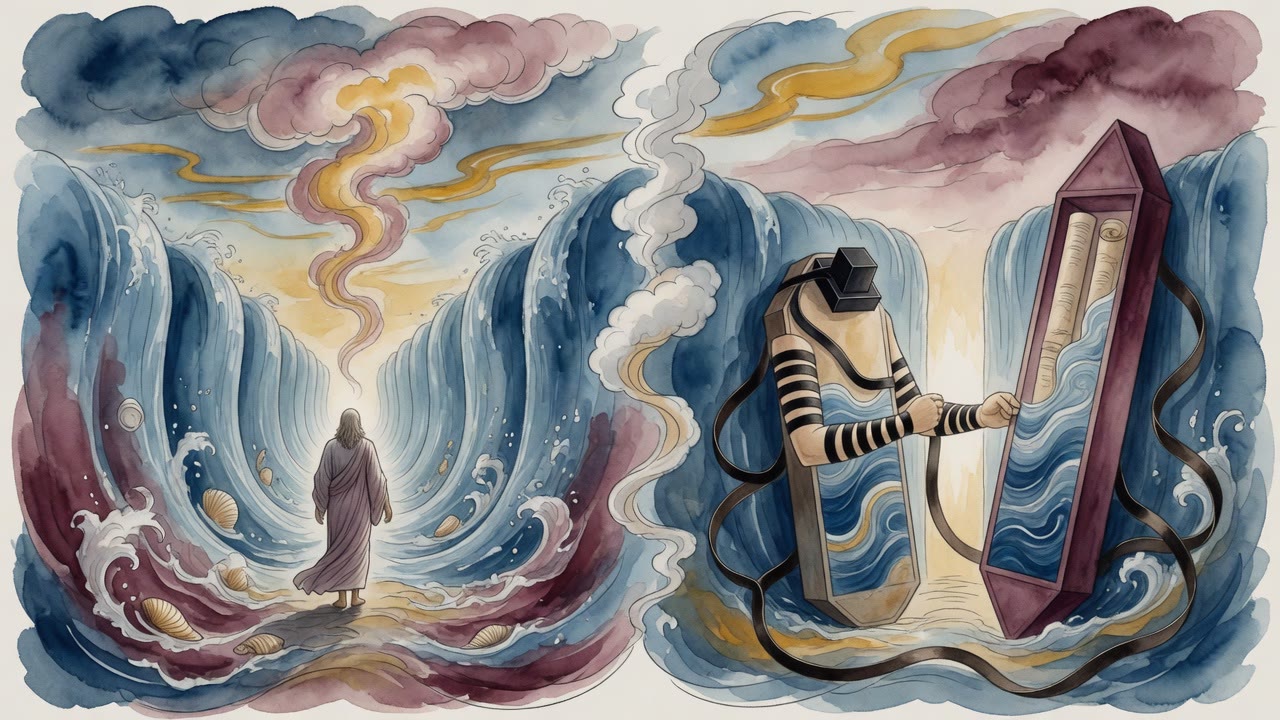
Livelihood and marriage are compared to the splitting of the sea because the sea once opened twelve lanes for twelve tribes. Prayer aims at a union between the Holy One and His Shechinah (the Divine Presence), and in proportion to that union a person receives bread and a partner. The cosmic wedding is not decoration. It is the weather system under which ordinary homes either dry out or drink.

Clapping as a Breach in the Wall

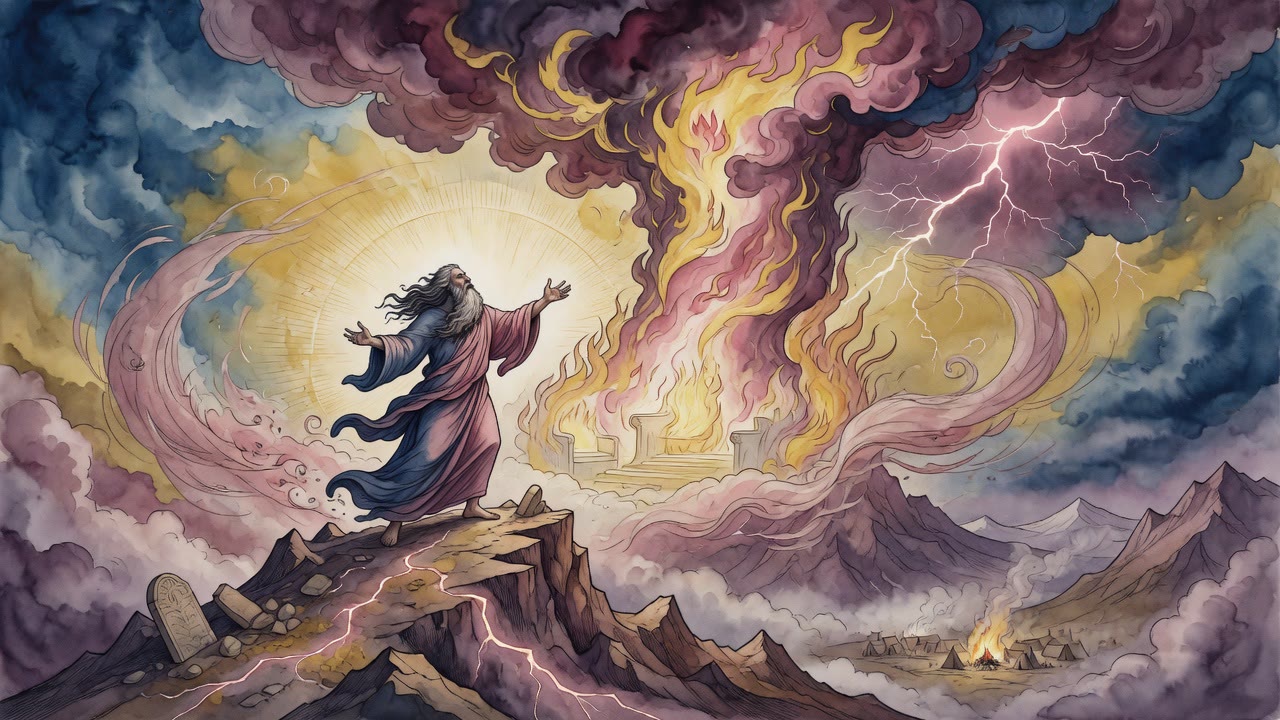
Clapping hands during prayer belongs to that work. The body becomes an instrument. Each clap is a small blow against the barriers of judgment, the way twelve lanes once broke the wall of water. Sound travels up. Judgment is not flattered by soft habits alone. Sometimes the palm must strike the palm until the sealed place remembers it can open.

A woman in the outer room heard the claps and thought of the sea without knowing why. Her own prayer that morning had been thin. She pressed her hands together without noise and felt, for one breath, less alone inside the thinness.

Morning Love and the Twice-Daily Witness

Morning service names the One who chooses His people Israel with love. The line is not only praise. It is an invitation to arouse that love from below, to stand in fear that is reverence rather than panic, and to join names in the mouth the way a lock joins pins. Then you will call, and the Lord will answer. The answer is not always soft. Sometimes it is a court and a presence both, the Shekhinah (God's indwelling presence) drawn close when the mouth does its work without theater and without sleep.

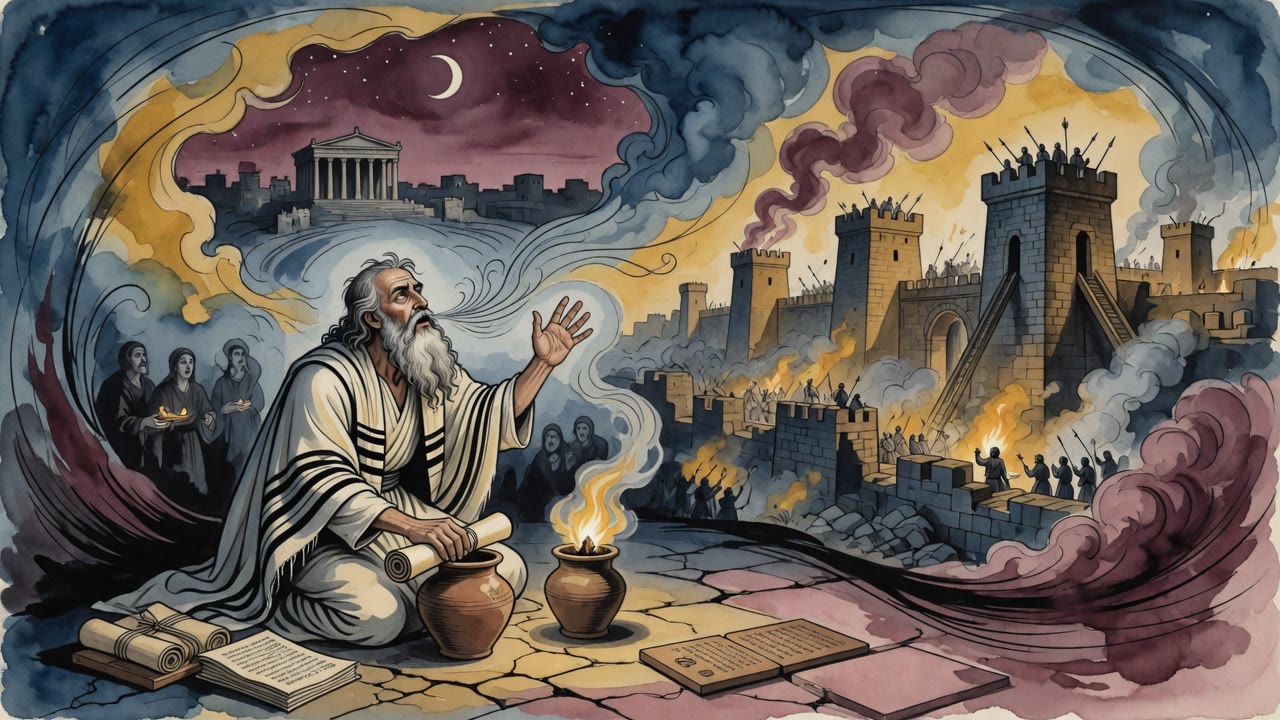
Twice a day the Shema (Hear O Israel) makes Israel a witness. Hear. One. Letters open into Name, brother, witness. A brother born for adversity protects her, the presence that dwells among the people, when the people still say the oneness without splitting it for convenience. Morning and evening the same claim. She has a husband. The house of prayer is not a lecture hall. It is a place where loyalty is spoken while the body still remembers night and day.

When the Room Quiets

He stopped clapping. The last echo went into the rafters and died. Around him men finished the standing prayer with ordinary mouths again. Something in the air had shifted a finger-width. No one wrote a report. The judgments that press a life into a corner do not always fall with trumpets. Sometimes they crack because a pair of hands refused to stay polite when life itself was the stake.

Outside, the street was the same street. Inside his chest the channel felt less blocked. He would clap again tomorrow if the blockage returned. The sea had twelve lanes once. The palms could still try for one.

Afterward he walked home with stinging palms and a lighter chest. His wife saw the red skin and did not scold. She had heard Rabbi Nachman's line about life and prayer enough times to know the bruise could be a kind of medicine. She set bread on the table and they ate like people who had survived a small sea.

In the next morning's Shema he lingered on One. The letters that open into witness felt less like scholarship and more like a hand on the shoulder of the presence that travels with a people who still bother to say the words. Love from below, awe in the spine, clap when the wall will not move. The tools differ. The aim is one channel unblocked enough for life to run.

A neighbor asked if God needs noise. He said God does not need noise. Blocked people sometimes do, until the lane opens and ordinary speech can carry again.


← All myths
From the tradition

Sources

3 sources

The texts behind this telling. Some cards carry a translation of the source; others are our own retelling of it, and each card says which. Every card links out to the original.

Likutey Moharan, Lesson 9Likutey Moharan (Rabbi Nachman)

Retold in our words. Read the original at the link below.Sefaria-hosted English translation · CC-BY-SA

The essence of life comes from prayer. Rabbi Nachman of Breslov derives this from a single verse: "Prayer to the God of my life" (Psalms 42:9). Prayer is not merely an appeal to the source of life. It is the channel through which life-force flows.

This is why a person should pray with every ounce of their strength, pouring all their energy into the letters of the prayers. When you do this, your energy is renewed. "They are renewed each morning; great is Your faith" (Lamentations 3:23). And faith is prayer, as we learn from Moses: "His hands were emunah (faith)" (Exodus 17:12), which the Targum renders "spread out in prayer."

Rabbi Nachman reveals that there are twelve versions of prayer, corresponding to the twelve tribes of Israel and the twelve constellations. Each tribe has its own gate in heaven through which its prayers enter. When a tribe prays, it arouses its corresponding constellation, and that constellation radiates downward, causing the vegetation and everything dependent on it to grow. "A star steps forth out of Jacob, and a tribe stands up out of Israel" (Numbers 24:17). "Stands up" refers to the standing prayer, the Amidah.

This is why the Talmud compares livelihood and marriage to the splitting of the Red Sea (Pesachim 118a; Sotah 2a). The sea split into twelve lanes for the twelve tribes (Pirkei DeRabbi Eliezer 42). Through prayer, the Jewish people bring about a union between the Holy One and His Shechinah. And in proportion to the union their prayer creates, they receive their livelihood and their marriage partner.

Clapping hands during prayer is part of this process. The physical act of clapping breaks through the barriers of judgment, the way the twelve lanes broke through the walls of the sea. The body itself becomes an instrument of prayer, and every clap sends ripples upward.

Full source
Tikkunei Zohar 89:19Tikkunei Zohar

Retold in our words. Read the original at the link below.Sefaria-hosted English translation · CC-BY

The Tikkunei (spiritual repair) Zohar, a mystical companion to the Zohar, offers a fascinating glimpse into how we can deepen that connection. The source turns to the 89th Tikkun, a section brimming with insights on prayer and divine relationship. How do we truly show love? The Tikkunei Zohar suggests that just as we are called to love God, we must also arouse God's love for us. It references the line from the morning service, "Who chooses His people Israel with love." It's not just a statement; it's an invitation, a call to action. We are meant to awaken that divine affection.

Here’s a crucial balance: We approach the Divine with love and with awe. The text emphasizes that when we stand before Him in prayer, it should be "in fear", not terror, but a profound sense of reverence and respect. It’s a recognition of the immensity and holiness of the One we are addressing.

So, how do we achieve this delicate balance of love and awe? The Tikkunei Zohar reveals a powerful secret: the combination of specific Names during prayer. Specifically, the text mentions those who "know to appease their Master appropriately, and to combine in their mouths, during their prayers, these two Names, which are: Y-A-Q-D-V-N-Q-Y."

This might sound a bit esoteric. What's the deal with these seemingly random letters? In Kabbalah, each letter is a building block of creation, a vessel of divine energy. Combining them in specific ways can unlock hidden channels of connection. We don't have explicit instructions here on how to pronounce or meditate on this name, but the implication is that it's a potent tool for deepening our prayer.

The Tikkunei Zohar then quotes (Isaiah 58:9): "Then you will call, and Y-H-V-H shall answer." But it adds a layer of interpretation. It equates Y-H-V-H (often read as Adonai, one of God's sacred names) with "He and His Court of Judgement" and then, crucially, with the Shekhinah (the Divine Presence).

The Shekhinah? What's that? The Shekhinah is often understood as the feminine aspect of the Divine, the immanent presence of God dwelling among us. Some versions of the text even associate this with "Higher Ḥokhmah and the Shekhinah," or simply Ḥokhmah ("Wisdom"). By connecting the Divine Name with the Shekhinah, the Tikkunei Zohar is suggesting that prayer is not just about reaching a distant God, but about connecting with the Divine presence within creation, within ourselves.

What does all this mean for us today? It's an invitation to bring intention and awareness to our prayers. To remember that we are not just reciting words, but engaging in a dynamic relationship with the Divine. To approach with both love and reverence. And to seek the Shekhinah, that spark of divine presence, in every moment. Perhaps, by doing so, we can truly awaken love, both within ourselves and in the cosmos.

Full source
Tikkunei Zohar 114:15Tikkunei Zohar

Retold in our words. Read the original at the link below.Sefaria-hosted English translation · CC-BY

It might be more true than you think.

The Tikkunei (spiritual repair) Zohar, a profound and expansive companion to the Zohar, unlocks some truly beautiful, and sometimes challenging, secrets of Kabbalah. In the passage from Tikkunei Zohar 114, we find a deep dive into the relationship between the divine, the people of Israel, and the very act of reciting the Shema.

" Who is this "Her"? In Kabbalistic thought, "She" often refers to the Shekhinah, the divine feminine presence, the immanent aspect of God that dwells among us. "Her Husband" is the divine masculine, the transcendent aspect. The people of Israel, through their prayers, are acting as witnesses, affirming the unwavering connection between the Shekhinah and the divine. It's a twice-daily affirmation of loyalty, a powerful declaration that "She" – representing the Jewish people and the divine presence within – has remained true to "Him."

This leads us to the Shema, that bedrock of Jewish prayer: "Hear O Israel, YHVH is our God, YHVH is One." (Deut. 6:4). In Hebrew, Sh'ma Yisrael, Adonai Eloheinu, Adonai Echad.

But the Tikkunei Zohar doesn’t just stop at the surface. It explores the very letters of the words themselves. "Sh'ma" (Hear), "Echad" (One). The letters of these words, we're told, form other words: Shem (Name), Ach (Brother), and Eid (Witness). The very act of proclaiming God's oneness, the very act of hearing and understanding this truth, creates a protective brotherhood. "Brother," ach, protects "Her" – the Shekhinah, the Jewish people. Why? Because, as (Proverbs 17:17) tells us, "..a brother is born for adversity."

And that protection isn't just a passive thing. It's active, it's present. "You are a ‘concealment’, seter for me," the passage quotes from (Psalms 32:7). God is our protection, our refuge. (Deuteronomy 28:6) adds, "Blessed are you in your coming.." There’s a blessing in our very arrival, in our presence, in our steadfastness.

The passage goes on to connect this to Judah: "Judah – you, your brothers will acknowledge.." (Gen. 49:8). Within the name Judah – YeHUDaH in Hebrew – is the divine name YQVQ (a variation of YHVH, the Tetragrammaton), and the letter Dalet (ד). The Dalet, the fourth letter of the Hebrew alphabet, is associated with humility and poverty, but also with strength and resilience. Through Judah, through this combination of the divine name and the Dalet, "She" – the Shekhinah – is preserved.

So, what does it all mean? On one level, it’s a complex Kabbalistic interpretation of scripture. But on a deeper level, it’s a reminder that our prayers, our declarations of faith, aren't just empty words. They are acts of creation, acts of protection, acts of connection. They weave us into the very fabric of the divine, linking us to something ancient, powerful, and enduring. When we recite the Shema, we are not just proclaiming God's oneness, but reaffirming our commitment, strengthening the bonds of brotherhood, and actively participating in the preservation of the divine presence in the world.

That the simple act of saying a prayer can have such profound and far-reaching consequences. Maybe next time you recite the Shema, you'll hear it with new ears, feel it with a deeper heart, and understand it with a more awakened soul.

Full source