Hanina Called the Lion a Weak King Then Ran to Apologize
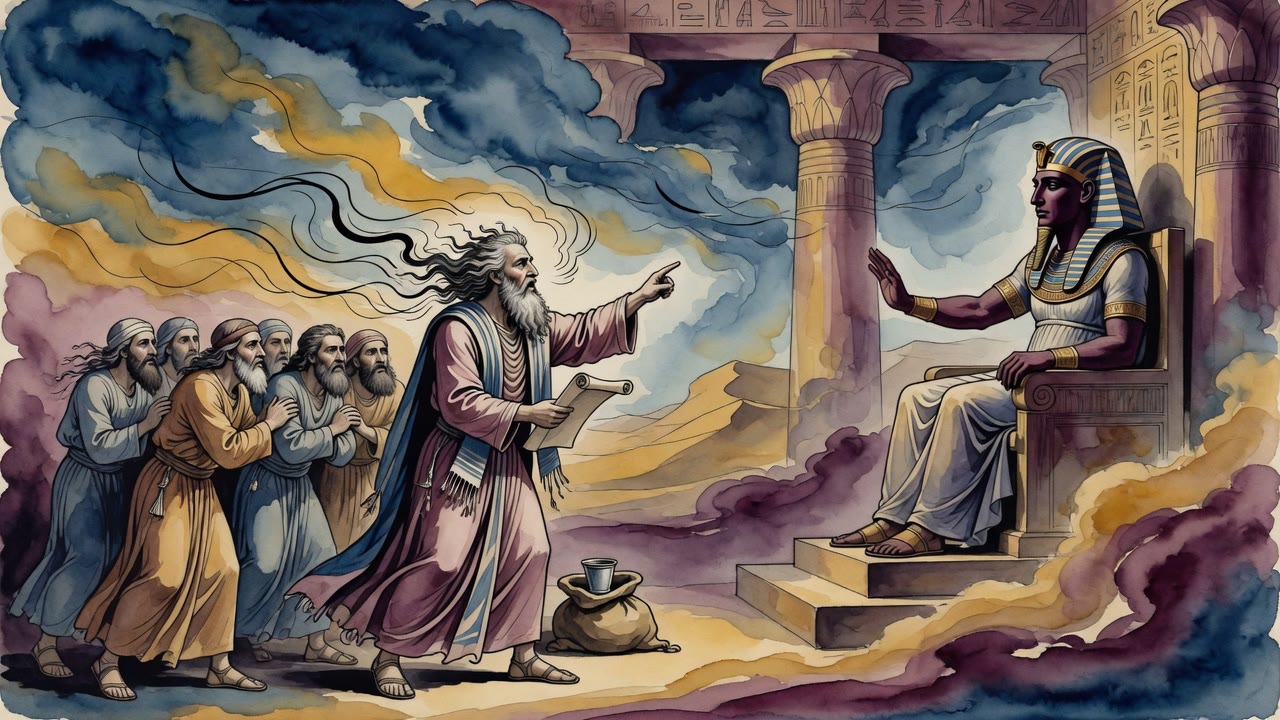
Rabbi Hanina shouted a lion off the road and then chased it down to take the insult back, and the same roar rose in Judah before Egypt.
Table of Contents
 Click for full size
The Road Where the Lion Would Not Move
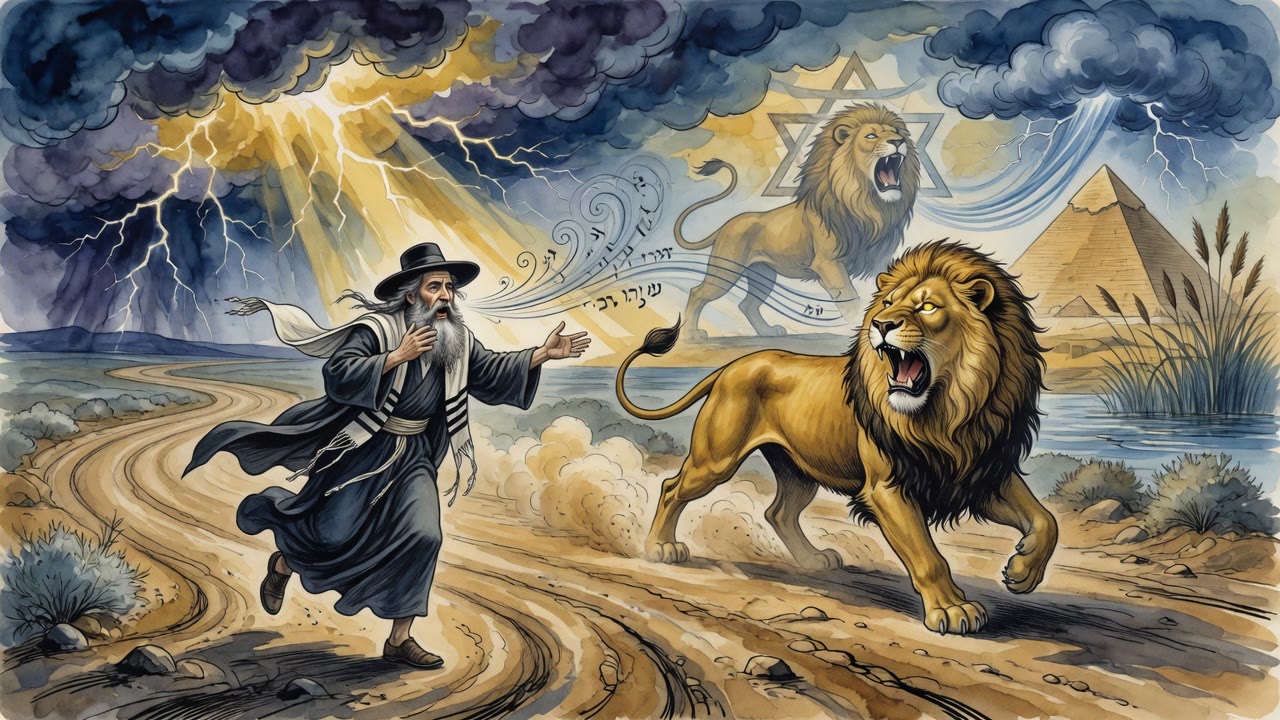
A lion stood in the road, and Rabbi Hanina ben Dosa did not step off it.
Everyone on those roads knew the rule about lions. The mightiest of beasts turns away for no one. Not for a loaded caravan, not for a king with soldiers three deep behind him. The road belongs to the lion for as long as the lion wants it, and the only question left to a man in front of one is how fast he can reach a wall.
Hanina kept his hands at his sides and shouted at it.
"O weak king," he called, "did I not adjure you not to be seen in the land of Israel?"
The animal broke. It swung its weight around in the dirt and ran, and the dust hung there after the sound of it was gone.
Then Hanina chased it. An old man went down that road after a fleeing lion, shouting at its back the way a debtor shouts after a creditor. "Forgive me for calling you weak, when He who created you called you mighty."
The oath had held. What would not sit right was the word. Heaven had named that animal the strongest thing that walks, and Hanina had reached for the one insult that would move it fastest. He wanted the lie off the road before nightfall.
Nothing Turns an Ox but a Lion
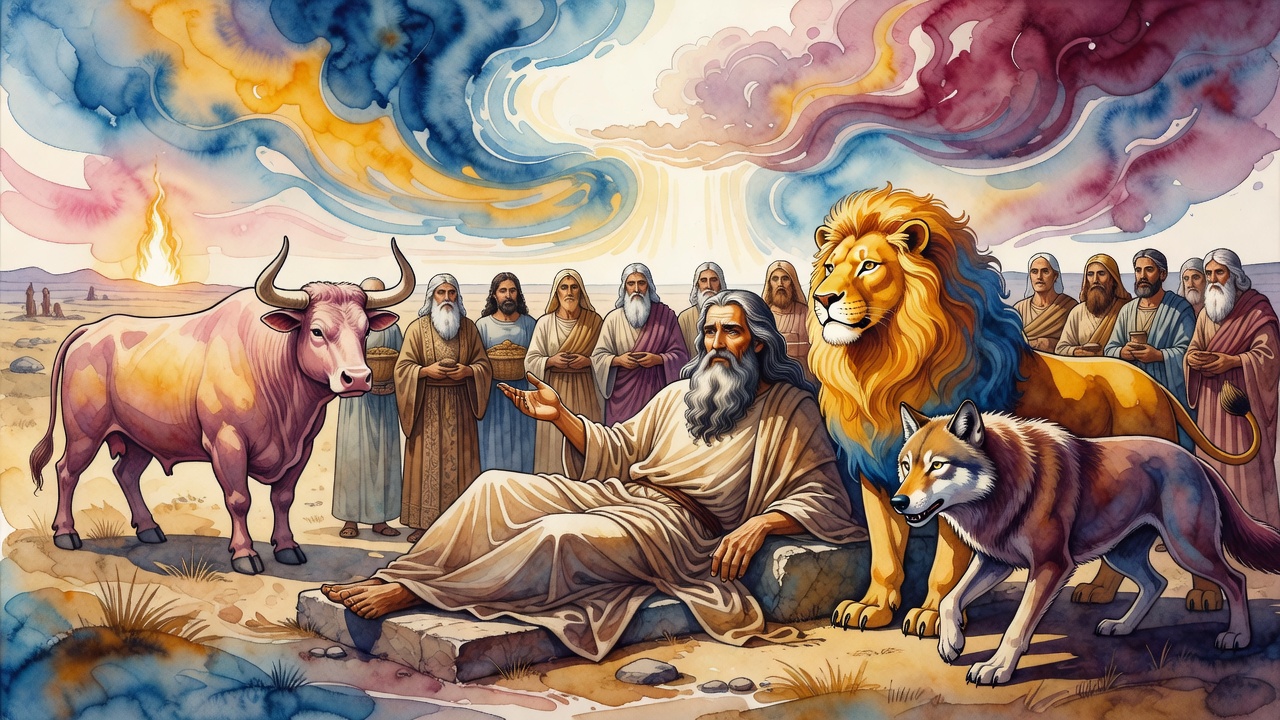
Years later, in a study hall far from that dust, Rabbi Joshua ben Nehemiah put a question to the room. Who can prevail over an ox? Not a wolf. Not a man with a rope, not another ox. Only a lion.
He was not talking about cattle. Joseph was the ox. The blessing laid on him named him a firstling bullock with majesty on him, and by then the majesty was in hand, a signet on his finger and the grain of an empire under his seal, ten brothers face down on the floor and not one of them knowing his name.
Judah was the lion's whelp. His father had said it over his head.
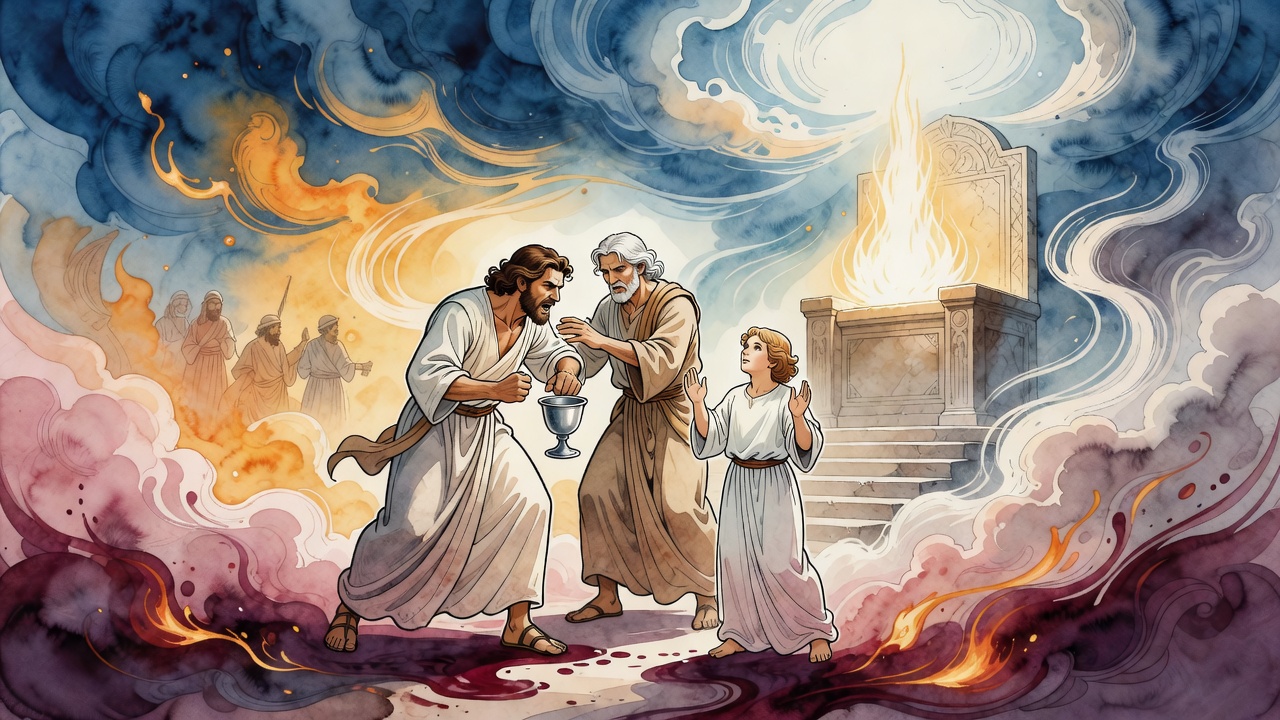
So when the silver cup came up out of Benjamin's sack and the doors swung shut, the brothers did what men do in a foreign court, which is nothing. One of them walked forward. The lion came near to the ox.
Two Hairs Through the Cloth and a Coin Between the Teeth
Judah's body announced his rage before his mouth got to it. When his anger climbed, two hairs pushed out from his heart and came through his garments, standing up in the cloth for anyone to see.
He also knew how to feed it. He carried a copper coin the size of a bean in his purse, and when he wanted the fury taken all the way up he put the coin in his mouth and ground his teeth on it until the anger stood at full height.
That was the man crossing the floor toward the throne of the viceroy of Egypt.
The Viceroy Counted What Was About to Be Lost
Joseph watched the two hairs come up through the linen.
He had been reading men for years, men who came for grain in good clothes to hide what the famine had taken out of the house. This one he read from the dais. The wrath of a king goes out like messengers of death, and only a wise man who talks it down can turn it back. Pharaoh had said there was none so discreet and wise as Joseph, and none of that was worth a handful of chaff against what was walking toward him now.
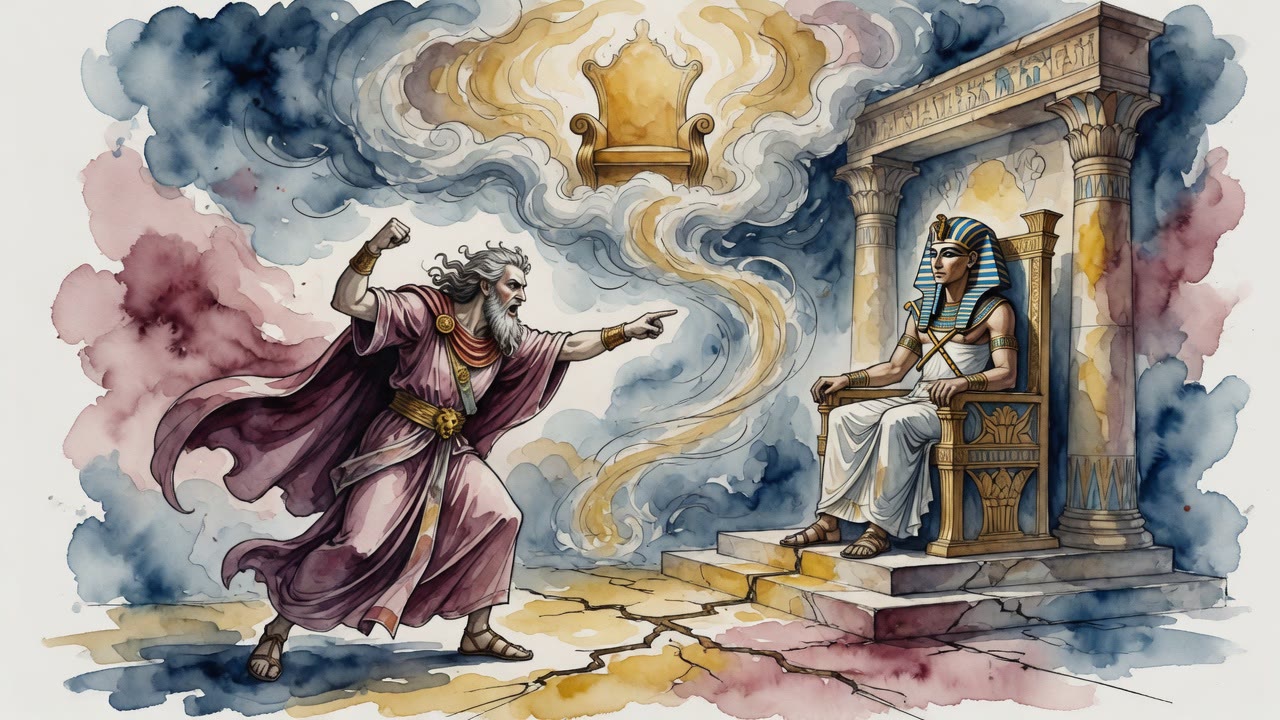
"Now Egypt will be destroyed," Joseph said.
Not the brothers. Not Benjamin. Egypt.
Rabbi Simeon ben Lakish knew what happens in that grip. Two men have hold of each other, and one feels the floor coming up and knows he is about to be thrown down in front of everybody. So he does the thing that looks like surrender and is actually a rescue. He kisses the stronger man's hand, the anger drains out of the other one's arms, and the fall never arrives.
Joseph did not wait to be thrown. He cleared the Egyptians out of the room, and what came out of him then was loud enough to carry into the house of Pharaoh.
"I am Joseph, your brother."
The Lawsuit Heaven Agreed to Drop
Before any of it broke open, there was Judah's own voice in that hall.
The lion had come near, and what came out of him was not a roar. "Please, my lord." My lord asked his servants. My lord said. At the end of it, with nothing left in his hand to trade, he offered the only thing he still owned outright. Let your servant stay here in the boy's place, and let the boy go up with his brothers.
The coin stayed in the purse.
Heaven had a case pending against that man. The prophet had read it out, a lawsuit with Judah, the charges named and the file open. Into the room where Judah stood bent, saying please to a stranger, the answer came down.
"You have slackened from your former strength and spoken supplications. By your life, though I said I have a lawsuit with Judah, I am gracious, and I will have compassion upon you. I will not contend forever."
Forever was not a stretch of time in that ruling. It was a name. Judah shall abide forever, and the word had been sitting inside that promise the whole while, like a coin in a purse, waiting for the day the lion decided to bend instead of kill.
← All myths