Hannah Prayed Korah's Company Out of Sheol
The earth had closed over Korah and Rabbi Akiva ruled that they were never coming up. Then a woman at Shiloh stood and sang about a son.
Table of Contents
 Click for full size
The Ground Opened Under Them
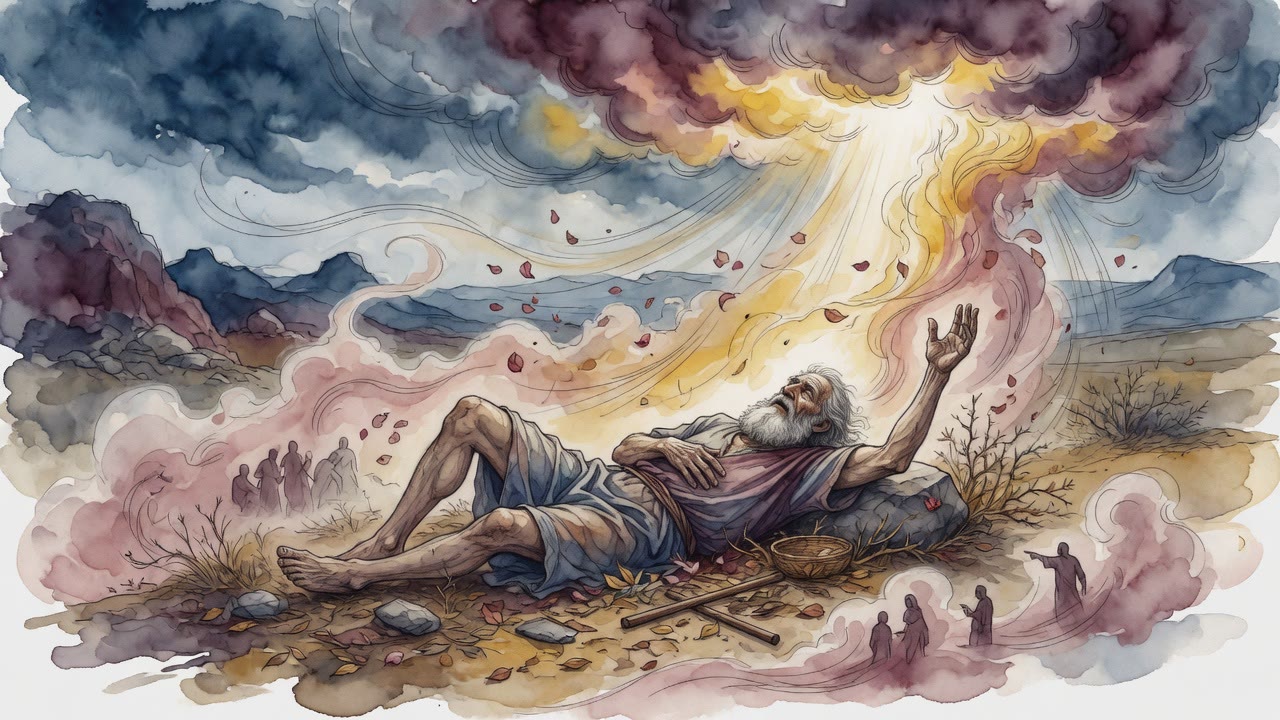
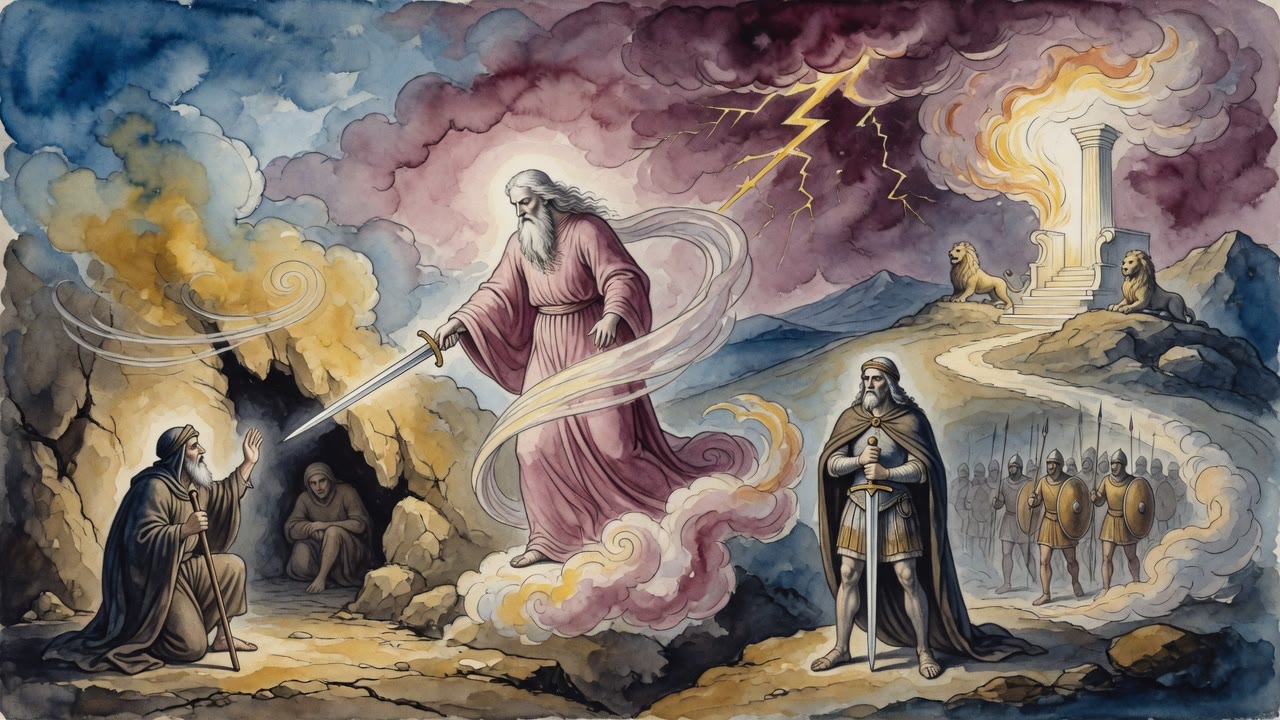
Korah came out and stood at the door of his tent with Dathan and Abiram, and their wives, and their sons, and the small children, and Moses told the people to back away and not touch anything belonging to them.
Then the ground under their feet split.
It opened its mouth and took them. Them, their households, every living thing that was theirs. They went down alive into Sheol (the underworld of the dead) with everything they owned, and the earth closed over the top of them, and they were gone out of the middle of the assembly. Israel, standing around the edge, heard them crying on the way down and ran, because they said the earth was going to swallow them next.
As far as anyone standing on that ground could tell, that was the end of it.
They Are Not Coming Up
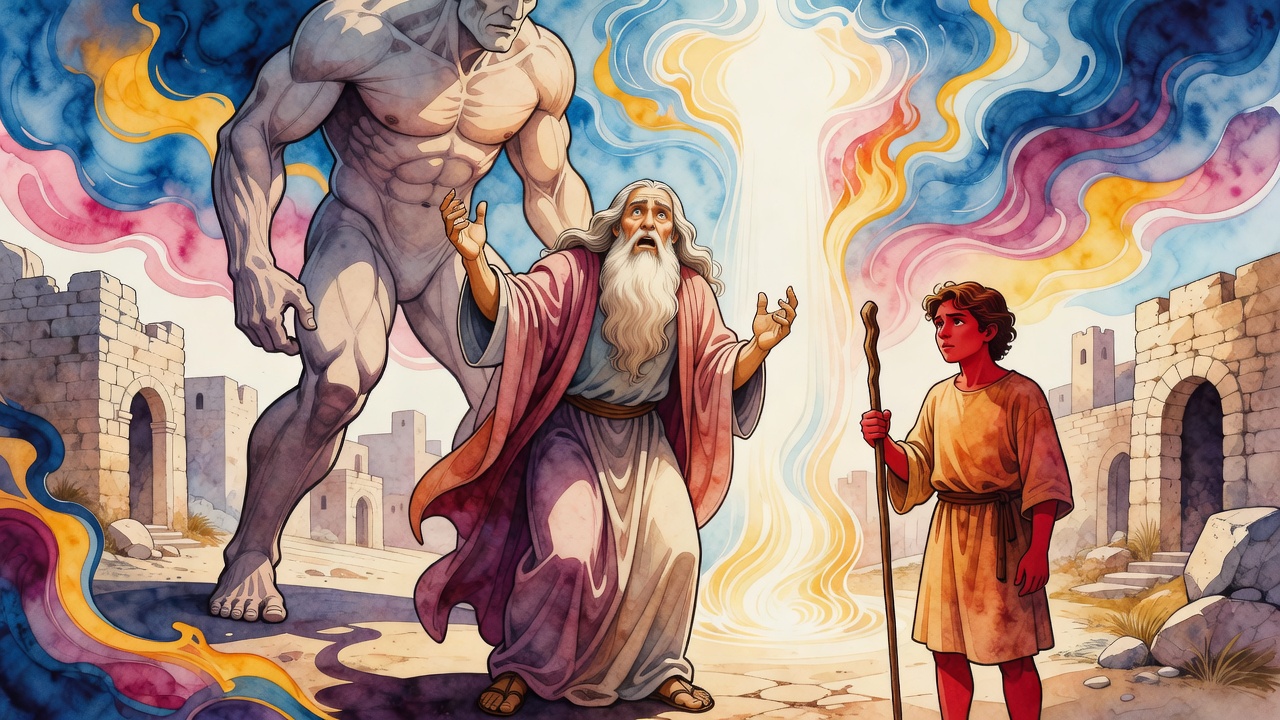
Generations later the question was still open in the study house, and Rabbi Akiva closed it.
The congregation of Korah is not destined to rise. He read it straight off the verse. The earth covered them, and that is this world. They perished from the midst of the assembly, and that is the world to come. Buried twice over. Nothing left to raise.
Rabbi Berekhiah, in the name of Rabbi Helbo, had heard something worse than a verdict. Their names had been lost from under the registers where names are kept, as though someone upstairs had gone back through the ledgers and scraped the ink off the page.
A Woman at Shiloh
She went up year after year and came home the same.
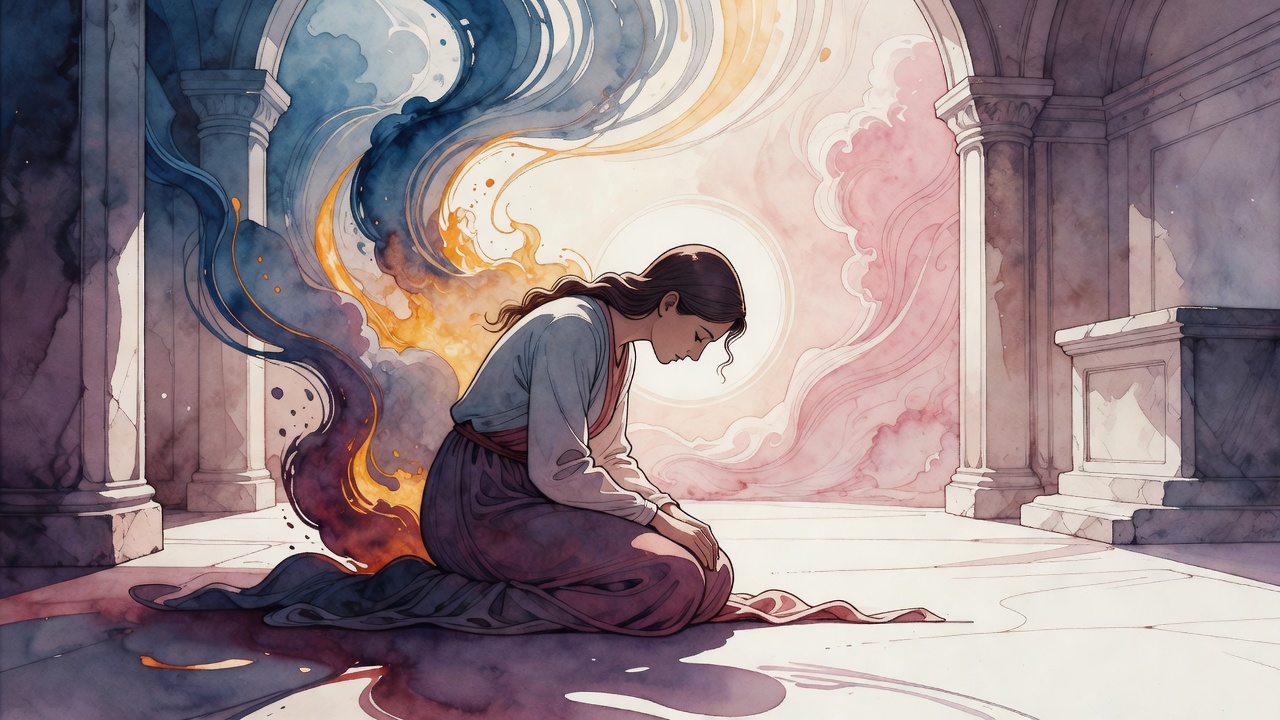
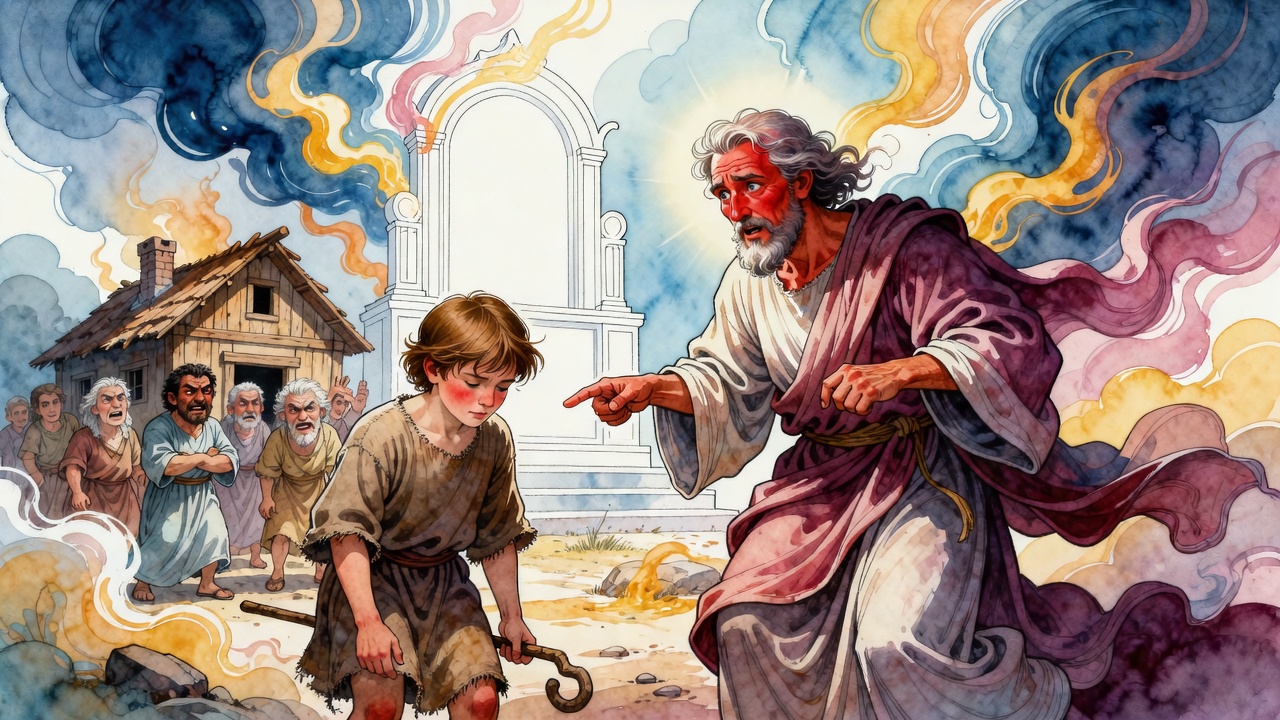
The other wife in the house had children and used them, and made a point of it at the festival meal until Hannah could not eat. So she went up to the sanctuary and prayed with her lips moving and no sound coming out of her, and the priest sitting by the doorpost watched her mouth and decided she was drunk and told her to put the wine away. She told him what she actually was. She went home, and ate, and her face was not sad any more.
She got a son. She kept him until he was weaned, and then she walked him up to Shiloh with three bulls and a skin of wine and a measure of flour and left him standing there.
Then she stood up in the sanctuary and sang.
The Line That Went Down After Them
It was not a lullaby. It was about bows breaking, and full men hiring themselves out for bread, and a barren woman bearing seven. And in the middle of it, one line:
The Lord kills and makes alive. He brings down to Sheol, and He brings up.
Rabbi Elazar said that line was spoken about Korah's people. Not about anybody else. About them.
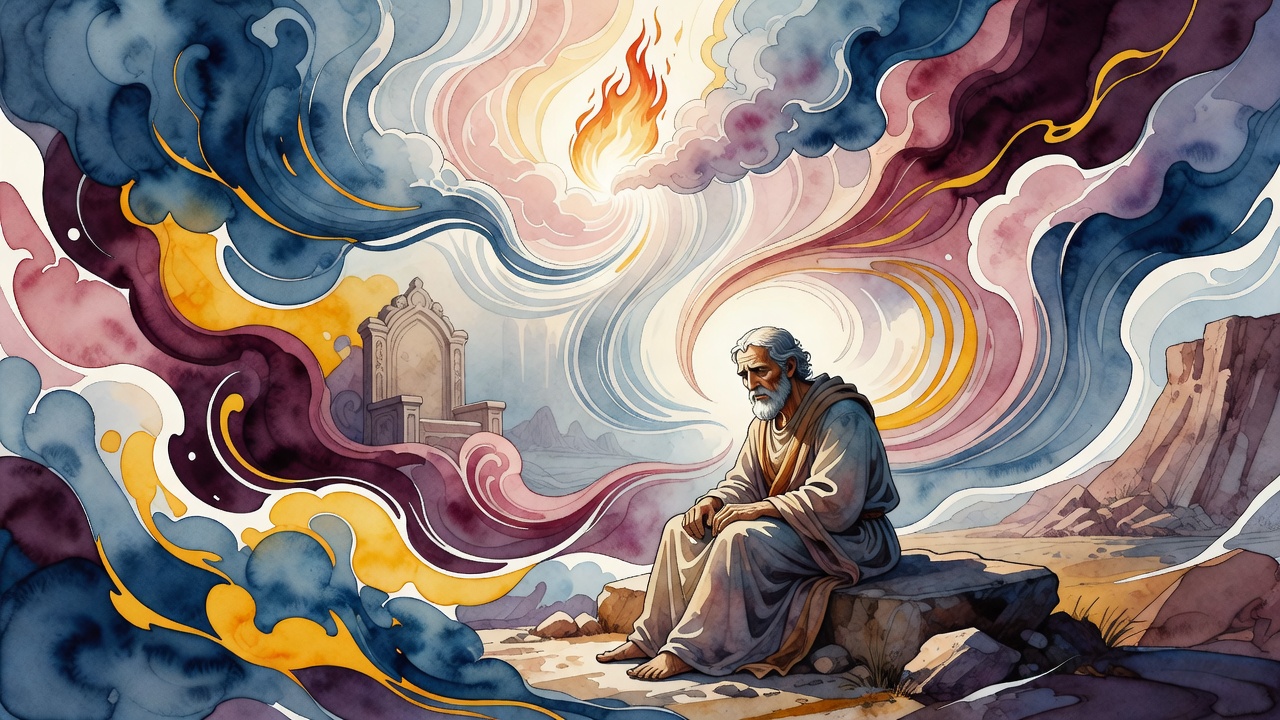
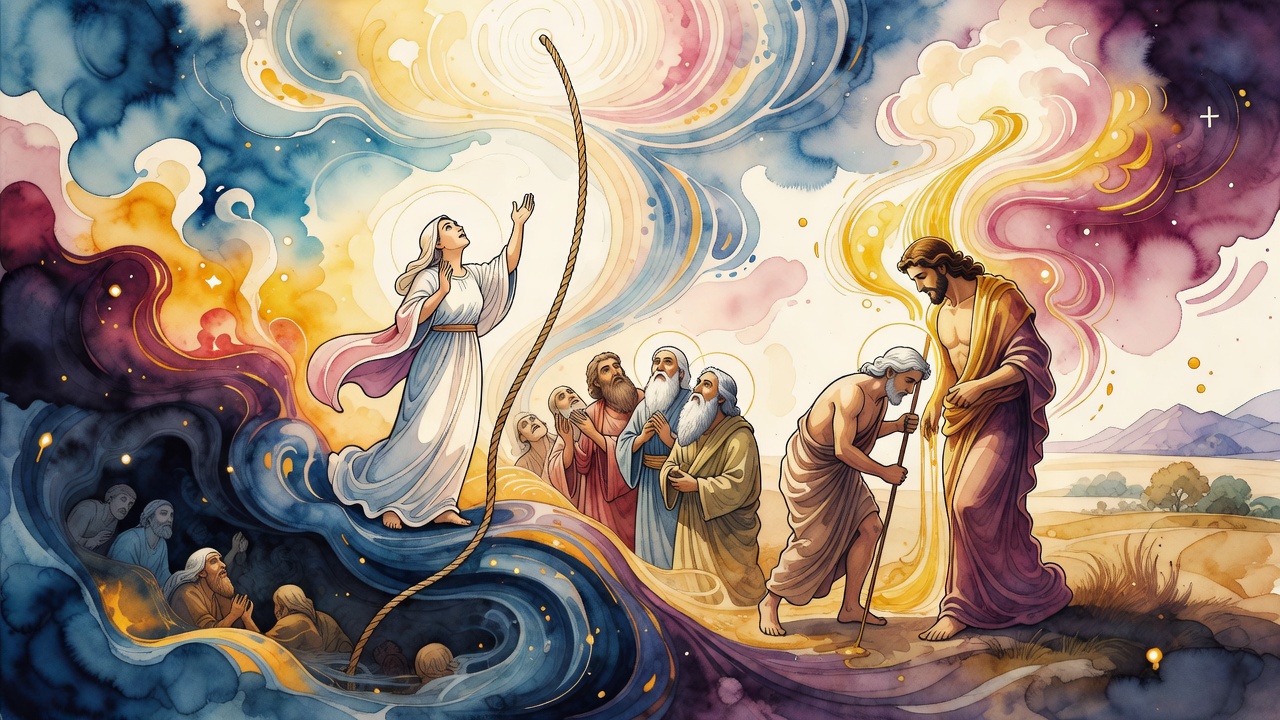
And Rabbi Yehoshua ben Levi, in the name of Rabbi, said the thing that changes the floor under the whole story. Korah's congregation had never landed. All that time they had been sinking, going down and down through the depths, still falling, for as long as it had taken. Until Hannah stood up and prayed for them.
She Was Not Praying for Them
She was thanking heaven for a boy she had just handed over to a priest.
Nothing in her mouth was aimed at rebels. She had a barren woman's whole case to make, and the sentence about Sheol was in it because a woman who has been treated as a closed grave will say out loud that God opens graves. It left her mouth at Shiloh and it kept going. Past the priest at the doorpost, through the roof, down through whatever lies under the floor of the world, until it caught up with a congregation that had been falling since the day Moses told the camp to step back.
Akiva was not being cruel. A rebellion against Moses at the door of the Tent is not a story a tradition can afford to make attractive. He sealed it, and he had the verse to seal it with.
The gentler reading does not open the ground back up. It only says the falling stopped.
← All myths