Hezekiah Would Have Broken the Zohar Open
Moses raised a bronze serpent so the bitten would live. Later they burned incense to the metal. A king smashed it with a hammer.
Table of Contents
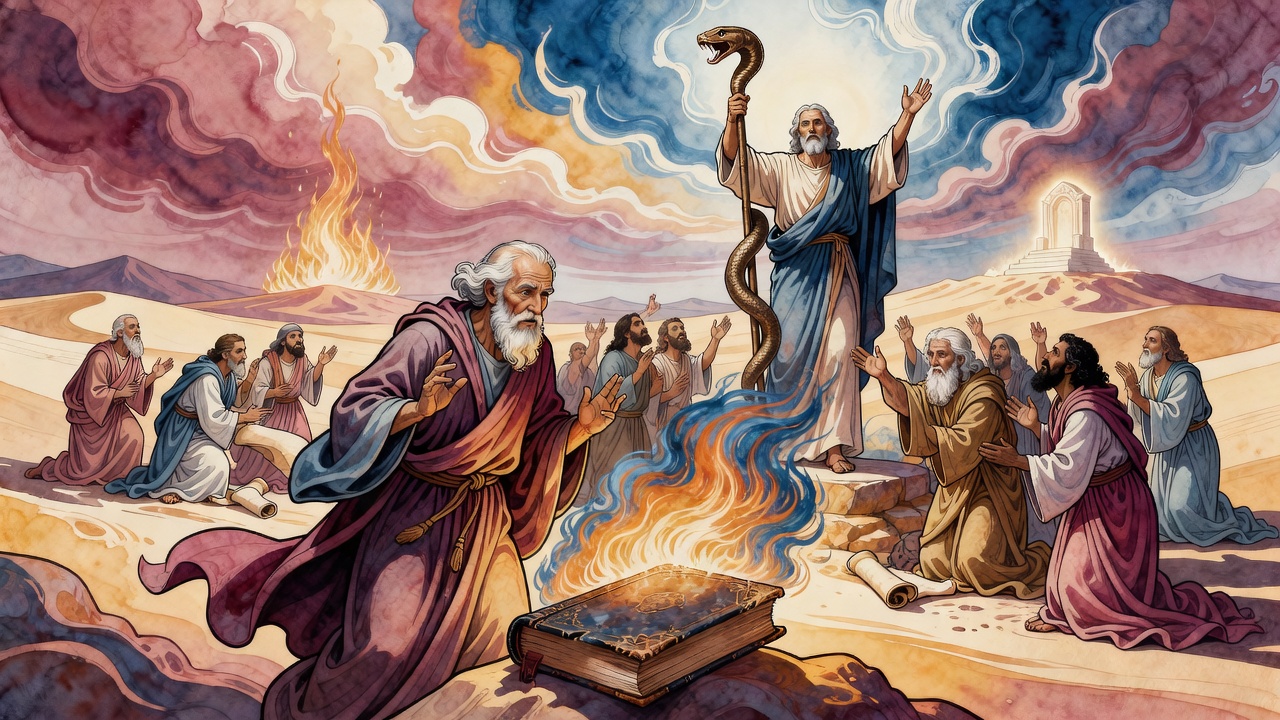
The bites were real. Serpents struck in the sand, and people fell. Moses set a bronze serpent on a pole, and the wounded who looked lived (Numbers 21:8-9). The metal was a tool under command, not a god. For a while the distinction held.
 Click for full size
The Bitten Looked and Lived
Eyes went up. Pain eased. The camp learned a habit: look at the bronze and live. Children grew up with that pole in the middle of the story of their healing. The distinction between looking through and looking at is thin. Thin things wear out.
Centuries later the same object had gathered incense. Hands that should have looked through it began to look at it. Healing had curdled into worship.
Hezekiah Took a Hammer to the Metal
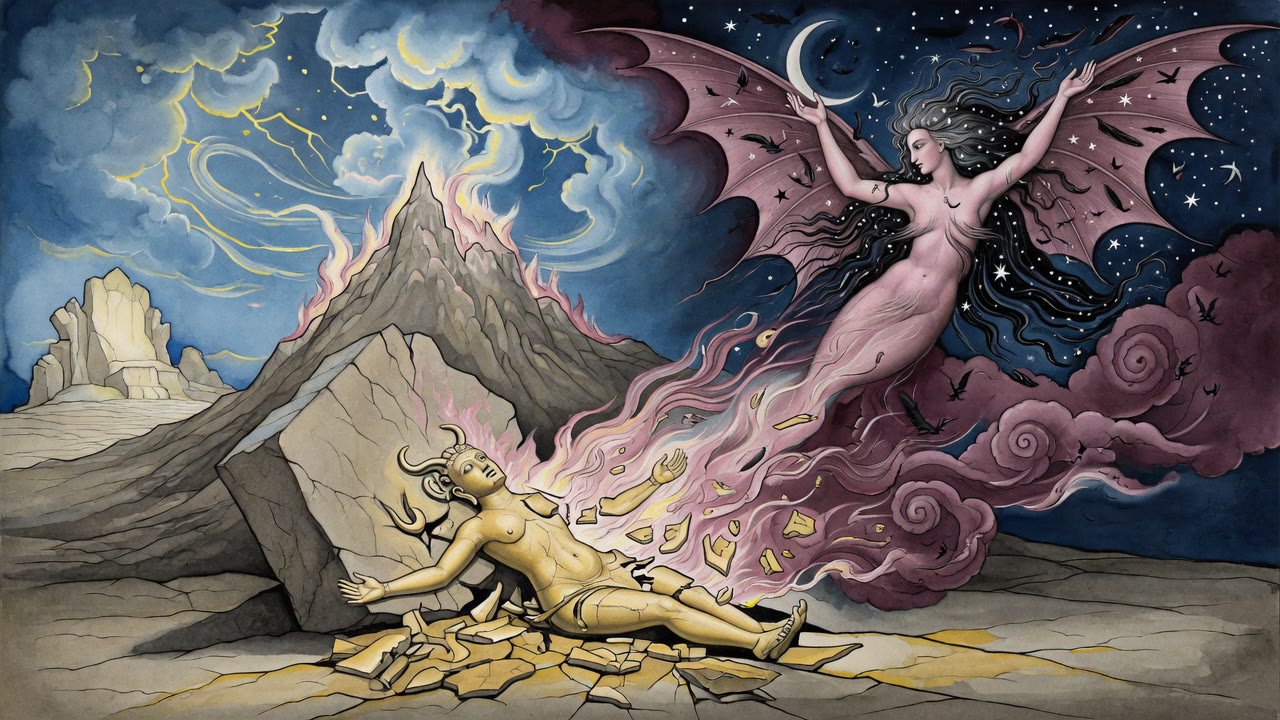
King Hezekiah smashed the bronze serpent to pieces because the tool had stolen the gaze (2 Kings 18:4). He raised the hammer. He broke the metal. He left the pole empty. People had to seek healing without a prop. The loss was also a purge.
He did not deny that Moses had made it on command. He denied the incense. Destroy the misuse even if the original making was holy. That is a hard kind of loyalty. It looks like vandalism to anyone still kneeling at the pole.
The Sage Said the Book Was Not Good
A later sage stood over the Zohar with that hammer in his mind. He did not deny the book's heat. He feared the incense. Rabbi Shimon bar Yochai's work was meant to turn minds toward God. Tools that work too well attract the wrong kind of love.
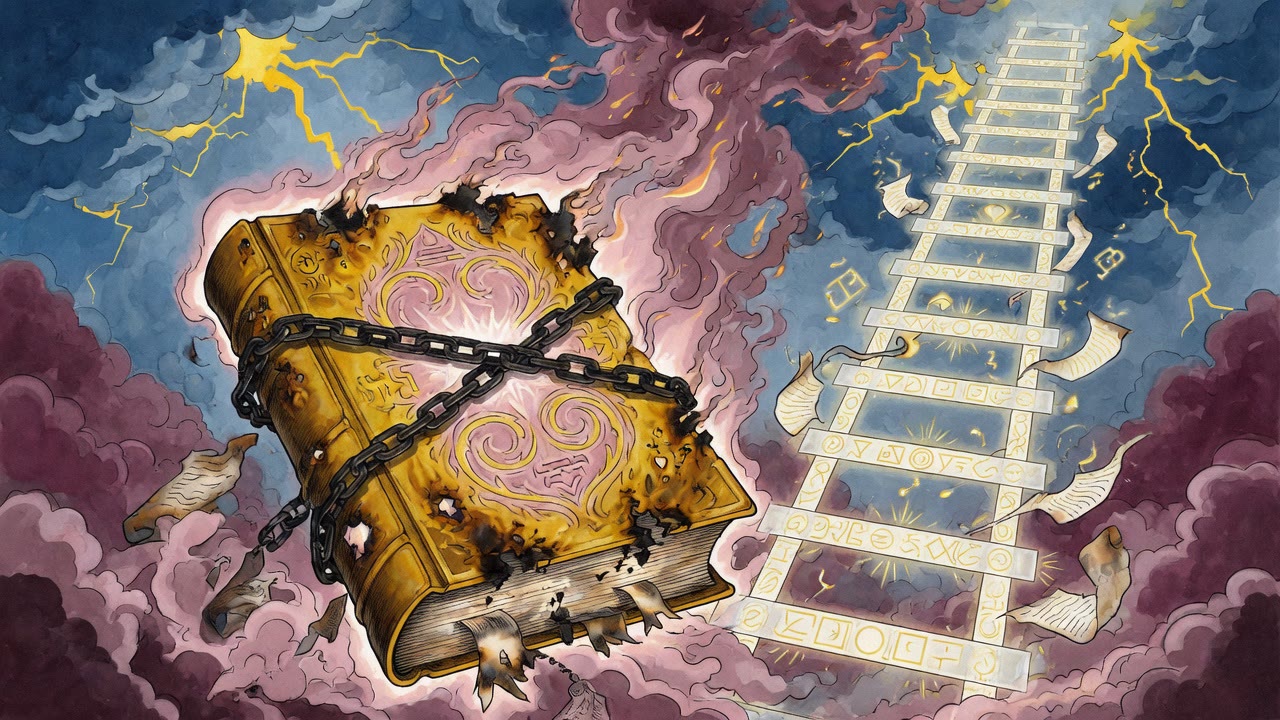
"It is not good," he said, and the room went cold. He compared the Zohar to the bronze serpent: holy in intent, dangerous when the eye stops at the surface. If Hezekiah had found this book gathering incense, he would have broken it open the way he broke the serpent.
The sage did not call for a bonfire of every page. He called for nerves of steel in readers who confuse the map with the King. He also refused to let the book go. He called it flowing living water, a treasury, a foundation in the hand. He held both claims in one mouth: bow to the light, watch the hands that hold it.
A Student Chanted Secrets Like Jewelry
Against pure fear stands another claim. Engaging the Zohar and the wisdom of Kabbalah can hasten the end of exile. Tikkunei Zohar speaks of study as a force that completes what politics cannot. The book is not only a risk. It is a lever.
A young mystic once wore secrets like jewelry. He quoted chambers and crowns at people who had asked for bread. An older teacher sent him to reread the bronze serpent story until the heat left his voice. When he returned, he spoke less and repaired more. The book on the table had not changed. The incense under it had gone out.
A person who chants mysteries for status has already lit incense under the wrong pole. A person who sweats through the text to repair midot (מידות), character measures, is looking through the metal toward the One who heals.
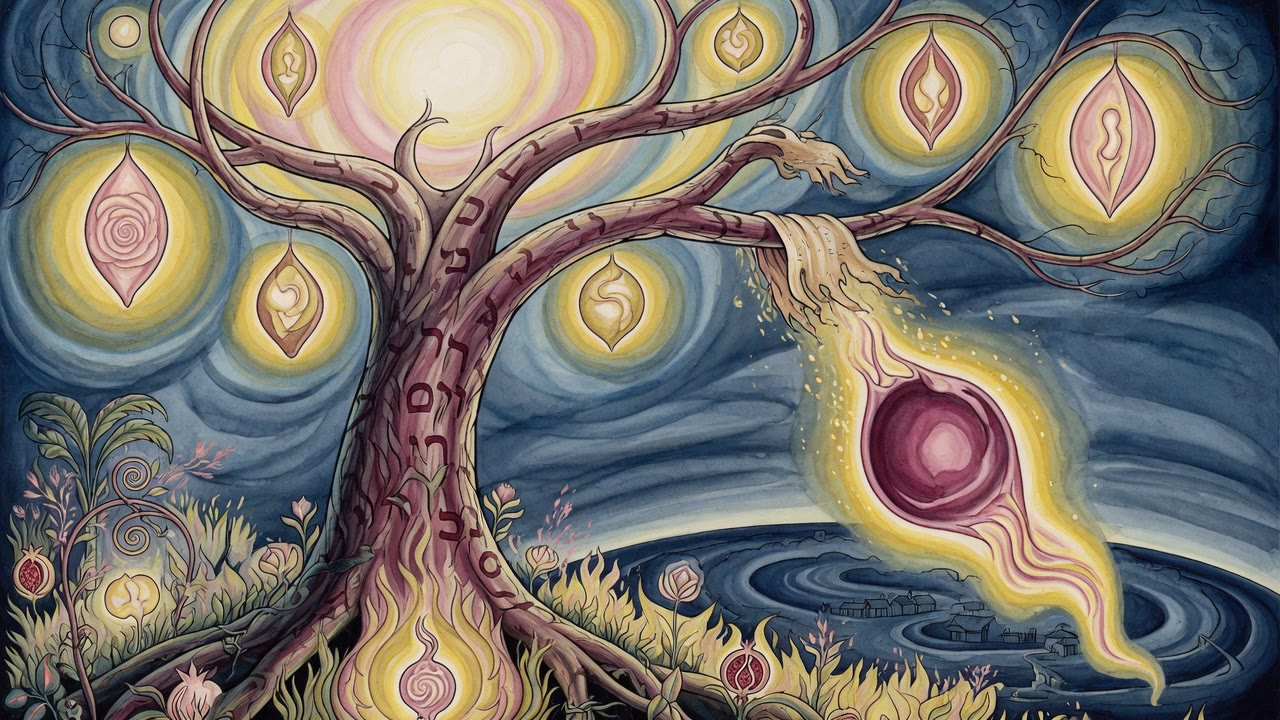
Baal HaSulam described a point inside the self like an animal of holiness: raw, individual, hungry for its own receiving. Left wild, it turns every light into private fuel. Purified, it becomes capable of receiving in order to give. That purification is why the book exists at risk. Without inner work the serpent always wins.
The student sits at night with a difficult page. Ego wants brilliance. The animal wants more light for itself. The text keeps demanding similarity of form with the giving side of God. The demand is uncomfortable on purpose. Hezekiah's hammer and the student's eraser are cousins. One breaks an object that stole worship. One breaks a habit that steals worship inside the chest.
The Pole Stood Empty
When Hezekiah finished, the pole no longer held a god. When a reader finishes a Zohar passage without turning the author into an idol, something similar happens. The page closes. God remains.
Exile still runs its long clock. Study still claims it can shorten the night. Caution still claims the night gets longer when tools become masters. Hold both claims. Let neither harden into a slogan that excuses laziness or frenzy.
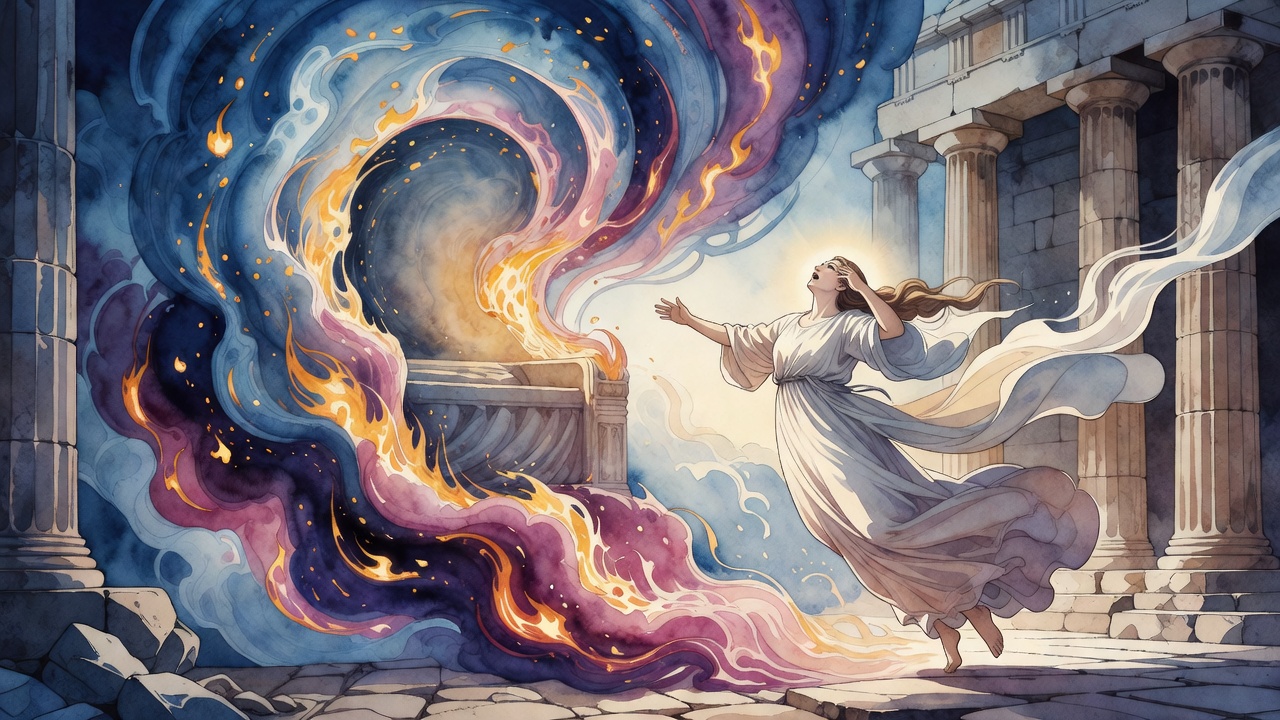
The desert bites healed when eyes obeyed. The kingdom cleaned house when a king refused incense on a relic. The book on the table waits for a third obedience: read, repair, and refuse to worship the ink. Then the page can burn without burning the house. The pole stands empty. The Name is not trapped in a shiny intermediate.
← All myths