The Zohar Waited Until the Ladder Was Built
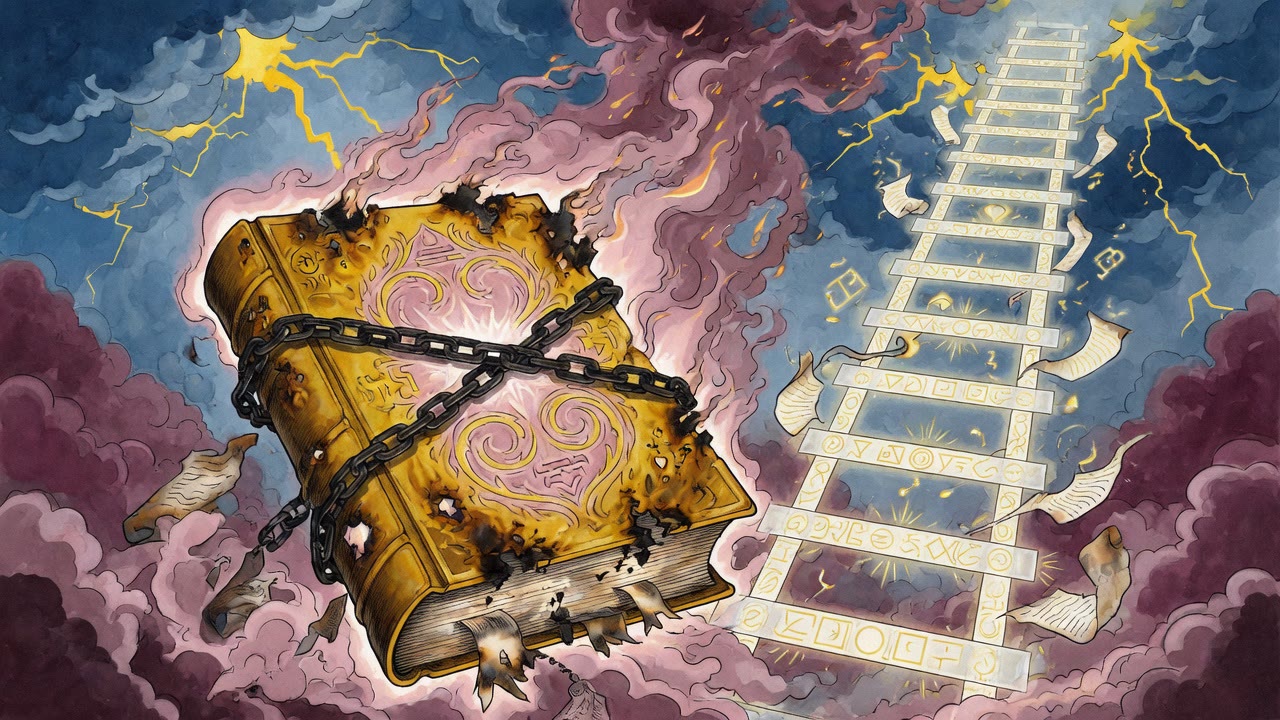
Rabbi Shimon's book burned for centuries while its depths stayed locked. A later master built a ladder of commentary so a generation could climb.
Table of Contents
 Click for full size
The Cave and the Book That Outlived Arguments
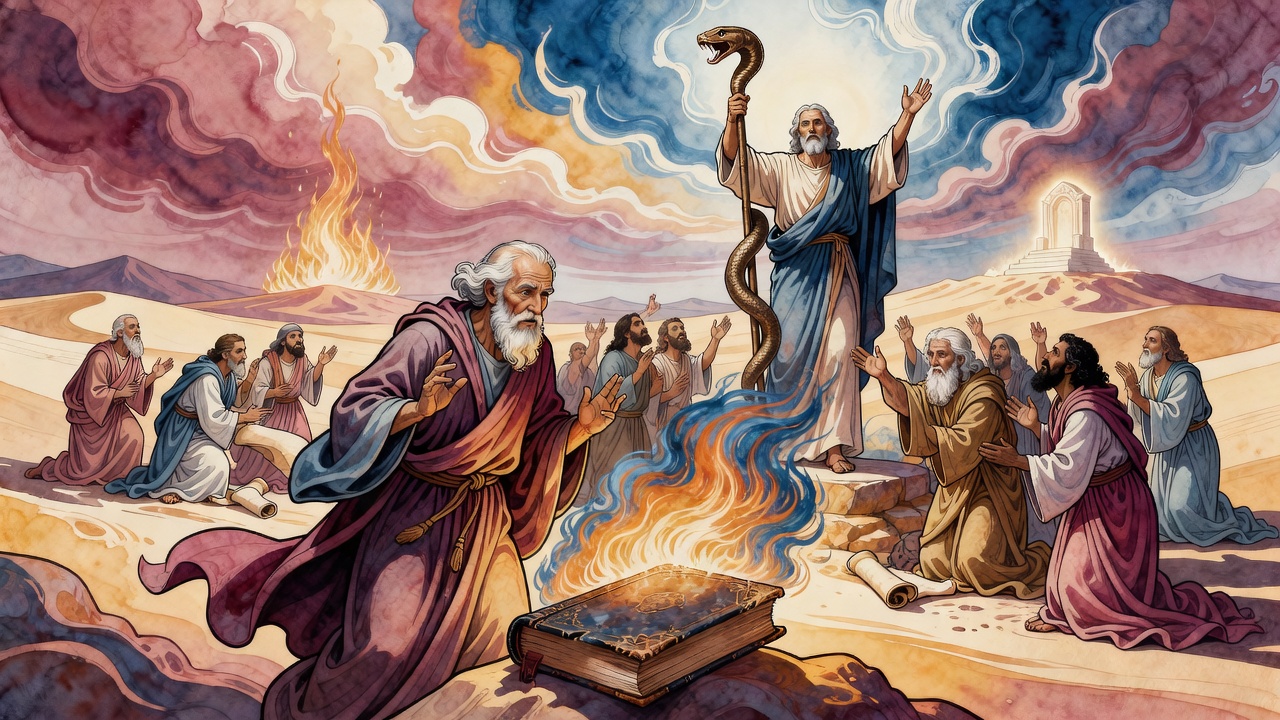
Rabbi Shimon bar Yohai hid in a cave from Rome and, in the tradition's memory, light poured through him into pages the world would later call the Zohar. Generations argued over pens and dates. Some pointed to Rabbi Moshe de Leon in Castile. Others held to the Tanna in the cave. The fight over authorship could fill a library and still leave the light unread.
One later master refused to start with the fight. From the moment he opened the book, he said, he did not bother to research who held the pen. The content itself, the depth that burned, was enough to command his life. A thirsty man does not first sue the river for its birth certificate.
Why Earlier Generations Could Not Drink
The puzzle sharpens. If earlier ages were great, why did the deepest keys arrive late? Why did the teachings of the Ari, Rabbi Isaac Luria in the sixteenth century CE, also wait for later clarification? Were the first hearers unworthy? The question stings because it seems to insult the dead.
The answer the ladder-master gives is not insult. It is timing of vessels. A generation can be holy and still lack the particular tools to hold a particular light. Wisdom is not only desert. It is also plumbing. Without pipes, the spring floods the floor and is lost. The Zohar and the Ari's words needed a generation whose work was to build the pipes, not to pretend the spring was new.
Darkness That Forced a Journey
He named his own path a darkness that led him toward the Zohar. Not fashionable gloom. The honest dark of a man who knows the book is closed to him until he finds a key. He began with the Ari's writings, the advanced physics of the soul, and treated them as the prerequisite for the Zohar's Aramaic fire. No one reads the hardest map without learning the symbols first.
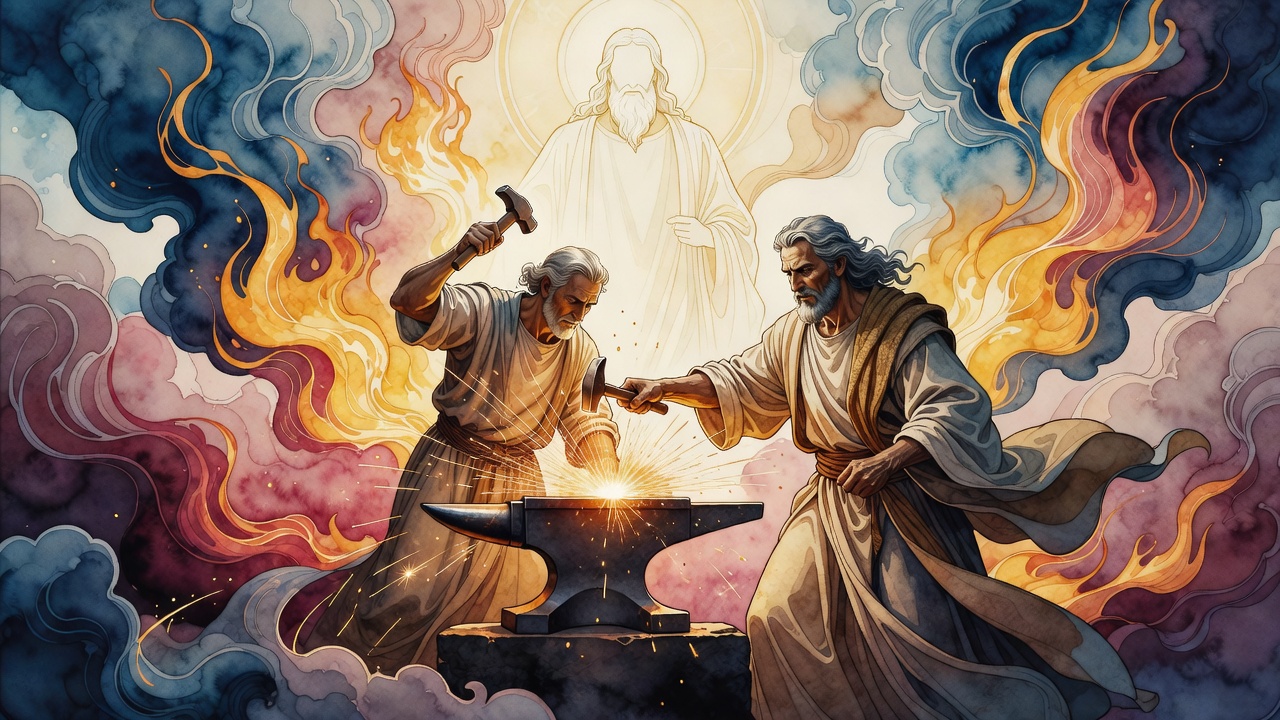
His title became his method: Baal HaSulam, Master of the Ladder. He would not leave the climb to raw talent. He built rungs. Commentary as staircase. Each level a step a later student could actually place a foot on without falling into fantasy or despair.
When the Book Finally Opens in a Living Throat
Picture a study house at night. A young scholar holds a page that defeated his grandfather's generation not for lack of faith but for lack of a ladder. Now the words that once felt like sealed glass begin to admit light. Rabbi Shimon's voice, whether through cave or through the long chain of transmission, speaks again because someone spent a life building access rather than winning the authorship quarrel.
The Ari's teachings, once a private storm in Safed, find a public grammar. The Infinite's map becomes something a careful mind can traverse without inventing a second religion. The delay was not divine spite. It was patience until vessels matched the flow.
What the Wait Demands of the Living
A people that loves old books can still fail them by treating them as trophies. The Zohar waited for a ladder. The Ari waited for interpreters who would not dilute him into slogans. The living are not asked to be greater than the dead. They are asked to be fitted to the work of their hour: sometimes to hide in a cave and receive, sometimes to build rungs so others can climb what was received.
Rabbi Shimon's fire did not go out. It waited. When the ladder stood, the same fire that left the cave could enter ordinary rooms without burning the house down. That is the drama of delayed light: not weaker ages,
Rungs Measured for Ordinary Feet
A ladder that only angels can climb is a monument, not a gift. Baal HaSulam measured rungs for students who would never see Safed's alleys or Rabbi Shimon's cave. He translated difficulty into sequence: first this concept, then that configuration, then the Zohar's symbolic speech. The darkness he named was the honest admission that love of the book is not the same as access to the book.
Teachers who only praise the Zohar without opening a path leave students stranded in awe. Teachers who open a path without awe leave students with clever diagrams and no fire. The ladder was meant to carry both: reverence for Rabbi Shimon's light and a sequence ordinary minds could follow without lying about how hard the climb remains.
When a generation finally climbs, it does not replace Rabbi Shimon. It becomes able to hear him. The Ari does not shrink. He becomes speakable without distortion. Delayed light is still the same light. The drama is whether the living will do the unglamorous work of building access, or whether they will only quarrel over who first wrote the fire down.
← All myths