4 min read

The Soul Gives While the Body Keeps Taking

A dying man feels the body's endless taking against the soul's will to give, while husks amplify desire until the sculptor cuts the excess away.

Curated by Arthur · Told by Maggid ·
Table of Contents
  1. The Hand That Will Not Stop Reaching
  2. Husks That Amplify the Craving
  3. Radical Removal Before the Middle Path
  4. Creatures That Rise and Fall With Us
The Soul Gives While the Body Keeps Taking Click for full size

The Hand That Will Not Stop Reaching

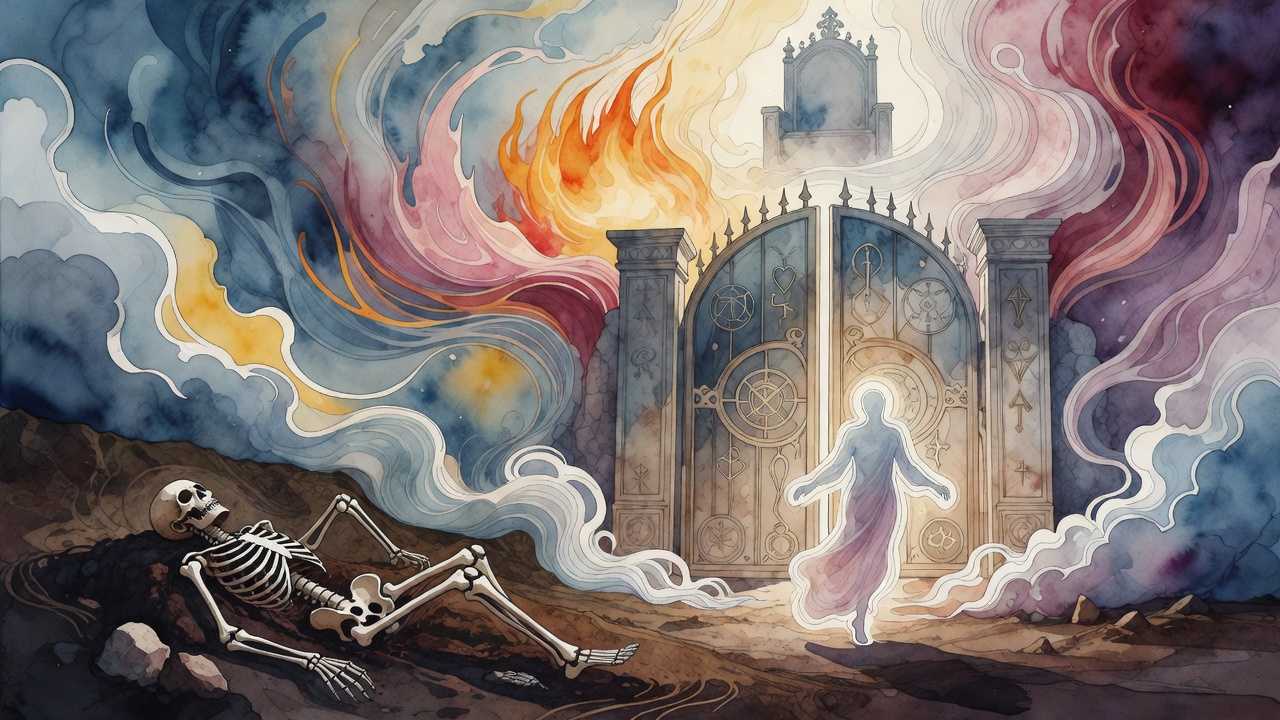
On the bed the body still reached. Water. Shade. Another hour. Another proof it had not finished taking. Breath came as a loan the chest tried to renegotiate. Around him people spoke softly, as if volume could offend a dying appetite.

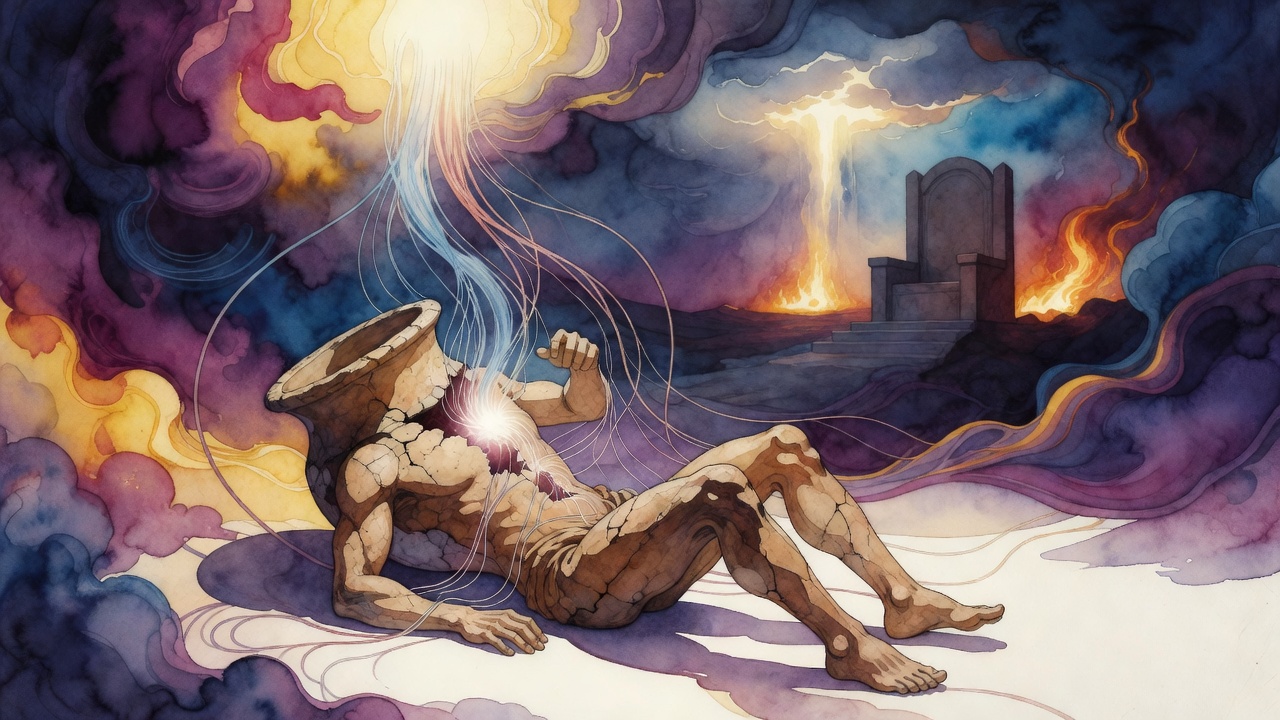
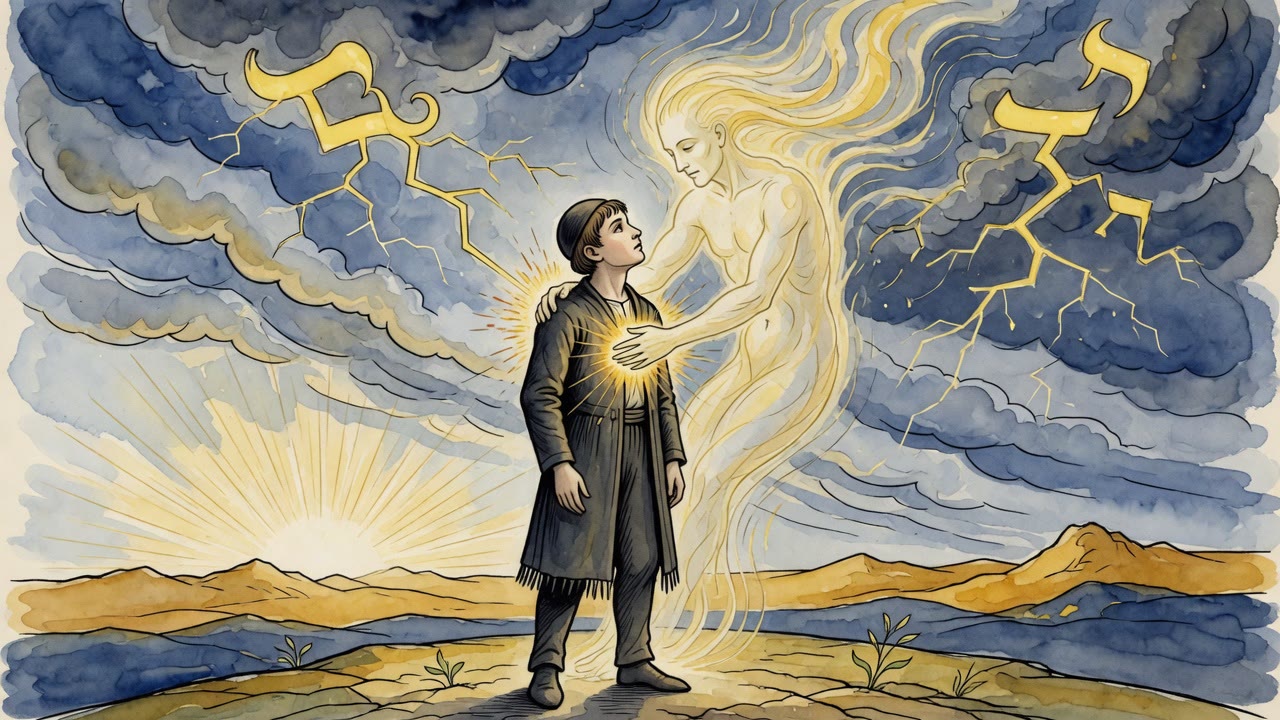
Inside, something else watched the reaching with a different hunger. The soul, in the Kabbalist's map, is not a thinner body. It is a will aimed at giving. The body is built as a vessel that receives. Food. Rest. Pleasure. Continuation. Neither side is a cartoon villain. Together they make a war that feels like a single person.

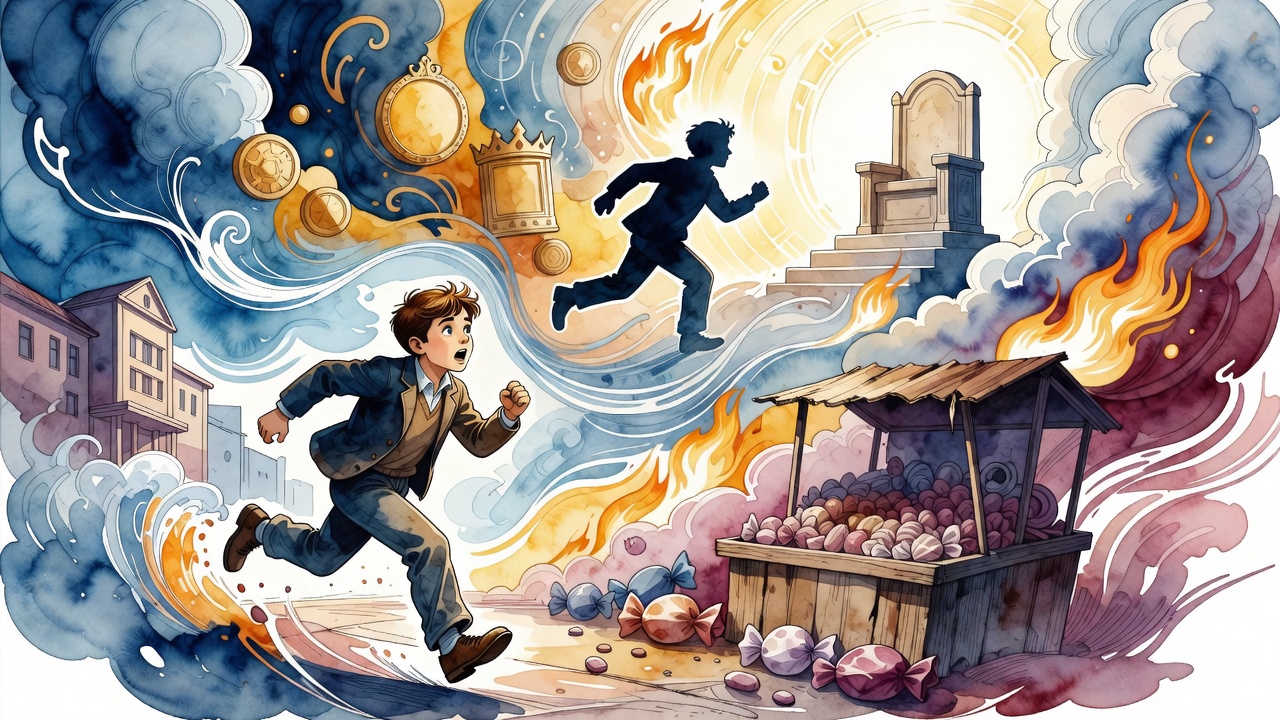
He remembered years when the taking looked like success. More rooms. More praise. More insurance against emptiness. The emptiness grew in proportion to the stockpile. That was the first clue that receiving without transformation is a pit, not a throne.

Now the stockpile could not climb onto the bed and breathe for him. Only the old dual motion remained. Body takes. Soul wants to give. The room held both.

Husks That Amplify the Craving

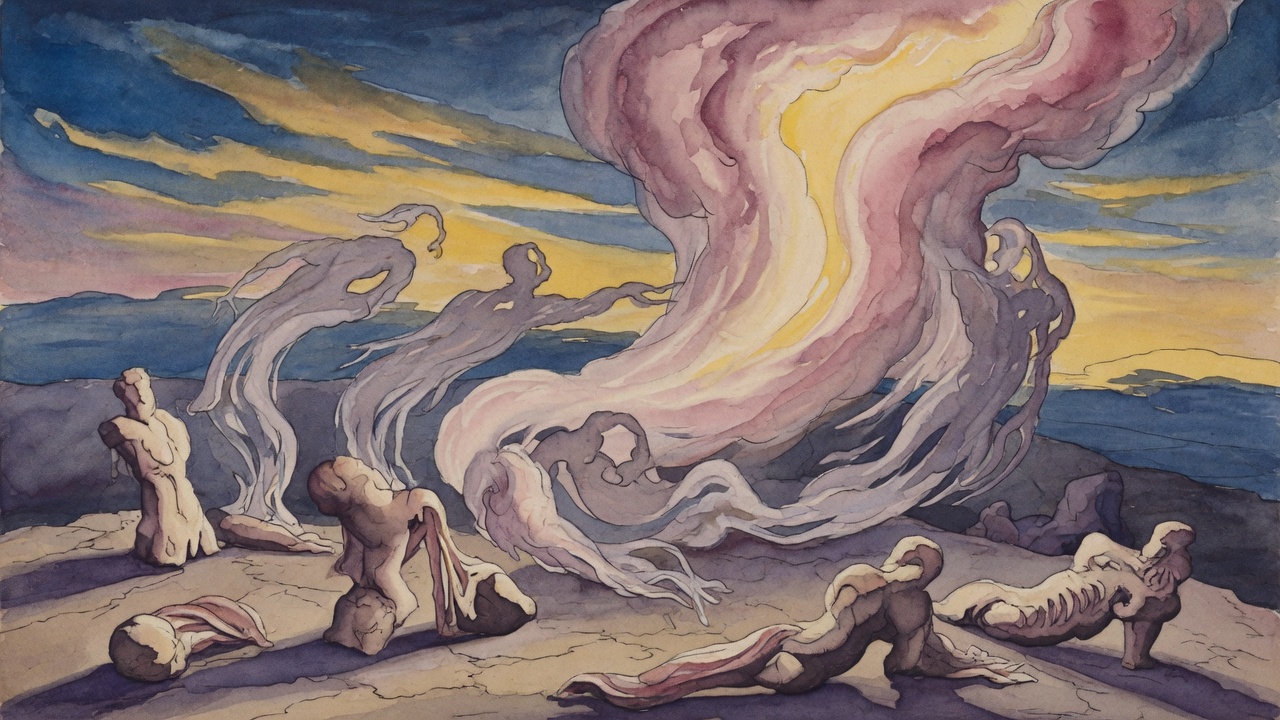
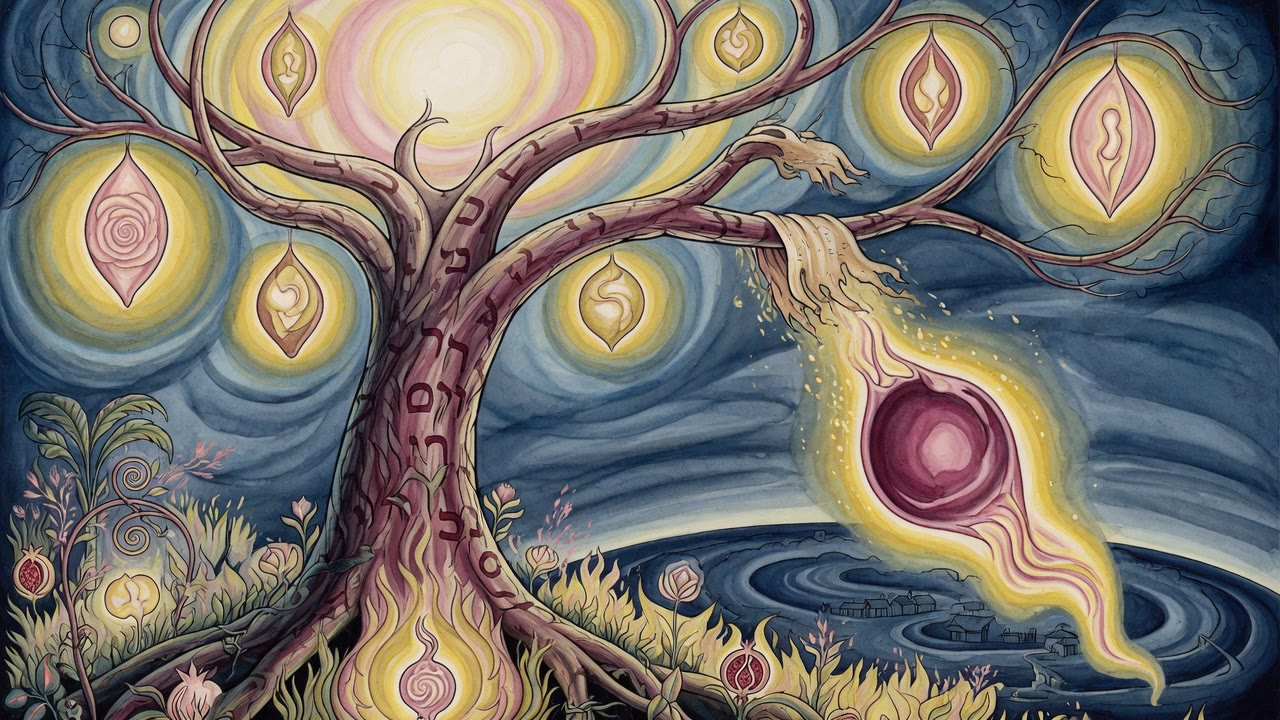
The Other Side, the Sitra Achra, and the klipot, the husks, do not need to invent desire. They enlarge it. A newborn already receives. Unchecked, receiving becomes boundless. The husks' strange job in this teaching is to push the craving until a person can finally see it and work it.

Without amplified need, giving stays theoretical. With amplified need, a human being discovers what it costs to aim the vessel outward. The sculptor does not apologize for the size of the stone. He needs mass to cut.

So the man's worst hungers were not only failures. They were raw material. Shame alone would have frozen him. Work begins when the boundless receive is recognized as the clay of tikkun, repair, not as the final name of the self.

He whispered apologies that were still a kind of taking, begging for a clean exit. Then he tried something harder. He blessed the people in the room without asking them to fix the pain. Giving, small as a breath.

Radical Removal Before the Middle Path

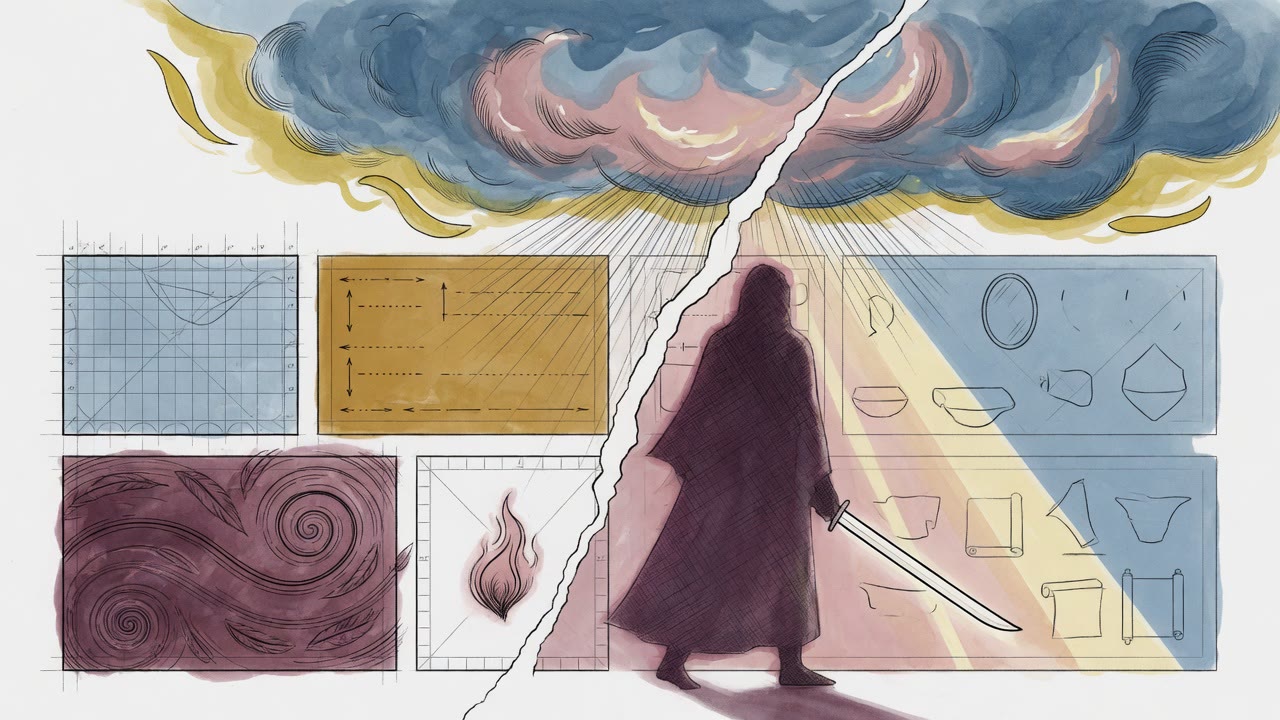
Balance is not the first cut. Baal HaSulam describes a sequence like a sculptor's. First, radical removal of a trait that has ruled. Not polite moderation while the tyrant stays on the throne. Chip away the excess until the form can be seen. Only afterward can a portion of that force return, redirected toward the middle path.

He had spent years trying to balance greed while feeding it daily. That was decoration on an uncut block. The deathbed simplifies curriculum. There is less time for cosmetic virtue. What must go must go.

Removal hurts because the trait had been wearing his name. When it falls away, he feels smaller and more true. The soul recognizes the room that appears. The body panics at the vacancy and invents new requests. The work is to keep cutting without hating the stone.

Perfection after resurrection, in this school, is not a costume swap that would make a person unrecognizable. The form that struggled is part of the testimony. Others must not say it is another person. The repaired will still carries the history of exaggerated receiving, now aimed differently.

Creatures That Rise and Fall With Us

In the wider map, other creatures matter in relation to the human center of this drama. They rise and fall as humanity approaches or flees perfection. The teaching is severe if heard as contempt for animals. Heard from the bed, it is responsibility. The world of receivers is braided to whether the human vessel learns to give.

Suffering belongs to the stages of a process that aims at a later completion. Path of Torah or path of pain. Choice is real. Delay is expensive. The man on the bed could not finish every repair. He could finish the lie that taking is the whole self.

He died with one hand open on the blanket, not clutching. Those who washed him found no coin in the fist. The soul's motion had finally trained the fingers.

Outside, ordinary life continued to receive sunrise without thanks. Inside the teaching, sunrise is another chance to cut, redirect, and give. The husks still amplify. The sculptor still waits. The body still takes until the last breath, and the soul still answers with a different will.


← All myths

From the tradition

Sources

3 sources

The texts behind this telling. Some cards carry a translation of the source; others are our own retelling of it, and each card says which. Every card links out to the original.

Baal HaSulam's Introduction to Zohar 24:2Baal HaSulam's Introduction to Zohar

Retold in our words. Read the original at the link below.Sefaria-hosted English translation · CC-BY

A towering figure in 20th-century Kabbalah, that desire to give – that’s where the magic lies. He explores this concept in his profound introduction to the Zohar, a foundational text of Kabbalistic thought.

He paints a picture of the soul as fundamentally different from the body. The body? It needs food, rest, pleasure. It's constantly in a state of needing. But the soul? The soul is all about giving.

Here's the kicker: this desire to give, this innate quality of the soul, is what makes it immortal. Baal HaSulam explains that the soul dwells eternally in what's called the "first stage" and the "future third stage." These are complex Kabbalistic concepts relating to the unfolding of creation and the ultimate state of rectified being. But for our purposes, the key takeaway is that the soul's connection to these eternal states grants it permanence. It, and everything it learns, everything it experiences, endures forever.

So, what happens when the body dies? Does the soul fade away with it? Absolutely not! Baal HaSulam tells us that the soul isn't affected at all by the death of the body. In fact, he goes even further. The absence of the body, with all its limitations and imperfections, actually strengthens the soul. It's like shedding a heavy cloak. Free from the body's demands, the soul is able to ascend to the heights of the Gan Eden – the Garden of Eden.

Isn't that a beautiful image? The soul, finally unburdened, soaring to unimaginable heights.

If the essence of our soul is the desire to give, how can we cultivate that desire in our daily lives? How can we nurture that spark of immortality within us, even while we're still here, in these bodies of ours? Perhaps the answer lies in consciously choosing acts of kindness, in seeking opportunities to share our gifts, and in striving to live a life that is not just about taking, but about giving back to the world.

Full source
Baal HaSulam's Introduction to Zohar 30:1Baal HaSulam's Introduction to Zohar

Retold in our words. Read the original at the link below.Sefaria-hosted English translation · CC-BY

It all boils down to this: we're born with a desire to receive. Think of a newborn baby – all they do is receive nourishment, comfort, love. That desire isn't inherently bad, it's what keeps us alive! But unchecked, that desire can become… boundless. Exaggerated. And that's where things get tricky.

The great Kabbalist Baal HaSulam, in his introduction to the Zohar, that foundational text of Jewish mysticism, explains that the "Other Side," what's often called the Sitra Achra (the Other Side, the realm of impurity) in Aramaic, and the husks – the Klipot – have a specific job. And it's not what you think. They're not just out to ruin our lives. Instead, they are there to amplify our desire to receive.

Why?

Because that amplified desire, that craving, that need… that's the raw material we need to work on ourselves. It's the challenge we must overcome. Without it, how could we possibly grow? How could we even begin to understand the concept of giving?

Think of it like this: a sculptor needs stone to create a statue. The Klipot provide the stone, the raw, unformed desire. It's up to us to then chip away, refine, and transform that desire into something beautiful, something holy.

Now, according to Baal HaSulam, this process really kicks into gear around the age of thirteen. That's when something called a nekuda, a “point” in the heart, begins to awaken. This point, he says, is the secret of the ahorayim, the “back” of the sacred soul.

What does that mean?

Well, think of the soul as having different aspects. The "front" is what we present to the world, our conscious self. The "back" is the hidden, often unconscious part of ourselves. This nekuda, this point of connection to our soul, is initially enclothed in that inborn desire to receive. It's like a tiny seed buried deep within the soil of our ego.

But here's the crucial part: this nekuda, this spark of holiness, begins to enter the "territory of the system of the worlds of sanctity" only to the extent that we engage in Torah and mitzvot (commandments) – in learning and in doing good deeds. In other words, we have to actively cultivate it. We have to nurture that spark, give it light and water, so it can grow and blossom.

So, the next time you feel that familiar tug of temptation, that overwhelming desire for something you know isn't right, remember the teachings of Baal HaSulam. Remember that this desire, as uncomfortable as it is, is actually an opportunity. It's a chance to work on yourself, to refine your soul, and to draw closer to the Divine. It's a chance to transform that raw, unformed stone into a masterpiece.

What will you create?

Full source
Baal HaSulam's Introduction to Zohar 28:1Baal HaSulam's Introduction to Zohar

Retold in our words. Read the original at the link below.Sefaria-hosted English translation · CC-BY

It suggests that the path to balance isn't about gentle moderation from the start, but about radical, complete removal first. Sounds intense. Think of it like this: imagine a sculptor working with a huge block of marble. They don't start by delicately shaping the details. No, they begin by chipping away the excess, removing vast chunks of stone to reveal the form within. Only then can the fine details be added.

That’s the idea presented in Baal HaSulam's (Rabbi Yehuda Leib HaLevi Ashlag) introduction to the Zohar, the central text of Kabbalah. Before we can redirect a negative trait towards the "middle path", the path of balance and harmony, we must first utterly and completely remove it from ourselves. We need to get rid of every last bit. Only then, paradoxically, can we begin to reintegrate a portion of that trait, channeling it in a constructive direction.

Where does this idea come from? It's rooted in a profound understanding of the human condition and the process of spiritual growth. And it's illustrated by a powerful image: the resurrection of the dead.

The sages tell us that in the future, the dead will be resurrected with their blemishes, and then those blemishes will be healed. What does that even mean? It's a wild concept, This isn't about physical imperfections; it's about the spiritual "blemishes" we accumulate during our lives: our excessive desires, our imbalances, our imperfections.

As Baal HaSulam explains, being resurrected "with their blemishes" means we’ll be resurrected with the same body, with the same intense desire to receive – the desire to receive being our fundamental human drive. The phrase "including their blemishes" refers to how our bodies are formed by the "system of the worlds of impurity" before we’ve had a chance to purify ourselves through Torah and mitzvot (commandments). It’s only after this resurrection in an impure state, "with its blemishes," that the healing can truly begin.

This healing allows us to achieve Tikkun (repair) and ultimately the "equation of forms" with the Divine. The Zohar is full of these incredible, strange ideas.

It's a radical thought: that we must confront our deepest flaws head-on, acknowledge their power over us, and then, only then, can we begin to heal and transform them. It's a reminder that spiritual growth isn't about pretending we're perfect, but about embracing our imperfections and using them as fuel for transformation. As we find in Midrash Rabbah, the world was created imperfectly so that we could partner with God in its ongoing refinement.

So, what "blemish" are you wrestling with today? What part of yourself feels overwhelming or unmanageable? Perhaps the first step isn't to try and moderate it, but to acknowledge its power, to fully confront it, and then, with intention and guidance, to begin the journey of healing. It is in that process that we can find true balance and wholeness.

Full source