Iron Stayed Out of the Temple Because It Was Rome
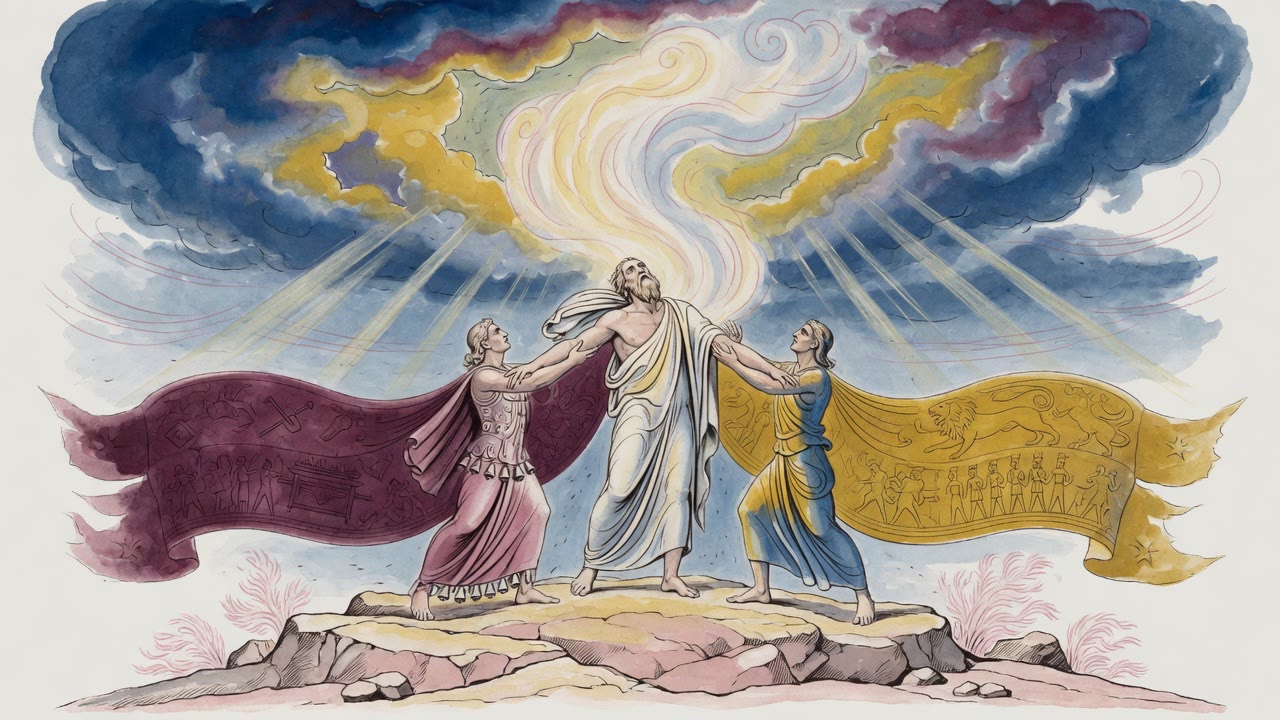
An overseer caught a smith's wrist before iron touched the Tabernacle. Gold could enter the sockets. Rome's metal stayed in the yard.
Table of Contents
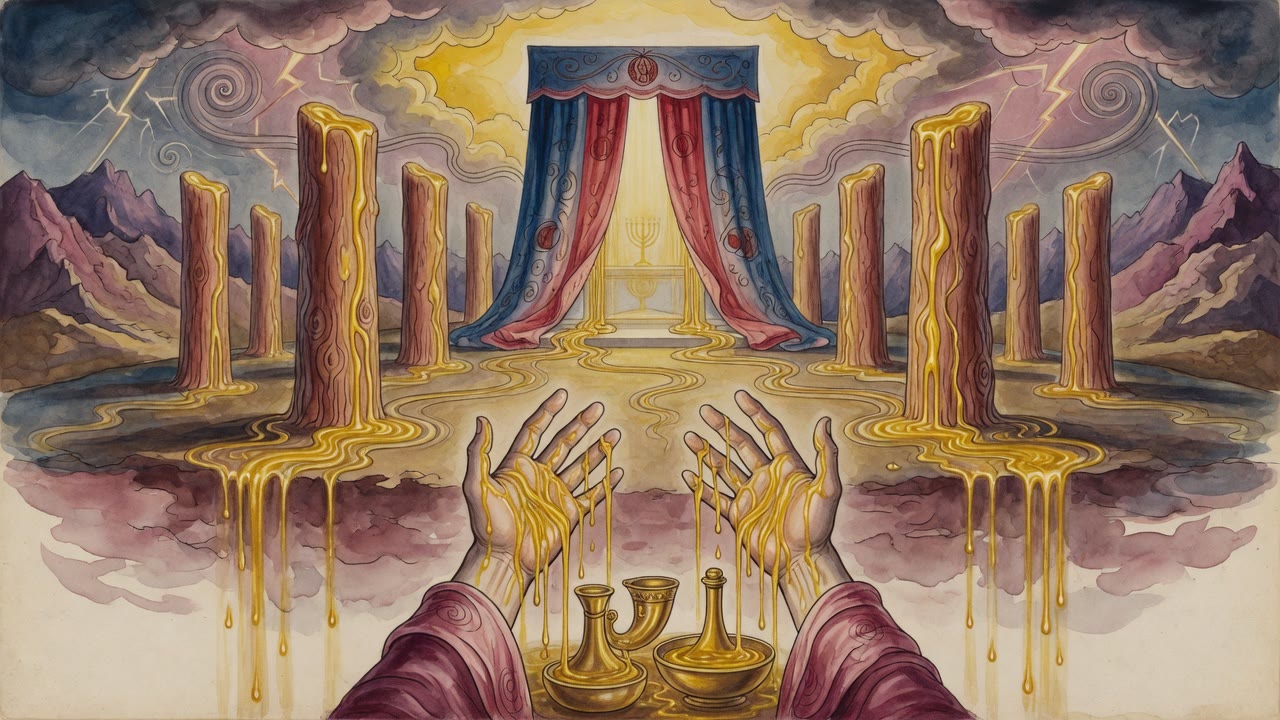
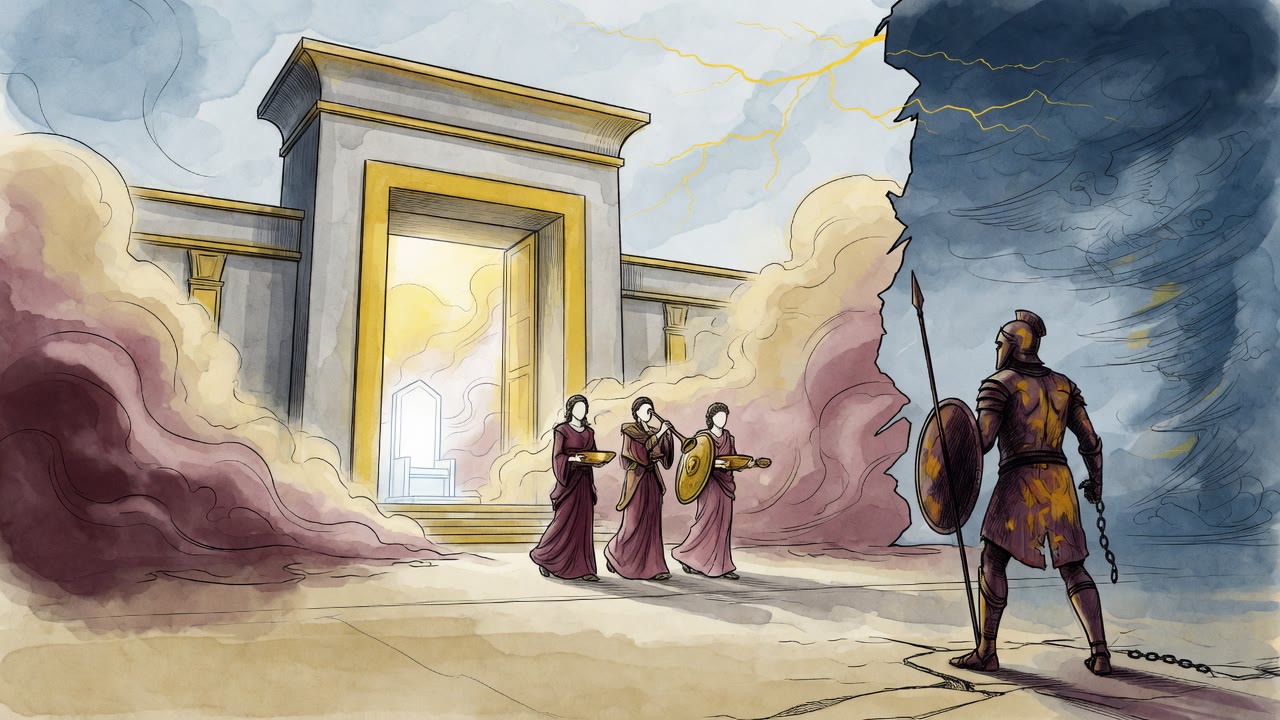
An overseer caught a smith's wrist before the bar could rise. Gold could go in, and silver after it. Brass could take the sockets. Iron stayed in the yard, cheap and hard, already famous for shortening life.
 Click for full size
The Tabernacle was going up in the wilderness. Later the Temple in Jerusalem would rise on the same refusal. What shortens life does not dress the house that teaches how to limit blood.
The Metal That Never Climbed the Ramp
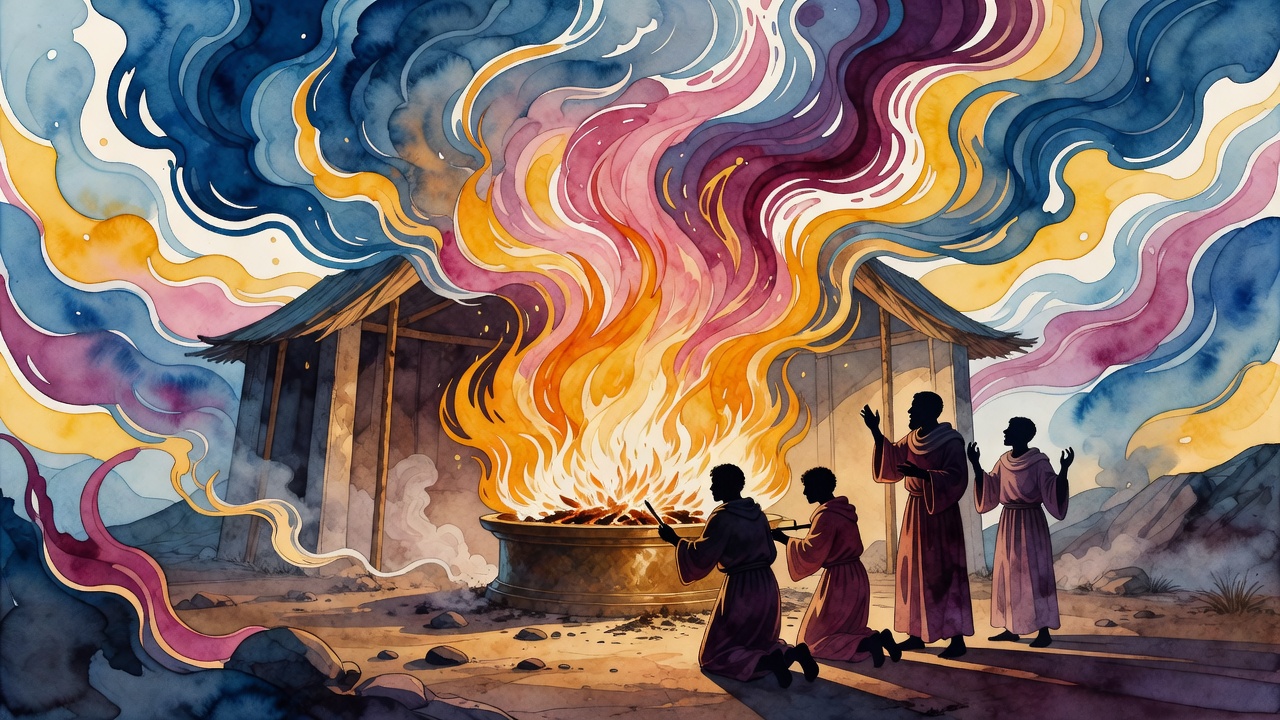
Craftsmen could have used iron. It is common. The Sanctuary refused the common. Every hammer blow that never fell on iron for the altar was a law Israel could touch with its hands.
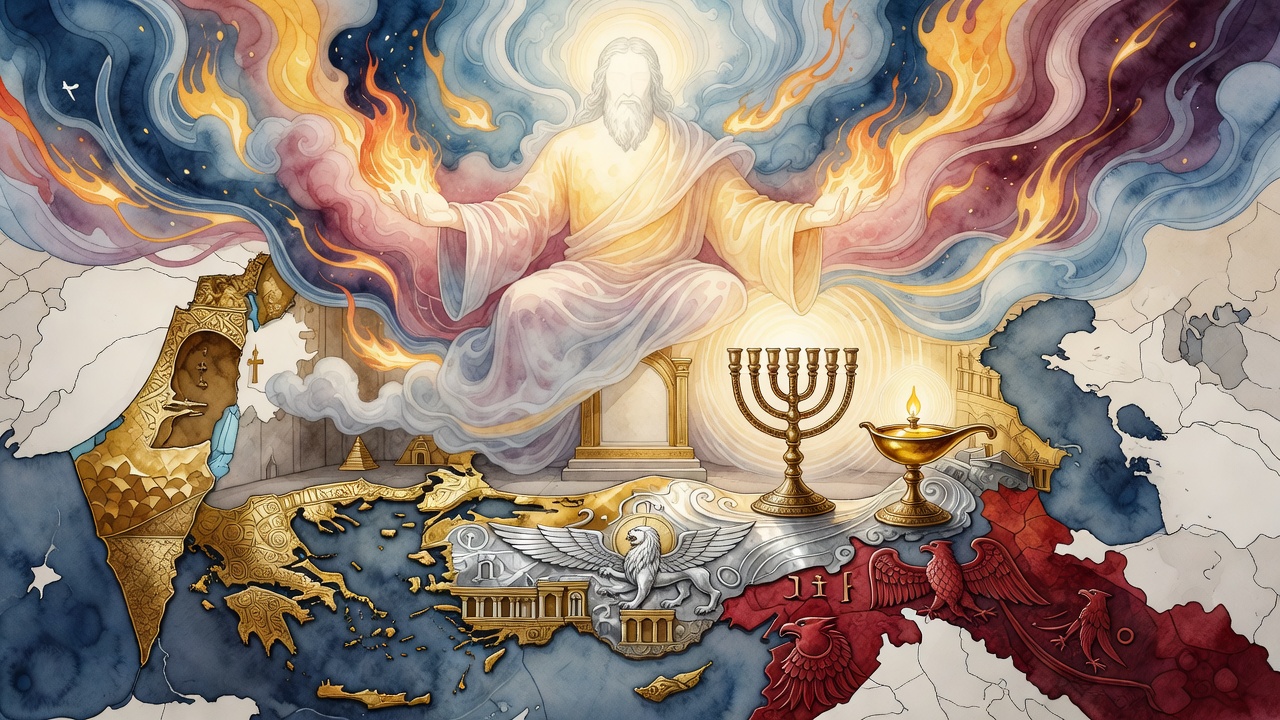
Gold, silver, and brass would later be read as Babylon, Media, and Greece, empires that would one day bring gifts to a rebuilt House. Iron meant Rome. Babylon had burned the House once. Rome's hatred ran past fire. Its sons cried, "Raze it, raze it, even to the foundations thereof!" Because of that ferocity, Rome was barred from contributing to the Temple of the Messiah.
A missing metal was a verdict written into beams and sockets before the empire that would wear it had a name the whole world feared.
Gifts at the Messiah's Gate
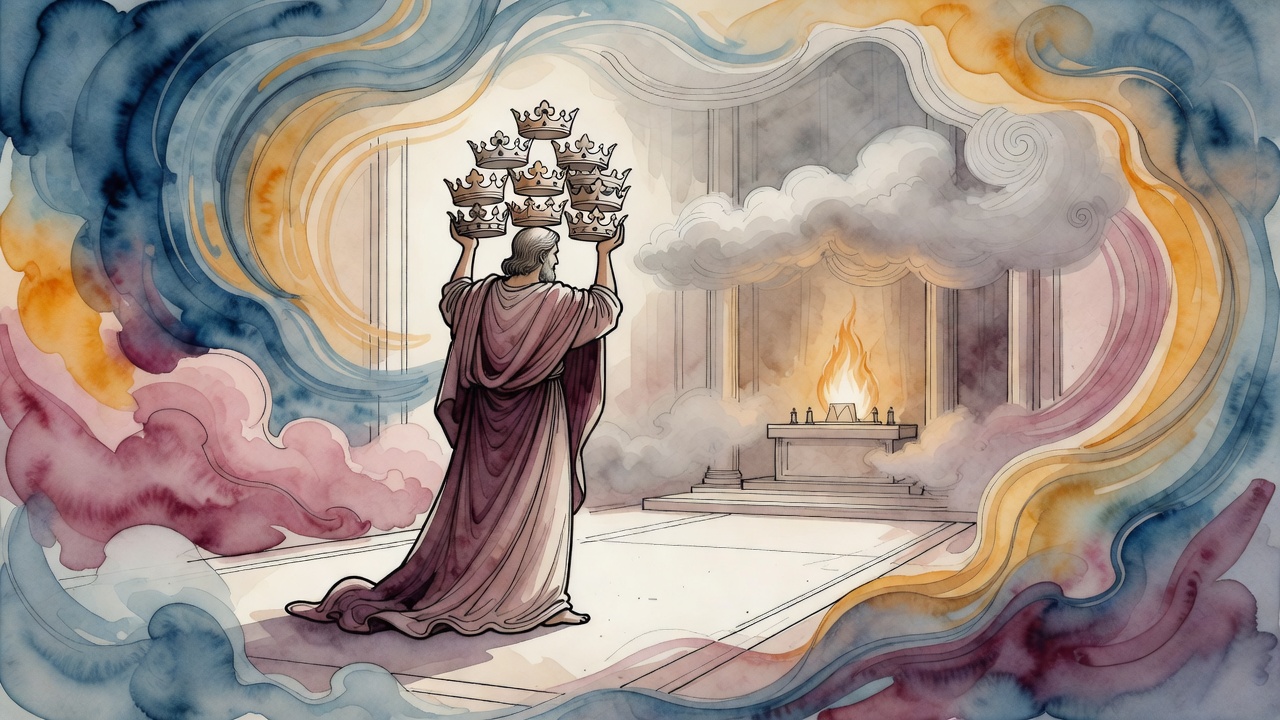
In a later hour the nations approach the Messiah with treasure. Egypt comes first. The Messiah hesitates. Egypt was the house of bondage. God answers, "The Egyptians granted My children an abode in their land. Do not repulse them." The gifts are taken.
Ethiopia follows, reasoning that if the old oppressor was received, they will be too. Kingdom after kingdom lines up. All are accepted except Rome.
Rome expects preference. It claims kinship through Esau, grandson of Abraham. Wealth and lineage look like arguments. God interrupts the pageant and tells the Messiah to roar at the monster that devours the fat of nations, that forgives for money, that kept Israel from Torah and pulled them toward the Accuser's wishes. Kinship without repentance is not currency at that gate.
Some ambassadors carry gold still warm from older empires. Rome carries a genealogy chart and a purse. Heaven reads the chart as Esau's old hunger dressed in new law. The roar is the Sanctuary's iron ban spoken in a human throat.
Eighteen Cubits in a Cave
The Amorites are remembered as giants, not ordinary enemies. Sihon and Og were kings, but the whole nation was said to walk as heroes. After Jerusalem fell, the emperor Hadrian boasted of his conquest. Rabban Yohanan ben Zakkai took him to a cave where Amorite corpses lay, each measuring eighteen cubits.
"Boast not of thy victory over Jerusalem," the sage said. "Had not God conquered it for thee, thou shouldst never have gained it." He pointed at the dead. "When we were worthy, these giants fell into our hands. Now, because of our sins, you rule over us."
Eighteen cubits is a body that makes a Roman feel small without a speech. The sage still gives the speech. He will not let bones do all the work. Worthiness once toppled cedar-tall men. Sin handed the keys to a foreign boast. Between those sentences iron's empire learns it did not invent power over Jerusalem. It inherited a failure.
Esau's Chart and the Wrong Strength
Iron shortens life. That is the altar's logic, and it fits this map. The Sanctuary is a place where blood is limited, not multiplied. Tools of war do not dress the stones of peace. Rome, in this telling, is war that never finishes congratulating itself. Esau's claim through Abraham tries to smuggle that war into the family album.
Esau sold a birthright for red stew and still hunted blessing with tears and weapons. Rome, cast as his heir, hunts recognition with money and razed foundations. The Messiah's refusal is the long answer to both hunts. A man may stand in Abraham's genealogy and still be told the gate is not for him.
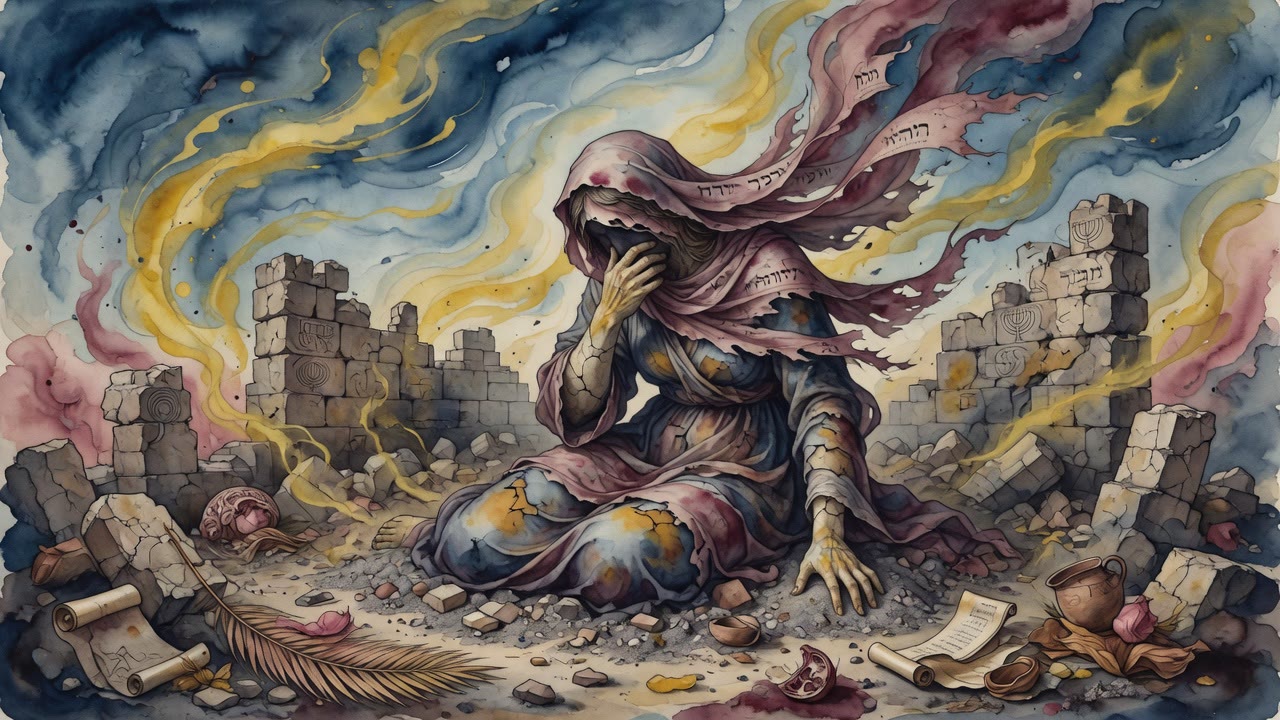
The cave of bones and the iron ban face each other. Once Israel could topple cedar-tall enemies when it stood worthy. Later a foreign emperor stands over ruins and needs a cave tour to learn humility. Between those hours the Temple's material code already knew which metal would one day wear empire's face.
The Empty Place in the Inventory
Builders still choose gold and silver for beauty. The ban on iron is not about fashion. It is a refusal to let the Sanctuary be furnished by the logic of the sword. When the nations bring gifts, Egypt's old cruelty is weighed against a bed it once gave strangers, and mercy opens a door. Rome's claim is weighed against razing and bribery, and the door stays shut.
Hadrian's boast dies in a cave of bones. The Messiah's gate stays closed to iron's empire. Walk the aisles of the old description and the claim is physical. Touch the gold and remember Babylon's later gifts. Touch the brass and remember Greece. Reach for iron and find nothing to lift.
A child in the camp asked why the smith's favorite metal never climbed the altar ramp. Strength that only knows how to shorten may conquer a city. It does not get to fund the House that outlasts cities.
← All myths