Israel Walked Dark Houses and Took Nothing
For three days an Egyptian could not find his own water jar. In the next room an Israelite stood over gold and left it on the table.
Table of Contents
 Click for full size
Three Days Without a Door
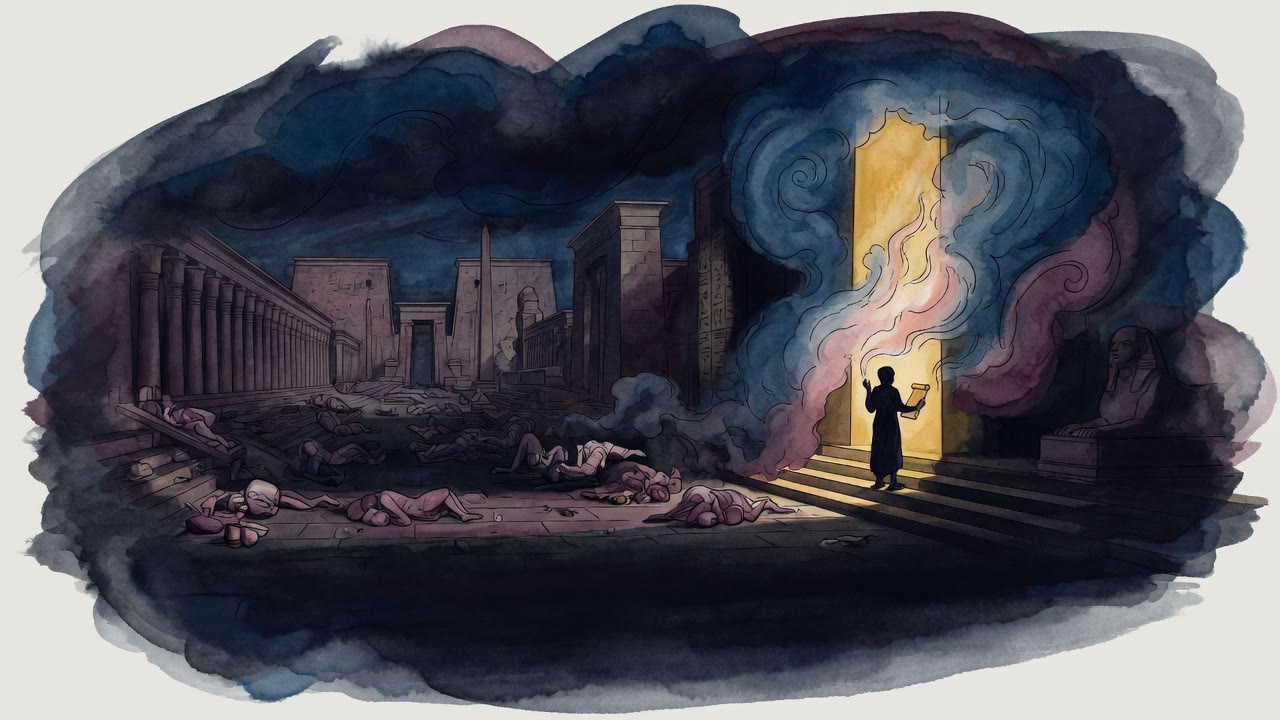
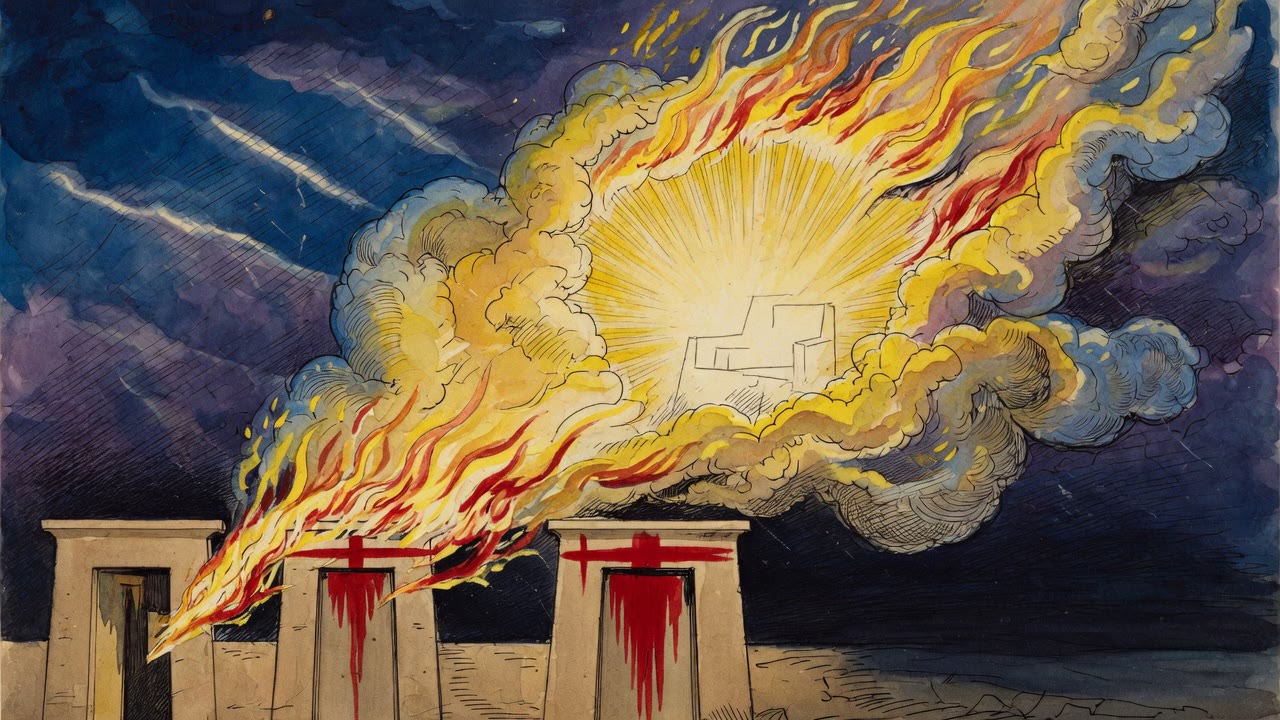
For three days Egypt could not see its own hands. The darkness was not evening. It sat on the eyes and made the air feel solid. People stayed where they had been when it fell. Bread went stale in a mouth that would not risk three steps to a jar. A woman who needed water never found the door.
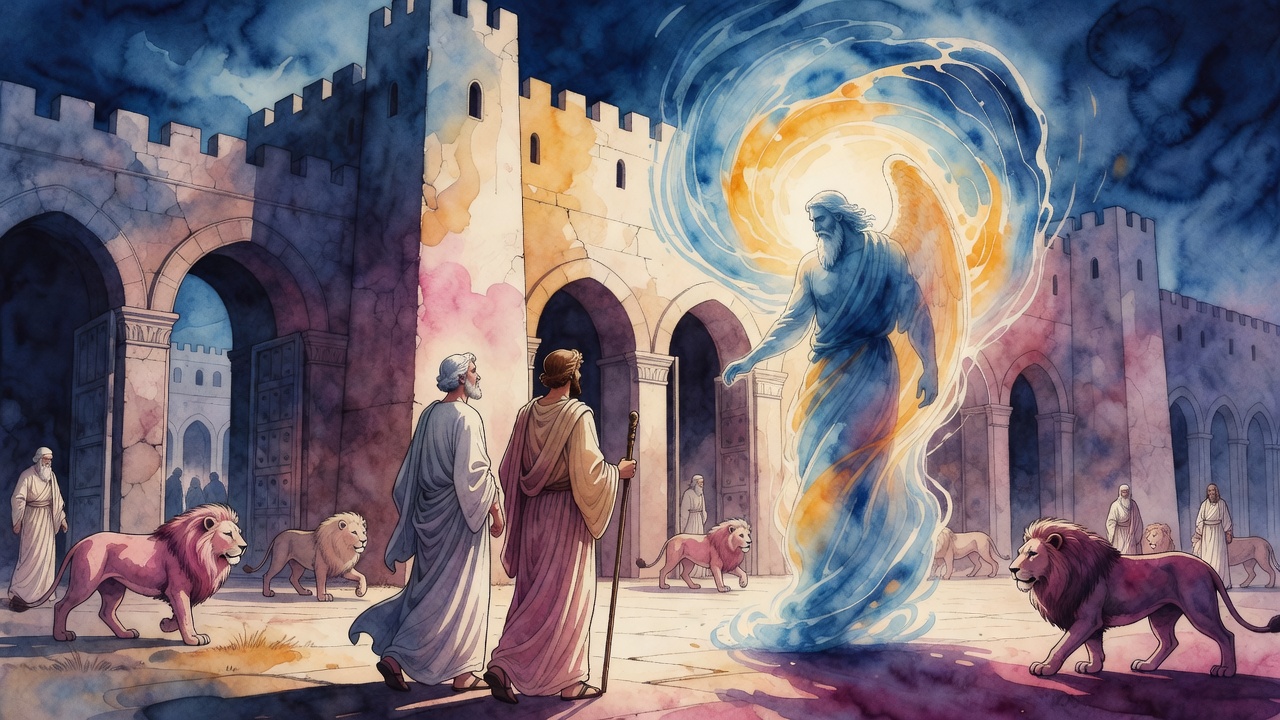
In that same thick night, Israel walked. Streets that had been forbidden opened as if the dark were weather for someone else. An Israelite entered a room he had never been invited into. Gold caught what little light the darkness still allowed. Silver. Cloth. Spools of thread. A child's toy left on a table as if play could continue after sight died.
He saw every hidden treasure the house had buried against bad years. He took nothing.
The Chest That Stayed Shut
No Egyptian could watch him. No court could catch him. The darkness itself would have hidden theft better than any alley. He still left the house as empty-handed as he entered, except for a map of wealth now living behind his eyes. Room by room, house by house, Israel learned where everything sat and refused to move it by a finger's width.
A young man stood in front of a chest of jewelry. The old hunger of poverty rose in his throat. He closed the chest. A woman saw grain enough to feed her children for months. She walked out with her hands open and clean. Everything was available. Nothing was taken.
When the darkness lifted, Egypt had to reason from what it could not explain. A people so honest in the dark deserved to receive in the light. The slaves who could have stripped the houses chose not to. That choice became a doorway, and Egypt, stunned, walked through it with them.
Name the Shelf and Take It by Day
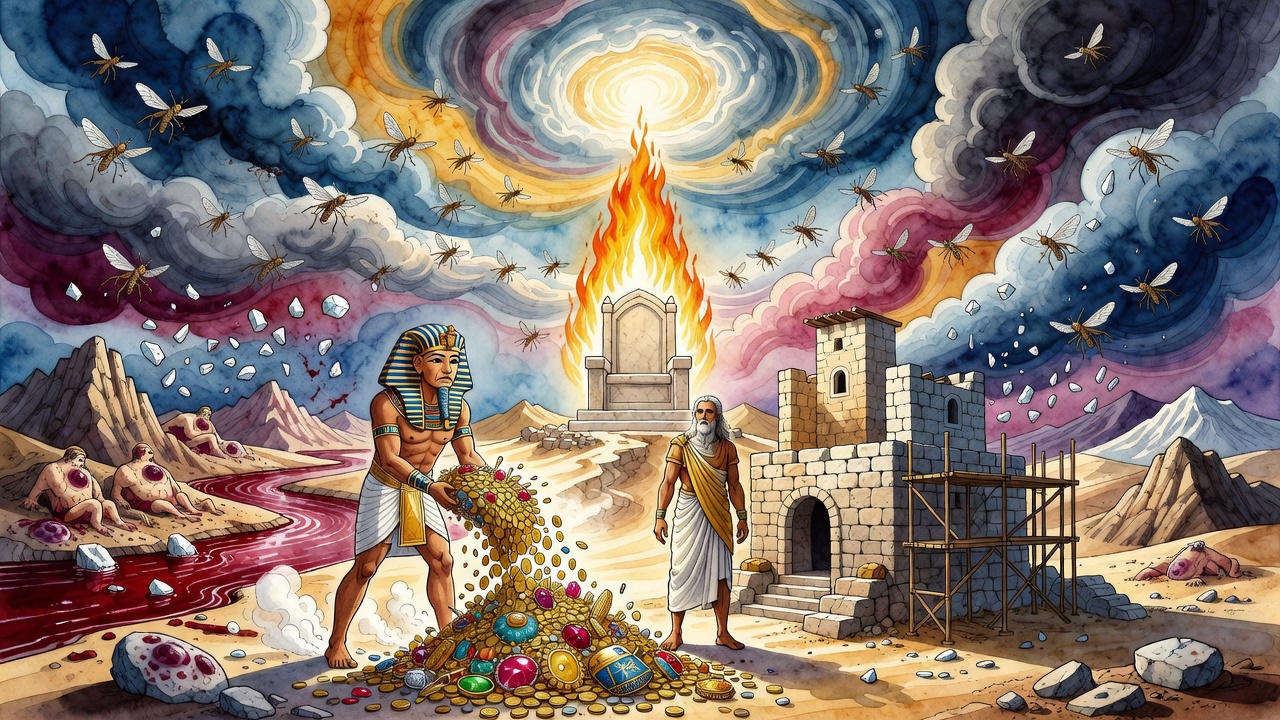
When an Israelite asked to borrow, the request came with a precision that shook the owner. Not "lend me a vessel," answered by the easy lie "I have none." Instead: "Lend me the vessel that sits in such-and-such a place, behind the jar, under the cloth."
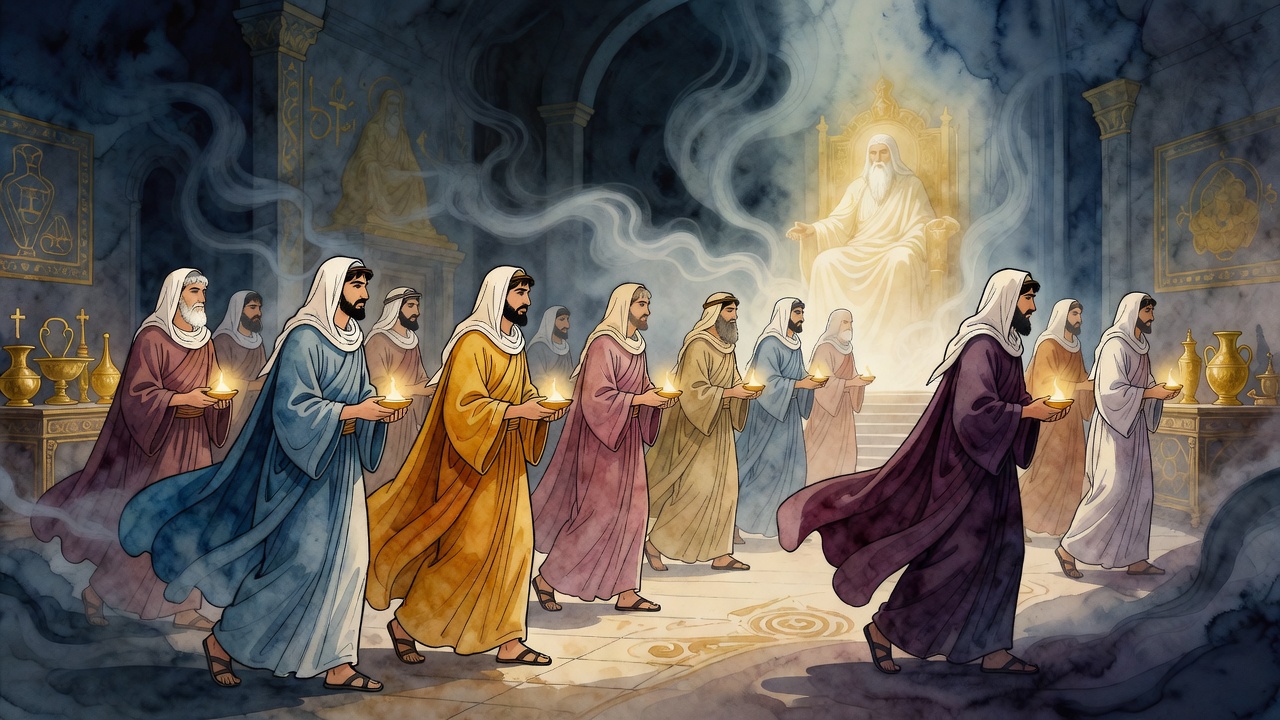
They named the shelf. They named the chest. They named the corner the owner had thought secret. A spirit of insight rested on them. The Egyptian heard his own hidden geography spoken aloud and handed the thing over with shaking hands.
What they lent never came back. It was given over against their will, out of fear of former slaves they now treated like masters who knew too much. Every Israelite carried away enough wealth to build, later, the Tabernacle's gold and bronze without a beggar's shame. Moses and Aaron were busy with commandments and still took their share, because people had already entrusted valuables to the man Moses. Honesty had become leverage. Restraint had become spoil.
Gold on the Shore After the Horses Sank
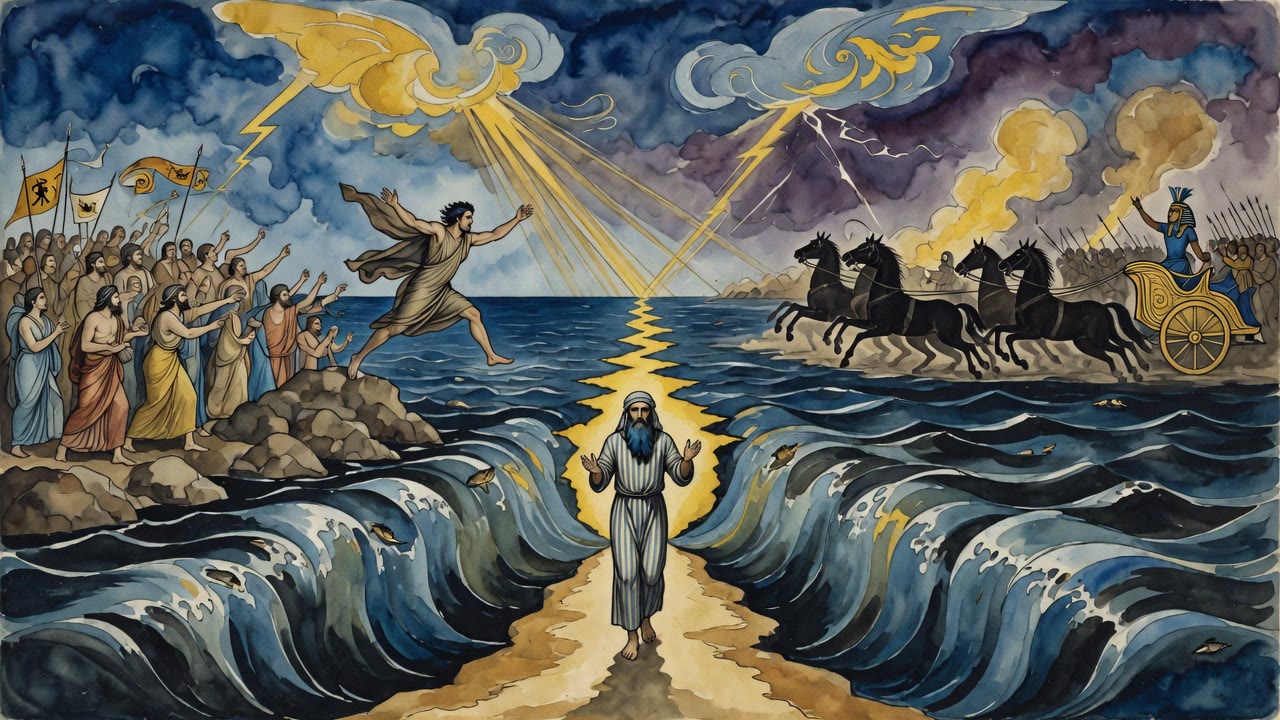
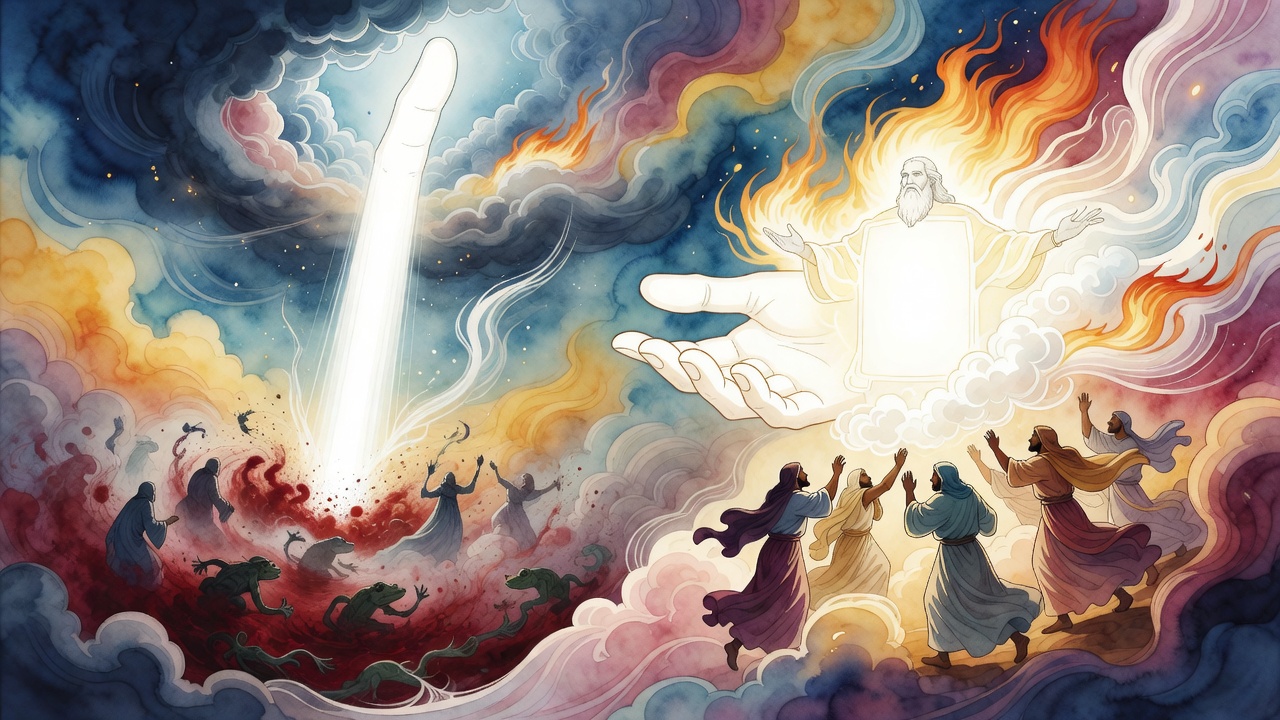
At the sea the arithmetic of judgment multiplied until a mind could not hold it. What a finger had done in Egypt, a whole hand did in the water. Egypt's army sank. Chariots that had hunted became wreckage. Kings marching to war carry their treasuries along to guard against rebellion, so Pharaoh's host drowned wearing its richest gold.
Israel stood on the far shore and loaded what the sea gave without apology. The spoil that washed up outshone even the wealth taken from the houses. They looked back once. The water lay flat. The boast of Pharaoh was gone under it.
Ahead of them the month of spring held the road open, neither scorching nor freezing, fit for walkers who still smelled Egypt's darkness in their clothes and still remembered which shelf had held which vessel. They feared the Lord and believed in Him and in Moses His servant (Exodus 14:31). Before this they had not trusted like that. Now they did. Song rose because the Holy Spirit rests on those who believe.
Egypt Wept While Israel Sang
On one side of the night of departure Egypt wept over its dead firstborn. On the other Israel sang. The same season carried both without mixing them. Prisoners came out into a climate that did not punish the feet that left. The patriarchs' merit, the living leaders' hands, the fit hour, all braided into one exit that the calendar would never stop counting from.
A woman in the column adjusted a bundle that had once sat on a shelf she had named without shame. She had not stolen it in the dark. She carried it in the day because a closed hand in someone else's house had opened a door theft never could, and the sea later paid a second wage on top of the first.
Her children would hear both stories. The closed hand in the dark. The open hand in the light. Both were how they left.
← All myths