Israel Would Not Leave Until the Idols Fell
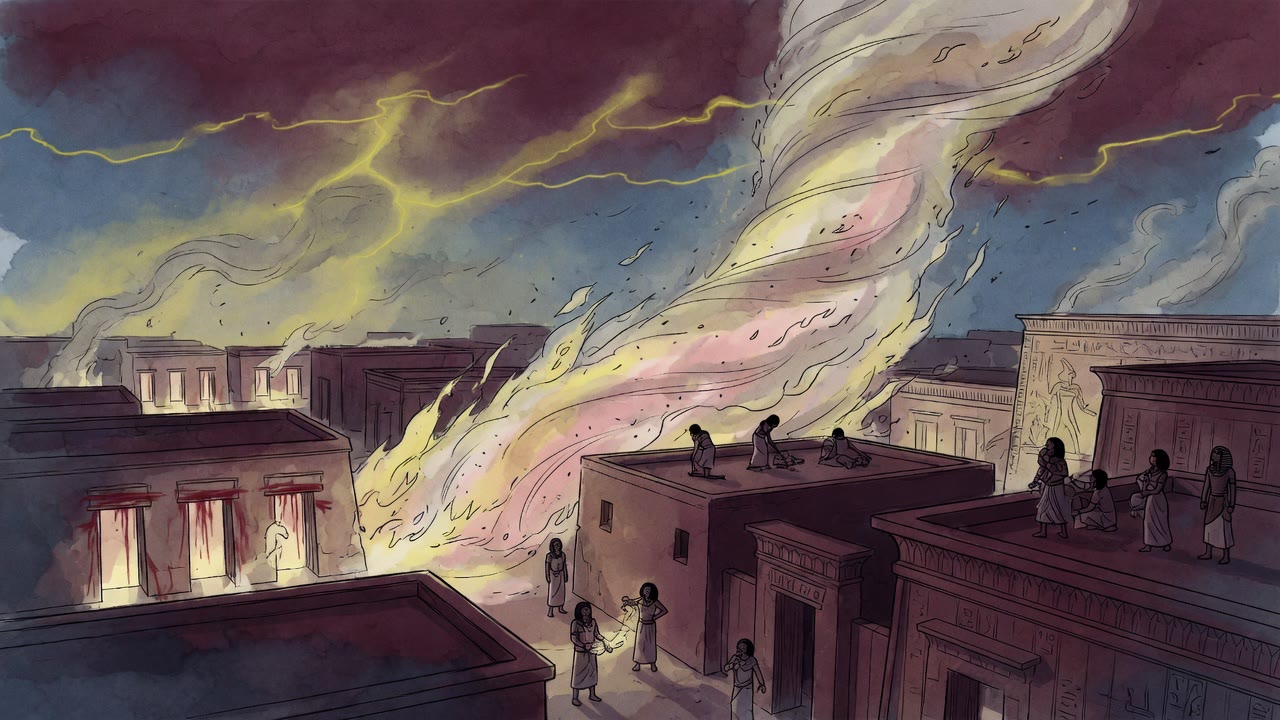
Moses carried the promise into brick-dust streets. A woman turned a small clay figure in her palm until it warmed. A man kept his eyes on the floor.
Table of Contents
Moses carried freedom into brick-dust streets and watched faces close. He had spoken the promise exactly as he received it. God would take them out. Masters would lose their grip. A nation would walk. The people heard him and did not rejoice.
 Click for full size
A son born should make a father shout. A slave told his chain will break should lift his head. Israel did neither. Shortness of spirit sat on their chests like wet clay. Breath came thin. The news was good, and still they would not hearken (Exodus 6:9).
Glad News Met a Hard Spirit
The problem was not that the words were unclear. The problem was what still hung on the walls of their houses and in the corners of their eyes. The detestations of Egypt had become familiar. A god you can touch feels safer than a God who demands you leave everything you know before dawn.
Rabbi Yehudah ben Betheira would later name the refusal without flattery. No one is handed glad tidings and stays flat unless something heavier holds him down. The heavier thing was idolatry. Leaving Egypt meant leaving the shapes that had soothed them while they bled for Pharaoh.
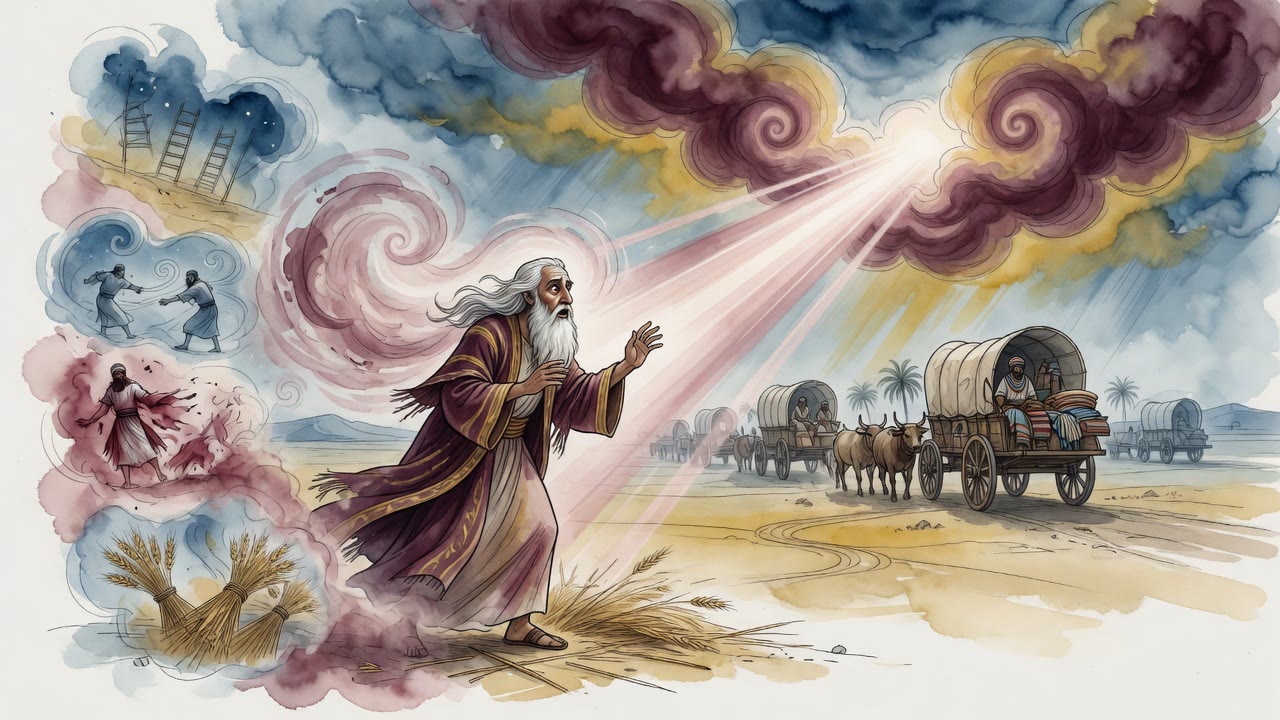
Moses stood in doorways and felt the refusal like a door shut from inside. Aaron stood with him. A woman turned a small figure in her palm until the clay warmed. A man kept his eyes on the floor so he would not have to answer. The people looked past the brothers toward shapes that had never asked them to walk into a desert.
Outside, taskmasters still counted bricks. Freedom sounded like a story that could get a household killed before it got a household free. Shortness of spirit was not laziness. It was lungs that had learned to take shallow breaths under a whip and could not suddenly open for a promise.
The Charge Was to Break the Detestations
Then the command came down hard. God spoke to Moses and to Aaron and charged them concerning the children of Israel (Exodus 6:13). The charge was not only logistics and staff meetings with elders. It was a demand that every man cast away the detestations of his eyes and stop defiling himself with the idols of Egypt.
Moses did not get to be only a messenger of comfort. He became the man who had to pry hands off household gods. Aaron walked the same streets. Immediate speech was the rule. Go and say it to them at once. Flesh-and-blood messengers return to report. Heaven's lightning bolts go out and still stand before the One who sent them, already saying the work is done.
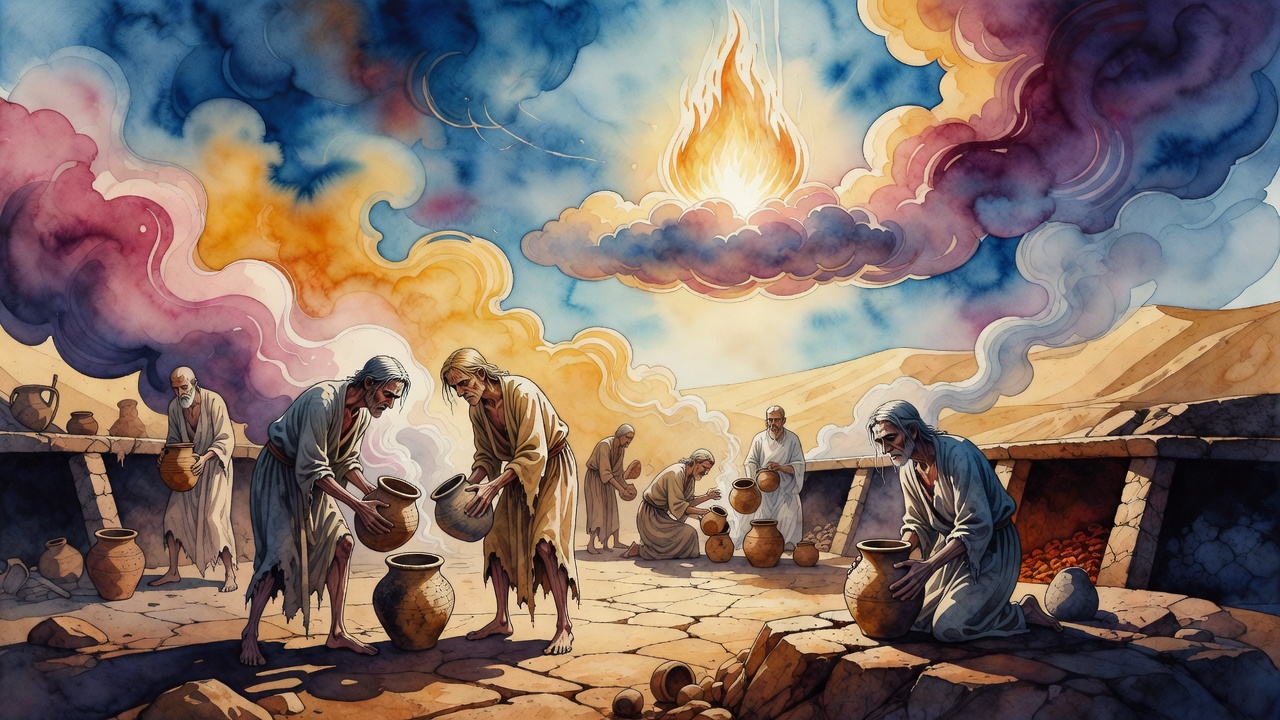
Israel had to choose in the body. Keep the figurine and keep the brick. Break the figurine and risk the road. Some smashed what they owned at night so neighbors would not see the dust. Some buried pieces under floor mats and pretended the lump was only earth. Some held on until the plagues made the old gods look like scrap metal and the river itself turned against the throne that had fed them lies.
Moses returned to report, not because heaven needed news, but because a prophet's body is part of the errand. He walked back through the same streets with the taste of refusal still in his mouth and the charge still hot: abandon what owns your eyes, or stay owned.
High on High They Lifted Each Other
Before the sea, God had already named them. "My first-born son is Israel" (Exodus 4:22). An enslaved people received a title higher than Egypt's throne. That was heaven lifting them while they still smelled of mortar.
When they finally moved, they lifted back. Pesach night became their counter-exaltation, song and roast and blood on wood, a festival that named the Rock of Israel before nations that still trusted river gods. The doubled phrase of the Song, high on high, would later sound like two arms raising each other: He exalted me, and I exalted Him.
At the shore the exchange reached its peak. God had claimed them in Egypt. They claimed God in water and wind. The song was not a one-way hymn. It was the climactic turn of a rivalry of praise that began under the lash.
The Song Said Them and Meant the Children
In the middle of triumph a grammar knife waited. "You will bring them and You will plant them" (Exodus 15:17). Not us. Them. The fathers sang about a planting they would not share. The children would cross into soil. The singers would fall in sand within sight of borders they could not enter, Moses among them.
They prophesied without knowing they were prophesying. Full-grown goats would lead the kids to the threshold and stop. The kids would graze the land. The generation that had clung to Egypt's detestations and then fled its ruins would die with the taste of manna still in its mouth.
Moses heard the song leave his own lips and later lived long enough to understand the pronoun. On the shore he still felt the lift of the music. In the wilderness years the same line would return like a thorn under a nail. The hard spirit of Egypt had delayed the start. The song at the sea already encoded the end of that start for the ones who began it.
Freedom arrived with salt on every garment. So did the sentence that the desert would finish what idolatry had delayed. He would lead them to the edge of planting and stop, a firstborn people behind him, a land ahead of them, and a pronoun that had told the truth while everyone was still singing.
← All myths