Jacob Refused Comfort When Twelve Tribes Cracked
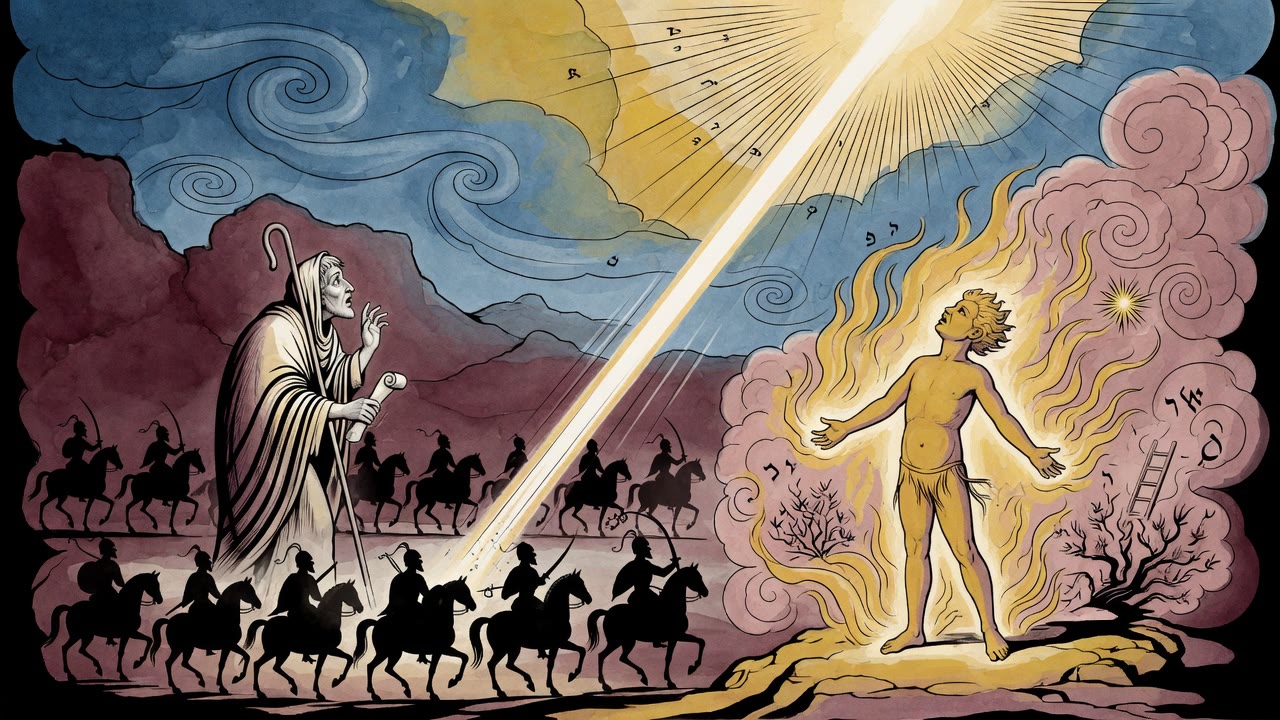
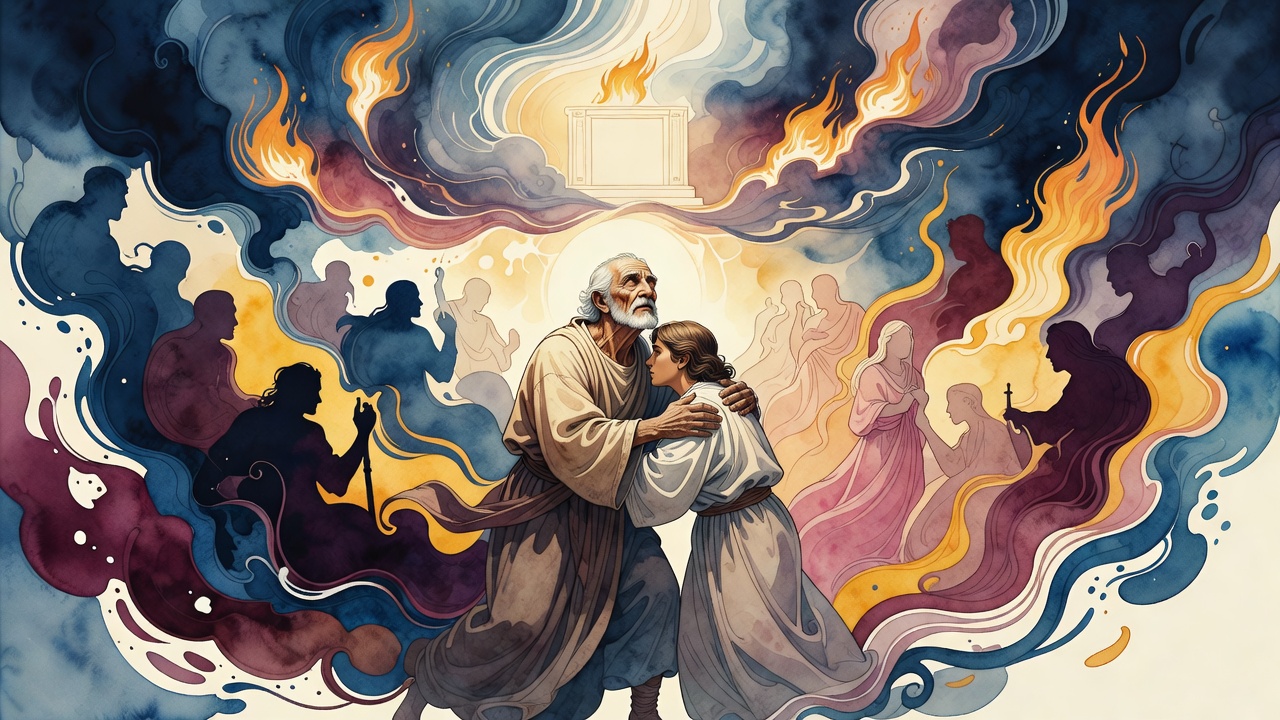
When Joseph vanished, Jacob would not be comforted. Twelve pillars held heaven and earth, and one missing tribe cracked the order of creation itself.
Table of Contents
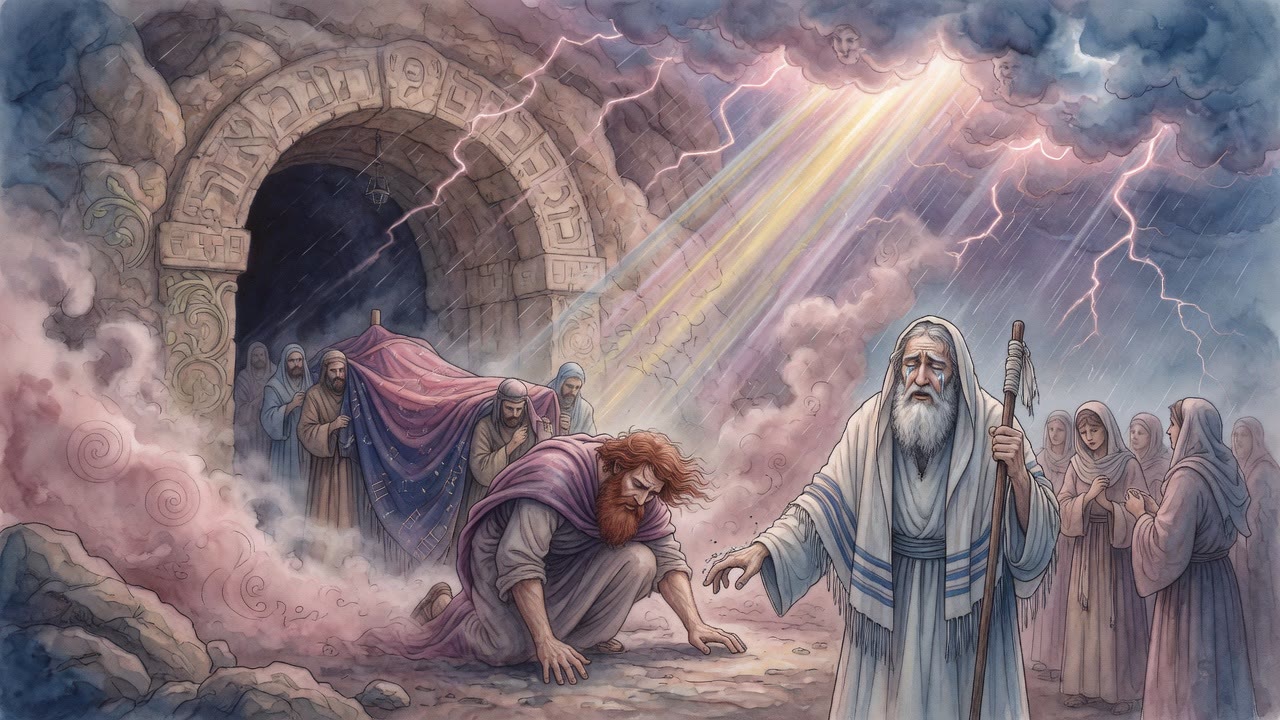
When word came that Joseph was gone, Jacob would not be comforted. Hear what our father feared. He cried out that he had toiled his whole life to raise up twelve tribes, and now the covenant of the tribes was breached.
 Click for full size
Twelve Pillars of the World
Everything the Holy One fashioned answers to that number. Twelve constellations wheel in the heavens. Twelve months turn through the year. Twelve hours mark the day and twelve the night. Twelve stones would one day rest on Aaron's breast. Take away one tribe, and the whole order of creation seems to crack.
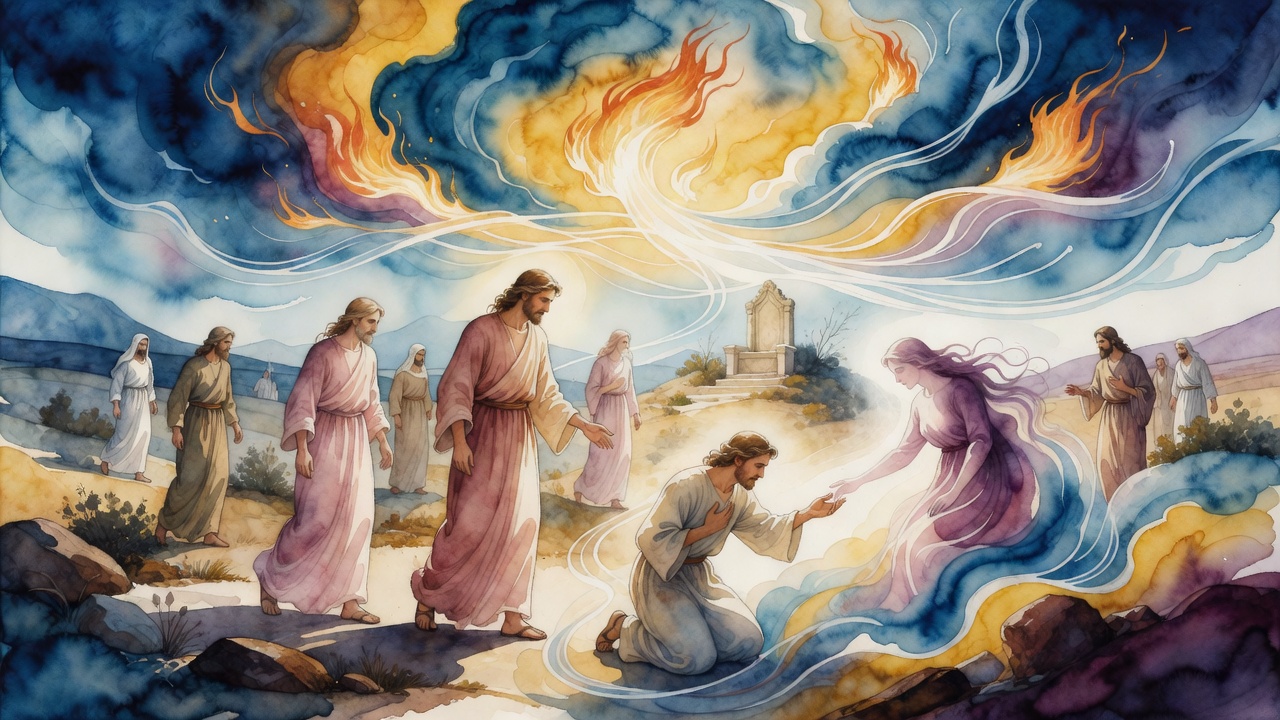
So Jacob refused all comfort. Could he not take another wife and beget a twelfth son anew? He could not. He was bound by the oath sworn to Laban, who had said, "No man is with us; see, God is witness." Even after the wives were gone, that oath held his hands. The arithmetic of the cosmos had become a private grief, and no new birth could repair a vow that locked the count.
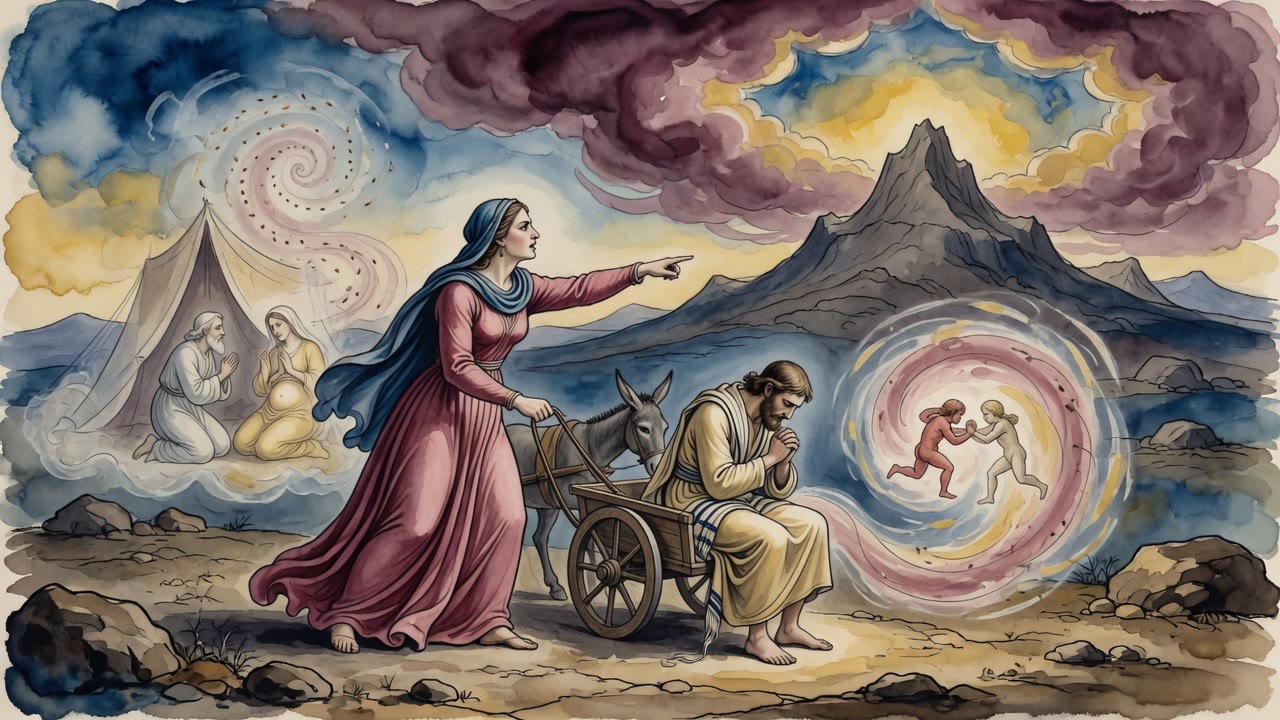
The brothers watched their father tear and would not be soothed. They went to Judah and blamed him for the whole disaster. Judah answered that he had said, "What profit is it if we slay our brother?" Had he urged return to the father, would they not have listened as they listened when he said sell? At that hour they placed Judah under a ban, and Scripture says, "And Judah went down." The breach of twelve tore sideways through the house as well as upward into heaven's count.
Why Exactly Twelve, No More and No Less
Later the same tradition returns to the sealed number. "All these are the tribes of Israel, twelve in number." Why twelve? The tribes were patterned on creation itself: day and night, months and stars, pillars set into the architecture of the world.
Rabbi Yohanan raised a difficulty. Count Ephraim and Manasseh among the sons and the total reaches fourteen. The answer is a hidden arithmetic. When Levi is counted, Ephraim and Manasseh fold together as one. When Levi is set apart for sacred service, the two sons of Joseph each take their place. Either way the sum holds at twelve, as Scripture lists them in the wilderness of Sinai.
Even Rebekah glimpsed the number before her sons were born. The Holy One spoke of two nations, two peoples, one mightier than the other, the elder serving the younger. Tally the phrases of that prophecy two by two and they climb to twelve. The pattern was woven into Israel before Israel drew breath. Jacob's terror when one son seemed lost was terror for a lattice older than his own household.
Jacob Dwells Only After Esau Leaves
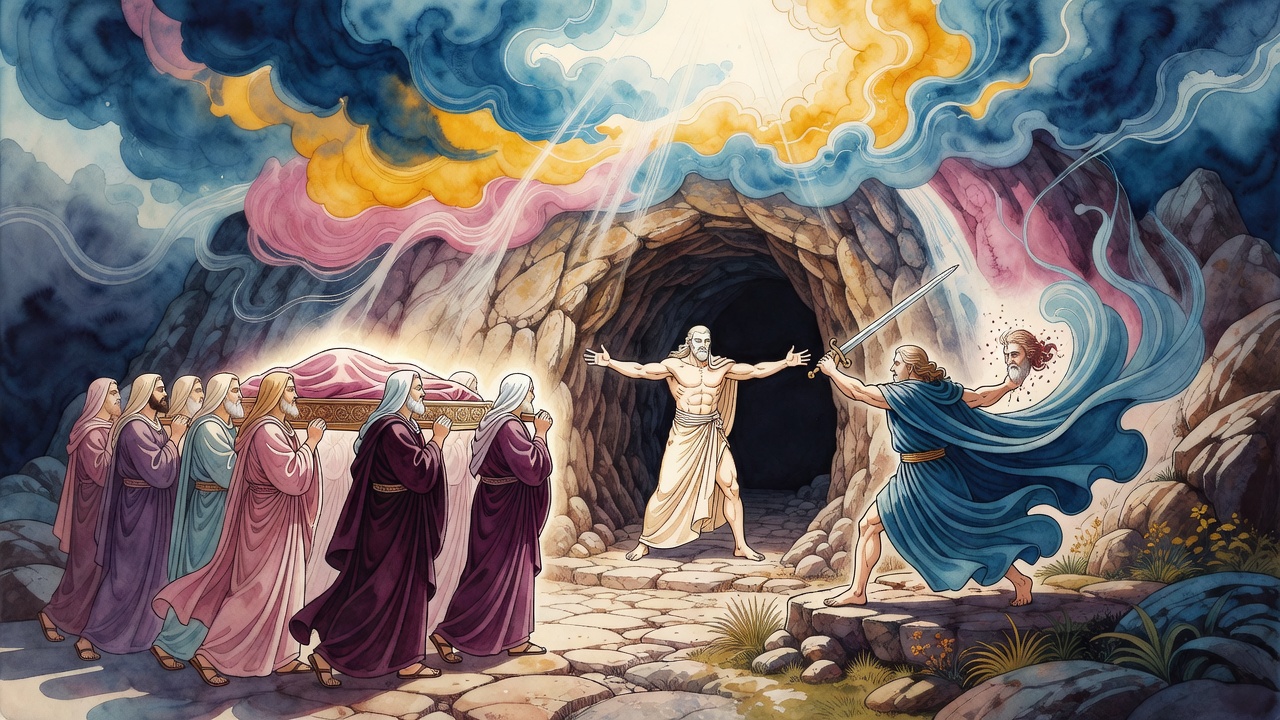
Before the breach of Joseph, another disappearance cleared the stage. "And Jacob dwelt in the land of his father's sojournings." Why only now? Rabbi Jeremiah turned over the verse, "The eternal God is a dwelling place," unsure whether the dwelling place is God or God is the dwelling place. The Psalm settles it: "O LORD, You have been a dwelling place for us." The Holy One contains the world; the world does not contain Him.
None but the righteous truly dwell in the land, and by their merit the world is held upright. So long as the wicked stride through, the righteous cannot be seen. All the days Esau remained in the land, Jacob could not appear. Only when Esau took his wives and went does Scripture say at once, "And Jacob dwelt." Safety alone. Space to stand. The enemy driven out before a righteous dwelling could be named.
So the house first needed Esau gone before Jacob could dwell. Then it needed twelve sons present before Jacob could rest. When Joseph vanished, dwelling itself cracked. Comfort would have meant accepting an incomplete cosmos. Jacob would not sign that paper.
The Count That Would Not Close
Judah went down under a ban. Jacob tore and would not rise into peace. The constellations kept their twelve. The months kept their twelve. The breastplate stones waited for a people that still seemed one short. The father who had finally dwelled after Esau left now sat in a land that felt empty of order, though his remaining sons filled the tents.
He could not beget the missing number. He could not rewrite Laban's oath. He could only refuse the soft words that asked him to live as if eleven were enough. In that refusal the midrash hears not mere sentiment but a claim about how the world is built. Break one pillar and the roof sags. Call the sag comfort and the lie is about the architecture.
Years later the wagons from Egypt would restore the count in living flesh. Until then Jacob's mourning was a ledger that would not balance, a dwelling that had lost its measure, a twelve that creation still insisted on and a household that could not yet show.
Night after night the empty place at the table did the arithmetic for him. Eleven faces. One missing. The stars outside still kept their twelve, indifferent and exact. Jacob's refusal was not theater for the remaining sons. It was a man refusing to pretend the roof still sat level when a pillar had been sold into Egypt. Comfort would have been a second sale, this time of the truth about how the world is counted.
← All myths