Jacob Split His Camp Under Esau's Shadow
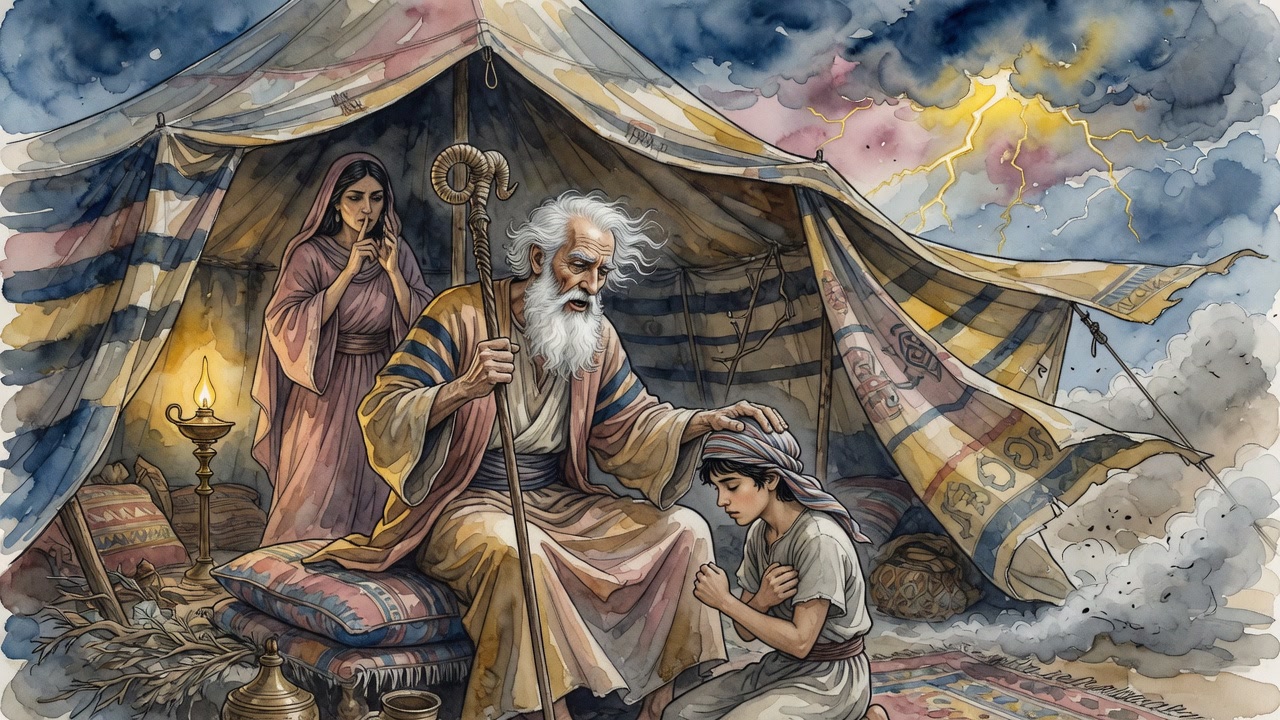
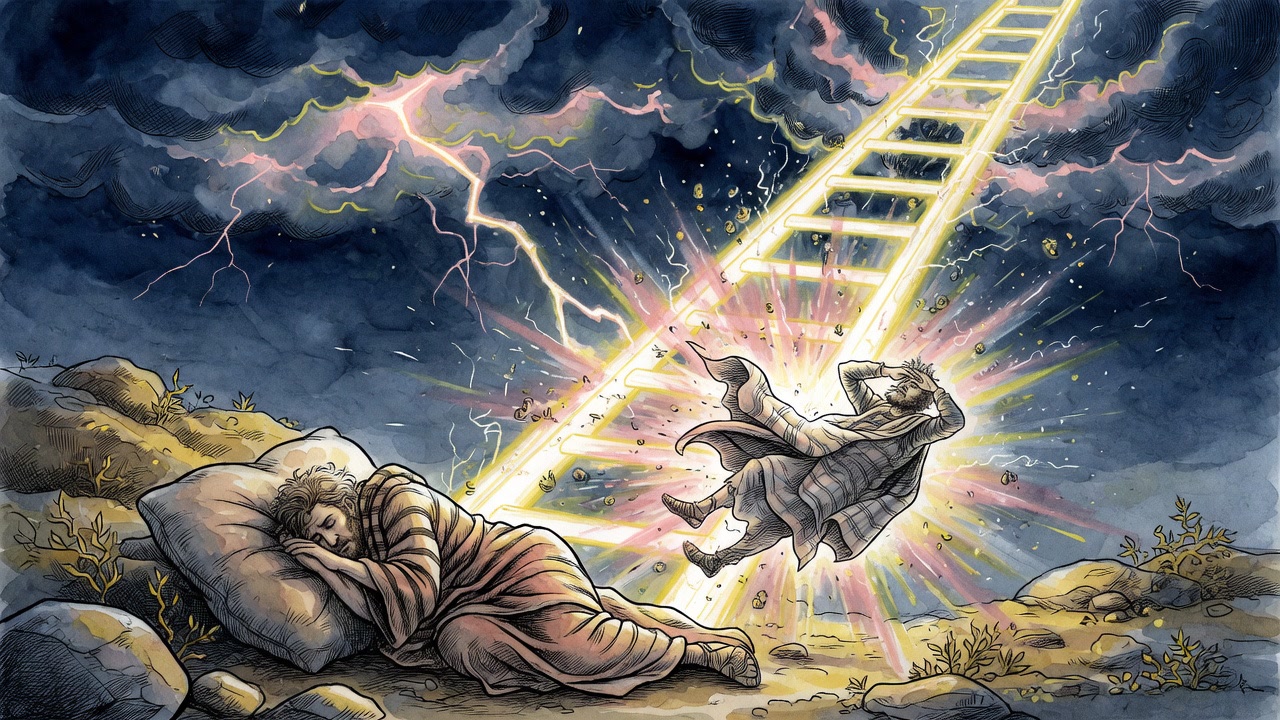
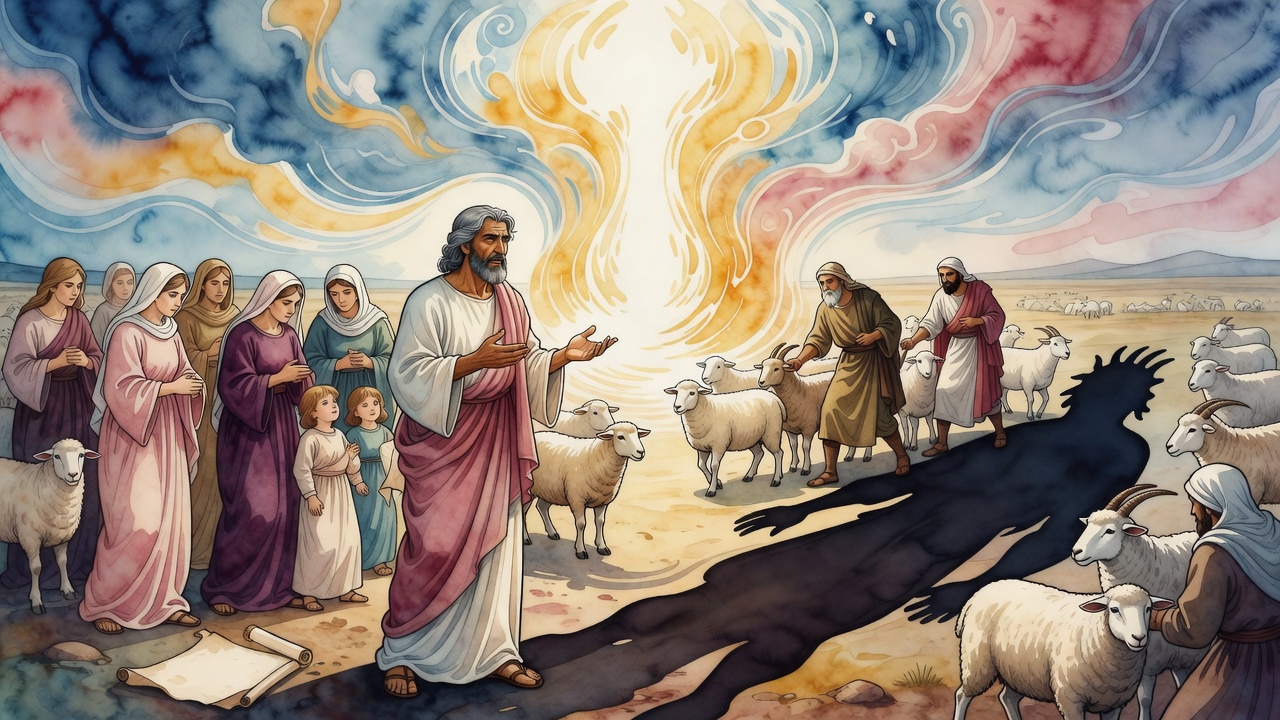
Jacob divided wives, children, and flocks into two camps. God's promise still rang in his ears, and fear still moved his hands.
Table of Contents
 Click for full size
Four Hundred Men on the Road
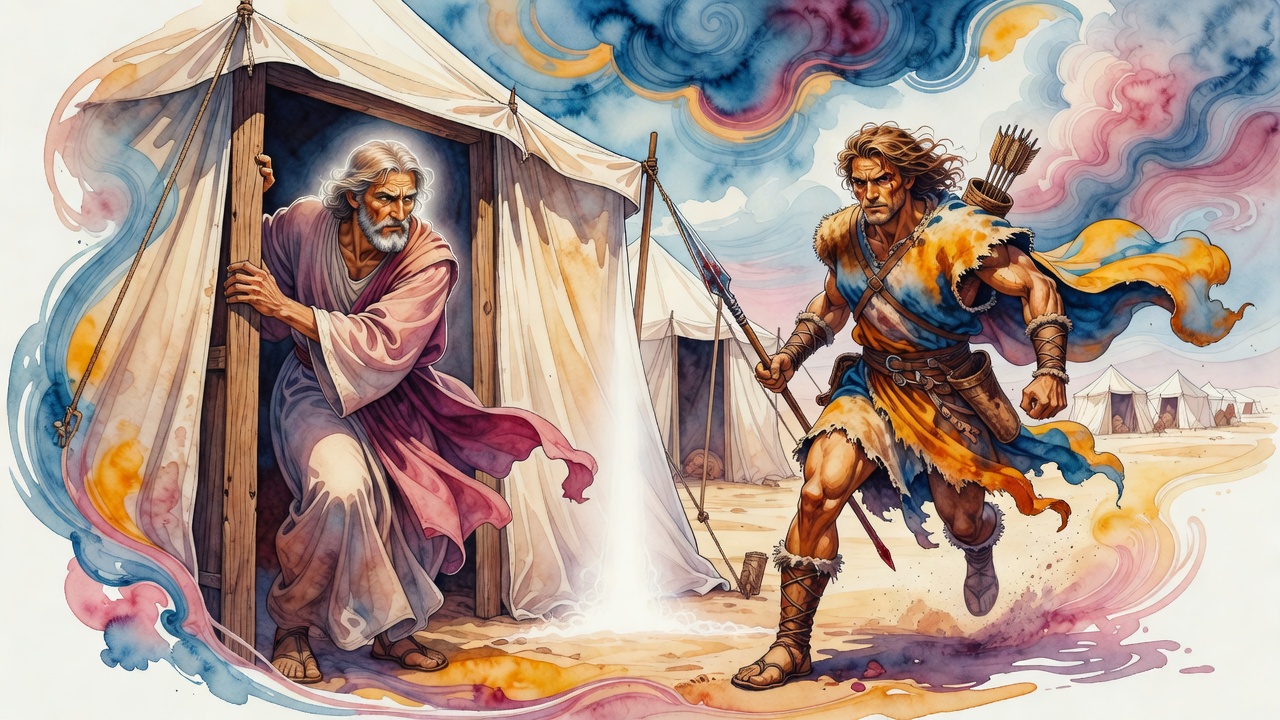
Jacob heard the report and felt his gut drop. Esau was coming with four hundred men. The man who once sold a birthright for stew now rode like a war band. Jacob was very frightened and distressed. He divided the people with him, the flocks, the cattle, and the camels into two camps (Genesis 32:8).
If Esau struck the first camp, the second might flee. Love became logistics. Rachel and Leah, the handmaids, the children, the animals bought with years of Laban's wages, all sorted into two chances at survival. Jacob's hands shook while they worked. A promise from Heaven does not always steady a pulse.
Night pressed down on the fords of the Jabbok. Water sounded cold. Somewhere a child cried and was hushed too quickly, as if noise itself could draw a sword.
Messengers had gone ahead with soft words. They returned with a number that made soft words feel thin. Four hundred. Jacob counted his own and knew arithmetic was not on his side.
Promise and Still Afraid
God had said, "Behold, I am with you" (Genesis 28:15). The Lord had chosen Jacob for Himself. The midrash refuses to sand that away. Even those who hold divine promises taste fear. Jacob is the proof. Later Moses will hear "Do not fear him" only because he, too, is already afraid. Heaven does not scold the fear first. It answers it.
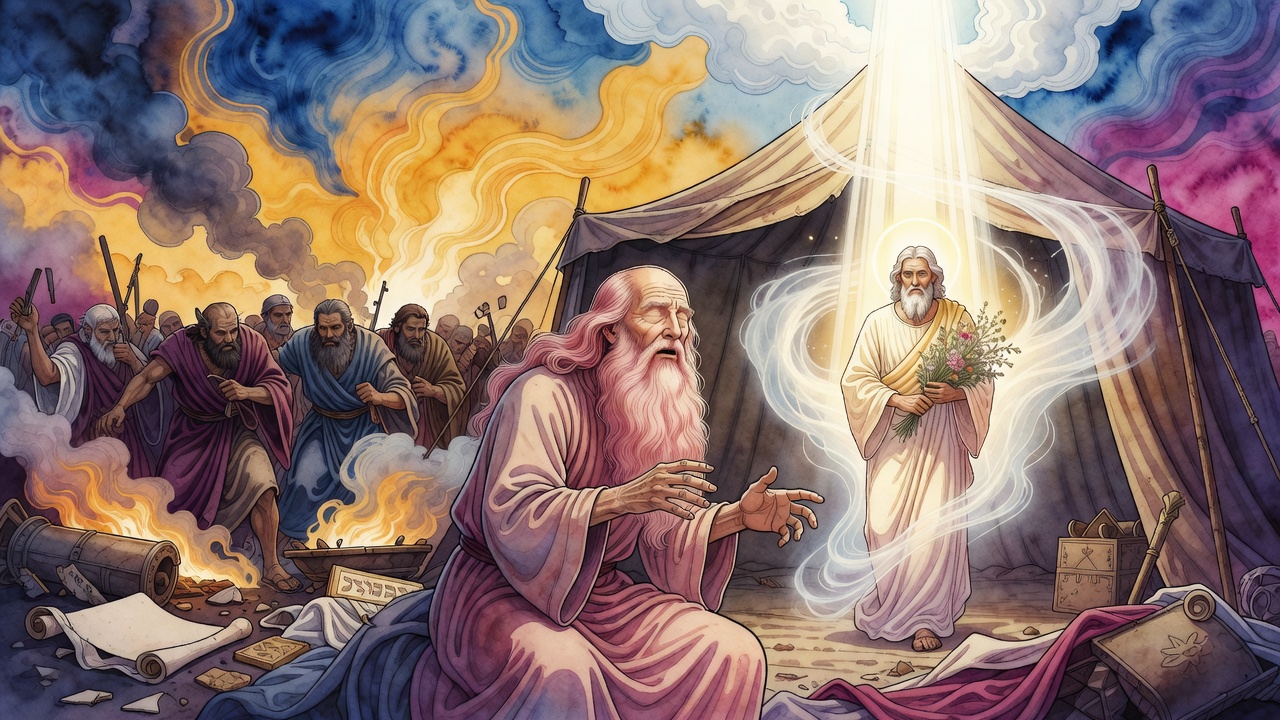
Rabbi Pinhas, in the name of older teachers, sets the pattern for every generation under threat. When Haman's decree later freezes Jewish blood, the people can say their father Jacob was promised and still divided his camp. If he trembled, they are allowed their trembling. Isaiah will criticize forgetfulness of the Maker who spread the heavens. The midrash still protects the honesty of a body that shakes while it plans.
Jacob sent gifts ahead anyway. Animals in careful waves, drove after drove, space between them so Esau's anger might tire on goats before it reached children. Soft speech for a brother who might still want his throat. Bribes and prayer braided into one strategy because neither alone felt enough.
Blessings That Already Named Esau
Years earlier, Isaac had set dew of heaven and fat of earth on Jacob's head while Esau hunted. "Peoples will serve you." "Be a lord to your brethren." Heaven echoed the same lines through later prophets. Dew among the nations. Rain on seed. Kings as caregivers. What a father spoke below, God sealed above, blessing for blessing, line for line.
Rebecca had blessed him too, and angels were charged to guard his ways. The Divine Spirit answered with presence when he called. Isaac, seeing exile ahead, added harder gifts drawn from the language of troubles. Deliverance in six distresses. Shelter from the scourge of the tongue. Laughter even at famine and fear. Those blessings of exile were built for nights like this one, when a brother with four hundred men makes covenant sound thin as spider silk.
Jacob walked under layers of spoken protection and still split the camp. Blessing is not anesthesia. Dew of heaven does not cancel the need to decide which wife stands in which column of risk.
Two Camps, One Prayer
He prayed with both hands open. "I am unworthy of all the kindness." He named the fear without dressing it as piety. He asked to be saved from Esau's hand, from the hand that might strike mother with children. The two camps waited in the dark like two answers to one question. Will any of us see morning?
He reminded God of the promise to make his seed as the sand. He did not pretend the promise made his knees steady. Before dawn he would wrestle until a hip gave way and a new name arrived with a limp. Before that struggle, the human work was already done. Count the people. Divide the risk. Send the bribes. Speak the truth of terror to the God who promised presence.
Esau's dust still rose on the far road. Jacob crossed the stream and came back, restless as a man who cannot decide which side of the water is safer.
What Fear Protected
When the brothers finally met, the swords stayed sheathed. Embraces and tears rewrote the morning. The second camp never had to run. The division had been a rehearsal for loss that Heaven did not require. Still the midrash keeps Jacob's fright on the page, because a people that denies fear will not know how to pray when decrees come.
Esau's four hundred became an escort for a moment, then turned aside. Jacob's gifts were accepted or pressed back according to the dance of pride between brothers. The limp from the night's wrestle stayed longer than the danger. So did the memory of two camps under the stars.
One man between promise and panic. That is how Israel first practiced surviving a brother's anger without pretending the body is made of stone. Later generations under foreign kings would borrow this night whenever courage needed permission to admit it was afraid.
← All myths