Leah Counts Months While Jacob Walks East
The wrong sister woke in the tent. Jacob recoiled. Heaven had already counted her tears against a match to Esau, and would not waste them.
Table of Contents
Jacob left Beersheba with a stolen blessing still warm on his head and Esau's rage cooling behind him into a promise of murder.
 Click for full size
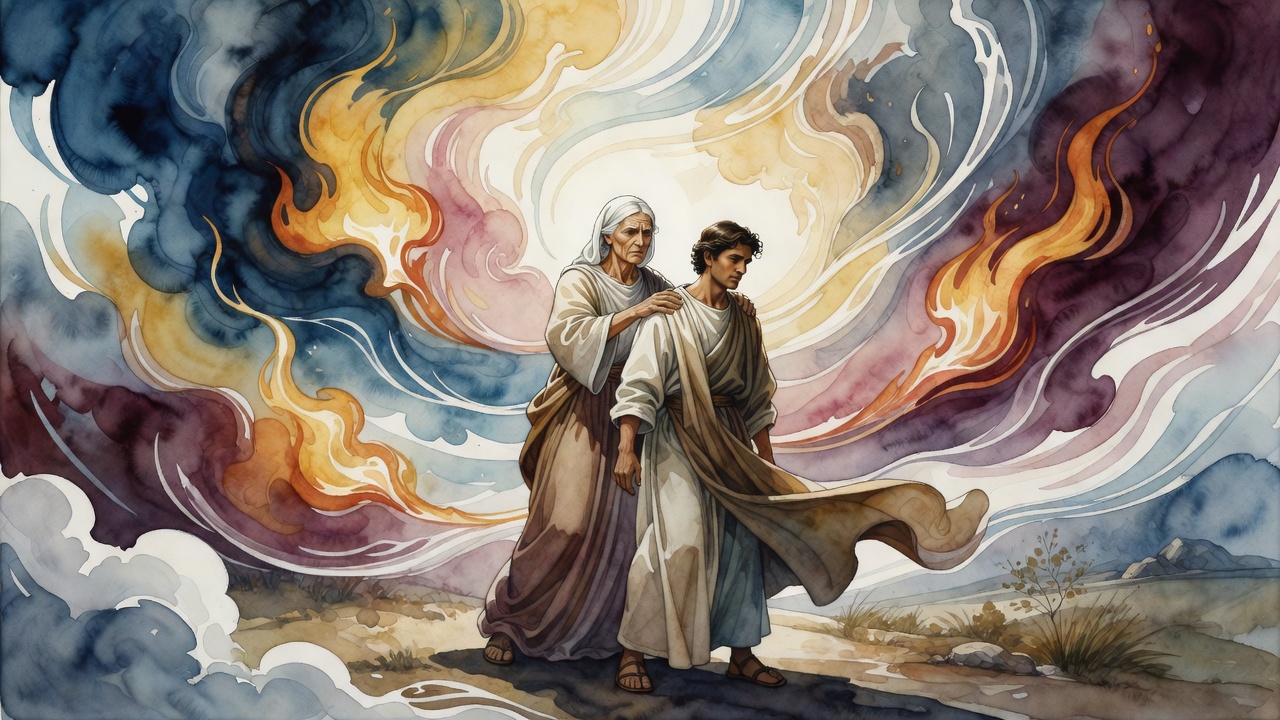
He walked from the Well of the Oath toward Haran, toward his mother's kin, away from a brother's bow. The first year of the second week in the forty-fourth Jubilee. Dust in his sandals. The road east.
The Road From the Well of the Oath
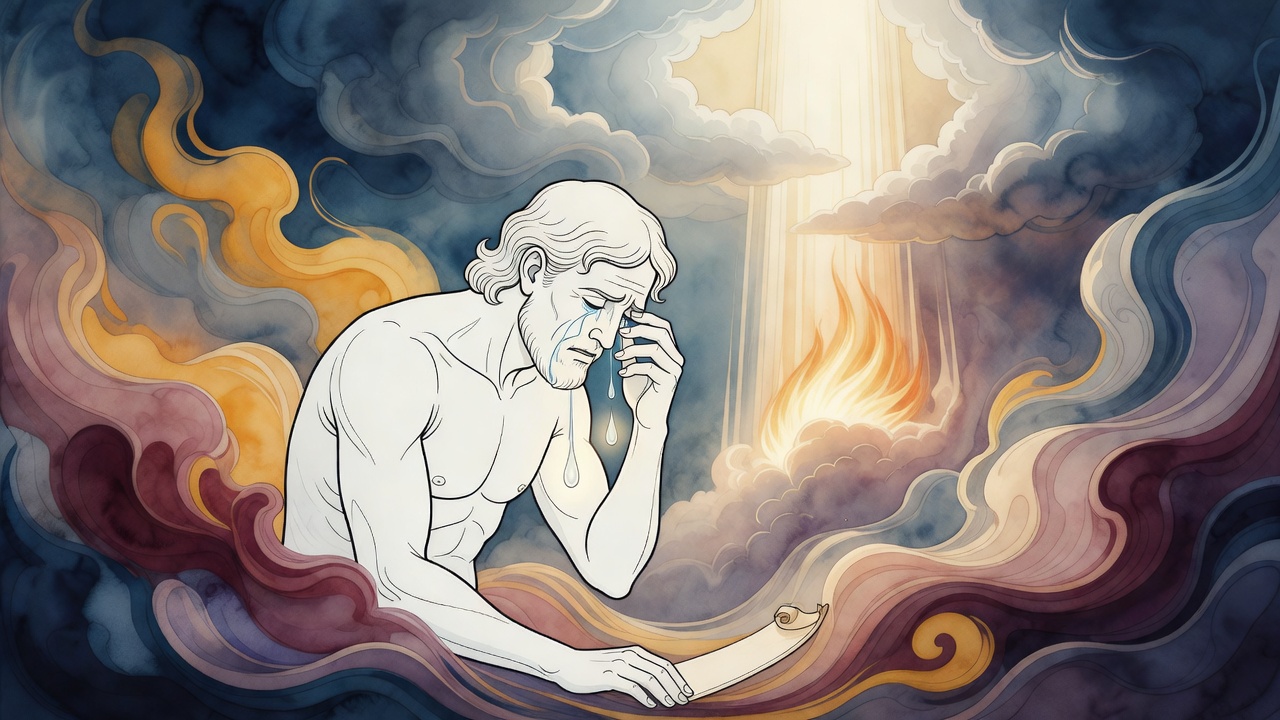
Rebecca had already wept. A voice tried to steady her. "Fear not on his account, my sister, for he is on the upright path and he is a perfect man. He is faithful and will not perish. Weep not." Isaac added his own comfort and sent the boy with words meant to outrun a grudge.
Evening found Jacob at Luz in the mountains, the place later called Bethel, House of God. He turned west off the road as the sun dropped. A stone became a pillow. Sleep came to a man who had cheated and been protected in the same week.
Wind moved dry grass. A jackal cried once. Jacob pulled his cloak over his face and tried not to hear Esau in every branch that snapped. The ladder would find him there. First came the ordinary terror of open ground.
The Wrong Face in the Morning
Years later another house waited in Padan-aram, and it was not whole. Jacob loved Rachel. The veil and the wine and Laban's trick put Leah in the dark tent instead.
Morning light showed the wrong sister. Jacob recoiled. Leah did not shrink. She gave him a hard line. You are cunning too. The man who deceived a father now stood deceived by an uncle and a sister's silence.
From that morning his aversion stuck. Favor is a kind of weather. Leah lived under a sky that would not clear. God does not cling the way men cling, close in riches and gone in trouble. When God sees a mortal unsteady, He reaches a hand out. Leah was unsteady in a marriage that had never chosen her face.
Help, Heaven decided, would come only if she bore a child. Then a husband's love might return. The sentence was brutal and practical. Her value in that camp was measured in a cry from a cradle. Rachel's beauty still filled the doorway. Leah's eyes, tender from tears, filled the hours Jacob did not choose to count.
Tears That Bent a Match
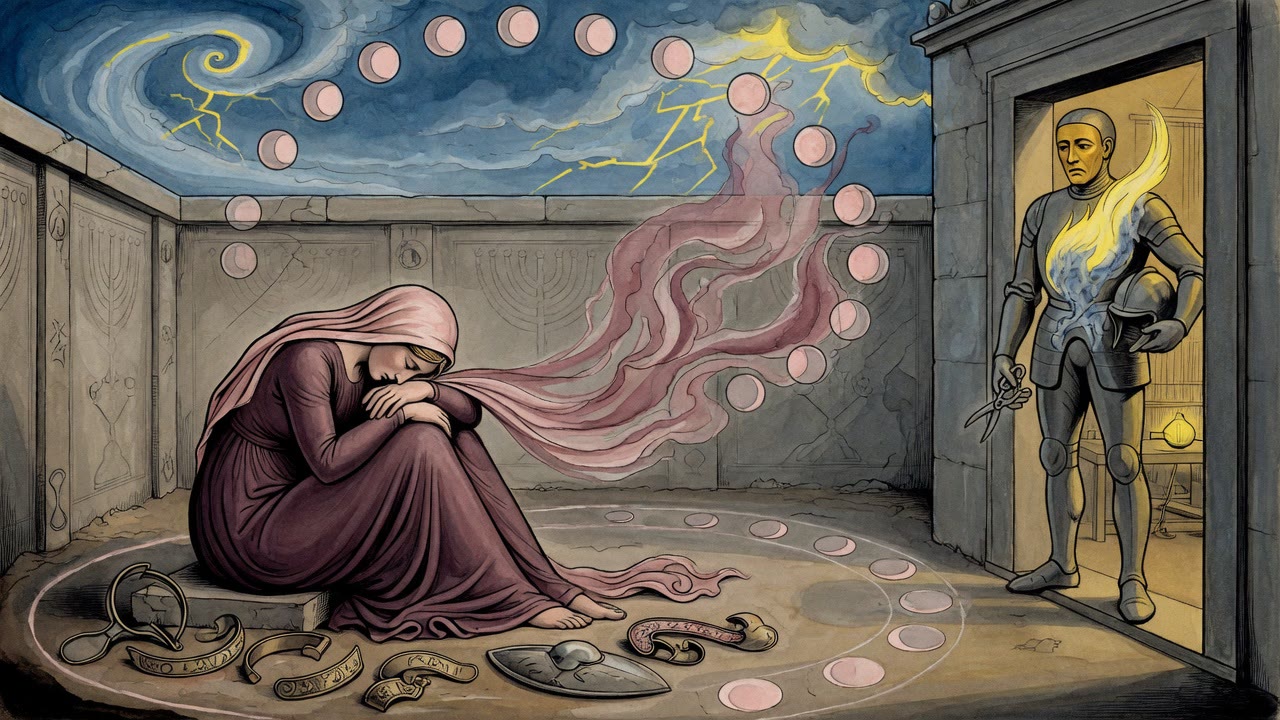
Before the veil, Leah had already cried enough to change a fate. She had prayed not to be given to Esau, the rough twin. Prayer bent the rope of the match. She entered Jacob's tent first, ahead of Rachel, carrying a future the gossips would not forgive.
Neighbors whispered. Sailors on the sea, travelers on the highways, women at their looms. She looks pious outside, they said, but a pious woman would not have taken her sister's place. The rumor stuck like pitch.
God answered not with a speech but with a calendar. Seven months after the wedding she bore a son. Extraordinary speed for a woman some called barren by nature. The birth shut mouths for a season.
Midwives washed a small body while the camp's whisper machine stuttered. A son is harder to sneer at than a sister's strategy.
A Son in Seven Months
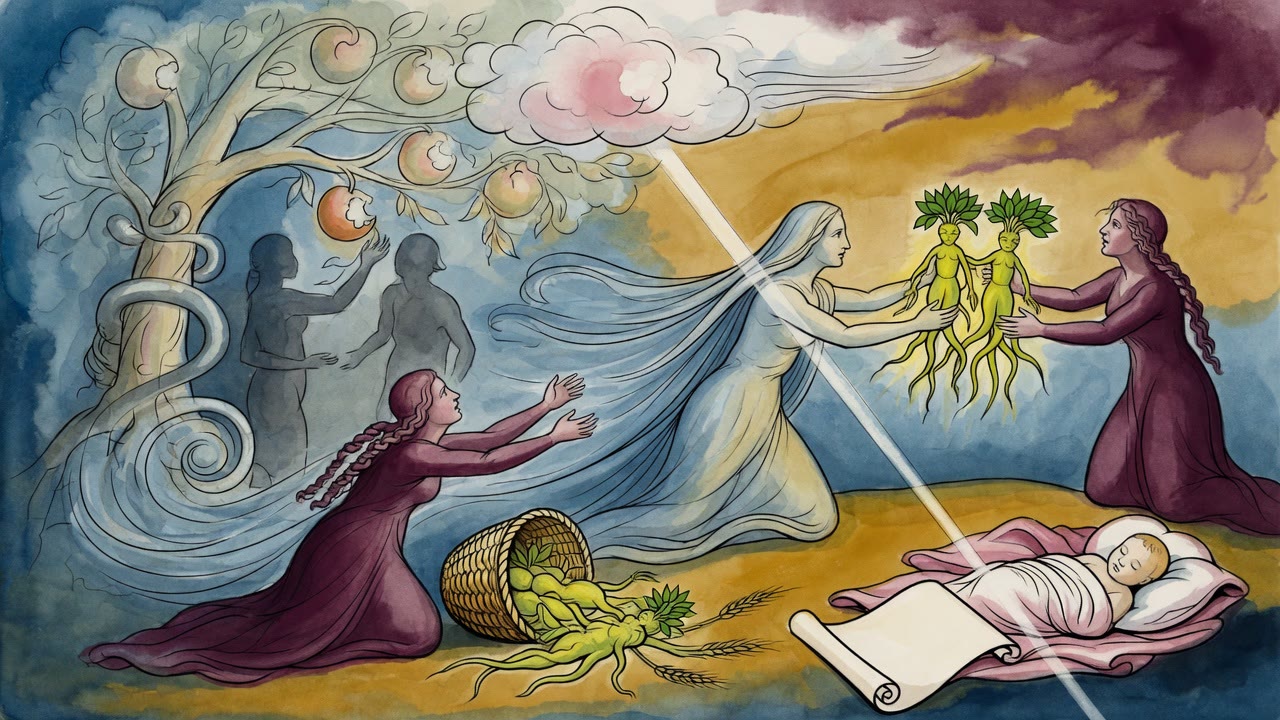
He was one of a pair of twins. The other child was a daughter. So it was with eleven of Jacob's sons. All of them except Joseph came as twins with sisters who later married those brothers. Leah's body became a map of tribes. The unloved wife filled the house that love had tried to build only around Rachel.
Jacob had once slept at Bethel with a stone for a pillow and angels on a ladder. Now he slept in a camp where two sisters shared one man's future and heaven kept tipping the scale toward the sister who prayed and wept.
Exile from Esau had led to Laban's fields. Laban's fields led to a household that hurt and multiplied at once. Leah counts months the way Jacob walks miles. Both were fugitives of a kind. He fled a brother. She fled invisibility. Neither flight was gentle.
Love Returns on a Small Fist
When the first son opened his hand, Jacob's face changed. Not all at once. Not cleanly. Enough. The ways of men had written Leah out. The ways of God wrote her back through blood and milk and a name spoken over a child. Rachel still held the longer look. Leah held the longer line of sons.
At night she pressed her palm to the cradle rim and felt the wood answer with a tiny kick of life that had rearranged a husband's eyes.
The boy who left the Well of the Oath had not known Leah's name yet. The woman who wept for a different husband had not known Bethel's stone. Dust from the eastern road never fully left Jacob's sandals. Salt from Leah's eyes never fully left the tent.
At Bethel the ladder rose. In Padan-aram a cradle creaked. Between them Israel began, not in perfect love, but in a crooked household heaven refused to abandon.
← All myths