Leah Wept Until Heaven Freed Her From Esau
Matched from the cradle to Esau the hunter, Leah cried her eyes tender. Rachel laughed at Jacob's quiet fame until barren fear found her.
Table of Contents
 Click for full size
Letters Between Two Houses
When Rebekah bore Jacob and Esau, that same hour Laban received two daughters. Letters crossed the distance between the families with the blunt math of matches. You have two girls. I have two boys. Elder to elder, younger to younger. The cradles were already signed into a future no infant could refuse.
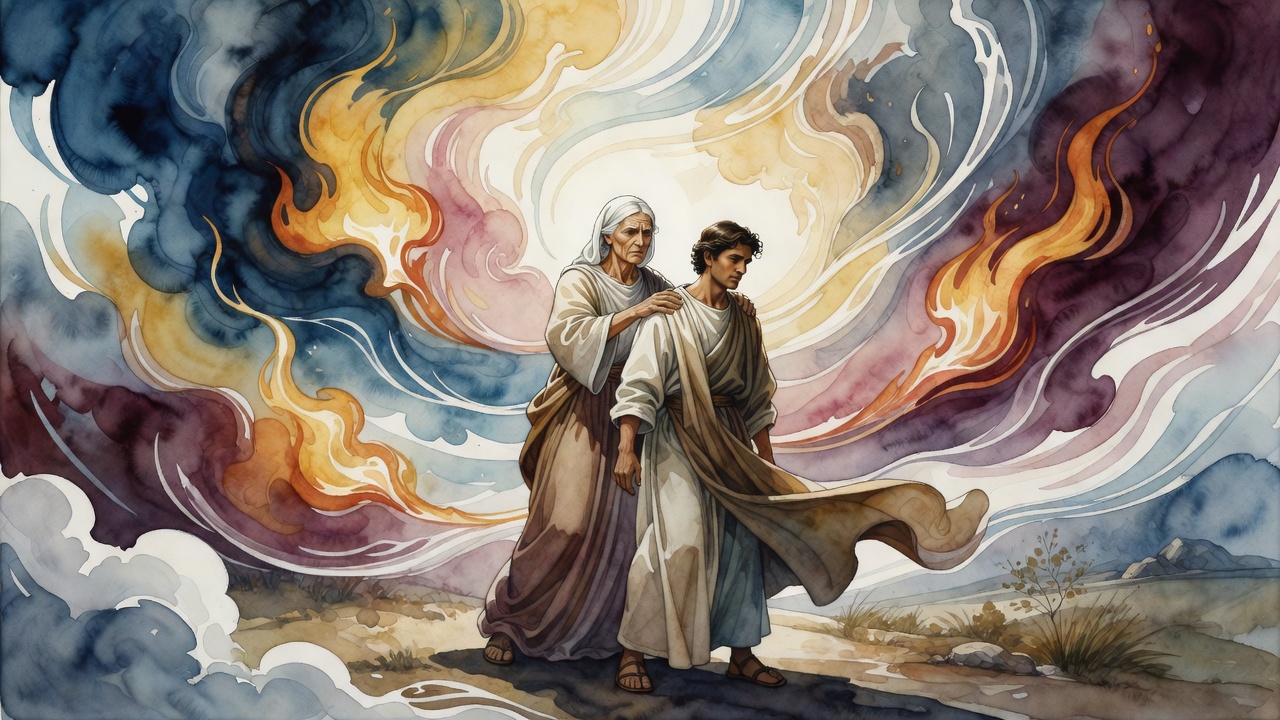
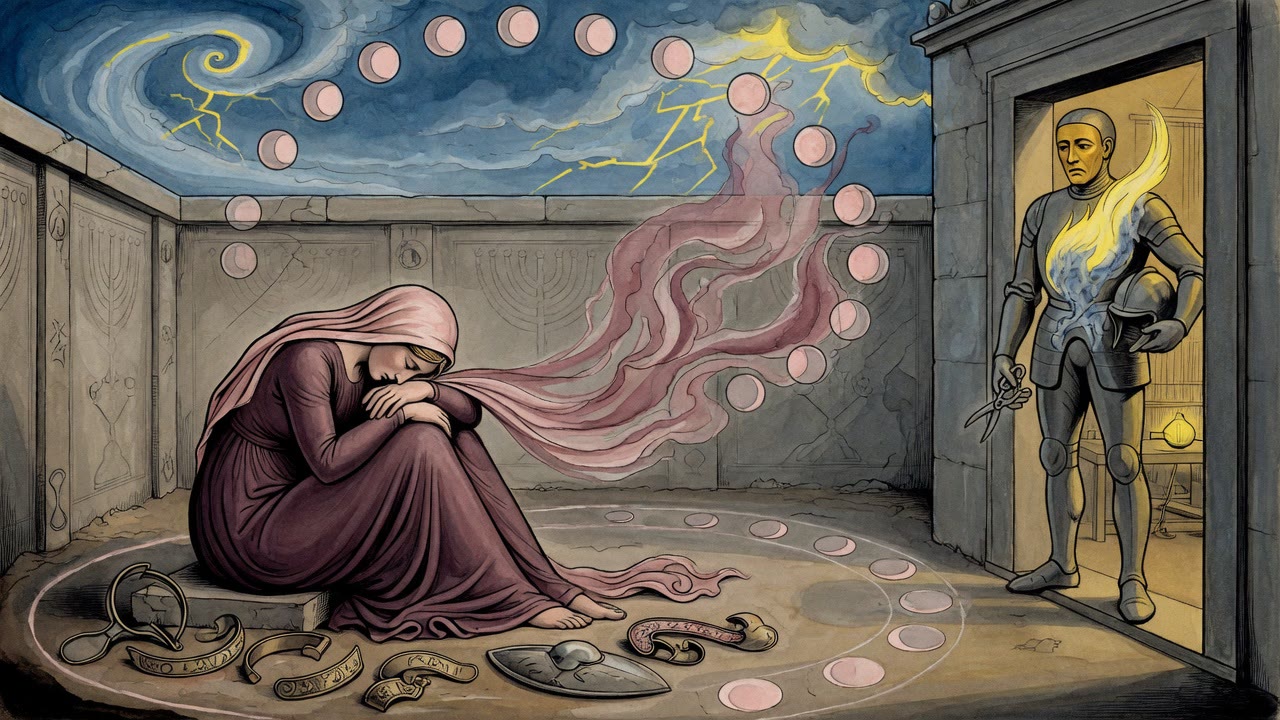
Leah grew into that contract like a vine trained to a wrong trellis. Travelers came through and spoke of Esau's hands, the violence in his name, the field-blood that clung to stories about him. She listened and wept until her eyes went tender, rims dark, vision soft with salt. One interpreter later called those eyes bleary, circled with the shadow of years spent crying over a marriage that had not yet happened.
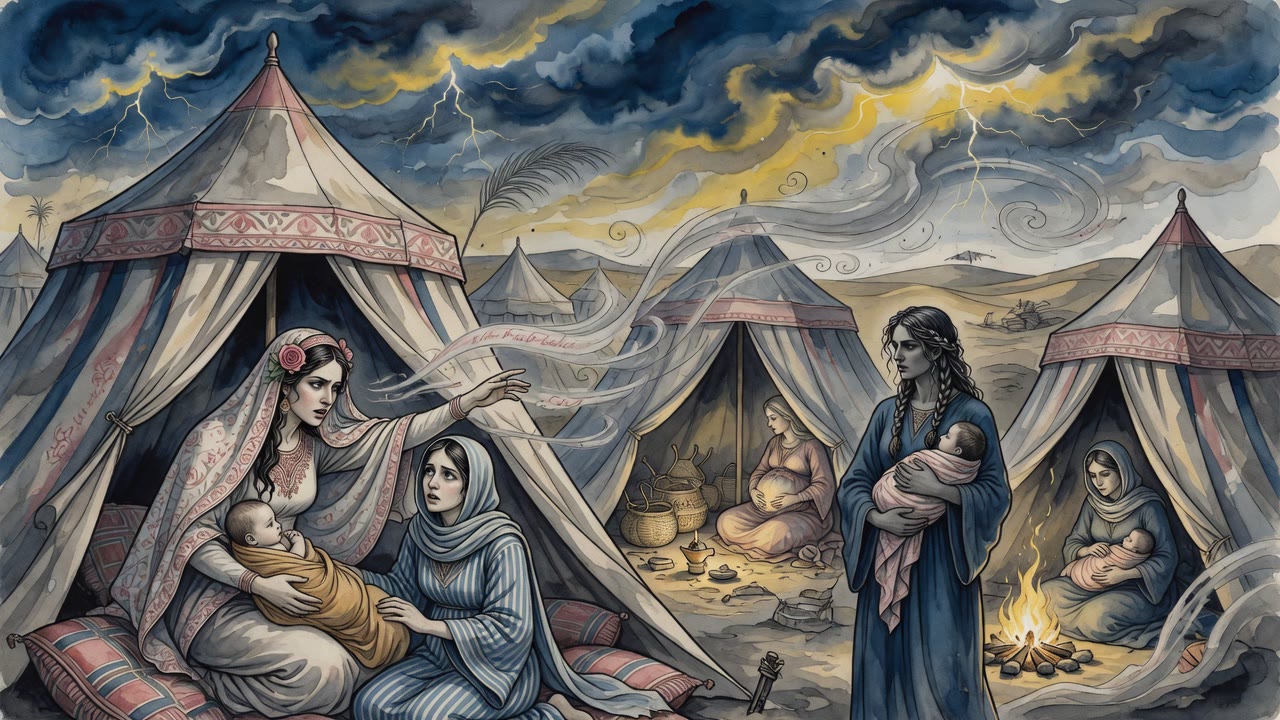
Rachel heard other travelers. They spoke of Jacob in tents and at wells, a quiet man of the home. She rejoiced. The two sisters shared a house and lived in opposite weathers.
Tears That Rewrote a Contract
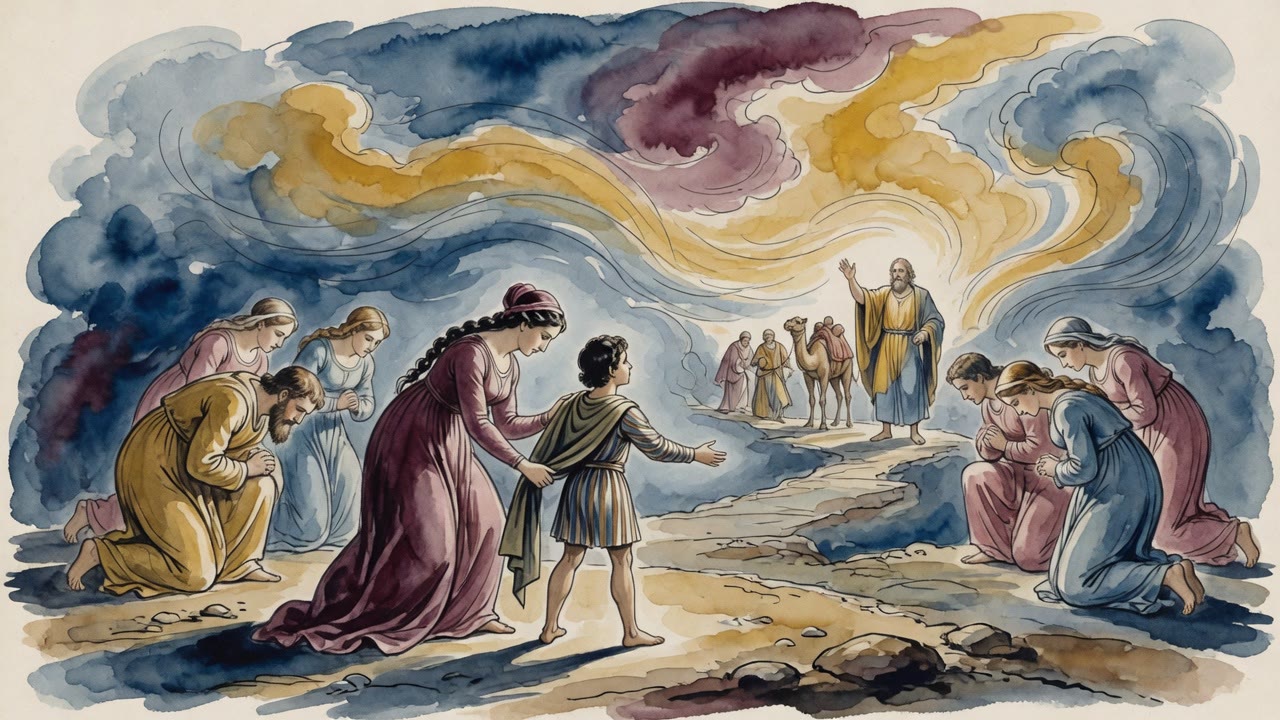
Heaven heard the elder sister's fear more clearly than Laban's letters. The match that looked fixed from the cradle bent. Jacob arrived fleeing Esau and walked into Laban's schemes, and Leah, still tender-eyed, became the unexpected bride under a veil. The violence she had cried against did not claim her body. The hunter did not take her hand.
Rabbi Yohanan refused to leave her eyes as pure damage. Read them as long-lasting, he said, for everything the Holy One gave through Leah endured: high priesthood, kingship, the anointing oil. Weakness of eyes became a doorway for lasting gifts. The tears that looked like ruin were compost for future thrones and altars.
Rachel, who had rejoiced, learned a harder season. Son after son filled Leah's side of the camp. Rachel's tent stayed quiet in the night hours when infants cry. Fear arrived with a new face. Perhaps Esau will yet claim me, she thought, if I bear nothing and the old cradle-math reasserts itself through barrenness.
Joseph and the Gathering of Shame
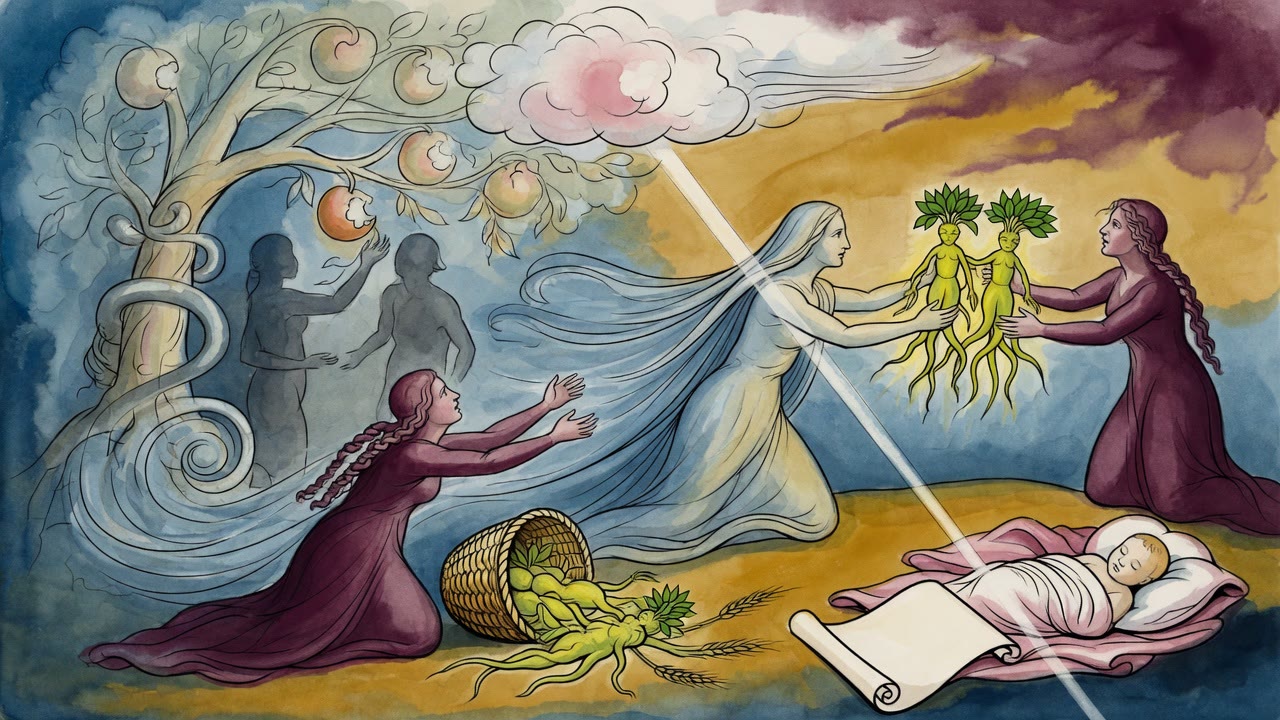
Then Joseph was born, and Rachel's mouth finally held a name that was also a plea. "God has gathered up my shame," she said, because shame is uncovered flesh in a world that counts wombs like ledgers. She named him Joseph, "may the Lord add another son," and the Holy Spirit in her foresaw one more only, Benjamin, a completed pair rather than an endless climb.
Leah's earlier tears and Rachel's later cry sit on the same rope. One sister wept free of a killer's match. The other wept free of the taunt of emptiness. Between them Jacob's house learned that Heaven answers more than one kind of fear in a woman's throat.
The boys who would become tribes slept in rows. Outside, the old contract with Esau was a ghost story told to frighten no one who still had breath.
A Ladder Between Deaths
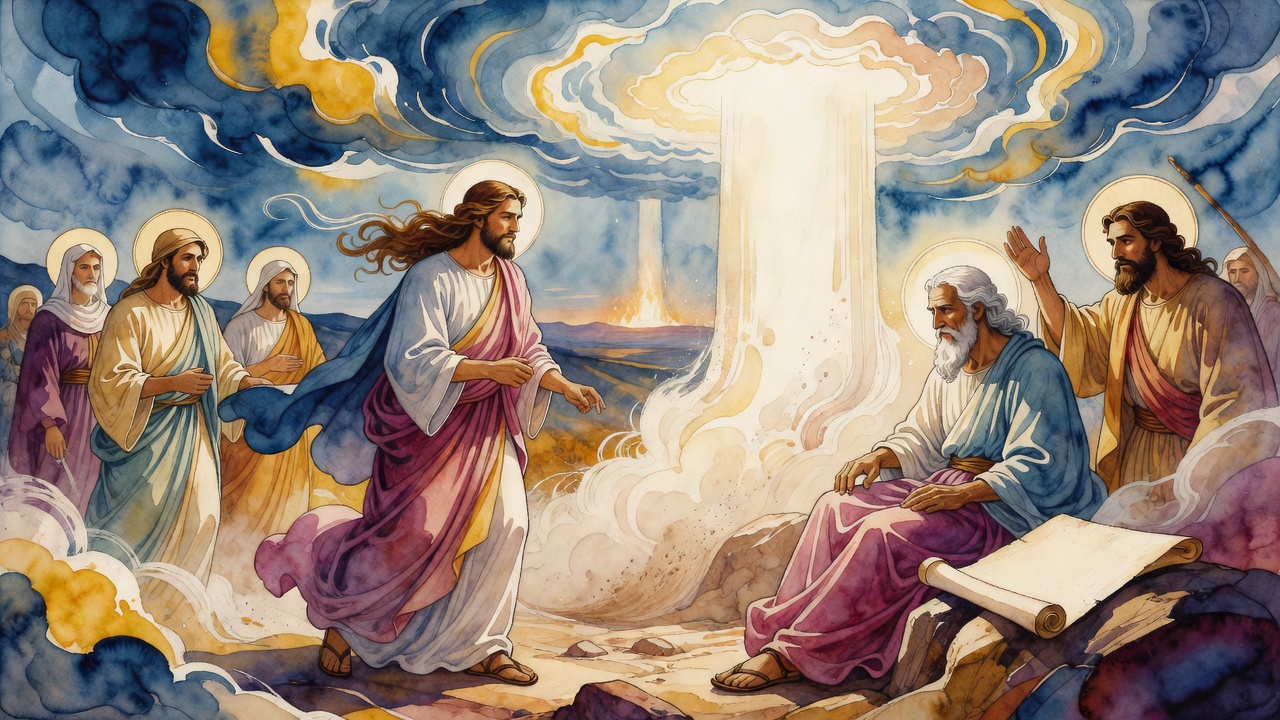
Years before the full camp of sons, Jacob had laid his head on stone and seen a ladder set on earth with its top in the heavens. Angels moved. The dream taught more than travel routes. Sages later asked what divides the death of the righteous from the death of the wicked, and the ladder became their measuring rod.
Rabbi Yusta bar Shunem said in the name of Rabbi Yehoshua of Sikhnin that the death of the wicked belongs neither to earth nor to heaven. Ahithophel set his house in order and strangled himself, hanging between. Haman hung on his own gallows with his sons after him, lifted off the ground yet never raised to the sky. Suspended. Claimed by neither realm.
The death of the righteous reaches both. In heaven their souls are bound in the bundle of the living, as Abigail told David. On earth their memory is honored, as when they buried Hezekiah in the ascent of the tombs of David's house and paid him glory at his end. Rooted below, welcomed above.
Jacob, fleeing a brother who once wanted him dead, dreamed a structure that would later judge how lives finish. Leah's tears had already begun to free a different ending for her own story. Rachel's naming of Joseph would plant a righteous line that Egypt could not finally hang between worlds.
What the Sisters Kept
Leah kept swollen lids and a future of enduring gifts. Rachel kept a name that asked for one more son and a fear that had finally been answered in part. Jacob kept a limp from another night's wrestle and the memory of a ladder that refused to let wickedness own both soil and sky.
Esau rode his own road. The cradle letters yellowed into irrelevance. In the tents, children of the tender-eyed sister and children of the once-barren sister learned to call one another brother across old rivalries that never fully slept.
A young woman had cried until the future cracked. That crack let a different marriage in. Everything after, priesthood and kingship and a dreamer's coat, walked through it.
← All myths