Jacob Bowed Seven Times to Shield His Children
Dust rose on the road and Jacob sorted his camp by love. Maidservants and their children in front. Rachel and Joseph at the very back, farthest from Esau.
Table of Contents
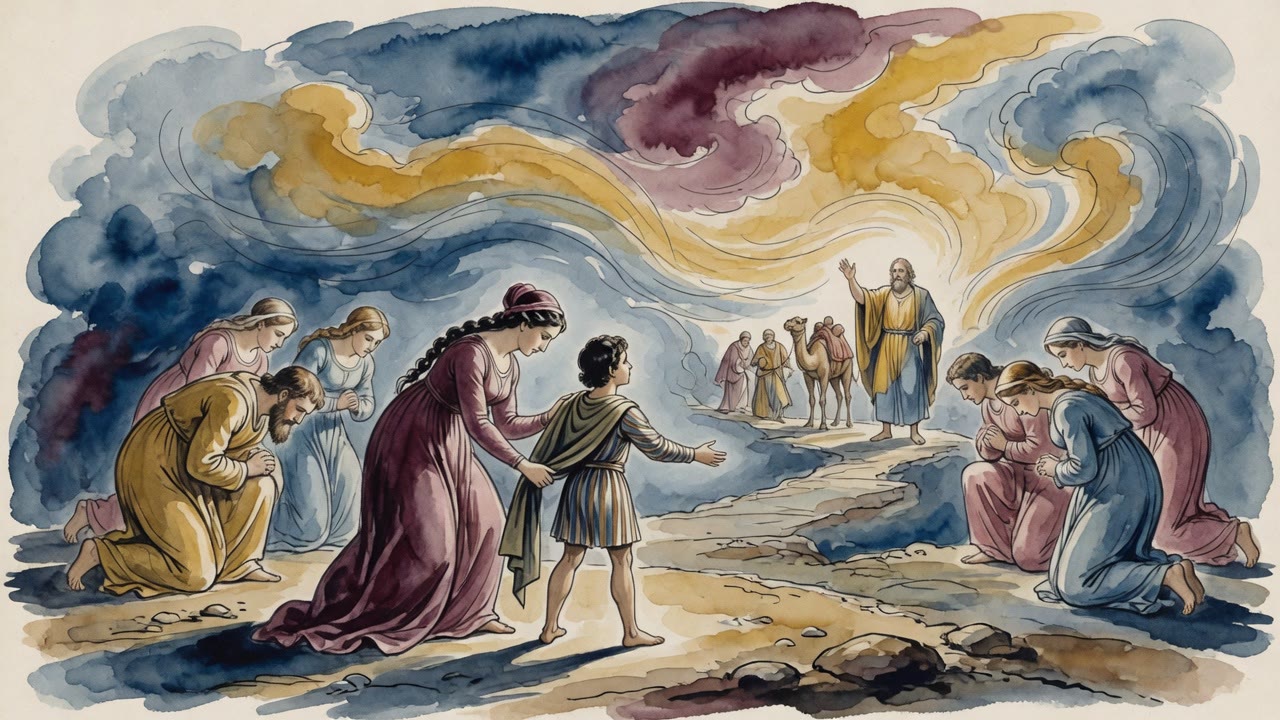
Jacob saw dust rising on the road and ordered his camp into ranks. Maidservants and their children first. Leah and her children next. Rachel and Joseph at the rear, farthest from the meeting. The order was not vanity. The farther back a person stood, the more beloved, the sages said. He put the dearest where a brother might not reach first.
 Click for full size
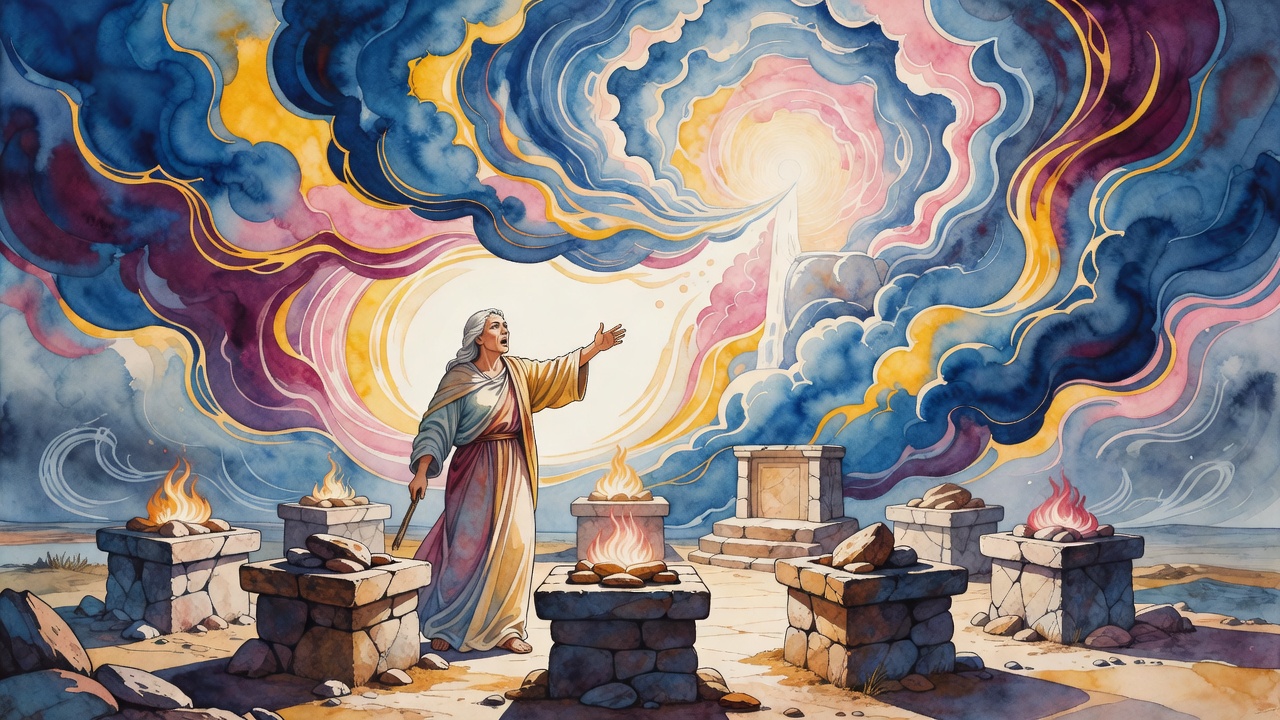
Then he passed before them all and bowed to the ground seven times, advancing, rising, falling again, until he reached Esau (Genesis 33:3). Dust stuck to his forehead. The children watched their father make himself small on purpose.
Let Him Strike Me, Not Them
Why walk out in front? Rabbi Levi heard Jacob's private calculation: better that Esau harm me than harm them. The man who once fled with a staff now made his body a shield. Rabbi Yehuda measured the mercy against Abraham, who argued for Sodom and said, "Far be it from You" (Genesis 18:25). Rabbi Levi answered that Jacob's mercy was different. Abraham pleaded for strangers in a city of strangers. Jacob placed himself under the blow meant for his own house.
The seven prostrations also spoke. One reading hears Proverbs: the righteous falls seven times and rises. Another imagines Esau seated like a judge behind seven partitions, and Jacob moving through each threshold of power until compassion might crack open. He did not stop bowing and progressing until the space between brothers closed. Mercy, here, is not a soft word. It is a neck bent seven times in public.
The Lily Under Esau's Heat
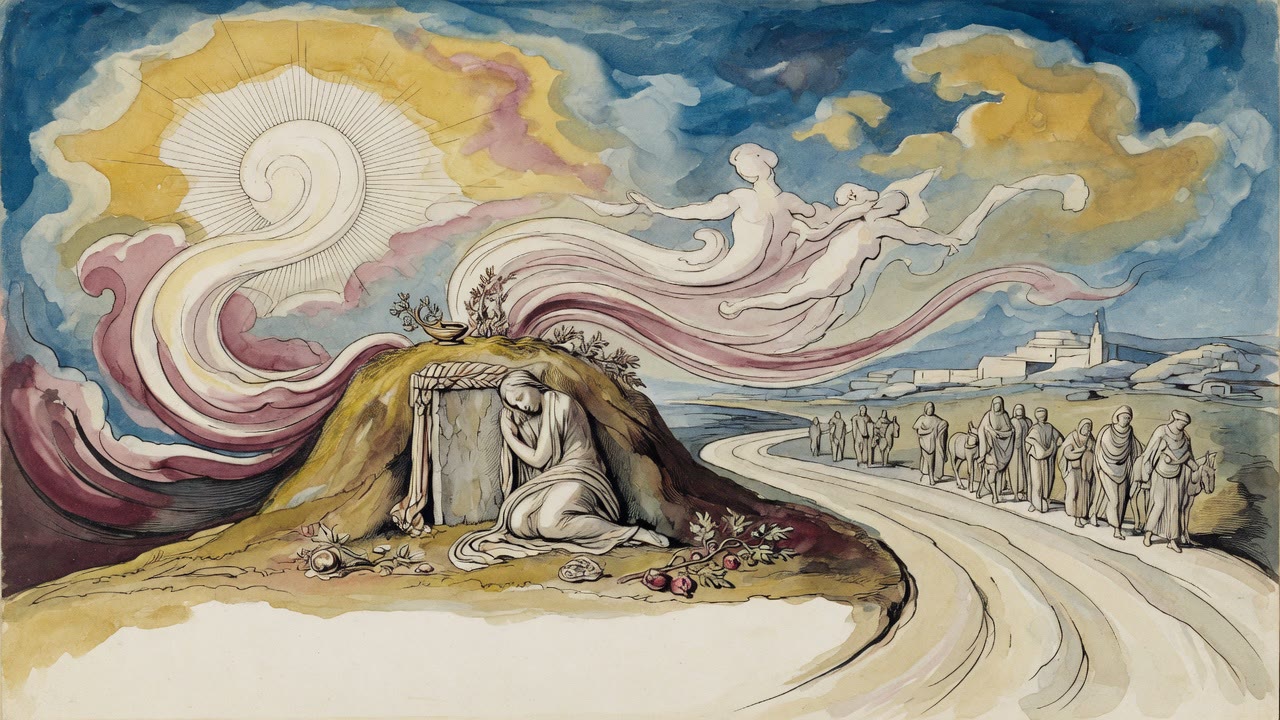
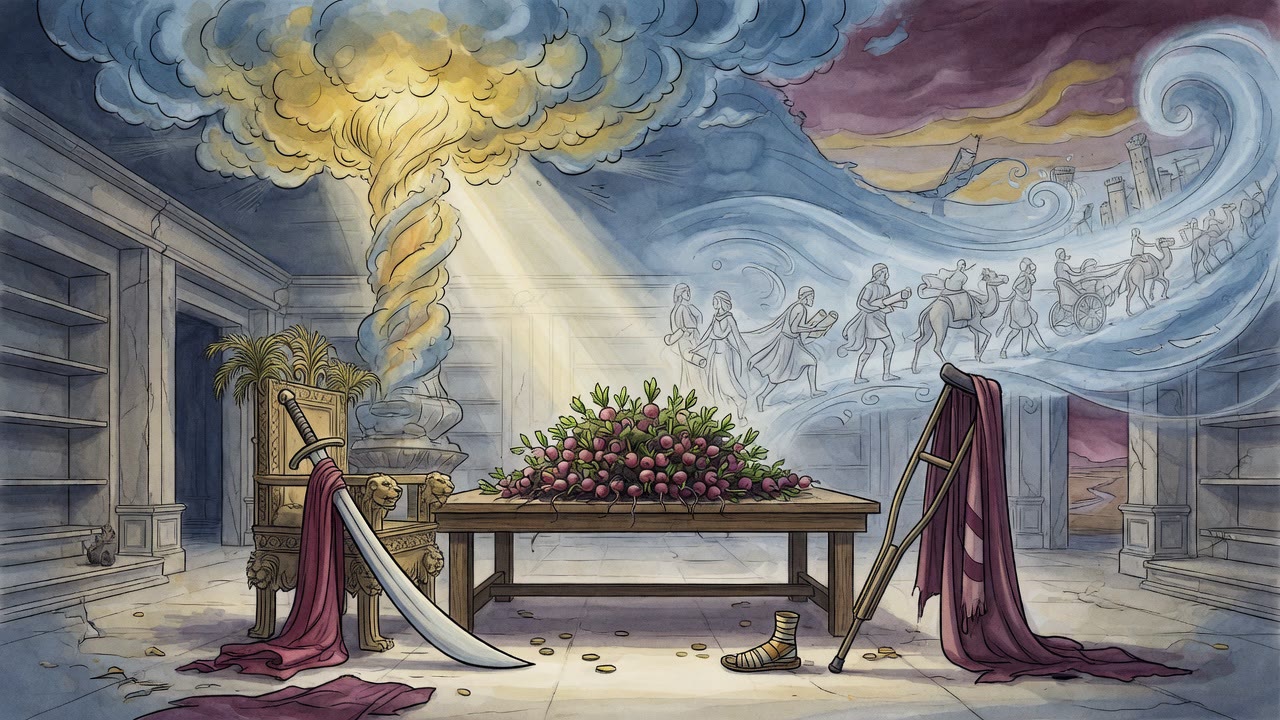
Centuries later, Rabbi Avin of the Land of Israel set the same rivalry in a garden image. As long as Esau's shadow lies across the world, Israel withers like a lily under hard sun. When dew comes, the lily opens again. "I will be like dew for Israel; it shall blossom as a lily" (Hosea 14:6). The lily lives by fragrance, and Israel, he said, lives by Torah and mitzvot (commandments). The righteous exist for that redemption the way a lily exists for scent.
On the road to Seir the dew had not yet fallen. Jacob's bows were a temporary weather system. He bought time with his forehead on the dirt. Behind him the ranks held still, a human map of fear and preference, Joseph and Rachel last because the future was too expensive to place in the front line.
A World Made for One Man's Walking
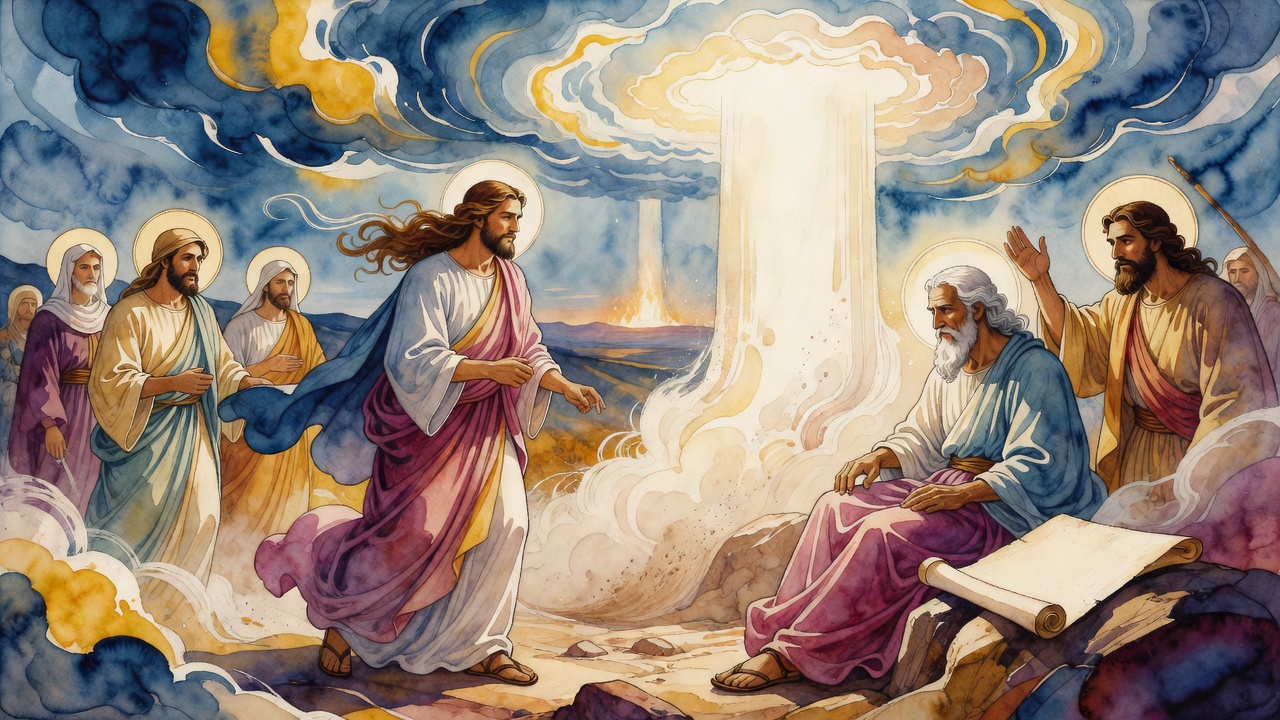
Before any of that dust, Tanchuma hears another secret in Abraham's call. "Lekh lekha," go forth. Rabbi Tahalifa taught that the Holy One said, for your sake I made creation. Rearrange the letters of be-hibbar'am, "when they were created" (Genesis 2:4), and the sages hear be-Avraham, through Abraham. The heavens and earth stand on the merit of a man not yet tested, already chosen as the reason the world was worth building.
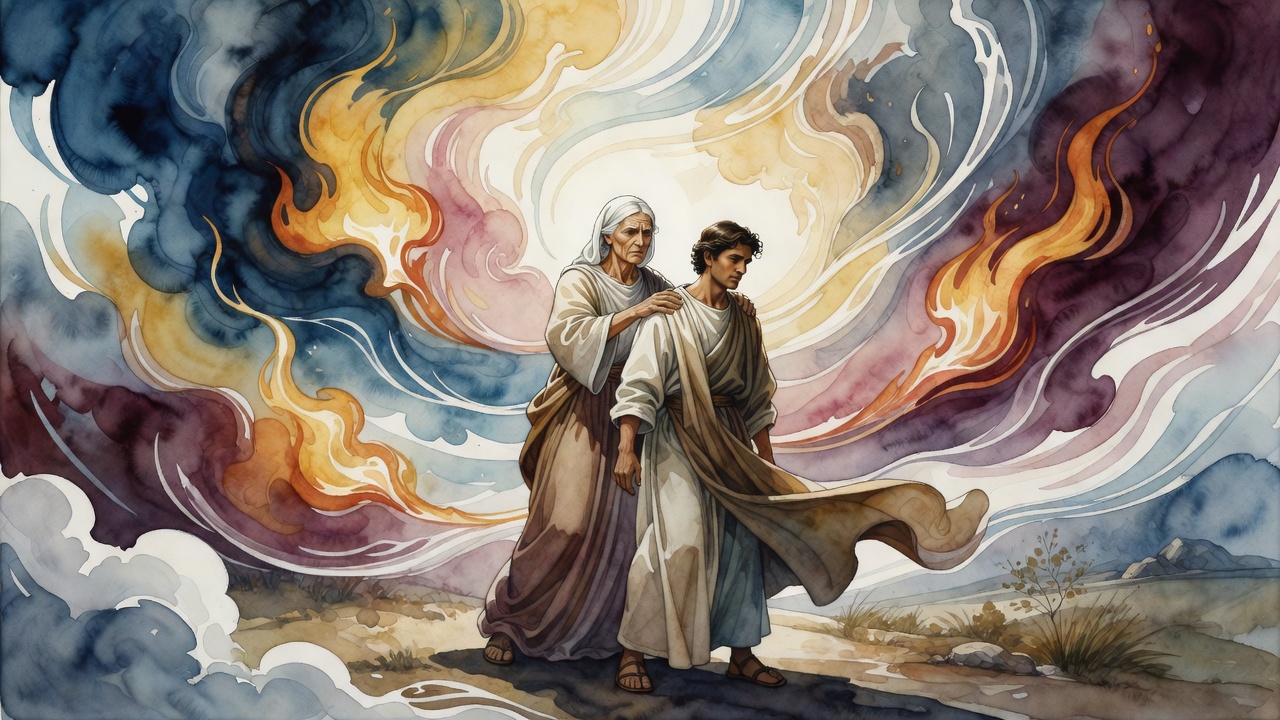
Jacob inherits that weight. He is not only a brother managing a dangerous reunion. He is a link in a chain for which the world was hung. That is why the ranks matter. That is why Rachel and Joseph wait at the rear. The future is in the back of the line, and the father walks forward to meet the past that still carries a grudge from a stolen blessing and a pot of stew.
Esau Kissed, and the Camp Breathed
Esau ran, embraced, kissed. Four hundred men waited with him, and still the meeting became a clasp instead of a slaughter. The children came forward in their order. The maidservants bowed. Leah bowed. Joseph and Rachel bowed last. Jacob called his gifts "my blessing," language that still trembled with fear and calculation. Then the brothers spoke of going on, of Seir, of slow cattle, of different paces. Jacob would not race. He would not pretend the shadow was gone.
The story does not claim the rivalry ended that day. Rabbi Avin's lily still waits for dew under empire after empire. Esau's shadow returns as Rome and every power that stands in the road. Jacob's tactic remains the pattern: put the beloved behind you, walk forward first, fall if you must, rise if you can, and do not stop progressing until the danger has a face you can speak to.
For one afternoon east of the Jordan, a man who once stole a blessing spent seven full bows to keep his children whole. The world made for Abraham's walking held its breath while Abraham's grandson put his face in the dust so the line behind him could live to take another step. Rachel and Joseph, still at the rear, felt the road shake and then go still. The dust settled. The cattle lowed. The brothers parted with different destinations and the same blood still in their veins.
He had once bought a birthright with stew and taken a blessing with goat skins on his arms. Now he paid for survival with the only currency left: public humility, repeated until the number seven itself felt like a prayer. The children who watched him fall learned a grammar of power that no throne teaches cleanly. Sometimes the one who carries the promise must put his face in the dust so the promise can stand up behind him.
← All myths