Manna Changed Its Taste for Every Israelite Mouth
A child tasted milk in the flake. Two brothers hid tomorrow's bread, and worms marched out of their tents at dawn.
Table of Contents
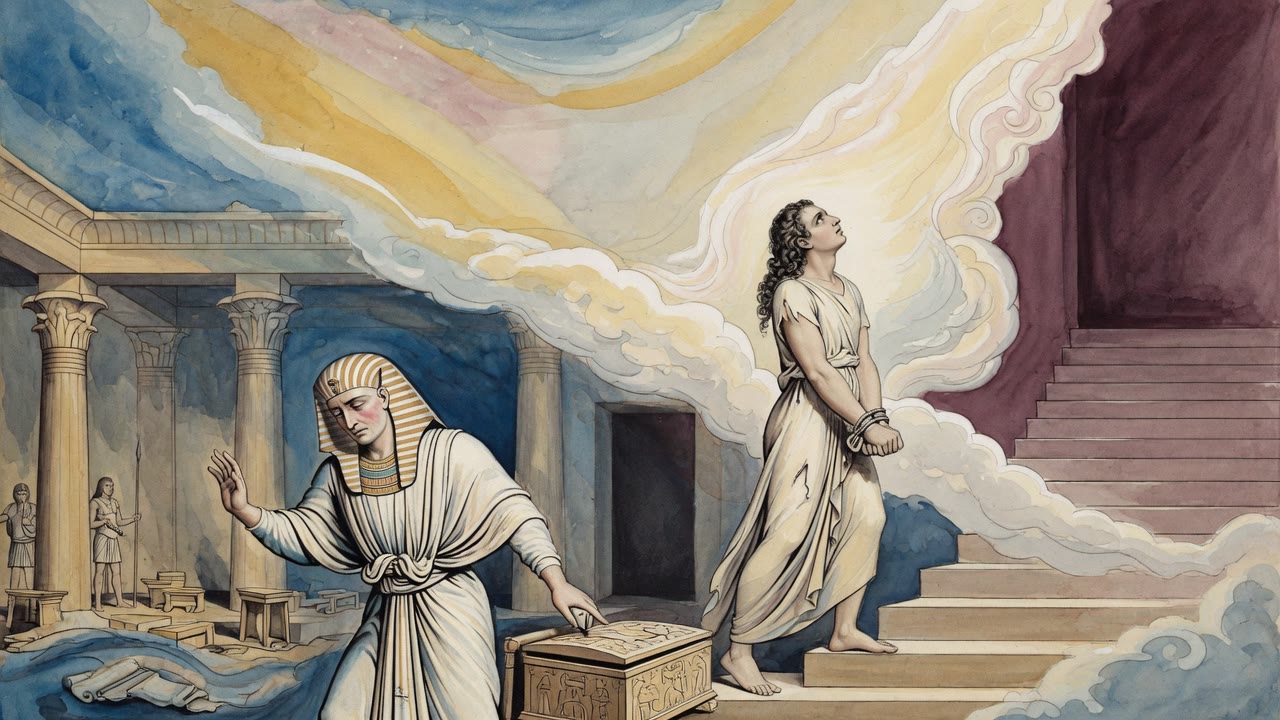
Outside the camp, the nations hunted a deer that had grazed on the white that fell from heaven. In their own mouths the manna was poison, bitter as dried sinews. Secondhand, from the deer's flesh, they tasted a flavor they could not own, and they said: happy is the nation that eats such food at its own table.
 Click for full size
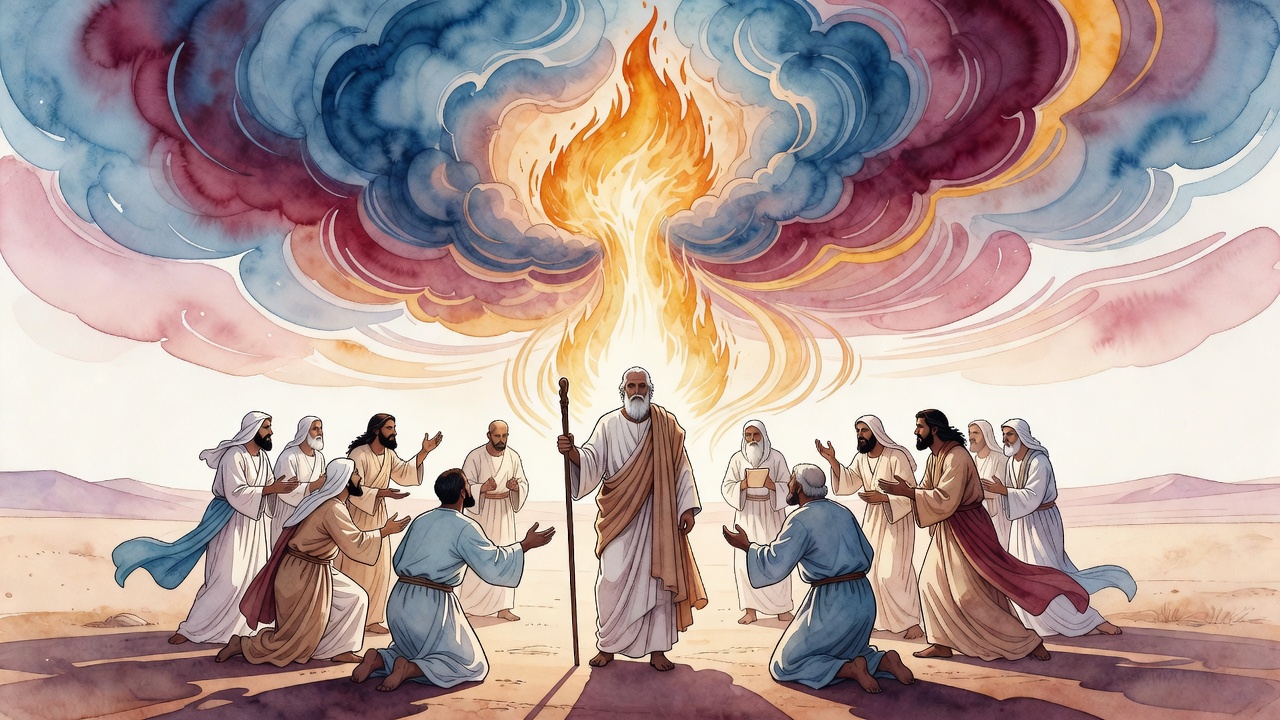
Inside the camp the marvel ran deeper. Rabbi Yose bar Hanina taught that no two mouths in Israel tasted the same bread.
Each Mouth Found Its Own Flavor
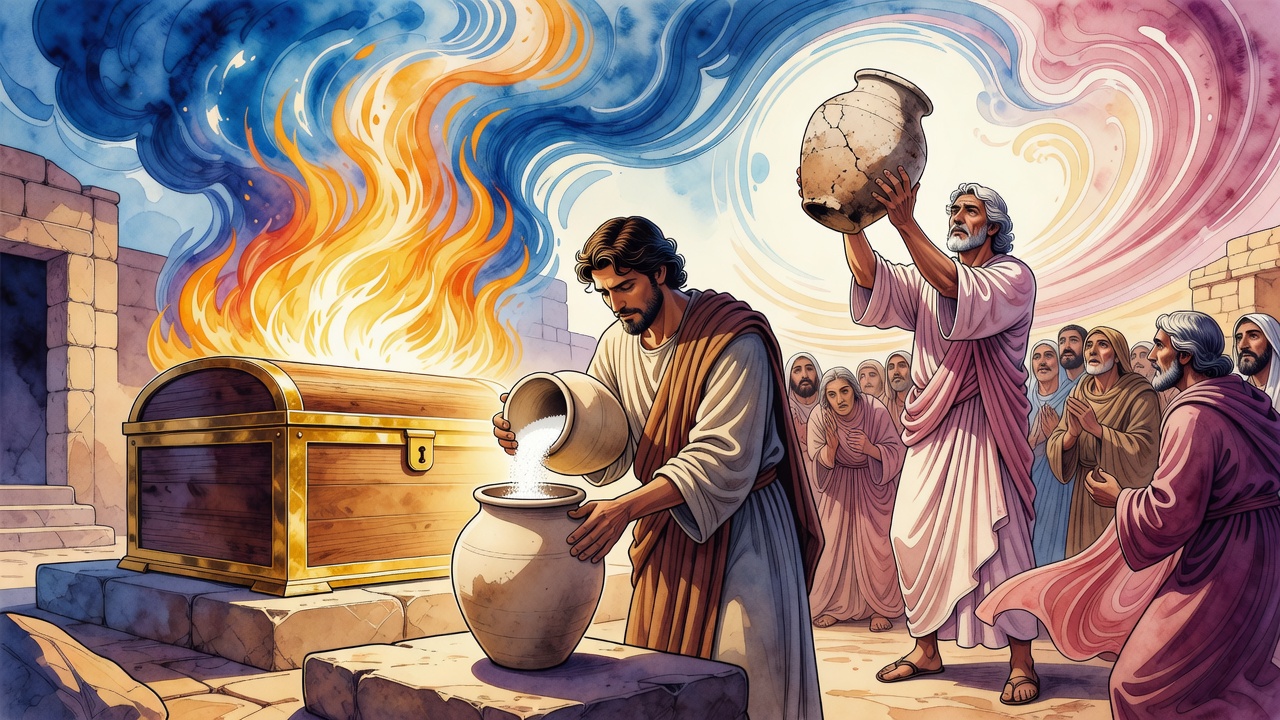
A mother broke a flake for a nursing child and the child tasted milk, "the taste of cake baked in oil." A strong young man bit down and found honey, "a wafer made with honey." An elder whose teeth were weak chewed plain bread, as the verse promises bread from the heavens. A sick man received fine flour folded with oil and honey, the soft gruel one cooks for an invalid, "they cooked it in a pot."
Each Israelite tasted according to his strength. The flake changed as it crossed the tongue. The same piece that cracked sweet on a youth's mouth dissolved gentle for the fevered. Heaven did not send one flavor and demand every body match it. Heaven matched the bread to the body.
A mother could feed a child the same flake that stiffened a soldier, and neither had to pretend the taste matched. The camp was mixed in age and strength. The bread knew that before the mouths did.
The Diligent Walked Into the Field
The gathering measured the heart as clearly as the taste measured the mouth. The diligent went out into the open field to collect their portion. The middling reached only the doorway of their tents. The lazy lay where they were, stretched out an idle hand, and the manna descended into their palms as the dew lifted.
One bread from heaven. To every soul, exactly what it could receive, and in the place its effort deserved. No throng in the desert could claim the ration was unfair. The unfairness, when it came, would be self-made.
Dawn after dawn the three postures repeated. Field. Doorway. Open palm. The flake fell. The camp ate. Jars stood empty at night because they were supposed to.
Leave Nothing Until Morning
Moses gave a single command: let no man leave any of it over until morning. The wise gathered what they needed and trusted that the morrow would bring its own portion. Solomon's proverb waited for its living proof. "The wise shall inherit glory, but fools carry away shame."
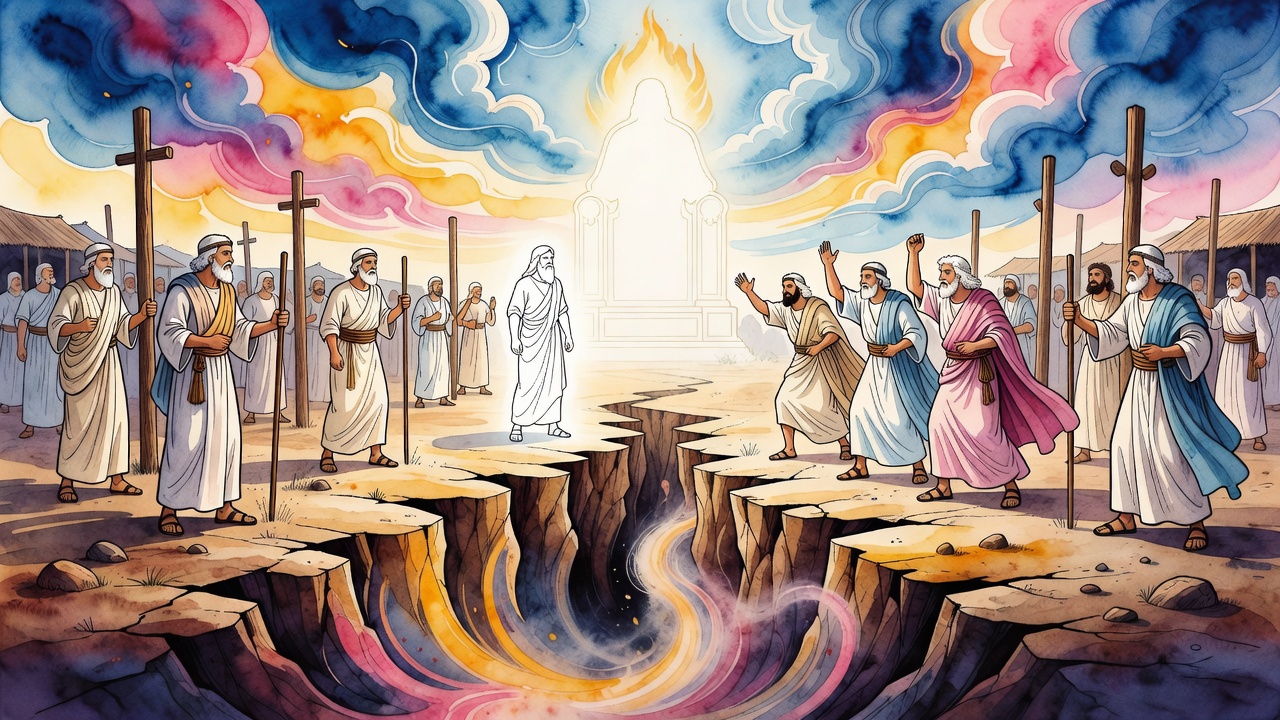
Who are the wise? Moses and Aaron, who heard the word of the Holy One and kept it. Who are the fools? Dathan and Abiram, who made shame their inheritance before the earth ever opened under their feet in a later rebellion.
They would not listen. They hoarded against the dawn, hiding the heavenly bread within their tents as though they could outlast the mercy that fed them. Tomorrow's flake, they decided, was a thing a clever man could own tonight.
Worms Marched From Two Tents
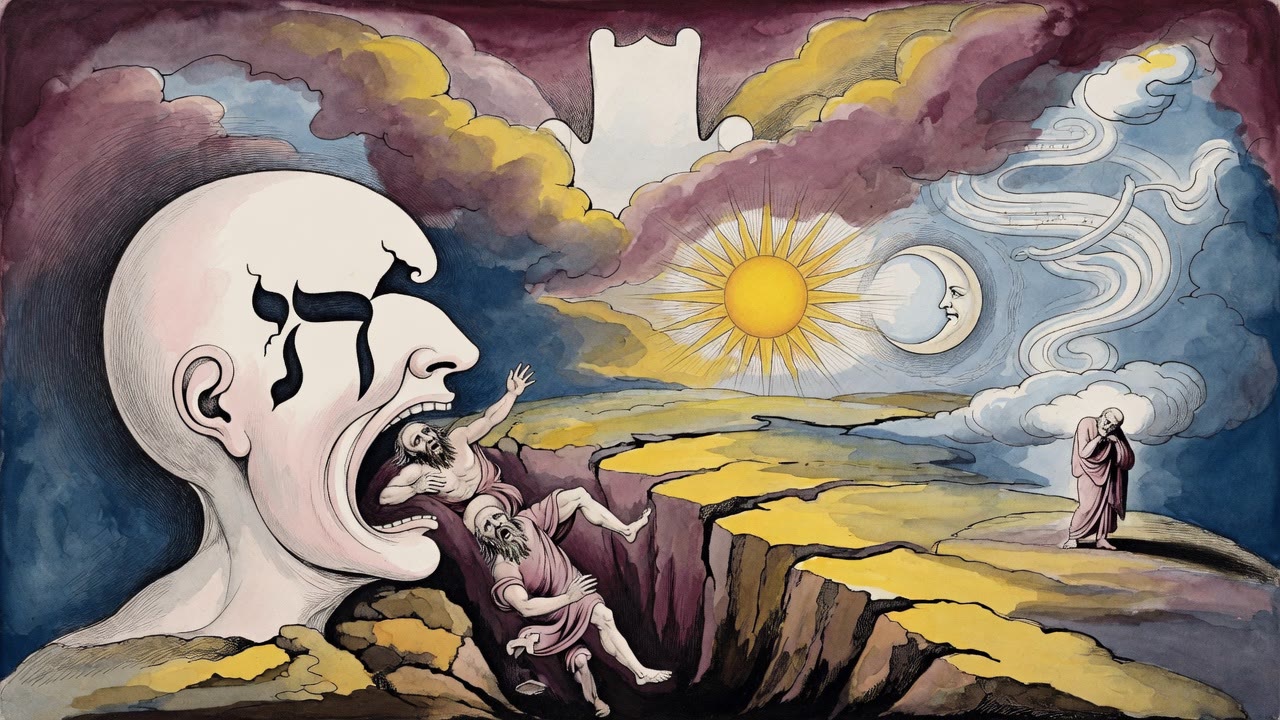
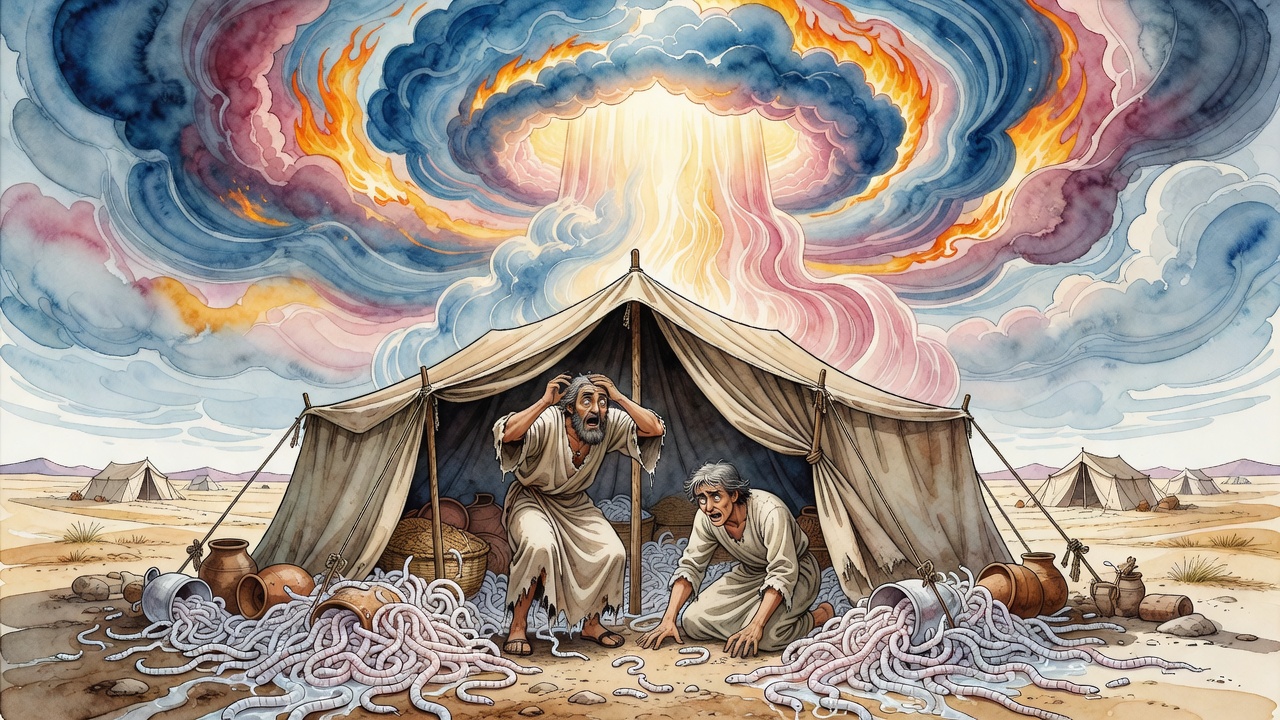
Morning rose. Rabbi Levi teaches what came out with it. A garrison of worms marched forth from within those tents, a whole army of corruption breeding in the bread they had hidden.
Neighbors saw the parade. No court needed to convene. The worms were the verdict crawling into daylight, a shame that could not be filed under secret storage. Dathan and Abiram had tried to own tomorrow's mercy in advance. Tomorrow arrived as judgment dressed in the smallest bodies creation could spare for the task.
Children who had tasted milk in the manna could smell the stench of distrust. Elders who had chewed soft bread watched worms make a parade of private greed. The food of angels rotted in two pairs of hands and announced disgrace to the camp.
The manna would not become a private granary. It would be milk for the nursling and honey for the strong and gruel for the sick, but it would not sit overnight as a hedge against God's reliability. Dathan and Abiram tried to turn gift into inventory. Inventory became vermin.
Across the dunes the diligent still went out at dawn. The middling still stopped at the tent flap. The lazy still opened a palm to falling dew. Israel walked on with a food that knew them better than they knew themselves. The worms stayed behind as a living letter on the sand outside two tents.
← All myths