3 min read

Matzah Tasted Like the Affliction They Refused to Forget

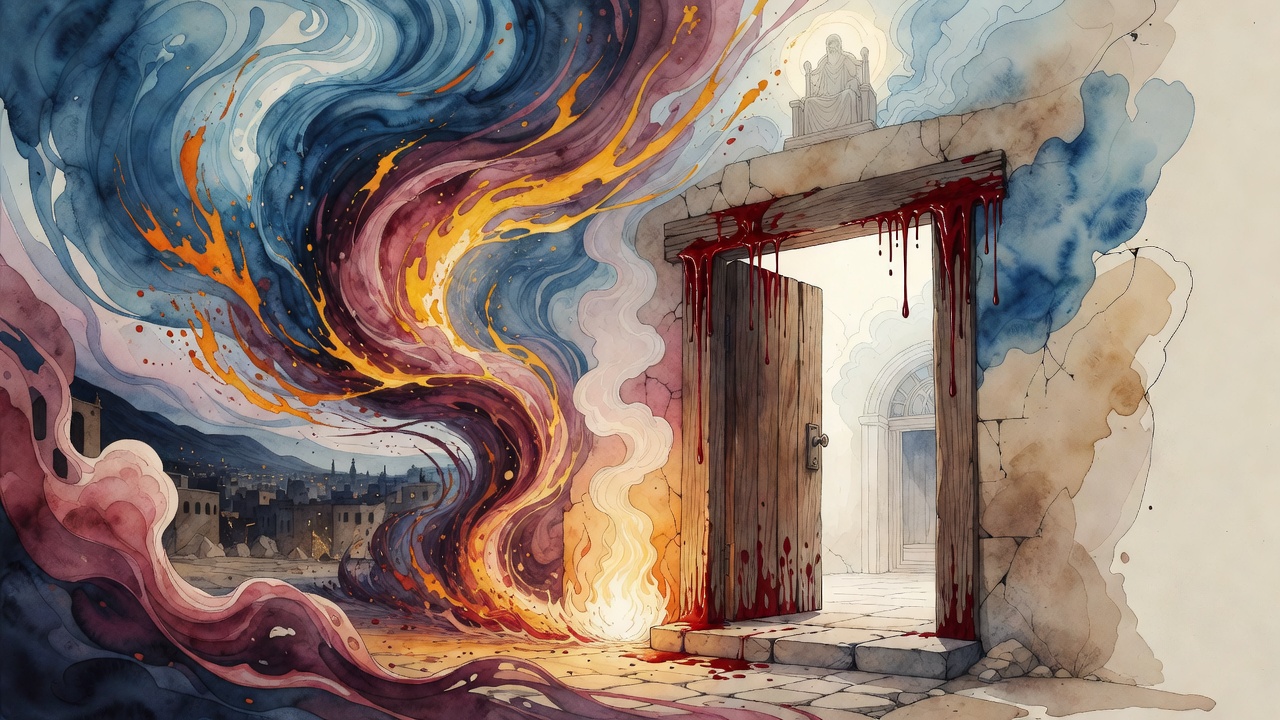
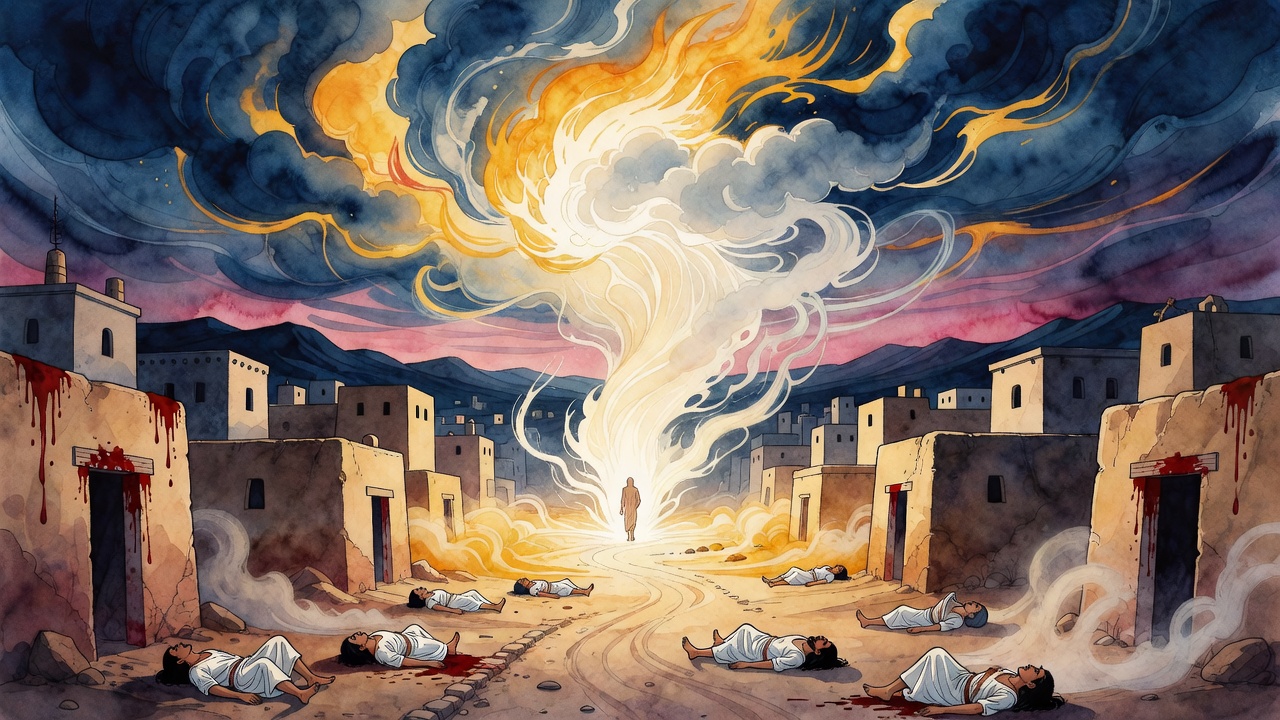
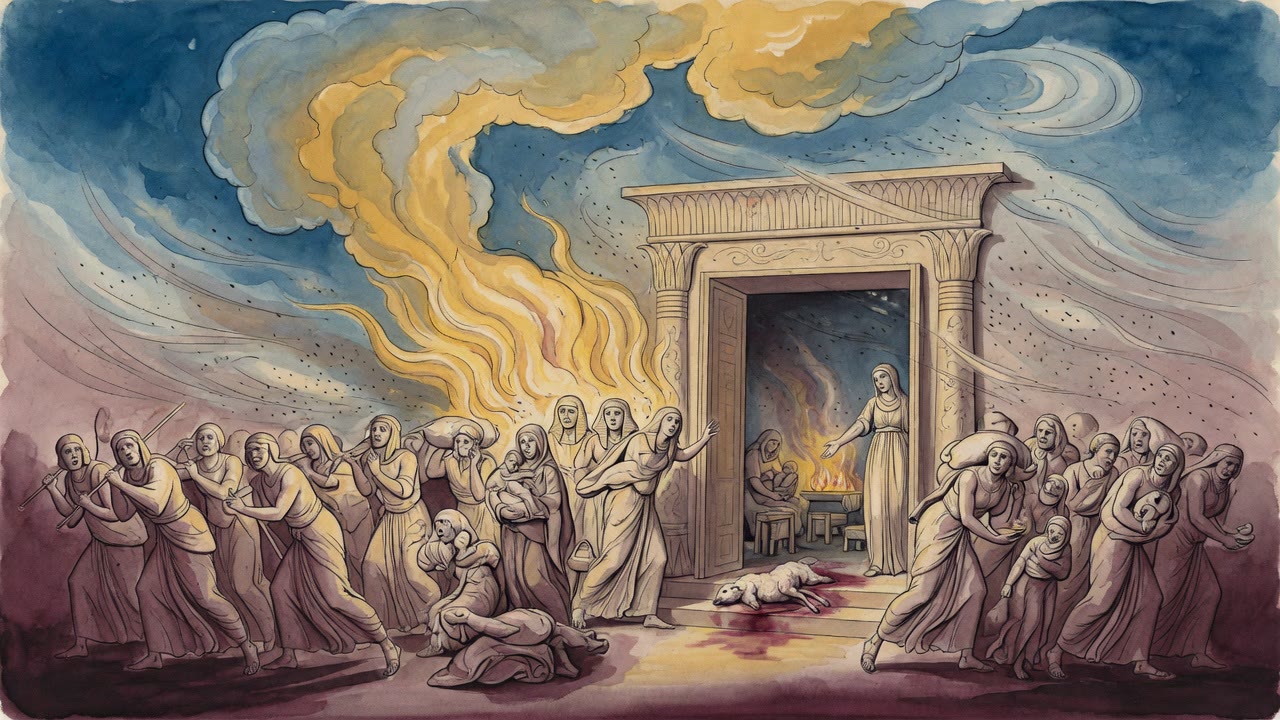
The dough never rose. Hands slapped it flat while the night smelled of lamb blood. When the first piece cracked, the children grimaced and the elders did not.

Curated by Arthur · Told by Maggid ·
Table of Contents
  1. Bread Named for Pain
  2. Even Solomon Matzah Must Stay Poor
  3. Night Memory and Day Memory
  4. Moses Charges the Hands That Will Knead
  5. What the Crack Remembers

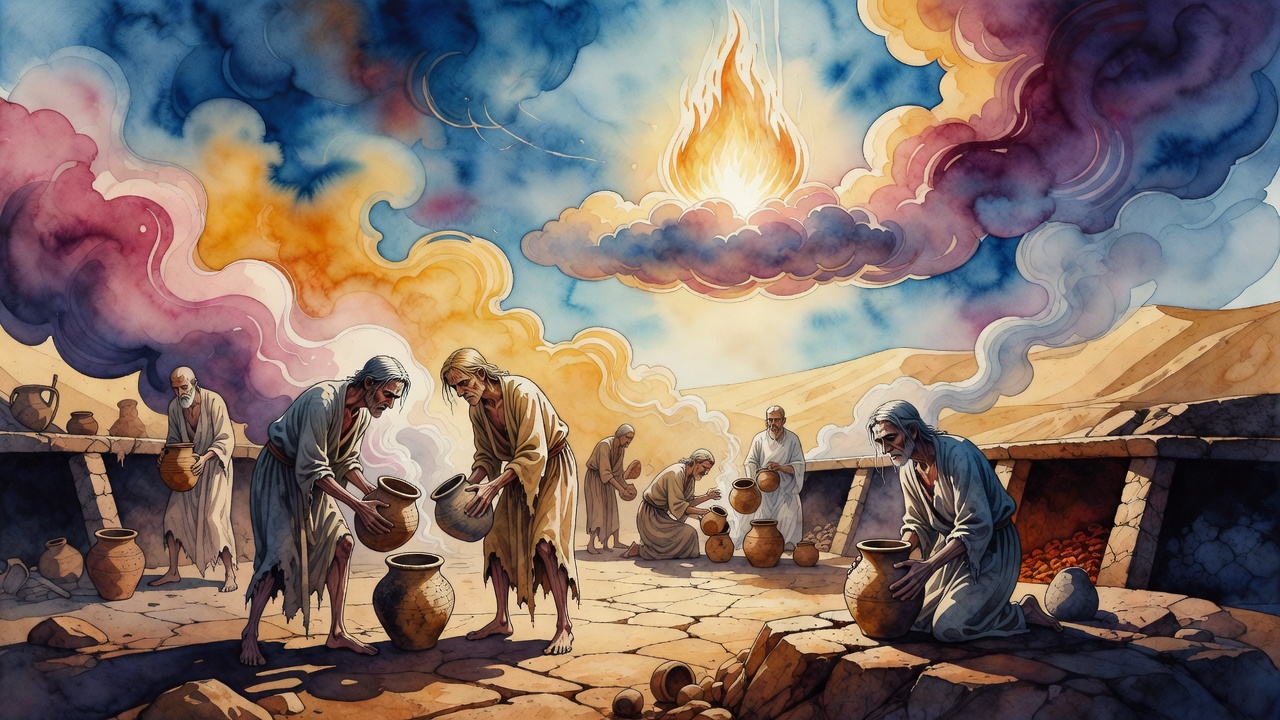
The dough never rose. Hands slapped it flat while the night still smelled of lamb blood and packed bags. When the first piece cracked between teeth, Egypt came back as flavor, dry, urgent, unfinished. Children grimaced. Elders did not.
Matzah Tasted Like the Affliction They Refused to Forget Click for full size

Bread Named for Pain

Rabbi Shimon refused to let the name soften. Matzah is lechem oni, bread of affliction, because of the affliction Israel suffered in Egypt. Every year the mouth must meet the same thinness the slaves carried into the dark.

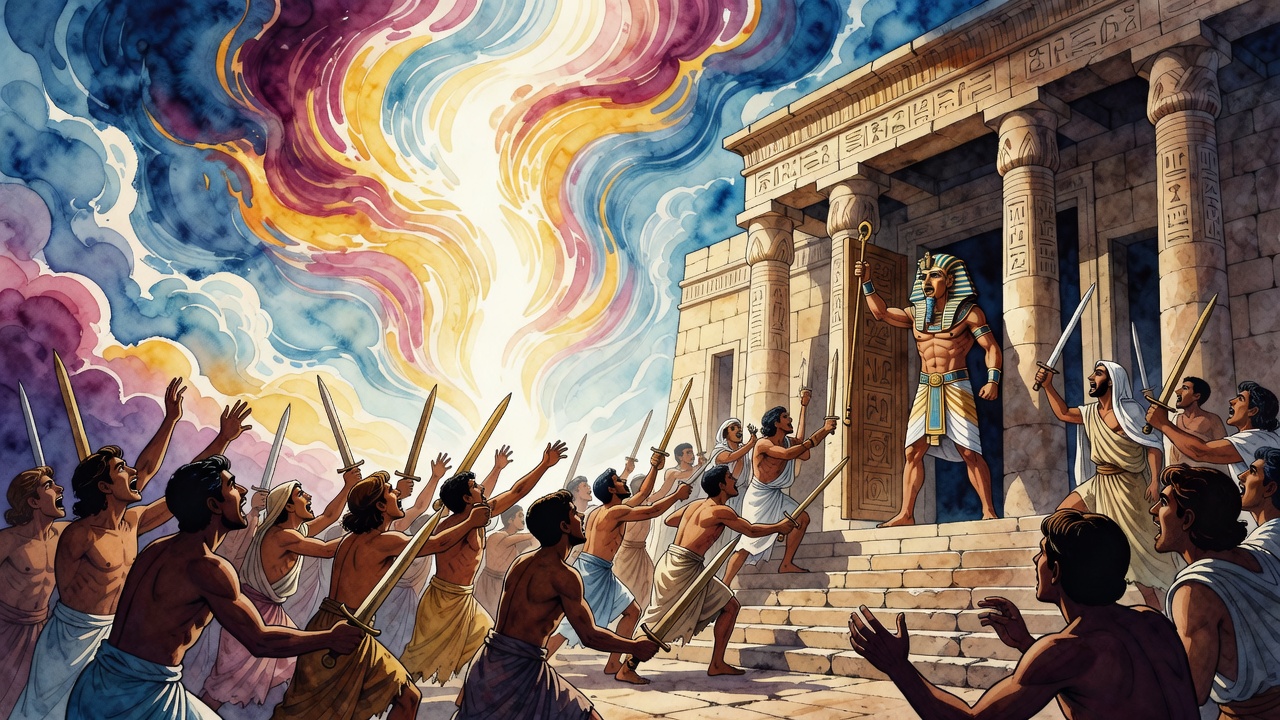
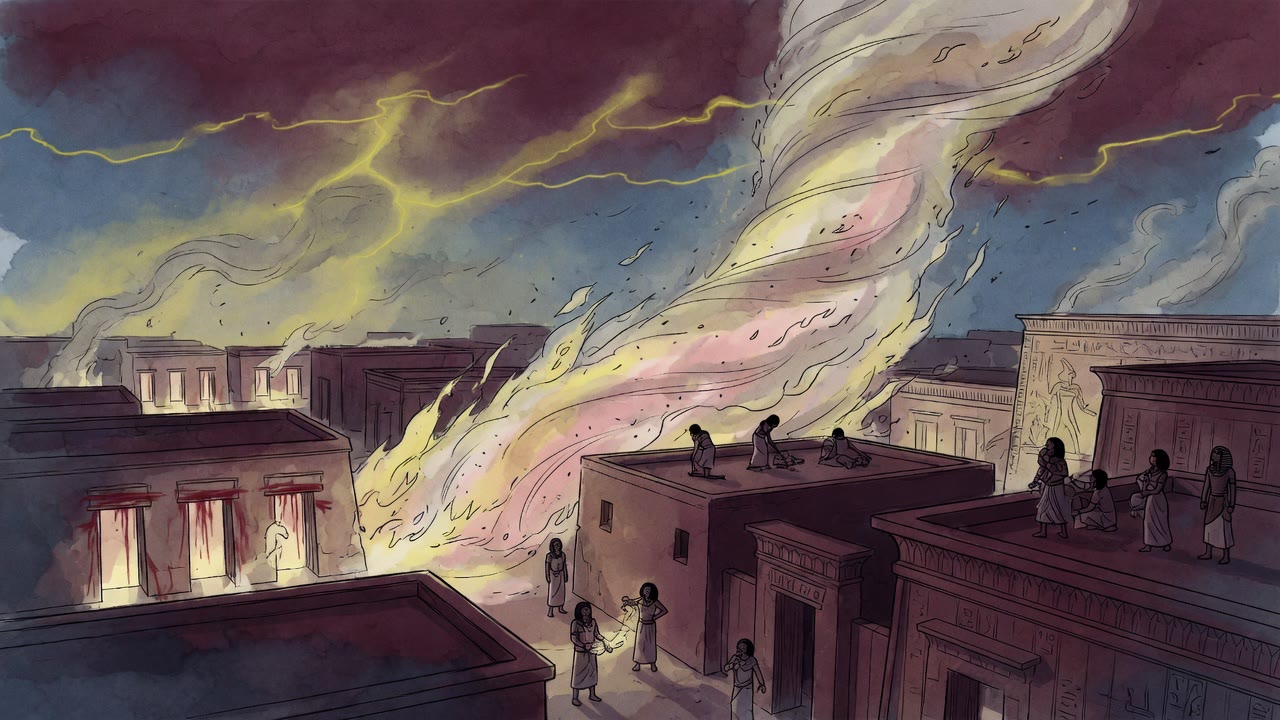
"For in haste did you leave the land of Egypt." The haste sat heavier on Egypt than on Israel. Dogs did not sharpen their tongues against the leaving (Exodus 11:7). The empire wanted them gone. The bread remembers both the whip and the sudden door. In the kitchens, women timed the dough against the sun and against fear.

Even Solomon Matzah Must Stay Poor

Could fine flour fulfill the duty? The sages said yes, even matzah fit for King Solomon table counts, as long as it remains matzah. Chalut stirred in hot water and soft pancakes fall outside the name. Affliction is not a brand of flour. It is a refusal of comfort shape.

A palace can eat remembrance. A paste that never faced fire cannot. Rabbi Shimon challenge about who must avoid chametz and who must eat matzah keeps the two obligations locked. Soft substitutes break the lock.

Night Memory and Day Memory

Rabbi Elazar ben Azaryah confessed he was like a man of seventy before he merited reciting the Exodus at night in the blessings. Daytime memory was not enough. The leaving happened in the dark. The telling must walk into the dark again.

Night is when fear once sat on Hebrew doors. Night is when bags were tied and dough was carried unrisen. A blessing that only works in daylight leaves half the story unsaid. Matzah on the tongue and Exodus on the lips at night form one rope.

Moses Charges the Hands That Will Knead

Before any of this became a holiday kitchen, Moses charged Israel with all they must do. Hearing was never the finish. Doing sealed hearing. Affliction-bread is a doing. You bake it. You bless it. You taste it.

The charge Moses laid on them still lands on wrists turning flour and water under a clock that will not wait for yeast. Matzah keeps "that time" from becoming only a story told about strangers.

What the Crack Remembers

When the piece breaks, Egypt is not ancient. It is present as heat without softness, a journey begun before the dough could finish becoming bread. Israel does not eat this to enjoy poverty. Israel eats it so that freedom never becomes amnesia.

Solomon could have set gold around the plate. The bread would still have to stay lean enough to accuse comfort of forgetting. Under wine and song sits a flat circle that refuses to pretend slavery was mild.


← All myths
From the tradition

Sources

3 sources

The texts behind this telling. Some cards carry a translation of the source; others are our own retelling of it, and each card says which. Every card links out to the original.

Sifrei Devarim 130:7Sifrei Devarim

Retold in our words. Read the original at the link below.Sifrei by Rabbi Shraga Silverstein · CC-BY

Like so many things in Jewish tradition, the answer, or rather the layers of answers, are richer and more meaningful than you might expect.

R. Shimon, in Sifrei Devarim, tells us it's called "bread of affliction" specifically "because of the affliction that they suffered in Egypt." It's a direct reminder, a taste of the hardship, that we are meant to experience each year. We are meant to remember that slavery was not just an abstract concept, but a very real and painful experience.

Then there's this line: "For in haste did you leave the land of Egypt." It They left in a hurry! But the text digs deeper. Could that haste have been felt by both the Israelites and the Egyptians? Did both parties feel the urgency to get the Israelites out?

That's where another verse comes in, from Shemot (Exodus) 11:7: "And against all the children of Israel a dog shall not sharpen its tongue." In other words, there was complete silence, no barking dogs, no opposition to the Israelites leaving. So, the text concludes, it was really only Egypt that was in haste. They were desperate to get the Israelites out of their land!

But the remembering, the zichron, is the key. How do we really remember the Exodus? This question brings us to a fascinating story about R. Elazar b. Azaryah. He says, "I am like one who is seventy years old, and I did not merit reciting the exodus from Egypt at night (in the blessing after the Shema) until Ben Zoma expounded ‘so that you remember your leaving the land of Egypt all the days of your life.’" Here's a learned scholar, well-versed in Jewish law and tradition, admitting he hadn't fully grasped the importance of remembering the Exodus at night until Ben Zoma revealed a deeper meaning in the verse.

Ben Zoma’s teaching is really beautiful: "the days of your life" – that refers to the days; and "all the days of your life" – that includes the nights. We are commanded to remember the Exodus not just during the day, but every single night.

And the Rabbis take it even further. "The days of your life" – this refers to this world. But "all the days of your life" – that includes the days of the Messiah. The remembering isn't just about the past; it's about the future. It's about hope. It's about the ultimate redemption that we still yearn for.

" It's a reminder of a past slavery, a celebration of freedom, and a symbol of hope for a future redemption. It’s a layered, nuanced, and profoundly Jewish symbol that connects us to generations past and generations yet to come. What does the Exodus mean to you?

Full source
Sifrei Devarim 130:4Sifrei Devarim

Retold in our words. Read the original at the link below.Sifrei by Rabbi Shraga Silverstein · CC-BY

The verse It’s a complex discussion, a real Talmudic back-and-forth about the very definition of matzah.

Rabbi Shimon asks a pointed question. He challenges a particular line of reasoning. Isn't it written, "You shall not eat upon it chametz", leavened bread, "seven days shall you eat upon it matzot", unleavened bread? He argues that whoever is obligated to eat matzah is also obligated to abstain from chametz, and vice versa. A But it's the next part that gets really interesting. The Torah calls matzah "the bread of affliction," or lechem oni. Now, what does that mean, exactly? Our text uses this phrase to exclude certain types of baked goods. Specifically, chalut, a kind of paste stirred in hot water, and pancakes. Why those two?

The text anticipates a potential misunderstanding. it first appears, it suggests, that we can only fulfill our obligation to eat "the bread of affliction" with a very basic, coarse flour – flour from the “second course," meaning a less refined grind. But then the verse clarifies: "You shall eat matzot upon it." This implies that even the finest matzah, the kind fit for King Solomon himself, fulfills the commandment!

So, if even fancy matzah works, why call it "bread of affliction"? Ah, that brings us back to excluding chalut and pancakes. even though matzah can be made with fine flour, it still needs to be simple. It needs to be a reminder of the hasty Exodus from Egypt. No fancy preparations, no leavening, no elaborate recipes. Just flour and water, baked quickly.

It’s a subtle but important distinction. The essence of matzah isn't about poverty, necessarily, but about simplicity and haste. It's about remembering the urgency of freedom, the need to leave behind the familiar comforts of slavery. And in that remembering, we find a powerful connection to our past. The Sifrei Devarim reminds us that even in the details of Jewish law, there are profound stories waiting to be unpacked.

So, next time you bite into a piece of matzah, think about Rabbi Shimon's question. Think about the "bread of affliction," and what it truly means. It's more than just a cracker; it's a symbol of freedom, simplicity, and the enduring power of memory.

Full source
Sifrei Devarim 18:1Sifrei Devarim

Retold in our words. Read the original at the link below.Sifrei by Rabbi Shraga Silverstein · CC-BY

1: (Devarim 1:18-19) "And I charged you at that time with all the things that you shall do (i.e., regarding the ten differences between monetary and capital litigations).

Full source