Moab Barred Its Gates and Ruth Went to the Threshing Floor
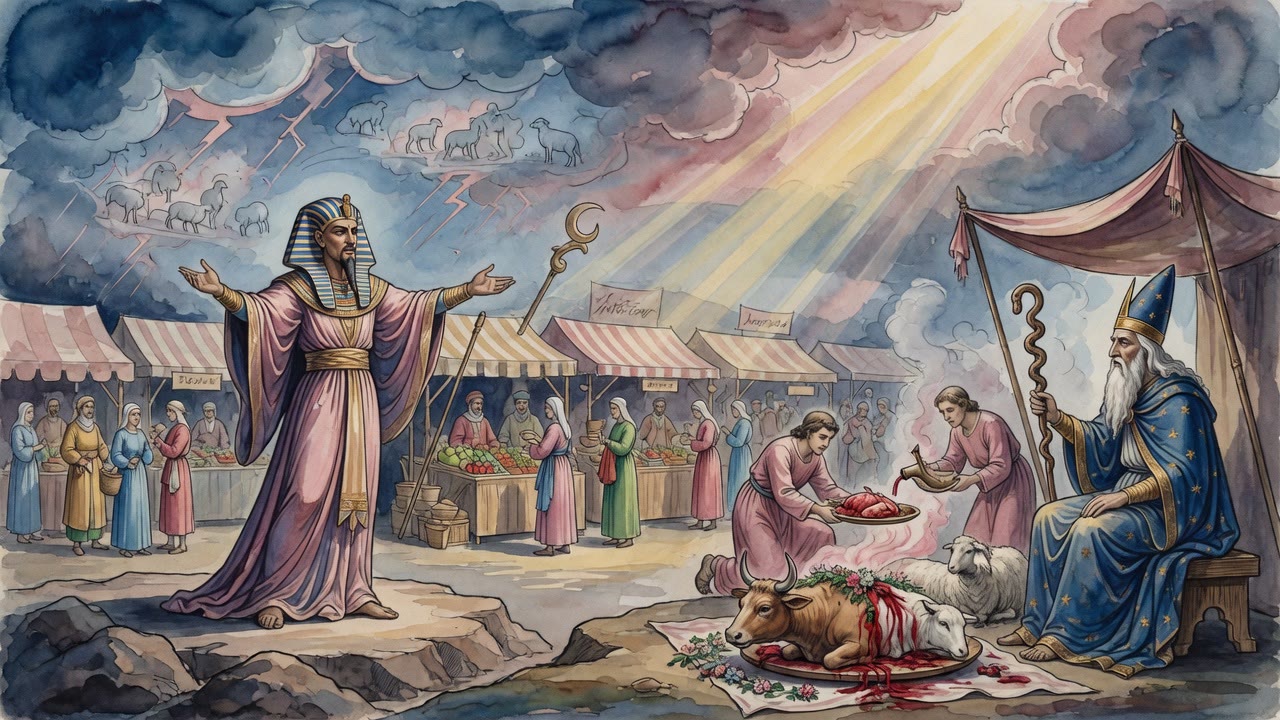
Israel walked past Ammon with open hands and past Moab with the weapons showing. Moab did not send an army. It pulled everything indoors.
Table of Contents
 Click for full size
Two Faces on the Same Road
The column coming up out of the wilderness wore one face for one cousin and a different face for the other, and the difference was not temper. It was orders.
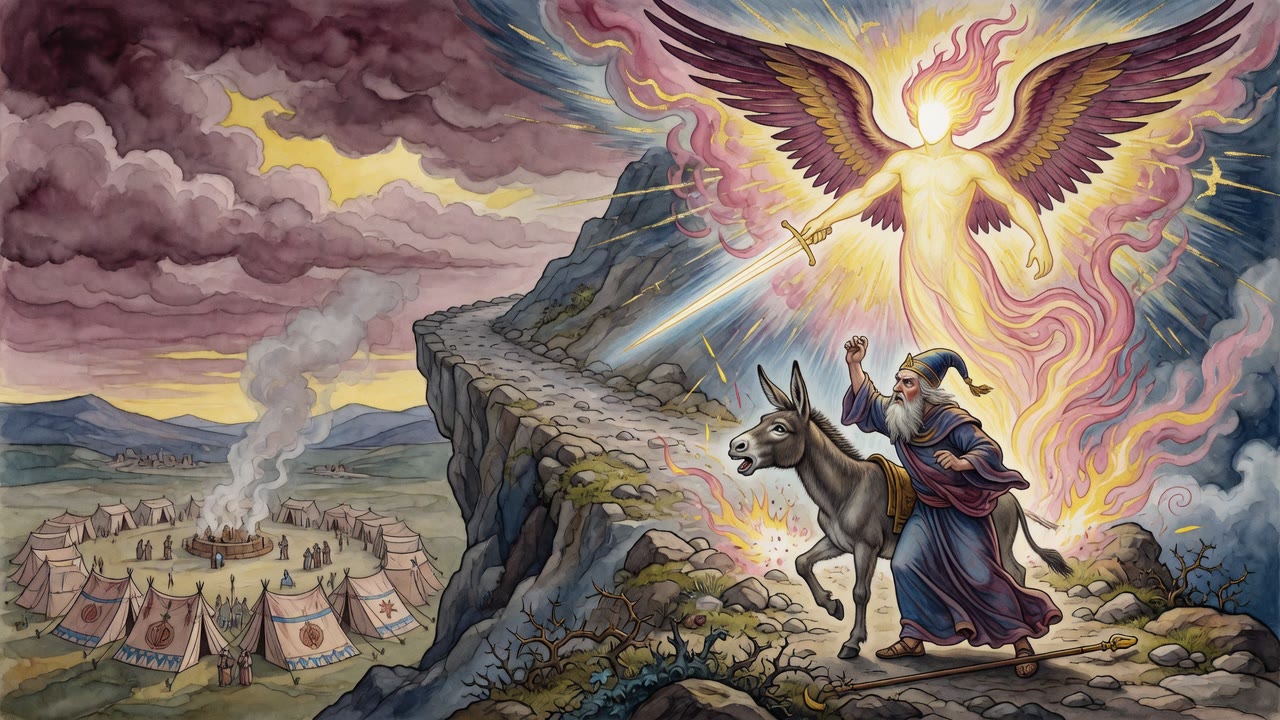
Toward the children of Ammon they came with their robes loose and their hands empty, because the instruction about Ammon had been absolute. Do not trouble them. Do not provoke them in any way at all.
Toward Moab the instruction had a hole in it. Do not go to war with them, it said, and stopped there. Nothing about the fields outside the walls. Nothing about the flocks in the open. Whatever you can take from the outside, take.
So Israel came past Moab girded, with the metal showing, and let the country watch it go by.
Moab Gathered Itself In
Moab did not send anyone out.
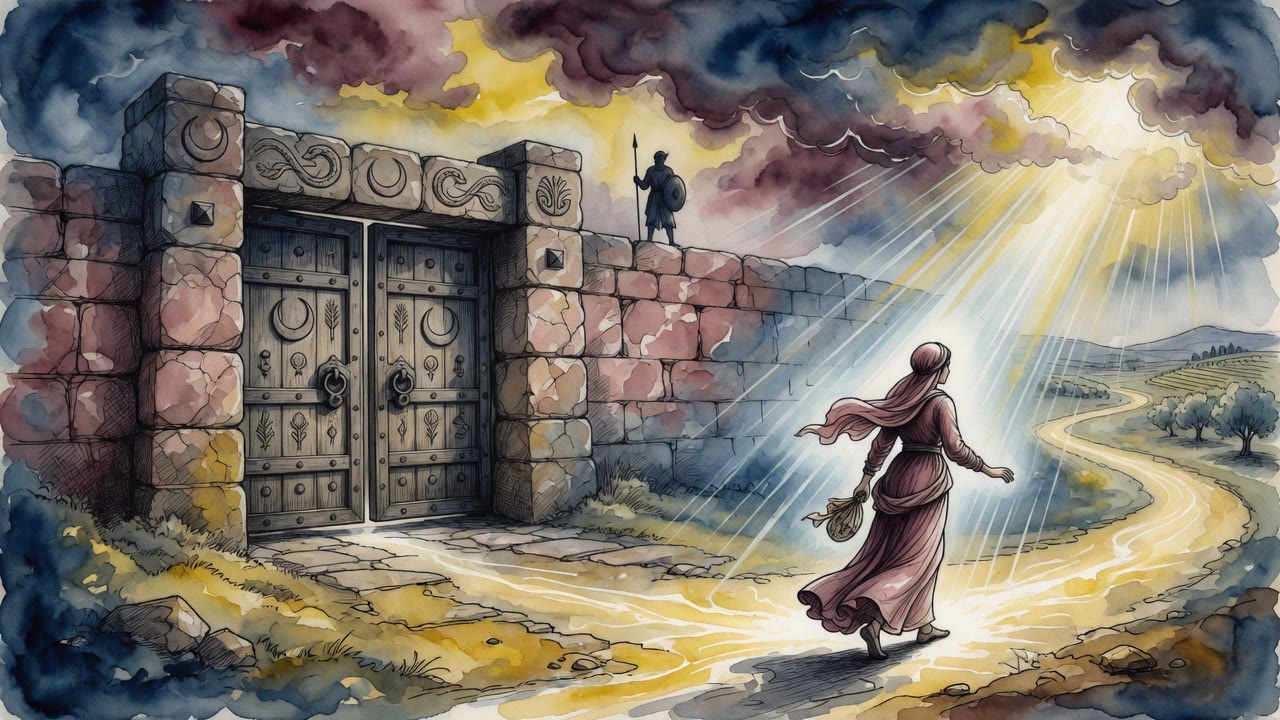
They brought in the herds first, and then the harvest carts, and then the households, pushing the whole population in through the gates until the cities were packed to the walls with people and animals and grain. The verse has one strange word for what Moab did, and the sages would not let it mean only fear. It is also the word for gathering in. For hoarding ahead of weather. The prudent son, Scripture says, is the one who gathers in summer.
Moab harvested itself. Bolted the gates on its own crop and its own children and stood on the wall watching the dust come up under Israel's feet.
It is not a stupid answer to a real danger. It is also the beginning of a habit, and a nation that answers every approach with stone eventually forgets there was another option.
The Cave That Started the Family
The people behind those gates came from a cave.
Lot's daughters had come out of the burning plain believing the world of men had ended, and what they did in that cave with their father and a wineskin produced two nations, and one of them was standing on this wall.
The sages argued about which end of that family was the sordid end. One reading had the first night done for the sake of Heaven and everything downstream of it done for appetite. The other reading turned it around. The beginning was tangled in harlotry, and it was a later branch of the same family that acted for Heaven.
The proof offered for the second reading is not an argument. It is a woman walking somewhere at night.
The Threshing Floor
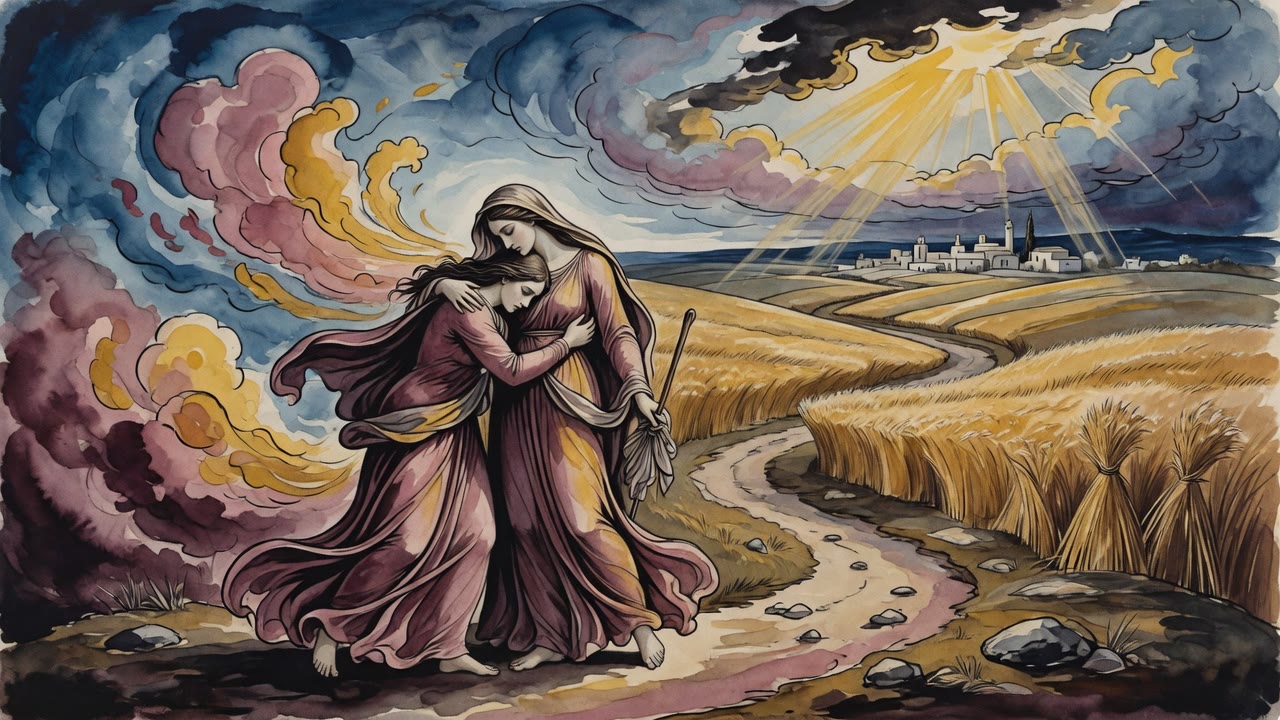
By then the family had been in Israel's story for centuries, mostly as a problem, and a famine had pushed one Israelite household the other way across the border into Moab. The men of that household died there. What came back to Bethlehem was a widow and her Moabite daughter-in-law, who had been told to go home to her mother's house and had refused.
Ruth gleaned in the fields behind the reapers all through the barley harvest, taking what fell.
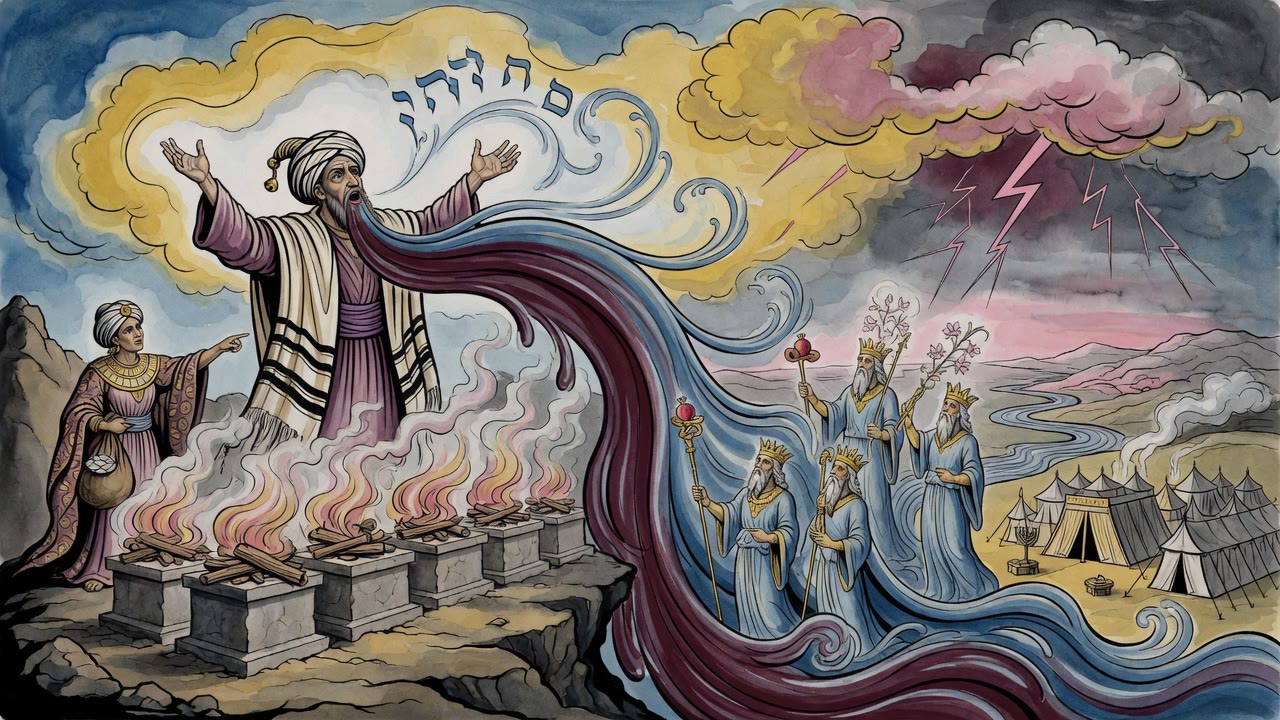
Then Naomi gave her instructions that could have ended her, and the account of what Ruth did with them is four words long. She went down to the threshing floor and did according to all that her mother-in-law had commanded her.
Not some of it. All of it. She washed, she went down in the dark to a floor full of men who had been eating and drinking after a harvest, she waited until Boaz lay down at the end of the heap of grain, and she uncovered his feet and lay there until the middle of the night, when he woke and found a woman at the bottom of the pile and asked who she was.
She was not there for herself. She had no appetite in it and no plan of her own in it. She had been told, and she did it, and the family that had spent three hundred years bolting its gates produced one person who walked into a dark room with nothing but obedience.
The Orphan's Dowry
The sages tell a story about a girl with no parents who is raised inside a royal palace. When her wedding is arranged, people start asking the question people always ask. Does she have anything of her own. Is there a dowry, or is she coming to this marriage empty.
She is not embarrassed. "I have something from my father," she says, "and something from my grandfather."
That orphan is Israel, and the clothes she wears to her own wedding at Sinai are not hers. The garments of salvation are Jacob, and the kidskins his mother tied on his hands. The robe of righteousness is Abraham, who was known for one thing above all, that he would instruct his household to keep the way of the Lord. The headpiece is the mountain itself, and the people standing under it with a bride's care, one hand open and one hand closed.
Ruth arrived with none of that. No father in the palace, no grandfather in the story, a name from the wrong side of the river and a mother-in-law with nothing left to give her.
Four generations later a shepherd boy from Bethlehem was anointed king, and the gate-keepers of Moab are not remembered by name.
← All myths