Mordecai Will Not Bow to Haman in the Gate of Shushan
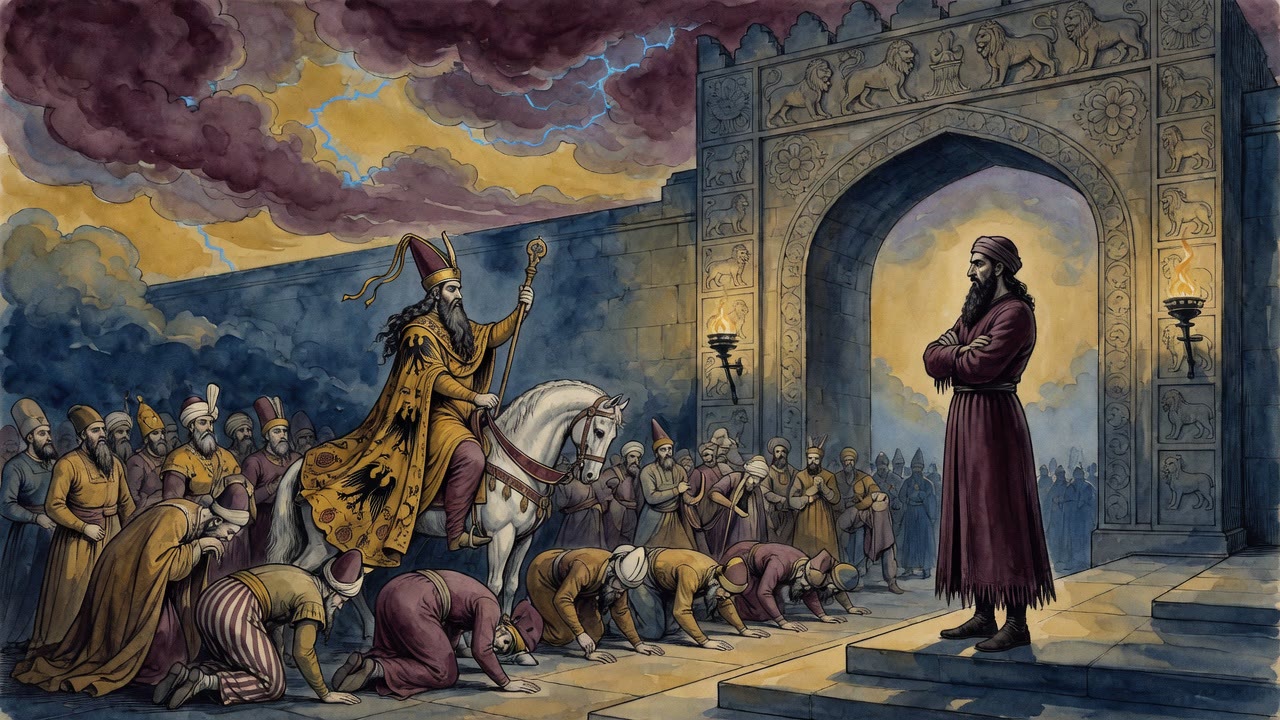
Haman passes through the gate of Shushan and every back bends but one. Mordecai stays upright, and the court has a taunt ready for him.
Table of Contents
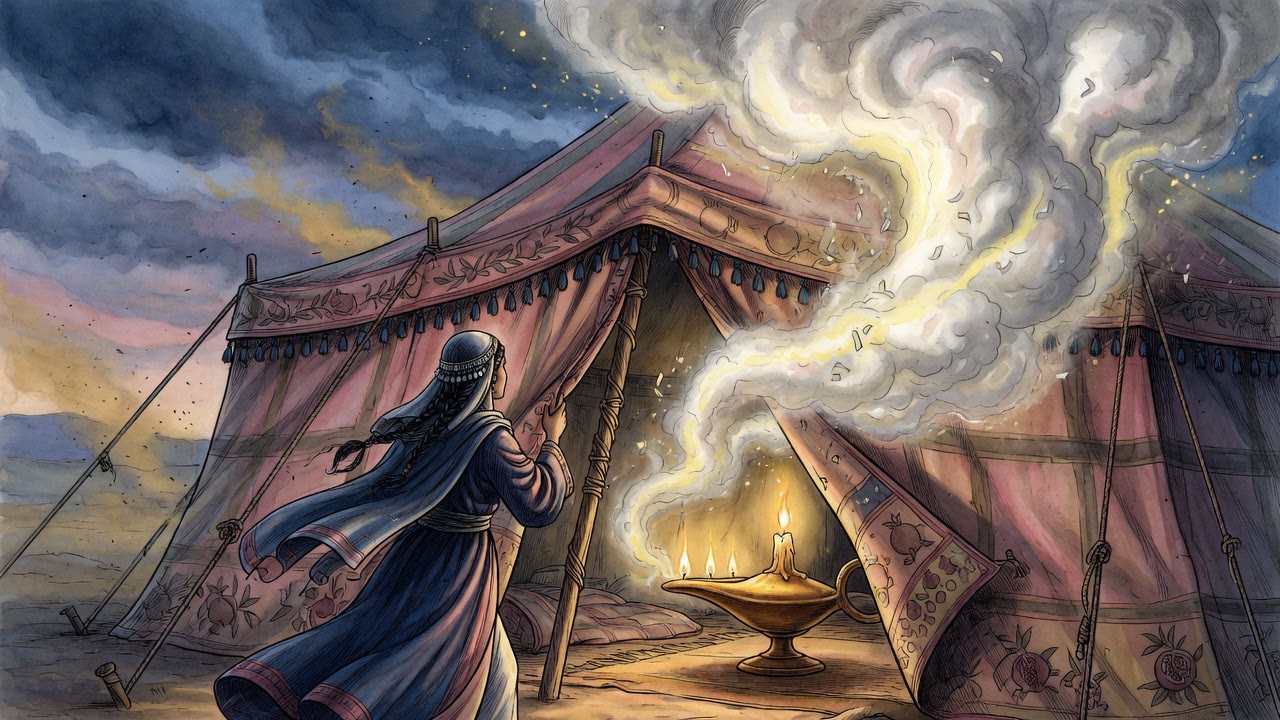
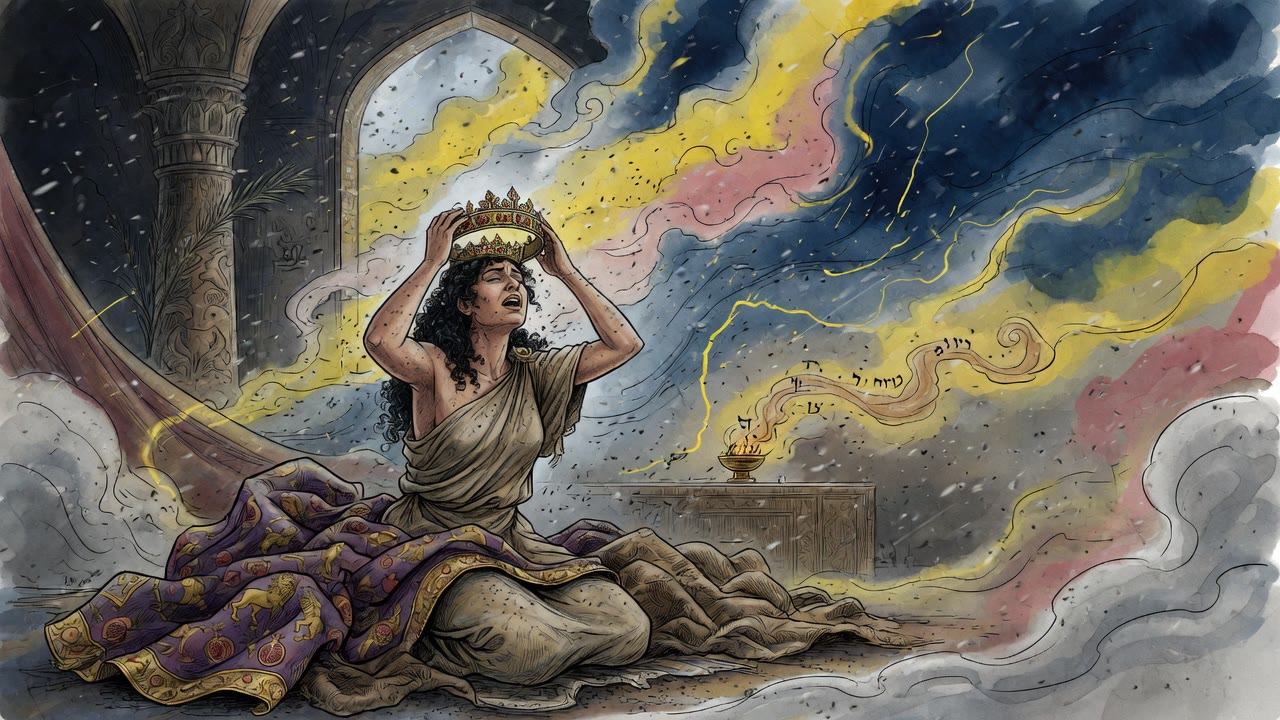
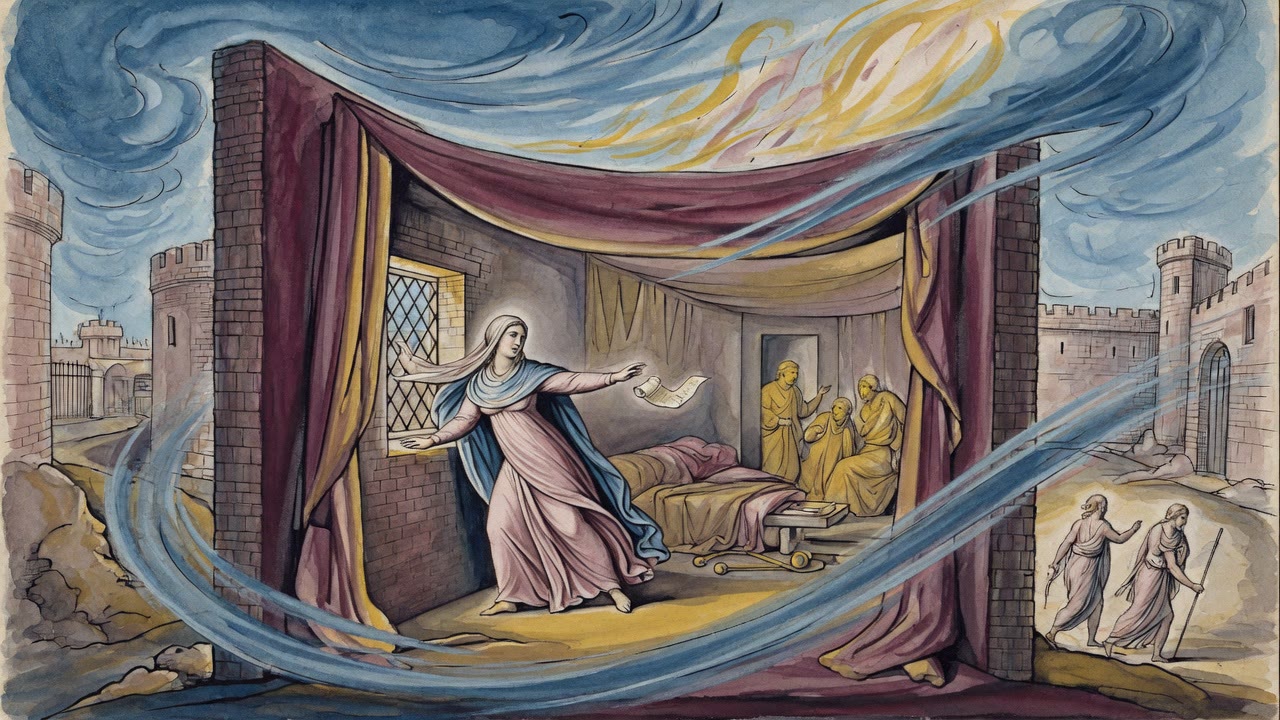
The wine had not yet been poured in Shushan, but the smell of it was already in the streets. The king had ordered a feast for the whole capital, low and high together, and the invitations moved through the alleys like a rising tide. Mordecai stood in his doorway and watched his neighbors hurry past with their good cloaks brushed and their faces eager, and he did not like what he smelled under the wine.
 Click for full size
The Warning No One Wanted to Hear
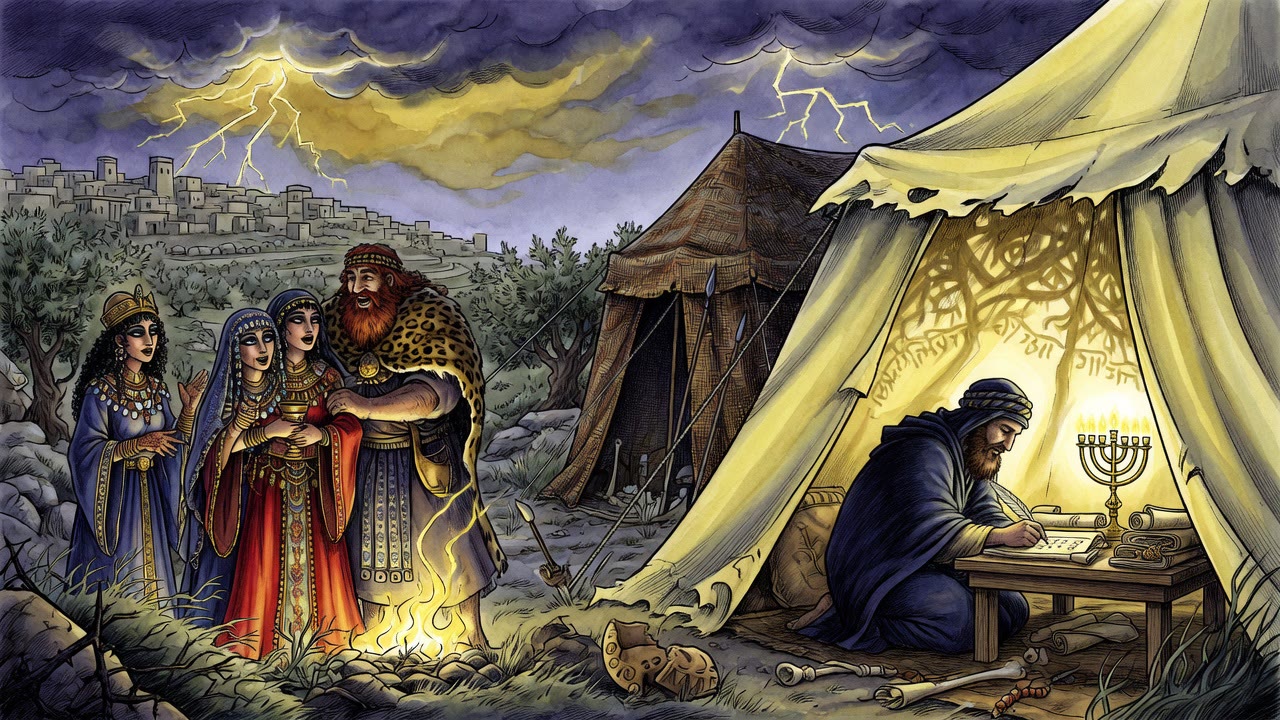
He went to them, house by house, and told them plainly to stay away. A feast like this was never only a feast. Behind the open hand of a king there could be a closed fist, and a Jew who reclined at that table to flatter the throne was bending a knee he should keep stiff. Some heard him. Prominent men gathered their households and slipped out of the city gates before the lamps were lit, choosing the discomfort of the road over the comfort of a couch that cost them something to lie on. Others stayed. They told themselves it was only courtesy, only one night, only wine. The largest part of the community remained, and they ate, and they drank, and they laughed at the king's jokes.
Mordecai did not laugh. He had drawn a line, and he meant to stand on it long after the feast was forgotten.
The Man Who Stayed Upright in the Gate
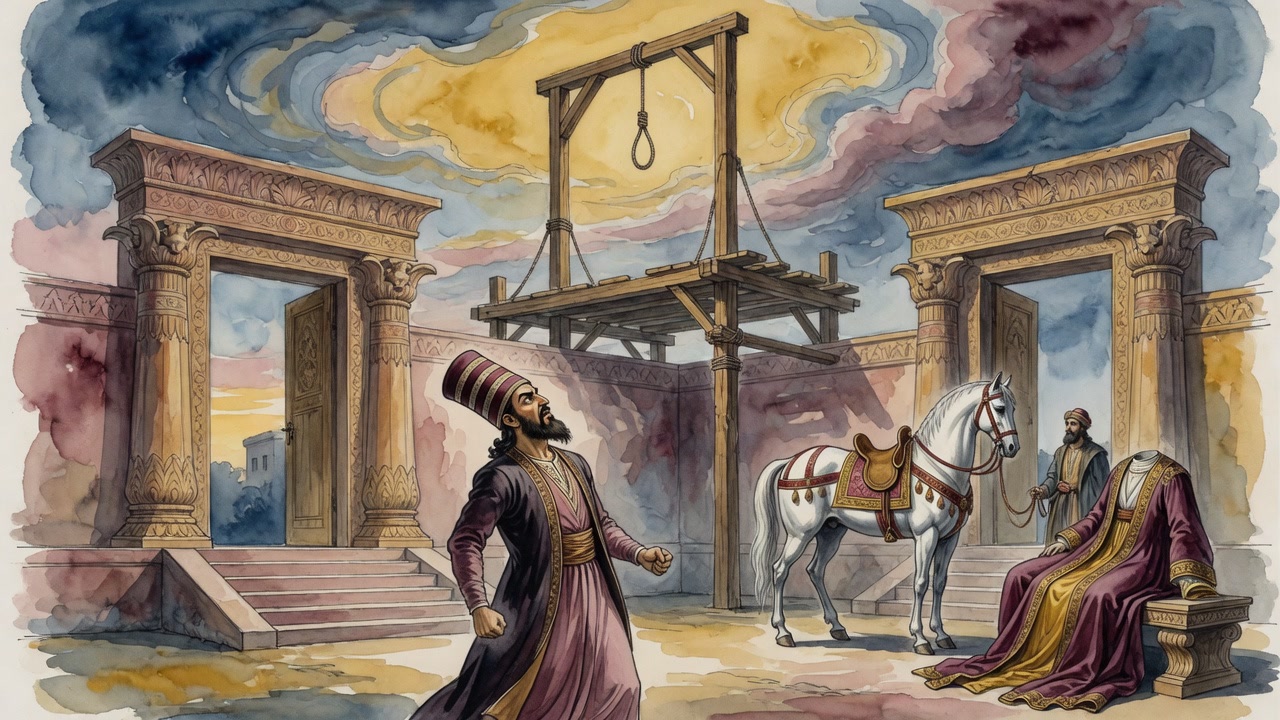
So when Haman rose to power and the order went out that every man should fall on his face as he passed, the line Mordecai had drawn in the streets of Shushan came due in the king's gate. The herald cried the command. Backs bent in a long wave down the avenue, foreheads pressed to the dust, the whole crowd folding like wheat under wind. Haman walked between two rows of bowed necks, and he savored every one of them.
One man did not fold. Mordecai sat where he always sat, in the gate, and he did not so much as tip his head. From a height a single upright figure in a field of bent ones is the easiest thing in the world to see. Haman saw it. The court officials saw it, and they smiled, because a man who refuses an order is a man who has handed his enemies a club to beat him with.
The Taunt They Had Sharpened in Advance
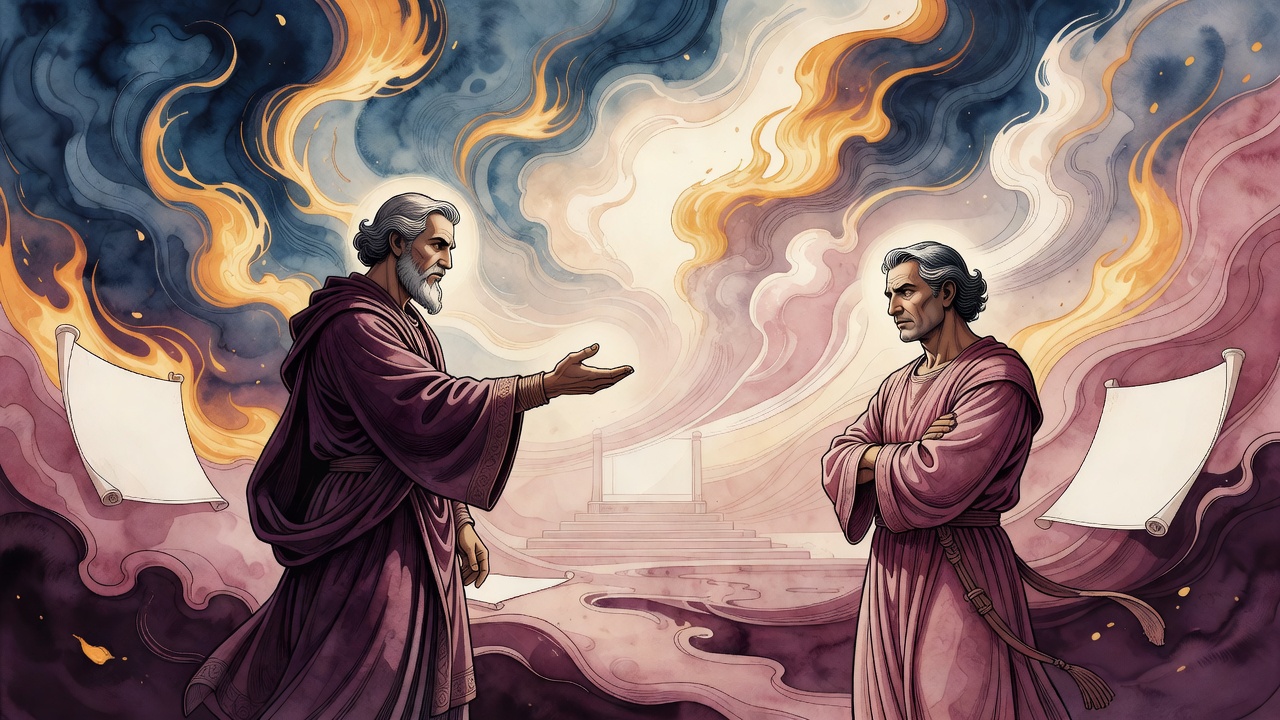
They came around him, the king's men, pleased with themselves, and they did not bluster. They had something better than a threat. They had history, and they laid it down in front of him like a winning tile.
"Your own ancestor bowed," they said. "Jacob prostrated himself before Haman's ancestor, before Esau, seven times to the ground, on the open road. Your father's father bent his back to that line. So what makes you so fine, Mordecai, that you will not bend yours?"
The trap was beautifully made. It was not only a command to bow. It was an accusation that his standing was a pose, that his family had already done the very thing he now refused, that he was play-acting a principle his blood had abandoned long ago. A man can argue with an order. It is much harder to argue with your own grandfather. They folded their arms and waited for him to crumble.
Benjamin Was Not There to Bow
Mordecai did not flinch. He let the silence sit just long enough, and then he answered with a single fact that no man in that gate could overturn.
"I am a descendant of Benjamin."
That was the whole knife, and it went in clean. They had counted the sons of Jacob who bowed on that road, the wives and the children who came down in ranks before Esau and pressed themselves to the earth (Genesis 33:3). Benjamin was not among them. He could not have been. Benjamin was the last son, born to Rachel after that meeting was already past, born after the two brothers had embraced and parted on the road. When Jacob bent his back to Esau, the father of Mordecai's line was not yet drawing breath. He did not refuse to bow. He was simply not there to bow, and a man who was never born cannot be charged with kneeling.
"My ancestor," Mordecai said, "never showed such honor to a mortal."
A Line Older Than the King
The officials had no answer, because there was none to have. They had reached back into the past for a chain to bind him, and the one link they needed was missing. Every other son had bowed. The one son in Mordecai's own line had stood outside the moment entirely, untouched, his hands clean of that dust.
And Mordecai had told them more than a point of genealogy. He had told them where his refusal came from. It was not stubbornness and it was not pride. His people did not press their faces to the ground before flesh and blood that walked and ate and died like any other man. They had bent, in the whole long memory of the family, only before what does not die. Haman wanted the posture owed to that alone, and Mordecai would not counterfeit it for him. He had warned his neighbors away from a table that asked too much. He would not now buy his own safety at the very price he had told them to refuse.
So he sat in the gate, alone and upright, while the most powerful man in the empire walked past and burned. The wine of Shushan had not saved the ones who drank it. The dust of the road would not bury the one who would not lie down in it.
← All myths