Moses Bargains Rest for the Brickmakers of Egypt
Young Moses wins a weekly rest for the brickmakers. Years later the Israelite foremen absorb Pharaoh's lashes and meet him with curses at the gate.
Table of Contents
Moses stood at the edge of the brick fields and watched the work never stop. Clay stuck under nails. Backs bent until the sun dropped, and still the taskmasters counted the rows. He did not only see labor. He saw that they had no respite at all.
 Click for full size
The Argument Before Pharaoh
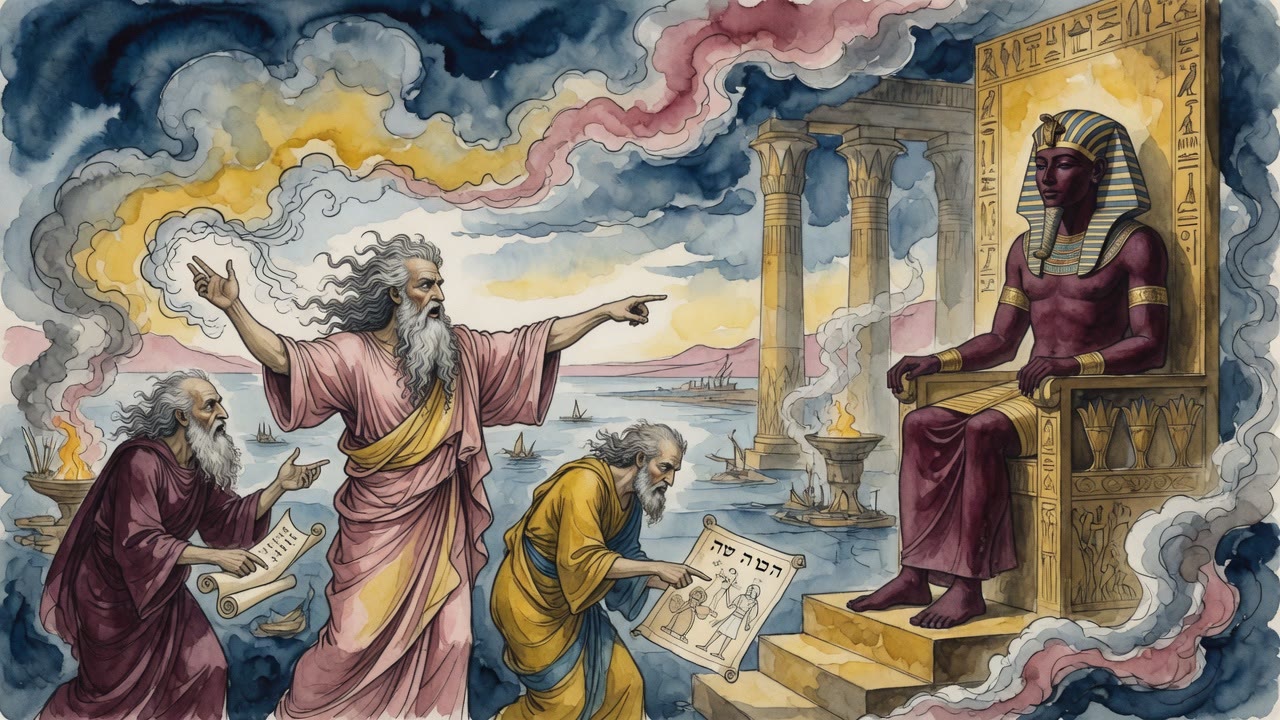
He walked into the palace with a slaveholder's logic, not a prophet's thunder. "One who has a slave, if he does not rest one day a week, he will die," Moses told Pharaoh. "These are your slaves. If you do not allow them to rest one day a week, they will die."
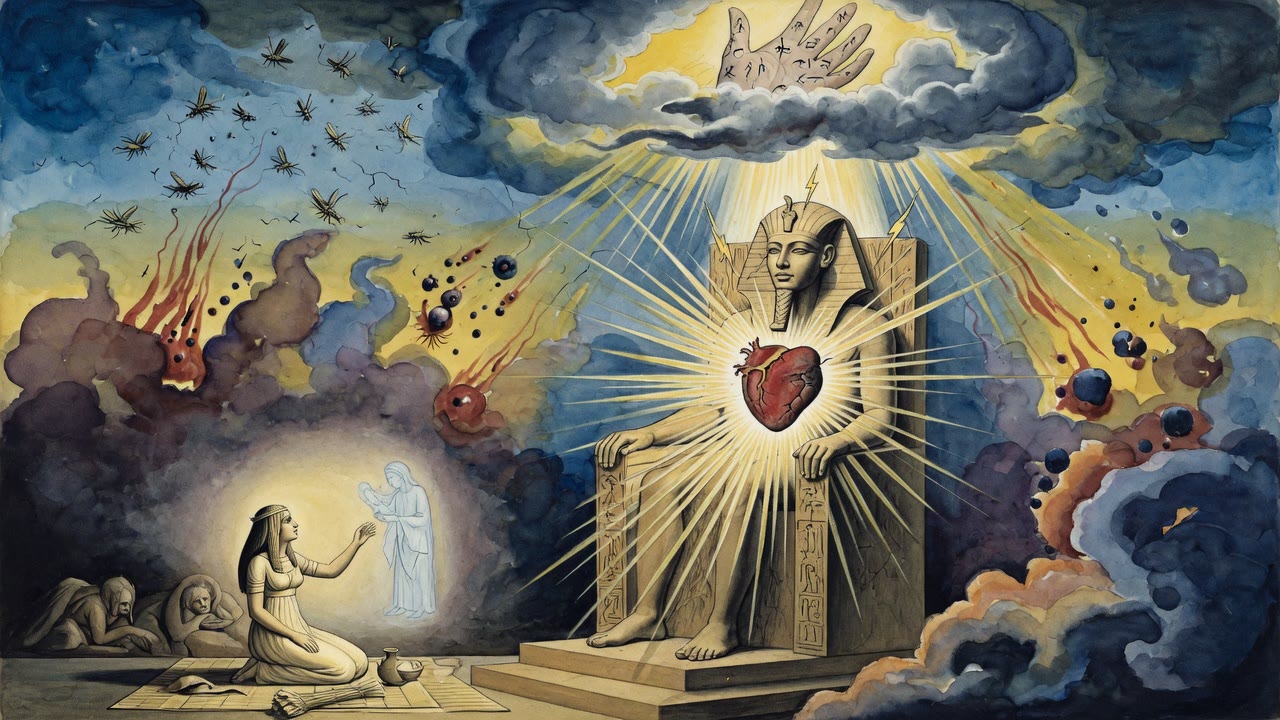
Pharaoh measured the numbers, not the mercy. Dead brickmakers pour no more mud. "Go and do with them whatever you say," he answered.
Moses went back to the pits and named a day. Shabbat entered the labor camps of Egypt before the bush burned, before the staff turned, before the sea split. For one day in seven the frames stood empty. Men slept without the rooster of the taskmaster yanking them from the mat. Women braided bread for a day that had no Egyptian name.
The future redeemer had already won a breath for his people. The breath would not last forever.
When the Quota Hardened
Years later the order came without straw. Bricks must still rise by the same count, each day's matter on its day. Egyptian taskmasters stood over Israelite foremen, and the foremen stood over their own kin. Ten Israelites under one foreman. Ten foremen under one Egyptian. The chain ran from palace decree into the mud of Goshen (Exodus 5:14).
When the count fell short, someone had to take the stick.
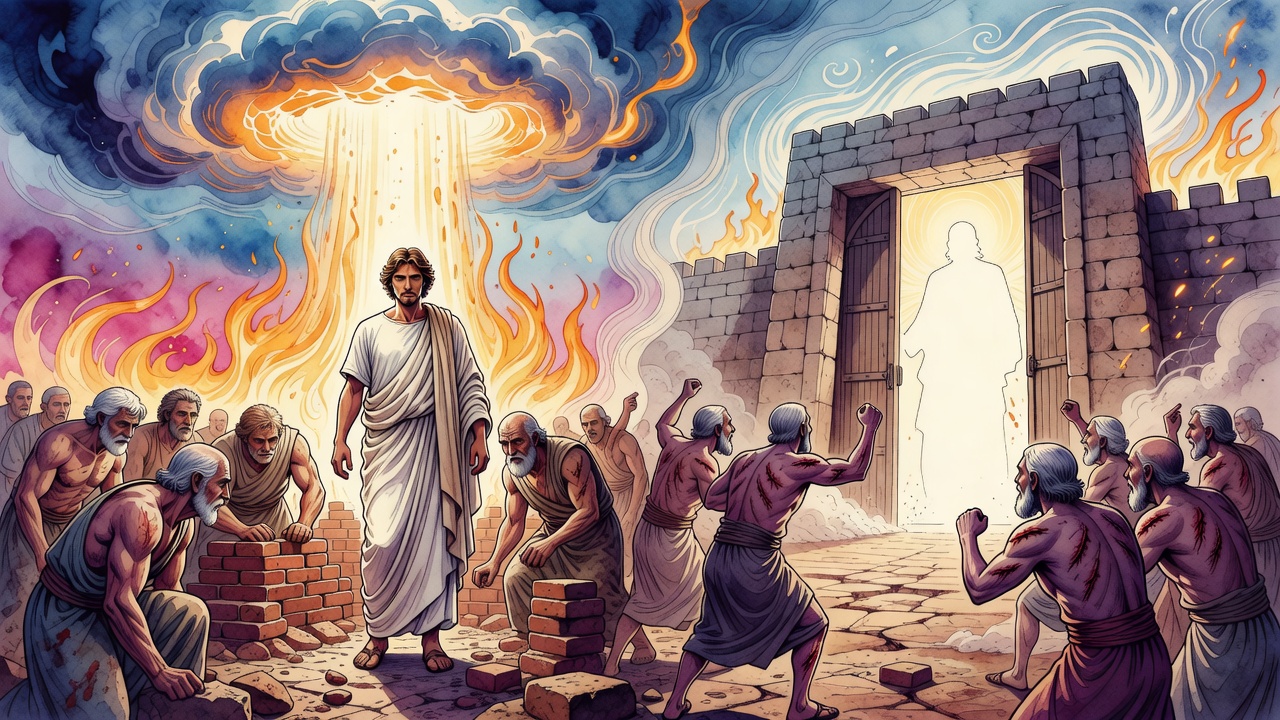
The foremen did not pass the full force of the lash down onto the brickmakers. They took the blows themselves. Skin split so another man's back might keep a little longer. They cried out to Pharaoh that straw was withheld and still the bricks were demanded, that his own people were the fault, that the beatings were unjust. Pharaoh did not soften. The quota stayed hard.
Upright men in a crooked system, dedicated on behalf of Israel, suffering so the people below them might live another day in the pits.
The Taskmaster at Dawn
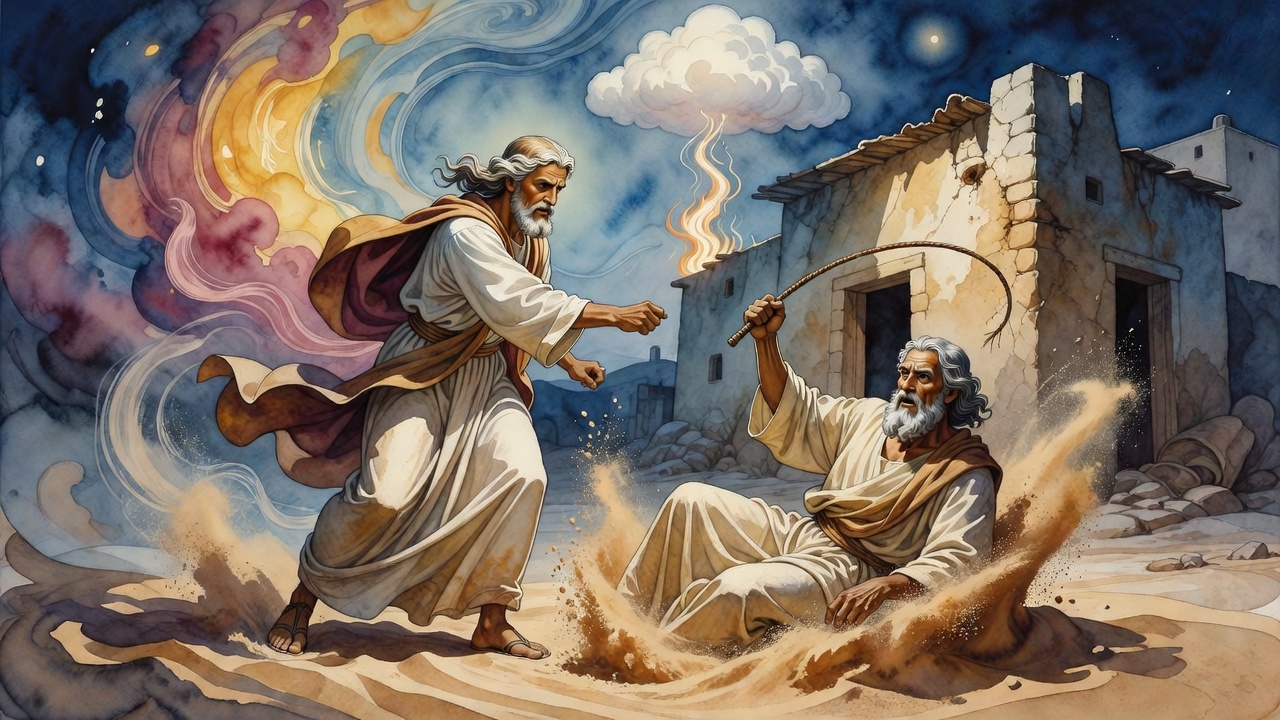
Before that crisis, Moses had already seen what Egyptian power did in a private house. An Egyptian taskmaster came at rooster-crow to drag an Israelite foreman to work. The foreman's wife was beautiful. The Egyptian returned while the house was empty of its husband, and she took him for the man she expected. When the husband came home and found the Egyptian leaving, the truth cracked open. The taskmaster, found out, drove the husband into the field and beat him toward death.
Moses watched. By the divine spirit he saw the house and the field together. He judged the Egyptian liable: one who strikes a person shall be put to death (Leviticus 24:21). The man who had stolen a night and a life met the sand. The secret of the house clung to a name the sources later pin to Datan's household, a wound that would not stay buried when power shifted again.
Blows That Bought a Spirit
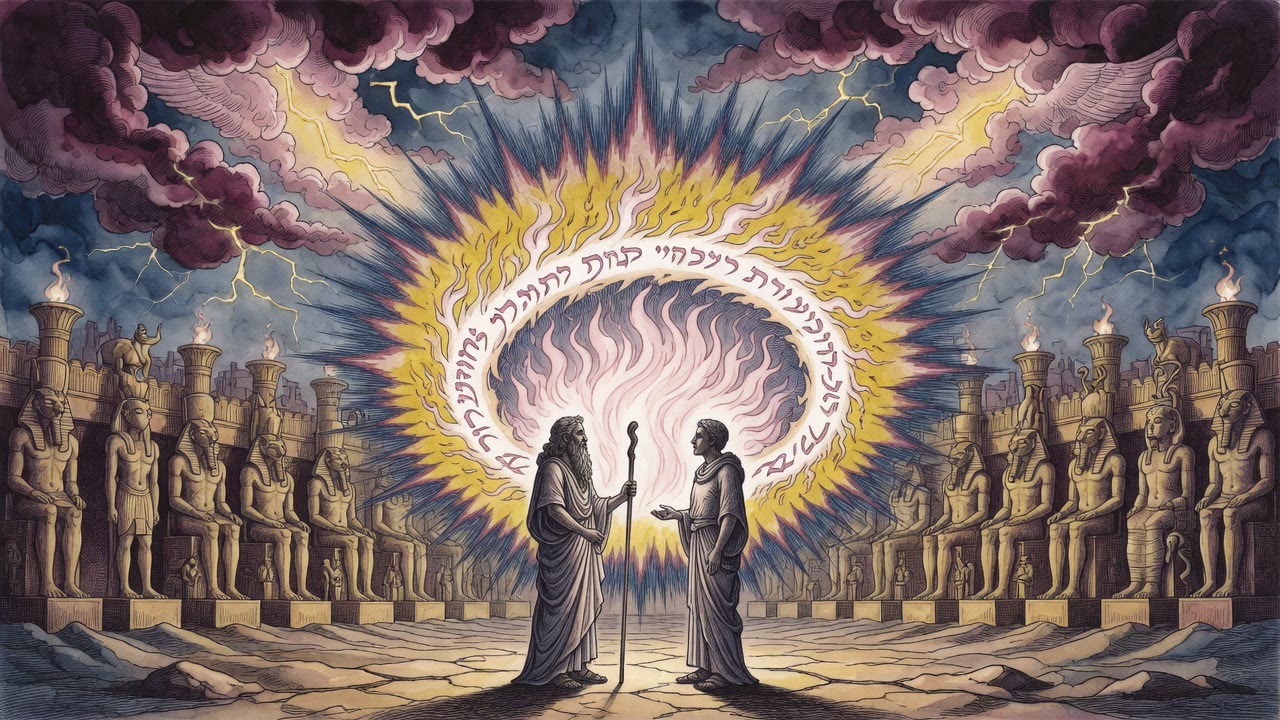
When Moses returned from Midian and Aaron came up from Egypt, they met the foremen leaving Pharaoh's court. The men had just been refused. Faces raw. Shoulders tight. Six months earlier God had spoken to Moses in Midian, "Go, return to Egypt" (Exodus 4:19). Now the first faces Moses met were the ones who had stood between the lash and the people.
Heaven had already weighed those beatings. "They were beaten on their behalf," the Holy One said of the foremen. "Therefore they will merit the divine spirit." The same mouths that had taken Pharaoh's stick would one day stand among the seventy elders, men who had been foremen when the quota broke, appointed to bear prophecy because they had first borne pain for Israel (Numbers 11:16).
Not every man among them held that line with clean love.
Curses at the Gate
Among the group that day stood Datan and Aviram. The sources hear them in the word "standing," the same stance later written when they rose against Moses in the wilderness (Numbers 16:27). At the gate of Pharaoh's refusal they did not bless the return of the redeemer. They cursed and blasphemed Moses and Aaron to their faces.
Moses had once bargained a rest day so slaves would not die. He had killed a taskmaster to stop a murder in the field. He had come back with a promise of freedom. The men who had absorbed the whip for the brickmakers met him with blame, because the first audience with Pharaoh had only made the clay heavier.
Rest had entered Egypt through Moses' mouth. Blood had entered the foremen's backs through their own choice. At the gate the story split: some of those beaten backs would wear the spirit of prophecy. Two of the standing men would keep their curses until the earth opened.
Moses walked past the gate with the taste of that meeting in his mouth. The brick fields still waited. The day of rest he had once named still came once a week, a thin white thread through the mud, until the night a different departure would ask for more than a pause.
← All myths