Moses Begged for the Land and the Temple and Got a Mountain Instead
He had talked heaven out of destroying Israel twice. On the riverbank he used the softest word in the language, and the answer was still no.
Table of Contents
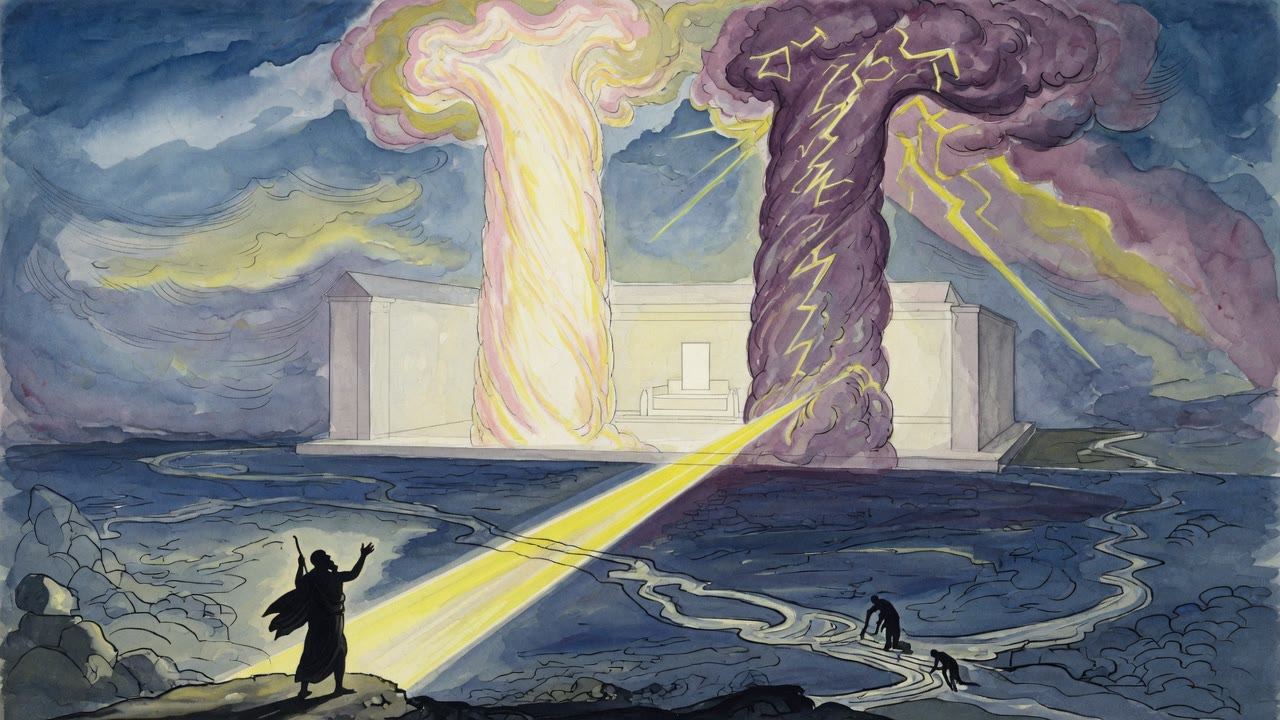
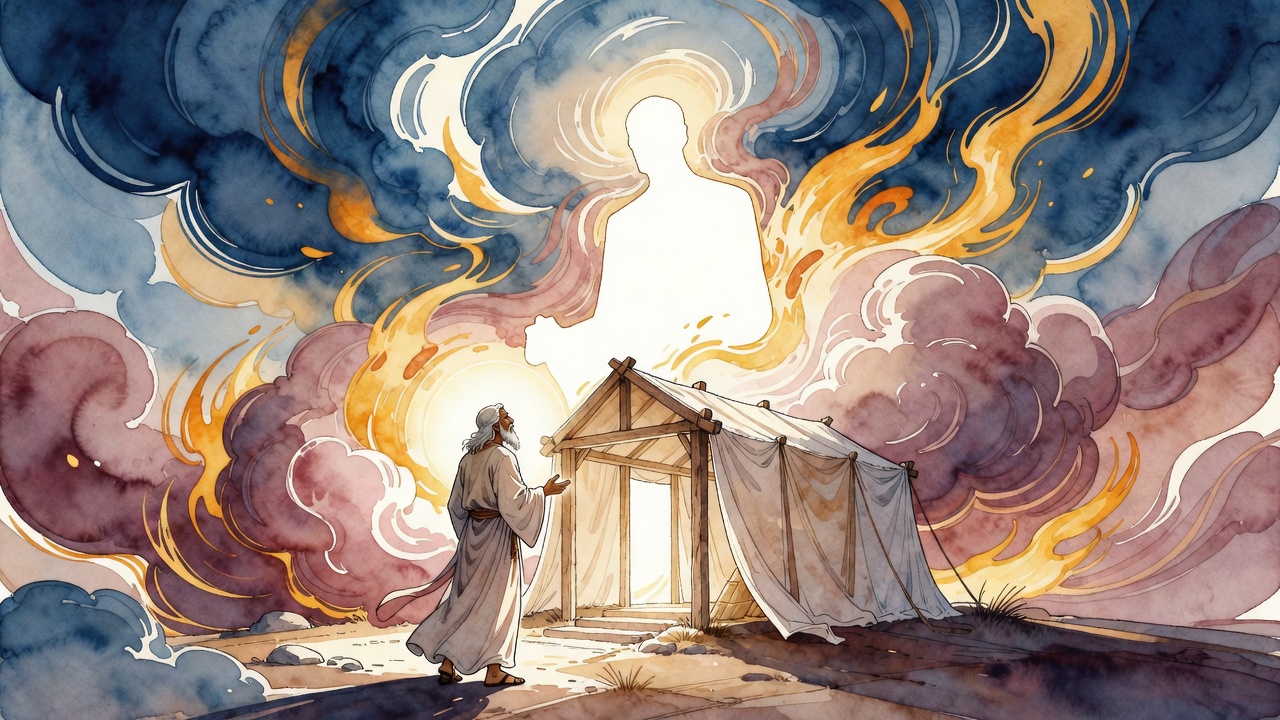
Moses stood on the wrong side of the water with nothing left to bargain with. He did not lift the staff. He did not threaten and he did not argue, and he had done both before, and won both times.
 Click for full size
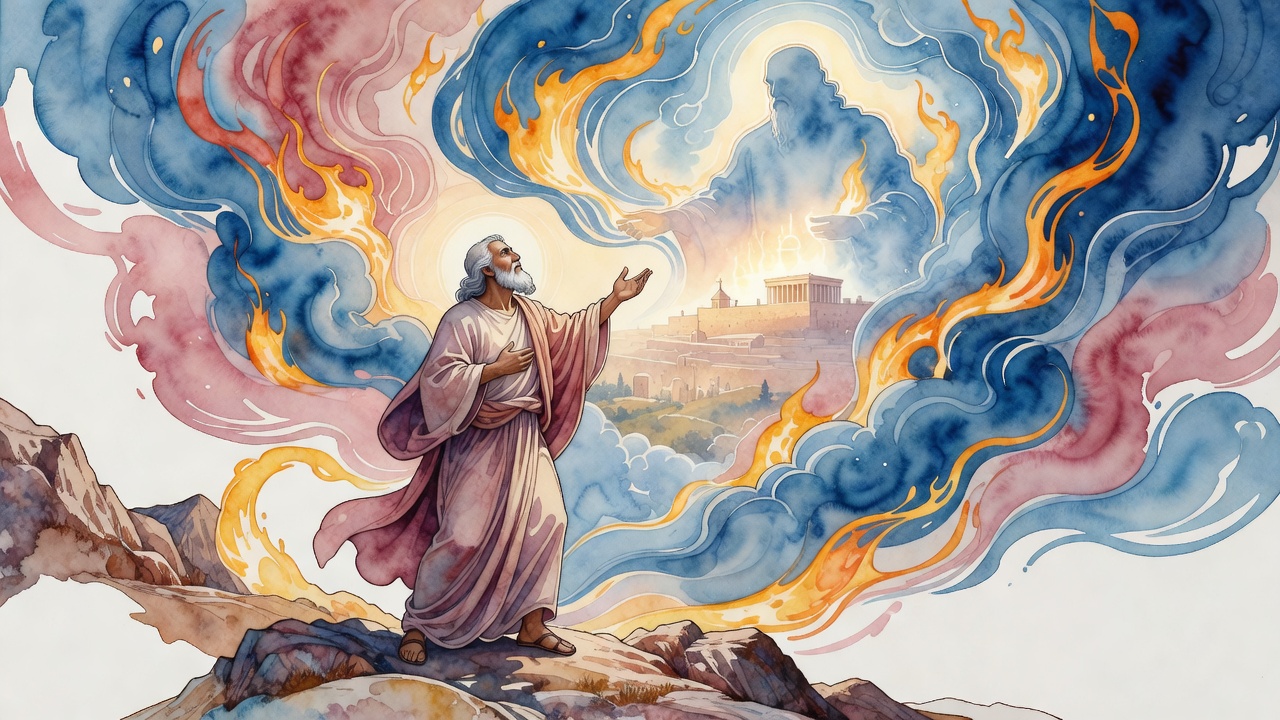
He used the softest word in the language instead. Na. Please.
Let me cross over, please, and see the good land.
Three Things Inside One Sentence
There were three things folded into that request, and he wanted all of them.
The good land was dirt. Borders, a rainfall pattern he had described to people who had only ever known a river that flooded on schedule, hills with terraces cut into them, olives, wheat, a valley where grapes grew heavy enough to need two men and a pole.
The good mountain was the ridge that would carry the city of the King, a place with no palace on it yet and no name he would have recognized on a map.
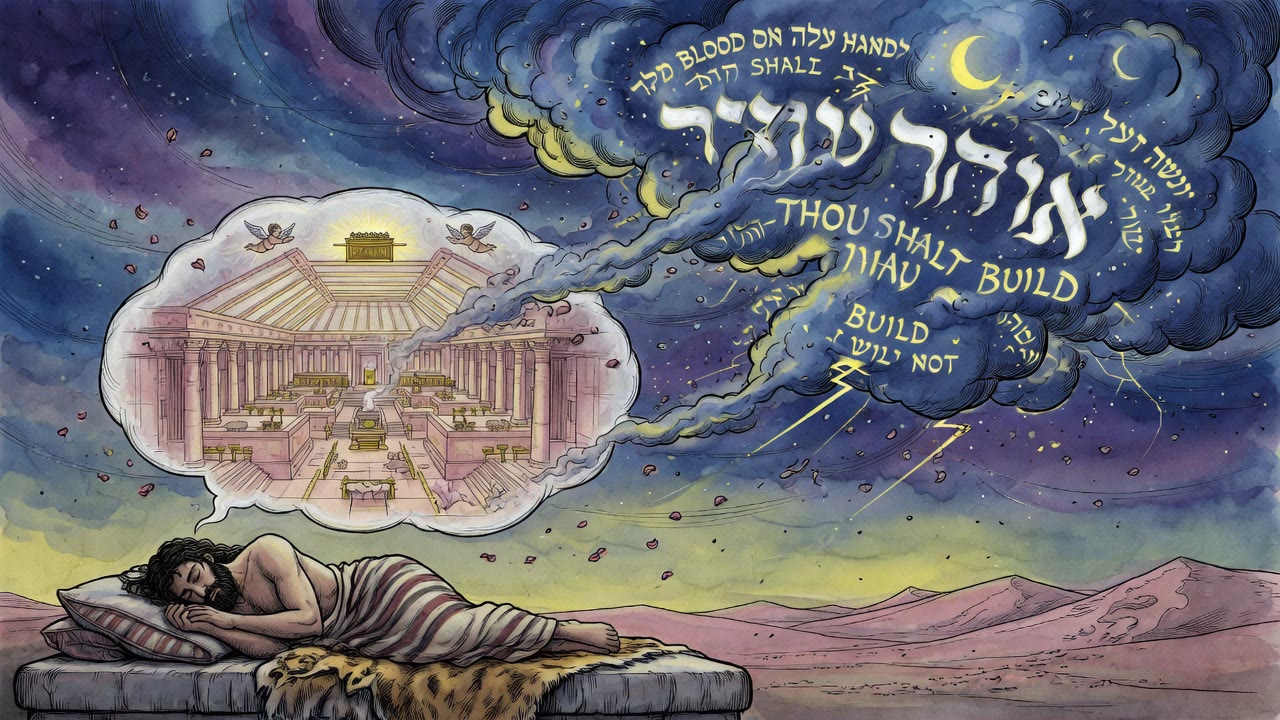
And the Levanon was the house. The one that would stand on that ridge generations after him. The one prophets would later shout at by that name while its doors were being forced and its cedar was coming down.
He had been pointing at all three for forty years without ever saying them out loud in one breath. Now he said them, and asked for his feet.
The House That Led Before It Stood
The song at the sea had already aimed at it. Soaked, shaking, with Egyptian chariots still turning over in the surf behind them, the people had sung about a place none of them had ever seen: to the habitation of Your holiness. Neveh. A dwelling.
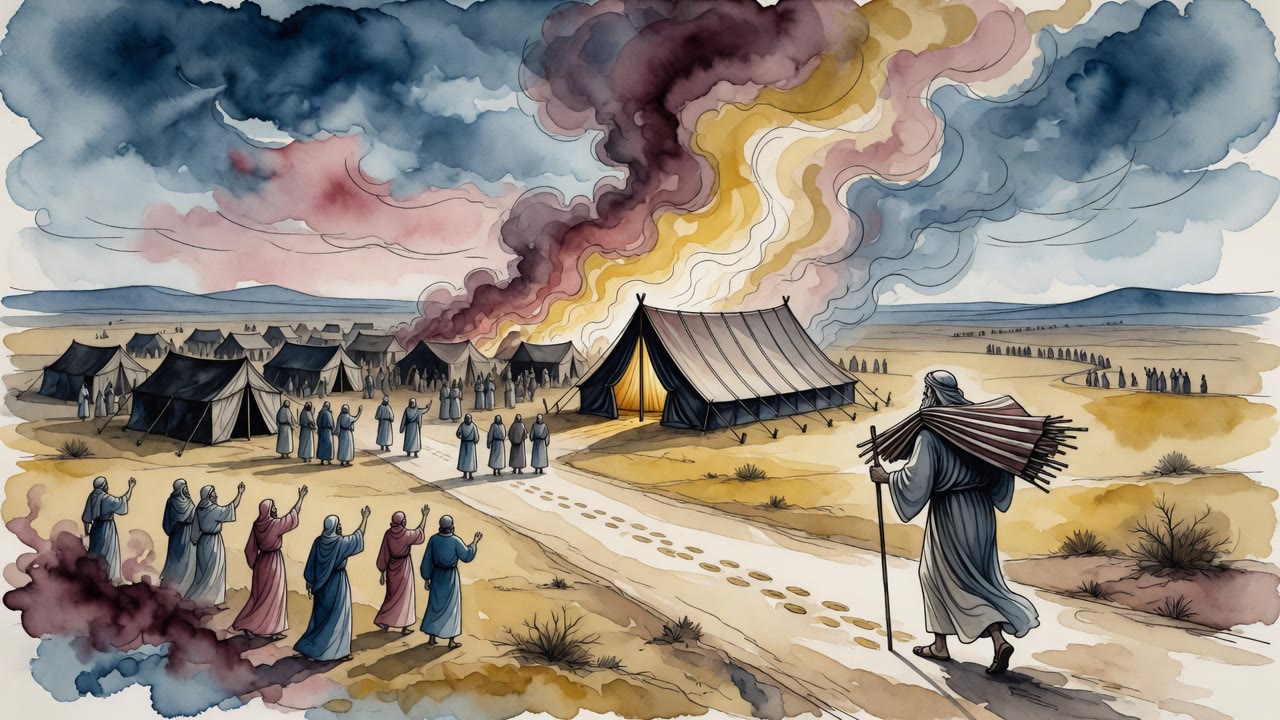
There was no dwelling. There was sand, and a column of cloud, and a man out in front with a stick.
They were led through that wilderness for the sake of a building nobody had laid a stone of, and every stage of the march leaned toward it, every camp and every detour around a hostile border. Jeremiah would use the same word standing in the wreck of it, saying they have made His neveh desolate. Isaiah would use it promising a peaceful neveh, a tent that will not be taken down. A meeting place that folded up and a house of stone, one word covering both, because the claim underneath them was identical.
The Answer
He had gotten his way with heaven before. After the calf he stood in the gap and would not move until the decree against Israel was pulled back, and it was pulled back. After the spies came home with their report he argued the sentence down a second time. He knew exactly how the thing was done. This time he did not try it.
God did not argue the point with him either.
The matter had been settled already, out in the wilderness of Zin at a rock, where Moses had been told to speak to the stone and had hit it twice instead in front of the whole assembly. The water came. So did the sentence.
What he got now was not the crossing. He got a mountain.
What Pisgah Gave Him
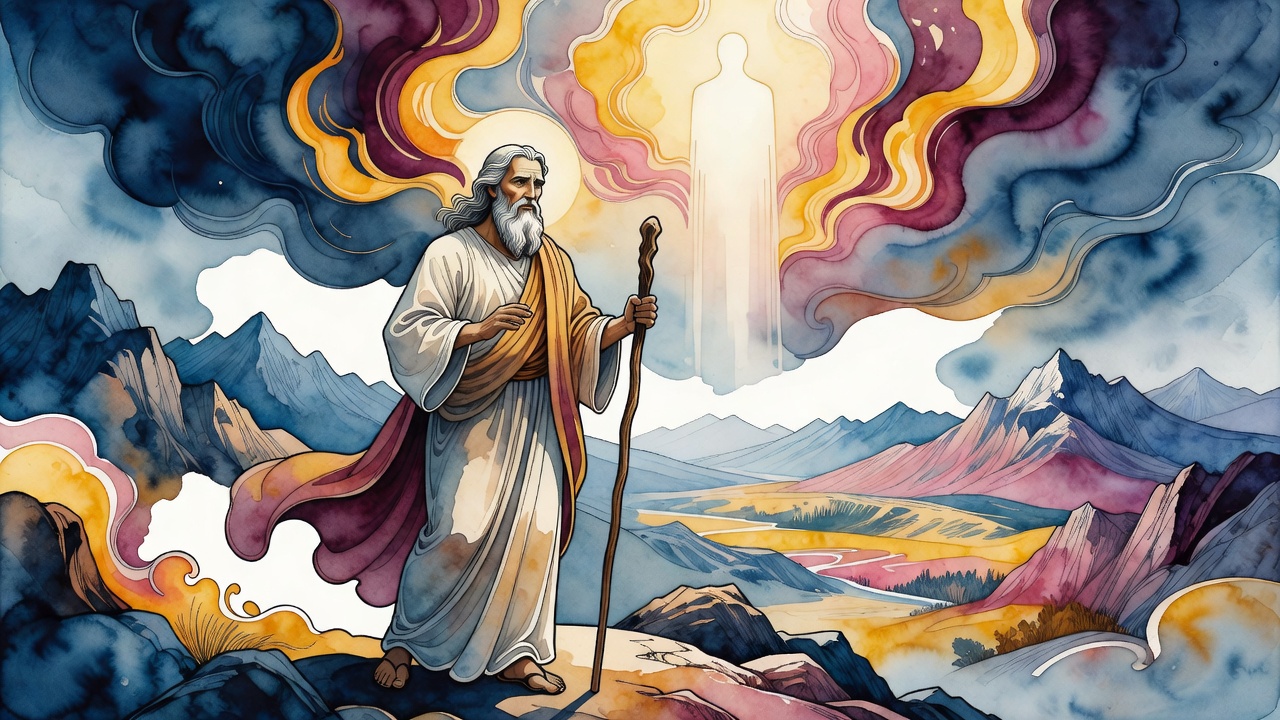
Go up to the top of Pisgah, he was told, and lift your eyes west and north and south and east, and look at it with your eyes, because you are not going over this Jordan.
So he climbed. A hundred and twenty years old, and his eye had not dimmed and his strength had not gone, which was the cruel part. The body was fine. The body could have made the crossing at a walk.
From the top the land opened all the way to the far sea. Green down in the valleys he had described to people who had never stood in one. Somewhere in the middle distance, the ridge. Somewhere on the ridge, a threshing floor that nobody had bought yet.
He looked at every part of it and did not set a foot on any of it.
The Handing Over
He came down and finished the work. He called Joshua up in front of the whole assembly and told him to be strong, because this man goes over ahead of you and this man will divide it among you. He taught. He blessed the tribes one at a time, by name. He wrote out the song and put it in their mouths so they would still have it after he was gone.
Then he went up the mountain again, and no one has ever found the grave.
The people crossed in the spring with the river running high. The habitation they had sung about with wet clothes at the edge of the sea got built, in stone, on that ridge, generations later. It burned. It was sung about again afterward as a tent that would not be taken down.
The man who had asked for it with the softest word in the language was on the far side of the water the entire time.
← All myths