Moses Laughs Last When the Tabernacle Stands
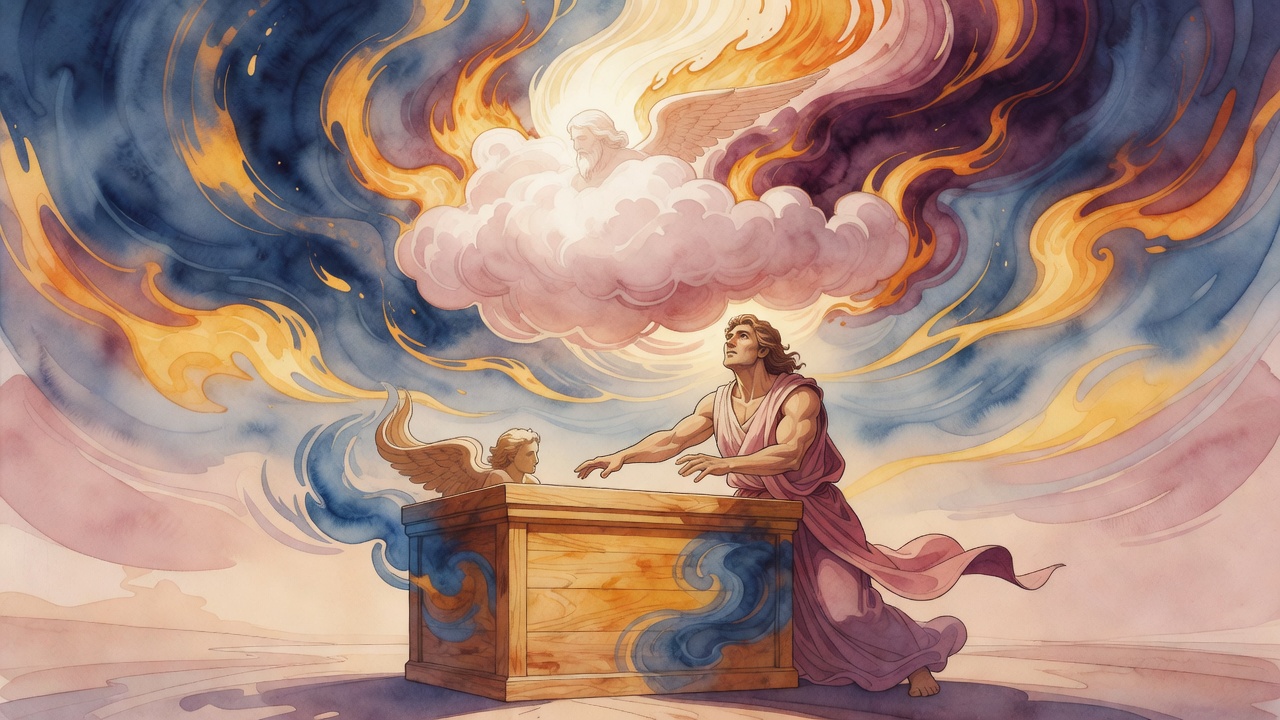
Scoffers mocked Moses until the Shekhinah, the Divine Presence, rested. Bezalel began with the Ark of light, and the dwelling rose alone.
Table of Contents
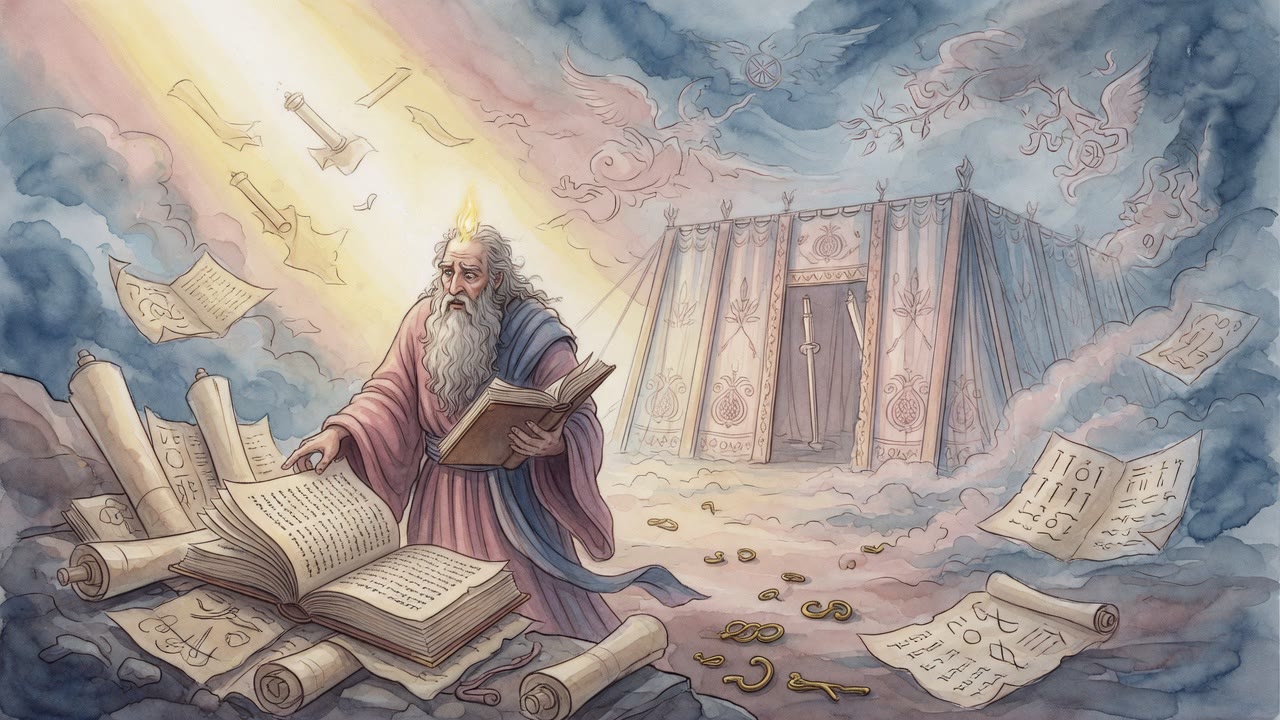
Moses walked with a face that shone and did not know it. The scoffers of Israel walked behind him and did know. "The Shekhinah (שכינה), the Divine Presence, rest upon work that Moses built with his own hands? Impossible." They snickered under their breath. He said nothing. He let the mockery hang in the desert air like dust that would not settle.
 Click for full size
The verse that clothed him spoke of strength and splendor, and then of laughter. "And she laughs at the last day." The last day had not yet come. The boards still lay stacked. The clasps still waited in baskets. The scoffers still thought they had won the argument.
Light Before Walls
Before any board stood upright, Bezalel began where the world itself began. Rabbi Shimon once pressed Rabbi Shmuel bar Nachman: how did the Holy One make the world? He answered: when the Holy One sought to make the world, He wrapped Himself in light as in a garment, and only then spread the heavens like a curtain. Light first. Always light first.
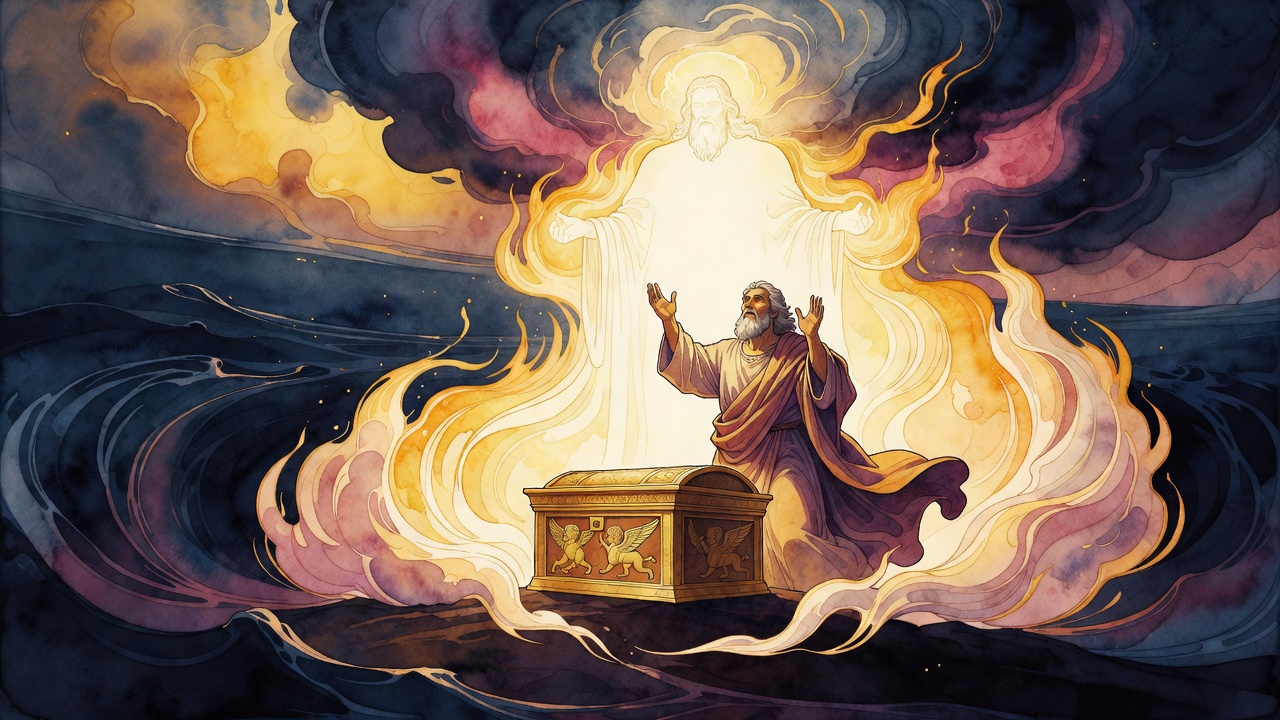
Rabbi Yehudah told of a king who wished to build a palace on ground sunk in darkness. The king kindled lamps, and only afterward raised walls. So when God commanded, "Let them make Me a sanctuary," Bezalel did not start with curtains or courts. He began with the Ark, the seat of the Torah, the lamp of the world. "And Bezalel made the Ark." The opening of Your words gives light. The craftsman of the wilderness learned the craft of his Maker. Boards could wait. Gold rings could wait. Without the Ark there was no center for the light to claim.
Pieces Without a Standing House
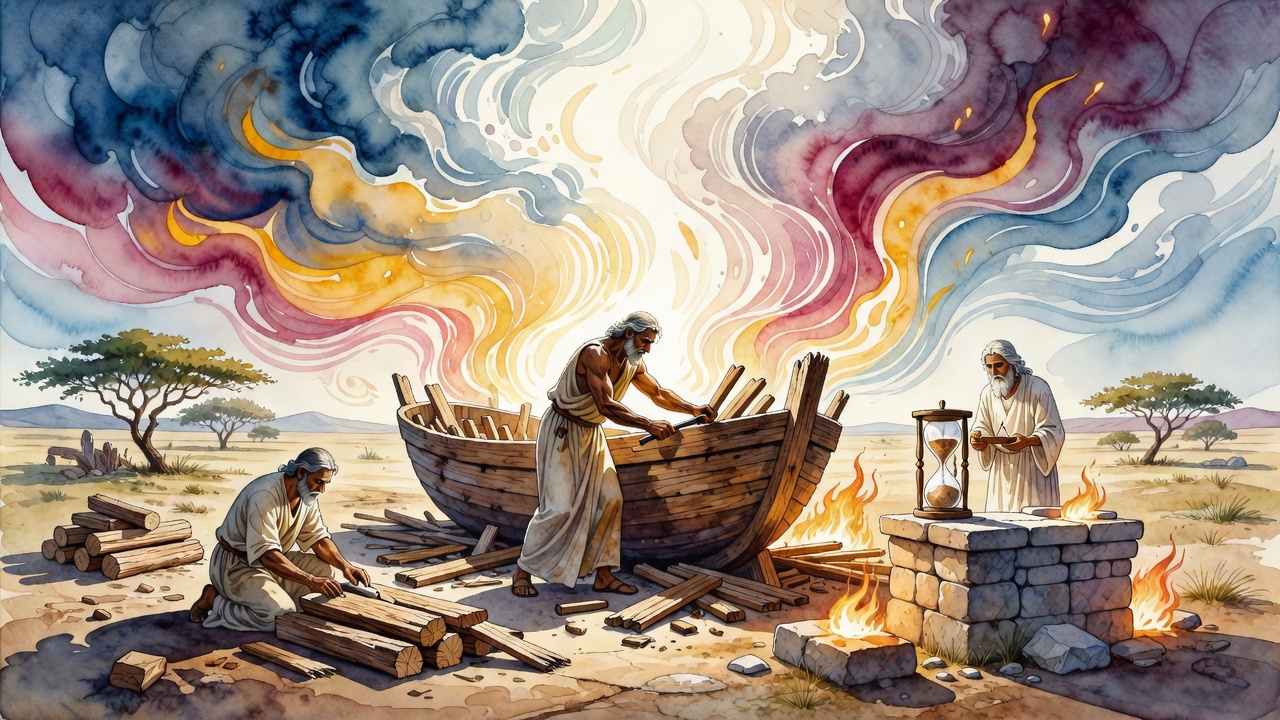
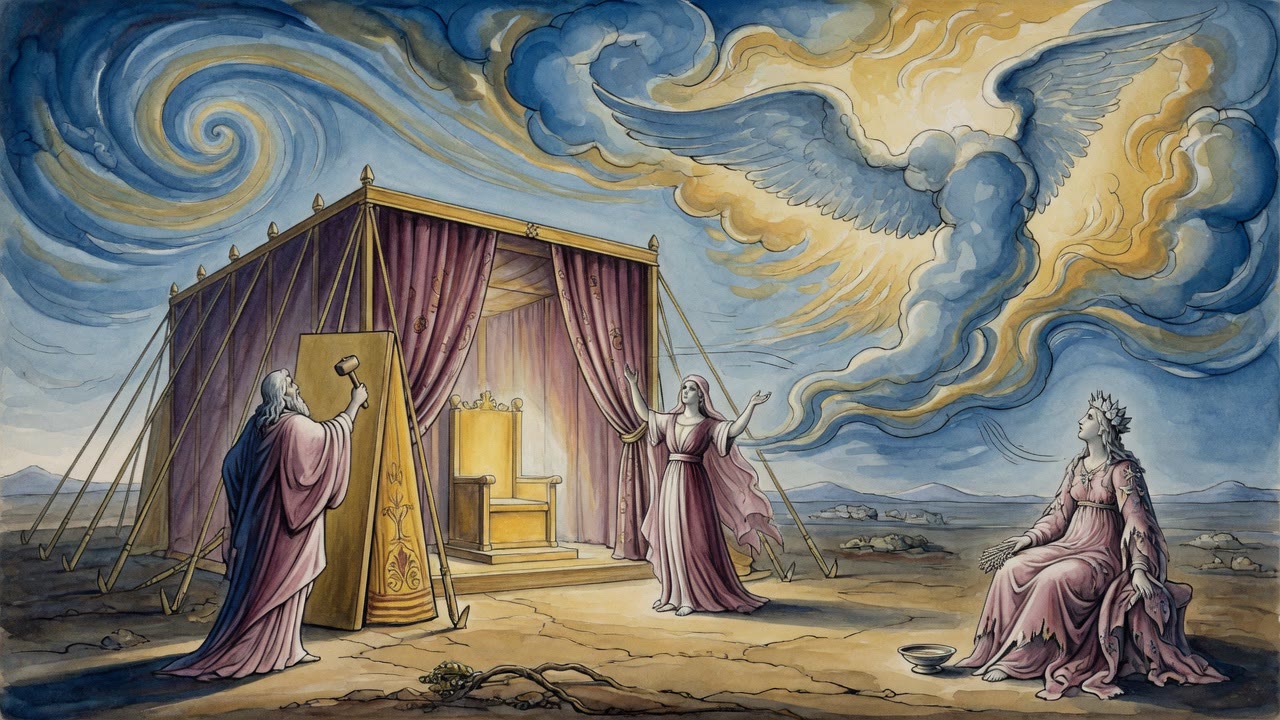
Many wise hands labored. Boards were planed. Curtains dyed blue and purple. Clasps shaped. Bars fitted. When the work was done, not one of them knew how to make the dwelling stand. "Many daughters have done valiantly," Solomon would later say of such builders. They could craft. They could not raise.
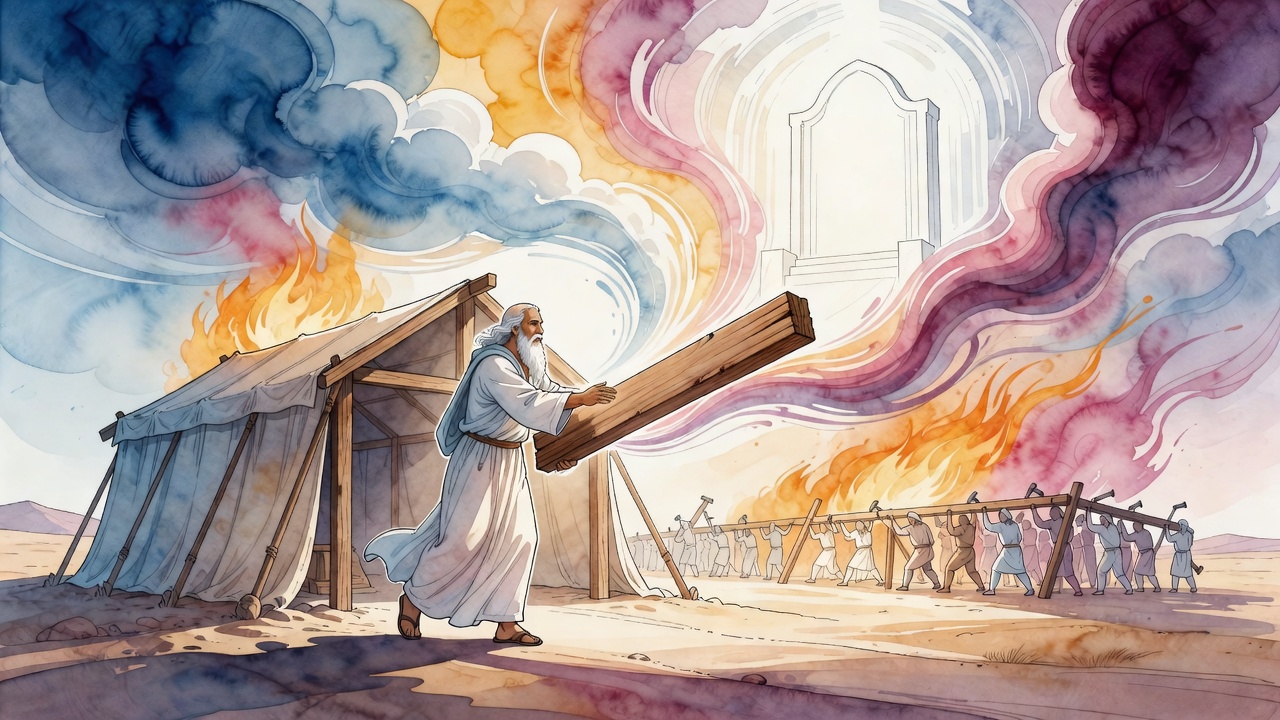
So they carried their pieces to Moses, each calling out his portion. Here are my clasps. Here are my boards. Here are my bars. The camp became a procession of unfinished glory. The Holy Spirit rested upon Moses. The Tabernacle rose. Do not credit Moses alone, the sages teach. Scripture says the Tabernacle was erected, raised as if by no human hand. The dwelling stood up of itself.
When Solomon built the Eternal House in Jerusalem, the same truth held. Had the Holy One not helped, neither he nor all Israel could have set one stone upon another. David sang it first: unless the Lord builds the house, its builders labor in vain. By miracle the crown of blue and purple settled on the desert floor. Skilled fingers had prepared every joint. Only Heaven could lock the house into standing.
The Last Laugh
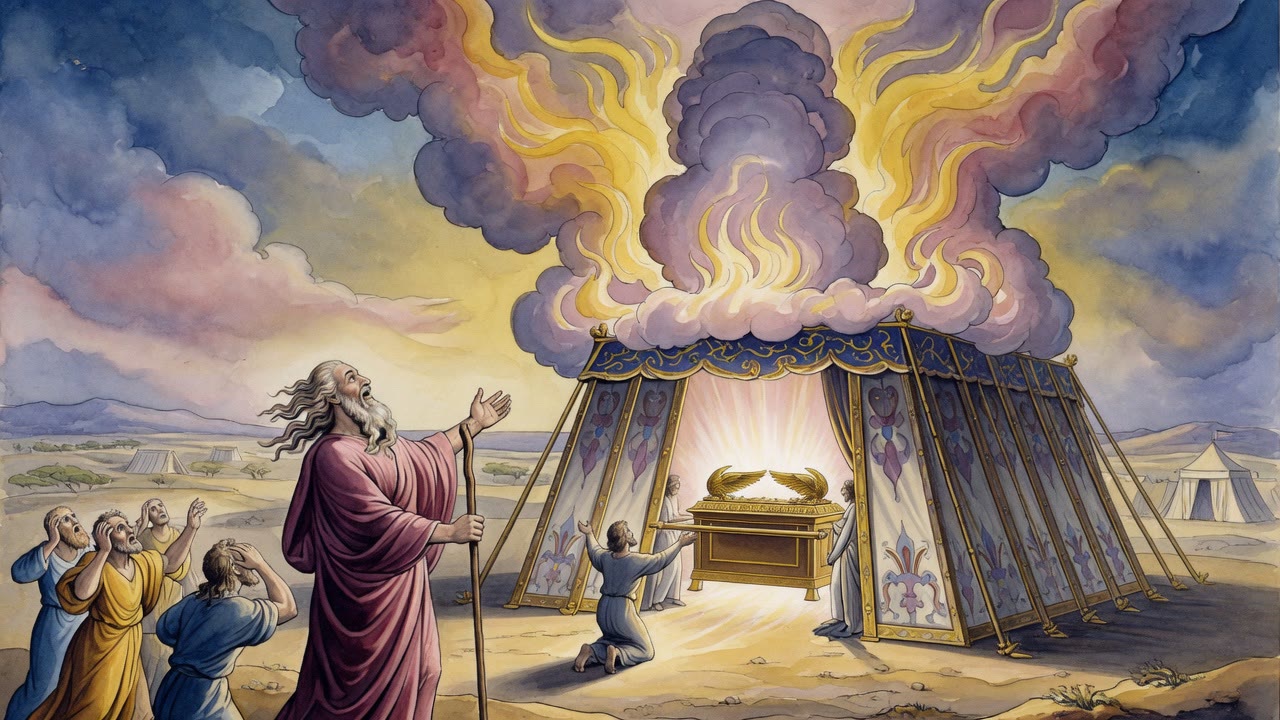
Then the command came to raise what had been prepared. Moses turned to the same scoffers who had trailed him with their jokes. "Bring the materials, that we may erect the Tabernacle." Their arms filled with gold and boards and curtains. The laughter that began as scorn ended as service. They hurried to him because the Presence would not wait on their opinion.
He laughed last and longest, not as a man who crushes an enemy, but as a man who watches a prophecy finish its sentence. The one clothed in strength and splendor does not answer the scoffer with words. She waits. She laughs at the last day, when the Divine Presence descends upon the work of righteous hands. The trail of jokes had been long. The answer was a house that would not fall when they finally brought the wood.
A Crown No Mockery Can Lift
Go forth and gaze upon the King of peace, the sages read, the King of kings, with the crown with which His mother crowned Him. The Tabernacle itself is that crown, set and adorned. Moses had not built a private monument. He had prepared a seat for light that began before walls, and the seat stood without him pushing it upright.
The scoffers learned what the Ark already knew. Craft without Presence is furniture. Presence without light is darkness dressed as piety. Bezalel started with the lamp of the world. Moses waited for the last day. Between them the boards learned to stand, and the camp learned to stop laughing too early. Blue and purple caught the sun like a diadem no mouth could mock off the brow of the desert.
What Stood When Hands Failed
Israel would later raise a house of stone in Jerusalem and learn the same lesson again. Stones would lift themselves in memory of this wilderness hour. For now the desert held a crown of blue and purple, a risen dwelling, a prophet who finally laughed, and a people whose mockery had turned into porters' labor.
The face that shone still did not see itself. The Presence that rested needed no defense from the trail of jokes. On the last day the argument ended not in debate but in wood that would not fall. The Ark held the light that started everything. The walls stood because Heaven finished what hands could only prepare.
← All myths