Moses Nearly Withered Until Judges Shared the Load
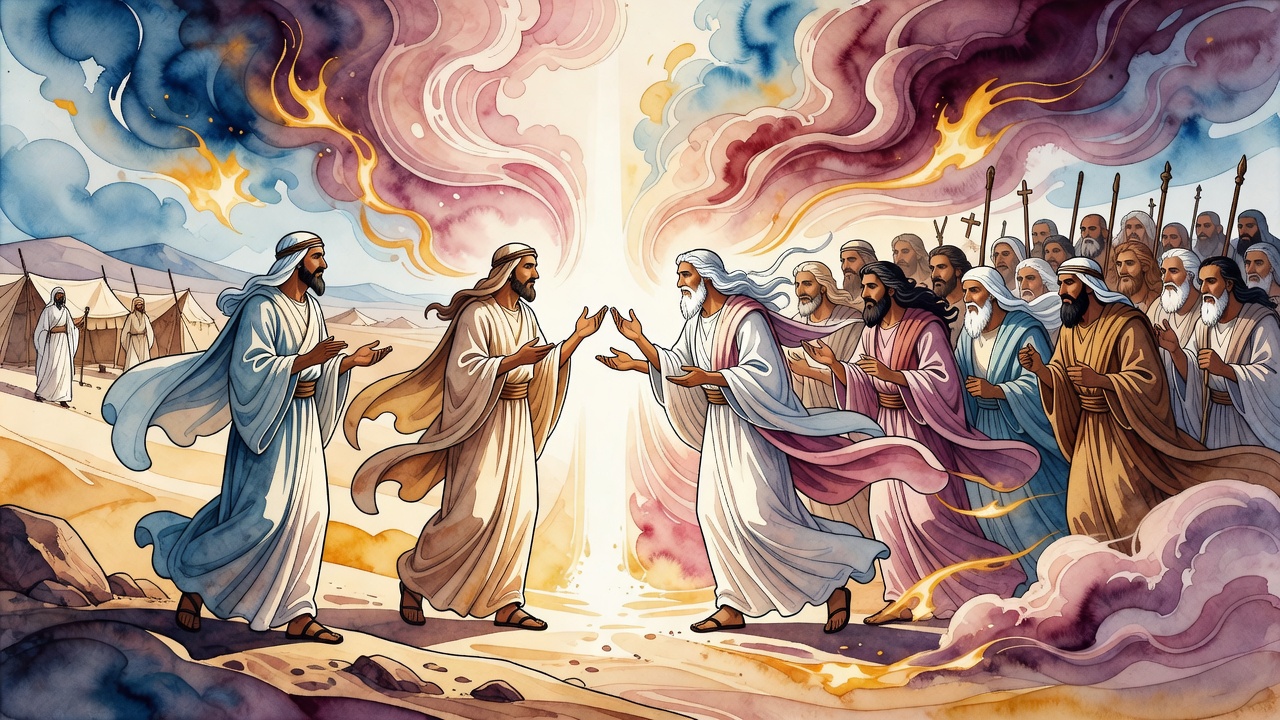
From dawn to dusk the line never broke until Jethro warned Moses he would droop like a stripped fig, and thousands of judges rose to share the beam.
Table of Contents
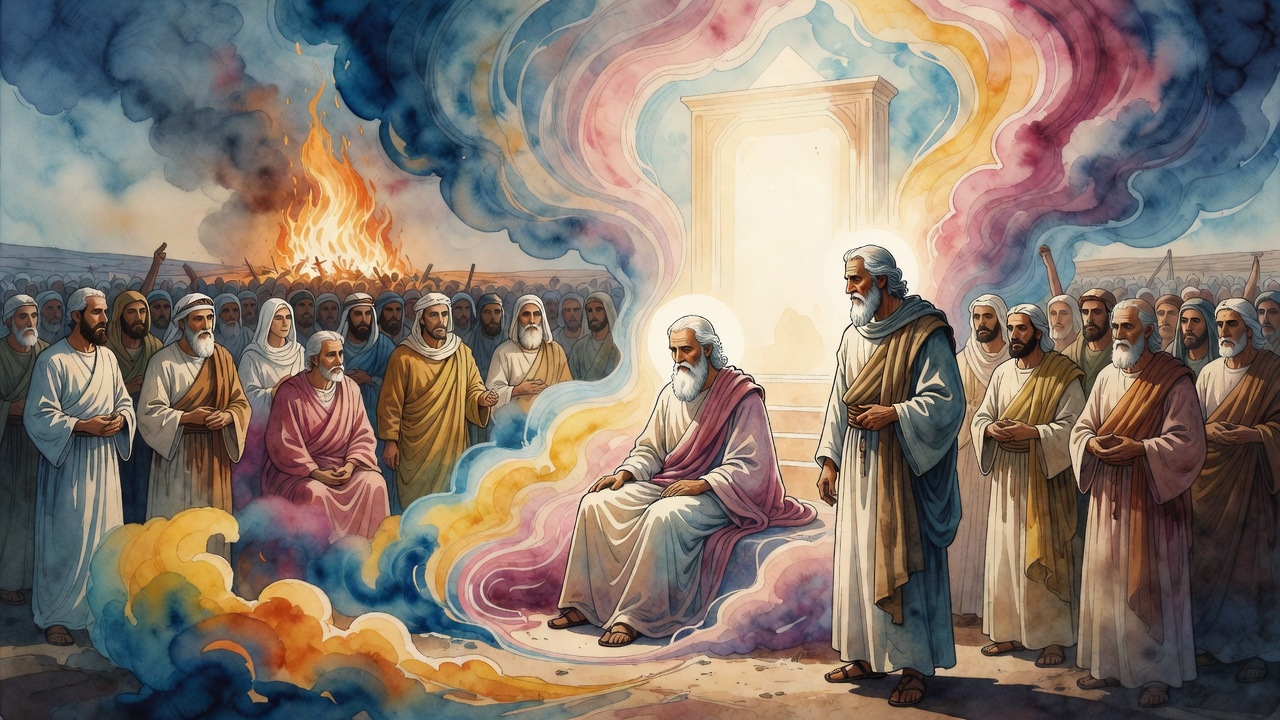
The line began before the heat and still had a tail when the light went thin. Men with boundary disputes. Women with inheritance fears. Neighbors with blood on a sleeve and a story that changed each telling. Moses sat the seat from morning until evening, and the camp treated him like the only gate Heaven had left open.
 Click for full size
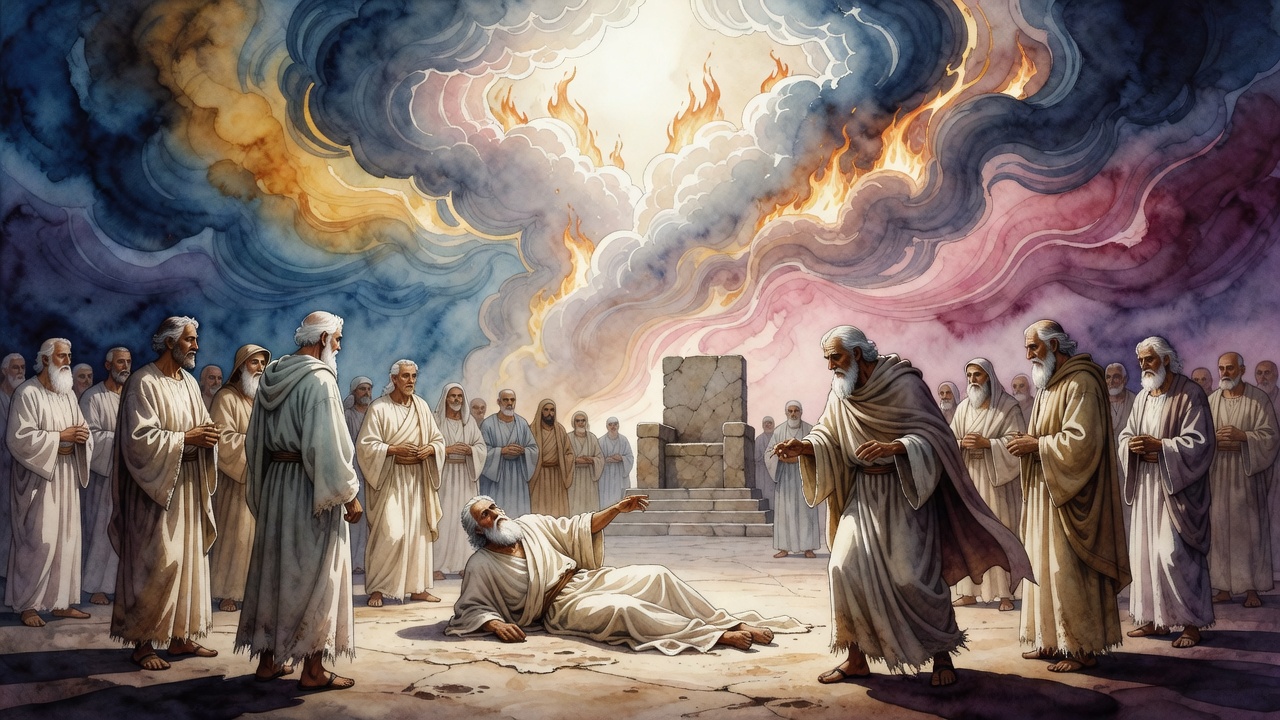
Jethro watched until he could not keep courtesy between his teeth. "What you are doing is not good." The work as Moses was doing it would make him wither. Rabbi Yehoshua heard a people who praise one day and provoke the next, draining a leader with mood swings. Rabbi Elazar of Modi'in heard a body failing: Moses would droop like a fig tree shedding leaves until nothing green remained. Aaron, the seventy elders, even Nadab and Abihu in one reading, stood under the same risk. The whole top tier could collapse while the line still believed one man could hear every case forever.
The Wet Beam
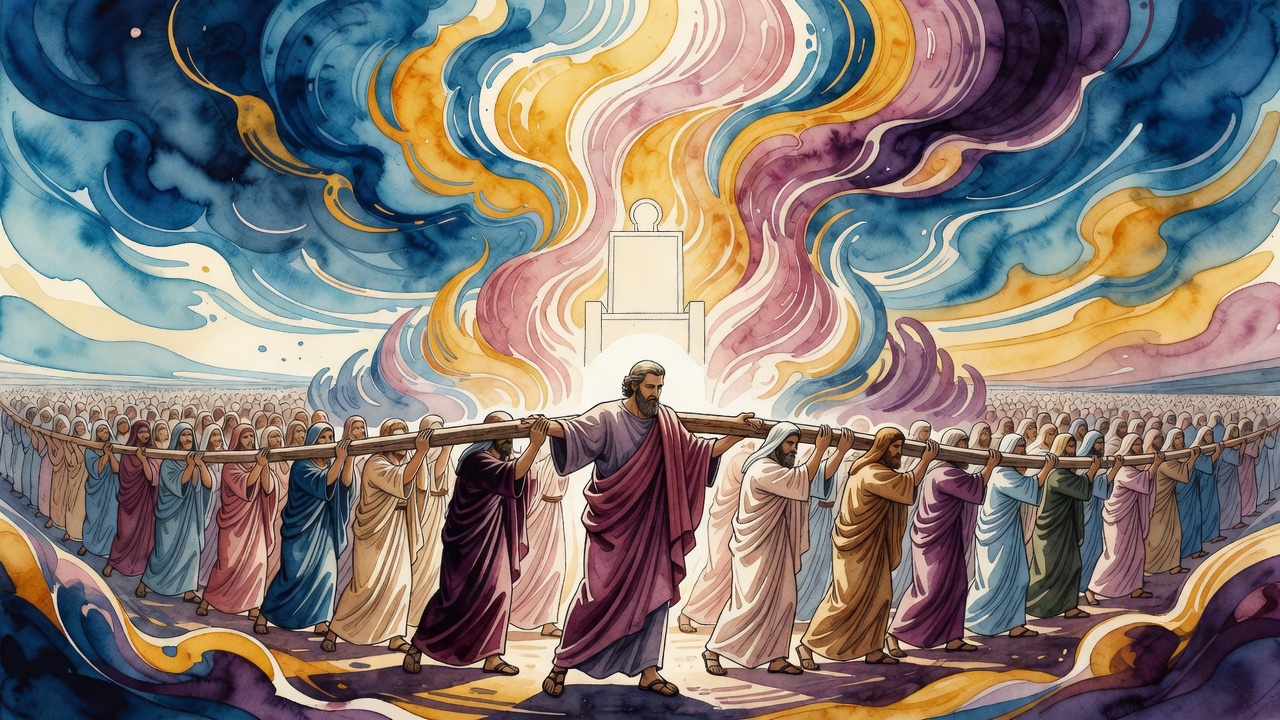
Jethro made it concrete. He pointed to a heavy wooden beam, still moist and dense. One man walking under it alone cannot hold it. Three or four stepping under together bear it with ease. "The matter is too heavy for you. You cannot do it alone." Pretending otherwise would break the man the people still needed for Sinai, for war, for the face-to-face speech that no deputy could fake.
The parable stuck because the camp could see it. Timber they understood. Prophecy they romanticized. Jethro forced them to treat leadership like weight, not like magic that never tires.
Able Men and a Counted System
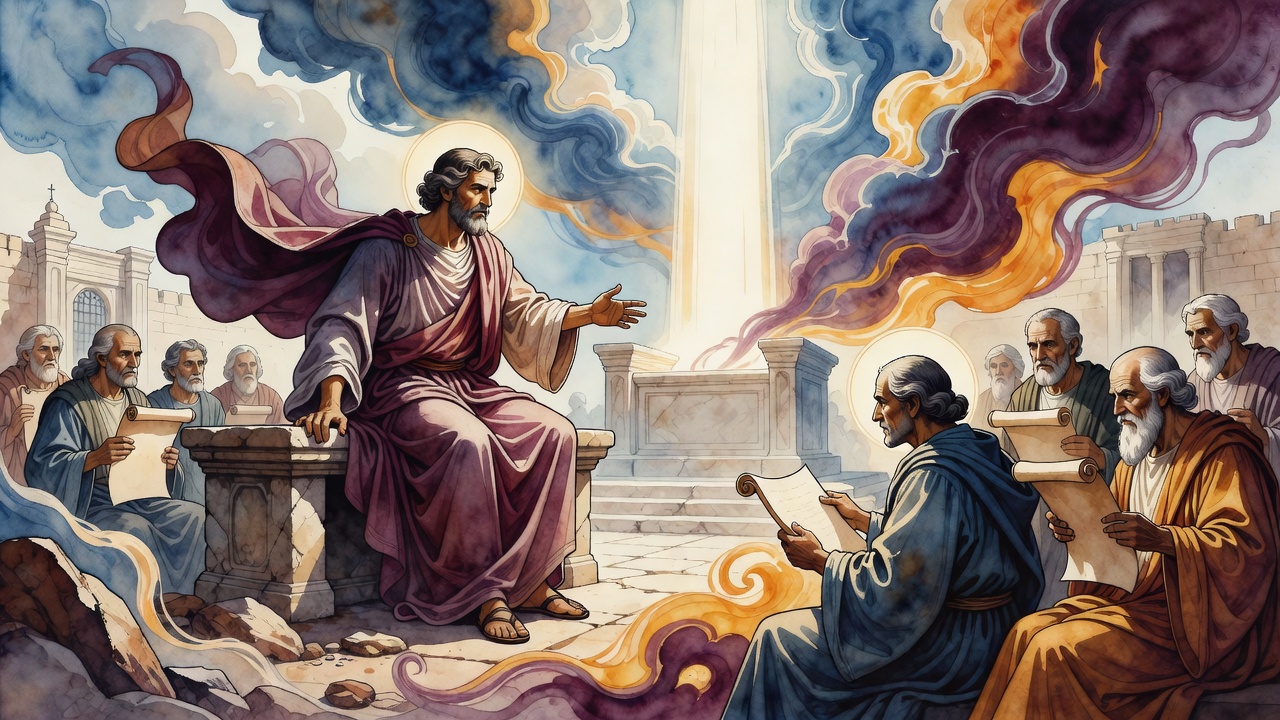
Choose able men, Jethro said, and Moses was to discern them not by face paint and swagger but through a clear lens, prophecy like polished glass. Men of valor: the wealthy, less easily bent by bribes. God-fearing: those who trembled before Heaven while judging. Men of truth: the reliable, the circle of a Hanina ben Dosa as later model. Haters of unjust gain: those who hated even their own money's pull, so how much more the money of others.
Over thousands, hundreds, fifties, and tens the chiefs were set. Add the tiers and the judges of Israel come to seventy-eight thousand six hundred. One overwhelmed man at the gate became an ordered net of justice stretched across the camp. The people still came seeking God. Now they found Him through many mouths trained to fear Heaven more than favor.
Morning and Evening Like Creation
Why does Scripture stretch Moses from morning until evening when courts ordinarily rise by the midday meal? Because the phrasing echoes the first day: evening and morning. Whoever renders a true judgment becomes a partner with the Holy One in the work of creation. A fair verdict sets the world right the way the first day set the cosmos in order. Moses's long hours were not only docket management. They were an attempt, alone, to keep chaos from seeping back between neighbors.
Sharing the load did not cheapen that work. It multiplied the partners. A true ruling, the sages pressed elsewhere, makes peace even for the loser, because a settled truth ends the poison of endless dispute. Peace scales from two litigants to Israel to living creatures when judgment holds.
The Case That Stumped the Expert
Even the new system left hard cases for Moses. The role sounded like praise until Heaven turned it into a warning. The day would come when the daughters of Zelophehad walked in with a question about their father's portion, a case so plain that even schoolchildren could have ruled, and Moses, master of every knot, would stand without an answer.
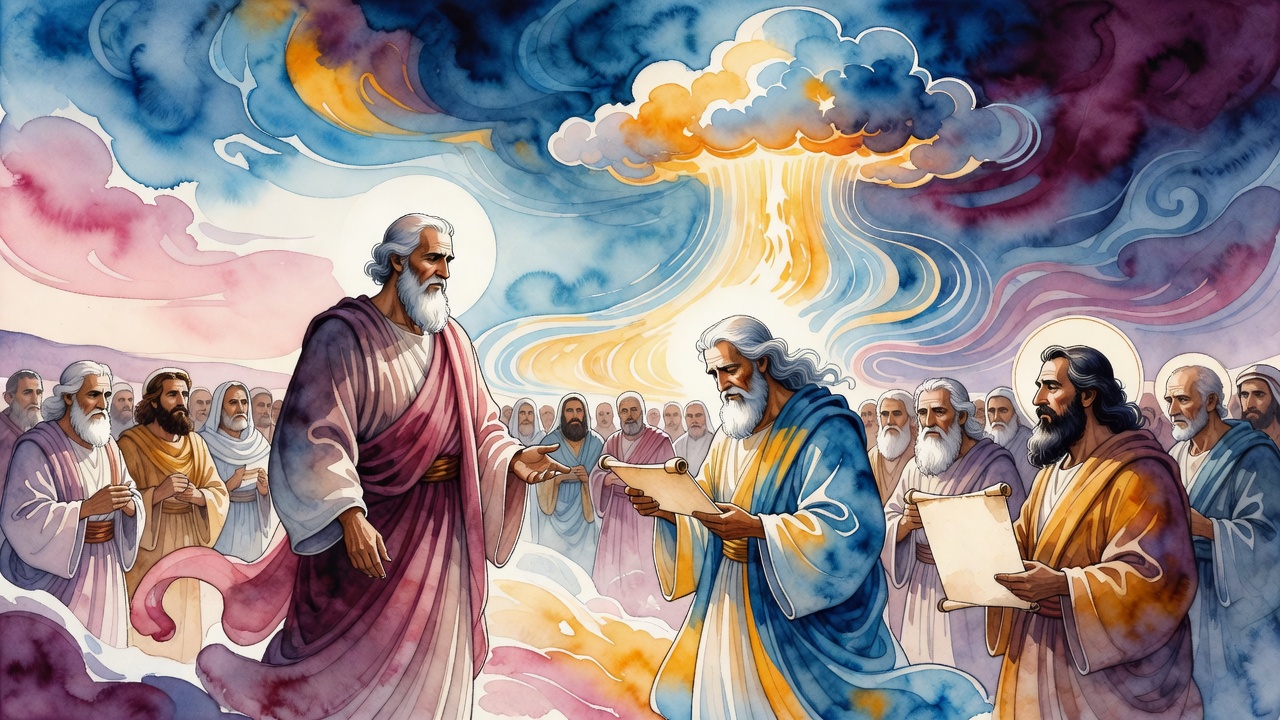
When that day arrived, Scripture does not say he ruled. "Moses brought their case before the Lord." The greatest prophet reached the edge of his knowledge and did the wisest thing a judge can do. He admitted the blank and took the question higher. The wet beam had been shared. The hardest humility remained his alone: knowing when even seventy-eight thousand colleagues cannot supply what only the Mouth can give. Expertise ends. Inquiry does not. The man who nearly withered under a solo court lived long enough to model a court that knows when to stop talking and ask.
After the appointments, the gate still had a line, but it moved. A man with a small claim found a chief of tens before noon. A knotty quarrel climbed the tiers without forcing the prophet to hear every shout. Moses's shoulders eased enough for teaching again. The camp learned that justice is not a single hero's endurance contest. It is a structure that keeps the holy work from killing the holy worker, and that still leaves room at the top for the rare case that must travel all the way to the Mouth that gave the law.
← All myths