Moses Picked Judges by Prophecy Not Reputation
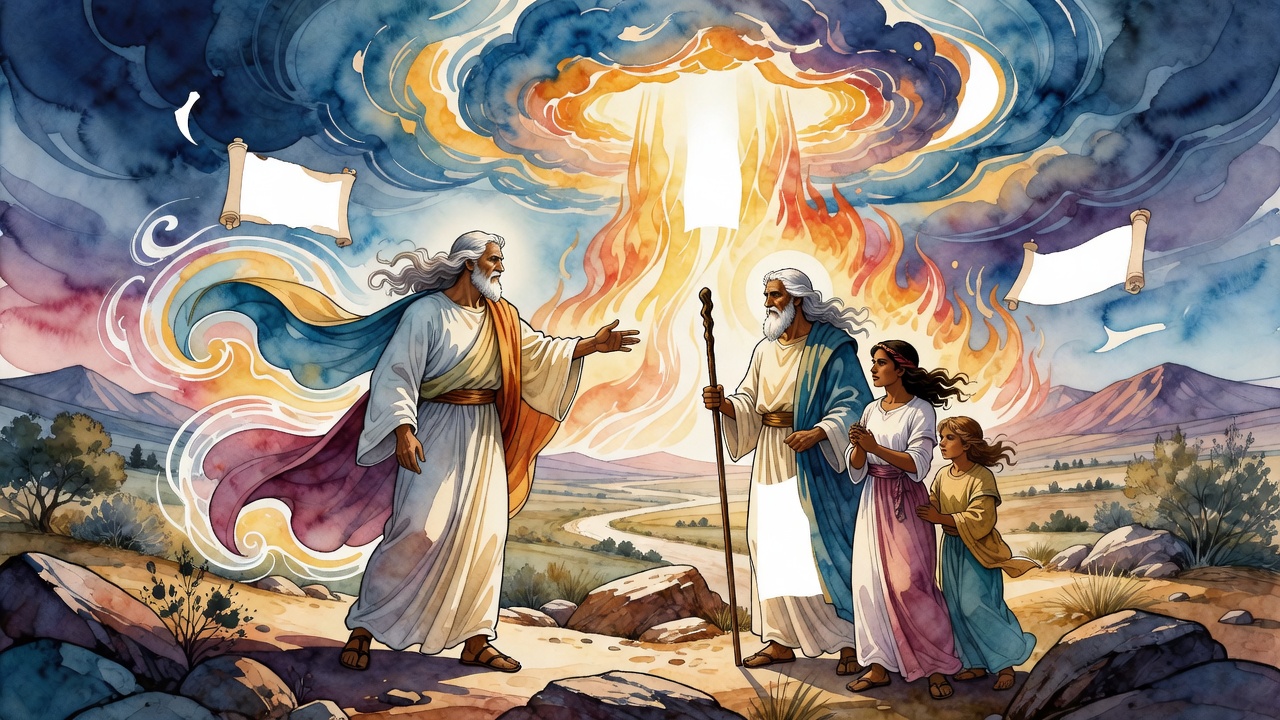
Jethro watched Moses judge alone from morning until night, then forced a new bench chosen by prophetic sight, wealth that cannot be bought, and fear of God.
Table of Contents
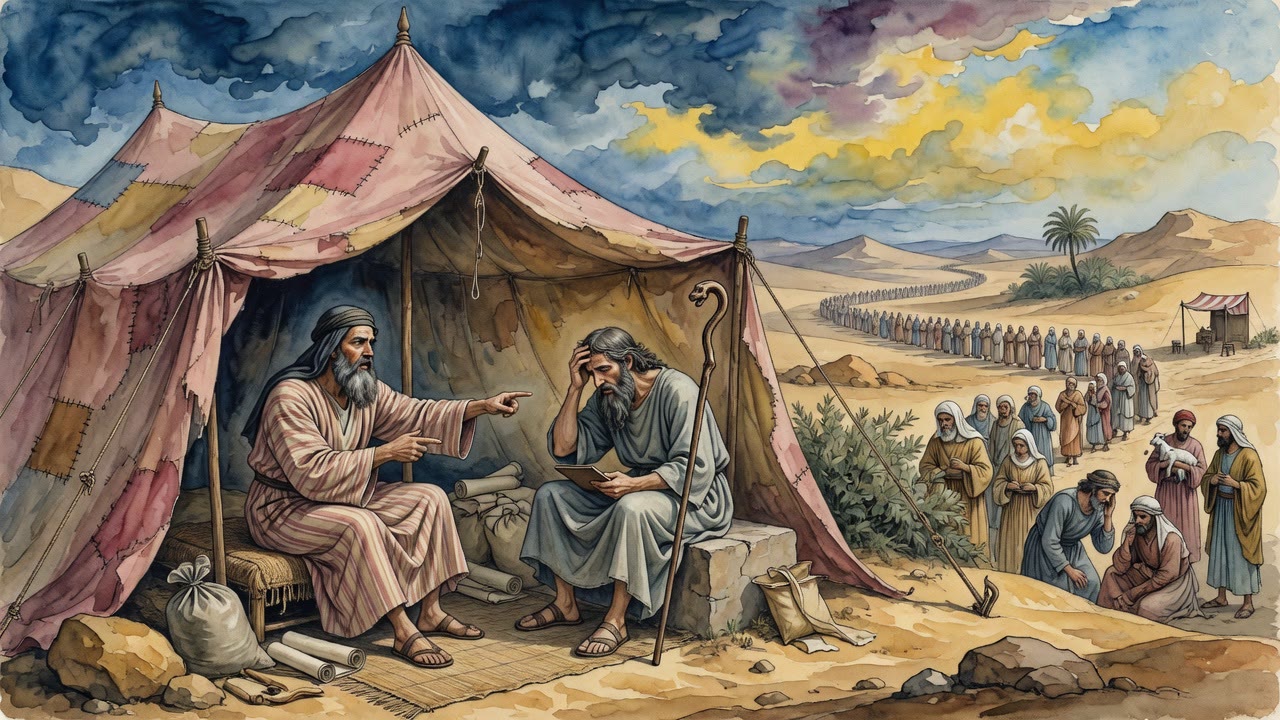
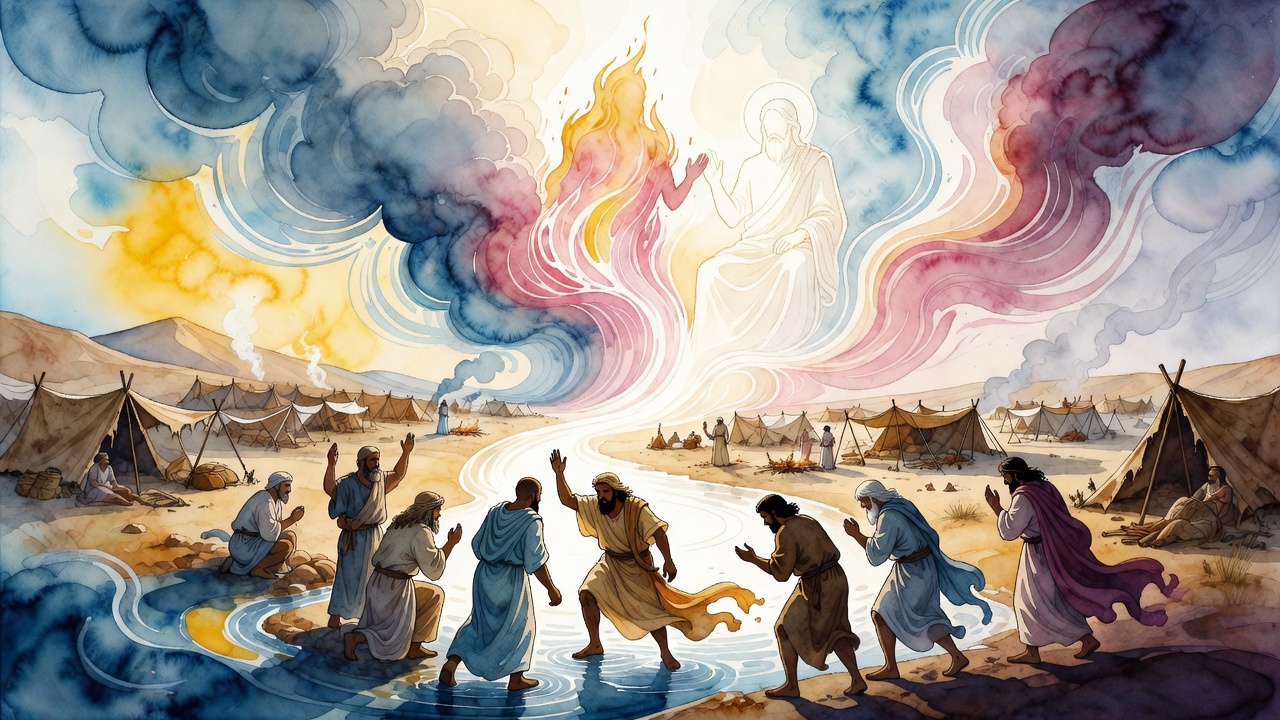
The case that reached Moses at midday was about Egyptian silver. The mixed multitude wanted a share of the spoil the Israelites had carried out, and they had brought the claim in a crowd, and behind that crowd the line went back through the camp to where the tents started. Everyone in it was standing. They had been standing since the light came up, because there was one seat in the whole wilderness where a quarrel could be settled, and Moses was in it.
 Click for full size
The Seat and the Standing Nation
Jethro had come out to the camp to see his son-in-law and had ended up watching the line instead. He knew what he was looking at, since he had stood in a court in his own country: a king sits and his servants stand in front of him, and that arrangement makes sense while there is one king and many servants. Here the arrangement had turned over. One man sat, and an entire nation stood on its feet in the sun until the light failed, and the ones at the back of it would go to sleep with the quarrel still open and come back tomorrow.
So he put the question plainly. "Why do you sit alone, and all the people stand about you?"
The Word He Chose Instead
What Jethro thought was that the method was absurd. The word for it was bad, and bad was the word sitting in his mouth while he waited for Moses to look up from the silver claim.
Then he heard himself about to say it to a man who had walked into Pharaoh's house and come back out. Moses had not built this line out of vanity; he had built it because nobody else had been given the ear to settle anything, and telling him the truth in the hardest available word would only make him defend it. Jethro swallowed the word and used a smaller one. "The thing that thou doest is not good."
Not good was enough to get in. He went on from there: keep this up and it will wear away Moses, and Aaron, and Nadab and Abihu, and the seventy elders, and the people at the back of the line too, since a system built on one exhausted prophet damages everyone standing near him.
The Offer That Waited for Heaven
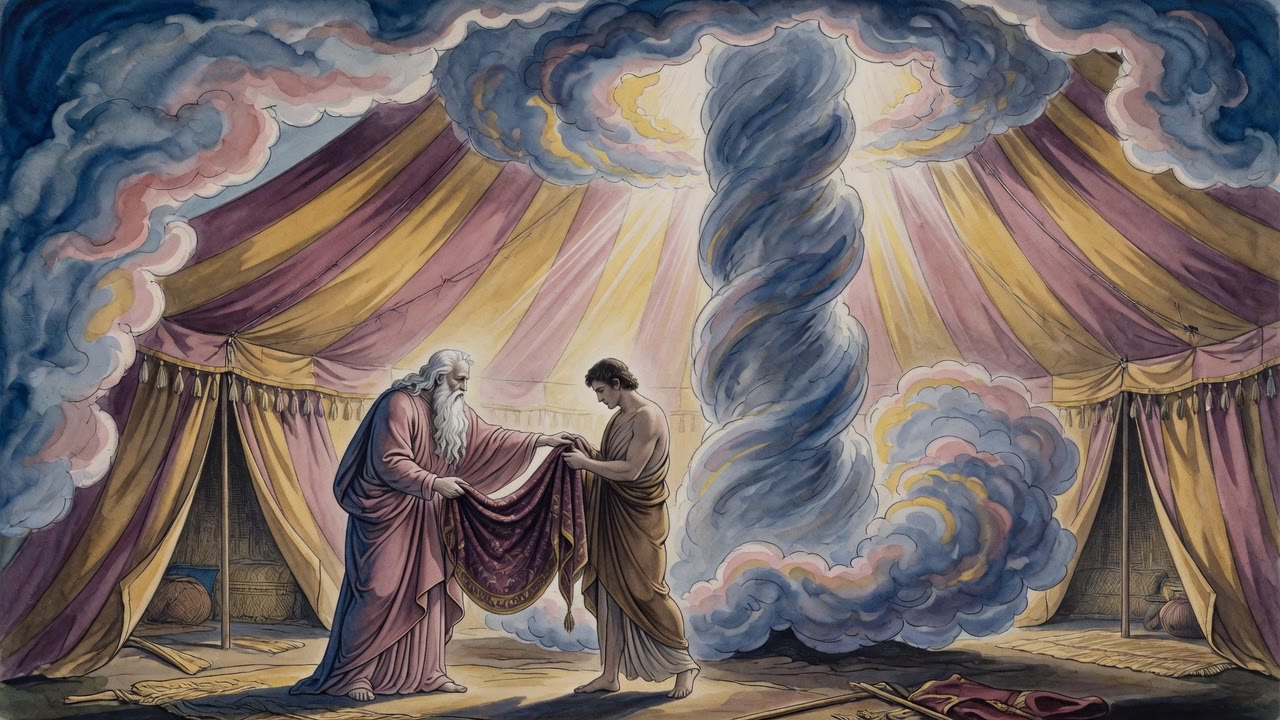
The plan he laid out kept the revelation where it was. Moses would go on being the vessel: Torah, prayer, the sick, the dead, the cases where strict justice has to give way. The ordinary quarrels would go to other men, if God agreed to it, and Jethro said that condition out loud rather than pretending a Midianite priest could reorganize a prophet's court on his own authority.
Moses did not argue. He had been carrying the whole nation on one pair of shoulders long enough to know what Jethro had seen from the edge of the camp in a single afternoon.
Seeing Past the Face
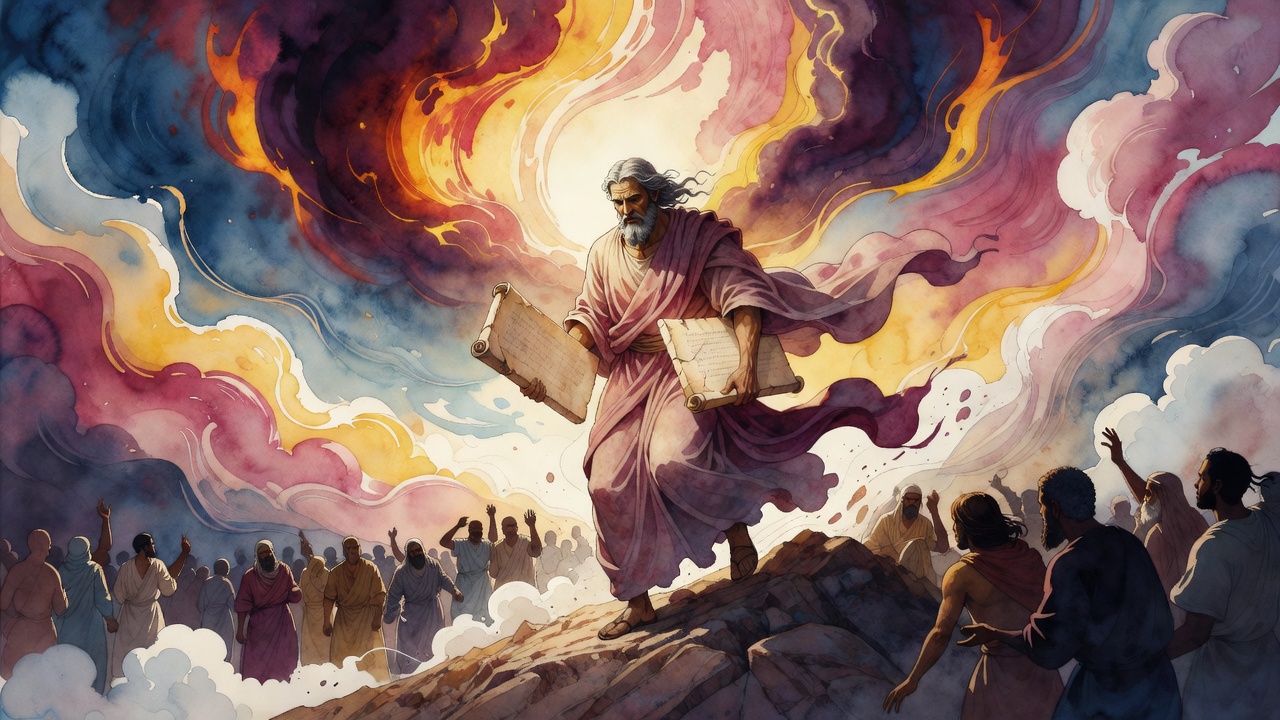
The instruction that came back was strange for a hiring. "And you shall see from all the people" (Exodus 18:21). Not ask about them, and not take the names the tribes put forward. See them, and the seeing meant prophecy, because a reputation is the part of a man he has had years to arrange and the truth of him sits somewhere behind it.
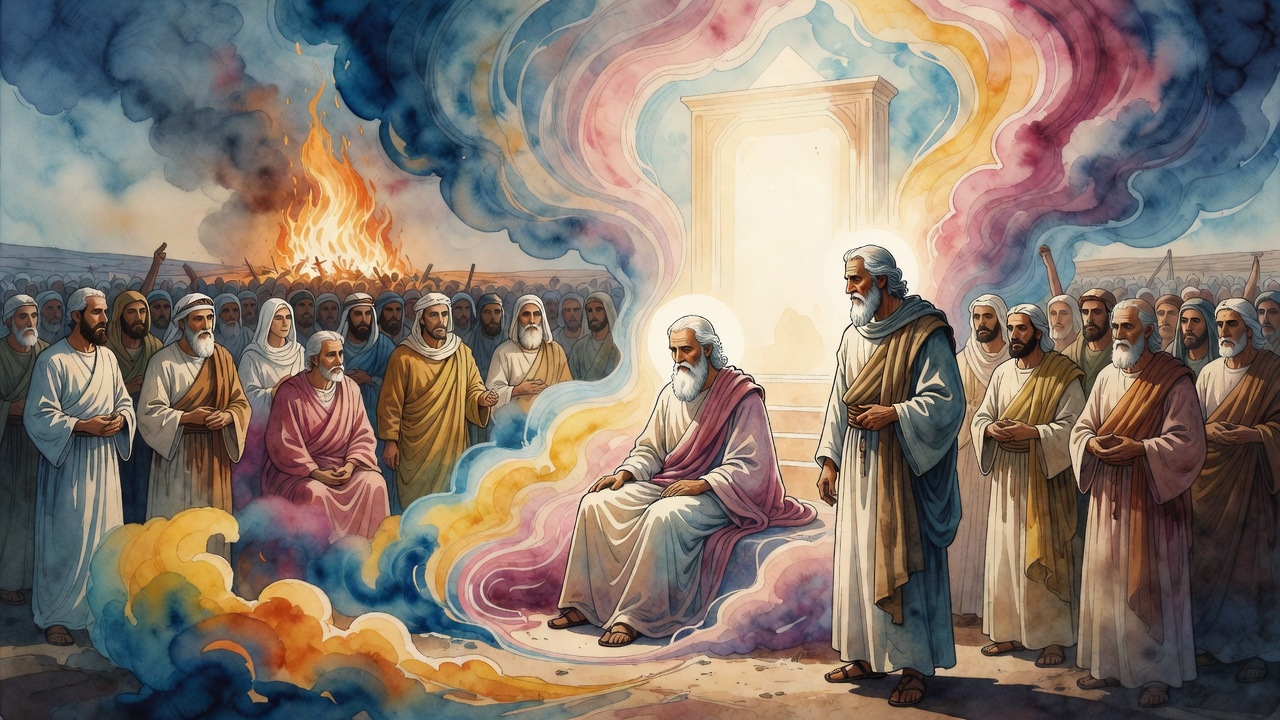
So the candidates came and stood in front of Moses one at a time. One of them had a good name in his tribe and a voice made for settling things, and everyone who had walked him over stood waiting for the obvious yes. Moses looked at him and kept looking. Whatever was behind the face did not match the front of it, and there was no evidence in the world that could have been produced for that, and no argument he could have made to the man's tribe. He passed him over and called the next one.
The men he picked had land and herds of their own, not as a reward for being rich but because a judge who does not need money is a judge nobody can afford, and a man who hates the very idea of taking silver for a verdict will not take it quietly either. Fear of God was the last hinge. A judge who fears God knows the verdict is watched while he is writing it, so there is no technicality wide enough to hide a favor in.
The Evening the Line Ended First
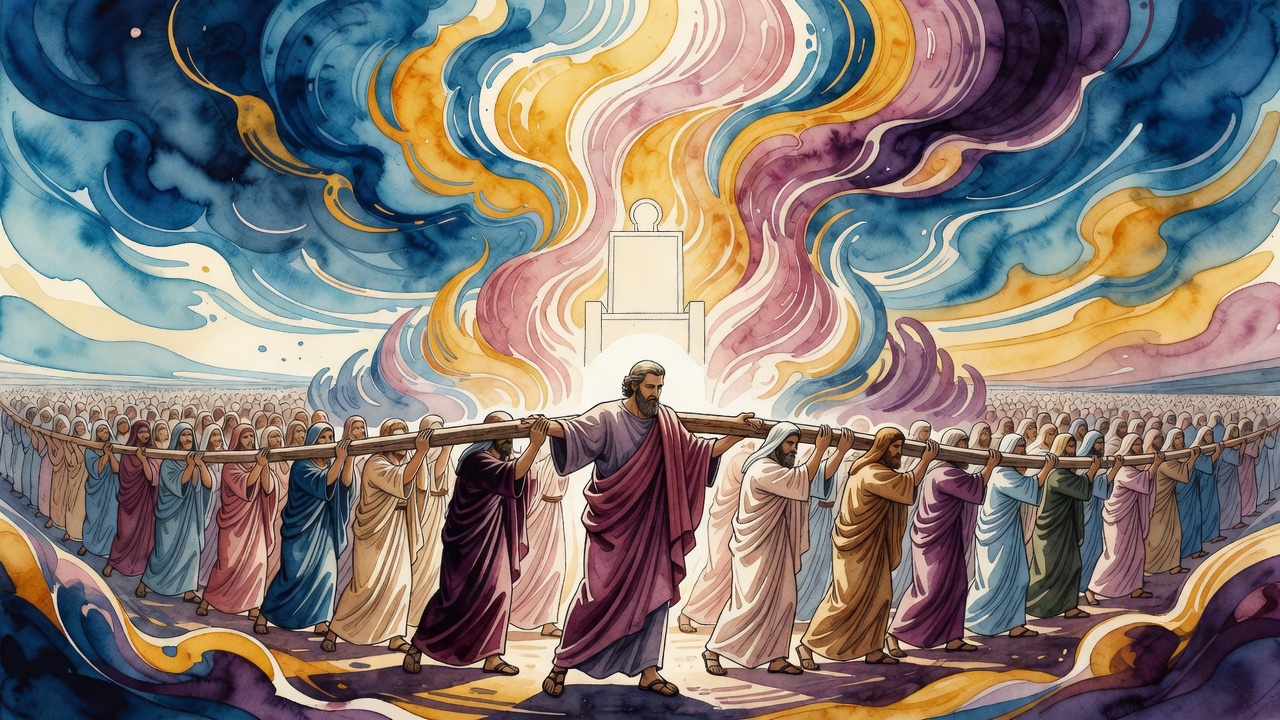
The new judges took their seats as captains of thousands and hundreds and fifties and tens, and the small fires went to the small tables. Hard cases still climbed to Moses, but they climbed at the end of a shorter rope, and the mixed multitude's claim about the silver did not eat an entire day again.
That evening the line ended before the sun did. People sat down while they waited, which they had not done in weeks, and a man with a quarrel over a goat got it settled forty paces from his own tent by a judge whose face he knew. Moses went into his tent while it was still light, and for the first time since the sea there was somebody else in the camp with the authority to say no.
← All myths