Moses Sent Peace and Israel Was the Sender
Moses asked Edom for a highway and paid for water he did not need. Against Sihon the same peace became war, and Moses equaled all Israel.
Table of Contents
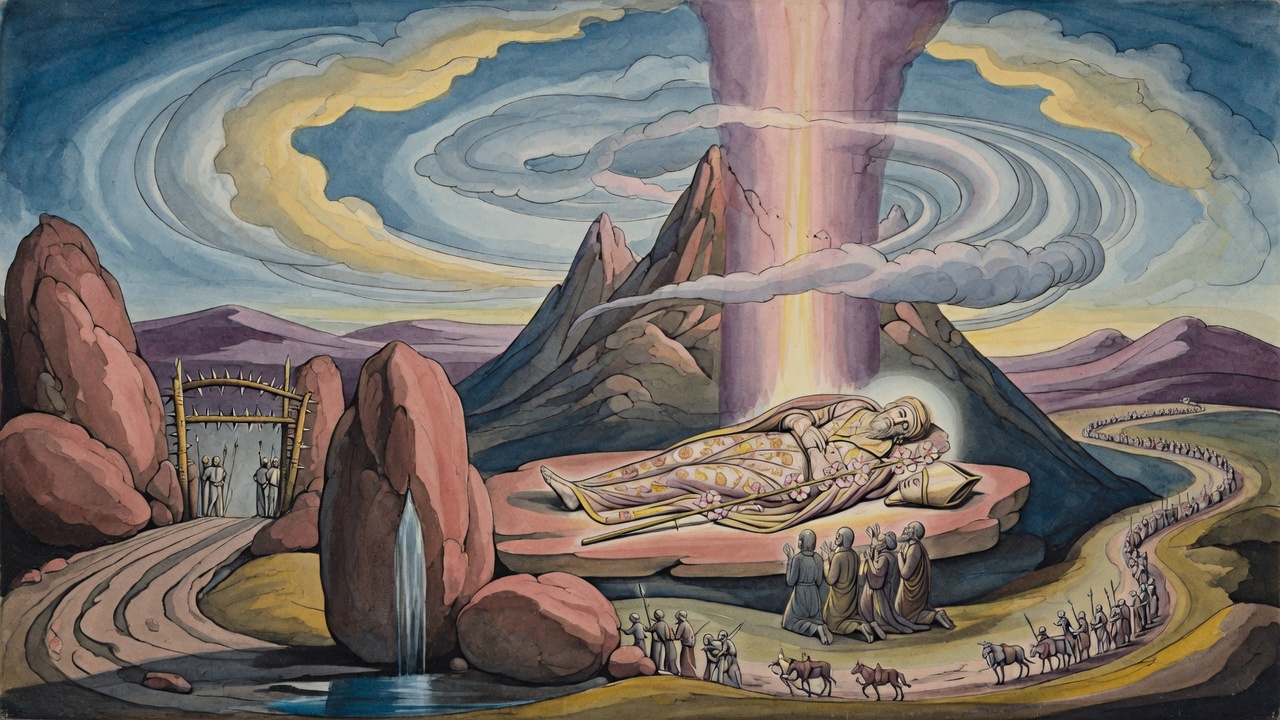
From Kadesh, Moses sent messengers to the king of Edom with a sentence that still surprises. Thus says your brother Israel (Numbers 20:14). Brother. After Meribah. After the rock. After a punishment that would keep Moses himself from the land he had spent his strength to reach.
 Click for full size
He Did Not Drop Their Burden
Ordinary men drop a partner who has cost them money, blood, or rank. Moses had been struck on Israel's account at the Waters of Meribah, and the psalm still remembers that it went ill with him because of them (Psalms 106:32). He did not unload the people like a bad debt. He kept speaking as their brother and as their head. The messengers went out under his seal carrying their trouble as a shared promissory note written on every face in the camp.
You know all the trouble that has befallen us. Israel said to Edom, When God told Abraham his seed would be alien and oppressed in a land not theirs (Genesis 15:13), it was we who paid that note in brick and lash while you walked free on your hills. Two brothers, one grandfather's debt. One paid in full. Now the payer asks a favor of passage. Do not refuse the one who already settled what belonged to both.
The midrash presses the custom of the world. A man who loses money through a partner's hand turns his face away. Moses turned his face toward Edom with Israel's name still in his mouth.
Water for Money on the King's Highway
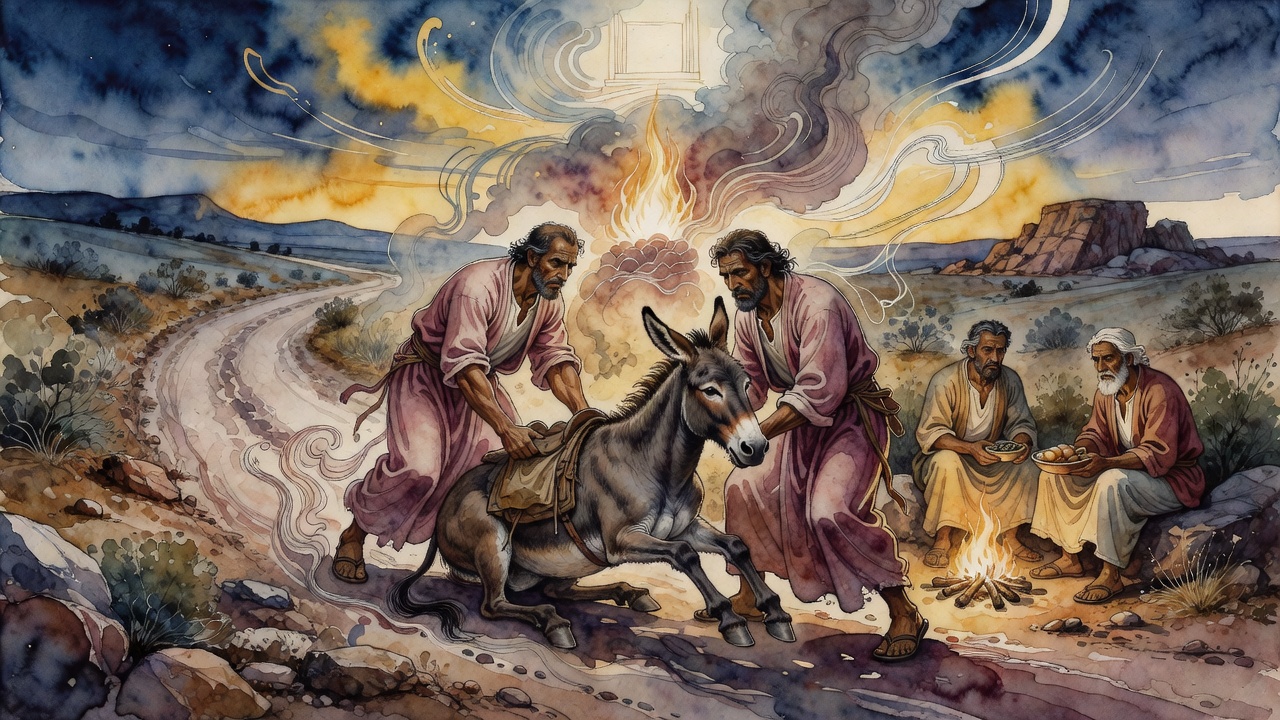
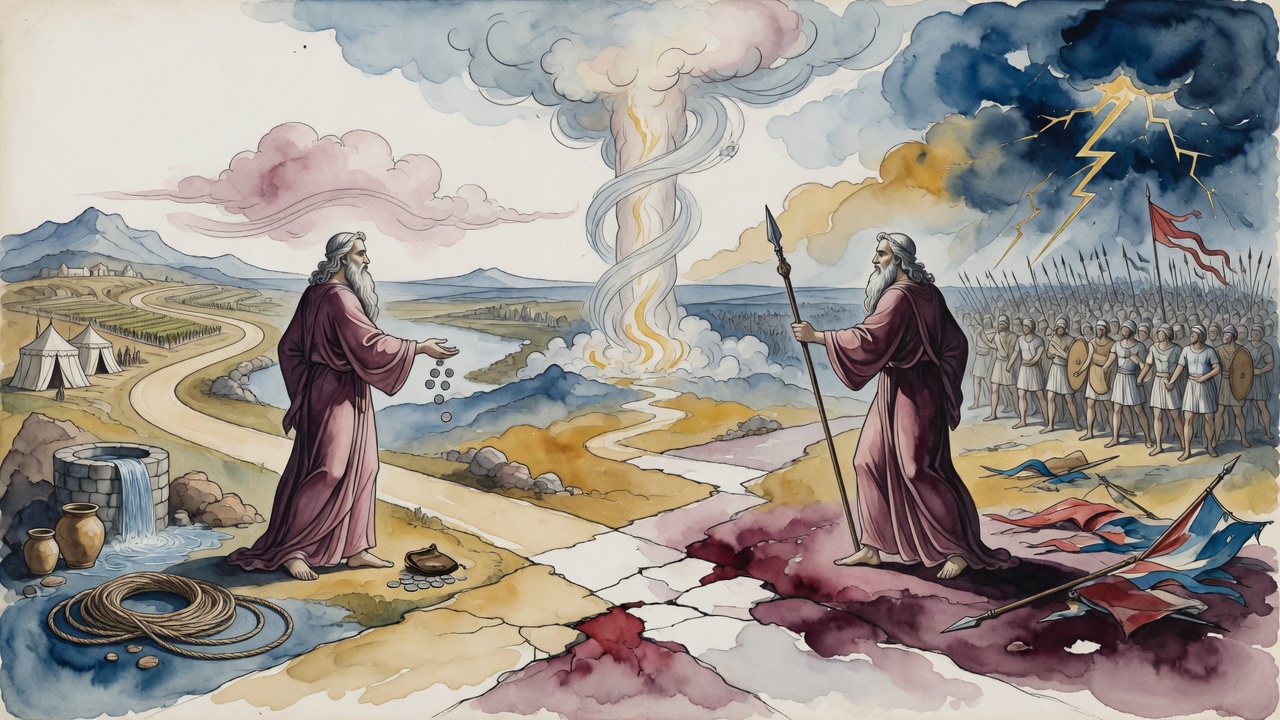
Please let us pass through your land. We will not turn into field or vineyard. We will not drink from a well (Numbers 20:17). They had a well that traveled with them from rock to camp. They ate manna that required no market. Still Moses ordered payment in coin. A guest who owns food should buy from the local shop so the host profits and no one sneers at freeloaders. God had said, Food shall you procure from them with money, and you shall eat (Deuteronomy 2:6). Open your purses on the road. Let no one say the former slaves arrived empty and hungry. They went free with great wealth (Genesis 15:14). Show the wealth. Spend what is not scarcity.
We shall go along the king's highway without turning right or left. That clause hurt most in the midrash's ear. Around them, in other borders, plunder was permitted by the rules of war. Inside Edom's line they would walk a straight path of restraint, cattle held in, hands off the vines.
Edom refused. The brotherhood cracked on a closed gate and a drawn sword at the border.
Moses Is Israel and Israel Is Moses
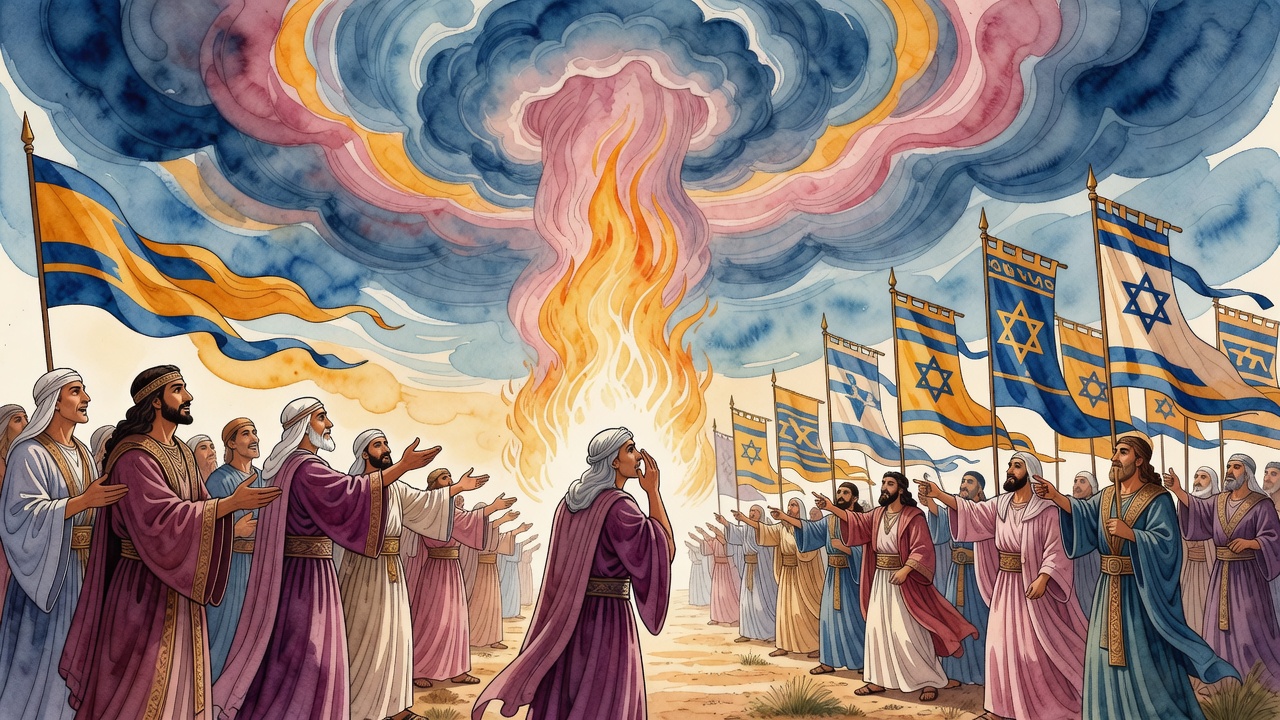
Later the Torah says Israel sent messengers to Sihon (Numbers 21:21). Elsewhere Moses says in his own voice, I sent messengers from the Desert of Kedemoth with words of peace (Deuteronomy 2:26). The verses need each other the way two halves of a seal need each other. Moses is Israel and Israel is Moses. The head of a generation equals the whole generation when the letter is sealed. When the leader speaks peace, the nation speaks. When the nation marches, the leader's will moves in every pair of feet and every spear.
To Sihon the same offer arrived with the same careful coins. Sell us food for money. Water for money, though water is usually free to the traveler. We will keep the king's highway until we cross your land and reach the Jordan. Sihon sat as guard for the kings of Canaan, taking their taxes and confirming their crowns. Let us pass to fight them, Israel said. He answered by gathering every warrior into one fist as if he were the wall of the whole land.
A man who guards a vineyard does not smile when the passerby asks to pick grapes. Sihon was paid to keep Israel out. He did his job until heaven rewrote the job.
Gathered for the Fall
If Heshbon had been full of mosquitoes alone, the midrash jokes with a hard smile, no mortal could have taken it. If Sihon had fought from a valley, no mortal could have overpowered him. A warrior in a fortress is worse still. God gathered his troops into one place so Israel would not wear out town by town, door by door, well by well. See, I have begun to give Sihon and his land over to you (Deuteronomy 2:31). The refusal of peace became the trap that delivered the land without a siege of years.
They met his warriors in the field. Then they returned for the rest without the long exhaustion of scattered forts. The verse that says Sihon gathered all his people becomes, in this reading, a kindness to Israel dressed as enemy strategy.
Peace First, Then the Road
Moses did not open with the sword against brother or against Amorite. He opened with brother, debt, and coin. Edom slammed the gate. Sihon marched out under his own banner into the open. The sender remained both man and people, both Moses and Israel, in every letter that left the camp.
On the far side of those embassies, the camp learned that a generation's head carries every name in the census when he seals a message with peace. The highway they never received from Edom they cut through Sihon. The messengers of peace had done their work even when peace failed and the road had to be taken by another means.
Brother was the first word. The last word on that road was a land beginning to open under their feet.
← All myths