Moses Stops the Flood of Gold for the Mishkan
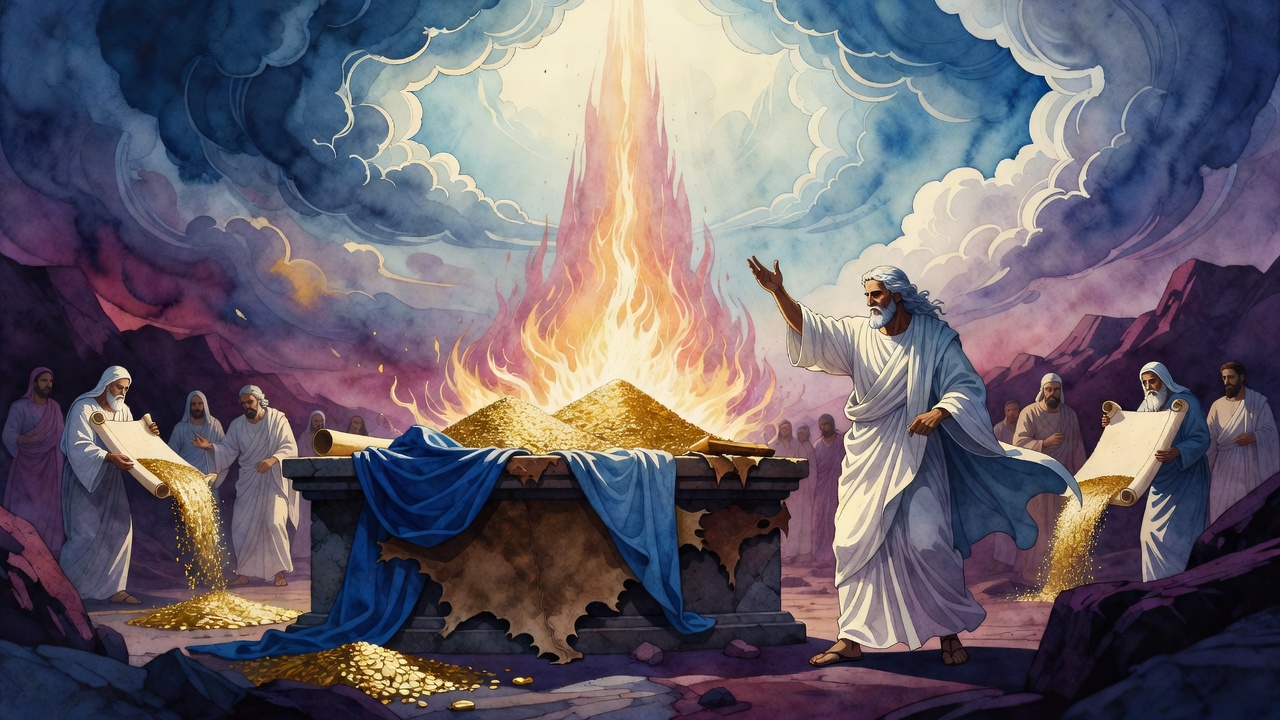
Gold keeps coming until Bezalel and Aholiab tell Moses to stop. The desert Mishkan rises from too much love, not too little.
Table of Contents
 Click for full size
More Than the Builders Can Hold
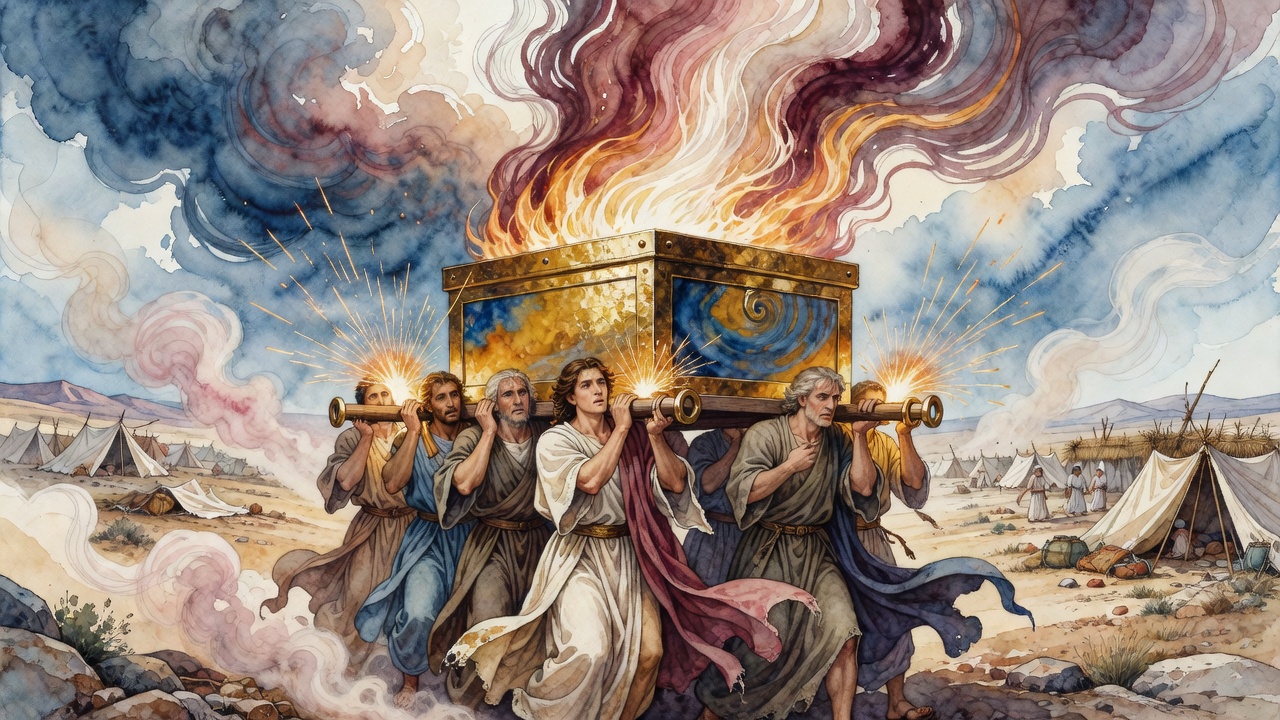
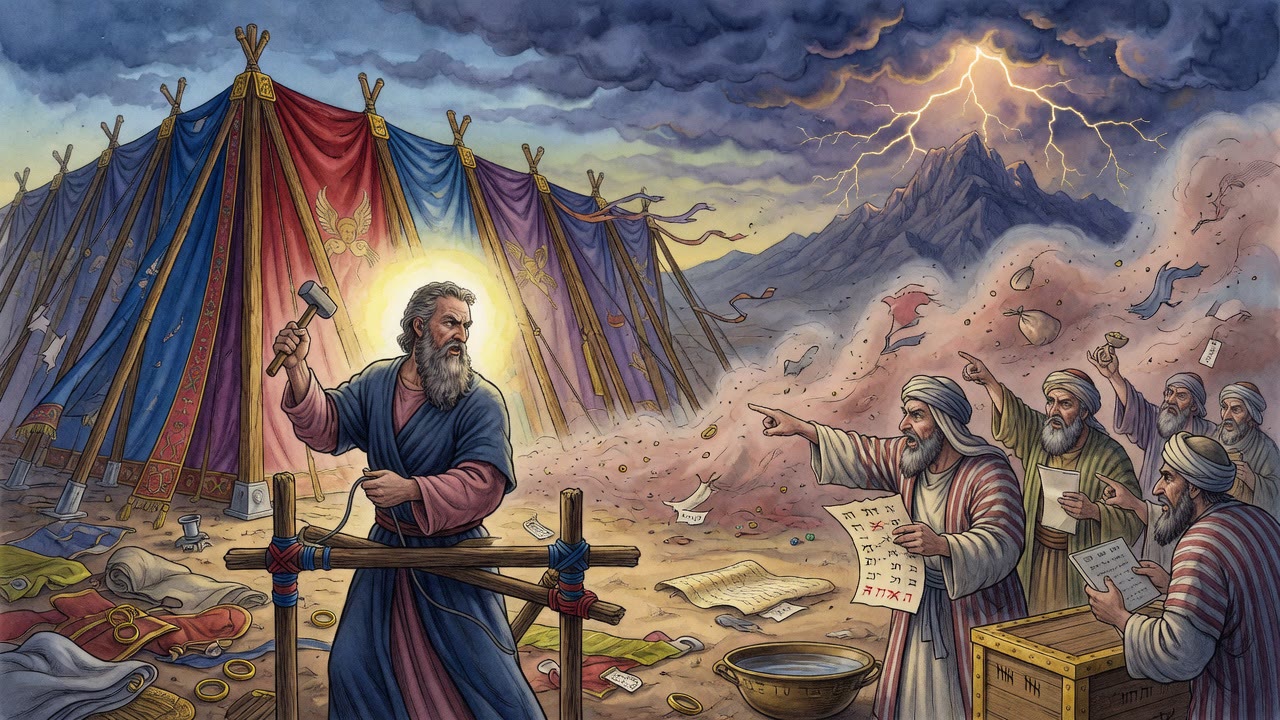
Bezalel son of Uri wiped dust from his hands and looked at the heaps. Gold. Silver. Blue, purple, crimson wool still smelling of dye. Acacia boards stacked higher than a man's shoulder. Copper that caught the desert sun and threw it back into the eyes. Aholiab son of Ahisamach did not smile. There was no room left to sort what the people kept bringing. They went to Moses with a report no foreman expects to give: the people have brought more than enough for the work (Exodus 36:5-6).
Moses had to tell Israel to stop. That order is stranger than any miracle of plagues. An enslaved generation, free only a short time, emptied itself into a portable house for God until the craftsmen begged for an end to the flood. Women unclasped earrings. Men hauled boards. Children carried threads as if the threads were as heavy as history. The camp that once melted jewelry into a calf now nearly drowned its architects in willingness.
A Courtyard Driven into Sand
The courtyard stretched one hundred cubits long and fifty wide. Brazen pillars rose with silver capitals, each one a decision measured and repeated. Fine linen hung between them, taut on cords and bronze stakes hammered into desert floor until the sand accepted a temporary permanence. The eastern gate burned with purple, scarlet, blue, and embroidered cloth between silver pillars, so the rising sun struck color first each morning and the camp woke to beauty before it woke to manna.
Inside the gate stood a bronze basin. Priests washed there before they dared approach. Water and metal and fear of uncleanness. The Tabernacle proper sat in the center, facing east, thirty cubits long, ten wide, ten high, a small cosmos on poles that could march when the cloud moved. This was not a stone temple that would outlast empires by weight. It was a world that walked, a dwelling that could fold and follow.
Thirteen Against Thirteen
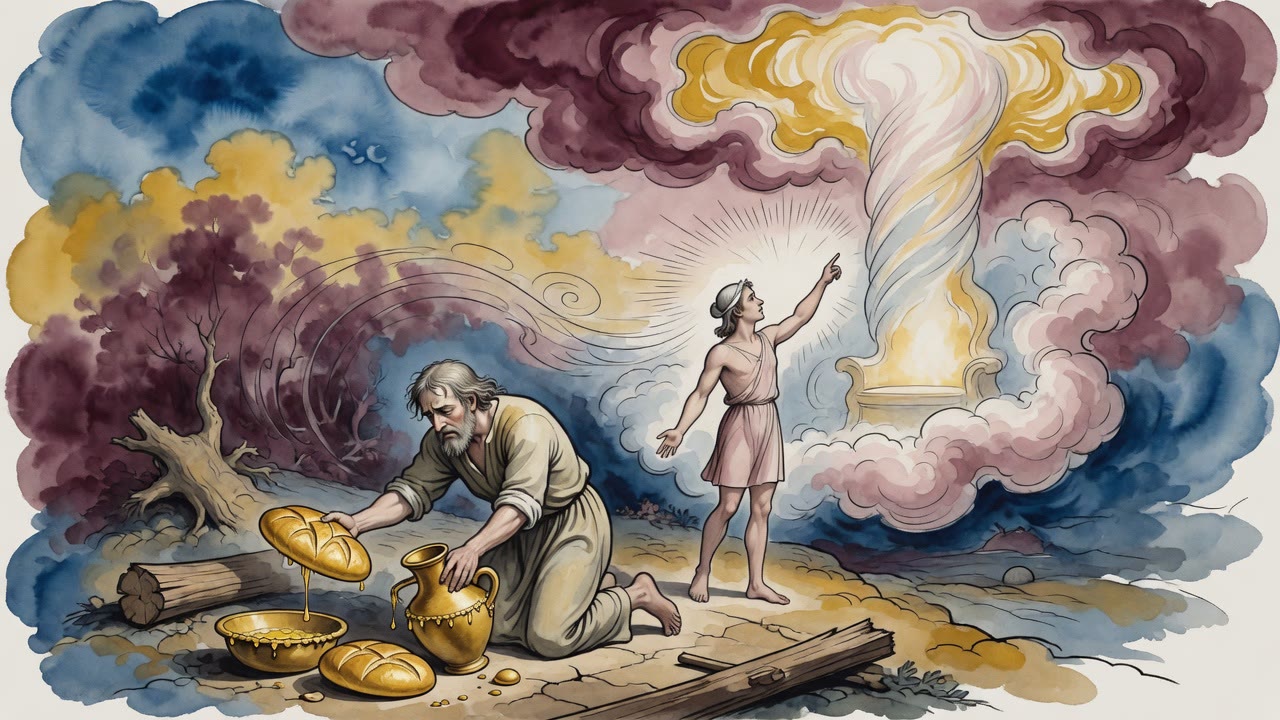
The materials numbered thirteen kinds of gift. Gold and silver, the dyed wools, the skins, the oil, the incense, the stones for the breastpiece. Someone in the camp might have thought the ledger was closed: thirteen gifts now to repay thirteen kindnesses once poured on a young nation in Egypt. Embroidered cloth, fine leather, linen and silk, bracelets, a neck-chain, a nose-ring, earrings, a crown, bread of fine flour, oil, and honey. Love counted out and returned, as if heaven kept a shopkeeper's book.
Heaven would not let the account feel like a debt paid and finished. The gifts in the desert were not a refund for favors. They were a people learning how to give after learning how to take freedom. And the promise already pointed forward to another round of covering still to come, cloud and fire stretched over Zion in a later age, when the same God would again refuse to be finished with Israel.
Bezalel and the Pattern
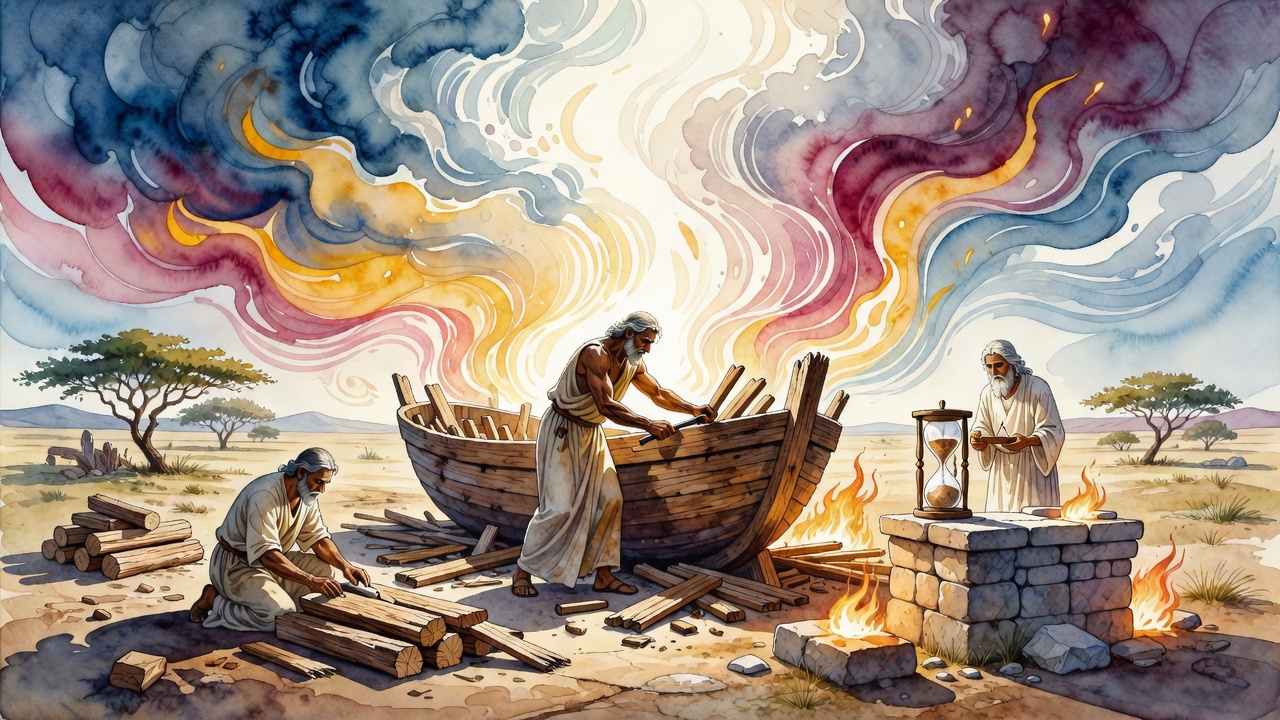
Bezalel worked as if the mountain still burned behind his eyes. Every board, every loop, every socket had been shown to Moses and handed down into skill that felt like memory more than invention. Aholiab stood with him among the wise-hearted, the ones whose hands understood what mouths could not explain. The surplus of metal did not mean chaos. It meant the pattern could be finished without scraping the bottom of the camp's chests or shaming a poor household for having already given.
When Moses finally sealed the command to stop bringing, the silence after the giving was its own kind of music. Hands that had known brick now knew voluntary offering. The difference between Pharaoh's quota and God's dwelling is that one is forced and never enough, and the other overflows until the builders themselves cry halt. Even generosity needs a boundary, or it becomes noise.
The Portable Presence
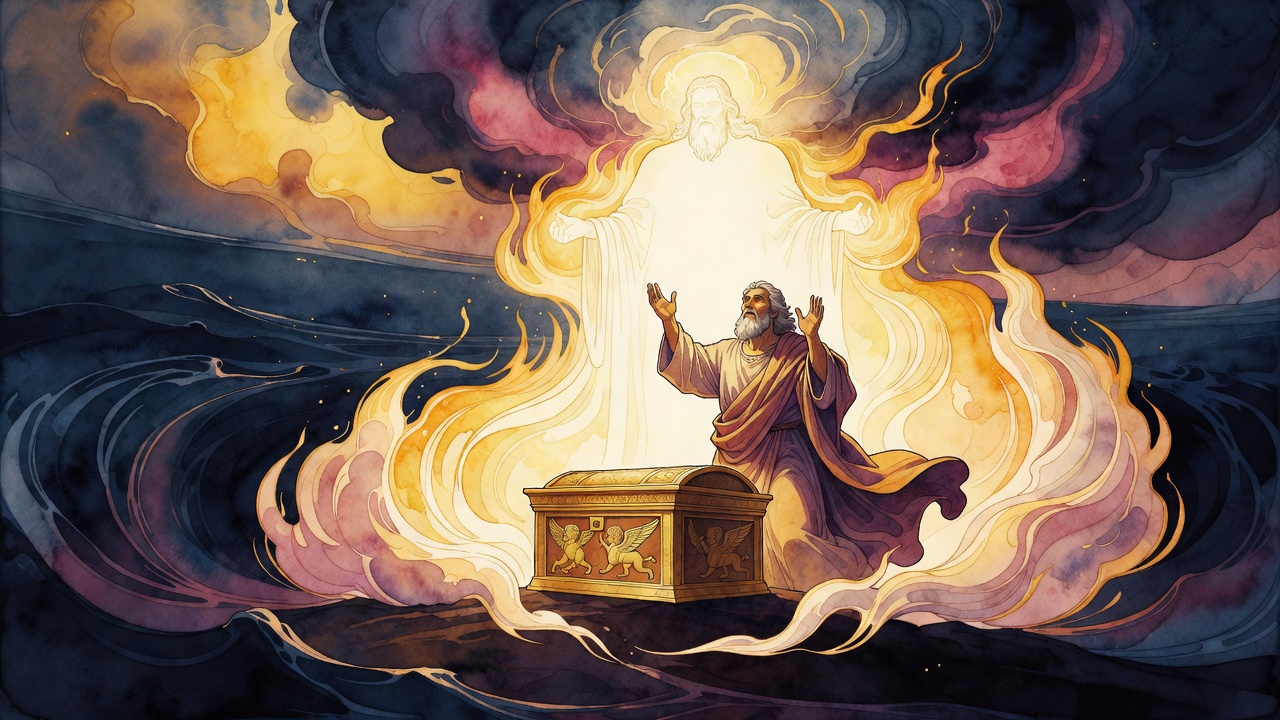
On the day the structure stood complete, the cloud could settle. Curtains and boards became an address for the Presence in a place with no permanent walls. Egypt's gold, once torn from slave labor and plunder, had been remade into poles, rings, and a mercy seat. The same people who had danced around a molten failure now poured their wealth into a house that would not stay still, a house that would travel with their failures and their festivals alike.
Moses looked at the finished work and knew the harder command had been the one that stopped the gifts. Restraint after generosity is also holiness. The Mishkan (משכן), the dwelling, rose because Israel would not stop until skill itself said, enough. Between the stakes in the sand and the gold that kept coming, a nation learned that God can be housed without being owned, and that love of the holy can be so strong it needs a prophet to call time.
← All myths