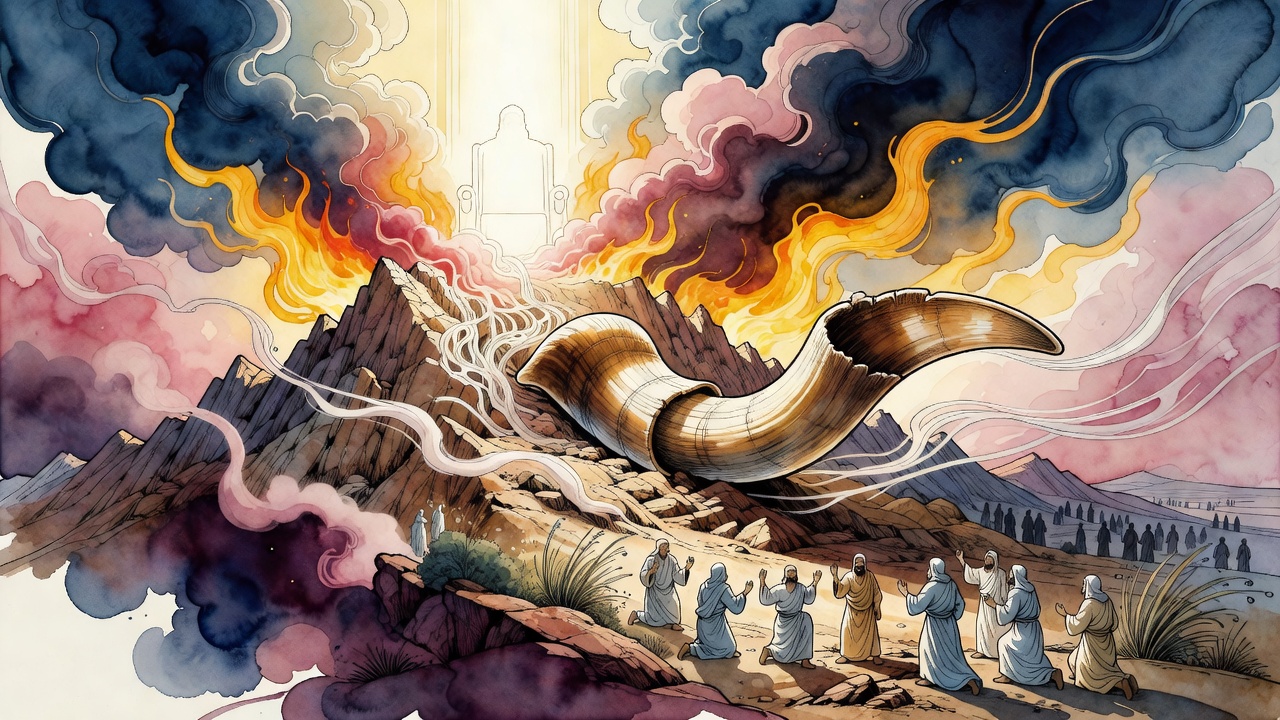
Nations Asked Balaam Why They Had No Peace Offerings
The peoples asked Balaam why Israel alone brought sacrifices of peace. He answered that they had accepted the Torah they once refused.
Table of Contents
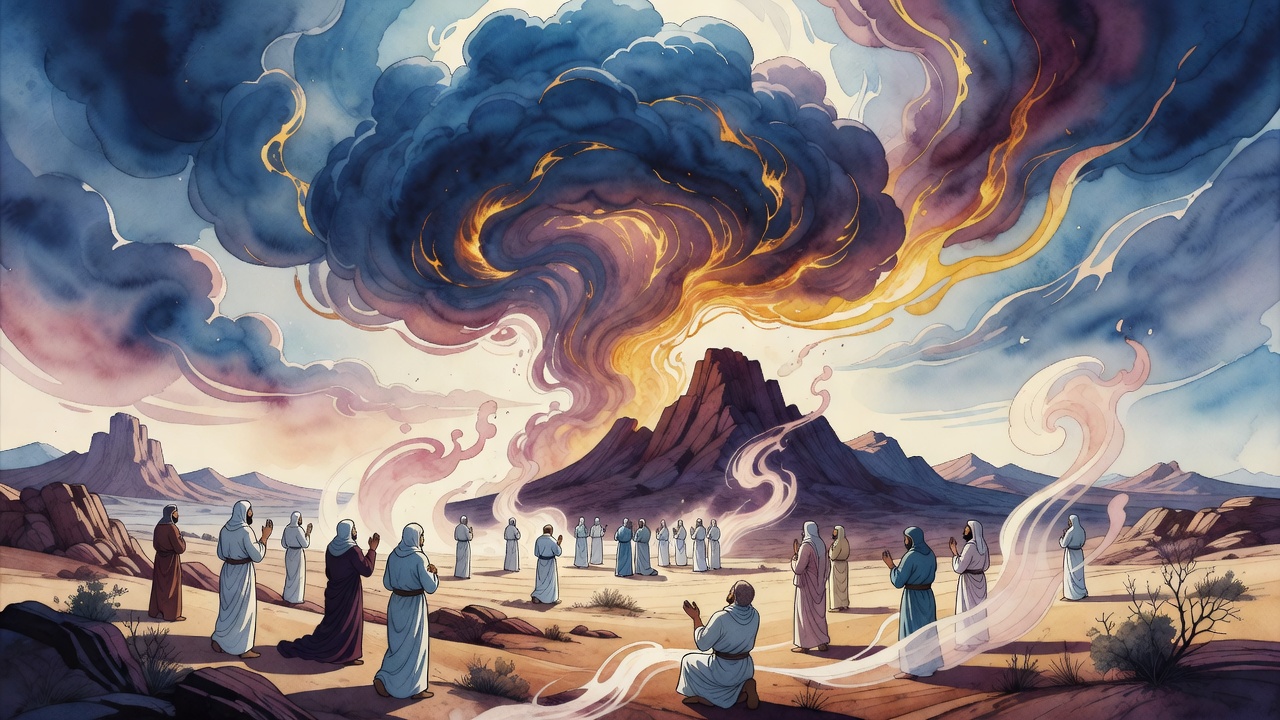
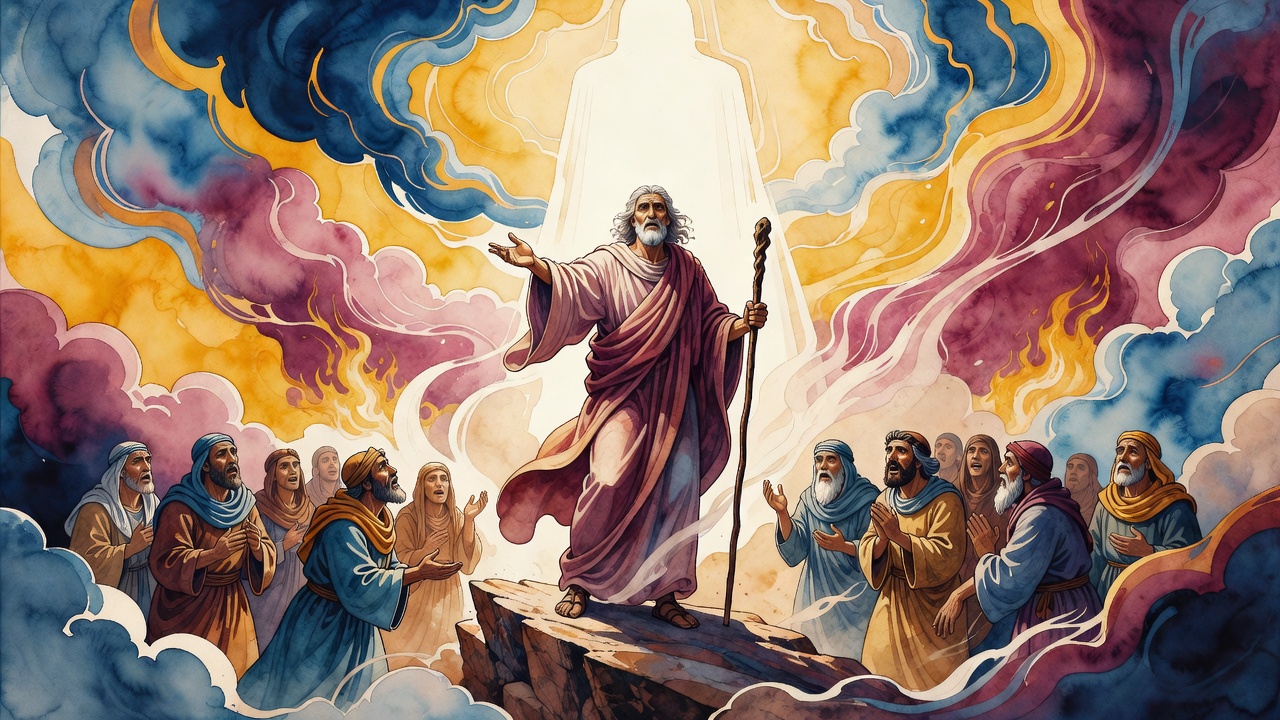
The peoples of the world cornered Balaam with a question that smelled like envy. Why did the Holy One tell Israel to bring Him sacrifices and tell us nothing? Why do their altars smoke with peace while ours stand cold? Their messengers pressed close enough that Balaam could smell the dust of their roads on their clothes.
 Click for full size
Balaam did not soften the answer. The sacrifices of peace belong to whoever accepted the Torah in which they are written. You rejected that Torah from the start, he said, and now you want the table that comes with it? Whoever accepted it is the one who offers. The Lord grants strength to His people and blesses His people with peace (Psalms 29:11). Strength first. Peace after. Not the reverse order the nations preferred.
What Peace Sharing Looks Like on the Altar
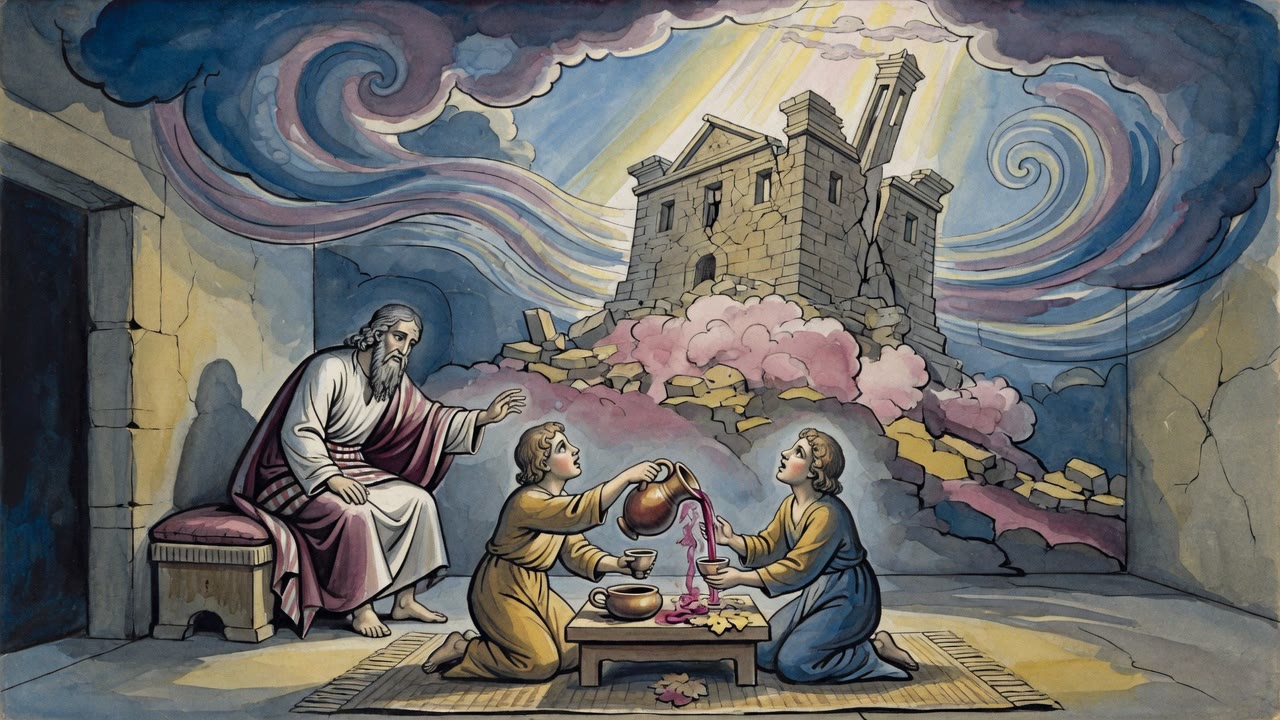
"This is the law of the sacrifice for peace offerings" (Leviticus 7:11). Why peace? Because the gift makes peace among three parties. The whole burnt offering went wholly to the flames. The sin offering and the guilt offering fed the altar and the priests, but Israel took no enjoyment from the flesh. The thank offering and peace offering split differently. Blood and devoted parts to the altar, breast and shoulder to the priests, skin and flesh to Israel. Altar, priests, and people all ate from one animal. That is why it is called peace.
Let me hear what God the Lord will speak, for He will speak peace unto His people and unto His righteous ones (Psalms 85:9). What did He speak? The law of the peace offering. Speech that divides a carcass into shared portions is speech that ends a quarrel between heaven, priesthood, and the household that brought the gift. For the length of a meal, three claims rest.
Envy cannot buy that meal. Only a prior yes can.
All Beginnings Are Difficult
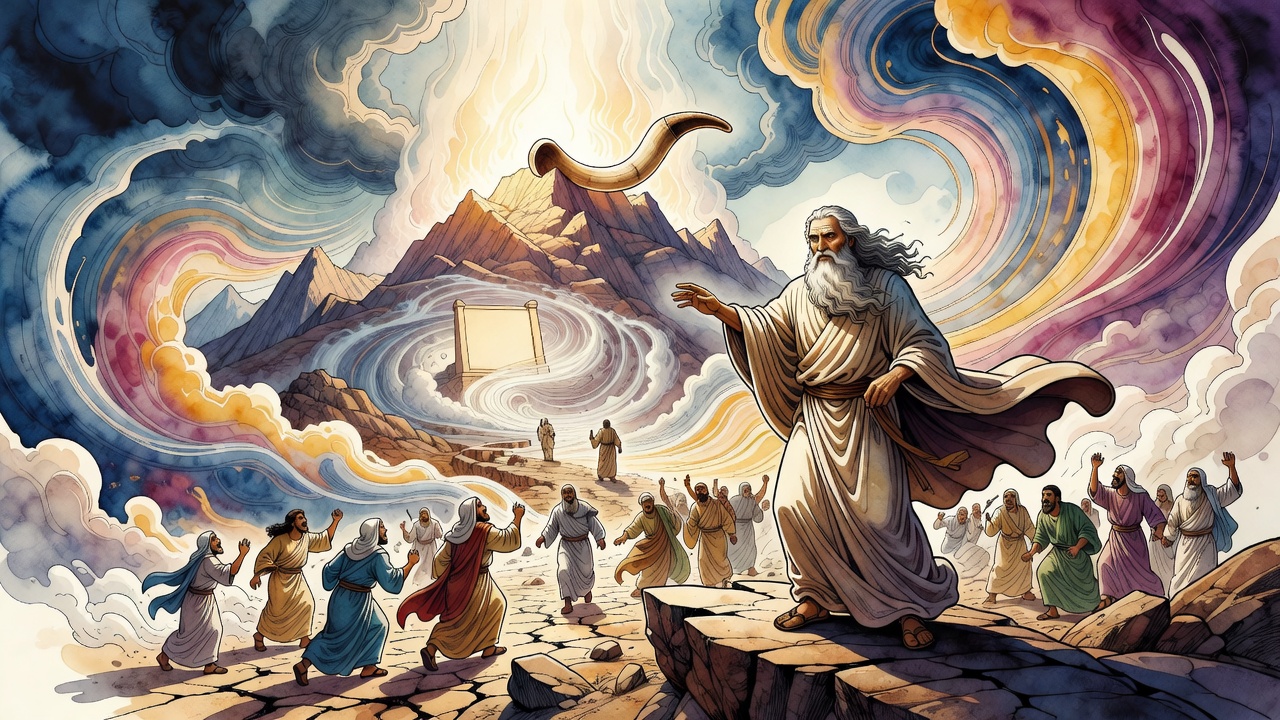
At Sinai God said, "And now, if you hearken to My voice" (Exodus 19:5). The Mekhilta hears the word "now." Take it upon yourselves now, because all beginnings are difficult. The hardest part of any commitment is the first step. He asked while the mountain still smoked and the hearts were still one. Delay would have cooled the metal. The "now" was iron still orange from the forge.
The verse doubles the verb: if hearken you shall hearken. One mitzvah (a commandment) truly heard leads to many. Neglect of one opens a gap through which others fall. Momentum is the hidden grammar of the covenant. A single obedience starts a chain. A single forgetting starts another chain in the opposite direction.
The nations who refused the first hearkening never entered the chain that ends at a shared roast on a family table beside the altar. They wanted the smoke of peace without the "now" of Sinai.
Draw Near, Judgment or Presence
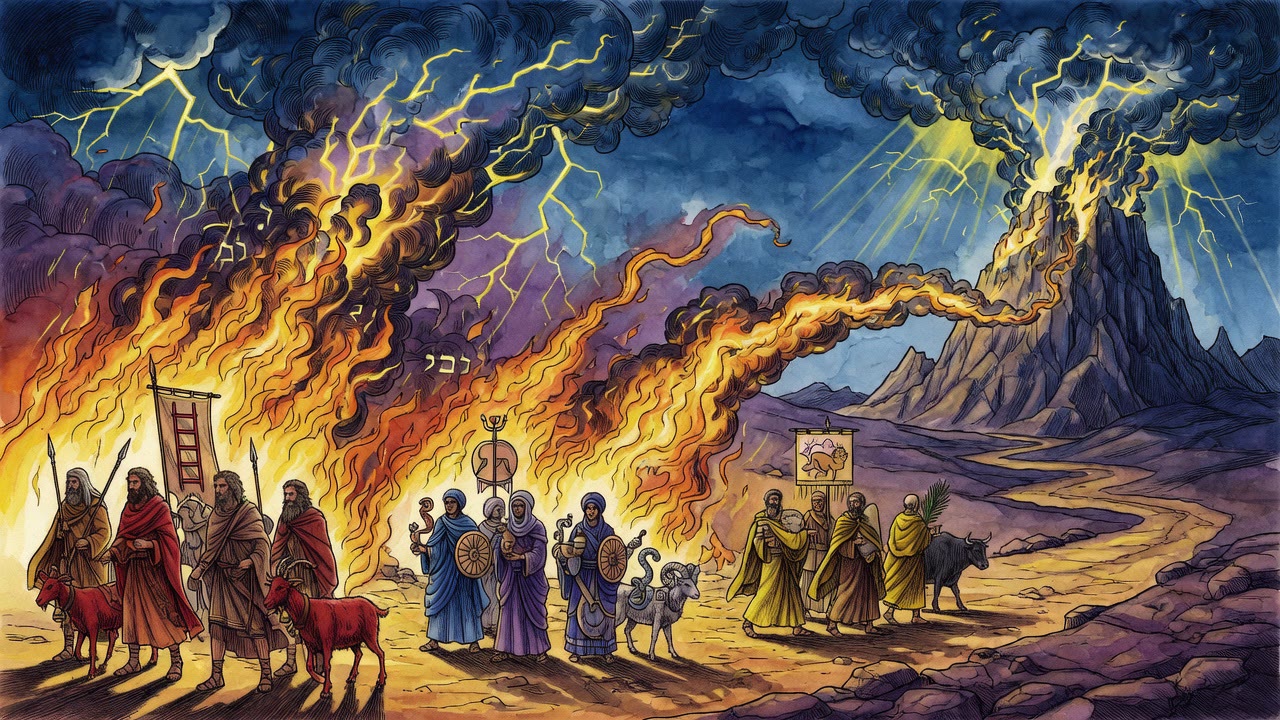
A single command, "Draw near before the LORD," split the sages. Rabbi Yehoshua heard a summons to court. Draw near is the language of a defendant called to stand trial, as when God says, bring near your case, present your strong arguments (Isaiah 41:21). On that reading, murmuring earns a standing before the bar, and the step forward is not a hug.
Rabbi Elazar of Modi'in heard an invitation to encounter. Draw near when the Divine Presence is about to be revealed. People are told to approach because something holy is about to appear among them. On that reading the step forward is not indictment but welcome.
The same step might bring a person to the bar of justice or to the threshold of revelation. Sometimes there is no way to know which until the foot has already moved. Israel at Sinai took that step. The nations, in Balaam's reading, had already stepped back when the Torah was offered and refused. They cannot now demand the peace meal that grows from the step they never took.
The Table They Wanted Without the Vow
Peace offerings look like hospitality from heaven. Shared meat. Shared blessing. A quiet after quarrel. Balaam's answer is blunt. The hospitality is written inside a book you would not carry. The peace is the fruit of a "now" that was accepted while beginnings were still hard.
The peoples wanted the smoke without the hearing. Israel got both judgment and presence in the same drawing near, and later a portion of flesh that made three parties cease their claim against each other for the length of a meal. Between Balaam's hard sentence and the altar's shared cuts sits the whole difference between envy and covenant.
Stand at that table if you accepted the book. Or stand outside with a question that already has an answer. The smoke rises either way. Only one side eats.
← All myths