Translation of the source text.Pesikta Rabbati, ed. Meir Friedmann (Ish-Shalom), Vienna 1880 · Public Domain
The Ten Words. "I am the LORD your God who brought you out of the land of Egypt, out of the house of bondage" (Exodus 20:2). "Upon a ten-stringed instrument and upon the lyre, with a meditation upon the harp" (Psalms 92:4). It was taught in the name of Rabbi Yehudah: the harp has seven strings in this age, corresponding to "Seven times a day I praise You" (Psalms 119:164). In the days of the Messiah it will have eight, as it says, "For the leader, upon the eighth" (Psalms 12:1), upon the eighth string. In the time to come it will have ten, as it says, "Give thanks to the LORD with the lyre; with the ten-stringed harp sing praises to Him" (Psalms 33:2).
Another interpretation of "upon a ten-stringed instrument." Hadrian, may his bones be ground, asked Rabbi Yehoshua ben Hananiah: the Holy One, blessed be He, gave great honor to the nations of the world. In the first five Words He gave Israel, His name is mingled with them, meaning that if Israel sin, He can bring a complaint against them. In the last five Words He gave the nations of the world, His name is not mingled with them, meaning that if the nations sin, no one brings a complaint against them. Rabbi Yehoshua said to him: come and walk with me through the provinces. Wherever he led him, Hadrian saw his own images fixed in place. Rabbi Yehoshua asked him: what is this? He said: my image. At last he drew him to a privy. Rabbi Yehoshua said: my lord the king, I see that in this whole province you rule and that your image is fixed in every place, but in this place it is not fixed. Hadrian said: are you the elder of the Jews? Is it the honor of a king for his image to be fixed in a place of disgrace, an abominable and filthy place? Rabbi Yehoshua said to him: did your ears not hear what your mouth spoke? So too, is it the praise of the Holy One, blessed be He, for His name to be mingled with murderers, adulterers, and thieves? He dismissed him and went away.
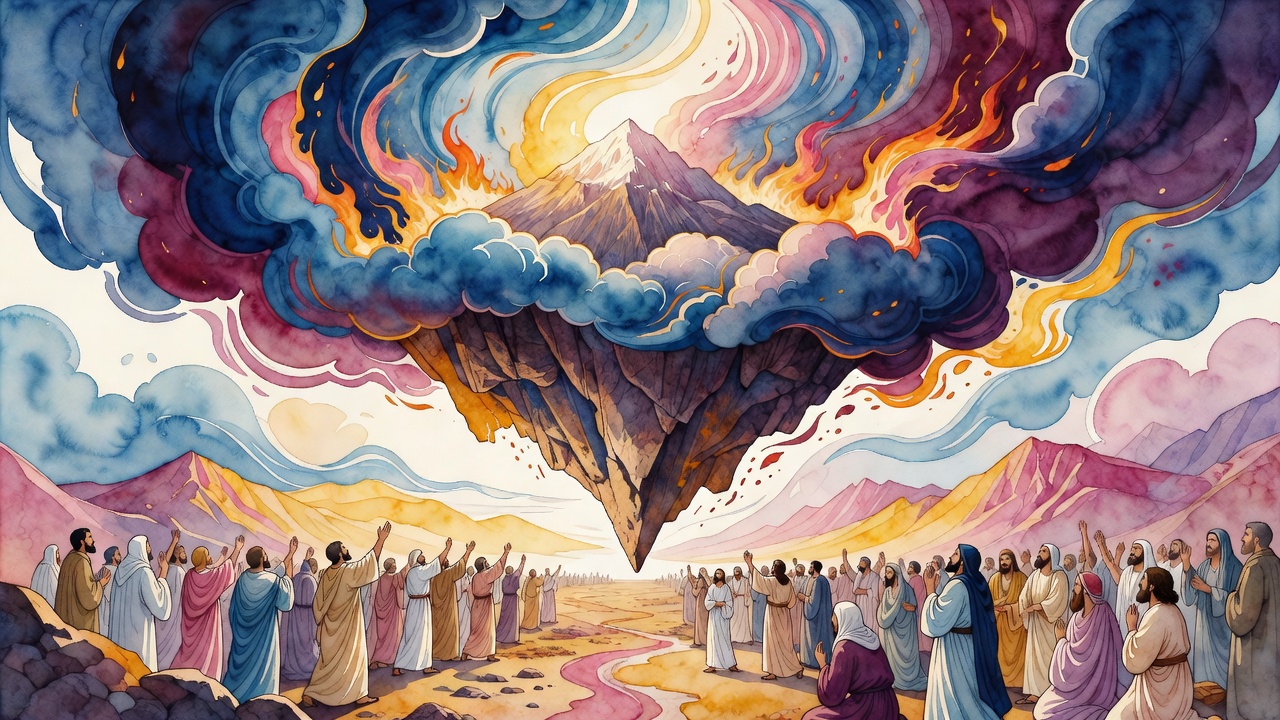
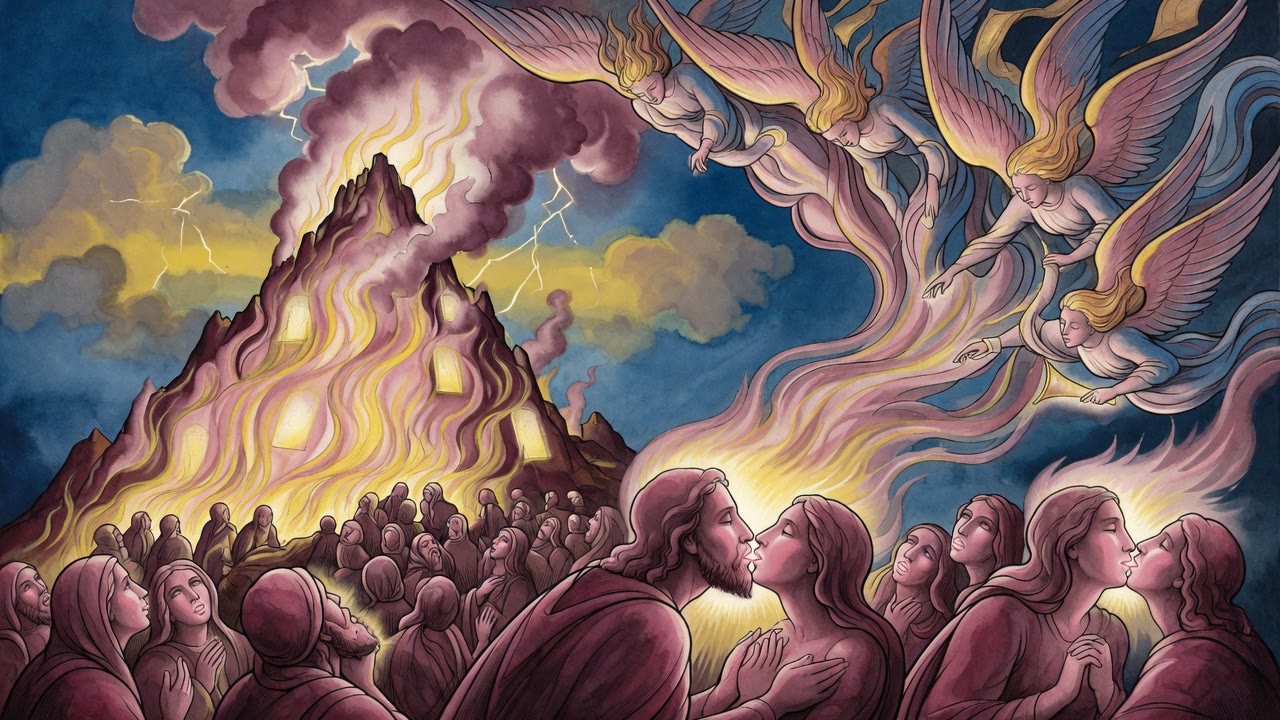
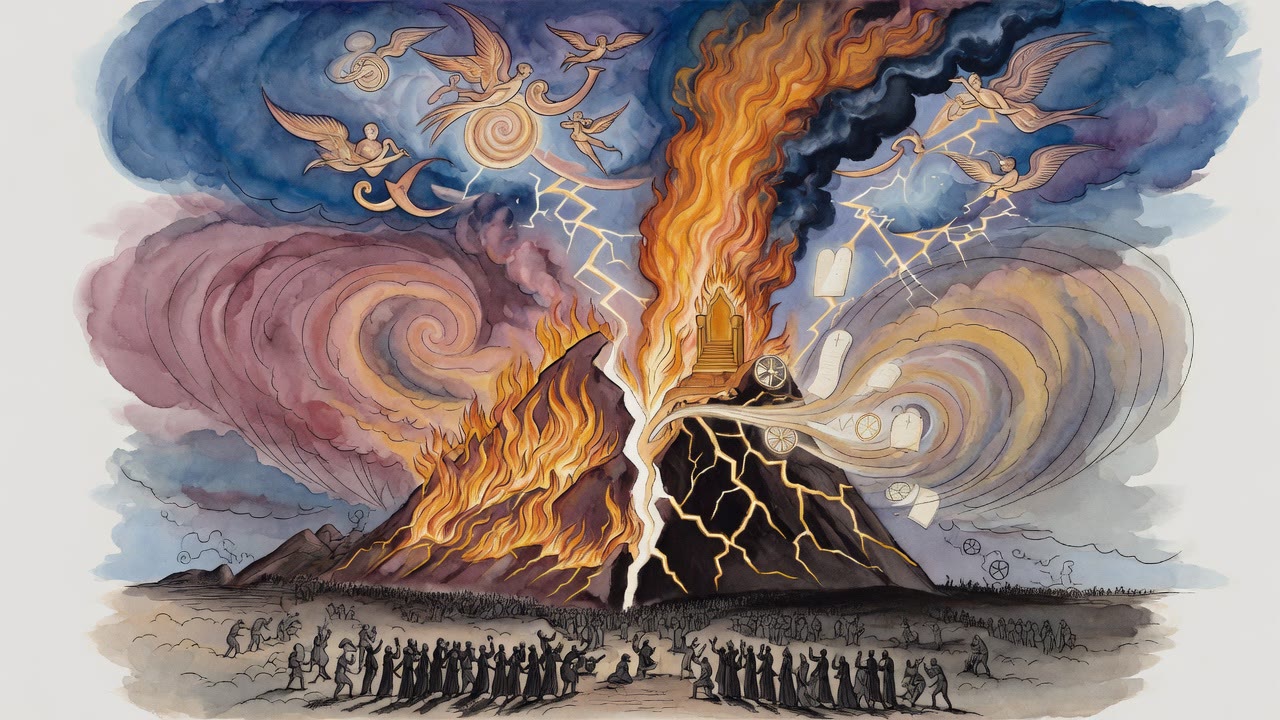
When Hadrian left, Rabbi Yehoshua's disciples said to him: Rabbi, you pushed him away with a reed. What do you answer us? He said: this is what arose in the mind of the Holy One, blessed be He. First He went to the children of Esau and said to them: will you accept the Torah? They said before Him: Master of the world, what is written in it? He said to them: "You shall not murder." They said to Him: the very substance of those men was promised by their father only through the sword, as it says, "By your sword you shall live" (Genesis 27:40). We cannot accept the Torah. Then He went to the children of Ammon and Moab and said to them: will you accept the Torah? They said before Him: Master of the world, what is written in it? He said: "You shall not commit adultery." They said: the very substance of those men comes only from sexual transgression, as it is written, "the two daughters of Lot conceived by their father" (Genesis 19:36). We cannot accept the Torah. Then He went to the children of Ishmael and said to them: will you accept the Torah? They said before Him: Master of the world, what is written in it? He said: "You shall not steal." They said: the very substance of those men lives only by theft and robbery, as it is written, "he will be a wild man; his hand will be against everyone" (Genesis 16:12). We cannot accept the Torah. After that He came to Israel, and they said to Him: "We will do and we will hear" (Exodus 24:7). This is what is written: "the LORD came from Sinai, and rose from Seir unto them; He shined forth from Mount Paran... from His right hand went a fiery law for them" (Deuteronomy 33:2).
Israel said before the Holy One, blessed be He: Master of the world, "Flee, my beloved, and be like a gazelle or a young hart upon the mountains of spices" (Song of Songs 8:14). Flee, my beloved, run from the bad smell and come to the good smell, to the mountains of spices. "Upon a ten-stringed instrument": upon us it is to accept the commandments and the Ten Words. "Upon the lyre": upon us it is to be disgraced for it in days of persecution. Rabbi Shimon ben Levi said: they accepted it with joy. The Rabbis said: not as forced labor. When the Holy One, blessed be He, saw the mind of Israel, that they sought to accept the Torah with love and affection, with awe and fear, with trembling and shaking, He opened and said: "I am the LORD your God."
Another interpretation: "I am the LORD your God." Rabbi Levi said in the name of Rabbi Yohanan: "You caused judgment to be heard from heaven; the earth feared and was still" (Psalms 76:9). If it feared, why was it still? If it was still, why did it fear? The earth said: Adam, the first man, was commanded one commandment, transgressed it, and I was cursed because of him, as it is written, "Cursed is the ground for your sake" (Genesis 3:17). Here are two hundred forty-eight positive commandments and three hundred sixty-five negative commandments. How much more so! Rabbi Yehoshua of Sikhnin said in the name of Rabbi Levi: even so, the Holy One, blessed be He, returned and appeased her, as it says, "O earth, earth, earth, hear the word of the LORD" (Jeremiah 22:29). You heard that I said, "Cursed is the ground for your sake; in sorrow shall you eat of it," but did you not hear that I said, "I will not again curse the ground any more for man's sake" (Genesis 8:21)? When she heard this, she was immediately still.
Another interpretation. Rabbi Hiyya bar Rabbi Abba said in the name of Rabbi Yohanan: if the earth feared, why was it still? If it was still, why did it fear? The earth said: perhaps Israel will not accept the Torah, and I will return to my former state, as I was. For Rabbi said in the name of Rabbi Aha: "The earth and all its inhabitants are dissolved; I bear up its pillars, Selah" (Psalms 75:3). The world was already melting and going away. Had Israel not stood before Mount Sinai and said, "All that the LORD has spoken we will do and we will hear" (Exodus 24:7), the world would already have returned to chaos. Who established the world? "I bear up its pillars, Selah." Another interpretation. Rabbi Pinhas said in the name of Rabbi Yohanan: the earth said: perhaps the time for resurrection of the dead has arrived, and the Holy One, blessed be He, is demanding from me what He deposited with me, as it is written, "the earth also shall disclose her blood, and shall no more cover her slain" (Isaiah 26:21). When she heard "I am," she was immediately still, as it says, "when God arose to judgment, to save all the humble of the earth, Selah" (Psalms 76:9).
A parable: to a king who was going out in a royal campaign, swords on this side and swords on that side, spears on this side and spears on that side. Everyone said: if this is how it is when he goes out in a campaign, how much more so when he goes out to war. So too, the Holy One, blessed be He, caused one hearing of His voice to be heard at Sinai and shook the whole world. When He rises to rebuke His world and give the righteous their reward, as it is written, "when God arose to judgment, to save all the humble of the earth, Selah," how much more so.
Rabbi Abbahu said in the name of Rabbi Yohanan: this is like a king standing and dancing at the entrance of his palace. When they saw him occupied, the duke said: he is occupied with me. The general said: he is occupied with me. When they saw him holding his son's hand, they said: he is occupied with his son. So too, when the Holy One, blessed be He, stood and moved upon Mount Sinai, as it is said, "God spoke all these words, saying" (Exodus 20:1), Michael said: He is occupied with me. Gabriel said: He is occupied with me. Once He said, "I am," they said: He is occupied with His son, and He is giving Torah to His children.
Another interpretation: "I am the LORD your God." "The LORD spoke with you face to face" (Deuteronomy 5:4). Rabbi Yohanan said: with an icon, a thousand people look at it and each one says, it is looking at me. So too the Holy One, blessed be He, looked at each and every Israelite and said, "I am the LORD your God." Rabbi Levi said: you may learn from ordinary conduct, and you may learn from an icon. From the icon, as we have said. From ordinary conduct: in the way of the world, one voice enters ten ears. Do ten voices enter one ear? If He hears the prayers of every creature at once, for Scripture does not say "hearer of prayers" here but "hearer of prayer; unto You shall all flesh come" (Psalms 65:2), then how much more could He look at each Israelite and say to him, "I am the LORD your God."
Another interpretation of "face to face." Rabbi Yosi son of Rabbi Avin said that Rabbi Menachem said in the name of Rabbi Yehoshua ben Levi: it is like a warrior who turns in his armor and shows a face to every side. So "the LORD spoke with you face to face." Another interpretation: Rabbi Yosi bar Avun said: like a mirror that shows faces from every side, so "the LORD spoke with you face to face." Another interpretation: Rabbi Levi said: He appeared to them in many images, to one standing, to one sitting, to one as a young man, to one as an old man. How? When the Holy One, blessed be He, revealed Himself at the Sea of Reeds to make war for His children and punish the Egyptians, He appeared to them only as a young man, for war is fitting to be done by a young man, as it says, "the LORD is a man of war; the LORD is His name" (Exodus 15:3). When the Holy One, blessed be He, revealed Himself at Mount Sinai to give Torah to Israel, He appeared to them only as an elder, for Torah is fitting to come from the mouth of an elder. What is the reason? "With the aged is wisdom, and in length of days understanding" (Job 12:12). Daniel likewise says, "I beheld till the thrones were set, and the Ancient of Days did sit" (Daniel 7:9). Rabbi Hiyya bar Abba said: if a lawless person says to you, there are two gods, say to him: I am He of the sea, I am He of Sinai.
Another interpretation. Rabbi Levi said: the Holy One, blessed be He, appeared to them at Sinai with many faces: angry faces, rebuking faces, greenish faces, joyous faces, laughing faces, and explanatory faces. How? When He showed them the punishment of the wicked, He showed them angry faces, rebuking faces, and greenish faces. When He showed them the future reward of the righteous, He showed them joyous faces, laughing faces, and explanatory faces. Rabbi Hiyya bar Abba said: if a lawless person says to you, there are two gods, say to him: Scripture does not write here, "gods spoke face to face," but "the LORD spoke with you." Another interpretation: Rabbi Zakkai of Shaab said in the name of Rabbi Shmuel bar Nahman: when Israel stood at Mount Sinai and said, "we will do and we will hear," at that hour they were given radiance from the radiance of the upper Shekhinah. What is the reason? "Your renown went forth among the nations for your beauty, for it was perfect through My splendor which I had put upon you" (Ezekiel 16:14).
Another interpretation of "face to face." Rabbi Tanhum son of Rabbi Hanilai said: if the Torah had been given cut and fixed, a teacher would have had no standing place to teach. If he declared something impure, others like him could declare it impure; if he declared something pure, others like him could declare it pure. Rabbi Yannai said: the Torah that the Holy One, blessed be He, gave Moses was given with forty-nine faces of purity and forty-nine faces of impurity. From where? "His banner over me was love" (Song of Songs 2:4). Moses said to Him: how shall the matter be done? He said: if those who declare impure are the majority, it is impure; if those who declare pure are the majority, it is pure. Rabbi Abbahu said in the name of Rabbi Yohanan: Rabbi Akiva had a sharp disciple who knew how to expound the Torah in forty-nine faces of purity, and not from the same reasoning. They said: that disciple was "a small one from Mount Sinai" [a difficult phrase in the printed text].
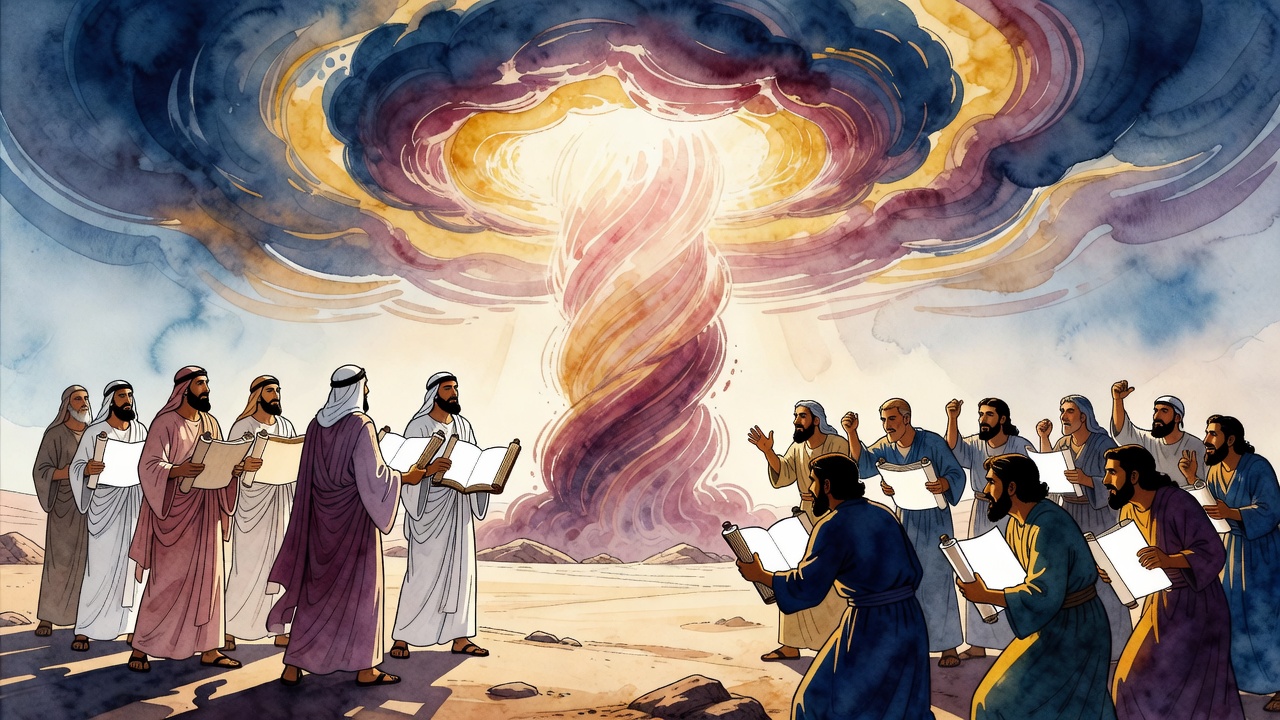
Another interpretation. Rabbi Hanina bar Pappa said: "face to face" gives two faces and another two faces, four faces in all: a frightening face for Scripture, an intermediate face for Mishnah, an explanatory face for Talmud, and a laughing face for Aggadah. Another interpretation. Rabbi Menahman said in the name of Rabbi Yaakov ben Tardai: "As in water face answers to face, so the heart of man to man" (Proverbs 27:19). There can be a person whose teacher wants to teach but the student does not want to learn, or a student who wants to learn but the teacher does not want to teach. Here, however, the Teacher wanted to teach and the student wanted to learn. Another interpretation. Rabbi Yehoshua ben Levi said: "face against face" means one of two things: either the high one lowered Himself, or the low one raised himself. From what is written, "the LORD came down upon Mount Sinai" (Exodus 19:20), we know that the high One lowered Himself. So too you find that when the Holy One, blessed be He, gives to a righteous man, He does not take it from him until it descends with him to the grave. Rabbi Shimon ben Yohai said: if a small hole were opened from Moses' burial place, the whole world could not stand in its light. If this is true of a hole of a burial place, how much more of Moses' burial itself.
Another interpretation. Rabbi Berekhiah said: Moses said to Israel: my children, when you were in the land of Egypt I said to you, "the LORD God of your fathers has sent me to you" (Exodus 3:13), and you said to me, "What is His name?" For that hour I said to you, "I am that I am" (Exodus 3:14). Here, however, the merchandise and the merchant are present, face to face. You hear from Him Himself: "I am the LORD your God."
Another interpretation: "I am the LORD your God." "The chariots of God are myriads, thousands upon thousands; the Lord is among them, Sinai in holiness" (Psalms 68:17). Rabbi Abudimi of Haifa said: I learned in my Mishnah that twenty-two thousand ministering angels descended with the Holy One, blessed be He, upon Mount Sinai, and in the hand of each one was a crown with which to crown each member of the tribe of Levi. Rabbi Levi said: it was revealed and known before the One who spoke and the world came into being that the tribes would not stand whole in their oath, but the tribe of Levi would stand whole. Therefore they descended with the Holy One, blessed be He, on Mount Sinai, and in each one's hand was a crown with which to crown each member of Levi's tribe. Rabbi Yannai son of Rabbi Shimon ben Yannai said to him: if so, you have reduced the matter. Rather, when the Holy One, blessed be He, descended on Mount Sinai, twenty-two thousand chariots descended with Him, each chariot like the chariot Ezekiel saw.
Another interpretation of "the chariots of God are myriads." Rabbi Yohanan said: on the day the Holy One, blessed be He, was revealed on Mount Sinai to give Torah to Israel, six hundred thousand angels descended with Him, and in the hand of each one was a crown with which to crown each Israelite. Rabbi Abba bar Kahana said in the name of Rabbi Yohanan: there were one million two hundred thousand. One clothed him with a crown, and one fastened him with a belt. Rabbi Huna the Great of Sepphoris said: belts, as it is said, "He loosens the bonds of kings and binds a belt on their loins" (Job 12:18).
Another interpretation. Rabbi said in the name of Abba ben Yosef: one verse says, "Is there any number to His troops?" (Job 25:3), and one verse says, "the chariots of God are myriads, thousands upon thousands" (Psalms 68:17). This means: there is a number for one troop, but for the troops there is no number. The Rabbis said another answer: one verse says, "Is there any number to His troops?" and one verse says, "A thousand thousands ministered to Him, and ten thousand times ten thousand stood before Him" (Daniel 7:10). Before the Temple was destroyed, the praise of the Holy One, blessed be He, rose complete. After the Temple was destroyed, the Holy One, blessed be He, as it were, diminished His retinue. From where? He said: My house is destroyed, and shall My praise rise complete?
Another interpretation of "the chariots of God." Rabbi Tanhum ben Hanilai read the numbers as thousands, myriads, and beyond the reach of calculation, up to a place where no reckoner can count. Rabbi Azariah and Rabbi Yehudah son of Rabbi Simon said in the name of Rabbi Yehoshua ben Levi: "myriads" means they have no count, and "thousands" means they have no number. The Rabbis said: they descended sharpened against the world to destroy it. Rabbi Azariah said: those of the king's whole retinue, according to the tradition that came up from the exile, found it written that two myriads of thousands of ministering angels descended with the Holy One, blessed be He, on Mount Sinai to give Torah to Israel. Rabbi Elazar said: "shenan" means they were beautiful and choice. Rabbi Yosi son of Rabbi Halafta said: these were the princes of the nations of the world. Why did they descend? Rabbi Hiyya bar Rabba said: for the honor of Torah. Rabbi Hiyya bar Yosi said: for the honor of Israel. Rabbi Elazar said: wherever you find crowds, you find crowding, but here "shenan" means spacious.
Rabbi Elazar ben Azariah and Rabbi Eliezer the Modiite were sitting and occupied with this verse, "the chariots of God are myriads, thousands." Rabbi Elazar ben Azariah challenged Rabbi Eliezer the Modiite: could Mount Sinai hold them? He said to him: my colleague, is it not written, "At that time they shall call Jerusalem the throne of the LORD, and all the nations shall be gathered to it" (Jeremiah 3:17)? Can Jerusalem hold them? Rather, the Holy One, blessed be He, says to her: lengthen, widen, receive your crowds, just as He said to Sinai: lengthen, broaden, receive My angels.
Another interpretation of "the chariots of God." Rabbi Berekhiah said in the name of Rabbi Abba bar Kahana: it is written, "Thus says the LORD, the God of hosts, the Lord" (Amos 5:16). The name of the Holy One, blessed be He, is Tzevaot, Hosts. Rabbi Yehudah bar Simon said: not only His whole name, but even one letter of His name makes a host like His whole name. Our Rabbis say: the Holy One, blessed be He, said, "I am the LORD; that is My name" (Isaiah 42:8). Just as I create worlds and destroy worlds, so My name creates worlds and destroys worlds.
Rabbi Yudan said: this is like a king whose son was captured. The king put on the king's vengeance and went to redeem him. Neighbors and relatives came to help him, these with swords and these with spears. He said to them: pass from here. I do not need you. So too, when the Holy One, blessed be He, was revealed to fight the wars of His children and to punish the nations, the ministering angels came to help Him, these with hailstones and these with coals of fire. He said to them: pass from here. I do not need you. It is not written, "His thick clouds carried hailstones and coals of fire," but "His thick clouds passed, hailstones and coals of fire" (Psalms 18:12). Rabbi Yosan said: in the way of the world, when a flesh-and-blood king goes out to a public appearance, he goes out with ten men; when he goes out to war, he goes out with armies and legions. But the Holy One, blessed be He, is not so. When He was revealed at the Sea of Reeds to make war for His children, He appeared to them alone: "the LORD is a man of war" (Exodus 15:3). When the Holy One, blessed be He, came down on Mount Sinai to give Torah to Israel, Michael and his banner, Gabriel and his banner, descended with Him, as it says, "the LORD my God shall come, and all the holy ones with You" (Zechariah 14:5).
"The Lord is among them." Rabbi Pinhas said in the name of Rabbi Yehoshua ben Levi: His lordship was upon them. Michael trembled, Gabriel trembled. Rabbi Pinhas said in the name of Rabbi Levi: Michael and Gabriel have His name mingled in theirs. Rabbi Levi said: His tablet is engraved upon their hearts. "Sinai in holiness." We would not know whether Sinai is secondary to holiness or holiness secondary to Sinai, but from what is written, "the Lord is among them; Sinai in holiness," we know that Sinai is secondary to holiness. Rabbi Huna said in the name of Rabbi Ami: why do we nickname the name of the Holy One, blessed be He, and call Him the Omnipresent? Because He is the place of His world. We would not know whether He is the place of the world or His world is His place, but from what is written, "Behold, there is a place by Me, and you shall stand upon the rock" (Exodus 33:21), we know that He is the place of the world and His world is not His place. Rabbi Isaac said: it is written, "The eternal God is a dwelling place" (Deuteronomy 33:27). We would not know whether He is the dwelling place of the world or His world is His dwelling place, but from what is written, "Lord, You have been our dwelling place" (Psalms 90:1), we know that He is the dwelling place of the world and His world is not His dwelling place.
Rabbi Yudan said: it is like a warrior riding on a horse, his weapons hanging on this side and that side. The horse is secondary to the rider; the rider is not secondary to the horse. So it says, "You did ride upon Your horses, Your chariots of salvation" (Habakkuk 3:8). Rabbi Pinhas said in the name of Rabbi Yehoshua ben Levi: it is like a king who left his wife pregnant and went overseas. He delayed many years. She gave birth to a son and raised him. When the king came back from overseas, she brought his son out to his father's royal reception. The boy saw a duke and looked at him, saw a prefect and looked at him, and said, this is he, this is he. The king understood and said to him: my son, why are you looking at these? There is no benefit in them. You are my son, and I am your father. So too, when the Holy One, blessed be He, descended on Mount Sinai, Michael and his banner, Gabriel and his banner, descended with Him. Israel looked at each one and said, this is he, this is he. The Holy One, blessed be He, said to Israel: My children, why are you looking at these? There is no benefit in them. You are My children, and I am your Father. You are My children, as it is said, "You are children of the LORD your God" (Deuteronomy 14:1), and I am your Father, as it is said, "I will be a Father to Israel" (Jeremiah 31:9). You are My people, and I am your God.
"I am the LORD your God." Rabbi Yohanan said: "I" means I Myself wrote and gave it. Rabbi Yudan son of Rabbi Simon said: "I" means I gave, I wrote the Ten Words. Rabbi Berekhiah said: "I" means by My light and My crown, My dove, you shall receive the Ten Words. "I" (anokhi): the aleph is the Holy One, blessed be He, as it says, "Hear, O Israel, the LORD our God, the LORD is one" (Deuteronomy 6:4). The nun is fifty, the kaf is twenty, together seventy, these are the seventy nations the Holy One, blessed be He, created in His world. The yod is ten, the ten generations, and from all of them He chose only Israel.
"I" (anokhi): the aleph is Abraham our father, as it says, "Abraham was one" (Ezekiel 33:24). The nun is fifty, because at fifty Abraham recognized his Creator. Rabbi Hanina and Rabbi Yohanan both said: at forty-eight years old Abraham recognized his Creator. Resh Lakish said: at three years old, from "because Abraham obeyed My voice" (Genesis 26:5), since the numerical value of ekev is 172, leaving three years [the derivation is compressed]. The kaf is twenty, because he trained circumcision for twenty generations. The yod is ten, the ten tests with which Abraham our father was tested, and he stood in all of them. "I" (anokhi): the aleph is Israel, "one is My dove, My undefiled" (Song of Songs 6:9), and "who is like Your people Israel, one nation in the earth" (2 Samuel 7:23). The nun is fifty, the fifty days between Passover and Atzeret. The kaf is twenty, the ten plagues the Holy One, blessed be He, brought upon the Egyptians in Egypt and ten at the sea. The yod is ten, the Ten Words.
Rabbi Shimon ben Yohai said: "anokh" means you cannot stand at its preciousness [the printed reading is difficult]. Rabbi Yehudah and Rabbi Nehemiah differed. Rabbi Yehudah said: this language, "anokhi," is nothing but a language of love and affection. It is like a king who sent his son overseas. The son learned the language of the sea people. When he came back from overseas, the king began speaking with him in his own language. So, because Israel were in the land of Egypt and learned their language, when they came before Mount Sinai the Holy One, blessed be He, began to converse with them in the language of Egypt: anokhi, anokh. Rabbi Nehemiah said: this language, "anokhi," is nothing but a language of awe and fear. It is like the beloved of a king who knew the king's secrets. Once, as he was about to die, he said to his son: come and I will reveal to you the king's secrets. He lifted his eyes, looked at the king, and said to him: my son, be careful with the king's honor.
So too, "Jacob called to his sons and said, Gather yourselves together, that I may tell you what shall befall you" (Genesis 49:1). He lifted his eyes and looked at the Holy One, blessed be He, and said to them: my children, be careful with the honor of the Holy One, blessed be He. What did they answer him? "Hear, O Israel, the LORD our God, the LORD is one" (Deuteronomy 6:4). He said to them: my children, I give you this sign. In the language of anokhi He spoke with my grandfather, "I am your shield" (Genesis 15:1). In the language of anokhi He spoke with my father, "I am the God of Abraham your father" (Genesis 26:24). In the language of anokhi He spoke with me, "I am the God of Bethel" (Genesis 31:13), and "I will go down with you into Egypt" (Genesis 46:4). You too, if He comes and says to you in this language, anokhi, know that He is yours. If not, as it were, He is not yours. When they came before Mount Sinai and He opened for them with "I am," they knew that He was theirs.
"I am the LORD your God." Rabbi Yehoshua ben Levi said in the name of Rabbi Shimon ben Yohai: the Holy One, blessed be He, opened an opening of merit for Israel. Once they stood and said, "All that the LORD has spoken we will do and we will hear" (Exodus 24:7), and once they said, "These are your gods, O Israel" (Exodus 32:4), He sought to destroy them, as it says, "He said He would destroy them, had not Moses His chosen stood before Him in the breach, to turn away His wrath, lest He should destroy them" (Psalms 106:23). Moses said before the Holy One, blessed be He: Master of the world, You did not say "I am the LORD your God" to me alone. Did You not say to all Israel, "I am the LORD your God"? Rabbi Yehoshua of Sikhnin said in the name of Rabbi Yehoshua ben Levi: the Holy One, blessed be He, said to him: Moses, you have taught a fine defense for My children. In the past I said to you in the singular, "I am the LORD your God." From now on I will say to you in the plural, "I am the LORD your God" in the plural, "I am the LORD your God" (Leviticus 19:4), to warn all of you.
Rabbi Shimon ben Yohai taught: "anokhi" is nothing but a language of comfort, as it says, "I, I am He who comforts you" (Isaiah 51:12). Rabbi Menachem said in the name of Rabbi Avin: "anokhi" is a language of consolations, as it is written, "Your comforts delight my soul" (Psalms 94:19). Rabbi Avin said in the name of Rabbi Yohanan: it is like a king who married a noblewoman and wrote her a large marriage contract: so many treasuries I give you, so many ships on the sea I give you, so many towns on dry land I give you. He left her and went overseas, and her companions taunted her, saying: take a husband for yourself while you are still young, while your strength is still upon you. She would enter her bridal chamber, open the marriage contract, read it, bring out that large contract, and be comforted. After days, the king came from overseas. He said to her: my daughter, how did you wait for me all these years? She said before him: my lord the king, if not for the large marriage contract you wrote me, my companions would already have destroyed me from you.
So the nations of the world taunt Israel and say to them: how long will you die for your God, be killed for Him, and give your lives for Him? How many calamities does He bring upon you, how many people plunder you, how many kingdoms does He bring against you? Return to us and we will make you dukes, prefects, and generals. Israel enter the synagogues and houses of study, open the Torah scroll, and read in it, "I will have respect unto you, and make you fruitful, and multiply you" (Leviticus 26:9), and "I will set My tabernacle among you, and My soul shall not abhor you" (Leviticus 26:11), and they are comforted. Tomorrow, when the end comes, the Holy One, blessed be He, says to Israel: My children, I marvel at how you waited for Me all these years. Israel say before Him: if not for Your Torah that You wrote for us, the nations of the world would already have destroyed us from You. This is what is written: "This I recall to my mind, therefore have I hope" (Lamentations 3:21). So David said, "Unless Your Torah had been my delights, I should then have perished in my affliction" (Psalms 119:92).
Rabbi Avin said in the name of Resh Lakish: it is like a king who became angry with a noblewoman and expelled her from his palace. After days, he wished to return her. She said: let him double my marriage contract, and I will return to him. So the Holy One, blessed be He, said: My children, at Sinai I said "I am" to you once, but in Jerusalem in the future I will say it to you twice: "I, I am He who comforts you" (Isaiah 51:12). Rabbi Menahman said in the name of Rabbi Avun: the groaning you groaned before Me at Mount Sinai, when you said, "All that the LORD has spoken we will do and we will hear" (Exodus 24:7), is answered by "I, I am He who comforts you."
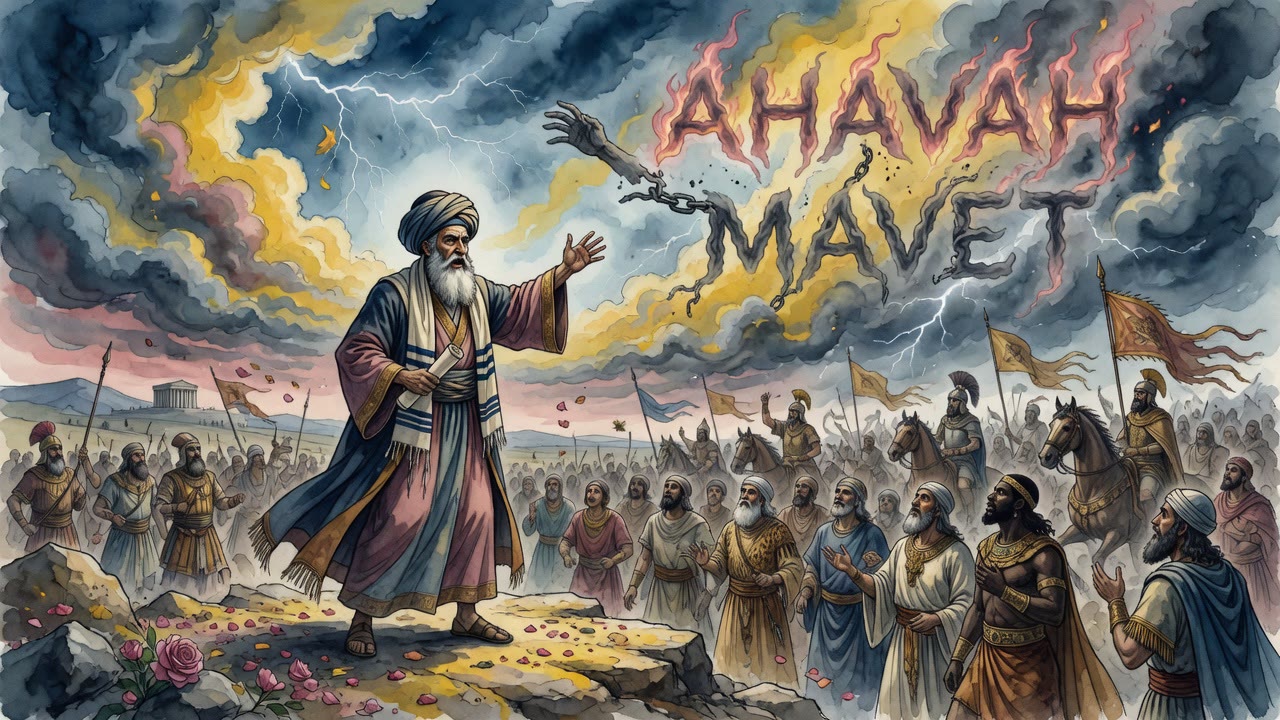
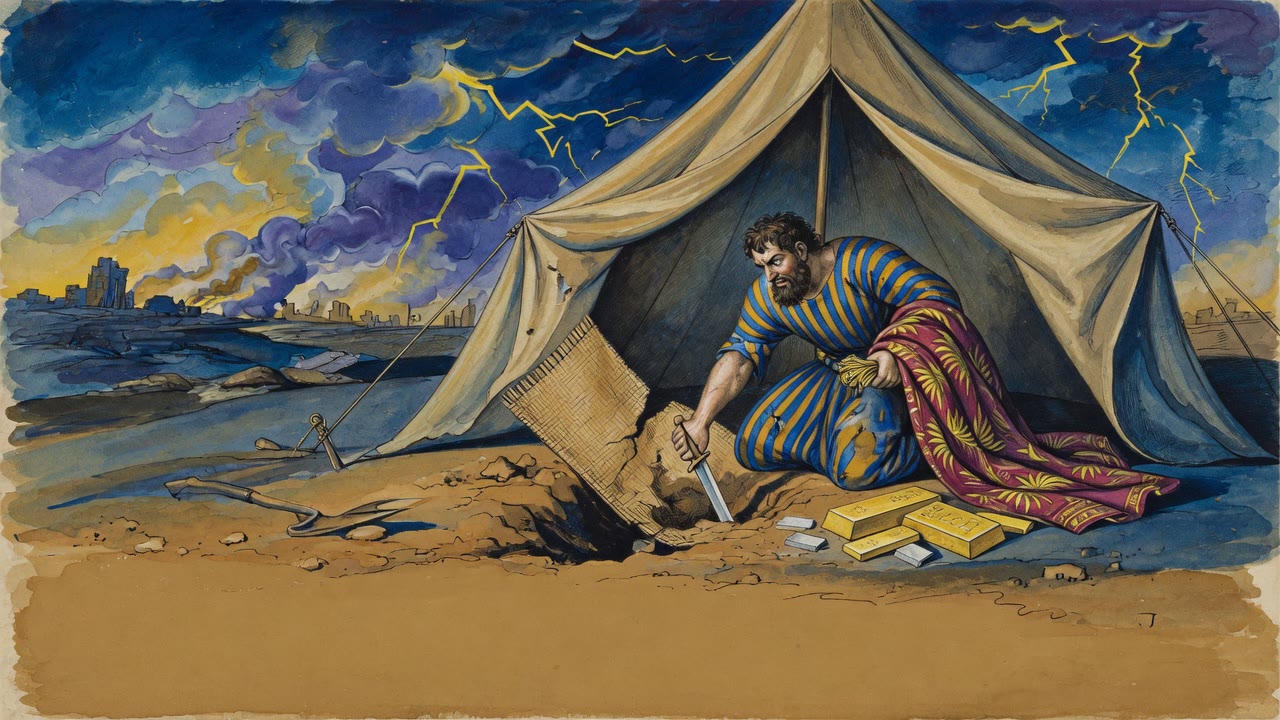
Why were the Ten Words spoken in the singular? Because individuals nullified them. "I am" was nullified by Micah. "You shall have no other gods" was nullified by Jeroboam. "You shall not take" was nullified by Zedekiah. "Remember" was nullified by the wood gatherer. "Honor" was nullified by Absalom. "You shall not murder" was nullified by Joab. "You shall not commit adultery" was nullified by Zimri. "You shall not steal" was nullified by Achan. "You shall not bear false witness" was nullified by Ziba. "You shall not covet" was nullified by Ahab, as it says, "Have you murdered and also taken possession?" (1 Kings 21:19).
It is written, "You have enticed me, O LORD, and I was enticed; You have strengthened me, and You prevailed" (Jeremiah 20:7). The congregation of Israel said before the Holy One, blessed be He: Master of the world, You enticed me until You gave me the Torah and placed the yoke of commandments on my neck, and I was punished through them. If I had not accepted the Torah, I would have been like one of the nations, with neither reward nor punishment. The congregation of Israel said before the Holy One, blessed be He: Master of the world, You enticed me at Sinai and said to me, "I am the LORD your God," and I thought it was soft. You strengthened me and prevailed, for "I the LORD your God am a jealous God" (Exodus 20:5). You enticed me at Sinai and said to me, "You shall have no other gods," and I thought it was soft. You strengthened me and prevailed: "He that sacrifices to gods shall be destroyed" (Exodus 22:20). You enticed me at Sinai and said to me, "You shall not take," and I thought it was soft. You strengthened me: "the LORD will not hold him guiltless" (Exodus 20:7). You enticed me at Sinai and said to me, "Remember the Sabbath day," and I thought it was soft. You strengthened me and prevailed: "everyone that profanes it shall surely be put to death" (Exodus 31:14). You enticed me at Sinai and said to me, "Honor your father," and You strengthened me and prevailed: "he that curses his father or his mother shall surely be put to death" (Exodus 21:17). You enticed me at Sinai with "You shall not murder," and You strengthened me and prevailed: "Whoever sheds man's blood, by man shall his blood be shed" (Genesis 9:6). You enticed me at Sinai with "You shall not commit adultery," and You strengthened me and prevailed: "the adulterer and the adulteress shall surely be put to death" (Leviticus 20:10). You enticed me at Sinai with "You shall not steal," and You strengthened me and prevailed: "he that steals a man... shall surely be put to death" (Exodus 21:16). You enticed me at Sinai with "You shall not bear false witness," and You strengthened me and prevailed: "then shall you do unto him, as he had thought to have done unto his brother" (Deuteronomy 19:19). You enticed me at Sinai with "You shall not covet," and I thought it was soft. You strengthened me and prevailed: "Do not lust after her beauty in your heart... so he who goes in to his neighbor's wife; whoever touches her shall not be innocent" (Proverbs 6:25-29).
Rabbi Yakum and Rabbi Yehudah differed. Rabbi Yakum said: whoever transgresses "You shall not covet" is as if he transgresses the Ten Words. "You shall not covet" and "I am": Rabbi Avin would read, "who forsakes the guide of her youth, and forgets the covenant of her God" (Proverbs 2:17). "You shall not covet" and "You shall have no other gods": Hezekiah taught, "through the lightness of her harlotry, she defiled the land, and committed adultery with stones and with stocks" (Jeremiah 3:9). "You shall not covet" and "You shall not take": concerning her Scripture says, "the priest shall charge the woman with an oath of cursing" (Numbers 5:21). "You shall not covet" and "Remember": Rabbi Tanhuma said, if the daughter of a high priest committed adultery, bore a son, raised him, and he stood and offered on the altar, he would be found profaning the Sabbath, for this one is not fit to offer. "You shall not covet" and "Honor": the Gaim from Geder and the Lukim from Susita [obscure names in the printed text] would steal into one another's wives. After days a quarrel fell between them. One man killed his father, thinking he was not his father. "You shall not covet" and "You shall not murder": in the end, his wife practices sorcery against him and murders him. "You shall not covet" and "You shall not commit adultery": Hezekiah taught, "through the lightness of her harlotry" (Jeremiah 3:9). "You shall not covet" and "You shall not steal": concerning it Scripture says, "stolen waters are sweet" (Proverbs 9:17). "You shall not covet" and "You shall not bear false witness": if a man knows testimony about his father but thinks he is not his father, and yet he is his father, he is found testifying false testimony against his father. "You shall not covet" is as it sounds. Rabbi Yehudah said: whoever transgresses "You shall not covet" transgresses seven negative commandments: "You shall have no other gods," "You shall not take," "You shall not murder," "You shall not commit adultery," "You shall not steal," "You shall not bear false witness," and "You shall not covet."
The last five Words were spoken corresponding to the first five Words. "You shall not murder" corresponds to "I am." The Holy One, blessed be He, said: if you murder, I account it to you as though you diminished the image. "You shall not commit adultery" corresponds to "You shall have no other gods." The Holy One, blessed be He, said: if you commit adultery, I account it to you as though you worshiped idolatry. "You shall not steal" corresponds to "You shall not take." Rabbi Hiyya taught: "You shall not steal, neither deal falsely, neither lie one to another, and you shall not swear by My name falsely" (Leviticus 19:11-12). If you steal, in the end you will deny, in the end you will lie, in the end you will swear falsely by My name. "You shall not bear false witness" corresponds to "Remember." The Holy One, blessed be He, said: if you testify falsely against your fellow, I account it to you as though you testified against Me that I did not create My world in six days and did not rest on the seventh. "You shall not covet" corresponds to "Honor." The Gaim from Geder and the Lukim from Susita would steal into one another's wives, and after days a quarrel fell between them. One killed his father, thinking he was not his father.
The Ten Words were spoken corresponding to the ten utterances by which the world was created. "I am" corresponds to "God said, Let there be light" (Genesis 1:3), and it is written, "the LORD will be your everlasting light" (Isaiah 60:19). "You shall have no other gods" corresponds to "God said, Let there be a firmament in the midst of the waters, and let it divide between waters and waters" (Genesis 1:6). The Holy One, blessed be He, said: let there be a division between Me and idolatry, which is called gathered waters, as it is written, "They have forsaken Me, the fountain of living waters" (Jeremiah 2:13). "You shall not take" corresponds to "God said, Let the waters be gathered together" (Genesis 1:9-10). The Holy One, blessed be He, said: the waters apportioned honor to Me and moved themselves away. Will you not apportion honor to Me by not swearing falsely in My name? "Remember" corresponds to "God said, Let the earth sprout" (Genesis 1:11). The Holy One, blessed be He, said: what you eat on the Sabbath, honor it, for the world was created so that people would not sin, would live forever, and would eat the growth of the earth. "Honor" corresponds to "God said, Let there be lights in the firmament of the heaven" (Genesis 1:14). The Holy One, blessed be He, said: behold, I created two lights for you, your father and your mother; be careful with their honor.
"You shall not murder" corresponds to "God said, Let the waters swarm" (Genesis 1:20). The Holy One, blessed be He, said: do not be like these fish, where the large swallow the small, as it says, "You make man as the fishes of the sea" (Habakkuk 1:14). "You shall not commit adultery" corresponds to "God said, Let the earth bring forth a living creature after its kind" (Genesis 1:24). The Holy One, blessed be He, said: behold, I created your mate for you; let each one cleave to its own mate. "You shall not steal" corresponds to "God said, Behold, I have given you every herb yielding seed" (Genesis 1:29). The Holy One, blessed be He, said: let none of you stretch out his hand in theft or into his fellow's money, but only to what is ownerless like those grasses. Rabbi Hiyya taught: what is guarded in a garden is forbidden because of theft, and what is not guarded in a garden is permitted as regards theft. "You shall not bear false witness" corresponds to "God said, Let us make man" (Genesis 1:26). The Holy One, blessed be He, said: behold, I created your fellow in My likeness, and you were joined and likened to My image. Do not testify false testimony against your fellow. "You shall not covet" corresponds to "God said, It is not good for man to be alone" (Genesis 2:18). The Holy One, blessed be He, said: behold, I created your mate for you. Let each one of you cleave to his mate; let no man among you covet his fellow's wife.
The Ten Words were spoken corresponding to the ten plagues that the Holy One, blessed be He, brought upon the Egyptians in Egypt. "I am" corresponds to the plague of blood, "He turned their rivers into blood" (Psalms 78:44). Do not say like Pharaoh, "My river is mine, and I have made myself" (Ezekiel 29:3). Do not say, I created myself. "You shall have no other gods" corresponds to the plague of frogs, which went up into the ovens while they were hot. The Holy One, blessed be He, said: the frogs apportioned honor to Me, and will you not apportion honor to Me? "You shall not take" corresponds to the plague of lice, which the Holy One, blessed be He, adjured and they came up. "Remember" corresponds to the plague of wild beasts. The Holy One, blessed be He, said: do not mix the ordinary day and the Sabbath together. "Honor" corresponds to the plague of pestilence, as it is written, "that your days may be long" (Exodus 20:12). "You shall not murder" corresponds to the plague of boils. The Holy One, blessed be He, said: do not be a murderer, with that man's blood in his body. "You shall not commit adultery" corresponds to the plague of hail, "and there was hail, and fire mingled with the hail" (Exodus 9:24), and it is written, "Can a man take fire in his bosom... so he who goes in to his neighbor's wife" (Proverbs 6:27-29). "You shall not steal" corresponds to the plague of locust: "they enter in at the windows like a thief" (Joel 2:9). "You shall not bear false witness" corresponds to the plague of darkness. The Holy One, blessed be He, said: if your testimony does not give you light like this light, do not testify it. "You shall not covet" corresponds to the plague of the firstborn, for the Egyptians were steeped in promiscuity, and all were found to be firstborn.
"I am the LORD" and so forth. Rabbi Yonah said in the name of Rabbi Levi: the world was created with the letter bet. Just as this bet is closed on every side and open on one side, so you have no permission to inquire what is above, what is below, what was before, or what will be after. Bar Kappara heard it from this: "Ask now of the days that are past, which were before you, since the day that God created man upon the earth" (Deuteronomy 4:32). One might think from the sixth day onward. Scripture therefore says "former days," but after Scripture included, it also limited. We learn it from the sixth day: just as the sixth day is distinct because it is from the six days of creation, so you may bring only what is like the sixth day. Thus you have no right to inquire beyond the six days. One might think a person may know what is above the heavens and below the deep. Scripture therefore says, "from one side of heaven unto the other" (Deuteronomy 4:32). You may inquire only into the world in which you stand. Rabbi Yudan ben Pazi expounded the work of creation like this teaching of Bar Kappara.
Another interpretation: just as the bet has one point above and one point behind it, people say to the bet: who created you? It points with the point above it: the One above created me. And what is His name? It points with the point behind it: the LORD is His name. Another interpretation: why with bet? Because bet is the language of blessing, berakhah, and not aleph, which is the language of cursing, arirah. The Holy One, blessed be He, said: let there be no opening for the world to say, how can the world stand when it was created in the language of cursing? Rather, I will create it with bet, in the language of blessing, and may it stand.
Rabbi Abbahu said in the name of Rabbi Yohanan: two worlds were created with two letters, this world and the world to come, with yod and heh. What is the reason? "For in Yah the LORD is the rock of worlds" (Isaiah 26:4). We still do not know which was created with yod and which with heh. From what is written, "These are the generations of the heavens and of the earth when they were created" (Genesis 2:4), read be-hibare'am as be-heh bera'am, with heh He created them. Thus this world was created with heh and the world to come with yod. What is the yod? One point below, a hint that all the dead descend to Gehinnom, and one point above, a hint that they are destined to ascend, as it says, "the LORD kills and makes alive; He brings down to Sheol and brings up" (1 Samuel 2:6). What is the heh? Open on every side, a hint to penitents that they have an opening. The bent yod is a hint that all who come into the world are destined to bend, as it is written, "all faces are turned into paleness" (Jeremiah 30:6). When David saw this, he began praising the Holy One, blessed be He, with these two letters, yod and heh, as it is written, "Hallelu-yah; praise God in His sanctuary" through "Let every soul praise Yah, Hallelu-yah" (Psalms 150:1-6).
Rabbi Eliezer bar Avina said in the name of Rabbi Aha: for all those twenty-six generations, aleph cried out before the Holy One, blessed be He, saying before Him: Master of all the worlds, I am the first of all letters, yet You did not create Your world with me, but with bet. The Holy One, blessed be He, said to it: go. The whole world is yours, for the whole world and its fullness were created only for the sake of Torah, as it is said, "If My covenant be not day and night, I would not have appointed the ordinances of heaven and earth" (Jeremiah 33:25). Tomorrow I am destined to give Torah to My children, and I will open for them only with you: "I am the LORD your God." Another interpretation: why with aleph? Bar Hosa said: because it sums to a thousand, as in "He commanded His word to a thousand generations" (Psalms 105:8).
Rabbi Simlai said: the world had great honor before the Torah was given. Once the Torah was given, as it were, the world became light. How so? If you take a scale and put six ounces on one side and forty on the other, which side outweighs? Do the forty not outweigh the six? The whole world was created only in six days, as it says, "For in six days the LORD made heaven and earth" (Exodus 20:11), and the Torah was given over forty days, "and he was there with the LORD forty days and forty nights" (Exodus 34:28), and "I stayed in the mount forty days and forty nights" (Deuteronomy 9:9). How much more should the forty outweigh the six. Rabbi Eliezer said in the name of Rabbi Berekhiah: "will strange cold flowing waters be abandoned?" (Jeremiah 18:14) [the printed connection is compressed]. Rabbi Huna said in the name of Rabbi Aha: "The earth and all its inhabitants are dissolved; I bear up its pillars, Selah" (Psalms 75:3). The world was already melting away. Had Israel not stood before Mount Sinai and said, "All that the LORD has spoken we will do and we will hear" (Exodus 24:7), the world would already have returned to chaos. Who established the world? "I bear up its pillars, Selah," by the merit of "I am the LORD your God."
"Who brought you out of the land of Egypt, out of the house of bondage." Hananiah, nephew of Rabbi Yehoshua, said: Scripture writes "I brought you out," as it were, I and you went out from Egypt. "Out of the house of bondage." Rabbi Tanhum bar Hanilai said in the name of Rabbi Berekhiah: only Canaan was cursed to be a slave, as it says, "Cursed be Canaan; a servant of servants shall he be to his brothers" (Genesis 9:25). From where do we know that all the families of Ham are called slaves? From "out of the land of Egypt, out of the house of slaves." The disciples of Rabbi Yohanan ben Zakkai asked him: why was the Hebrew slave pierced in his ear rather than in any other limb? He said to them: the ear that heard on Mount Sinai, "I am the LORD your God who brought you out of the land of Egypt, out of the house of bondage," and accepted upon itself the yoke of a kingdom of flesh and blood; the ear that heard before Mount Sinai, "You shall have no other gods before Me," and this man went and acquired another master. Therefore let the ear come and be pierced, because it did not keep what it heard. Formerly Israel were slaves to slaves. From here on, they are servants of the Holy One, blessed be He: "For to Me the children of Israel are servants; they are My servants whom I brought out of the land of Egypt" (Leviticus 25:55).

 Click for full size