Only Mamre Told Abraham to Obey God and Circumcise Himself
Aner said the cut would leave Abraham too slow to run from kings. Eshkol feared the blood. Mamre sent him to the knife anyway.
Table of Contents
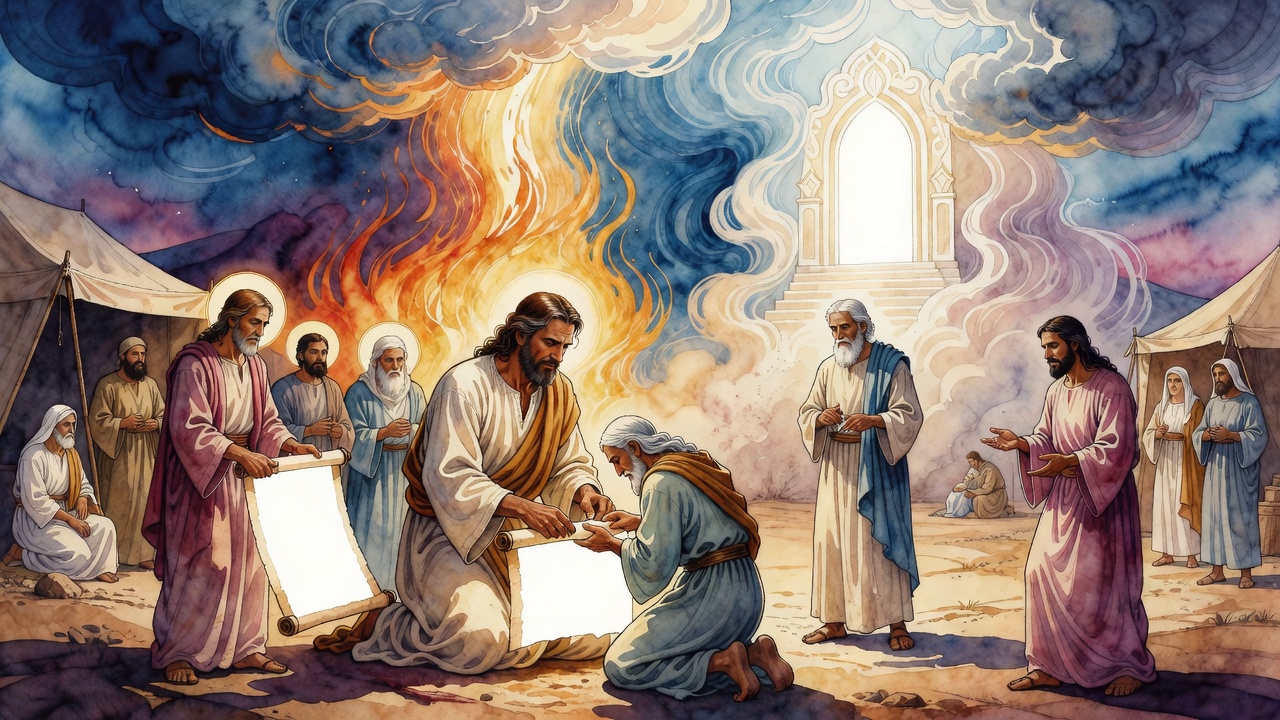
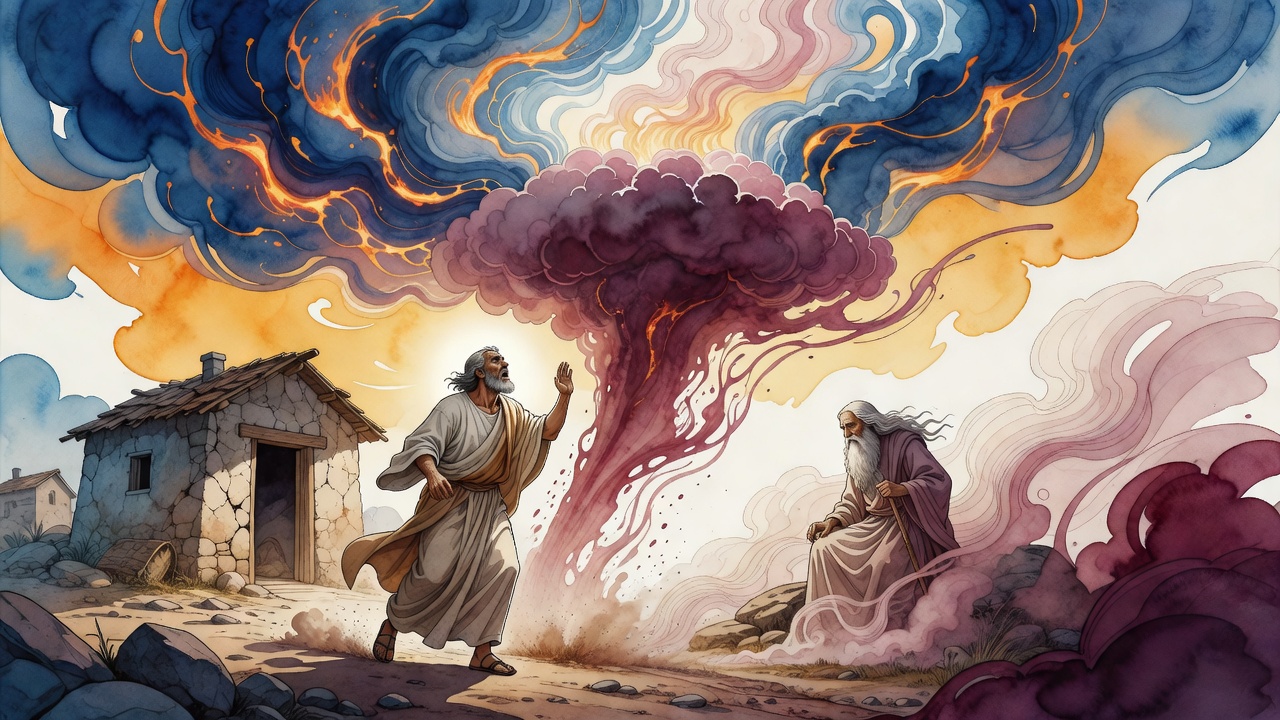
Abraham stood in Aner's doorway with the commandment still new in his mouth. The Holy One had told him to circumcise himself. He had not gone to the knife. He had gone to friends.
 Click for full size
Three names stood near his life. Aner. Eshkol. Mamre. A man who had smashed idols still wanted a human voice before he bled.
Aner Counted Enemy Kings
Abraham told Aner what God had said. Aner answered like a man who still heard horses in the night.
"Do you wish to cripple yourself so badly that when the descendants of the kings you slew come for revenge, you cannot even flee?"
The Valley of Siddim was not old enough to forget. Abraham had ridden against those kings and brought Lot home. Aner saw a wound timed for the wrong war. A gift, he thought, to every enemy still nursing a grudge.
Abraham left him. Some advice is fear wearing a general's face.
Eshkol Counted the Blood
Eshkol heard the same command and looked at an old body.
"You are an old man. If you are circumcised, considerable blood will flow. You will not survive the loss. You will perish."
The counsel had the cold logic of age. Old bodies do not always forgive a bold cut. Eshkol spoke as a friend who wanted Abraham alive more than he wanted him obedient.
Abraham left him too. Survival without the Voice that took him from Ur was not the bargain he had made.
Mamre Sent Him to the Knife
"What do you advise?" Abraham asked Mamre.
Mamre did not take the question as a compliment. He looked at the man who had walked out of a furnace and still wanted a committee for a piece of skin.
"Need you seek my advice in such a matter? Did He not release you from the fiery furnace, perform miracles, and rescue you from kings? You would have been destroyed long ago without His strength. He saved your two hundred forty-eight limbs, and you ask counsel about a piece of one organ. Do as He has commanded."
Abraham stood with that sentence in the air. The other two friends had counted enemies and blood. Mamre had counted the limbs already spared. The knife, after that math, was a small thing.
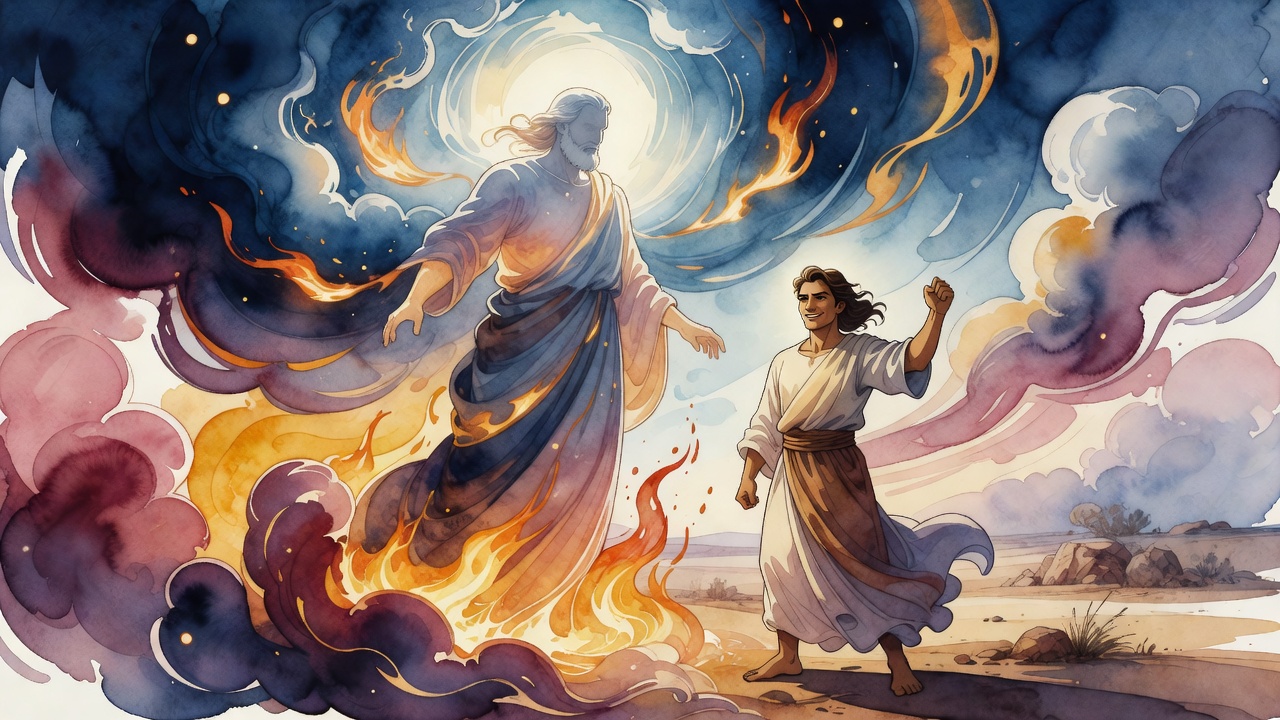
The Holy One answered Mamre with geography. Blessed shall you be for advising circumcision. I will reveal Myself to Abraham only in your territory. So it is written that the Lord appeared to him by the terebinths of Mamre (Genesis 18:1). The oaks became a reward for a sentence of obedience.
The Mound in the Sun
Abraham took Ishmael, every home-born male, and every bought servant, and circumcised them that very day, as God had spoken. Speed mattered. "That very day" left no room for a second round of friendly vetoes.
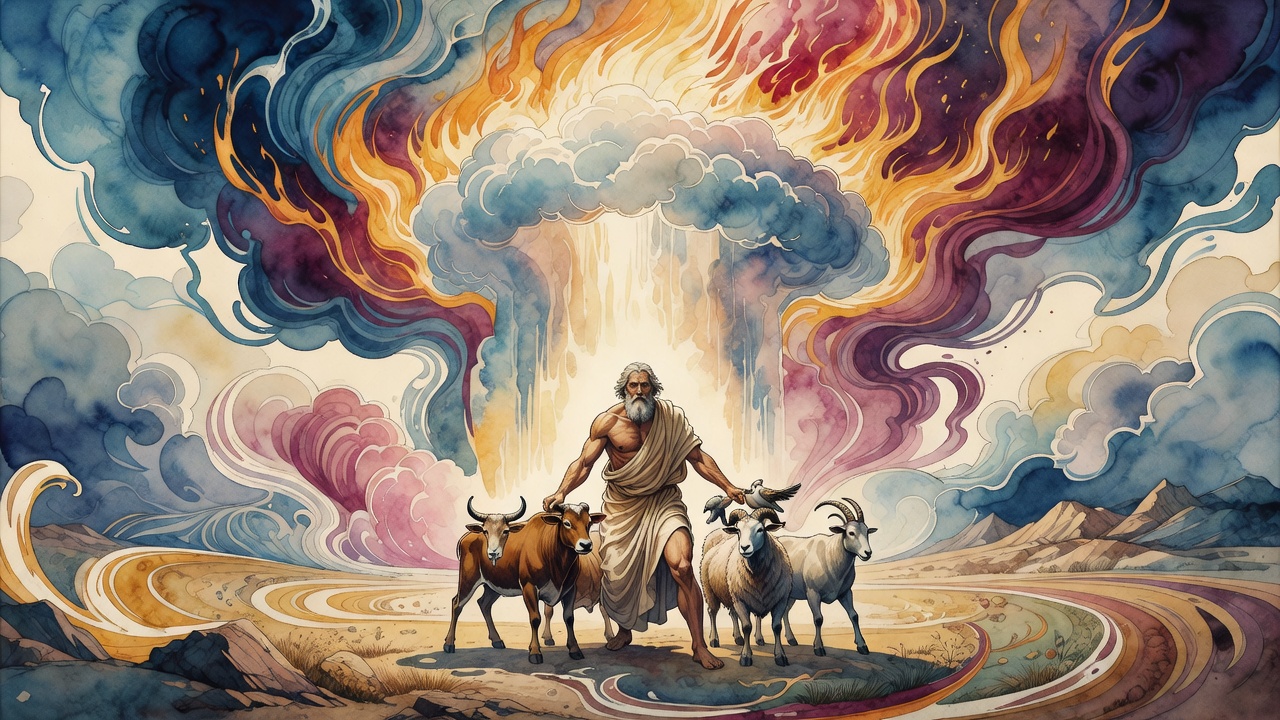
When the work was done he stacked the foreskins in a mound. The sun struck the pile. Worms worked. The odor rose before the Holy One like the incense of spices, like a burnt offering given wholly to the fire (Exodus 29:41).
God said, When the descendants of this man come to commit transgressions and evil deeds, I will remember this aroma and be filled with mercy for them. The cut was a sign on bodies. It was also a smell stored in heaven against a later failure.
Heat at the Tent Door
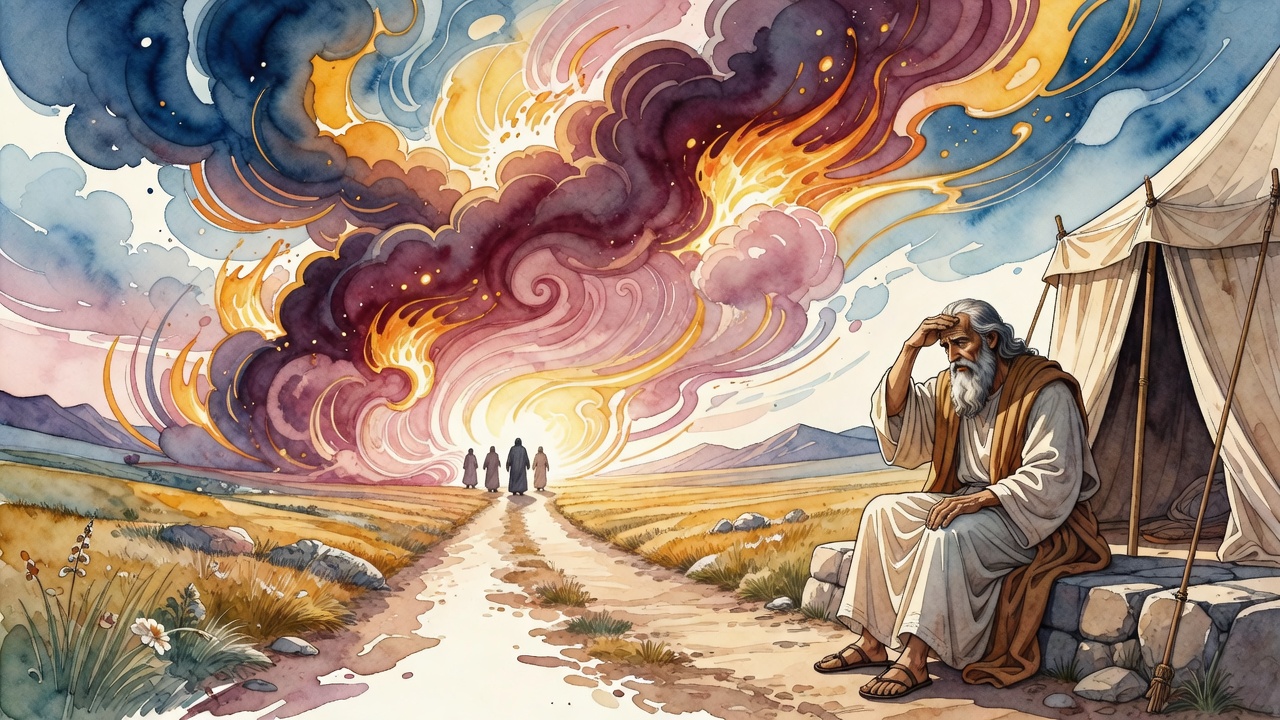
After the cut, Abraham sat at the tent door in the heat of the day. The Holy One made the day extreme so that no travelers would pass and force the wounded host to serve. Mercy came as burning air. A quarantine of climate.
The man who had just obeyed sat empty-handed for a moment. Then visitors still came, because hospitality would not leave him untested even when the flesh was raw.
Aner had offered flight. Eshkol had offered survival. Mamre had offered the furnace memory and the math of limbs. Abraham chose the third voice and bled on schedule. Later walkers past those trees would say more than here God visited. They would say here a friend refused to talk a patriarch out of a commandment.
← All myths