A Merchant Mocked Zion, Then Sold Every Pepper in One Hour
He carried his peppers up into the Land of Israel and sat in the market with nothing selling. An hour later his hands were empty and his purse was not.
Table of Contents
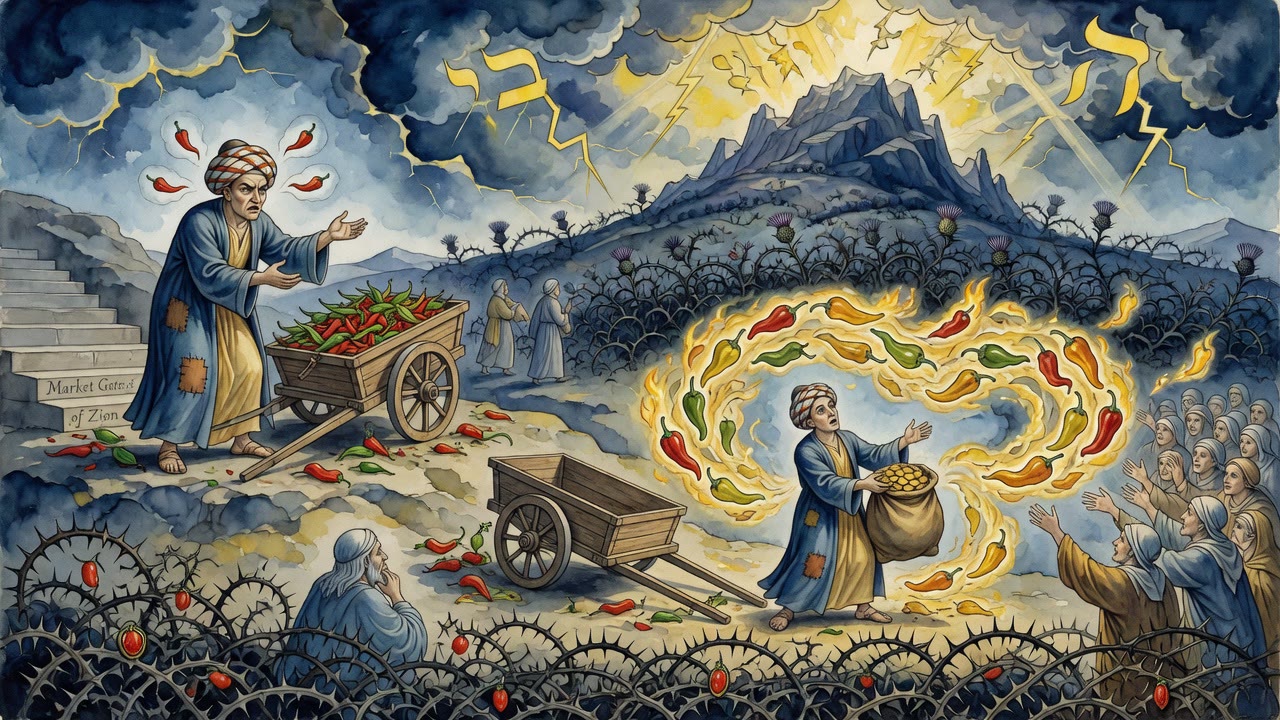
The merchant carried his peppers up into the Land of Israel with a full purse in his hope and an empty one in his hand by noon. He sat in the marketplace. Nothing sold. He scoffed aloud: so this is the place they call the joy of the whole earth? Then, in the space of a single hour, every last pepper left his hands. His mouth filled with praise. "Surely this is the joy of the whole earth, Mount Zion, the city of the great King" (Psalms 48:3).
 Click for full size
Joy That Can Go into Exile
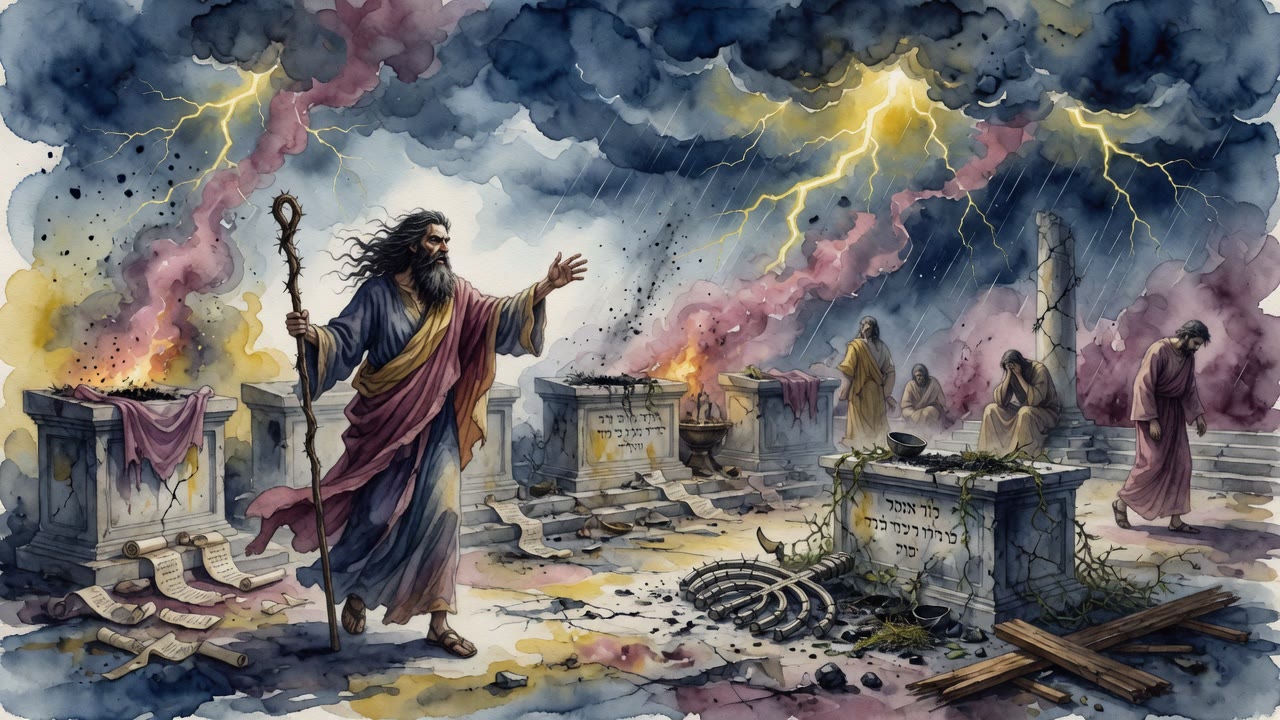
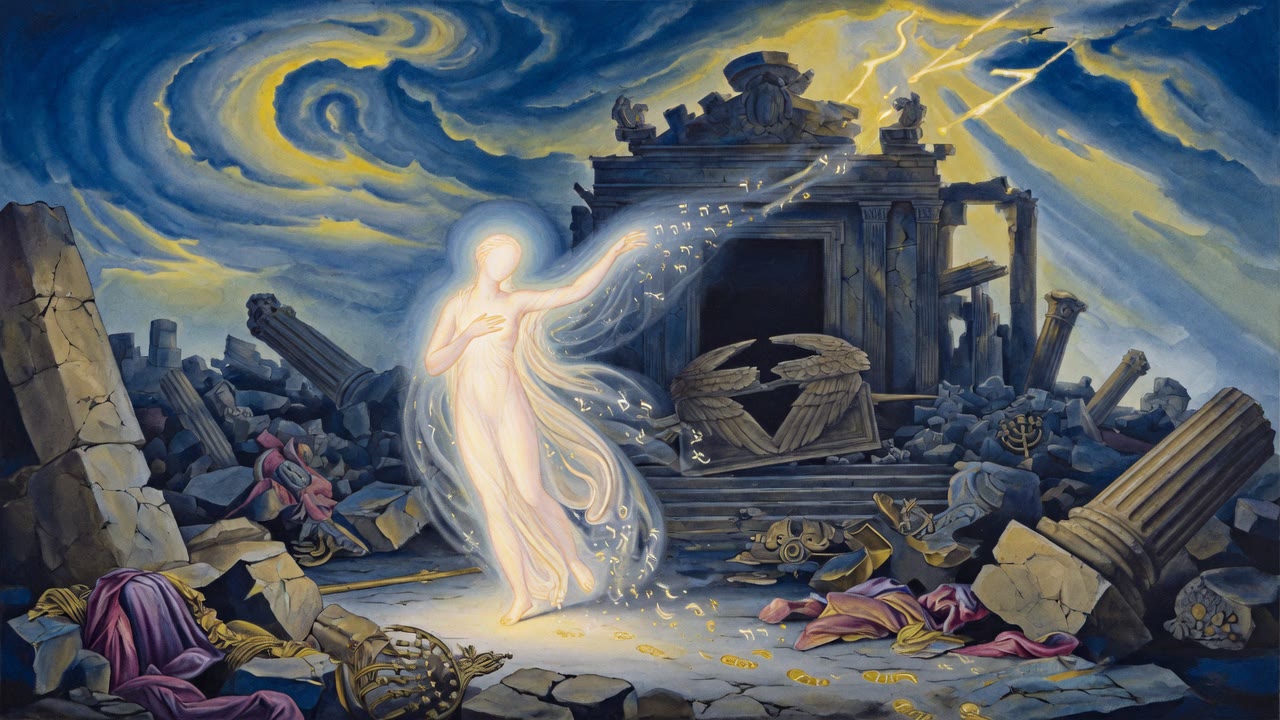
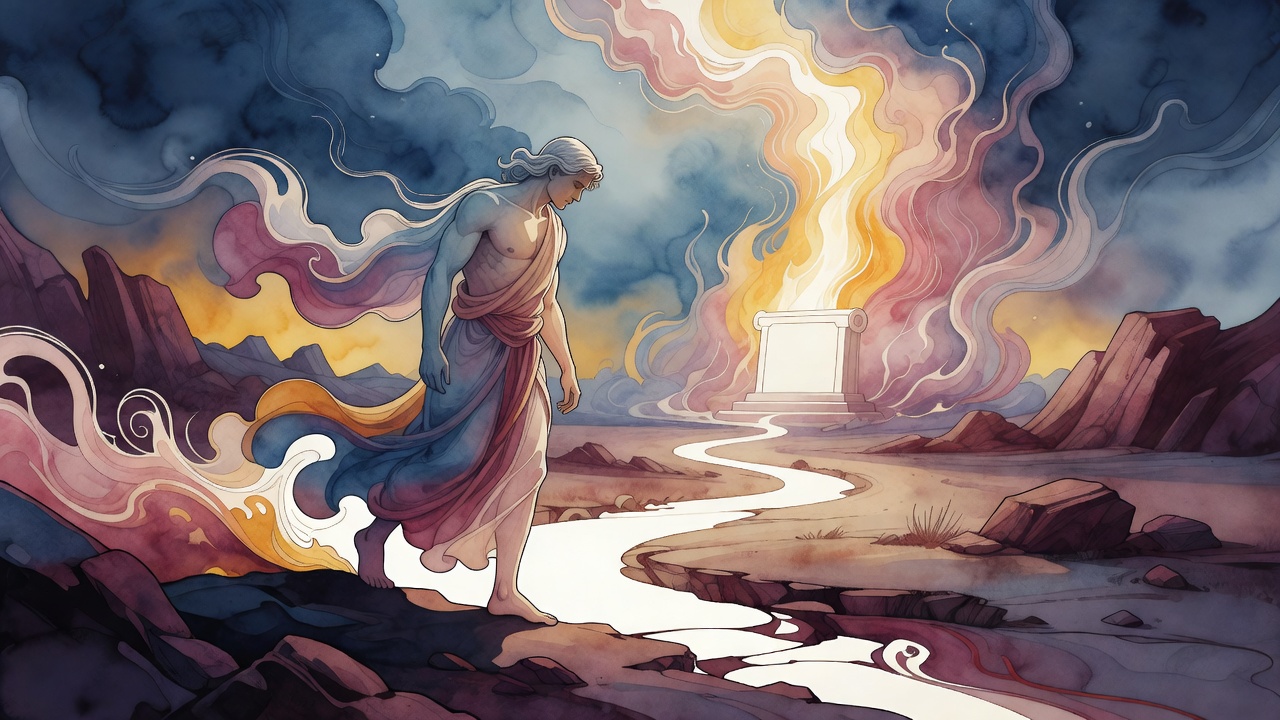
Hold the other side of the verse too. When Jerusalem was laid waste, all gladness went into exile. The prophet says joy "passed away," and the sages hear darkness enter the way Scripture says "and there was evening." In this present world the joy of the whole earth can fall silent. The story does not end in the dark. When the Holy One returns and rebuilds Jerusalem, He restores the joy itself, making her wilderness like Eden, until thanksgiving and song are found in her once more.
The pepper trader learned the first half in one market hour. Later generations learned the second half in smoke.
Swifter Than Eagles
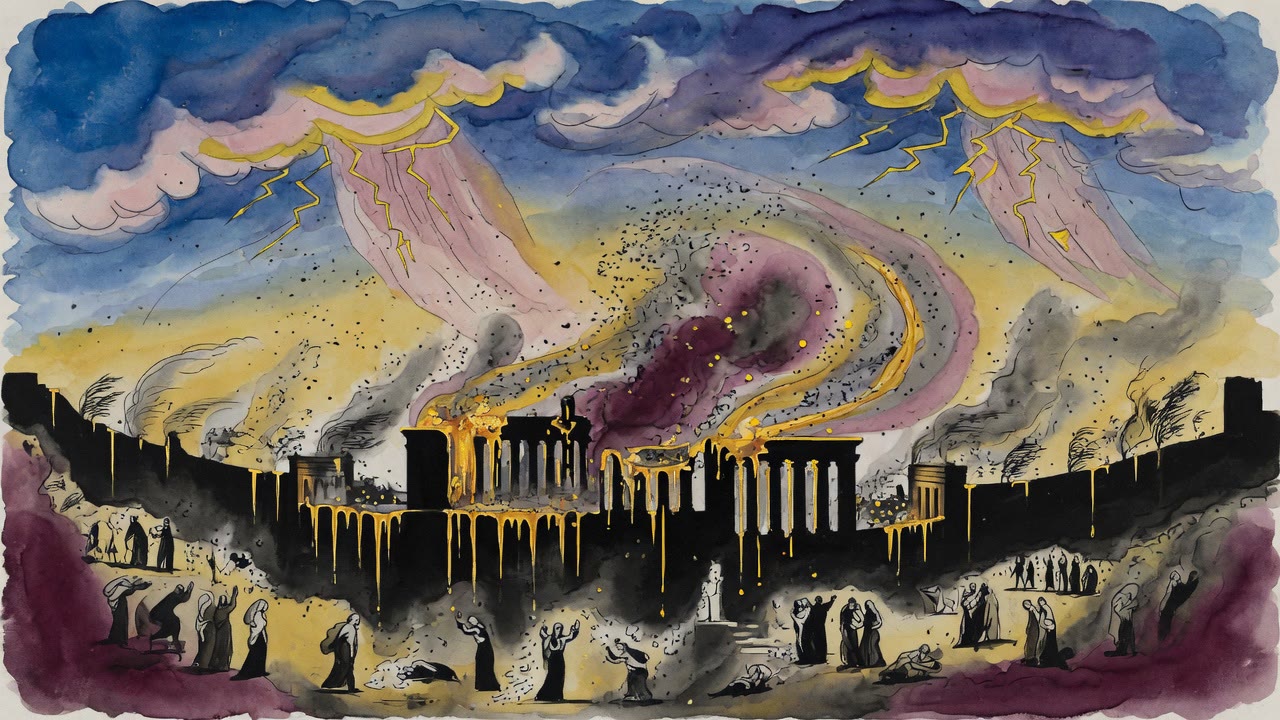
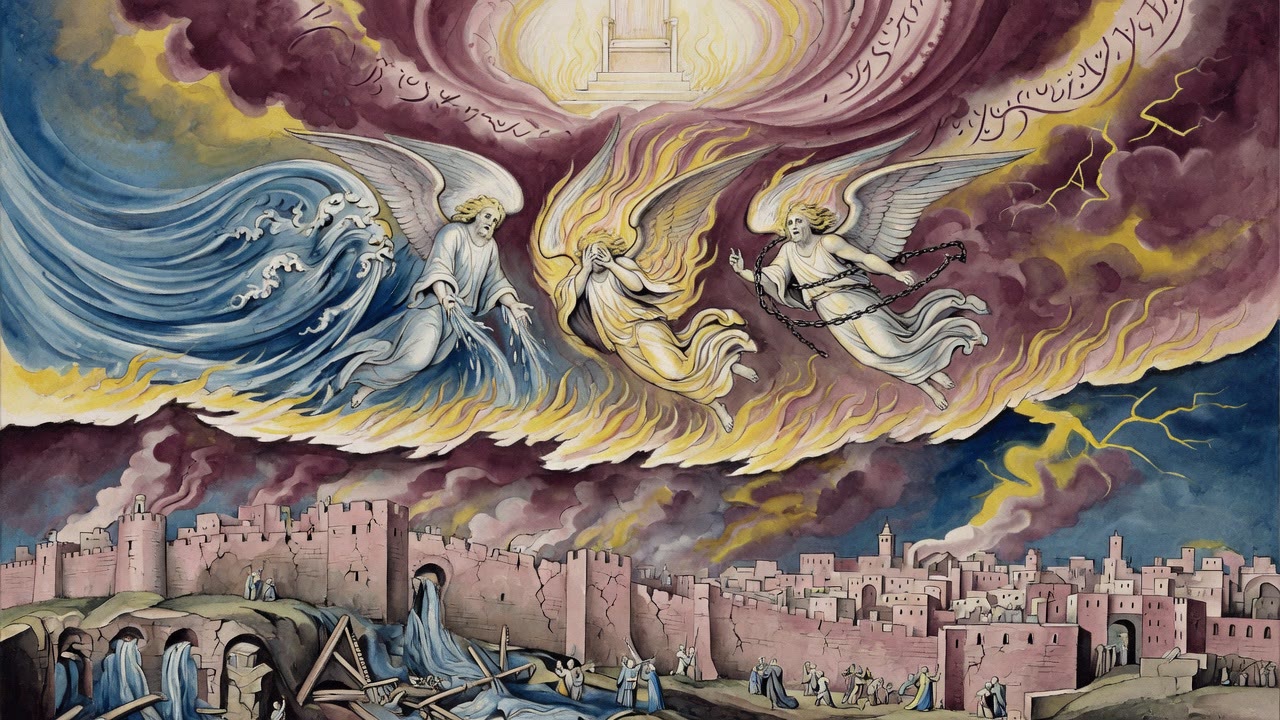
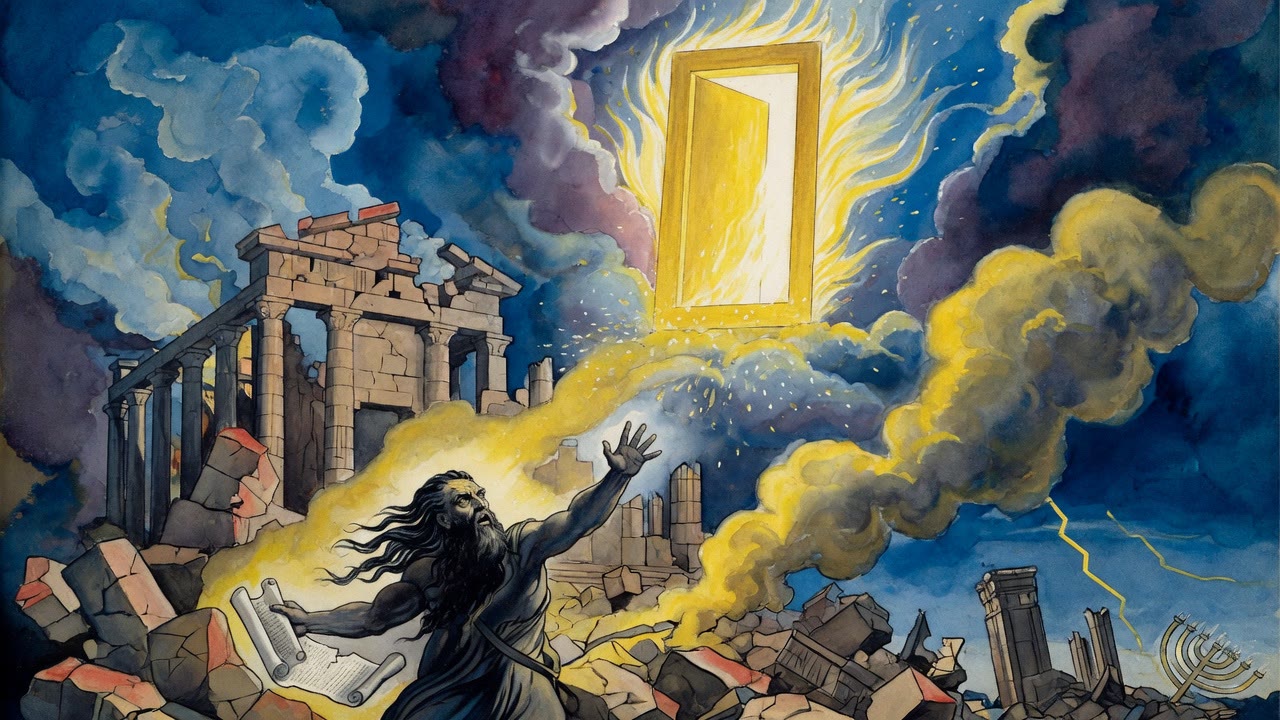
"Our pursuers were swifter than the eagles of the heavens; they pursued us on the mountains, they ambushed us in the wilderness" (Lamentations 4:19). The wife of Trajan gave birth on the night of the Ninth of Av, while all Israel mourned. The baby died on Hanukkah. The Israelites asked: shall we kindle the lights or not? They kindled, and said, whatever he seeks to inflict, let him inflict. Slanderers told the emperor's wife that the Jews mourned at her birth and lit lamps at her child's death. She wrote to her husband: come subdue these Jews. He boarded a ship, counted ten days, and the wind brought him in five. He found them reading, "The LORD will bring a nation against you from afar... as the eagle will swoop" (Deuteronomy 28:49). "I am the eagle," he said. His legions surrounded them and killed them. He offered the women their lives if they would submit to his soldiers. They answered: do to the inferiors what you did to the superiors. The blood of men and women mingled until it ran like a river toward Cyprus.
They pursued us on the mountains: some say enemies lit the thickets where Israel hid; some hear the fire on the Temple Mount; some hear every pursuer of Israel. The joy of Zion and the eagle of Rome share one people's calendar.
A Lily Among Thorns
Rabbi Hizkiah opens the Zohar with a flower. "As a lily among thorns" (Song of Songs 2:2) is Knesset Yisrael, the Community of Israel. The bloom is beautiful and not safe. It grows inside a ring of sharpness. It carries red and white together, judgment and mercy, wound and radiance. Thirteen leaves, thirteen measures of compassion. Israel stands among powers that can tear it, yet mercy surrounds it before the thorns finish their work.
Israel is not imagined here as an army or a tower. Israel is a flower. It survives by receiving hidden care while the world remains dangerous. Holiness grows where it can be scratched. The thorns are real. So are the leaves of mercy folded around the bloom.
From Market Praise to Exile Song
The merchant's peppers and Trajan's eagle and the Zohar's lily are three temperatures of the same city. Joy can fill a mouth in an hour of sudden sale. Joy can pass away until only kindling on Hanukkah remains as defiance. Joy can hide as a flower pressed among thorns, still counted, still watered by measures of compassion the empire cannot see.
Mount Zion is called the joy of the whole earth not because the earth is always kind to it. It is called that because when joy returns, the whole earth feels the difference, the way a market feels the hour when every pepper finally moves.
The merchant's scoff is easy to imitate. Every generation has a market day when Zion looks like a bad investment. Dry stalls. Hard faces. Prices that will not move. Then an hour turns and the same ground feels like the center of the world. The midrash does not say the trader became a prophet. It says his mouth filled with praise he had mocked an hour earlier. Experience corrected theology faster than argument.
Trajan's eagle is the correction in the other direction. Kindling lights while an empire mourns a dead child is not market luck. It is stubborn joy under threat. The women who refused the soldiers' bargain chose death with the men rather than life as spoils. Blood running toward Cyprus is the anti-song of the pepper hour. Same people. Same calendar of festivals and fasts. Opposite temperature.
The Zohar's lily does not resolve the contradiction. It holds it. Red and white in one bloom. Thorns and thirteen leaves of compassion. Exile is not described as total abandonment. It is described as beauty that can be cut, watered in secret, still named. A flower is easier to crush than a tower. It is also easier to miss when you are looking only for armies.
So walk the three scenes as one pilgrimage. Mock, then praise, in a spice market. Kindle, then bleed, under an eagle. Bloom, then bleed, among thorns. Zion remains the joy of the whole earth not as a permanent mood but as a destiny that keeps interrupting both commerce and empire with a claim neither fully owns.
← All myths