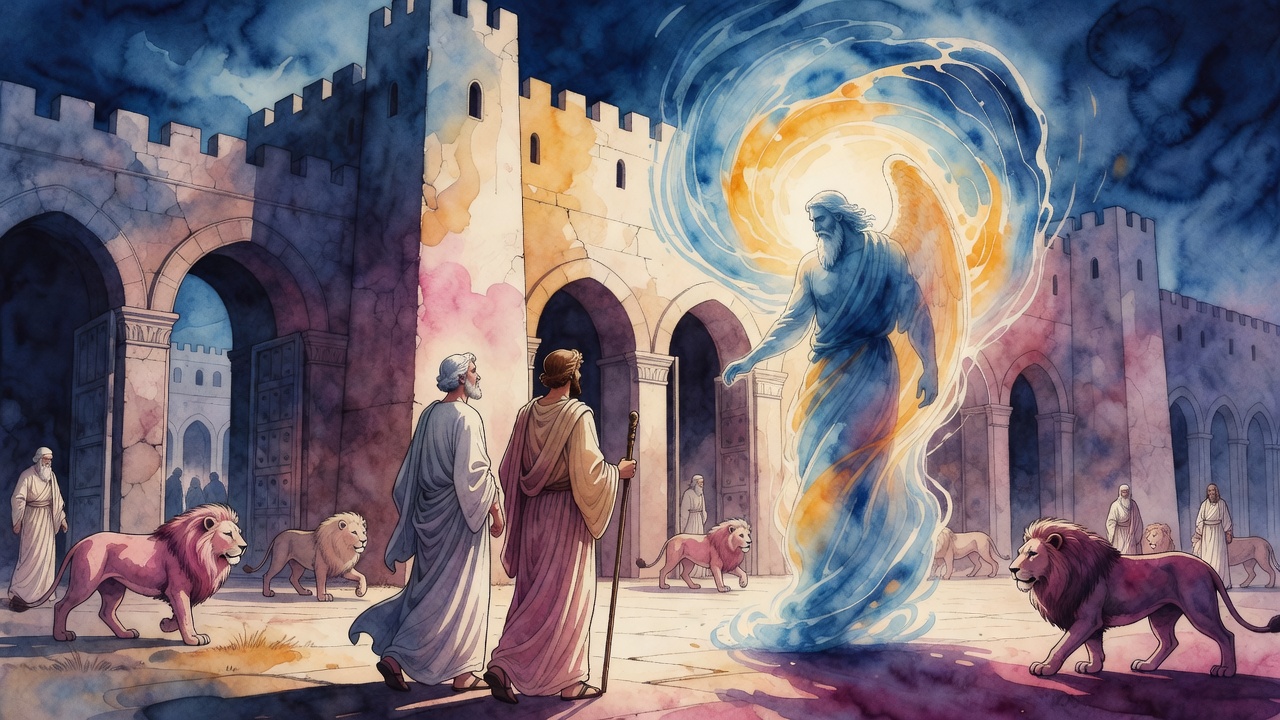
Pharaoh's Spies Found Every Hebrew Cow Alive
Egyptian fields already reeked of dead livestock. Riders went east to count Hebrew herds and came back with a number the king refused to use.
 Click for full size
Riders Toward Goshen
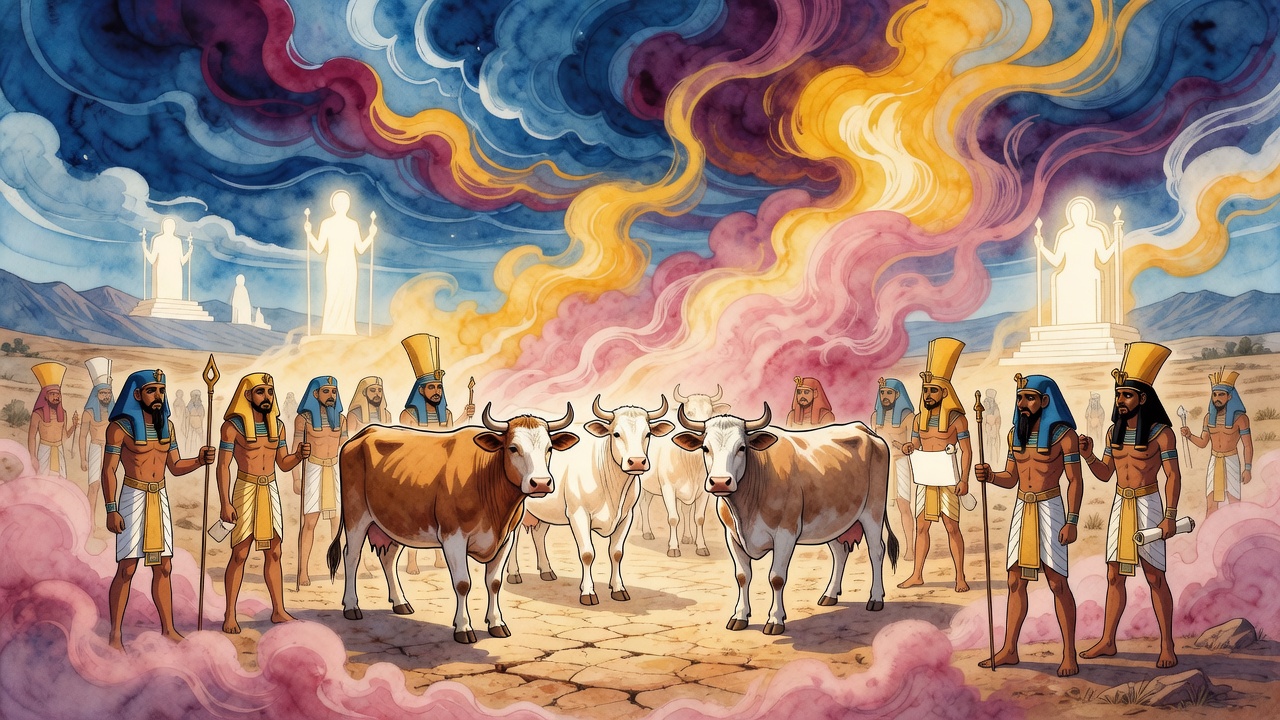
Pharaoh sent riders east toward Goshen with a simple order: count the Hebrew cattle and come back with numbers, not stories.
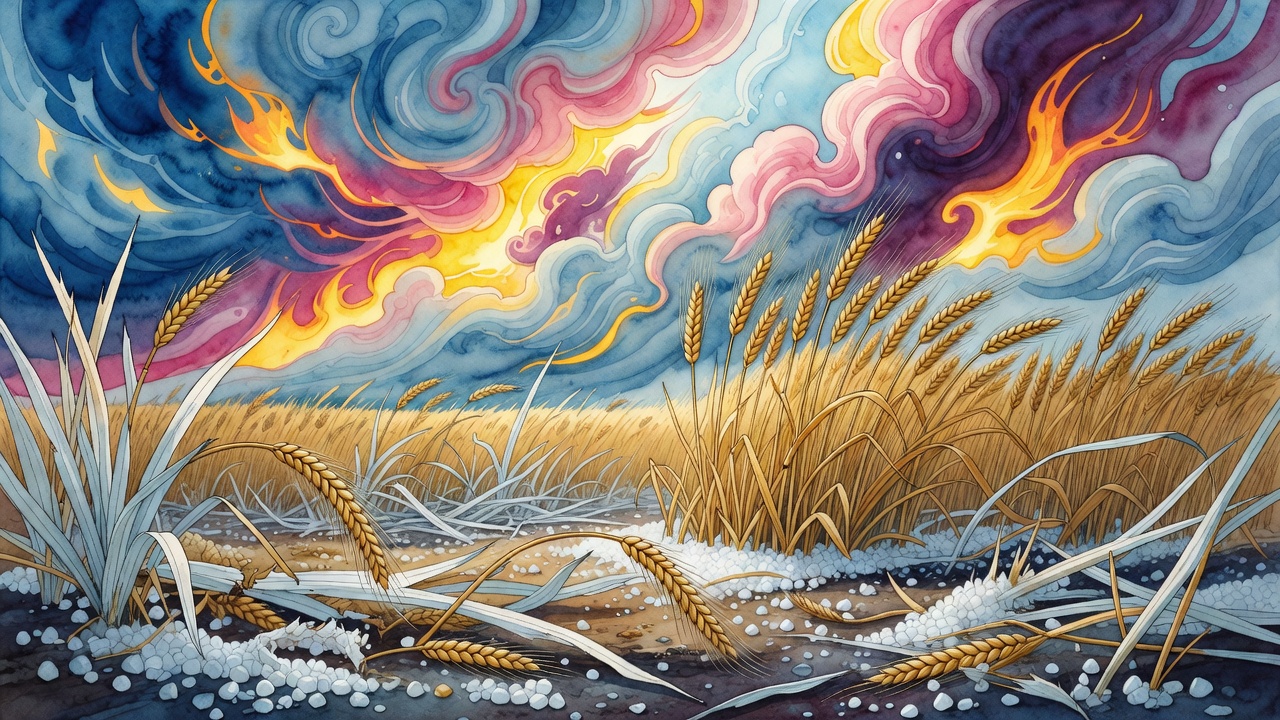
Egyptian fields already reeked of dead livestock. Pestilence had finished the work the earlier plagues began. Flies had lifted. The river had stank. Now the stalls of Egypt held silence where udders and yokes had been. If the Hebrew herds still breathed, the separation was no rumor. It was a map drawn in living flesh.
The inspectors rode through that stink with tablets and a job. They were not sent to repent. They were sent to measure. A king who still meant to keep slaves can treat a miracle as a bookkeeping problem if he tries hard enough.
Not Even One
The inspectors returned pale. Not one of the cattle of the sons of Israel had died. Not even one. Every Jewish cow stood. Every Egyptian cow that should have been under the same sky was gone or rotting.
In Goshen a herdsman ran his palm along a living flank and did not understand why Egyptian neighbors had spent the day digging pits. The boundary between life and death had drawn itself without a fence. Children of Israel heard lowing through the night and mistook it for ordinary peace. It was not ordinary. It was a verdict the king had already read and rejected.
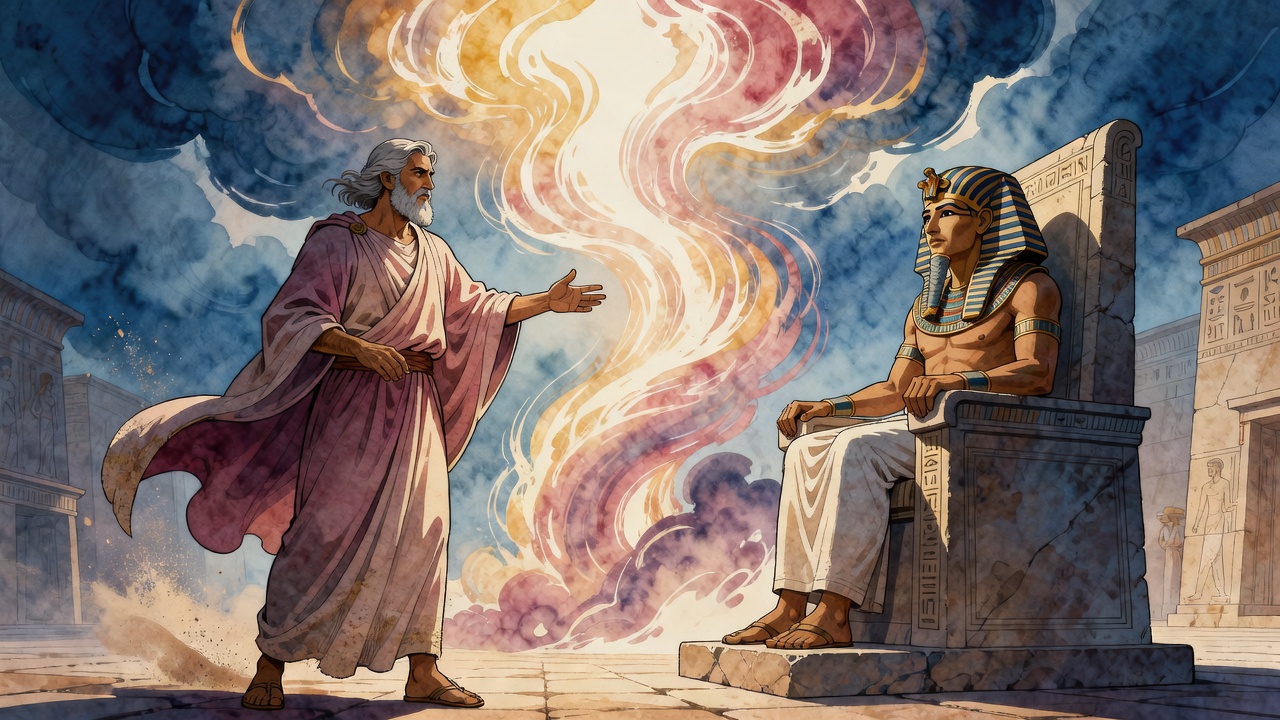
Pharaoh heard the report. Then his heart grew heavier. The disposition of his heart was aggravated, made dense, made hard. Evidence did not open him. Evidence packed him tighter. He would not release the people.
Back in the palace a scribe wrote the inspectors' numbers cleanly, as if clean ink could soften a hard will. Pharaoh set the tablet aside. "Not even one," someone whispered in the corridor, and the whisper traveled faster than the official report. Soft hearts would have broken open. His thickened until even his servants learned to keep their faces still when good news for slaves arrived.
The Same Five Words
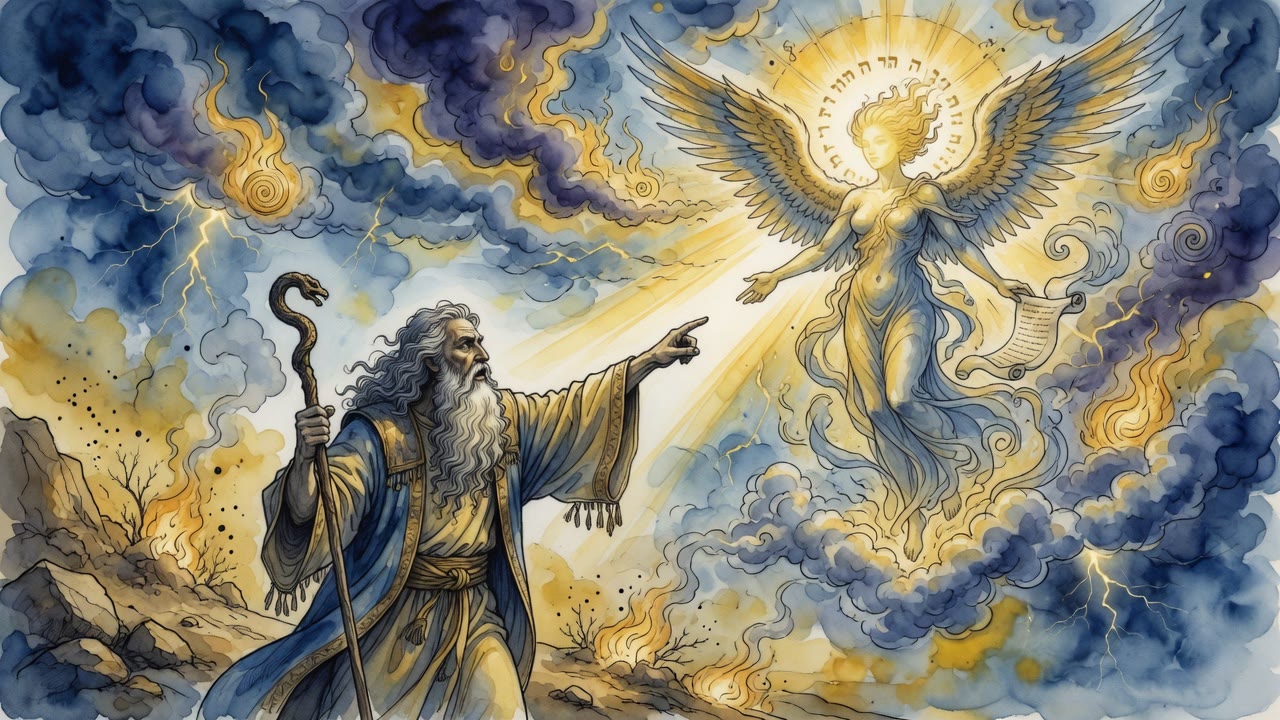
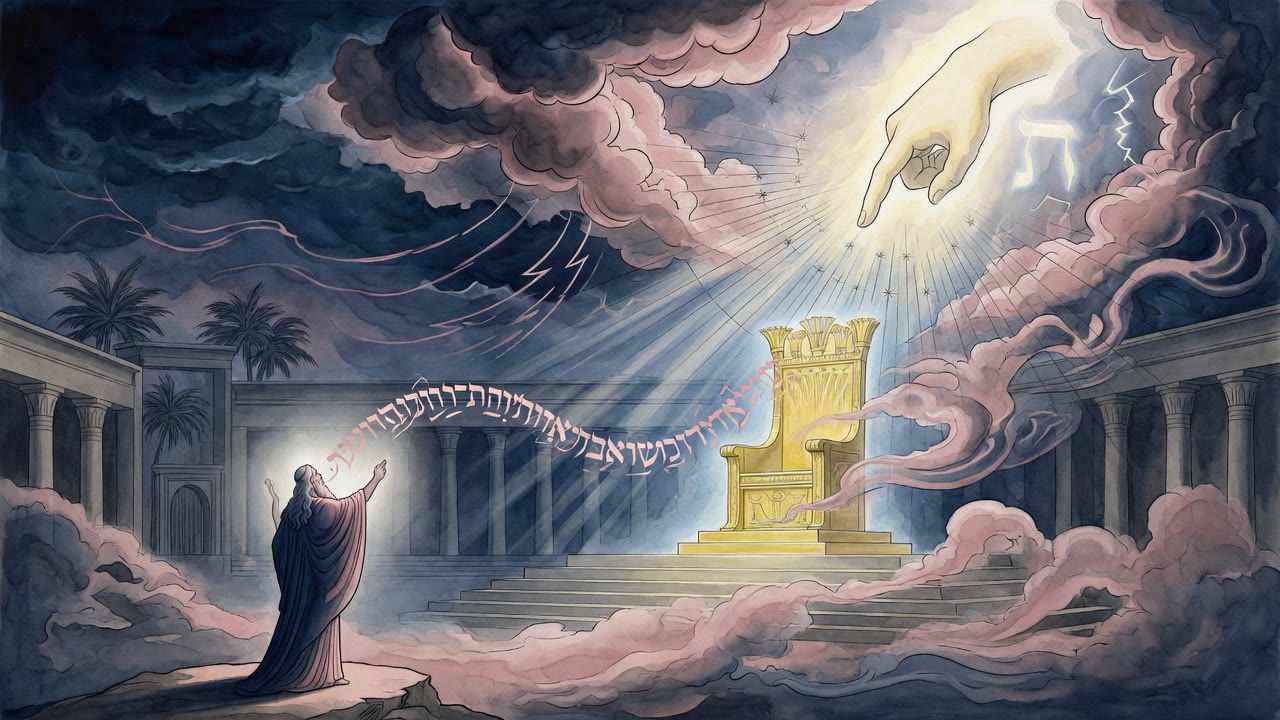
When the next wave of pressure began, Moses carried a message that refused to change. "Thus says the Lord, the God of the Jehudaee: Emancipate My people, that they may worship before Me."
The Owner had not changed. The people in chains were already His before the chains fell off. Four times, five times, more: the sentence stayed. Prophets do not invent new slogans when a king pretends not to hear. They repeat the only sentence that matters until the world rearranges around it.
Moses left the palace again with the same unfinished demand riding his tongue. Let My people go. The cattle in Goshen kept breathing. Egypt kept dying by degrees. The king's density held.
The inspectors' horses were still dusty from Goshen when Pharaoh turned back to the work of refusal. Dust from a miracle stuck to palace floors and changed nothing. A researched hardness looks like diligence from the throne. It looks like a man who sent riders, took testimony, and still chose the whip.
The Design Made Strong
By the later plagues the language shifted. Earlier, Pharaoh had hardened his own heart. Now the Lord told Moses, "Go in to Pharaoh, for I have made strong the design of his heart and the design of the heart of his servants, to set these My signs among them."
The stubbornness Pharaoh had practiced freely had become his nature. Heaven did not invent his cruelty. Heaven confirmed the path he had already chosen, so the remaining signs could be set in full view for Israel's memory. The king would finish becoming himself in public.
The servants' hearts were bound into the same design. A court that feeds a tyrant's will shares the thickness of his refusal. When heaven later strengthened that design, the spies' tablet was already part of it. He had practiced saying no after seeing yes. The remaining signs would not aim at converting a man who used miracles as fuel for refusal. They would aim at a people who needed to remember what a researched hardness looks like.
Moses returned with the same pressure dressed in the name the palace already knew how to ignore. Emancipate My people. The sentence did not grow clever. It grew heavier by repetition, the way a hammer does not need new shapes to drive a nail. Pharaoh's research into Goshen should have been the crack. Instead it became another brick in the wall he was building against his own eyes.
The living herds of Israel kept breathing as if breath itself were an argument the king refused to hear. Moses left with the demand still unfinished. Night would have to crack wider than livestock before that heart gave way.
← All myths